Cryptococcosis in Cats: Nose Swelling, Diagnosis, and Treatment
Cryptococcosis often shows up in cats as a swelling over the nose with sneezing and discharge. How cats catch it, how vets confirm it, months of antifungal treatment, the outlook, and which signs mean go in now.

BVMS MRCVS
Medically reviewed by Dr. Pippa Elliott, BVMS MRCVS · Last reviewed

This article contains affiliate links. Webvet may earn a commission when you buy through them, at no extra cost to you.
Cryptococcosis in cats: what it is, the signs that matter, and why it needs a vet
Cryptococcosis in cats is a fungal infection caught by breathing in Cryptococcus spores from the environment. The Cornell Feline Health Center calls it the most common systemic fungal disease in cats, with spores found mostly in pigeon droppings and decaying vegetation. Indoor cats can get it too.
The classic signs of cryptococcosis in cats are sneezing, a long-lasting nasal discharge, and a firm swelling over the bridge of the nose, per the Merck Veterinary Manual. A vet confirms it, usually with an antigen blood test, and treatment means months of prescription antifungal medication.
- 1Know what cryptococcosis is: a fungal infection from inhaled Cryptococcus spores, not something cats catch from each other.
- 2Know how indoor cats catch it: tiny airborne spores from pigeon droppings and decaying plants can reach them.
- 3Watch the nose: sneezing, discharge, and a firm swelling over the bridge of the nose are the most common signs.
- 4A vet confirms it with an antigen test or cytology; treatment means months of antifungal tablets.
- 5Trouble breathing, sudden blindness, or seizures need a vet the same day.
What is the meaning of cryptococcosis?
Cryptococcosis means disease caused by Cryptococcus, a yeast-like fungus. Two species cause it in cats: Cryptococcus neoformans and Cryptococcus gattii, which the Merck Veterinary Manual cat owner guide says are found worldwide in soil and bird manure.

Cryptococcosis in dogs and cats differs in a few ways:
- Cats are much more likely than other domestic animals to be affected, per Cornell
- Cats of all ages can get it, according to the ABCD guidelines in the Journal of Feline Medicine and Surgery
- More than 50% of dogs may have widespread disease involving the brain or eyes, Merck reports, while cats mostly have nasal disease
Other fungal infections vets weigh in dogs include aspergillosis in dogs and histoplasmosis in dogs.
Treatment means a tablet by mouth every day for months, and the ABCD guidelines stress that owner follow-through is crucial. A calm pilling routine from the first dose makes the full course easier to finish.
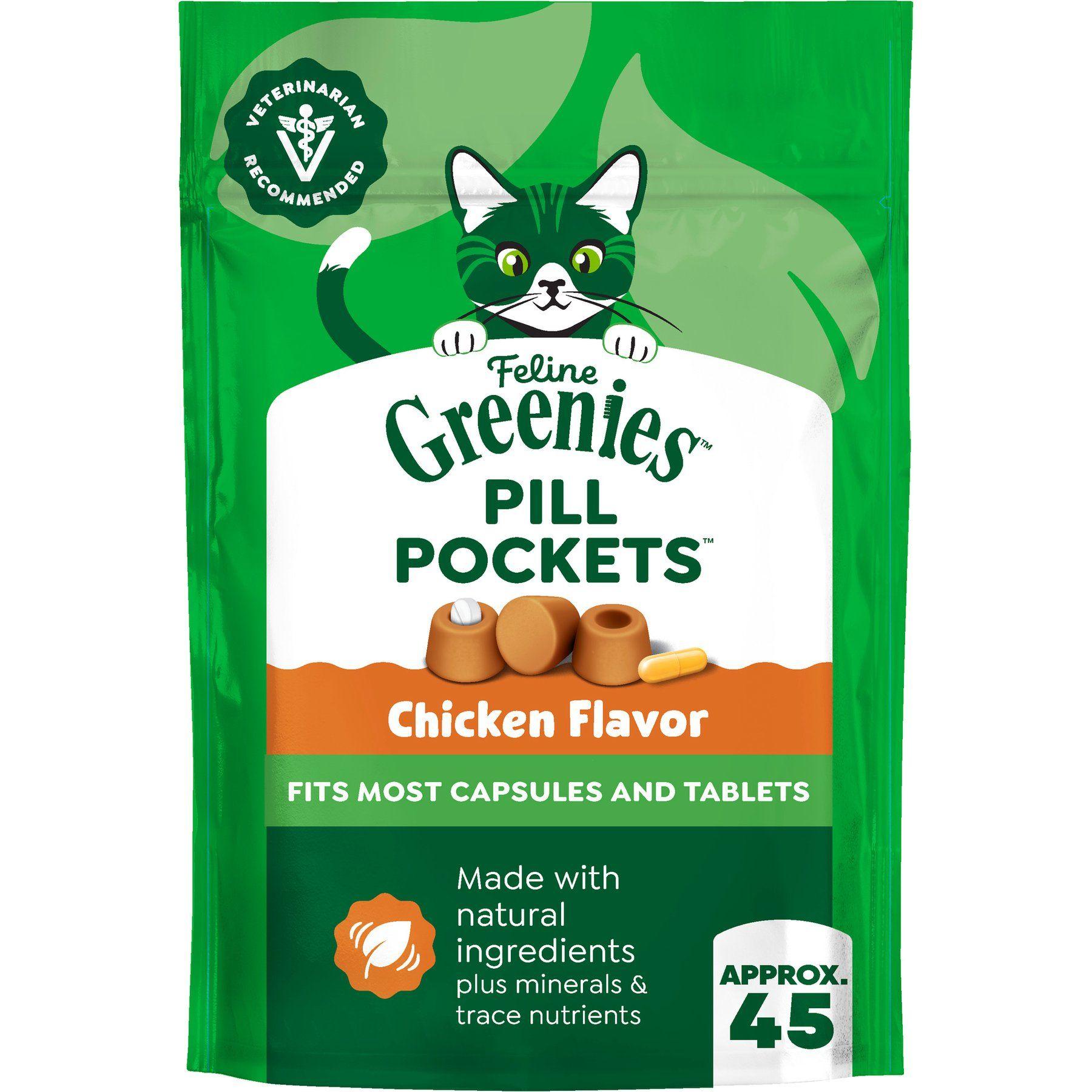
Soft chicken-flavor treats with a pocket for hiding a tablet during a months-long antifungal course.
Webvet may earn a commission when you click through to Chewy, at no extra cost to you.
How cats get cryptococcus, including indoor cats, and whether it spreads
Cats get cryptococcus from the environment, not from other cats. The CDC says it lives in soil, bird dung, decaying wood, and some trees, and Merck notes cats catch it by inhaling spores or through contaminated wounds.

How did my indoor cat get Cryptococcus?
Airborne spores can reach indoor cats. Cornell states that indoor and outdoor cats are both susceptible, and the ABCD guidelines explain that the spores, under 2 micrometers, travel easily on air. Pigeons carry the fungus on their beaks, feathers, and legs, and eucalyptus leaves can harbor it. Incubation can take months to years, so the source often stays unknown.
Where is Cryptococcus found in the US?
Cryptococcus neoformans lives throughout the world, per the CDC overview. Cryptococcus gattii is found in cooler areas including British Columbia, Oregon, Washington, and California, the CDC says. Feline cases cluster on the Pacific coast, per Cornell, where a Journal of Feline Medicine and Surgery editorial describes one strain spreading south.
How contagious is Cryptococcus?
It is not contagious. The ABCD guidelines describe feline cryptococcosis as non-contagious and acquired from a contaminated environment. Cornell explains that an infected cat cannot spread it to other pets or people, though everyone in a home could meet the same outdoor source.
 Sponsored
Have a health question about your cat?
Talk to a licensed vet at Dutch over video or message, including nights and weekends.
Use code Pets60
Plans start at $12/month · covers up to 5 pets
- Licensed vets in most states
- Rx for 150+ conditions
- 4.7 on Trustpilot
Cryptococcosis symptoms in cats: nose swelling, sneezing, eyes, skin, and the nervous system
| Sign | May mean | How urgent | Next step |
|---|---|---|---|
| Nose: sneezing or discharge for weeks | Chronic nasal disease | Within days | Ask about an antigen test |
| Nose: firm swelling over the bridge | Nasal cryptococcosis | Within days | Antigen test, cytology |
| Nose: lump in a nostril | Fungal growth | Within days | Exam and sample |
| Skin: lumps or sores that will not heal | Skin form | Within days | Cytology of a sample |
| Whole body: weight loss, poor appetite | Long-standing infection | Within a day or two | Antigen test |
| Breathing: open-mouth or labored | Airway blocked by a mass | Urgent: now | Emergency clinic |
| Eye: fixed dilated pupils, sudden blindness | Eye or optic nerve involvement | Urgent: same day | Emergency exam |
| Nervous system: seizures, circling | Brain involvement | Urgent: now | Emergency clinic |
A blocked nose dulls a cat's sense of smell, and ABCD notes cats with chronic nasal disease may stop eating and lose weight, so calorie support can matter while the cause is worked out.

A high-calorie gel your vet may suggest for a congested cat that has lost interest in food.
Webvet may earn a commission when you click through to Chewy, at no extra cost to you.
Nasal cryptococcosis in cats is the most common of the four forms Cornell describes: nasal, nervous system, skin, and systemic. Signs of the nasal form include:
- Chronic nasal discharge that may be clear, bloody, mucus-like, or pus-like
- Sneezing and loud, noisy breathing
- A firm swelling over the bridge of the nose or face
- Deep, non-healing sores on the nose, sometimes draining a jelly-like fluid
- A polyp-like mass in a nostril
The nasal form often shows as a firm bump over the nose, sometimes ulcerated. Many sneezing cats have something more common, covered in why does my cat keep sneezing, but the ABCD guidelines call Cryptococcus an important cause to consider in any cat with chronic nasal discharge.
Blood in the discharge is another reason to book a visit; see cat sneezing blood. A cat that is not eating and lethargic needs a vet check. General signs such as low energy or a fever in cats have many causes, which is why testing matters. Beyond the nose, Merck and Cornell describe:
- Eyes: dilated pupils that do not respond to light, and blindness from retinal detachment
- Skin: single or multiple nodules on or under the skin that may ulcerate, plus swollen lymph nodes
- Nervous system: depression, personality changes, seizures, circling, weakness, and sudden blindness
- Ears and balance: head tilt or balance problems

How do you get disseminated cryptococcosis?
Disseminated cryptococcosis happens when the infection spreads beyond the nose. The ABCD guidelines explain that it can travel from the nasal cavity through the thin bone at the back of the nose into the brain, or, more rarely, through the bloodstream. Cornell notes bloodstream spread can affect the eyes, bones, joints, and several organs.
Is Cryptococcus in cats painful?
It depends on the form. Cornell describes the skin nodules as non-painful and non-itchy, so a cat may ignore them. The nervous system form is different: Cornell lists head or spinal pain among its signs. A cat that flinches when its head is touched or resents handling should be seen soon.
SponsoredVet care that's always there
Unlimited video calls and messaging with licensed vets for less than a typical vet visit. One membership covers up to five pets.
Use code Pets60
Plans start at $12/month · covers up to 5 pets
- Licensed vets in most states
- Rx for 150+ conditions
- 4.7 on Trustpilot
How vets diagnose cryptococcosis: the antigen test, cytology, and imaging
Testing usually starts with a blood sample. Cornell explains that the latex agglutination antigen test can be run on blood, urine, or spinal fluid, and the ABCD guidelines call blood antigen testing the test of choice because it is fast, reliable, and minimally invasive.
The latex cryptococcal antigen test detects capsular antigen from the thick capsule around each yeast cell. Results come back as a titer; VIN proceedings note even a titer of 1 counts as positive. Other tools include:
- Nasal cytology: Merck calls cytology of nasal or skin discharge, or smears from a lump, the fastest route to a diagnosis
- Biopsy and culture: ABCD says only nasal biopsies, not discharge, should be cultured, because the fungus can sit in a healthy nose
- CT or MRI: these show nasal and brain lesions, but imaging alone cannot confirm the diagnosis, per ABCD

Cytology works well because the yeast looks distinctive and plentiful, but a negative smear does not rule it out. The blood test can also be negative when disease is limited to the nose or skin, per Cornell, so vets may take tissue samples.
When to see a vet urgently: breathing trouble, sudden blindness, and seizures
Cryptococcus can kill a cat. Cornell notes nervous system involvement lowers the chance of recovery, and the ABCD guidelines report the cats that did not recover had brain or widespread disease. Even so, Malik's VIN proceedings estimate perhaps two in three cats with neurological signs can be treated successfully with combination therapy that includes amphotericin B, though the outlook is always guarded.
A seizure needs emergency care; see seizures in cats. Open-mouth or labored breathing can mean a growth is blocking the airway. Merck notes neurologic signs often worsen in the first week of treatment, which alone does not mean a poor outcome.
Cryptococcosis treatment in cats: fluconazole, how long it lasts, and care at home
Treatment comes down to long-term antifungal medication. Merck names fluconazole and itraconazole as the treatments of choice. Both need a veterinary prescription, and the vet sets the dose, adjusts it over time, and schedules antigen rechecks and liver bloodwork.
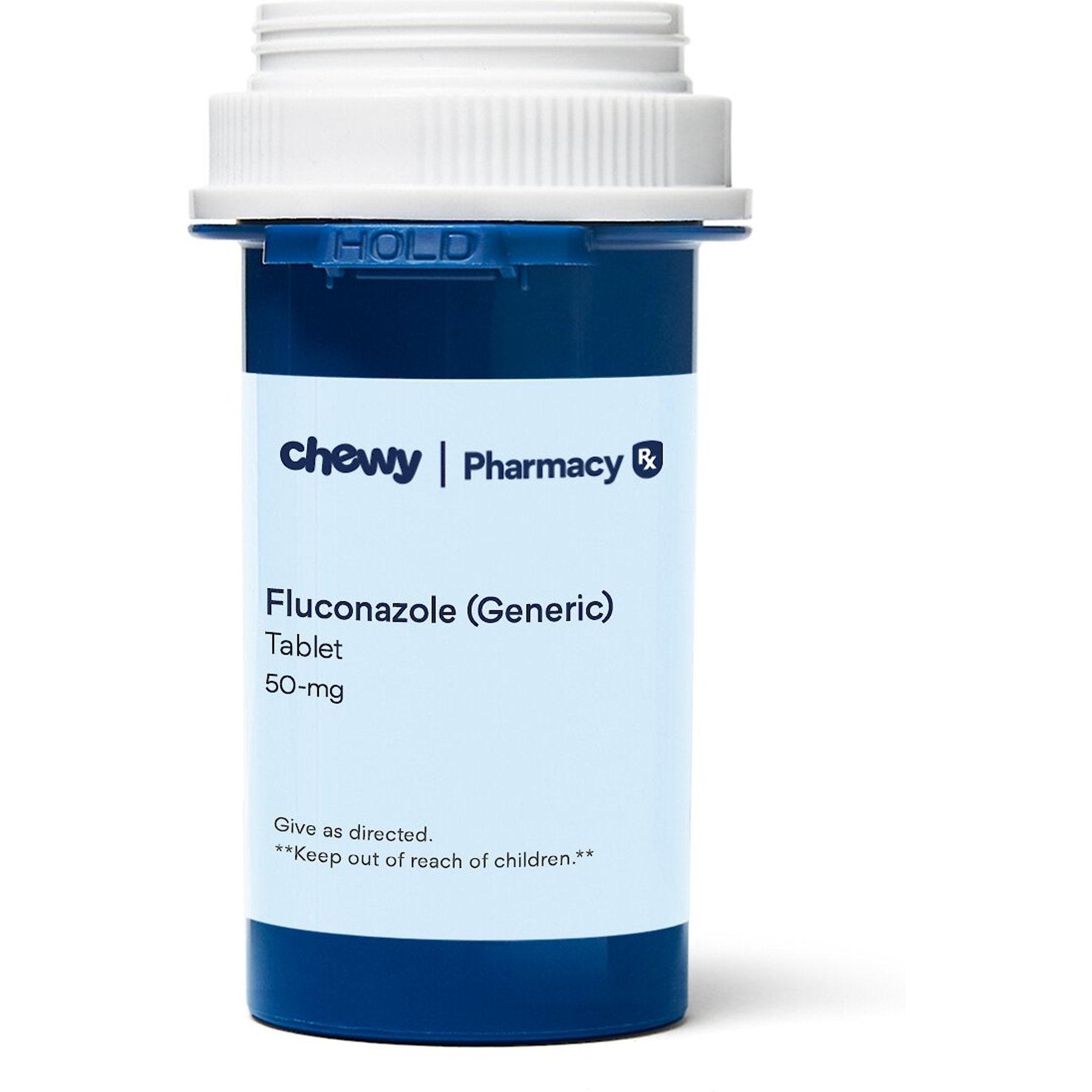
A prescription medication: generic fluconazole tablets, dispensed only with your vet's prescription, dose, and recheck plan.
Webvet may earn a commission when you click through to Chewy, at no extra cost to you.
What kills Cryptococcus?
Antifungal drugs kill Cryptococcus. The ABCD guidelines list amphotericin B, ketoconazole, fluconazole, and itraconazole as drugs used in cats. For brain or widespread disease, amphotericin B, sometimes with flucytosine, may come first, followed by months of fluconazole or itraconazole. Surgically removing nodules from the nose, mouth, or skin also helps.
Giving tablets for months is the hardest part of treatment. VCA Animal Hospitals offers this guidance for fluconazole:
- Do not skip doses; tablets can be given with or without food
- If your cat vomits after a dose, give the next one with a small meal or treat
- If you miss a dose, give it when you remember, but skip it if the next dose is nearly due; never give two at once
Many cats take a tablet hidden in a treat such as Greenies Pill Pockets Feline Chicken Flavor Natural Soft Adult Cat Treats, 1.6-oz bag, 45 count. A labeled case such as the Ezy Dose Daily AM/PM Cat Pill Case helps a household avoid missed or doubled doses.
For cats that spit out treats, a pill gun lets a little water pass with the pill to make it easier to swallow. Ask your vet or clinic team to show you how to use one safely.
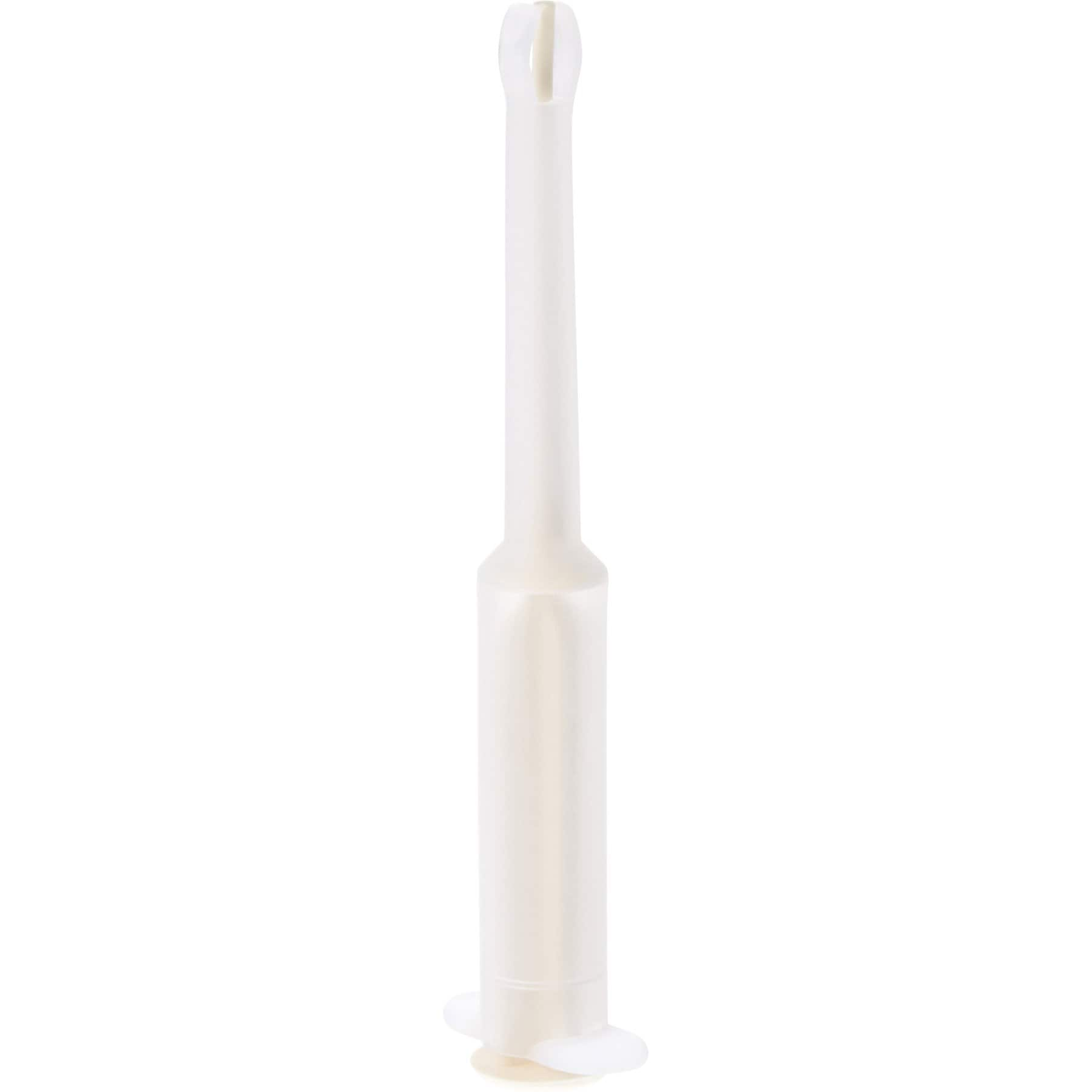
A pill gun that delivers a tablet with a little water for cats that refuse treats, so doses are not missed.
Webvet may earn a commission when you click through to Chewy, at no extra cost to you.
How long fluconazole treatment lasts varies by cat:
- In the ABCD guidelines, cats on fluconazole were treated for a median of 4 months (range 1 to 8 months), compared with 9 months (range 3 to 24 months) for itraconazole
- Merck advises continuing until at least two antigen tests are negative, which may take months to years
- If the antigen test was negative from the start, ABCD recommends treating for at least 2 to 4 months after signs resolve
VCA notes gradual improvement is usually seen within a few days, while full effect can take a few weeks, so early progress is not a reason to stop.
Very sick cats may start in the hospital. ABCD notes that cats with brain infection can worsen soon after amphotericin B begins, and that short-acting steroids are reported to help, while liposomal forms of the drug may be better tolerated but are expensive.
Choosing the drug is your vet's call, and several factors shape it:
- Where the infection is: ABCD reports fluconazole seems more effective for brain, eye, and urinary infections, and is better tolerated
- Kidney health: ABCD advises that cats with existing kidney disease receive only itraconazole or fluconazole
- Resistance: some strains resist fluconazole yet respond to other azoles, per ABCD, so a stalled titer may prompt a switch
Treatment of the nose can also involve surgery. The Merck cat owner guide notes treatment may include removing lesions in the nasal cavity or on the bridge of the nose, alongside the antifungal course.

Can Cryptococcus go away on its own?
Some cats carry the fungus in the nose without ever becoming ill, according to the ABCD guidelines. Once a cat has signs, though, Merck, Cornell, and ABCD all describe months of antifungal medication rather than waiting. Untreated infection can spread from the nose to the brain, so a sneeze that will not clear deserves testing.
No supplement or herbal product replaces antifungal medication. VCA advises telling your vet about every medication, vitamin, supplement, or herbal product your cat takes, and lists drugs to use with caution alongside fluconazole, including:
- Corticosteroids and cyclosporine
- Non-steroidal anti-inflammatory drugs (NSAIDs)
- Benzodiazepines and some antibiotics
Watch for side effects during treatment. VCA lists low appetite, vomiting, diarrhea, and liver toxicity, especially with long-term use, which is why your vet checks liver values. Yellow gums, skin, or eyes, or a cat that stops eating, need a call to your vet right away.
Plan for the commitment. Malik's VIN proceedings note that the main challenges are the cost of therapy, repeated clinic visits, and medicating a cat regularly for a long time. Asking your vet for a recheck schedule and cost estimate at the start helps you finish the course.
Can cats recover from cryptococcosis? Prognosis, antigen rechecks, and relapse
The prognosis is generally favorable with early treatment and good follow-up, according to Cornell. The ABCD guidelines agree, with two conditions: diagnosis before the infection spreads or causes permanent damage, and an owner who can manage months of treatment and years of follow-up. They also note cats appear to have a better outlook than dogs or horses.
Can cats recover from Cryptococcus?
Yes, many cats recover. In the largest study cited by the ABCD guidelines, 68% of 59 treated cats had a successful outcome, and a more recent study found about two-thirds of treated cats did well. Most needed one course of several months. Cats with nasal or single skin lesions fared best.
For many cats, the infection is curable. VIN proceedings by Richard Malik describe the prognosis for most cats as good to excellent when owners can give medication for many months and keep up with monitoring, and note even long-standing severe cases can be cured.
Antigen rechecks show how treatment is going. Malik and the ABCD guidelines describe what the numbers mean:
- A falling titer points to a good prognosis
- A titer that stays high after treatment suggests ongoing infection
- Titers lag behind visible improvement, so a cat can look well before the number drops
- Some recovered cats keep a low positive titer that keeps falling after treatment stops
Rechecks usually cover more than the titer. Expect your vet to track:
- The antigen titer, repeated until it is negative or steadily falling
- Liver values, which VCA says are monitored during long-term fluconazole
- The nose, skin, and eyes, to confirm lesions are shrinking
- Repeat MRI for some cats, which ABCD notes can follow a mass as it resolves
Relapse is possible, and some cats need a second course for returning signs or a rising titer, per ABCD. Merck's cat owner guide calls the outlook guarded for cats that also have FeLV or FIV because treatment is more likely to fail, and Malik notes some FeLV-positive cats respond slowly and relapse more often. FIV is not a barrier to cure, though: Malik adds that many FIV-positive cats with cryptococcosis are cured and do not relapse after treatment stops.
Brain involvement makes the outlook more guarded, not hopeless. In one study of cats with the nervous system form, a change in mental status was the only negative prognostic factor, and the ABCD guidelines note that complete recovery has been documented in these cats.
Eating well supports recovery. If your vet recommends extra calories, a gel such as Tomlyn Nutri-Cal Gel High Calorie Supplement for Cats, 4.25-oz tube or a prescription recovery food such as Royal Canin Veterinary Diet Recovery Ultra Soft Mousse in Sauce Wet Dog & Cat Food, 5.1-oz can, case of 4 can help a cat with a poor appetite, used only as your vet directs.
Can humans get Cryptococcus from cats?
No. The CDC states that cryptococcal infections cannot spread between people or between people and animals. A cat and its owner could both be exposed to the same outdoor source, which is why the ABCD guidelines describe pets as possible sentinels. Most human infections occur in people with weakened immune systems, per the CDC; take questions about your own health to your doctor.
Cryptococcosis in cats questions
Frequently Asked Questions
How do vets test a cat for cryptococcus?
Most vets start with a blood sample for a cryptococcal antigen test, which gives a fast answer and a titer to track later. If the cat has a swelling, a sore, or nasal discharge, the vet may also collect a swab or a fine needle sample for cytology. When results are low or negative but suspicion stays high, the ABCD guidelines suggest a biopsy for culture or PCR to settle it. Merck notes the same antigen titer is then used to judge how well treatment is working.
What does nasal cryptococcosis look like in a cat?
The typical picture is a firm swelling over the bridge of the nose, with sneezing and a discharge that may be clear, bloody, or pus-like. Some cats develop a raw, non-healing sore on the nose, and in some cats a fleshy mass pushes out of one or both nostrils, per the ABCD guidelines. Noisy, snoring breaths are common when the nasal passage narrows.
Are there natural remedies for cryptococcosis in cats?
No natural remedy has been shown to clear this infection. Even the antifungal drugs vets rely on are backed by case series rather than controlled trials, according to the ABCD guidelines, and going without them leaves the infection free to spread. A veterinarian can suggest safe ways to support appetite and comfort alongside the prescribed course, and should hear about any supplement before you start it, since VCA lists products to use with caution alongside fluconazole.
Can cryptococcosis cause seizures in cats?
Yes. Seizures mean the infection has reached the nervous system, usually by spreading from the nose into the brain. A seizure is an emergency, and so are circling, sudden blindness, or a marked change in behavior. Merck notes short-acting steroids may be needed for the first days to weeks of treatment in cats with brain involvement.
Is cryptococcus fatal in cats?
It can be, but most cats that are treated early do well. The outlook is weaker when the nervous system or several organs are involved, and the ABCD guidelines note brain involvement had a significant negative effect on outcome in one study. Finishing the full course and every antigen recheck matters as much as starting treatment promptly, because stopping while the titer is still high leaves room for the infection to return.
Veterinarian · BVMS MRCVS
Dr. Pippa Elliott, BVMS, MRCVS, is a veterinarian with nearly 30 years of experience in companion animal practice. Dr. Elliott earned her Bachelor of Veterinary Medicine and Surgery from the University of Glasgow. She was also designated a Member of the Royal College of Veterinary Surgeons. Married with 2 grown-up kids, Dr. Elliott has a naughty Puggle named Poggle, 3 cats and a bearded dragon.
Related reading

IMHA in Cats: Signs, Causes, Treatment, and Survival

Aspergillosis in Dogs: Nasal and Systemic Forms, Signs, and Treatment

Histoplasmosis in Dogs: Symptoms, Diagnosis, and Treatment
