Aspergillosis in Dogs: Nasal and Systemic Forms, Signs, and Treatment
Aspergillosis in dogs takes two forms: a nasal infection that mostly affects long-nosed breeds and a rarer systemic form. The signs, how vets confirm it, treatment options, cost, and the outlook for each.

BVMS MRCVS
Medically reviewed by Dr. Pippa Elliott, BVMS MRCVS · Last reviewed

This article contains affiliate links. Webvet may earn a commission when you buy through them, at no extra cost to you.
Aspergillosis in dogs: what it is, the two forms, and why it needs a vet
Aspergillosis in dogs is an infection with Aspergillus, a common mold that grows on dead leaves, stored grain, compost piles, and other decaying plant matter, according to VCA Animal Hospitals. Dogs get two very different forms: a nasal form, usually in long-nosed breeds, and a rarer systemic form that spreads through the body.
The nasal form causes one-sided discharge, nosebleeds, and a sore nose; the systemic form, seen most often in German shepherds, can affect the spine, kidneys, and other organs. Both forms of aspergillosis in dogs need a vet diagnosis and antifungal treatment.
- 1Aspergillosis is a fungal infection caught from mold spores in the environment, and the nasal vs systemic forms behave like two separate diseases.
- 2Long-nosed dogs are the breeds at higher risk of the nasal form; German shepherds are the breeds at higher risk of the systemic form.
- 3A one-sided nasal discharge that antibiotics do not fix, repeated nosebleeds, or a painful nose needs a vet visit.
- 4Nasal disease usually responds well to topical antifungal treatment under anesthesia; systemic disease needs long-term oral antifungals and has a guarded outlook.

The nasal form can leave the nostril edges rough, ulcerated, and lighter in color, unlike an ordinary dog dry nose.
During recovery from nasal treatment, some owners run a small humidifier in the dog's resting area for comfort; it does nothing to the fungus itself.
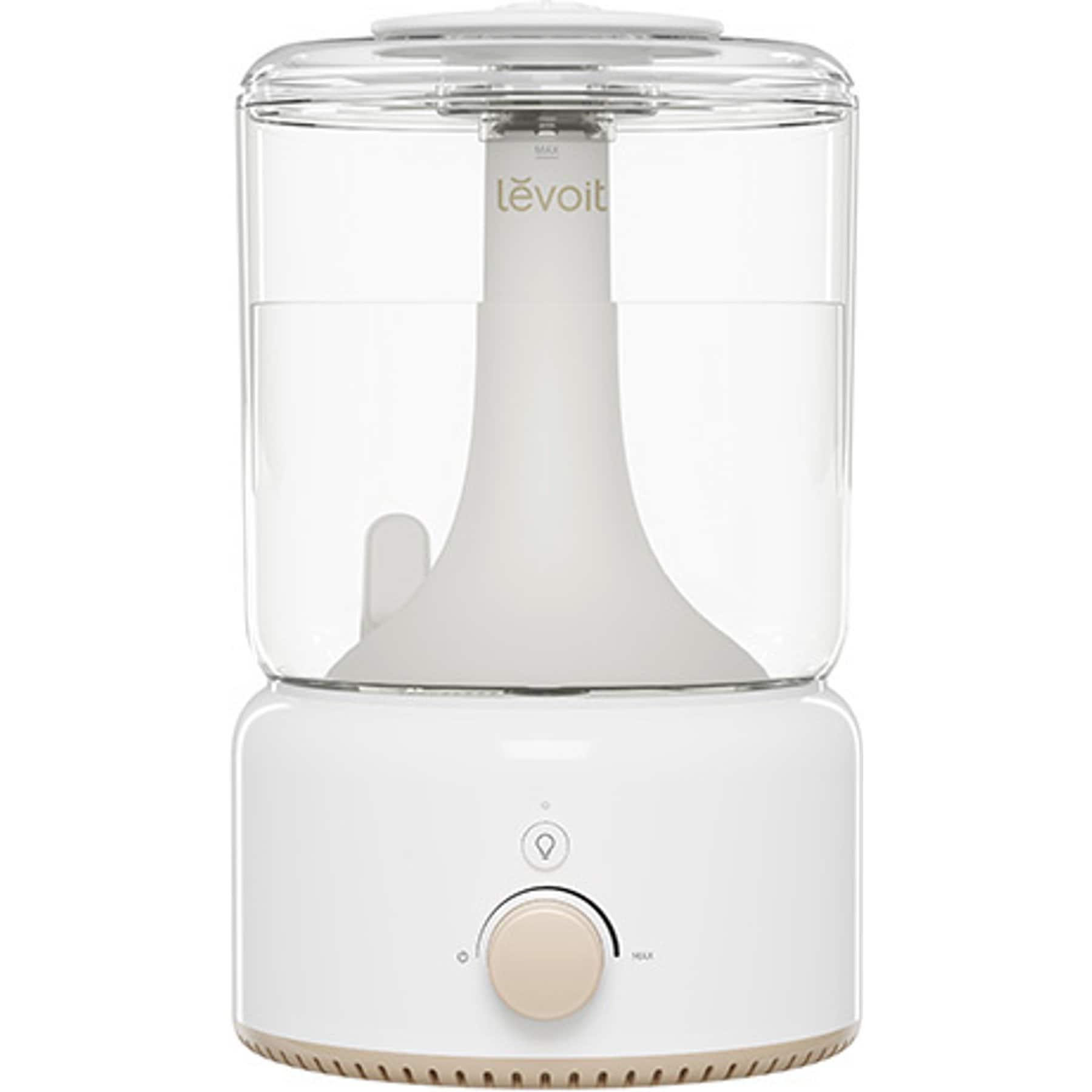
A small room humidifier some owners use for comfort while a dog recovers from nasal treatment; it does not treat infection.
Webvet may earn a commission when you click through to Chewy, at no extra cost to you.
Other fungal infections that can affect pets include blastomycosis in dogs, valley fever in dogs, and cryptococcosis in cats. Each is caused by a different organism.

 Sponsored
Have a health question about your dog?
Talk to a licensed vet at Dutch over video or message, including nights and weekends.
Use code Pets60
Plans start at $12/month · covers up to 5 pets
- Licensed vets in most states
- Rx for 150+ conditions
- 4.7 on Trustpilot
Nasal vs systemic aspergillosis: which dogs get each form and how
| Form | Typical dog | Signs owners notice | Treatment path | Outlook |
|---|---|---|---|---|
| Nasal (sinonasal) aspergillosis | Long-nosed breeds; retrievers and rottweilers | One-sided smelly discharge, nosebleeds, sore nostrils | Rhinoscopy plaque removal and topical clotrimazole under anesthesia | Generally good |
| Systemic (disseminated) aspergillosis | Middle-aged female German shepherds | Back pain, limping, weight loss, fever; often no nasal signs | Months to years of oral antifungals such as itraconazole | Guarded to poor; relapse common |
Nasal aspergillosis, also called sinonasal aspergillosis, is a fungal infection of the nasal passages and sinuses and the most common form in dogs, according to a 2026 review in Veterinary Sciences. The fungus most often behind it is Aspergillus fumigatus.
Dogs at higher risk of each form:
- Nasal form: the Merck Veterinary Manual says nasal aspergillosis is seen mainly in long-nosed (dolichocephalic) breeds. VCA lists collies, greyhounds, and dachshunds, and notes recent studies found the highest incidence in retrievers and rottweilers.
- Systemic form: Merck says it occurs most often in middle-aged female German shepherds and usually involves Aspergillus terreus. In the review of 155 confirmed cases, German shepherds made up 65.16% of dogs, with a mean age of 4.4 years.

The review links the German shepherd risk to a likely inherited weakness in immune defenses. As the fungus spreads to the spine, kidneys, and lymph nodes, many affected dogs lose weight and appetite.
If your vet advises extra calories for a dog eating poorly during illness, a high-calorie gel can be offered with meals.

A high-calorie gel that can add calories for a dog eating poorly during illness, given as your vet directs.
Webvet may earn a commission when you click through to Chewy, at no extra cost to you.
How did my dog get Aspergillus?
Most dogs breathe in the spores. VCA explains that airborne spores are normally cleared by nasal mucus and sneezing; infection takes hold when spores slip past these defenses, when a dog inhales a very large number, or when its immune system is weakened.
The review calls the true prevalence of aspergillosis poorly understood and probably underreported. Systemic disease is rare; the nasal form is far more common.
- Is it contagious? The CDC states that aspergillosis cannot spread between people or between people and animals.
- Prevention: the CDC notes that Aspergillus spores are common indoors and outdoors, so exposure cannot be avoided completely. Keeping a dog out of compost and moldy grain, where VCA says the mold grows, may limit heavy exposure.
Aspergillosis symptoms in dogs: nasal discharge, nosebleeds, and whole-body signs
Aspergillosis symptoms in dogs depend on the form: nasal disease centers on the nose, while VCA notes that most dogs with disseminated disease have no nasal symptoms at all.
What are the first signs of Aspergillus?
In the nasal form, the earliest clue is usually a runny nose that will not clear. VCA describes a strong-smelling discharge, typically from one nostril, that lasts weeks to months and does not improve with antibiotics. Intermittent nosebleeds, sneezing, and pawing at the face often follow. Early systemic signs tend to be vague, such as tiredness.
Nasal symptoms described by Merck and VCA:
- Thick, bloody, or pus-like discharge, usually from one nostril but sometimes both
- Nosebleeds that come and go
- A painful nose, with ulcerated, rough, or depigmented nostril edges
- Sneezing or reverse sneezing
- Pawing or rubbing at the nose or face
A less common variant, sino-orbital aspergillosis, forms a mass behind the eye; VCA lists a bulging eye, squinting, corneal ulcers, facial swelling, and swollen lymph nodes under the chin. Early eye changes can look like simple dog watery eyes.

Disseminated symptoms described by Merck and VCA:
- Tiredness, weakness, and weight loss, often with fever in dogs that keeps returning
- Back pain, limping, or wobbliness from spine or bone infection (see why is my dog limping for other causes)
- Poor appetite and muscle wasting
- Blood in the urine or urinary incontinence
- Swollen lymph nodes, eye inflammation (uveitis), or draining sores in the skin
- Head tilt, stumbling, or other neurologic changes
- Coughing or harder breathing if the lungs are involved, which can mimic pneumonia in dogs
In the review's systemic cases, weakness or lethargy appeared in 56, weight loss in 51, fever in 40, and spinal pain in 28. VCA warns that most of these dogs are already very ill when signs appear.
 Sponsored
Vet care that's always there
Unlimited video calls and messaging with licensed vets for less than a typical vet visit. One membership covers up to five pets.
Use code Pets60
Plans start at $12/month · covers up to 5 pets
- Licensed vets in most states
- Rx for 150+ conditions
- 4.7 on Trustpilot
How vets diagnose aspergillosis: CT, rhinoscopy, and fungal tests
Diagnosing nasal aspergillosis usually combines imaging with a direct look inside the nose. Merck notes that CT or MRI is more sensitive than plain X-rays, and that infection of the frontal or maxillary bones is present in as many as 80% of affected dogs.

Rhinoscopy confirms it. Under general anesthesia, a small camera in the nose looks for gray-white fungal plaques; Merck says seeing them with fungal or imaging evidence is often how the diagnosis is made.
- Cytology and biopsy: samples are checked for narrow, branching fungal threads (hyphae) inside damaged tissue
- Fungal culture: useful only alongside other evidence, because healthy dogs can carry Aspergillus in the nose
- Blood antibody tests: considered unreliable because of frequent false negatives
- Systemic workup: urine culture, a urine or serum galactomannan antigen test, bloodwork, and imaging of the spine, chest, and abdomen
Discospondylitis, infection of a spinal disc and the neighboring vertebrae, is the most common imaging finding in systemic cases, per the review. Merck adds that many such dogs have a long history of failed antimicrobial treatment first.
When a dog needs a vet today: nosebleeds, facial swelling, and systemic signs
A dog with one-sided nasal discharge, repeated nosebleeds, or a sore nose should be booked in promptly, not watched for weeks. Some signs need a vet the same day.
What happens if Aspergillus is left untreated?
Untreated aspergillosis in dogs keeps destroying tissue. VCA explains that the nasal form erodes the delicate bones of the sinuses and builds a fungal ball. Merck notes the infection can reach the cribriform plate, the thin bone between the nose and brain, causing neurologic signs such as seizures in dogs.
Nosebleeds from aspergillosis come and go, VCA notes, so a quiet week does not mean the infection has cleared. Untreated systemic disease carries the worst outlook, with very short survival reported in untreated dogs.
Aspergillosis treatment in dogs: topical antifungal therapy, oral antifungals, and cost
Aspergillosis treatment in dogs depends on the form. For nasal disease, Merck calls removal of fungal plaques followed by topical antifungal therapy the treatment of choice; systemic disease relies on oral antifungals. These antifungal drugs need a veterinary prescription, and your vet sets the dose and the monitoring.
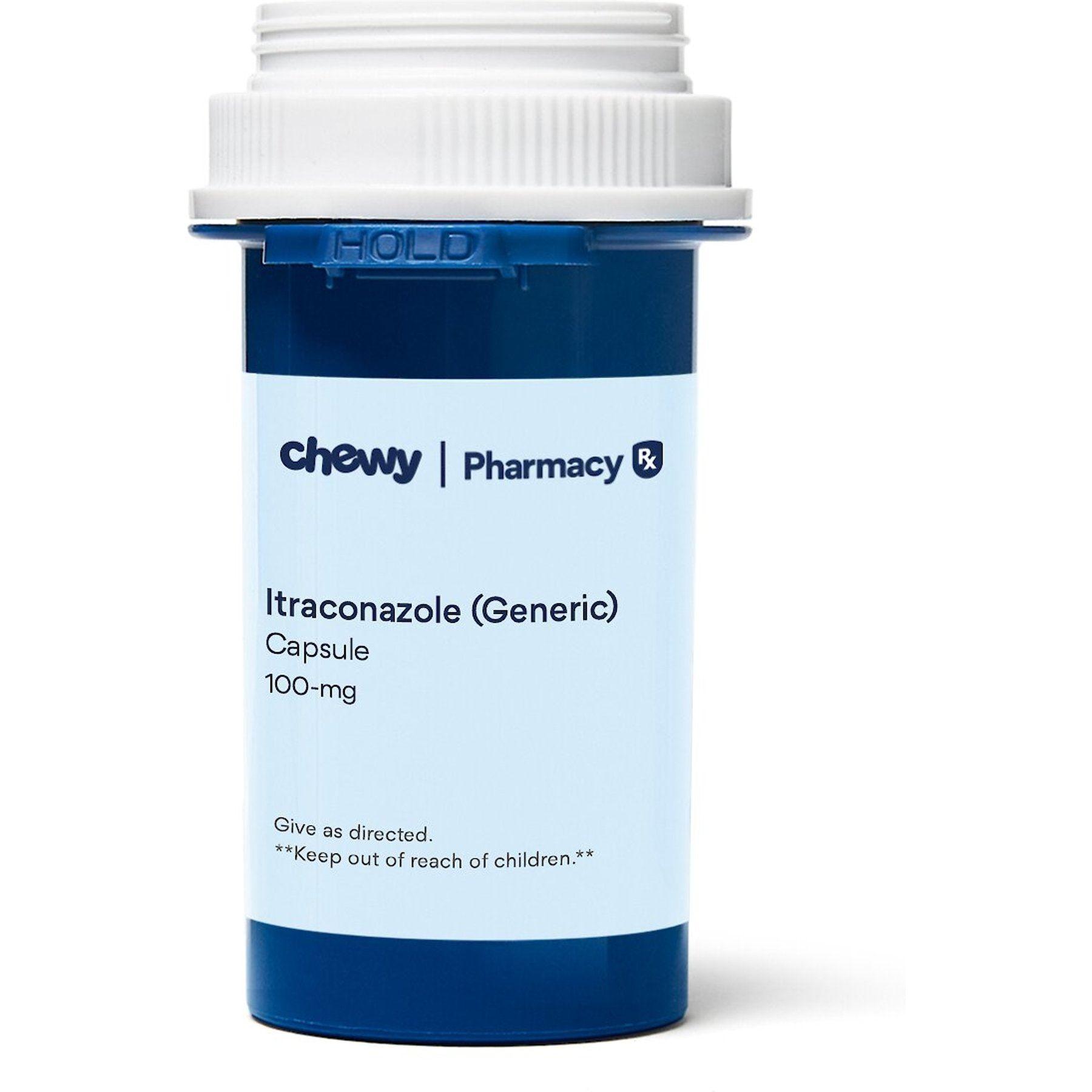
A prescription antifungal capsule vets may use for systemic or advanced nasal aspergillosis; your vet sets the dose and monitoring.
Webvet may earn a commission when you click through to Chewy, at no extra cost to you.
How is aspergillosis treated in dogs?
Treating nasal aspergillosis in dogs starts under general anesthesia. VCA explains that the vet removes fungal plaques through rhinoscopy, then applies a topical antifungal such as clotrimazole; some dogs need trephination, small openings made into the sinuses. Systemic disease is treated with months of oral antifungals instead.
Topical clotrimazole infusion, as Merck and VCA describe it:
- Fungal plaques are scraped out (debrided) through the rhinoscope
- Clotrimazole in a polyethylene glycol base is infused through the nostrils with catheters, or through tubes placed into the frontal sinuses
- The medicine stays in place for about 1 hour while the dog's position is changed so it reaches every surface
- A recheck rhinoscopy about one month later shows whether another round is needed
Outcomes after topical treatment:
- The Merck Veterinary Manual reports about an 80% success rate with nasal clotrimazole infusion
- A 2018 study in the Journal of Veterinary Internal Medicine cites remission rates of 85% to 94% across techniques, and all 12 dogs in its series were cured after a median of 2 treatments
- VCA says the nasal discharge usually resolves within two to four weeks

If the infection has eaten through the bone toward the brain, VCA says oral itraconazole, fluconazole, or terbinafine is required for several months, with a reported success rate of 60% to 70%. Itraconazole (Generic) Capsules, 100-mg, 60 capsules is listed at $119.40 on Chewy when checked in November 2026 and is dispensed only with a prescription.
Months of daily capsules go more smoothly when dosing is calm. Some owners hide each capsule in a soft treat such as Greenies Pill Pockets, Chicken, for Capsules, 7.9 oz bag; ask your vet whether the drug should be given with a meal.
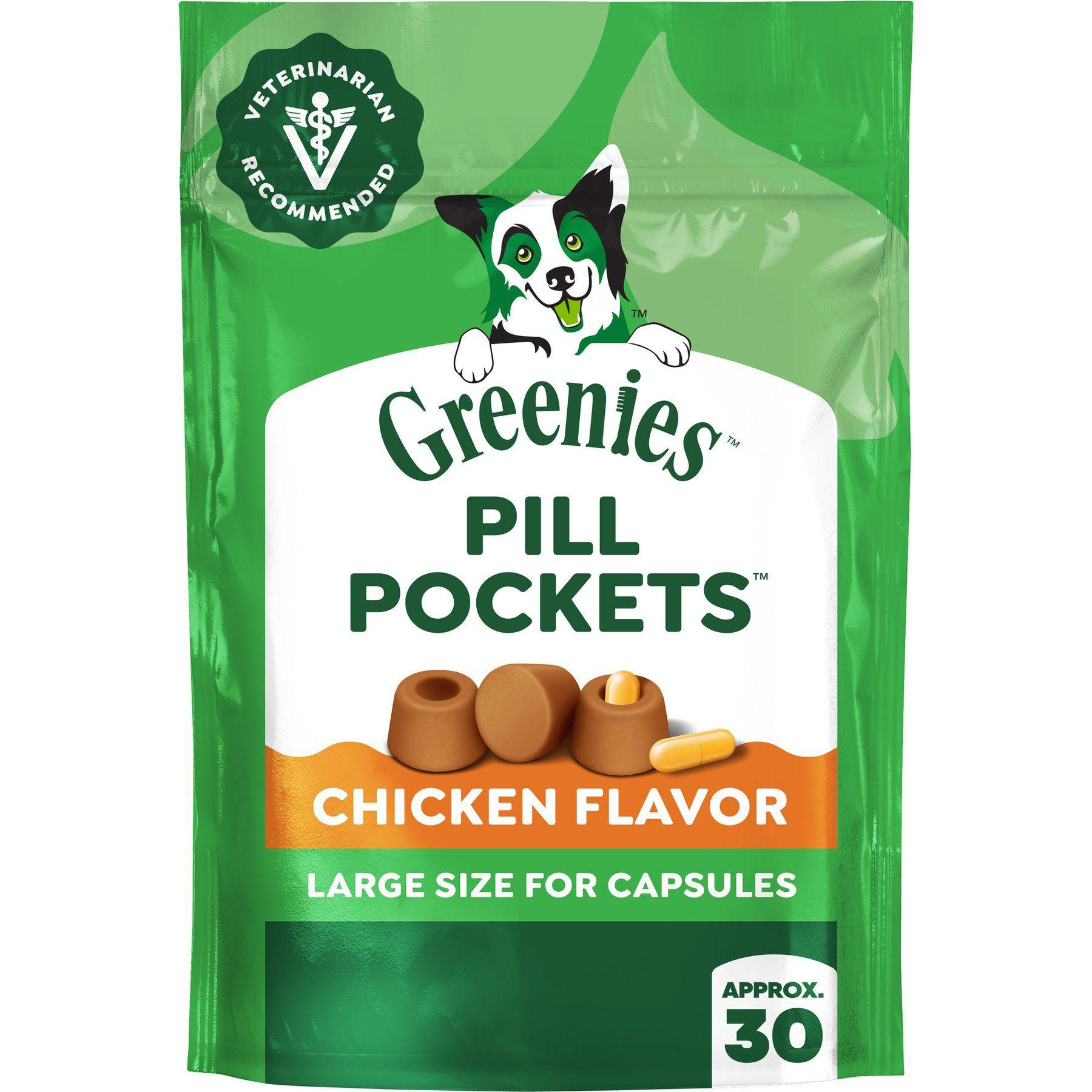
Capsule-size soft treats that can make months of daily antifungal capsules easier to give.
Webvet may earn a commission when you click through to Chewy, at no extra cost to you.
Treating systemic aspergillosis is long and difficult. VCA notes that months to years of antifungals are often needed, and that many drugs traditionally used for aspergillosis have toxic side effects, so regular rechecks are part of the plan. Options vets weigh include:
- Itraconazole: the most used drug in the review's cases, though results are inconsistent and courses are long; dogs often got worse when it was stopped because of cost or side effects.
- Fluconazole: sources differ. Merck lists it with itraconazole as a cost-effective option, while the review found it appears ineffective for systemic disease.
- Voriconazole: Merck calls it probably the most effective azole for aspergillosis, at a much higher cost.
- Posaconazole, terbinafine, and combinations: the review describes these as valuable when infection resists itraconazole, and some combined regimens have brought prolonged survival.
What drives the cost of treating nasal aspergillosis:
- CT imaging of the nose and sinuses
- Rhinoscopy, plaque removal, and clotrimazole infusion under general anesthesia
- Repeat procedures, since VCA notes many dogs need more than one treatment
- Months of oral antifungals for advanced nasal or systemic disease
For systemic disease, VCA notes antifungals can be expensive, and the review reports that cost forced some owners to stop treatment. Ask your vet or referral hospital for a written estimate for each stage before starting.
No natural or homeopathic remedy has been shown to clear the fungus. Merck lists azole antifungals as the treatments of choice, and the infection keeps destroying bone while it goes untreated, so delaying proven treatment carries real risk.
Aspergillosis prognosis and life expectancy in dogs
The long-term outlook depends mostly on the form. VCA rates the prognosis as generally good for localized nasal aspergillosis, and guarded to poor for systemic aspergillosis, especially when there is evidence of sinus destruction.
How long can a dog live with Aspergillus?
Dogs with the nasal form usually respond well, with remission reported in most dogs after one or more treatments. For systemic disease, life expectancy varies widely, from very short survival in untreated dogs to one dog alive 1,095 days on continuous itraconazole and a 6.5-year survival with aggressive combined therapy, per the review.

Merck warns that relapse of systemic disease is common regardless of treatment. Factors the sources link to a harder course:
- Brain or nervous system involvement, which Merck singles out as a guarded sign
- Destruction of the sinus bones, per VCA
- High kidney values (serum creatinine) at diagnosis, per the review
- Infection with Aspergillus terreus, since one study in the review found better survival with other species; Merck notes that identifying the species may matter for treatment and prognosis
- Doses that stop or become irregular: one dog in the review survived 1,000 days on itraconazole but only 572 more after therapy became irregular
Does Aspergillus ever go away?
The nasal form often does, with treatment. Reported failure rates are 11% to 20%, and in the 2018 series the infection came back in 2 of 12 dogs, so the recheck rhinoscopy about a month after treatment, which VCA describes as the way to confirm whether infection remains, matters. Aspergillosis is not an infection vets expect to go away on its own; VCA describes the discharge persisting for weeks to months.
Systemic infection is rarely cleared for good, and consistent long-term medication gives a dog the best chance of a longer life.
Recovery at home, as your vet advises:
- Appetite after a nasal procedure: a blocked or sore nose can dull interest in food. A soft, strong-smelling recovery food such as Hill's Prescription Diet a/d Dog & Cat Food, 5.5-oz, case of 24 is a vet-prescribed option to use only on your vet's advice.
- Extra calories: Vetoquinol Nutri-Cal Gel High Calorie Supplement for Cats & Dogs, 4.25-oz tube can top up calories for a dog eating less, if your vet agrees.
- Rest: a supportive memory foam surface such as the BARK Orthopedic Dog Bed, Medium, Grey gives a dog recovering from anesthesia, or one with spinal pain from systemic disease, a cushioned place to rest.
- Rechecks and doses: keep every follow-up visit, including the recheck rhinoscopy about a month after nasal treatment, and give each antifungal dose on schedule.
A 2009 report in the Canadian Veterinary Journal described three dogs that developed nasal tumors months after successful treatment, all with ongoing chronic rhinosinusitis. The authors concluded that delayed nasal tumors can be a long-term complication, so new nasal signs after a cure deserve a prompt recheck rather than a wait-and-see approach.
Aspergillosis in dogs questions
Frequently Asked Questions
How much does nasal aspergillosis treatment cost for a dog?
The total reflects several separate steps: a CT scan of the head, then rhinoscopy with plaque removal and clotrimazole infusion under general anesthesia, often at a referral hospital. VCA notes that many dogs need more than one treatment, so budget for a possible second procedure, plus months of oral antifungals if the infection has spread. Ask for an itemized estimate before booking. Generic itraconazole capsules alone are listed at $119.40 for 60 on Chewy when checked in November 2026, and the number of bottles depends on the dose and course length your vet sets. For systemic disease, VCA notes the antifungals themselves can be expensive, and treatment often runs for months to years.
Is aspergillosis in dogs contagious?
Not in the usual way. Dogs inhale Aspergillus spores from their environment, and the CDC says the infection cannot spread between people and animals. VCA is more cautious: it says birds are the most common source of human infection, and that catching it from a dog is less likely with good handwashing and not handling nasal discharge. Ask your own doctor about any personal health concerns.
What is systemic aspergillosis in dogs?
Systemic, or disseminated, aspergillosis is a rare form in which the fungus spreads through the body. Merck says lesions are often found in the lymph nodes, kidneys, spleen, and vertebrae, and that it occurs most often in middle-aged female German shepherd dogs, usually caused by Aspergillus terreus. Infection of the spinal discs (discospondylitis) is the most common imaging finding, which is why back pain is often an early clue. It needs long-term oral antifungals, and the outlook is guarded.
Are there natural treatments for aspergillosis in dogs?
No herbal, dietary, or homeopathic remedy has been shown to cure aspergillosis, and Merck names azole antifungals as the treatments of choice. Nasal cases respond best to topical antifungal therapy given by a veterinarian under anesthesia, and systemic cases need prescription oral antifungals. Home comforts such as tempting food and a soft bed help a dog feel better alongside treatment, never instead of it.
How common is aspergillosis in dogs?
The 2018 study puts sinonasal aspergillosis at 12% to 34% of nasal disease in dogs, so it is a real possibility for any dog with long-lasting nasal discharge, especially long-nosed breeds. The nasal form is far more common than systemic disease, which remains rare; in the 2026 systemic review, German shepherds accounted for about two in three reported cases.
Veterinarian · BVMS MRCVS
Dr. Pippa Elliott, BVMS, MRCVS, is a veterinarian with nearly 30 years of experience in companion animal practice. Dr. Elliott earned her Bachelor of Veterinary Medicine and Surgery from the University of Glasgow. She was also designated a Member of the Royal College of Veterinary Surgeons. Married with 2 grown-up kids, Dr. Elliott has a naughty Puggle named Poggle, 3 cats and a bearded dragon.


