Dog Dry Nose: Normal or Time to Worry? (Vet Guide)
A dog dry nose is usually normal, not a sign of illness. Learn the harmless causes, the red flags to watch for, safe home care, and when to call your vet.

BVMS MRCVS
Medically reviewed by Dr. Pippa Elliott, BVMS MRCVS · Last reviewed

This article contains affiliate links. Webvet may earn a commission when you buy through them, at no extra cost to you.
If you just noticed a dog dry nose and started worrying that your pet is sick, take a breath. In most cases a dry nose is completely normal and has nothing to do with illness.
The old belief that a healthy dog must have a cold, wet nose (and that a warm, dry nose means sickness) is a myth. A dog's nose shifts from wet to dry many times a day depending on sleep, weather, activity, and age. What actually matters is whether other symptoms appear alongside it.
This guide walks through what a healthy nose looks like, the harmless everyday reasons noses dry out, the specific red flags that do call for a vet, safe home care (including whether Vaseline is a good idea), and exactly when to book an appointment.
- 1A dry nose by itself is usually normal and not a sign of illness.
- 2Nose temperature and wetness are unreliable ways to judge whether a dog is healthy.
- 3Red flags are the company the dry nose keeps: cracking, bleeding, discharge, lethargy, or not eating.
- 4Dehydration and heat stroke are the genuinely dangerous 'silent' causes to rule out fast.
- 5Plain Vaseline is not recommended; use a dog-safe balm and see a vet if the nose cracks, bleeds, or changes color.
Quick answer: is a dog dry nose normal or a red flag?
A dry nose on its own is almost always normal. A healthy dog's nose is naturally dry sometimes and wet at other times, so dryness alone tells you very little. It becomes a red flag only when it comes with other symptoms.
Treat a dry nose as harmless when your dog is otherwise acting normal: eating, drinking, playing, and breathing comfortably. Treat it as a warning sign when it is paired with cracking, crusting, bleeding, thick discharge, sores, color change, lethargy, or refusing food or water. When in doubt, watch the whole dog, not just the nose.
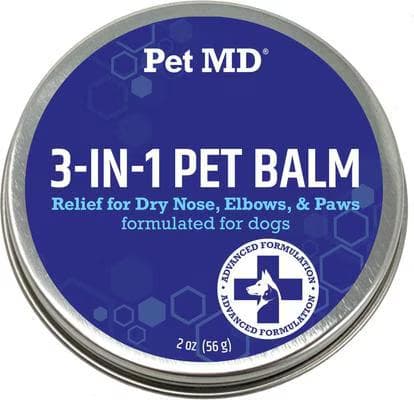
Webvet may earn a commission when you click through to Chewy, at no extra cost to you.
What a healthy dog nose looks like (wet vs dry myth)
A dog's nose is usually a little damp because of a thin layer of mucus and because dogs lick their noses to pick up scent and cool off. That moisture helps them smell better, but it is not a health gauge. A healthy nose can be moist in the morning and dry by afternoon.
The reliable signs of a healthy nose are the surface and the surroundings, not the wetness. A healthy nose is smooth and supple, an even color for your dog, and free of thick discharge, deep cracks, sores, or bleeding. If those things look right, a dry surface is not a problem.

| Feature | Healthy nose | Worth a closer look |
|---|---|---|
| Surface | Smooth and supple | Deep cracks, crusting, or peeling |
| Moisture | Wet or dry, and it varies | Persistently dry plus other symptoms |
| Color | Even, normal for your dog | New pale, pink, or losing pigment |
| Discharge | None, or a little clear | Thick, yellow, green, or bloody |
| Comfort | No rubbing or pawing | Rubbing, pawing, or a raw sore |
Normal, harmless reasons your dog's nose is dry
Most of the time a dry nose is just your dog's body responding to its surroundings. Here are the common, benign reasons, and why is my dog's nose dry usually has an easy answer.
Just woke up from a nap
Dogs do not lick their noses while they sleep, so the surface dries out. A dry nose right after a nap is one of the most common causes of all. Within a short time of being awake and active, it usually becomes moist again on its own.

Warm, dry weather or indoor heating
Low humidity dries out a nose the same way it chaps human lips. Winter indoor heating, air conditioning, and dry climates all pull moisture from the surface. This is harmless as long as the nose stays smooth and does not crack.
Sitting near a fireplace, heater, or sunny window
Dogs love warm spots, and a favorite napping place next to a radiator, wood stove, or sun-drenched window will dry the nose quickly. If your dog is a heat seeker, expect a drier nose. Simply moving to a cooler, more humid spot usually reverses it.
Age (older dogs have naturally drier noses)
As dogs age, the skin on the nose can thicken and dry out, and some senior dogs develop a crustier surface. A gradually drier nose in an older dog is often just part of aging. Keep an eye on your senior dog's overall health, though, since thick crusting can also point to a treatable condition.
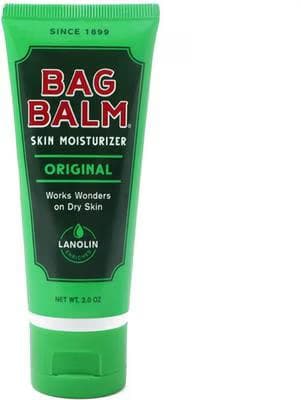
Webvet may earn a commission when you click through to Chewy, at no extra cost to you.
Breed and face shape (brachycephalic dogs like pugs and bulldogs)
Flat-faced (brachycephalic) breeds such as pugs, bulldogs, boxers, and Boston terriers often cannot reach their noses well with their tongues, so their noses stay drier. Some are also prone to nasal hyperkeratosis, a thickened crusty buildup. A persistently dry nose in these breeds is common, but crusting that keeps building up deserves a vet check.
 $65 · no membership
Have a health question about your dog?
A licensed vet can assess your dog over video and prescribe online when it's appropriate.
 Talk to a vet
- Licensed vets
- All 50 states
- same-day Rx
Webvet may earn a commission if you book.
When a dry nose IS a red flag: symptoms that change the answer
The dry surface is rarely the problem by itself. What changes the picture is the company it keeps. If any of the following appear alongside a dry nose, stop treating it as cosmetic and pay attention.
Cracking, crusting, or bleeding
A smooth dry nose is fine. A nose that is deeply cracked, peeling, thickly crusted, or bleeding is not. Cracks can be painful and can let in infection, and heavy crusting (hyperkeratosis) can point to an underlying condition. These textures warrant a vet visit rather than home patching.

Dehydration signs (sticky gums, lethargy, skin tenting)
This is the important one. A dry nose can accompany dehydration, and dehydration itself is dangerous. Check for tacky or sticky gums, sunken eyes, low energy, and skin that is slow to spring back when you gently lift it (skin tenting).
Heavy or unusual panting, including at night, can be an early clue that something is off. If you see these signs, get water into your dog and call your vet.
Fever, discharge, or loss of appetite
A dry, warm nose combined with a genuinely sick dog matters. Watch for thick or colored nasal discharge, sneezing, coughing, and refusing food or water. A dog dry nose and tired, or a dry nose and not eating, is very different from a dry nose in a bouncy, hungry dog.
Sores, color loss, or a changing nose surface
A nose that loses its pigment, develops raw sores or ulcers, changes texture, or looks visibly different over weeks can signal autoimmune disease or, less commonly, a growth. Any persistent open sore or a nose that is steadily changing should be evaluated rather than moisturized and ignored.
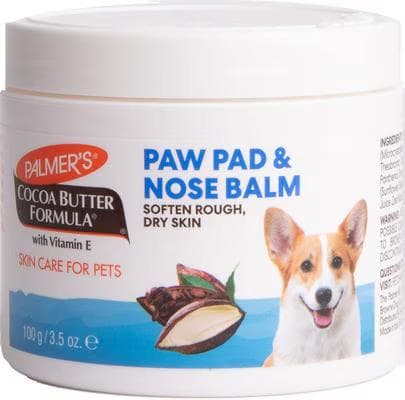
Webvet may earn a commission when you click through to Chewy, at no extra cost to you.
Medical causes of a dry dog nose
When a dry nose is part of a medical problem, the cause is usually one of the following. Most are manageable once diagnosed, which is exactly why a vet visit beats guessing.
Dehydration and heat stroke
Not drinking enough, hot weather, vomiting, or diarrhea can all dry the nose as the body loses fluid. Heat stroke is the emergency end of this spectrum. Both need prompt action: offer water, move to a cool spot, and contact your vet if severe signs appear.
Sunburn and windburn
Dogs with pink or light-colored noses can sunburn, and cold wind can chap the surface. Both leave the nose dry, red, or flaky. Shade, limiting midday sun, and a vet-recommended pet-safe sunscreen for the nose help protect vulnerable dogs. See WebVet’s guide to sunburn in dogs and how to prevent it.
Allergies
Environmental or food allergies can cause a dry, irritated nose along with itching, sneezing, or watery eyes. A dry nose with eye discharge is a combination often linked to allergies or eye issues. Your vet can help identify the trigger and calm the reaction.
Respiratory infection and nasal discharge
Colds and upper respiratory infections can crust the nose with dried discharge, making it look and feel dry. Look for thick or colored mucus, sneezing, coughing, new snoring or noisy breathing, and a dog that seems run down. These infections usually need veterinary treatment.
Autoimmune conditions (pemphigus, lupus, nasal hyperkeratosis)
Immune-mediated diseases such as pemphigus and lupus can attack the nose, causing crusting, ulcers, and loss of pigment. Nasal hyperkeratosis produces a thick, hard, crusty buildup on the nose surface. These conditions look dramatic but are treatable, and early diagnosis makes management much easier.
Dry eye (KCS) and related conditions
Keratoconjunctivitis sicca (dry eye) can reduce moisture to one side of the nose because of how the tear and nasal glands are connected, leaving one nostril noticeably drier or crustier than the other. A one-sided dry, crusty nostril is a classic reason to have the eyes checked too.
Home care: how to soothe and moisturize a dog's dry nose
If your dog is otherwise healthy and the nose is just dry, gentle home care is fine. The goal is to soothe the surface, not to force it wet. Here is how to do it safely.
What's safe to put on a dog's nose (dog-safe nose balms, coconut oil, shea)
Reach for products made for dogs. Good options include:
- Dog-safe nose balms: Formulated to be non-toxic if licked, and designed for exactly this job.
- Coconut oil: A thin dab of plain, unscented coconut oil is generally safe and soothing.
- Shea butter: Often included in pet balms; use pet-formulated products rather than raw cosmetic versions.

Apply a small amount with a clean fingertip, once or twice a day. Because dogs lick their noses, anything you use must be safe to swallow. Avoid products with essential oils, menthol, zinc, or fragrance, which can irritate or be toxic.
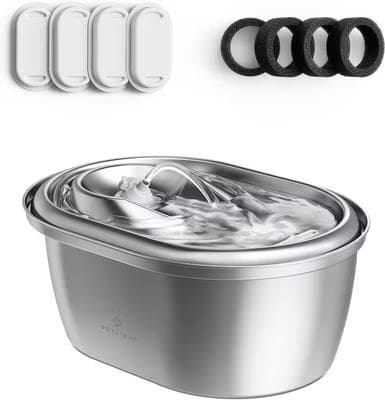
304 food-grade stainless steel pet water fountain, 101 oz. The circulating, filtered water encourages cats to drink more, which supports urinary tract and kidney health.
Webvet may earn a commission when you click through to Chewy, at no extra cost to you.
Is Vaseline safe on a dog's nose?
Vaseline (petroleum jelly) is not recommended for a dog's nose. Dogs lick their noses constantly, and swallowing petroleum jelly repeatedly can cause an upset stomach or, in larger amounts, diarrhea. It also just sits on top rather than nourishing the skin. Choose a dog-safe balm or a thin dab of coconut oil instead.
Natural moisturizers and simple daily care
The safest natural moisturizers for a dog's nose are food-grade oils and butters used sparingly:
- Virgin coconut oil, a thin layer once or twice daily.
- Pet-formulated shea butter or beeswax nose balms.
- A tiny amount of olive oil in a pinch, wiped on gently.
Wipe away dried crust gently with a soft, warm, damp cloth before applying anything. Never pick or peel at the nose, which can cause bleeding and pain.
Hydration, humidity, and sun protection
Address the environment, not just the nose. Keep fresh water available at all times, run a humidifier in dry indoor air, avoid parking your dog next to heaters, and limit strong midday sun for light-nosed dogs. These simple changes often fix a dry nose without any product at all.
Home care for a dry dog nose: what helps vs what to skip
Pros
- Dog-safe nose balms made to be licked
- A thin dab of plain coconut oil
- A humidifier in dry indoor air
- Fresh water always available
- Shade and pet-safe sunscreen for light noses
Cons
- Plain Vaseline or petroleum jelly
- Products with essential oils, menthol, or zinc
- Fragranced human lotions and lip balms
- Picking or peeling at crust
- Ignoring cracks, bleeding, or a sick dog
When to see a vet about your dog's dry nose
A dry nose alone does not need a vet. Book an appointment when the dryness comes with any of these:
- Deep cracks, thick crusting, or bleeding on the nose.
- Sores, ulcers, or loss of the nose's normal color.
- Thick, yellow, green, or bloody nasal discharge.
- Signs of dehydration: sticky gums, sunken eyes, skin tenting.
- Lethargy, fever, or refusing to eat or drink.
- A dry nose that does not improve after a few days of gentle care.
Seek emergency care for collapse, severe weakness, nonstop vomiting, or the heat stroke signs described above. When your gut says something is wrong, trust it and call.

How a vet diagnoses and treats the underlying cause
Your vet treats the cause, not just the surface. They start with a physical exam and questions about how long the nose has been dry and what other symptoms you have noticed. Depending on findings, they may check hydration, look for infection, examine the eyes, or run bloodwork.
If a specific condition is suspected, testing gets more targeted. A skin scraping or biopsy can confirm autoimmune disease or hyperkeratosis, tear tests diagnose dry eye, and allergy workups pinpoint triggers. Treatment then matches the diagnosis:
| Cause | Typical vet approach |
|---|---|
| Dehydration or heat stroke | Fluids, cooling, and monitoring |
| Infection | Antibiotics or antivirals as needed |
| Allergies | Trigger control, diet, or medication |
| Autoimmune disease | Immune-modulating medication and balms |
| Nasal hyperkeratosis | Prescription softening balms and trimming |
| Dry eye (KCS) | Tear-stimulating eye drops or ointment |
The reassuring news is that most causes of a genuinely problematic dry nose respond well to treatment once identified. Catching them early usually means simpler, more comfortable care for your dog.
Frequently asked questions
Should I be worried if my dog's nose is dry?
Usually no. A dry nose by itself is normal and is not a reliable sign of illness. Worry only if it comes with other symptoms such as cracking, bleeding, thick discharge, lethargy, refusing food or water, or dehydration signs. If your dog is eating, drinking, and acting normal, a dry nose is almost always fine.
How do I moisturize my dog's dry nose?
Apply a thin dab of a dog-safe nose balm or plain coconut oil with a clean fingertip, once or twice a day. Because dogs lick their noses, use only products safe to swallow, and avoid essential oils, menthol, zinc, or fragrance. Running a humidifier and keeping fresh water available also helps.
Is a dog sick if it has a dry nose?
Not necessarily. A dry nose alone does not mean a dog is sick, and a wet nose does not guarantee good health. Illness shows up in the whole dog: appetite, energy, breathing, and behavior. Judge health by those, not by whether the nose is wet or dry at a given moment.
Can I put Vaseline on my dog's nose if it's dry?
It is not recommended. Dogs lick their noses often, and swallowing petroleum jelly repeatedly can upset the stomach or cause diarrhea, and it only coats the surface rather than nourishing it. A dog-safe nose balm or a thin dab of coconut oil is a better, safer choice.
What is the silent killer in dogs?
With a dry nose, the silent killers are dehydration and heat stroke. Both turn serious quickly, and dogs hide how unwell they feel. A dry nose plus heavy panting, drooling, weakness, vomiting, or hot skin on a warm day is an emergency. Cool your dog and get to a vet fast.
How do I rehydrate my dog's nose?
Keep your dog well hydrated with fresh water and encourage drinking. Then soothe the surface with a dog-safe balm or a little coconut oil, add humidity to dry indoor air, and move your dog away from heaters or direct sun. If the nose stays cracked or crusty, see your vet.
Should I worry if my dog's nose is dry?
In most cases, no. A dry nose on its own is normal and changes throughout the day with sleep, weather, and age. It only becomes a concern when paired with red flags like cracking, bleeding, discharge, lethargy, or not eating. Watch the whole dog, and call your vet if other symptoms appear.
What is a natural moisturizer for a dog's nose?
The safest options are food-grade oils and butters used sparingly: virgin coconut oil, pet-formulated shea butter or beeswax balms, and a little olive oil in a pinch. Apply a thin layer with a clean fingertip once or twice a day, and skip anything with fragrance or essential oils since your dog will lick it.
$65 · no membershipHave a health question about your dog?
A licensed vet can assess your dog over video and prescribe online when it's appropriate.
Talk to a vet- Licensed vets
- All 50 states
- same-day Rx
Webvet may earn a commission if you book.

Editor
The Webvet Editorial Team is the in-house group of pet-care editors and writers behind Webvet, operated by Smart Pet Collective. The team researches, writes, and maintains Webvet's pet health, behavior, and medication content. Every article follows a defined editorial process: research from reputable veterinary and scientific sources, careful drafting, mandatory review of medical content by a credentialed veterinarian, and dated publication. Health and medication articles are medically reviewed by a licensed veterinary professional before they go live and are kept current over time.
Veterinarian · BVMS MRCVS
Dr. Pippa Elliott, BVMS, MRCVS, is a veterinarian with nearly 30 years of experience in companion animal practice. Dr. Elliott earned her Bachelor of Veterinary Medicine and Surgery from the University of Glasgow. She was also designated a Member of the Royal College of Veterinary Surgeons. Married with 2 grown-up kids, Dr. Elliott has a naughty Puggle named Poggle, 3 cats and a bearded dragon.


