Valley Fever in Dogs: Symptoms, Testing, Treatment, and Cost
Valley fever is a fungal infection dogs catch by breathing in spores from desert soil in the Southwest. The signs that matter, titer tests, months of antifungal treatment, cost, and which signs mean go in now.

BVMS MRCVS
Medically reviewed by Dr. Pippa Elliott, BVMS MRCVS · Last reviewed

This article contains affiliate links. Webvet may earn a commission when you buy through them, at no extra cost to you.
Valley fever in dogs: what it is, the signs that matter, and why it needs a vet
Valley fever in dogs is a fungal infection, not a virus. Its medical name is coccidioidomycosis, and the Merck Veterinary Manual describes it as a dustborne, noncontagious infection caused by Coccidioides fungi. Dogs catch it by breathing in spores from desert soil in the Southwest.
Common early signs of valley fever in dogs are a dry cough, fever, tiredness, and a poor appetite, per VCA Animal Hospitals. The infection can spread from the lungs to bones and other organs, so a sick dog needs a vet test and, usually, a long course of prescription antifungal medication.
- 1Know what valley fever is: a fungal lung infection, also called coccidioidomycosis, caught by inhaling spores.
- 2Know where the fungus lives: desert soil in Arizona, California, New Mexico, Texas, and nearby regions.
- 3Watch for a dry cough, fever, low energy, and poor appetite, then limping or oozing skin sores if it spreads.
- 4A titer blood test, x-rays, and your dog's travel history help your vet confirm it.
- 5Treatment usually means 6 to 12 months of daily antifungal medication with regular rechecks.
Two species cause the disease: Coccidioides immitis and Coccidioides posadasii, per Merck. Many animals can be infected, but dogs are the species that most often shows clinical signs. Once inhaled, the spores grow into round structures called spherules, which enlarge and burst to release hundreds of endospores, according to the University of Arizona Valley Fever Center for Excellence.
Fever is one of the earliest signs owners notice, alongside a cough and a dog that seems flat. Our guide to fever in dogs explains what a normal temperature looks like. Writing down your dog's readings gives your vet a record to compare at each recheck during a long illness like this one.
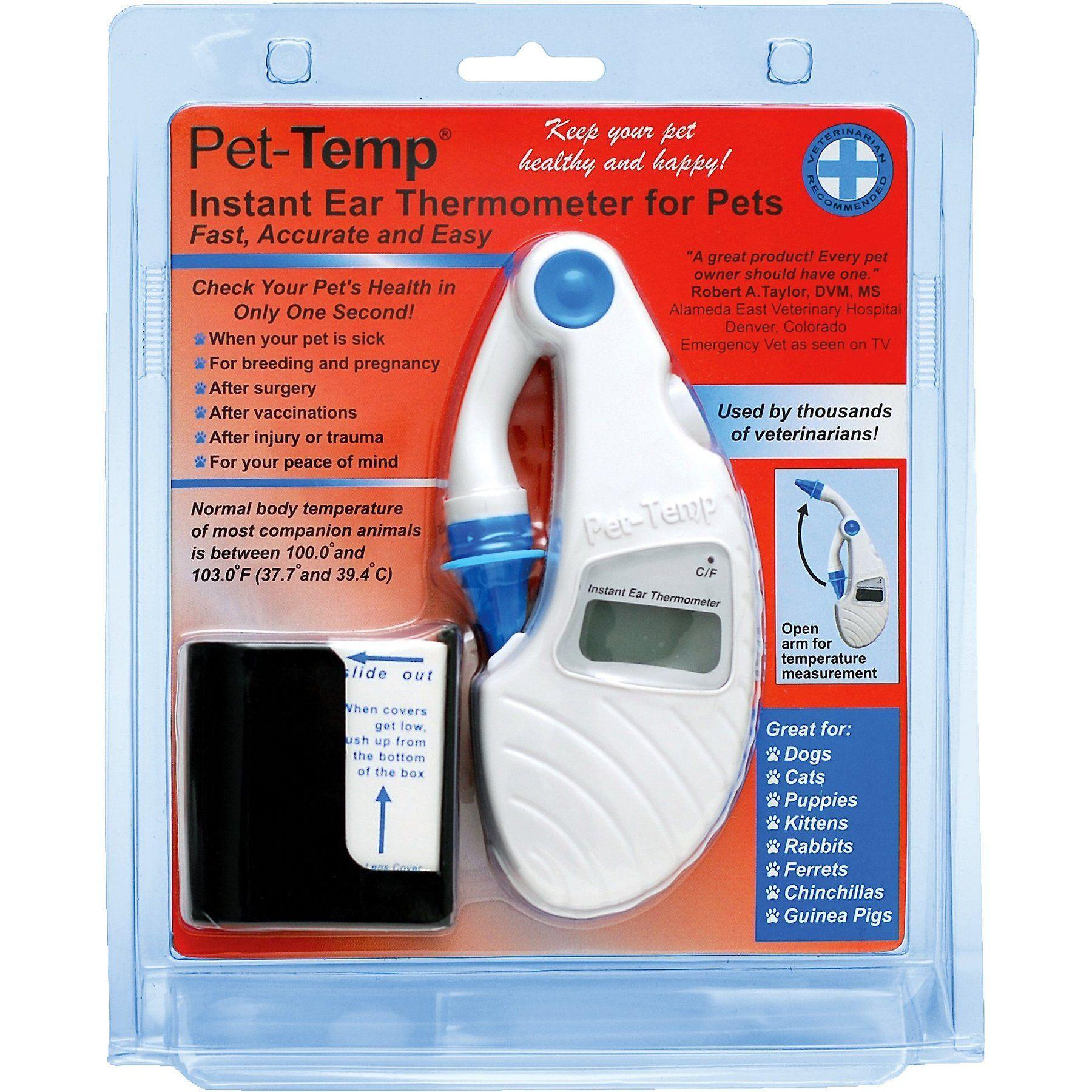
An ear thermometer for checking your dog for fever at home so you can share readings with your vet at rechecks.
Webvet may earn a commission when you click through to Chewy, at no extra cost to you.

What happens if your dog has valley fever?
Most dogs that breathe in the spores never get sick. VCA explains that in a healthy adult dog, the immune system walls off the spherules, and there will be no further problems. Illness starts when the immune system does not kill the spherules and endospores quickly, so they keep spreading in the lungs and sometimes through the body, per the University of Arizona center.
VCA describes two main forms of the disease in dogs:
- Primary disease: limited to the lungs, with a harsh dry cough, fever, poor appetite, and lethargy
- Disseminated disease: the fungus has spread beyond the lungs, most often to bones and joints, causing lameness
Disseminated valley fever in dogs, called disseminated coccidioidomycosis, is the more serious form. Merck reports that dissemination occurs in about 20% of canine infections, with the brain, eyes, skin, bone, and joints especially affected. VCA notes that very young puppies and senior dogs are more susceptible to illness.
A low titer on a blood test does not always mean mild disease, and a sick dog can have a low or even negative result. That is one reason valley fever is a diagnosis for your vet rather than a guess at home.
In regions where the fungus is common, the University of Arizona center says a dog may need a valley fever test for any illness with a cough, fever, or weight loss, or for vague signs that will not go away. Outside those regions, a recent trip through the Southwest is often the first clue.
Why it needs a vet and a long course of treatment
The treatment that follows a diagnosis is long. VCA says many dogs need medication for 6 to 12 months, and tablets are usually given once or twice a day. The University of Arizona center explains that the choice of drug depends on your vet's experience, cost, side effects, how sick the dog is, and what is practical for you at home.
Setting up an easy daily routine at the start makes it far more likely your dog finishes every dose your vet prescribes. Pair tablets with a meal or a favorite activity, and keep a simple log so no dose is missed.

Soft treats with a pocket for hiding a daily tablet during the months-long course your vet prescribes.
Webvet may earn a commission when you click through to Chewy, at no extra cost to you.
Where valley fever occurs, how dogs catch it, and whether it spreads
The fungus that causes valley fever lives in desert soil. According to the CDC, Coccidioides lives in soil in some areas of the southwestern U.S. and south-central Washington state. VCA lists Arizona, California, Nevada, New Mexico, Texas, Utah, northwestern Mexico, and parts of Central and South America.
The University of Arizona center says dogs mainly catch valley fever in the low deserts of Arizona, New Mexico, and southwestern Texas, and in the central deserts of California. Dogs that travel through these areas or spend winters there have about the same chance of infection as their owners.

How does a dog get valley fever?
A dog gets valley fever by inhaling spores. VCA explains that the fungus lies dormant in dry soil, then grows after rain and produces spore-filled strands of mold. When soil is disturbed by wind, construction, or digging, the spores become airborne. Merck notes that outbreaks can follow rainy periods that give way to drought and dust storms.
Dogs seem especially vulnerable, probably because they sniff the ground and dig, per VCA. How common is valley fever in dogs? In Arizona, the University of Arizona center estimates that about 6 to 10% of dogs in Pima, Pinal, and Maricopa counties become sick each year, a rate ten times higher than in people. Rates in Texas, California, and elsewhere are not known but are mostly lower.
Is valley fever contagious?
No. Valley fever is not contagious between dogs, from dogs to people, or from people to dogs. The University of Arizona center explains that even when several animals or people in one household are sick, each one caught it by inhaling spores from the soil. The CDC states that it does not spread between people or between people and animals.
The rare exceptions involve wounds, not coughs. The CDC notes that in extremely rare cases, people have been infected by inhaling spores from a wound infected with Coccidioides. The University of Arizona center says fluid from a draining sore is not considered infectious, but recommends care:
- Bandage draining wounds and change bandages daily or every other day
- Throw used bandages into an outside trash bin
- Clean hard surfaces with dilute (10%) bleach and wash your hands afterward
If anyone at home is immunocompromised, pregnant, or caring for a baby, the center recommends asking a physician, and your own health questions belong with your doctor.
How to prevent valley fever in dogs
The University of Arizona center is frank that there is no sure way to prevent valley fever in pets short of never living in or traveling through areas where the fungus grows. You can lower the odds of exposure:
- Avoid dusty activities and construction or excavation sites
- Discourage digging and sniffing in rodent holes
- Keep your dog indoors more than outdoors, especially during dust storms
- Use yard cover that reduces dust, such as grass or deep gravel
Other fungal infections that vets consider include blastomycosis in dogs, histoplasmosis in dogs, and aspergillosis in dogs.

 Sponsored
Have a health question about your dog?
Talk to a licensed vet at Dutch over video or message, including nights and weekends.
Use code Pets60
Plans start at $12/month · covers up to 5 pets
- Licensed vets in most states
- Rx for 150+ conditions
- 4.7 on Trustpilot
Valley fever symptoms in dogs: lung, bone, skin, and disseminated disease
| Sign you notice | What it may mean | What to do today |
|---|---|---|
| Dry, hacking, or honking cough with fever and low energy | Lung disease or swollen chest lymph nodes | Book a vet visit this week and ask about a titer test |
| Limping or a swollen, painful leg | Bone disease from disseminated infection | Book a vet visit within days for x-rays and a titer test |
| Skin sore that will not heal or oozes fluid | Skin disease from disseminated infection | See your vet within days and cover the sore |
| Red, painful, or cloudy eye | Infection spreading to the eye | Urgent: same-day vet visit |
| Back or neck pain, weakness, or wobbling | Nervous-system disease near the spine | Urgent: same-day vet visit |
| Labored breathing, seizures, or collapse | Severe lung disease or nervous-system disease in the brain | Emergency: go to an emergency vet now |
Valley fever symptoms in dogs fall into lung, bone, skin, and nervous-system disease, and each group changes what to do today, from booking a titer test this week to an urgent same-day visit. Early signs of valley fever in dogs come from the lungs. The University of Arizona center lists the most common early symptoms:
- Coughing
- Fever
- Weight loss
- Lack of appetite
- Lack of energy
VCA says these signs usually appear about three weeks after infection, although the organism can lie dormant for up to three years first. As the infection progresses, dogs can develop pneumonia that shows on x-rays. A lingering cough has many causes, including pneumonia in dogs, so travel history matters.
The cough is often dry, hacking, or honking. The University of Arizona center explains that swollen lymph nodes near the heart can press on the windpipe and irritate it. If the cough is worse when lying down, our guide to a dog coughing at night covers other causes to discuss with your vet.

Skin lesions, lymph nodes, eyes, and other signs
What does valley fever look like in dogs when it spreads? The University of Arizona center lists these signs of disseminated disease:
- Non-healing skin wounds that ooze fluid, and soft, abscess-like swellings under the skin
- Swollen lymph nodes under the chin, in front of the shoulder blades, or behind the knees
- Eye inflammation with pain or cloudiness
- Back or neck pain, with or without weakness or paralysis
- Seizures and other signs of brain swelling
- Unexpected heart failure in a young dog
- Swollen testicles
Merck adds weight loss, enlarged joints, and fluid in the belly. Some dogs never cough and show only disseminated signs, such as limping or seizures. Very few of these signs are specific to valley fever, which is why testing matters.
Can valley fever cause aggression or itching in dogs? Itching is not on the published lists of signs, while behavior changes can happen when the infection reaches the brain, per Merck.
Limping and bone lesions
Limping is the most common sign of disseminated valley fever in dogs. The University of Arizona center explains that the fungus has a predilection for the bones of the legs, causing bone lesions, a swollen leg, and pain. VCA adds that joints may become swollen and painful. Our guide to why a dog is limping covers other common causes.
A dog with a painful leg often lies down more and shifts position often. A firm, supportive surface can make that rest easier while the antifungal medication takes effect.
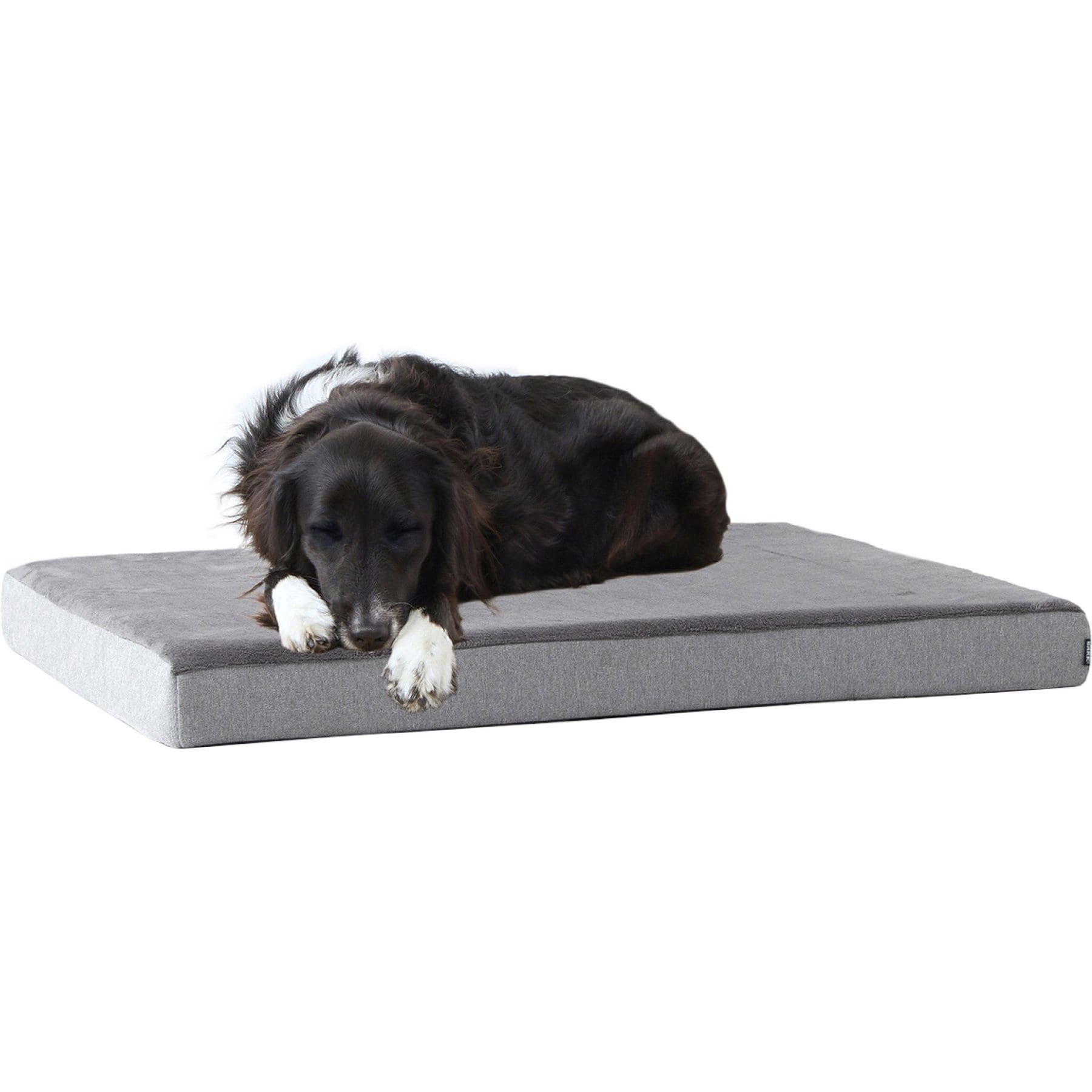
A memory foam bed for supportive rest when a bone infection or weakness makes lying down uncomfortable.
Webvet may earn a commission when you click through to Chewy, at no extra cost to you.
How vets diagnose valley fever: titer tests, x-rays, and what results mean
Valley fever testing in dogs starts with a blood test, often called a cocci test or cocci titer. The University of Arizona center explains that it checks whether your dog is making antibodies against the fungus. A positive result means past infection, but a positive test alone is often not enough for a diagnosis.

How a valley fever titer test works:
- The lab dilutes positive blood in doubling steps (1:4, 1:8, 1:16, 1:32) until the test turns negative
- The titer reported is the last positive dilution, so 1:16 is higher than 1:8
- Labs usually stop at 1:256 and report greater than 1:256
- On this titer scale, a higher number broadly means more severe disease
Dogs without illness can have low titers such as 1:4, 1:8, or sometimes 1:16, and some very sick dogs test low or negative. A false negative is possible early on, so the test may need repeating in 3 to 4 weeks. Merck describes a rapid in-clinic test with results in 15 minutes; clinics set their own prices, so ask for a quote.
VCA says your vet may also recommend blood work and x-rays of the chest and any painful legs, which also help rule out kennel cough in dogs. For paralysis or seizures, a CT or MRI scan may be needed. Merck notes that sometimes a dog's response to antifungal treatment is the only evidence for the diagnosis.
 Sponsored
Vet care that's always there
Unlimited video calls and messaging with licensed vets for less than a typical vet visit. One membership covers up to five pets.
Use code Pets60
Plans start at $12/month · covers up to 5 pets
- Licensed vets in most states
- Rx for 150+ conditions
- 4.7 on Trustpilot
When valley fever is an emergency: breathing trouble, seizures, and collapse
Can dogs die from valley fever? Yes, though most do not. VCA says a small number of dogs die, usually those with disseminated disease. Signs of advanced disease that need emergency care include:
- Severe breathing trouble: dogs in respiratory distress may need oxygen and 24-hour hospital care, per the University of Arizona center
- Seizures or brain signs: Merck says seizures are the most common sign when the brain is involved
- Paralysis or sudden blindness: from infection near the spine or in the eye
- Collapse or dehydration: these dogs may need intravenous fluids
Untreated, severe valley fever can be deadly: for seriously ill dogs needing hospital care, the prognosis can be grave. Valley fever in the brain carries a good to guarded outlook, per the University of Arizona center, and those dogs may need short-term anti-seizure medication. Our guide to seizures in dogs explains what to do during a seizure.
Valley fever treatment in dogs: fluconazole, how long it lasts, and cost
Valley fever treatment in dogs is a long course of oral antifungal medication. These drugs need a veterinary prescription, and your vet sets the dose and plans the blood tests that monitor your dog's liver.
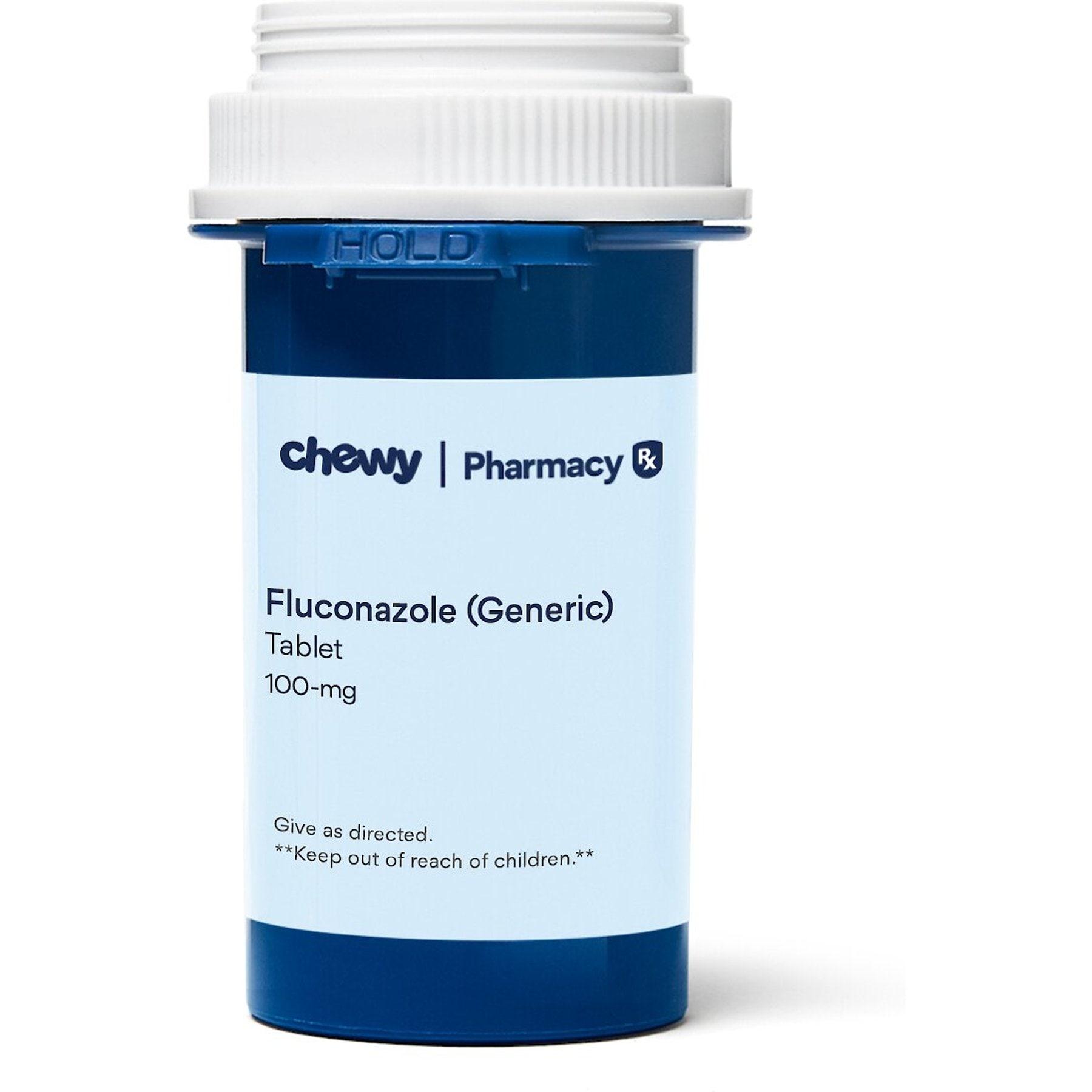
A prescription antifungal tablet often used for valley fever; your vet sets the dose and the liver monitoring.
Webvet may earn a commission when you click through to Chewy, at no extra cost to you.
What is the treatment for valley fever?
The treatment for valley fever in dogs is an antifungal medication given by mouth, usually as pills or capsules once or twice a day, for many months. The University of Arizona center says a dog sick enough to see a vet usually needs this treatment. Courses average 6 to 12 months, and disseminated disease in bone, skin, or organs usually needs longer.
Vets mainly choose between two drugs:
- Fluconazole: Merck calls it the most commonly used drug; it absorbs well even in dogs that are not eating, and the University of Arizona center calls it the drug of choice for infection in the brain, spinal cord, or eyes
- Itraconazole: also common, but Merck notes it may cost more and cause more side effects; it may be the better choice when bone is involved, and capsules must be given with a meal
For very sick dogs or dogs not improving on tablets, the center describes amphotericin B given in the hospital, and the stronger second-line drugs voriconazole and posaconazole. Your vet may also prescribe cough medicine, anti-inflammatories, or pain relief to help your dog's comfort and appetite.
Can I give my dog fluconazole to treat Valley Fever?
Only under your vet's direction. Fluconazole needs a prescription, and your vet sets the dosage for your dog's weight and health and adjusts it with monitoring. The University of Arizona center notes that the dose may need to be reduced in dogs with kidney problems. Generic Fluconazole (Generic) Tablets, 100-mg, 30 tablets are dispensed only with a valid prescription.
Never use leftover human tablets or change the dose yourself. The center also warns that itraconazole should never be compounded, and that compounded fluconazole generally works but varies more from prescription to prescription than the generic.
How expensive is fluconazole for dogs?
Fluconazole cost depends on your dog's size, the dose, and the pharmacy. The University of Arizona center explains that the price of generic fluconazole rose 5- to 10-fold after most manufacturers stopped making it in 2013, and it recommends calling several pharmacies to compare prices. As one example, a 30-tablet bottle of 100-mg generic fluconazole was listed at $16.20 on Chewy when checked in November 2026. Larger dogs need more tablets each month.
The total cost of treatment goes well beyond the drug itself. The center says owners spend hundreds to thousands of dollars each year on diagnosing, treating, and following up valley fever, and estimates it costs Arizona dog owners at least $90 million a year. A typical budget includes:
- Monthly antifungal medication for 6 to 12 months or longer
- Repeat titer tests to track progress
- Blood work to check liver values
- Repeat x-rays of the chest or affected bones
- Hospital care for dogs with severe disease

Side effects of valley fever medication in dogs are usually manageable. VCA lists vomiting and loss of appetite as the most common, and says these drugs can affect the liver, so your vet will check blood tests periodically. The University of Arizona center adds that fluconazole can cause extra drinking and urination, or leaking urine during sleep.
Giving a tablet every day for a year is easier with a routine. Many owners hide each tablet in a soft treat such as Greenies Pill Pockets Cheese Flavor Natural Dog Treats, Tablet Size, 30 count, listed at $11.99 on Chewy when checked in November 2026. Ask your vet whether the drug should be given with food.
Natural or home remedies are not a substitute. The University of Arizona center states that alternative therapies, such as herbs or acupuncture, have not been scientifically tested to treat valley fever. There is no evidence that CBD oil, colloidal silver, or essential oils cure valley fever in dogs. The only proven way to get rid of the infection is the antifungal course your vet manages.
Valley fever prognosis in dogs: recovery, relapse, and living in an endemic area
The valley fever prognosis in dogs is good for most dogs that are treated. The University of Arizona center says statistics on recovery are not available, but that in general more than 90% of dogs respond and recover. Merck describes the prognosis as guarded to good. Both agree the outlook depends on how far the infection has spread.
The outlook by form of disease, per the University of Arizona center:
- Lung-only infection: the best prognosis and usually the quickest response
- Disseminated disease: most dogs respond and lead normal lives, but often need 12 to 18 months of treatment
- Brain infection: good to guarded, and some dogs need lifelong medication
- Severe, widespread disease: guarded to grave, especially in dogs that respond poorly
Can dogs get rid of Valley fever on their own?
Many dogs clear the spores before they ever get sick. The University of Arizona center reports that about 70% of exposed dogs control the infection quickly and are probably immune afterward. Merck notes the disease may be self-limiting, but a dog with lingering respiratory signs, brain signs, or disease in several organs needs long-term antifungal treatment. A dog showing signs should not be left to recover alone.
How quickly does fluconazole work in dogs?
Dogs usually start to feel better within 1 to 2 weeks of starting treatment, according to VCA. That early improvement is not a cure. The infection takes months to heal, and the University of Arizona center warns that stopping medication too soon can let symptoms come back. Keep giving every dose until your vet confirms the blood tests have improved.
How long does valley fever last in dogs? Treatment usually runs 6 to 12 months, per VCA and the University of Arizona center, and longer for disseminated disease. VCA adds that dogs with infection in the nervous system may need antifungal medication for life. Rechecks are often frequent at first, then every few months once recovery is clear.
Relapse and long term effects
Can valley fever come back in dogs? Yes. The University of Arizona center says relapses are not uncommon, though no one knows the exact rate in dogs. It is also not known whether dogs can be reinfected or whether a recurrence is always the original infection. If signs return after medication stops, your vet will probably recommend resuming treatment.
Relapse symptoms usually look like the original illness. Watch for:
- A returning cough or fever
- A new limp or a swollen leg
- Weight loss or a drop in appetite or energy
- A skin sore that reappears
Long term effects of valley fever in dogs vary. Some dogs stay positive with a low titer for life, and the center says dogs with more than one relapse, or a severe relapse, should be considered for lifetime treatment. Living in an endemic area means keeping up the dust-reduction steps above and booking a recheck promptly if signs return.
Home care during treatment focuses on appetite, comfort, and steady routines:
- Give every dose as prescribed and keep a written log
- Weigh your dog regularly and note changes in appetite or energy
- Warm and moisten food to make it more appealing, as the University of Arizona center suggests
- Keep recheck appointments, titer tests, and blood work on schedule
Loss of appetite is the most common side effect of the drugs. If your vet suggests extra calories, a gel such as Tomlyn Nutri-Cal Malt Flavored Gel High Calorie Supplement for Dogs, 4.25-oz tube can be added for a picky eater. For a dog with a painful leg, a SMONTER Foldable Dog Car Ramp saves jumping in and out of the car on the way to rechecks.
Valley fever in dogs questions
Frequently Asked Questions
How much does valley fever treatment cost for a dog?
The total depends on your dog's size and how far the infection has spread. Expect the costs of the first exam, a titer test, and x-rays, followed by monthly medication and repeat titer and liver tests every few months. The University of Arizona Valley Fever Center for Excellence says owners commonly spend hundreds to thousands of dollars a year. Large dogs and dogs with disseminated disease usually cost more, because they need more medication for longer. Ask your clinic for an estimate that covers the first three months, then update it at each recheck.
Can a dog get valley fever more than once?
Yes, illness can return. It is not known whether a returning illness is always the original infection or a new one, but the University of Arizona center says relapses are not uncommon in dogs. A relapse is usually treated with another, longer course of medication, or with a stronger drug such as voriconazole or posaconazole. Keep every recheck after treatment ends so your vet can catch early signs, and keep a note of the date treatment stopped.
Does valley fever cause limping in dogs?
Yes. Limping is the most common sign once valley fever spreads beyond the lungs, because the fungus often infects the bones of the legs. Your vet will usually take an x-ray of the painful leg along with a titer test. Merck notes that itraconazole may be the better drug choice when bone is involved, and bone infections often need longer treatment. Pain relief prescribed by your vet can make a big difference to comfort while the antifungal works.
Are there natural remedies for valley fever in dogs?
No natural remedy has been shown to cure valley fever. The University of Arizona center says herbs and acupuncture have not been scientifically tested for it, and that vets who use them do so alongside antifungal drugs, not instead of them. Talk to your veterinarian before adding any supplement, because the antifungals already put strain on the liver.
What do valley fever titer levels mean in dogs?
A titer measures how many antibodies your dog is making against the fungus. Higher titers broadly mean more active disease, and titers usually fall as the infection heals. Your vet repeats the titer test to help decide when medication can stop, per VCA. Dogs that start with a very low titer may change little, so symptoms and x-rays guide those cases instead. Some dogs stay positive at a low titer for life, which your vet interprets alongside how your dog is doing.
Veterinarian · BVMS MRCVS
Dr. Pippa Elliott, BVMS, MRCVS, is a veterinarian with nearly 30 years of experience in companion animal practice. Dr. Elliott earned her Bachelor of Veterinary Medicine and Surgery from the University of Glasgow. She was also designated a Member of the Royal College of Veterinary Surgeons. Married with 2 grown-up kids, Dr. Elliott has a naughty Puggle named Poggle, 3 cats and a bearded dragon.
Related reading

IMHA in Cats: Signs, Causes, Treatment, and Survival

Aspergillosis in Dogs: Nasal and Systemic Forms, Signs, and Treatment

Cryptococcosis in Cats: Nose Swelling, Diagnosis, and Treatment
