Dog Coughing at Night: Causes, What to Do Tonight, and Emergency Signs
A vet-reviewed guide to why dogs cough at night, what the sound reveals about the cause, safe home comfort measures, and the emergency signs that mean you should not wait until morning.

BVMS MRCVS
Medically reviewed by Dr. Pippa Elliott, BVMS MRCVS · Last reviewed

This article contains affiliate links. Webvet may earn a commission when you buy through them, at no extra cost to you.
A dog coughing at night is not something to shrug off. Nighttime is exactly when two of the most serious causes of coughing show themselves: heart disease and a collapsing windpipe. Lying down and resting change the pressures inside your dog's chest, so a cough you barely noticed during the day can turn into repeated fits after lights-out. This guide explains why the timing matters, what different cough sounds mean, what you can safely do tonight, and the specific red flags that mean you should go to an emergency vet now instead of waiting.
This page is meant to help you triage and understand what you are hearing. It does not replace a hands-on exam. Any cough that lasts more than a few days, keeps getting worse, or shows up in a senior, small-breed, or known-heart-murmur dog needs a veterinary diagnosis.
Why is my dog coughing at night? (short answer)

The most common reasons a dog is coughing at night are heart disease with fluid backing up into the lungs, a collapsing trachea (windpipe), and respiratory infections such as kennel cough. Airway irritation, allergies, and heartworm disease also play a role. What these share is that lying down, resting, and the quiet of night tend to make the cough more obvious or more intense.
Think of a night cough as a signal that deserves attention, not a nuisance to silence. The pattern you hear (dry versus wet, honking versus gagging), your dog's age and size, and any other symptoms all help point toward the cause. Below, we walk through each of these so you know what to watch for and when to act. For the full range of cough causes across the whole day, see our pillar guide on why your dog is coughing.

A padded, reflective no-pull harness that spreads leash pressure across the chest instead of the throat, the switch most vets recommend for a dog with a cough, a collapsing trachea, or any airway irritation so the leash never presses on...
Webvet may earn a commission when you click through to Chewy, at no extra cost to you.
Why coughing gets worse at night: the lying-down physiology
Many owners notice their dog coughing worse at night and wonder if it is a coincidence. It usually is not. When your dog lies down, gravity and body position change how blood and fluid move through the chest, and there are fewer daytime distractions to mask the sound.
Here is why a dog coughing more at night is such a meaningful pattern:
- Fluid redistributes when lying flat. In dogs with heart disease, lying down can let fluid pool in the lungs, which triggers or worsens coughing. In left-sided congestive heart failure, fluid accumulates within the lungs (pulmonary edema), and coughing plus difficulty breathing are among the most common signs, according to the Merck Veterinary Manual. Coughing while at rest or sleeping is one of the signs owners are told to watch for, per VCA Animal Hospitals, which is why the cough so often shows up at night.
- The airway is more relaxed at rest. A weakened or collapsing windpipe can flatten more easily when your dog is calm and reclined, provoking fits.
- It is quiet. During the day, activity, meals, and background noise cover up mild coughing. At night, every hack is audible, so a dog coughing only at night may simply be coughing that you finally hear.
- Cool, dry bedroom air can irritate an already sensitive airway.
So if you are asking why is my dog coughing so much at night, the honest answer is that the night can both unmask a cough and genuinely intensify the ones tied to the heart and airway. That is why a nighttime pattern raises the priority of getting a diagnosis.
What the sound tells you: dry hack vs. wet cough vs. honk vs. gag

The character of the cough is one of the best clues you can give your vet. Try to record a clip on your phone. Below is a quick decision aid to match the dog coughing sound at night to likely causes and urgency.
| Cough sound | What it often feels like | Common associations | Night-specific tell |
|---|---|---|---|
| Dry hack | Harsh, unproductive, repetitive | Kennel cough, early airway irritation, early tracheal collapse | A dog dry cough at night that comes in bursts, often after lying down or getting excited |
| Wet or moist cough | Gurgly, "productive," may bring up fluid | Fluid in the lungs (heart failure), pneumonia | Worse when flat; may come with fast or labored breathing |
| Honking cough | Loud, goose-like "honk" | Collapsing trachea, especially small breeds | Triggered by excitement or a tug on the collar; classic dry night cough |
| Gag or retch | Cough that ends in a gag, swallow, or bringing up foam | Kennel cough, throat irritation, post-nasal drip | A dog coughing and gagging at night in fits, sometimes producing white foam |
A dog dry coughing at night points more toward airway causes such as kennel cough or tracheal collapse, while a wet, gurgly cough raises concern for fluid in the lungs. If your dog coughing like something stuck in throat ends in a gag or a swallow, throat irritation or kennel cough is common, but never assume: a gagging, foam-producing cough can also come from the heart or airway.
Two dedicated guides cover the sound-based topics in depth: read dog coughing and gagging for the gag-and-retch pattern, and dog coughing up white foam for foamy or frothy coughs. Whatever the sound, see your vet to confirm the cause.
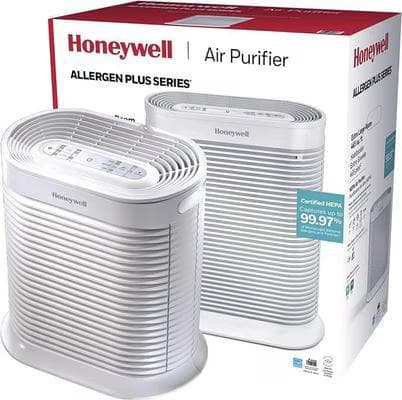
Certified True HEPA air purifier that captures 99.97% of airborne dust, dander, pollen, and smoke, reducing the airborne triggers behind feline asthma and respiratory irritation.
Webvet may earn a commission when you click through to Chewy, at no extra cost to you.
Common causes of night coughing (and where to read more)
Several distinct conditions produce a dog coughing at night, and each has its own dedicated WebVet guide. Below is a short summary of each so you can recognize the night-specific pattern, plus a link to read the full guide. Do not try to self-diagnose from these snapshots. The overlap between them is exactly why a vet exam matters.
Congestive heart failure (CHF)
A dog coughing at night heart failure pattern is one of the most important to catch early. In left-sided CHF, fluid accumulates within the lungs (pulmonary edema), and coughing and difficulty breathing are among the most common signs, per the Merck Veterinary Manual. Because fluid pools more easily when a dog is lying flat, this cough often shows up at rest or overnight; coughing when at rest or sleeping is one of the early signs listed by VCA Animal Hospitals. Owners often describe it as a soft, moist cough paired with faster or more labored breathing. A dog with CHF coughing at night or a dog heart murmur coughing at night should be seen promptly. Read the full guide on heart cough and congestive heart failure, then see your vet to confirm.
Collapsing trachea
A dry, honking cough that flares with excitement or collar pressure suggests a collapsing windpipe. It is most common in toy and miniature breeds, and it produces a dry, honking, chronic cough, notes the Merck Veterinary Manual. In practice it is diagnosed most often in middle-aged and older small dogs, though it can appear at any age. Learn the details and management in our guide to the honking cough and collapsed trachea, and see your vet to confirm.
Kennel cough (canine infectious respiratory disease)
Kennel cough causes a sudden, persistent, often dry hacking cough that is frequently followed by a terminal gag or retch. It is usually self-limiting but can progress to pneumonia in puppies, seniors, and immunocompromised dogs, per the AVMA. If your dog was recently boarded, groomed, or at a dog park, read our full kennel cough in dogs guide, then see your vet to confirm.
Heartworm disease
A mild, persistent cough is one of the signs of heartworm disease, though in the early stages many dogs show few or no symptoms at all, according to the American Heartworm Society. Untreated infection damages the lungs and pulmonary arteries, and year-round prevention is the recommended standard. If your dog is not on consistent prevention, mention this to your vet.
Allergies, irritants, and other causes
A dog coughing at night allergies pattern, or a dog coughing and wheezing at night, can reflect airway inflammation, dust, smoke, or seasonal irritants. A dog coughing up white foam at night or a dog coughing up thick white mucus at night may point to airway or heart issues and needs a vet's read. For foamy coughs specifically, see dog coughing up white foam.
 $65 · no membership
Have a health question about your dog?
A licensed vet can assess your dog over video and prescribe online when it's appropriate.
 Talk to a vet
- Licensed vets
- All 50 states
- same-day Rx
Webvet may earn a commission if you book.
Is it a cough or a reverse sneeze? How to tell the difference
Owners often confuse a cough with a reverse sneeze, especially at night. The distinction matters because they mean very different things. A cough pushes air out; a reverse sneeze pulls air in.
Here is the quick decision aid:
- A cough is an active push of air outward, often repetitive, and can be dry, wet, or end in a gag. A dog honking at night with a loud outward goose-honk is a cough, not a reverse sneeze.
- A reverse sneeze is a sudden series of rapid, snorting inhalations, where the dog extends the neck, stands still, and makes a repeated snorting or gagging inward sound, then stops abruptly and acts completely normal.
If your dog coughing like something is stuck in his throat at night is actually snorting air in and then instantly returns to normal, that leans toward reverse sneezing rather than a true cough. Reverse sneezing is usually harmless, while a persistent cough is not. We are building a dedicated Reverse Sneezing in Dogs guide, so this section gives only the distinguishing test. When in doubt, record a clip and let your vet tell the two apart.
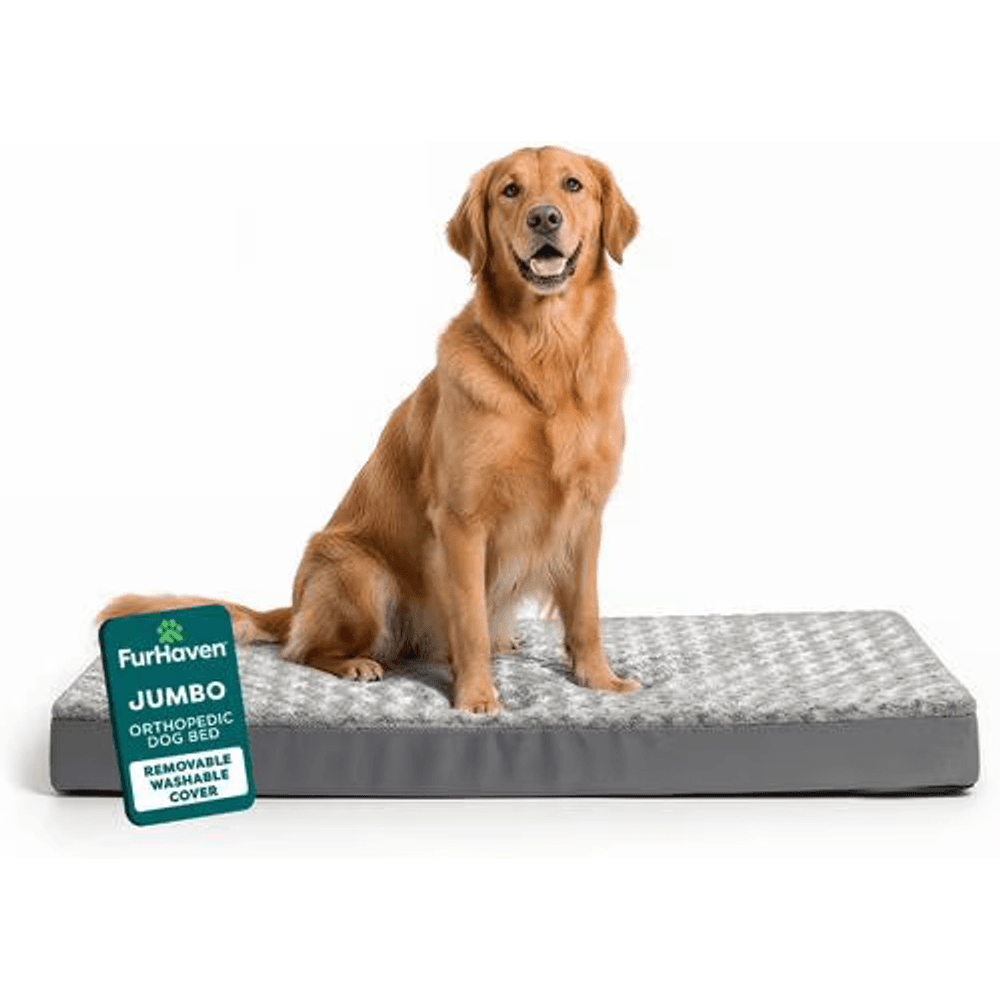
A plush orthopedic foam mattress that cushions aging joints and pressure points, giving a stiff or trembling senior dog warm, supportive rest.
Webvet may earn a commission when you click through to Chewy, at no extra cost to you.
Senior and small-breed dogs coughing at night

Age and body size change the odds of what is behind a night cough. A senior dog coughing at night carries a higher baseline risk of heart disease, so the pattern should never be dismissed as "just getting old."
- Senior dogs. An old dog coughing at night or elderly dog coughing at night more often has underlying heart or chronic airway disease. A moist, worse-when-lying-down cough in an older dog coughing at night raises concern for the fluid-in-the-lungs (pulmonary edema) pattern of left-sided heart failure described by the Merck Veterinary Manual, and coughing at rest or while sleeping is a specific sign to watch, per VCA Animal Hospitals. A senior dog coughing and gagging at night still warrants a prompt exam.
- Small and toy breeds. A small dog coughing at night with a dry honk fits the collapsing-trachea profile, which the Merck Veterinary Manual notes is most common in toy and miniature breeds and produces a dry, honking, chronic cough.
The takeaway: seniors, small breeds, and any dog with a known heart murmur belong in the "see a vet promptly" category, not the "wait and watch" one, even if the cough seems mild.
What to do tonight: safe home remedies to ease the cough

If you have ruled out the emergency signs above and you are looking for dog coughing at night remedies to keep your dog comfortable until you can see a vet, a few gentle measures are reasonable. These are comfort measures only. They do not treat the underlying cause, and they are not a substitute for a diagnosis.
Safe, supportive dog coughing at night home remedies include:
- Add humidity. A cool-mist humidifier in the room, or letting your dog sit in a steamy bathroom for a few minutes, can soothe an irritated airway. This is one of the safest ways to help dog coughing at night.
- Switch to a harness. Pressure on the neck aggravates airway coughs, so use a harness instead of a collar, especially for small breeds.
- Keep the air clean. Remove smoke, dust, strong cleaners, and aerosols from the sleeping area.
- Keep your dog calm and cool. Excitement and heat can trigger fits. A quiet, comfortable resting spot helps.
- A little honey, only if your vet approves. For some dogs a small amount of honey can briefly soothe the throat, but confirm the amount with your vet first and never give it to a diabetic dog.
Now the critical guardrails on what can I give my dog for coughing at night:
- Never give human over-the-counter cough or cold medicines unless your vet directs it. Many contain acetaminophen, pseudoephedrine, or other ingredients toxic to dogs, warns the Merck Veterinary Manual. Sugar-free liquid medicines and cough syrups can also contain xylitol, which is dangerous to dogs and is found in cough syrup and over-the-counter medicines, according to the U.S. Food and Drug Administration.
- Do not suppress a wet or productive cough on your own. Masking a cough that is clearing fluid can hide worsening heart failure or pneumonia.
- These measures buy comfort, not time. If the cough persists or worsens, the answer to how to stop dog coughing at night is a veterinary diagnosis, not a stronger home remedy.

360-degree Wi-Fi pet camera so you can watch your cat's resting breathing rate and behavior from your phone and catch worrying changes early.
Webvet may earn a commission when you click through to Chewy, at no extra cost to you.
When to worry: emergency signs and when to call the vet
This is the most important section on the page. If you are asking when should I worry about my dog's cough, use these thresholds.
These are potential airway or heart emergencies. A dog coughing non stop at night, a dog panting and coughing at night, or a dog suddenly coughing at night in severe fits should not wait until morning.
See your vet promptly (within a day or two), even without an emergency sign, if:
- The cough has lasted more than a few days or keeps getting worse
- Your dog is a senior, a small breed, or has a known heart murmur
- The cough comes with reduced appetite, low energy, or exercise intolerance
- You notice a dog coughing fits at night that disrupts sleep repeatedly
When in doubt, call. Describing the sound, timing, and any other symptoms lets your veterinary team decide how fast you need to be seen. It is always better to check a cough that turns out to be minor than to miss one that was not.
How vets diagnose and treat a nighttime cough

Effective dog coughing at night treatment starts with finding the cause, because the right treatment for kennel cough is very different from the right treatment for heart failure. Here is what a workup usually involves.
Diagnosis typically includes a physical exam and listening to the heart and lungs, then targeted tests such as:
- Chest X-rays to look for fluid in the lungs, heart enlargement, or airway changes
- Heartworm and infectious-disease testing where indicated
- Bloodwork to assess overall health and organ function
- Echocardiogram (heart ultrasound) when heart disease is suspected
- Airway imaging or scoping for suspected tracheal collapse
Treatment depends entirely on the diagnosis. Heart-related coughs are managed with cardiac medications; kennel cough is often self-limiting but sometimes needs supportive care or antibiotics if it progresses; collapsing trachea is managed with weight control, harnesses, cough suppressants, and sometimes surgery; heartworm requires a specific, vet-supervised protocol. A dog coughing at night and morning or a dog chronic coughing at night that has gone on for weeks especially needs this structured workup rather than repeated guesswork at home.
The bottom line for any dog chronic coughing at night: the pattern is the starting point, but the diagnosis comes from your vet. Once the cause is confirmed, most nighttime coughs can be managed well, and your dog (and you) can finally sleep.
Frequently asked questions
Why is my dog coughing like something is stuck in his throat at night?
A cough that sounds like something is stuck usually comes from throat or airway irritation, kennel cough, or a collapsing trachea, and lying down at night can make it more noticeable. If it ends in a gag or brings up foam, throat irritation or kennel cough is common. Record a clip and have your vet confirm the cause, since heart and airway problems can mimic this.
What does a dog's heart failure cough sound like?
A heart failure cough is often described as soft and moist because fluid backs up into the lungs, and it commonly comes with faster or more labored breathing. In left-sided congestive heart failure, fluid accumulates in the lungs (pulmonary edema) and coughing and difficulty breathing are among the most common signs, per the Merck Veterinary Manual. Because fluid pools more when a dog lies flat, VCA Animal Hospitals lists coughing at rest or while sleeping as a sign to watch, which is why it is often noticed at night. This pattern is a reason to see a vet promptly, and coughing up pink or white foam is an emergency.
What home remedy can I give my dog for coughing?
Safe home comfort measures include a cool-mist humidifier or brief steam, switching from a collar to a harness, keeping the air free of smoke and dust, and (only if your vet approves) a small amount of honey. Never give human over-the-counter cough or cold medicines, since many contain acetaminophen, pseudoephedrine, or other decongestants toxic to dogs, warns the Merck Veterinary Manual; sugar-free syrups can also contain xylitol, which is dangerous to dogs, per the U.S. Food and Drug Administration. Home remedies soothe but do not treat the cause, so see your vet.
When should I worry about my dog's cough?
Worry and seek emergency care immediately if your dog has labored or open-mouth breathing, blue or pale gums, coughs up blood or foam, cannot lie down, collapses, or will not stop coughing. See your vet promptly for any cough lasting more than a few days, worsening, or in a senior, small-breed, or heart-murmur dog. When unsure, call your vet and describe the sound and timing.
How to soothe a dog's trachea cough?
You can soothe a tracheal cough by using a harness instead of a collar, keeping your dog calm and cool, running a humidifier, and avoiding smoke and irritants. These reduce triggers but do not fix a collapsing trachea, which produces a dry, honking, chronic cough and is most common in toy and miniature breeds, per the Merck Veterinary Manual. Have your vet confirm the diagnosis and discuss weight control, cough suppressants, or other treatment.
What are the signs of a dog having a mini stroke?
A mini stroke is not a cause of coughing, and the two are unrelated. Sudden neurological signs such as a head tilt, loss of balance, circling, eye flicking, or disorientation warrant an urgent vet visit, but they are separate from a night cough. If your dog is coughing, focus on the breathing and cough red flags in this guide, and see your vet to identify the actual cause.
When should I worry about dog coughing?
Any cough that persists beyond a few days, gets worse, disrupts sleep with repeated fits, or appears in a senior, small-breed, or known-heart-murmur dog deserves a prompt vet exam. Treat labored breathing, blue or pale gums, coughing up blood or foam, inability to lie down, or collapse as emergencies. A night cough in particular can signal heart or airway disease, so do not wait it out.
What does a heartworm cough sound like?
A heartworm cough is often a soft, persistent, dry cough that can worsen with activity. A mild, persistent cough is one of the signs of heartworm disease, though in early stages many dogs show few or no symptoms at all, according to the American Heartworm Society. Because untreated heartworm damages the lungs and pulmonary arteries, and year-round prevention is the recommended standard, any suspected heartworm cough needs veterinary testing and a supervised treatment plan.
$65 · no membershipHave a health question about your dog?
A licensed vet can assess your dog over video and prescribe online when it's appropriate.
Talk to a vet- Licensed vets
- All 50 states
- same-day Rx
Webvet may earn a commission if you book.

Editor
The Webvet Editorial Team is the in-house group of pet-care editors and writers behind Webvet, operated by Smart Pet Collective. The team researches, writes, and maintains Webvet's pet health, behavior, and medication content. Every article follows a defined editorial process: research from reputable veterinary and scientific sources, careful drafting, mandatory review of medical content by a credentialed veterinarian, and dated publication. Health and medication articles are medically reviewed by a licensed veterinary professional before they go live and are kept current over time.
Veterinarian · BVMS MRCVS
Dr. Pippa Elliott, BVMS, MRCVS, is a veterinarian with nearly 30 years of experience in companion animal practice. Dr. Elliott earned her Bachelor of Veterinary Medicine and Surgery from the University of Glasgow. She was also designated a Member of the Royal College of Veterinary Surgeons. Married with 2 grown-up kids, Dr. Elliott has a naughty Puggle named Poggle, 3 cats and a bearded dragon.


