Dog Coughing Up White Foam: Causes, Red Flags, and When to Call the Vet
A dog coughing up white foam can be anything from a mild empty stomach to a life-threatening emergency. Learn the six main causes, how to tell coughing from vomiting, and the red flags that mean call your vet immediately.

BVMS MRCVS
Medically reviewed by Dr. Pippa Elliott, BVMS MRCVS · Last reviewed

This article contains affiliate links. Webvet may earn a commission when you buy through them, at no extra cost to you.
A dog coughing up white foam is one of the most alarming things you can witness at home, partly because the same symptom can mean two completely different things. Sometimes it is a mild, self-limiting respiratory bug. Other times it is a genuine emergency involving the heart, the lungs, or the stomach. This vet-reviewed guide walks you through every common cause, shows you how to tell a cough apart from vomiting or regurgitation, and lays out the exact red flags that mean you should call a veterinarian right now.

Most dogs bringing up small amounts of white foam are not in immediate danger, and the single most common cause (kennel cough) is usually mild. But because this symptom overlaps with true emergencies, every case deserves at least a phone call to your vet. This article helps you triage what you are seeing so you know how fast to move.
Coughing vs. vomiting vs. regurgitating white foam: how to tell the difference

Before you can figure out why your dog is coughing up white foam, you have to answer one question: is your dog actually coughing, or is it vomiting or regurgitating? These are three different reflexes from three different body systems, and they point to different diagnoses. Getting this right is the single most useful thing you can do before you call the vet.
According to the Merck Veterinary Manual, vomiting is the active, abdominal-effort ejection of stomach contents, usually preceded by nausea signs like drooling, lip-licking, and restlessness. Regurgitation is a passive expulsion with no heaving. Coughing is a respiratory reflex from the airway, not the stomach. Distinguishing them is the first diagnostic step for any dog bringing up foam.
Here is a quick reference to help you tell them apart.
| Sign | Coughing up white foam | Vomiting white foam | Regurgitating white foam |
|---|---|---|---|
| Body posture | Neck extended forward, elbows out, harsh hacking sound | Abdominal heaving, back arched, drooling first | Head dropped low, quiet, no effort |
| Warning signs before | None, or a gag at the end | Nausea, drooling, lip-licking, pacing | Usually none |
| What comes up | Frothy white saliva or mucus, often a small amount | Foamy or watery stomach fluid, sometimes bile-tinged | Undigested food or foamy tube of saliva |
| System involved | Respiratory (airway, lungs, heart) | Digestive (stomach) | Esophagus |
| What it suggests | Kennel cough, collapsing trachea, heart or lung disease | Empty stomach, acid reflux, GI upset, blockage | Esophageal disorder |
Why does my dog have white foamy spit? The white color simply reflects saliva and mucus whipped with air. A dog coughing up white foam and clear liquid is usually bringing up airway mucus mixed with swallowed saliva. It does not by itself tell you the cause, which is why the cough-vs-vomit distinction matters more than the color.
A dog coughing spitting up white foam is most often a respiratory problem, and that is the presentation this article focuses on. If your dog is truly throwing up or vomiting white foam repeatedly, that is a gastrointestinal (GI) presentation, and you can read our companion coverage on the general cough umbrella at why is my dog coughing or discuss the vomiting pattern directly with your vet. This spoke owns the specific white-foam cough and the triage between the two.
See a vet if: you cannot tell whether your dog is coughing or vomiting, if either is happening repeatedly, or if your dog seems distressed. A short phone video of the episode is genuinely helpful for your veterinarian.
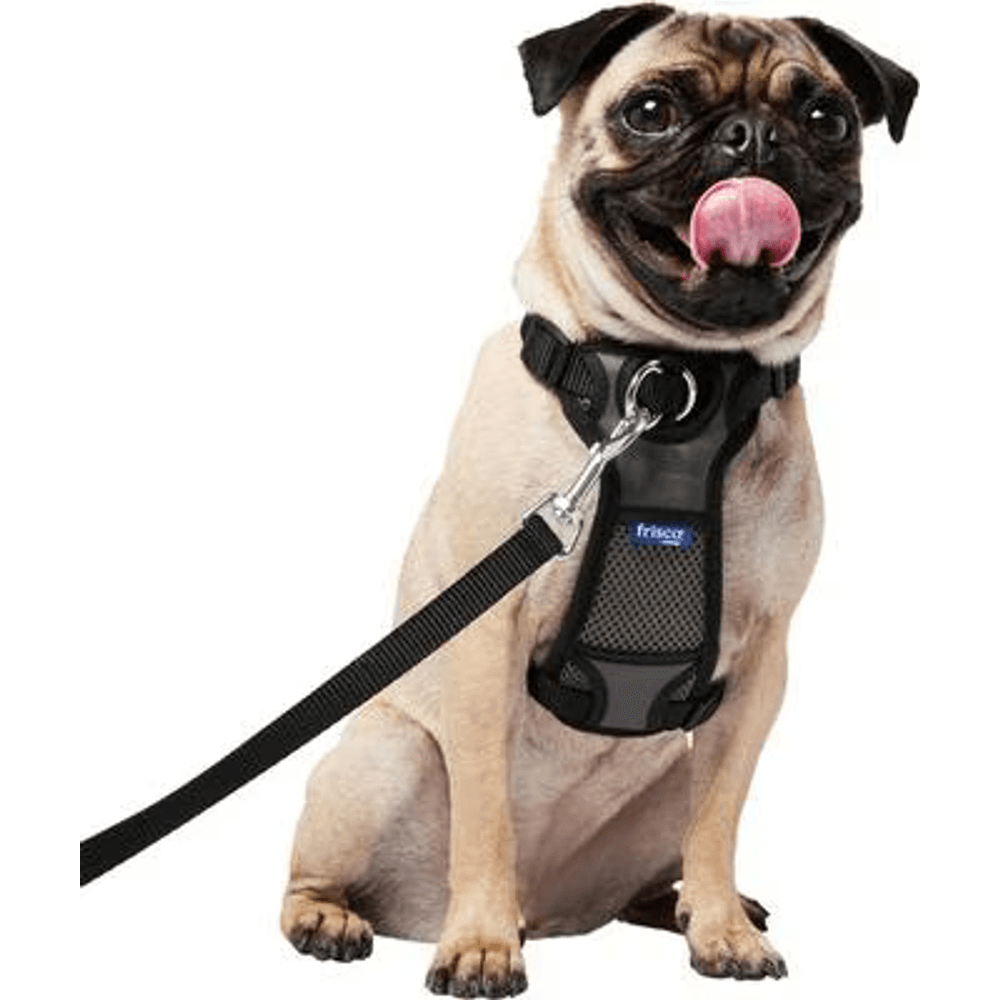
A budget-friendly padded no-pull harness that keeps leash pressure off a coughing dog's neck and windpipe by distributing it across the chest. A simple, affordable way to protect an irritated airway or a collapsing trachea on every walk.
Webvet may earn a commission when you click through to Chewy, at no extra cost to you.
Why is my dog coughing up white foam? The 6 main causes
Why is my dog coughing up white foam? In the vast majority of cases, the answer falls into one of six buckets. The causes of a dog coughing up white foam range from minor (an empty stomach or a mild respiratory bug) to life-threatening (heart failure or bloat). A dog coughing up white foam and mucus most often points at the airways, while frothy fluid from deeper in the chest can signal the heart.
Here are the six main causes, ranked roughly from most common to most dangerous:
- Kennel cough and other respiratory infections (CIRD), the most common cause; often includes dog coughing up white foam kennel cough patterns of harsh hacking.
- Collapsing trachea, a honking, hacking cough, especially in small and toy breeds.
- Acid reflux or an empty stomach, mild, usually first thing in the morning.
- Heart disease and congestive heart failure, coughing that can turn to pink or white frothy fluid; an emergency.
- Gagging on a foreign object or airway irritation, looks like something is stuck.
- Bloat (GDV), non-productive retching with a swollen belly; a true surgical emergency.
The sections below break down each of the important ones, and every section ends with a clear see-a-vet trigger so you know when to stop reading and start dialing.
Kennel cough and respiratory infections (the most common cause)

Kennel cough, more formally called canine infectious respiratory disease complex (CIRD), is the single most likely reason for a dog coughing up white foam kennel cough-style. Per the Merck Veterinary Manual, it causes spasms of harsh, dry, hacking coughing that may be followed by retching and gagging. The disease spreads rapidly among dogs housed in close confinement, such as boarding kennels, daycare, dog parks, and grooming facilities, and while it is a mild disease that normally improves on its own, it can progress to fatal bronchopneumonia in puppies or to chronic bronchitis in weakened, ill, or aged dogs.
The classic tell is a dog that coughs in fits, then retches or gags and produces a small gob of white foam at the end, as if trying to clear its throat. That frothy bit at the end is swallowed saliva and airway mucus whipped with air, not a sign that something is lodged. Owners often describe it as a dog coughing up white mucus and worry a bone is stuck. A dog wheezing and coughing up white foam or sneezing and coughing up white foam after a recent boarding stay fits this picture well.
For the full picture on transmission, incubation, vaccination, and recovery timelines, see our dedicated guide to kennel cough in dogs. In brief: most healthy adult dogs recover in one to three weeks with rest, and your vet may or may not prescribe medication depending on severity.
There is no safe, reliable at-home cough remedy that replaces a vet exam. Do not reach for human cough syrups; many contain ingredients that are toxic to dogs.
See a vet if: the cough lasts more than a few days, worsens, comes with fever, lethargy, loss of appetite, or any breathing difficulty, or if you have a puppy, a senior, or an immunocompromised dog. A vet visit confirms kennel cough and rules out the dangerous mimics below.
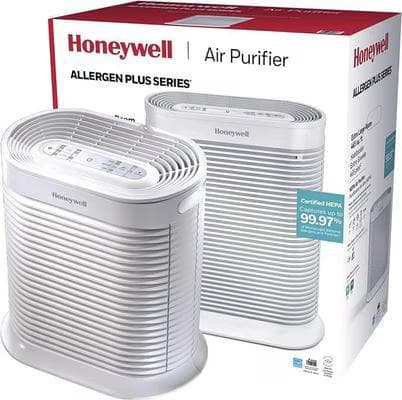
Certified True HEPA air purifier that captures 99.97% of airborne dust, dander, pollen, and smoke, reducing the airborne triggers behind feline asthma and respiratory irritation.
Webvet may earn a commission when you click through to Chewy, at no extra cost to you.
Collapsing trachea and the honking cough

If you have a small dog coughing up white foam with a sound that resembles a goose honk, collapsing trachea belongs high on your list. The Merck Veterinary Manual explains that tracheal collapse is most common in toy and miniature breeds, and that affected dogs have a dry, honking, chronic cough and labored breathing. Merck lists reducing excitement and stress and restricting exercise as core management steps, which reflects how readily excitement and exertion set off the cough. As with any hard coughing fit, an episode can end in a gag or retch that brings up a little frothy saliva, though nothing is actually lodged.
This is why a dog hacking coughing up white foam so often turns out to be a Yorkie, Pomeranian, Chihuahua, or toy Poodle. The windpipe (trachea) has weakened cartilage rings that flatten as air rushes through, producing the honk. A dog coughing like something is stuck in his throat with white foam frequently describes exactly this, when in fact nothing is lodged; the airway itself is the problem. Because tension on the windpipe can trigger the cough, many vets advise walking these dogs on a body harness rather than a neck collar.
For everything on grading, harness-not-collar management, weight control, and treatment options, read our focused article on dog honking cough and collapsed trachea. Switching from a neck collar to a body harness and keeping your dog at a lean weight are two of the most impactful things you can do.
See a vet if: the honking cough is frequent, worsens with excitement or heat, comes with any breathing difficulty, or if your dog turns blue-tinged around the gums during a coughing fit. Blue or gray gums during an episode is an emergency.
 $65 · no membership
Have a health question about your dog?
A licensed vet can assess your dog over video and prescribe online when it's appropriate.
 Talk to a vet
- Licensed vets
- All 50 states
- same-day Rx
Webvet may earn a commission if you book.
Heart disease and congestive heart failure (why the foam can turn pink)
This is the cause that turns a dog coughing up white foam from worrying into an emergency. When the heart weakens, fluid backs up into the lungs, a condition called pulmonary edema. The Merck Veterinary Manual explains that left-sided congestive heart failure causes fluid to accumulate within the lungs, and that coughing, difficulty breathing, and exercise intolerance are the most common signs; affected dogs often breathe faster than healthy dogs, and severe cases can faint or collapse from a lack of oxygen. As PetMD, whose guidance is written and reviewed by veterinarians, notes, dogs with left-sided CHF will usually have a cough and difficulty breathing and may even cough up foam, and you should seek an emergency vet immediately if your dog shows any signs of respiratory distress or trouble breathing.
Pink or blood-tinged froth is the red flag. According to VCA Animal Hospitals, some dogs with fluid leaking into the lungs may have pink, foamy fluid come from the mouth or nose that is coming from their lungs. The pink color comes from small amounts of blood mixing with the fluid, and it means the lungs are filling. An old dog coughing up white foam or a senior dog coughing up white foam, especially a small-breed senior with a known heart murmur, needs to be evaluated urgently, not watched at home.
A dog with congestive heart failure coughing up white foam may also breathe fast even at rest, tire quickly, cough more at night or when lying down, and have a bluish tinge to the gums. Counting your dog's resting (sleeping) breaths is a useful home check: a consistently elevated sleeping respiratory rate can be an early warning your vet will want to know about.
Our companion article on dog heart cough and congestive heart failure covers murmurs, diagnosis, and the medications that can dramatically improve quality of life. Because coughing that worsens at night is such a common CHF and airway clue, we also cover the pattern in dog coughing at night.
See a vet NOW if: the foam is pink or bloody, breathing is fast or labored, gums look blue or pale, or your dog cannot settle. This is an emergency.
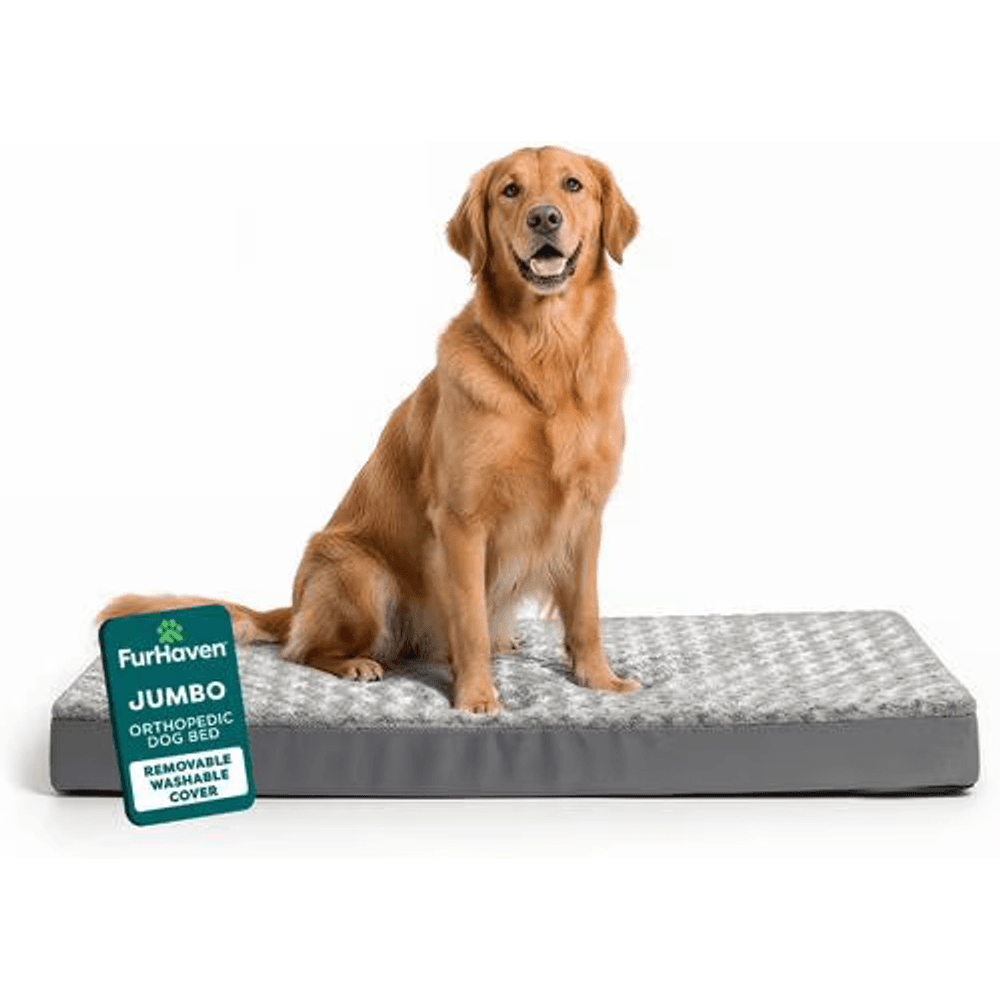
A plush orthopedic foam mattress that cushions aging joints and pressure points, giving a stiff or trembling senior dog warm, supportive rest.
Webvet may earn a commission when you click through to Chewy, at no extra cost to you.
Coughing up white foam and gagging (when it looks like something is stuck)
A dog coughing up white foam and gagging is the presentation that scares owners most, because it genuinely looks like something is caught. A dog gagging and coughing up white foam may extend its neck, retch, and finally bring up a small amount of frothy saliva. In many cases nothing is stuck at all; the gag is the tail end of a coughing fit from kennel cough or a collapsing trachea.
However, a true foreign body (a stick fragment, a piece of a toy, a bone chip, or grass awn) can lodge in the throat or airway and must be ruled out. A dog coughing like something is stuck in his throat and throwing up should be watched carefully: if the dog is pawing at its mouth, distressed, drooling heavily, or struggling to breathe, treat it as urgent.
Because cough-plus-gag overlaps so heavily with other symptoms, we cover the pattern in depth in dog coughing and gagging. Use that article to sort a harmless post-cough gag from a genuine obstruction.
See a vet if: your dog is actively distressed, pawing at the mouth, drooling excessively, retching without producing anything, or showing any breathing difficulty. Suspected airway obstruction is an emergency.
Situational triggers: after running, when excited, and at night
The timing of a dog coughing up white foam is a valuable clue, because several causes are provoked by specific triggers.
- Dog coughing up white foam after running or exercise: exertion is a classic trigger for collapsing trachea and can also unmask early heart disease. A brief cough that settles quickly after hard play is less concerning than one that persists or comes with heavy breathing.
- Dog coughing up white foam when excited: excitement raises airway pressure and heart rate, which can set off both collapsing-trachea coughs and heart-related coughs. Pattern matters: is it only when excited, or all the time?
- Dog coughing up white foam at night, or dog coughing up thick white mucus at night: night and lying-down coughs are a notable clue for heart disease, because lying flat lets fluid pool in the lungs. Airway irritation and postnasal mucus can also worsen at night.
None of these triggers is harmless by default, and a night or exertion cough in an older or small-breed dog deserves prompt attention. We break down the overnight pattern specifically in dog coughing at night.
See a vet if: exertion or excitement reliably triggers coughing, if a night cough is new or worsening, or if any episode comes with fast breathing, fatigue, or blue-tinged gums.
White foam with blood, or your dog is coughing AND throwing up white foam
Two overlap patterns need special attention.
Dog coughing up white foam with blood (or dog coughing up white foam and blood): any blood is a red flag. As covered above, the Merck Veterinary Manual explains that left-sided heart failure causes fluid to accumulate in the lungs, and VCA Animal Hospitals notes that pink, foamy fluid from the mouth or nose is coming from the lungs, so pink or frothy blood-tinged foam points strongly toward fluid backing up in the chest. Bright red streaks can also come from irritated airways after violent coughing, from clotting problems, or from other lung disease. A dog coughing up thick white foam that then shows any pink or red should be treated as urgent.
Dog coughing and throwing up white foam (or dog throwing up white foam and coughing): when a dog seems to be doing both, the most important job is separating the respiratory event from the GI event, using the posture table above. A dog that keeps coughing and throwing up white foam may have a respiratory infection plus a queasy, empty stomach, or it may be showing early signs of something more serious. The dangerous scenario to rule out is non-productive retching, where the dog heaves repeatedly but nothing comes up while the belly swells. Per the Merck Veterinary Manual, gastric dilatation-volvulus (bloat/GDV) is an acute, life-threatening emergency with signs including a distended or hard abdomen, non-productive retching or repeated unsuccessful attempts to vomit, restlessness, drooling, and collapse, and it requires emergency surgery.
See a vet NOW if: there is any blood in the foam, or if your dog is retching without producing anything while the belly looks swollen or hard. Bloat can kill within hours.

360-degree Wi-Fi pet camera so you can watch your cat's resting breathing rate and behavior from your phone and catch worrying changes early.
Webvet may earn a commission when you click through to Chewy, at no extra cost to you.
When to worry: emergency signs that mean call the vet now

When should I worry about my dog throwing up white foam? Worry, and act, the moment any red flag appears. Answer-first: a single small episode in a bright, comfortable, normally breathing dog can often wait for a same-day or next-morning vet call, but any of the emergency signs below mean go now.
| Red-flag sign | Why it is dangerous | What to do |
|---|---|---|
| Pink, red, or bloody foam | Possible fluid in the lungs (heart failure) | Emergency vet now |
| Labored, rapid, or open-mouth breathing | Oxygen is compromised | Emergency vet now |
| Blue, gray, or pale gums | Low oxygen (cyanosis) | Emergency vet now |
| Hard, bloated, distended belly | Possible bloat/GDV | Emergency vet now |
| Non-productive retching (nothing comes up) | Classic bloat sign | Emergency vet now |
| Collapse, staggering, extreme weakness | Systemic crisis | Emergency vet now |
| Choking that does not clear | Airway obstruction | Emergency vet now |
Dog coughing up white foam but acting normal: this is genuinely more reassuring, and it often points to a mild cause like early kennel cough or a one-off empty-stomach cough. But "acting normal" is not a guarantee, especially in seniors and small breeds where heart disease can be silent. Still book a vet check, even if it is not an emergency run.
Dog coughing up white foam and shaking: shaking or trembling can mean pain, nausea, fear, or that the dog feels unwell systemically. Combined with foam, it lowers the threshold for a prompt vet visit.
If your dog keeps coughing up white foam, if you find yourself asking why does my dog keep coughing up white foam, or if your dog is constantly coughing up white foam over hours or days, that persistence alone is reason to be seen. Repeated episodes are never normal.
See a vet NOW if: any red-flag sign in the table above is present. When in doubt, call your emergency vet and describe exactly what you are seeing.
What to do at home (and what NOT to give your dog)
What to do if my dog is coughing up white foam? The safest home approach is calm observation plus a fast decision about urgency. Here is a practical, safe checklist.
Do:
- Stay calm and keep your dog calm. Excitement and exertion make airway and heart coughs worse.
- Check the emergency signs first. Look at gum color, breathing effort and rate, and the belly. If any red flag is present, skip straight to the vet.
- Take a short video of the episode to show your veterinarian; it makes diagnosis far easier.
- Offer a small amount of water and let your dog rest in a cool, quiet spot.
- Note the pattern: time of day, triggers (after eating, running, excitement, at night), frequency, and whether anything comes up.
- Switch to a harness if your dog wears a neck collar and coughs, to reduce airway pressure.
Do NOT:
- Do not give human cough syrups, antacids, decongestants, or pain relievers. Many contain xylitol, acetaminophen, ibuprofen, or other ingredients that are toxic to dogs.
- Do not give hydrogen peroxide. It is used to induce vomiting only under direct veterinary instruction and can cause serious harm if used wrongly. Never use it for a coughing dog.
- Do not attempt to pull an object from a choking dog's throat blindly, which can push it deeper.
- Do not wait it out if red flags are present.
There is no safe, reliable dog coughing up white foam home remedy or dog coughing up white mucus remedy that substitutes for a diagnosis. What to give my dog for vomiting white foam is a question only your vet should answer, because the right answer depends entirely on the underlying cause, and the wrong medication can be dangerous. The single best "home remedy" is an accurate diagnosis, which means a vet exam.
See a vet if: symptoms persist beyond a day or two, recur, or worsen at any point. Never medicate on your own.
How vets diagnose and treat a dog coughing up white foam

Effective dog coughing up white foam treatment starts with pinning down the cause, and vets have a clear, systematic approach. Expect your veterinarian to begin with a thorough history (the video and pattern notes you took are gold here) and a physical exam, including listening to the heart and lungs with a stethoscope.
Common diagnostic steps include:
- Listening for a heart murmur or abnormal lung sounds during the exam.
- Chest X-rays (radiographs) to look for fluid in the lungs, an enlarged heart, pneumonia, or a collapsing trachea.
- Blood work to assess overall health, infection, and organ function.
- Additional tests as needed: an echocardiogram (heart ultrasound) for suspected heart disease, or airway imaging for tracheal collapse.
Treatment depends entirely on the diagnosis:
- Kennel cough / CIRD: rest and supportive care at home for most dogs, with cough suppressants sometimes prescribed for persistent nonproductive coughing and antibiotics reserved for severe or chronic cases, per the Merck Veterinary Manual.
- Collapsing trachea: weight management, harness use, cough suppressants or other medications, and in select cases surgical or stent options.
- Congestive heart failure: medications to remove lung fluid and support the heart, which can meaningfully extend and improve life when started promptly.
- Bloat/GDV: immediate stabilization and emergency surgery.
The through-line is that a dog coughing up white foam is a symptom, not a diagnosis, and the treatment that helps one cause can harm another. That is exactly why professional evaluation matters so much for this symptom.
Frequently Asked Questions
Why is my dog coughing like something is stuck in his throat with white foam?
Most dogs that cough as if something is stuck, then bring up white foam, do not actually have an object lodged. The most common causes are kennel cough and collapsing trachea, both of which produce a harsh, hacking, throat-clearing cough that ends in a little frothy saliva. That said, a true foreign object (bone, stick, toy fragment) is possible, so if your dog is drooling heavily, pawing at its mouth, distressed, or struggling to breathe, treat it as an emergency and call your vet.
When should I worry about my dog throwing up white foam?
Worry and act immediately if the foam is pink or bloody, if breathing is fast or labored, if the gums look blue or pale, if the belly is hard or swollen, if your dog is retching without bringing anything up, or if your dog is weak or collapsing. A single small episode in a bright, comfortable, normally breathing dog can usually wait for a same-day vet call, but repeated episodes and any red-flag sign mean go now.
Why is my dog coughing like something is stuck in his throat and throwing up?
This combination usually means a respiratory cough (kennel cough or collapsing trachea) that ends in a gag, sometimes alongside a queasy, empty stomach. The key is to separate the cough (neck extended, hacking) from actual vomiting (abdominal heaving, drooling first). The dangerous pattern to rule out is non-productive retching with a swollen belly, which can signal bloat, a surgical emergency. When both are happening and your dog seems distressed, see a vet promptly.
Why does my dog have white foamy spit?
White foamy spit is simply saliva and mucus mixed with air, which gives it the frothy white look. The color itself does not reveal the cause. What matters is whether it is coming from a cough (a respiratory issue) or from vomiting (a GI issue), and whether any red-flag signs are present. If the foamy spit is persistent, recurring, or paired with any breathing difficulty, book a vet visit to find the underlying reason.
What to do if my dog is coughing up white foam?
Stay calm, keep your dog calm, and immediately check for emergency signs: gum color, breathing effort, and a bloated or hard belly. If any red flag is present (pink or bloody foam, labored breathing, blue gums, non-productive retching, collapse), go to an emergency vet now. If your dog is bright and breathing normally, take a short video, note the pattern, offer a little water, and call your vet for a same-day appointment. Never give human medications on your own.
What are the signs that a dog is about to pass away?
Signs that a dog may be nearing the end of life can include profound weakness or inability to stand, refusal to eat or drink, labored or irregular breathing, a drop in body temperature, disorientation, loss of bladder or bowel control, and withdrawal. These signs can also indicate a treatable emergency, and a dog coughing up white or pink foam with labored breathing needs urgent care, not a wait-and-see approach. Please contact your veterinarian or an emergency animal hospital right away so they can assess your dog, relieve any suffering, and guide you compassionately through the next steps.
What to give my dog for vomiting white foam?
Do not give your dog any human medication (cough syrups, antacids, decongestants, pain relievers, or hydrogen peroxide) without direct instruction from your veterinarian, because many are toxic to dogs and the wrong choice can be dangerous. The correct treatment depends entirely on the underlying cause, which only a vet can determine. The safest and most effective step is to have your dog examined so the true problem is treated rather than masked.
What color is parvo vomit?
Parvovirus vomit is often yellow or clear and may be foamy, and it is typically accompanied by severe, foul-smelling diarrhea that frequently contains blood, along with marked lethargy, loss of appetite, and rapid dehydration, most commonly in unvaccinated puppies. Parvo is a life-threatening emergency with a real risk of death without prompt treatment. If you suspect parvo, contact your veterinarian or an emergency hospital immediately; do not wait, and mention the possible parvo exposure so the clinic can take isolation precautions.
$65 · no membershipHave a health question about your dog?
A licensed vet can assess your dog over video and prescribe online when it's appropriate.
Talk to a vet- Licensed vets
- All 50 states
- same-day Rx
Webvet may earn a commission if you book.

Editor
The Webvet Editorial Team is the in-house group of pet-care editors and writers behind Webvet, operated by Smart Pet Collective. The team researches, writes, and maintains Webvet's pet health, behavior, and medication content. Every article follows a defined editorial process: research from reputable veterinary and scientific sources, careful drafting, mandatory review of medical content by a credentialed veterinarian, and dated publication. Health and medication articles are medically reviewed by a licensed veterinary professional before they go live and are kept current over time.
Veterinarian · BVMS MRCVS
Dr. Pippa Elliott, BVMS, MRCVS, is a veterinarian with nearly 30 years of experience in companion animal practice. Dr. Elliott earned her Bachelor of Veterinary Medicine and Surgery from the University of Glasgow. She was also designated a Member of the Royal College of Veterinary Surgeons. Married with 2 grown-up kids, Dr. Elliott has a naughty Puggle named Poggle, 3 cats and a bearded dragon.


