Why Does My Cat Keep Sneezing? Causes and When to Worry
A vet-reviewed guide to why cats sneeze, which symptom combos are harmless, which mean trouble, and the clear signs it is time to call your veterinarian.

BVMS MRCVS
Medically reviewed by Dr. Pippa Elliott, BVMS MRCVS · Last reviewed

This article contains affiliate links. Webvet may earn a commission when you buy through them, at no extra cost to you.
If you find yourself asking, why does my cat keep sneezing, you are not alone, and this vet-reviewed guide breaks down exactly what is going on and when it matters.
If you keep hearing that tiny, explosive achoo from across the room, you are not imagining things, and you are not alone in worrying about it. A sneeze here and there is one of the most common things cat owners ask about, and most of the time it is nothing to panic over. But sneezing can also be the first clue that something needs a vet's attention, so it helps to know the difference.
This is the cluster's main guide. It covers the full picture: why cats sneeze, which symptom combinations are harmless, which ones mean trouble, what you can do at home, and exactly when to pick up the phone. Where a specific symptom (watery eyes, blood, a runny nose) needs its own deep dive, we summarize it here and point you to a focused article.
Occasional sneezing in an otherwise bright, eating, playing cat is usually harmless. Sneezing becomes a vet matter when it is frequent, lasts more than a week, or comes with thick or bloody discharge, eye trouble, lethargy, loss of appetite, or any change in breathing.
Why Does My Cat Keep Sneezing? The Short Answer
So why does my cat keep sneezing? A sneeze is simply your cat's nose clearing an irritant. The lining of a cat's nasal passages is sensitive, and anything that tickles it (dust, a strong smell, a stray hair, a virus) triggers the reflex to blast it back out. That is the whole mechanism in plain terms.
When people ask why is my cat sneezing, or why is my cat sneezing so much, the honest answer is that the sneeze itself is a symptom, not a diagnosis. The real question is what is irritating the nose. The causes fall into a handful of buckets:
- Irritants and allergens in the air or environment
- Infections, most often viral upper respiratory infections
- Foreign material stuck in a nasal passage, like a blade of grass
- Dental disease, where a tooth-root problem reaches up toward the nasal cavity
- Less common but serious causes, including polyps or nasal tumors
If your cat keeps sneezing but is eating, drinking, playing, and generally acting like themselves, the cause is usually mild and self-limiting. If my cat keeps sneezing alongside other symptoms, that combination is what tells you how worried to be. We break down each cause and each combo below.
Is Occasional Sneezing Normal, or Should I Worry?

Yes, occasional sneezing is normal. Healthy cats sneeze now and then, especially after sniffing dust, digging in the litter box, or getting a whisker-full of something. The reflex is doing its job. The thing to watch is not a single sneeze but the pattern.
Here is a simple way to think about how often is too often for a cat sneezing:
| Pattern | What it usually means |
|---|---|
| A sneeze or two, then nothing for hours or days | Normal irritant response, no action needed |
| A short burst (cat sneezing fits) tied to a trigger, then back to normal | Likely environmental, watch and reduce the trigger |
| Several sneezes a day for more than a week | Worth a vet visit, even if the cat seems fine |
| Frequent sneezing plus discharge, eye changes, or low energy | Call your vet, this is more than irritation |
So when should I worry about my cat sneezing? The short version: worry less about a single dramatic sneeze and more about persistence and company. A cat that sneezes a few times and carries on is rarely an emergency. A cat that sneezes repeatedly for days, or sneezes and is also acting off, needs to be seen. If you find yourself thinking my cat keeps sneezing should I be worried, the answer is to check for the red flags in the triage table further down and act on those.
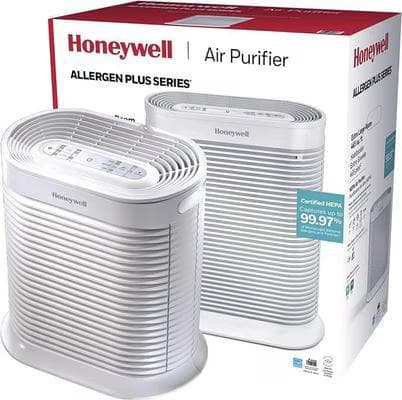
Certified True HEPA air purifier that captures 99.97% of airborne dust, dander, pollen, and smoke, reducing the airborne triggers behind feline asthma and respiratory irritation.
Webvet may earn a commission when you click through to Chewy, at no extra cost to you.
Common Causes of Sneezing in Cats
When you are trying to pin down cat sneezing causes, it helps to see them side by side. Here are the common reasons a cat sneezes a lot, what they tend to look like, and how concerning each one is.
| Cause | Typical signs | How worried to be |
|---|---|---|
| Environmental irritants (dust, perfume, smoke, litter dust) | Sneezing tied to a trigger, no discharge, cat otherwise fine | Low, reduce the trigger |
| Allergies | Sneezing, sometimes itchy skin or watery eyes, seasonal pattern | Low to moderate, manageable |
| Viral upper respiratory infection | Sneezing, runny nose, watery eyes, sometimes mild fever | Moderate, often self-limiting but monitor |
| Bacterial infection (often secondary) | Thick yellow or green nasal discharge, congestion | Moderate, usually needs a vet |
| Foreign object in the nose | Sudden intense sneezing, often one-sided, pawing at face | Moderate to high, see a vet |
| Dental disease | Sneezing with bad breath, drooling, or chewing on one side | Moderate, dental workup needed |
| Nasal polyp or tumor | Chronic one-sided sneezing, nasal discharge, sometimes blood | High, prompt vet evaluation |
A few of these deserve a note. Viral infections are the single most common reason for recurrent sneezing in cats. The leading culprits are feline herpesvirus type 1 and feline calicivirus, which cause sneezing, nasal and eye discharge, and inflamed eyes (Merck Veterinary Manual). Cats that catch herpesvirus can carry it for life and flare up under stress (Cornell Feline Health Center).
Dental disease is easy to overlook. Tooth-root infections sit close to the nasal cavity, so an abscess or advanced gum disease can drive nasal signs (AVMA). If your cat sneezes and also has bad breath or eats on one side, mention the teeth to your vet.
What about cat sneezing no discharge? Sneezing with a dry, clear nose and no goop usually points toward an irritant or early allergy rather than a heavy infection. It is generally the more reassuring version, but the same persistence rule applies: dry sneezing for more than a week still earns a checkup.
Why Is My Cat Sneezing So Much All of a Sudden?
A sudden change is its own clue. If you are asking why is my cat sneezing so much all of a sudden, think about what changed in the last day or two. Sudden-onset sneezing usually has a findable trigger.
Common reasons for an abrupt spike:
- A new product in the home: air freshener, scented candle, cleaning spray, fresh paint, or a new litter
- A trigger event: you just dusted, vacuumed, lit incense, or sprayed perfume nearby
- Something inhaled: a blade of grass, a bit of litter, or a clump of fur lodged in the nasal passage, which tends to cause one-sided, frantic cat sneezing fits
- A new virus exposure: a recent vet visit, boarding stay, or a new cat in the house
If your cat sneezing a lot started right after one of these, address the trigger first. Remove the new scent, switch to a low-dust litter, and air out the room. Sneezing tied to a clear trigger that settles within a day or two is reassuring. Frantic one-sided sneezing with pawing at the face is different: that pattern suggests a foreign object and warrants a same-day vet call.
My Indoor Cat Keeps Sneezing: Causes Indoors

Plenty of owners are surprised that an indoor-only cat sneezes at all. If my indoor cat keeps sneezing is your situation (and the my indoor cat keeps sneezing Reddit threads show it is a common one), the indoor environment itself is usually the suspect.
Indoor air holds a lot of low-level irritants:
- Dusty or scented litter: clay litters in particular can throw fine dust right where your cat breathes. Cat sneezing dust litter is a real and fixable cause.
- Aerosols and fragrances: hairspray, deodorant, air fresheners, perfumes, and cleaning sprays
- Smoke: cigarette, vape, fireplace, or cooking smoke
- Household dust and HVAC particles, especially when the heat or AC kicks on
- Dry indoor air in winter, which irritates nasal passages
Indoor cats can also still catch viruses. They can pick one up at a vet or boarding visit, from a new cat joining the household, or from a dormant herpesvirus reactivating under stress. So an indoor lifestyle lowers the odds of infection but does not erase them.
 $65 · no membership
Have a health question about your cat?
A licensed vet can assess your cat over video and prescribe online when it's appropriate.
 Talk to a vet
- Licensed vets
- All 50 states
- same-day Rx
Webvet may earn a commission if you book.
Sneezing With Other Symptoms: What the Combo Tells You

The single most useful thing you can do is notice what travels with the sneezing. The companion symptoms narrow things down fast. Use this decoder, then follow the link for any combo you want to dig into.
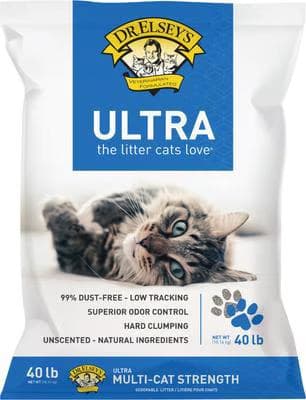
99% dust-free, low-tracking clumping clay litter with superior odor control and hard clumping. Unscented, natural ingredients, multi-cat strength.
Webvet may earn a commission when you click through to Chewy, at no extra cost to you.
| Sneezing plus... | What it often means | Go deeper |
|---|---|---|
| Watery eyes | Viral infection or allergy irritating both nose and eyes | Cat sneezing and watery eyes (https://www.webvet.com/cat-sneezing-and-watery-eyes/) |
| Runny nose | Upper respiratory infection or persistent irritant | Cat sneezing and runny nose (https://www.webvet.com/cat-sneezing-runny-nose/) |
| Coughing | Possible lower-airway involvement, asthma, or infection | See below |
| Blood | Trauma, foreign body, severe infection, or a nasal mass | Cat sneezing blood (https://www.webvet.com/cat-sneezing-blood/) |
| No discharge at all | Irritant or early allergy, usually the mildest version | Covered above |
A few notes on the trickier combos:
Cat sneezing and watery eyes usually point to a virus or allergy hitting the nose and eyes together, since the two are connected. It is one of the most common pairings and often mild, but it can flare. The dedicated guide on cat sneezing and watery eyes covers what is benign and what is not.
Cat sneezing runny nose is the classic head-cold look. Clear, watery discharge leans viral or irritant; thick yellow or green discharge suggests a bacterial infection that usually needs treatment. The cat sneezing and runny nose article breaks down discharge color and what to do.
Cat sneezing and coughing is a combo worth taking seriously, because coughing involves the lower airway, not just the nose. It can signal feline asthma or an infection moving lower. If your cat is both sneezing and coughing, or coughing more than sneezing, a vet visit is the right call. Watch closely for any labored breathing, which is an emergency.
Cat sneezing blood is the one combo that always earns prompt attention. Even a fleck of blood in the discharge can mean a foreign body, severe infection, or a nasal mass. Read the focused guide on cat sneezing blood and call your vet rather than waiting it out.
When My Cat Sneezes but Seems Fine
This is the most reassuring scenario, and also the most common question. When your cat keeps sneezing but seems fine (eating well, playing, bright-eyed, normal energy), the sneezing is very likely a passing irritant or a mild bug their body is handling on its own.
What "seems fine" should actually mean before you relax:
- Eating and drinking normally
- Normal energy and play
- No discharge, or only brief clear discharge
- No eye squinting or swelling
- Normal, easy breathing
- Sneezing is occasional, not constant
If all of those hold true, watchful waiting is reasonable. Keep a simple log of how often the sneezing happens and whether any new symptom appears. Most mild cases settle within a few days to a week.
That said, my cat keeps sneezing but seems fine can still tip over into something that needs a vet if it drags on past seven to ten days, or if a new symptom shows up. The dedicated guide on a cat that keeps sneezing but seems fine walks through exactly how long to wait and what to track. The same logic applies to kittens: my kitten keeps sneezing but seems fine is common, but kittens have less reserve, so the watch-and-wait window is shorter (more on that below).
Is It Sneezing or Reverse Sneezing?

Not every sneeze is a sneeze. Reverse sneezing is a different reflex that can look and sound alarming the first time you witness it, even though it is usually harmless.
In a normal sneeze, air is forced out through the nose in a sharp burst. In reverse sneezing, the cat rapidly pulls air in, often with the head and neck extended, the elbows out, and a snorting or honking sound. It lasts a few seconds to half a minute and then stops, with the cat acting completely normal afterward.
| Feature | Normal sneeze | Reverse sneeze |
|---|---|---|
| Airflow | Out, forceful | In, rapid pulls |
| Posture | Brief head jerk | Head and neck extended, elbows out |
| Sound | Quick achoo | Snorting, honking, gasping |
| After it stops | Back to normal | Back to normal, no distress |
Reverse sneezing in a cat is far less common than in dogs, and an occasional episode is generally not dangerous. But frequent reverse sneezing can point to nasal irritation, allergies, or a polyp, so a pattern is worth a vet's eyes. Our full guide on reverse sneezing in cats explains how to tell it apart from a true sneeze, from coughing, and from the labored breathing that is an emergency.
Kittens and Senior Cats: Special Cases
Age changes the math on how much patience a sneeze deserves.

An L-lysine immune-support powder for cats that supports a healthy immune system and normal eye health, the go-to supplement for cats prone to sneezing and upper-respiratory flare-ups linked to feline herpesvirus.
Webvet may earn a commission when you click through to Chewy, at no extra cost to you.
Kittens. Young kittens sneeze fairly often, and my kitten keeps sneezing but seems fine is a frequent and usually mild observation. But kittens are also the group most likely to have a true upper respiratory infection, since their immune systems are still developing and many come from shelters or litters where viruses spread easily. Kitten sneezing that comes with eye discharge, congestion, or a drop in nursing or eating should be seen quickly. Kittens dehydrate and lose ground faster than adults, so do not stretch the watch-and-wait window.
Senior cats. A senior cat sneezing deserves a lower threshold for a vet visit. Older cats are more prone to dental disease and to nasal masses, both of which can show up as chronic sneezing, often on one side. New or persistent sneezing in a senior cat (especially with any blood, one-sided discharge, or facial changes) should be evaluated rather than assumed to be a simple cold.
The younger or older the cat, the shorter your wait-and-see window. Kittens and seniors have less reserve, so sneezing that you might monitor for a week in a healthy adult should prompt a quicker call in these two groups.
When to See a Vet for Cat Sneezing

Here is the part to screenshot. These are the signs that move sneezing from "watch it" to "get it seen." If you are still wondering when should I worry about my cat sneezing, or my cat keeps sneezing should I be worried, this is your checklist.
Call your vet (within a day or two) if you see:
- Sneezing that lasts more than 7 to 10 days
- Thick yellow or green nasal discharge
- Discharge or sneezing from one nostril only
- Watery or goopy eyes, squinting, or eye swelling
- Reduced appetite or energy
- Bad breath, drooling, or chewing on one side
Treat it as an emergency (go now) if you see:
- Any blood in the sneeze or discharge
- Open-mouth, fast, or labored breathing
- Blue or pale gums
- Collapse, hiding, or refusing all food and water
That last group matters because cats are masters at hiding illness. People often ask what is the silent killer in cats. There is no single answer, but the phrase usually refers to conditions cats conceal until they are advanced (kidney disease, heart disease, and hyperthyroidism are common examples). The lesson is not that sneezing equals a hidden killer, but that cats downplay how sick they feel. So a cat that has stopped eating or is breathing oddly is far more urgent than the sneeze itself suggests. When in doubt, your veterinarian would rather see a healthy cat than miss a sick one.
Home Care and Remedies for a Sneezing Cat
For a mild, otherwise-healthy sneezer, a few simple steps can help. Think of these as supportive comfort measures, not cures. There is no magic sneezing cat home remedy that replaces a vet when the red flags above are present.
Reasonable, vet-friendly home care:
- Run a humidifier or let your cat sit in a steamy bathroom for a few minutes. Moist air soothes irritated nasal passages.
- Cut the irritants. Stop using sprays, candles, and strong cleaners near your cat. Switch to a low-dust litter.
- Gently wipe discharge from the nose and eyes with a warm, damp cloth.
- Keep food appealing. A stuffy cat smells less, so warming wet food can coax appetite.
- Reduce stress. Stress reactivates herpesvirus flares, so keep routines calm and steady.
- Make sure they keep drinking. Hydration thins secretions and supports recovery.
That covers the common questions about a sneezing cat remedy and home remedies for cat sneezing and coughing. What not to do matters too: never give human cold medicine, decongestants, or any human medication to a cat. Many are toxic. If you are reaching for medication, that is the signal to call your vet instead.
How Vets Diagnose and Treat Persistent Sneezing

When sneezing persists or red flags appear, your vet's job is to find the cause, not just quiet the sneeze. This is the short version of how do you treat a sneezing cat at the clinic. The dedicated treatment and specific-disease guides go deeper; here we keep it high-level.
Diagnosis typically starts with a physical exam and history (when it started, one or both nostrils, discharge color, other symptoms). From there your vet may use:
- Bloodwork to check overall health and signs of infection
- Tests for feline herpesvirus and calicivirus
- A dental exam or dental x-rays
- Nasal imaging (x-rays, CT) or rhinoscopy for chronic or one-sided cases
- A biopsy if a mass is suspected
Treatment depends entirely on the cause. Irritant and allergy cases improve once the trigger is removed. Many viral infections are supportive care only, since the cat clears the virus. Bacterial infections (or secondary ones) may need antibiotics, which is the honest answer to questions about antibiotics for cat sneezing: they help bacterial cases, not viral ones, so they are not automatic. Cat sneezing a lot with snot treatment usually combines clearing the infection with comfort care. Dental disease is treated by addressing the teeth, and polyps or tumors may need a procedure.

Probiotic supplement formulated to help cats maintain calm behavior, with the BL999 strain. 30 daily sachets.
Webvet may earn a commission when you click through to Chewy, at no extra cost to you.
The key point: persistent sneezing has a fixable cause more often than not, but finding it takes a vet. We deliberately keep antibiotic protocols and specific-disease deep dives brief here and cover them in the focused articles.
Frequently Asked Questions
Why does my cat keep sneezing but seems fine?
A cat that sneezes but is eating, playing, and bright-eyed is usually reacting to a mild irritant or fighting off a minor bug on its own. Occasional sneezing without discharge, eye changes, or low energy is generally not a concern. Keep watching, and see a vet if it lasts beyond a week or a new symptom appears.
How often is too often for a cat sneezing?
A few sneezes a day, especially tied to dust or a smell, is normal. Sneezing many times a day, every day, for more than about a week is too often and warrants a vet visit even if your cat seems fine otherwise. Frequency plus persistence is the signal, not any single number.
How do you treat a sneezing cat?
Treatment depends on the cause. Mild irritant or allergy cases improve once you remove the trigger and add humidity. Viral infections often just need supportive care, while bacterial infections may need antibiotics and dental or nasal problems need their own treatment. Never give human cold medicine. When in doubt, your vet identifies the cause and matches the treatment to it.
Do cats hear when you talk to them?
Yes. Cats have excellent hearing and recognize their owner's voice, and research shows they respond differently to their own name and to a familiar person speaking. While this is not directly tied to sneezing, a calm, familiar voice can reduce stress, which matters because stress can trigger herpesvirus flares that cause sneezing.
What is the silent killer in cats?
The phrase refers to diseases cats hide until they are advanced, commonly kidney disease, heart disease, and hyperthyroidism, rather than to one specific illness. It is a reminder that cats mask how sick they feel. Sneezing alone is rarely a silent killer, but a sneezing cat that also stops eating or breathes oddly needs prompt veterinary care.
Why does my cat keep sneezing and have a runny nose?
Sneezing with a runny nose usually points to an upper respiratory infection or a persistent irritant. Clear, watery discharge leans viral or irritant, while thick yellow or green discharge suggests a bacterial component that often needs treatment. If the discharge is thick, one-sided, or lasts more than a week, see your vet.
Why does my cat keep sneezing and coughing?
Sneezing plus coughing is worth taking seriously because coughing involves the lower airway, not just the nose. It can signal feline asthma or an infection spreading lower. Schedule a vet visit, and seek emergency care immediately if you notice any labored or open-mouth breathing.
Can indoor cats catch a cold that makes them sneeze?
Yes. Indoor cats can pick up a virus at the vet, during boarding, from a new cat in the home, or from a dormant herpesvirus reactivating under stress. Indoor living lowers the risk of infection but does not remove it, and indoor irritants like dust and fragrances are common sneeze triggers on their own.
Is it normal for a cat to sneeze several times in a row?
A short burst of sneezes (a sneezing fit) is usually a normal response to an irritant the nose is trying to clear, and it is reassuring if your cat returns to normal right after. Frequent or intense fits, especially one-sided ones with pawing at the face, can signal a foreign object and should be checked by a vet.
Should I worry if my cat sneezes blood?
Yes, blood in a sneeze always warrants prompt veterinary attention. Even a small amount can indicate a foreign body, a severe infection, or a nasal mass. Do not wait it out; call your vet.
Can cat litter or dust make my cat sneeze?
Absolutely. Dusty clay litters release fine particles right where your cat breathes while digging, and household dust is a frequent trigger. Switching to a low-dust or dust-free litter and scooping in a ventilated area often reduces sneezing within a week if litter was the cause.
Do cat allergies cause sneezing?
Yes, cats can have allergies that cause sneezing, often alongside itchy skin or watery eyes and sometimes with a seasonal pattern. Common triggers include pollen, dust, mold, and fragrances.
How long does cat sneezing usually last?
Mild, irritant-related sneezing often clears within a few days. A typical viral upper respiratory infection runs its course in one to two weeks. Sneezing that lasts beyond 7 to 10 days, keeps returning, or worsens should be evaluated by a vet, since chronic sneezing points to a cause that needs treatment.
Is cat sneezing contagious to other cats or to humans?
The viruses behind most feline upper respiratory infections (herpesvirus and calicivirus) spread readily between cats, so keep a sneezing cat separated from housemates and wash your hands. These specific feline viruses do not infect humans, though good hygiene is always sensible around any sick pet.
What home remedies help a sneezing cat feel better?
Humidity (a humidifier or a steamy bathroom), gently wiping away discharge, removing irritants like sprays and dusty litter, warming wet food to boost appetite, and keeping stress low all help a mildly sneezing cat. These are comfort measures, not cures, and they never replace a vet when red-flag symptoms are present. Never give human medications.
Can dental problems make a cat sneeze?
Yes. Tooth-root infections and advanced gum disease sit close to the nasal cavity and can drive nasal signs, including sneezing. Suspect the teeth if sneezing comes with bad breath, drooling, or chewing on one side, and ask your vet for a dental exam.
When is cat sneezing an emergency?
Sneezing is an emergency when it comes with blood, open-mouth or labored breathing, blue or pale gums, collapse, or a complete refusal to eat or drink. Any of these means go to a vet immediately rather than waiting. Otherwise, persistent sneezing over a week or sneezing with thick discharge warrants a prompt, non-emergency visit.
$65 · no membershipHave a health question about your cat?
A licensed vet can assess your cat over video and prescribe online when it's appropriate.
Talk to a vet- Licensed vets
- All 50 states
- same-day Rx
Webvet may earn a commission if you book.

Editor
The Webvet Editorial Team is the in-house group of pet-care editors and writers behind Webvet, operated by Smart Pet Collective. The team researches, writes, and maintains Webvet's pet health, behavior, and medication content. Every article follows a defined editorial process: research from reputable veterinary and scientific sources, careful drafting, mandatory review of medical content by a credentialed veterinarian, and dated publication. Health and medication articles are medically reviewed by a licensed veterinary professional before they go live and are kept current over time.
Veterinarian · BVMS MRCVS
Dr. Pippa Elliott, BVMS, MRCVS, is a veterinarian with nearly 30 years of experience in companion animal practice. Dr. Elliott earned her Bachelor of Veterinary Medicine and Surgery from the University of Glasgow. She was also designated a Member of the Royal College of Veterinary Surgeons. Married with 2 grown-up kids, Dr. Elliott has a naughty Puggle named Poggle, 3 cats and a bearded dragon.


