Cat Keeps Sneezing but Seems Fine? When to Worry
A cat that sneezes here and there but eats, plays, and acts completely normal is usually fine. Here is how to tell harmless sneezing from the kind that needs a vet, plus what you can safely do at home.

BVMS MRCVS
Medically reviewed by Dr. Pippa Elliott, BVMS MRCVS · Last reviewed

This article contains affiliate links. Webvet may earn a commission when you buy through them, at no extra cost to you.
Your cat lets out a sudden, dramatic sneeze, shakes its head, and then trots off to demand dinner like nothing happened. If your cat keeps sneezing but seems fine in every other way, you are in good company. It is one of the most common things cat owners worry about, and most of the time it is also one of the least serious.
Here is the reassuring short version, then the full picture. A cat that sneezes occasionally while eating well, playing, grooming, and acting like its usual self is almost always reacting to a harmless trigger: a speck of dust, a strong smell, or a mild tickle in the nose. The sneezing that deserves attention is the kind that comes with other signs, sticks around for days, or shows up as relentless fits. This guide walks through exactly where that line sits, so you know when to relax and keep an eye on things and when to pick up the phone.
We will keep the scary stuff in perspective and the practical stuff front and center. For the broader why-is-this-happening picture, you can also read our overview of why your cat keeps sneezing.
Quick Answer: Is It Normal for a Cat to Sneeze but Seem Fine?
Yes. It is completely normal for a cat to sneeze now and then. Just like us, cats sneeze to clear something irritating out of the nose. A single sneeze, or a small burst of two or three, followed by your cat acting totally normal is rarely a cause for concern.
When your cat keeps sneezing but seems fine, the picture usually looks like this:
- Sneezing happens occasionally, not constantly
- There is no discharge from the nose, or only a tiny bit of clear fluid
- Eyes are bright and clear, not goopy or squinting
- Appetite, energy, and litter box habits are all normal
- Your cat is still playing, grooming, and being its usual self
That last point matters most. Vets put a lot of weight on whether a cat is "acting normal," because a cat that is eating, drinking, and engaging with the world is sending a strong signal that it feels okay.
The phrase people search for a lot is "cat keeps sneezing no discharge." A dry sneeze with nothing coming out is generally the most benign version. It usually means the nose is irritated, not infected. "Cat sneezing no discharge but acting normal" is, in plain terms, the classic benign pattern.
Most cats that sneeze but otherwise behave normally are reacting to a mild irritant or shaking off a self-limiting upper respiratory virus that tends to settle on its own, according to the Cornell Feline Health Center. The trick is knowing which sneezing fits that pattern and which does not.
Benign vs. Worrying: A Quick Self-Check Before You Call the Vet
If you are asking yourself "my cat keeps sneezing, should I be worried," this section is the one to bookmark. The honest answer to "what does it mean if my cat keeps sneezing" depends almost entirely on the company that sneezing keeps. Sneezing alone is a clue. Sneezing plus other symptoms is a pattern.
Use this side-by-side check to sort what you are seeing into "monitor at home" or "book a vet."
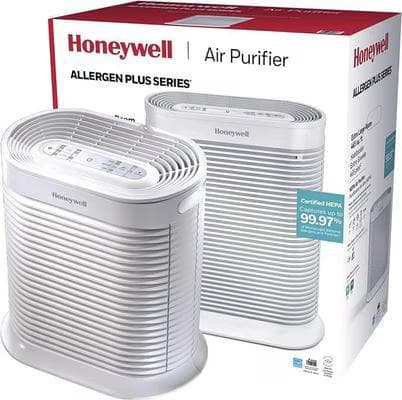
Certified True HEPA air purifier that captures 99.97% of airborne dust, dander, pollen, and smoke, reducing the airborne triggers behind feline asthma and respiratory irritation.
Webvet may earn a commission when you click through to Chewy, at no extra cost to you.
| Monitor at home | Call the vet |
|---|---|
| Occasional sneezing, cat acts normal | Sneezing lasts more than a few days |
| No discharge, or a little clear fluid | Thick yellow, green, or bloody discharge |
| Bright, clear eyes | Red, swollen, goopy, or squinting eyes |
| Normal appetite and energy | Not eating, hiding, or lethargic |
| Sneezing after a smell, dust, or playtime | Sneezing with coughing or labored breathing |
| One cat, no spread | Multiple cats in the home now sneezing |
| Adult cat, otherwise healthy | Very young kitten, senior, or unvaccinated cat |

If everything you are seeing lives in the left column, you are very likely fine to watch and wait for a few days. If even one item from the right column is in the mix, that is your cue to call. When in doubt, the right column wins. A vet would always rather hear from you early than late.
- 1Sneezing by itself is usually harmless.
- 2Sneezing plus a second symptom (discharge, eye trouble, appetite loss, coughing, or breathing changes) is the signal that moves a cat from "monitor" to "vet."
- 3Always treat the worrying column as the tiebreaker.
Why a Healthy-Acting Cat Sneezes: The Common Benign Causes
So why does your cat keep sneezing when it clearly feels great? In a cat with no other symptoms, the cause is usually something simple and physical, not a disease. Here are the everyday triggers behind a cat that keeps sneezing with no other symptoms.

Everyday irritants and smells
The feline nose is sensitive. Strong or airborne irritants can set off a sneeze the same way pepper does for us. Common culprits include:
- Dust, especially when you stir it up cleaning or changing the litter
- Scented candles, air fresheners, and aerosol sprays
- Perfume, hairspray, and cleaning products
- Cigarette smoke
- Pollen and other seasonal allergens drifting in through a window
If your cat is sneezing and rubbing its nose, or you notice your cat keeps sneezing and licking its nose, a physical irritant is a likely explanation. The cat is simply trying to clear the tickle.
Dust and litter
Dusty, heavily scented clumping litter is a frequent offender. If the sneezing reliably happens right after a trip to the litter box, the litter itself is a strong suspect. Switching to a low-dust, unscented option often quiets things down.
Mild allergies
Cats can react to environmental allergens like pollen, mold, and dust mites. Allergy sneezing tends to be seasonal or tied to a specific room or activity. It often travels with a bit of nose or eye rubbing. If you suspect allergies are at play, our guide to allergies in cats covers food, flea, and environmental triggers in more depth.
A mild or lingering virus
Many adult cats carry feline herpesvirus from kittenhood. It can flare up quietly during stress and cause some sneezing without making the cat truly sick. These mild viral flares are usually self-limiting. The Merck Veterinary Manual notes that feline herpesvirus and calicivirus are behind most upper respiratory signs in cats, and many mild cases resolve with supportive care alone.
A simple tickle
Sometimes a sneeze is just a sneeze. A blade of grass, a whisker, a bit of its own fur, or a stray crumb can tickle the nose and trigger a one-off sneeze. No cause for alarm at all.
 $65 · no membership
Have a health question about your cat?
A licensed vet can assess your cat over video and prescribe online when it's appropriate.
 Talk to a vet
- Licensed vets
- All 50 states
- same-day Rx
Webvet may earn a commission if you book.
How Often Is Too Often? Reading Sneezing Frequency and Patterns
"How often is too often for a cat sneezing" is a fair question, and the answer is about pattern more than a single number. A few sneezes a day in a happy, normal-acting cat is usually nothing. The pattern that earns a closer look is sneezing that is frequent, repeated, and persistent.
Here is how to read what you are seeing.
| Sneezing pattern | What it usually means |
|---|---|
| A single sneeze or two | Normal. A tickle or a quick irritant. |
| A short fit of 3 to 5 sneezes, then done | Common and usually benign, especially after dust or a smell |
| Cat sneezing a lot in a row, multiple times a day | Worth watching closely, especially if new |
| Cat sneezing every few minutes for hours | Not normal. Call your vet. |
| Cat sneezing fits that keep returning over days | Worth a vet visit, even if the cat seems fine |
| Cat sneezing all of a sudden, out of nowhere | Note it. Could be a new irritant, or the start of a virus |

A few notes that come up a lot in searches. "Cat sneezing fits" and "cat sneezing repeatedly" describe bursts. A burst now and then is normal, but bursts that repeat all day, or "cat sneezing a lot in a row" over and over, deserve attention. If your cat is sneezing every few minutes, that crosses from normal into a reason to call.
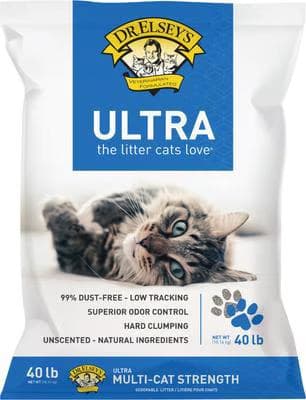
99% dust-free, low-tracking clumping clay litter with superior odor control and hard clumping. Unscented, natural ingredients, multi-cat strength.
Webvet may earn a commission when you click through to Chewy, at no extra cost to you.
When your cat keeps sneezing all of a sudden after a long stretch of nothing, take a moment to think about what changed. A new candle, a freshly cleaned room, a new bag of litter, or a recent stressor can all explain a sudden onset. If you cannot find an obvious trigger and the fits keep coming, that is your cue to check in with a vet.
Indoor Cats and Kittens: Can They Still Catch a Cold?
A common worry from owners of homebody cats is "my indoor cat keeps sneezing, but it never goes outside, so how is that possible?" It is a very reasonable question, and the answer surprises a lot of people.

Can an indoor cat get a cold?
Yes, an indoor cat can absolutely get a cold. Indoor cats are exposed to fewer germs, but they are not in a sterile bubble. Here is how an indoor-only cat ends up sneezing:
- Many cats carry feline herpesvirus from kittenhood and flare up under stress, with no outside exposure needed
- Viruses can hitch a ride into the home on your clothes, shoes, or hands after you touch another cat
- A new cat, a boarding stay, or a vet visit can introduce a bug
- Indoor air still carries dust, allergens, and household irritants
So if you are wondering "why is my indoor cat sneezing so much," the cause is usually one of the benign triggers above rather than something it caught outdoors. Stress from a move, new pet, or schedule change is a classic reason a dormant virus flares and the sneezing starts.
Kittens need a lower worry threshold
Kittens are the one group where you should be a little quicker to act. A note on "my kitten keeps sneezing but seems fine": kittens have immature immune systems, and upper respiratory infections are both common and more serious in the very young. What an adult cat shrugs off can knock a kitten down fast.
For "when should I worry about my kitten sneezing," lower your bar. If a kitten sneezes for more than a day or two, develops any eye or nose discharge, stops eating, or seems sluggish, call your vet promptly rather than waiting it out. Kittens can dehydrate and lose ground quickly, so early care matters.
Red-Flag Symptoms That Mean Call the Vet
This is the section to take seriously. While a sneezing cat that seems fine is usually okay, certain accompanying signs change the math. If you see any of the following, it is time to call your vet, even if your cat is otherwise acting normal.
Call your vet if sneezing comes with:
- Thick or colored discharge. Yellow, green, or cloudy mucus from the nose or eyes suggests infection.
- Blood. Any blood in the sneeze or nasal discharge needs prompt evaluation. Our guide on cat sneezing blood explains when this is urgent.
- Watery or goopy eyes. Persistent eye discharge, redness, or squinting often travels with respiratory infections. See cat sneezing and watery eyes for that combination.
- A runny nose that will not quit. A persistently dripping nose points beyond a simple irritant. More on cat sneezing with a runny nose.
- Coughing. A cat that keeps sneezing and coughing, or where you notice your cat keeps coughing and sneezing together, may have a lower respiratory issue that needs a look.
- Loss of appetite, hiding, or low energy. When the "acting normal" part breaks down, the sneezing matters more.
- Any breathing difficulty. Labored breathing, fast breathing at rest, or open-mouth breathing is an emergency, not a sneeze problem.
That last point is the most important one on the page. If your cat is struggling to breathe or breathing with its mouth open, do not wait. Read our emergency guide on cat open mouth breathing and get to a vet or emergency clinic immediately.
People sometimes search "what is the silent killer in cats." That phrase usually refers to conditions like kidney disease, heart disease, or hyperthyroidism that progress quietly with few early signs. Sneezing is not a classic sign of those conditions. But it is a useful reminder of why the "acting normal" check matters: subtle changes in appetite, weight, energy, or thirst, alongside any symptom, are always worth a vet conversation. The American Veterinary Medical Association recommends seeking veterinary care whenever respiratory signs persist or a cat seems unwell.

Lickable cat treats with real chicken, made to support comfort and tranquility. 12 single-serve 0.5-oz tubes.
Webvet may earn a commission when you click through to Chewy, at no extra cost to you.
We are keeping the deep dives on each symptom combo brief here on purpose. The sibling guides linked above own the detail. This page is your map for sorting benign from worrying and pointing you to the right next read.
What You Can Do at Home (and What to Skip)
If your cat is sneezing but clearly feels fine, your job at home is mostly about comfort and removing triggers, not treatment. People search a lot of variations here: "sneezing cat home remedy," "cat sneezing remedy," "what to do if my cat keeps sneezing." Here is the safe, sensible playbook.

Helpful at-home steps
- Remove obvious irritants. Stop using scented candles, sprays, and air fresheners near your cat. Avoid smoking indoors.
- Switch to low-dust, unscented litter. This is one of the most effective single changes for litter-triggered sneezing.
- Add humidity. Running a humidifier, or letting your cat sit in a steamy bathroom for a few minutes while you shower, can soothe an irritated nose.
- Clean the air. An air purifier with a HEPA filter cuts down on dust, dander, and pollen.
- Reduce dust at the source. Dust and vacuum regularly, and keep your cat out of the room while you do.
- Lower stress. Since stress can trigger viral flares, keep routines steady and give a nervous cat quiet, safe spaces.
- Keep eyes and nose gently clean. If there is a little clear discharge, a soft damp cloth is fine. Be gentle.
What to skip
The most important rule: do not give your cat any human medication. This comes up constantly in searches like "what can I give my cat if he keeps sneezing." The honest answer is that there is no safe over-the-counter human cold or allergy medicine you should give a cat on your own. Many human drugs, including common decongestants and pain relievers, are toxic to cats and can be fatal even in small doses.
The American Veterinary Medical Association is clear that home and human medications should not be given to pets without veterinary direction. If you feel your cat needs something for its symptoms, that is exactly the moment to call your vet rather than reach for the medicine cabinet.
A quick note on scope: actual treatment of feline upper respiratory infections, including when antibiotics or antivirals are appropriate, is a vet's call and a topic for a dedicated guide. Here we are focused on the comfort steps that are safe to do yourself while you decide whether a vet visit is needed.
When to See a Vet and What to Expect
If you have been asking "my cat keeps sneezing, what can I do," "what should I do," or "what do I do," the timeline below makes the decision simple.
For an otherwise healthy adult cat with occasional sneezing and no other symptoms, it is reasonable to watch at home for a few days while you remove possible triggers. Book a vet visit if:
- The sneezing lasts more than a few days without improving
- Any red-flag symptom from the list above appears
- Your cat stops eating, hides, or seems unwell at any point
- It is a young kitten, a senior, or an unvaccinated cat (lower your threshold)
- The sneezing keeps returning in fits even though your cat seems fine between them
What a vet visit looks like

A vet visit for sneezing is usually low-stress and worthwhile. Your vet will start with a physical exam and a few questions about timing, triggers, other symptoms, and your cat's vaccine history. From there, depending on what they find, they may recommend a closer look at the nose, mouth, and eyes, and in some cases additional diagnostics to pin down the cause.
We are keeping the diagnostic detail light on purpose, because the specific workup depends on what the exam turns up, and the treatment of specific diseases belongs in dedicated guides. The key point is this: you do not need to have it all figured out before you call. Describing what you have seen, including the patterns from this article, gives your vet a strong head start.
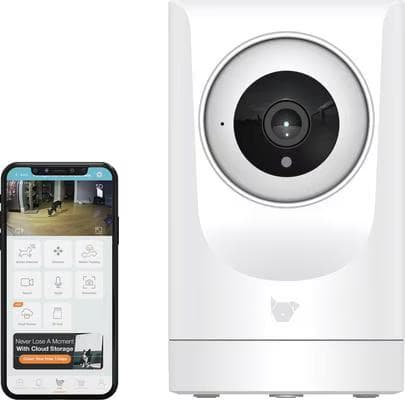
360-degree Wi-Fi pet camera so you can watch your cat's resting breathing rate and behavior from your phone and catch worrying changes early.
Webvet may earn a commission when you click through to Chewy, at no extra cost to you.
- 1Occasional sneezing in a cat that acts completely normal can be watched at home for a few days while you remove irritants.
- 2Sneezing that lasts more than a few days, comes with any red-flag symptom, or hits a kitten or senior cat is a reason to call the vet.
Frequently Asked Questions
Why does my cat keep sneezing but acting normal?
A cat that sneezes but acts normal is usually reacting to a harmless trigger like dust, a strong smell, an allergen, or a mild viral flare. Because the cat is still eating, playing, and grooming normally, it is very likely fine to monitor at home for a few days while you remove possible irritants. Call your vet if other symptoms appear or the sneezing persists.
How often is too often for a cat sneezing?
Occasional sneezing, even a short fit of a few sneezes, is normal. Sneezing becomes a concern when it happens repeatedly throughout the day, comes in fits that return over several days, or occurs every few minutes for an extended stretch. Frequency plus persistence, especially alongside other symptoms, is what tips it into vet territory.
What can I give my cat if he keeps sneezing?
Do not give your cat any human medication. There is no safe over-the-counter human cold or allergy medicine for cats, and many common drugs like decongestants and acetaminophen are toxic to them. At home, you can remove irritants, add humidity, and use unscented litter. If you want medication, only your vet can prescribe something safe.
Can an indoor cat get a cold?
Yes. Indoor cats can still develop colds and upper respiratory signs. Many carry feline herpesvirus from kittenhood that flares under stress, and viruses can enter the home on your clothes, hands, or via a new pet. Indoor air also carries dust and allergens. An indoor lifestyle lowers the risk but does not eliminate it.
What is the silent killer in cats?
The phrase usually refers to conditions that progress quietly with few early signs, such as kidney disease, heart disease, or hyperthyroidism. Sneezing is not a typical sign of these. The takeaway is to watch for subtle changes in appetite, weight, thirst, and energy, and to mention anything unusual to your vet, since early detection matters for these diseases.
Why is my indoor cat sneezing so much?
Frequent sneezing in an indoor cat is most often caused by household irritants (dust, scented products, smoke), dusty litter, allergies, or a stress-triggered flare of a virus the cat already carries. Look for patterns tied to a location or activity. If the sneezing is constant, persistent, or paired with other symptoms, have your vet take a look.
Is it normal for a cat to sneeze multiple times in a row?
A short burst of two to five sneezes in a row, then back to normal, is common and usually harmless, especially after the cat encounters dust or a strong smell. What is not normal is sneezing in long, repeated fits all day, or sneezing every few minutes for hours. Persistent or violent fits warrant a vet check.
How long should a cat's sneezing last before I worry?
For an otherwise healthy adult cat, occasional sneezing for a day or two while you remove triggers is reasonable to monitor. If it lasts more than a few days without improving, or any other symptom appears, call your vet. For kittens and senior cats, lower that threshold and call sooner, ideally within a day or two.
Can dust or cat litter make my cat sneeze?
Absolutely. Dust is one of the most common sneeze triggers, and dusty, scented clumping litter is a frequent offender. If the sneezing reliably follows a litter box trip or stirring up dust while cleaning, the litter or dust is the likely cause. Switching to a low-dust, unscented litter often resolves it.
Do cats sneeze when they have allergies?
Yes, cats can sneeze in response to environmental allergens like pollen, mold, and dust mites. Allergy sneezing is often seasonal or tied to a specific room or activity and may come with mild nose or eye rubbing. If you suspect allergies, our guide on allergies in cats covers the common food, flea, and environmental triggers.
Can stress or a new home make a cat sneeze?
Yes. Stress from a move, a new pet, a schedule change, or boarding can trigger a flare of feline herpesvirus, which many cats carry silently. That flare can show up as sneezing even though nothing in the environment changed. Keeping routines steady and providing quiet, safe spaces helps reduce stress-related flares.
Is my cat sneezing contagious to other cats?
It can be. If the sneezing is caused by a virus like herpesvirus or calicivirus, it can spread to other cats through close contact, shared bowls, and surfaces. If you have a multi-cat home and more than one cat starts sneezing, that points toward something contagious and is a good reason to call your vet. Sneezing from dust or allergies is not contagious.
Should I take my cat to the vet for sneezing if there are no other symptoms?
If your adult cat is sneezing occasionally but eating, playing, and acting normal with no other symptoms, it is reasonable to monitor at home for a few days first. Book a visit if the sneezing lasts more than a few days, returns in persistent fits, or any red-flag symptom appears. For kittens and seniors, call sooner.
Can a cat sneeze from a tickle in the nose like humans?
Yes. Cats sneeze for the same basic reason we do: to clear an irritant out of the nose. A blade of grass, a whisker, a bit of fur, dust, or a stray crumb can tickle the nasal passage and trigger a one-off sneeze. A single sneeze from a tickle, with no other signs, is nothing to worry about.
Why does my cat sneeze after eating or using the litter box?
Sneezing right after the litter box usually points to dust or fragrance in the litter irritating the nose, so a low-dust, unscented litter often helps. Sneezing after eating can be from leaning into the bowl and inhaling a bit of food, dust from kibble, or the scent of strong food. If it is occasional and your cat is otherwise fine, it is rarely a concern.
$65 · no membershipHave a health question about your cat?
A licensed vet can assess your cat over video and prescribe online when it's appropriate.
Talk to a vet- Licensed vets
- All 50 states
- same-day Rx
Webvet may earn a commission if you book.

Editor
The Webvet Editorial Team is the in-house group of pet-care editors and writers behind Webvet, operated by Smart Pet Collective. The team researches, writes, and maintains Webvet's pet health, behavior, and medication content. Every article follows a defined editorial process: research from reputable veterinary and scientific sources, careful drafting, mandatory review of medical content by a credentialed veterinarian, and dated publication. Health and medication articles are medically reviewed by a licensed veterinary professional before they go live and are kept current over time.
Veterinarian · BVMS MRCVS
Dr. Pippa Elliott, BVMS, MRCVS, is a veterinarian with nearly 30 years of experience in companion animal practice. Dr. Elliott earned her Bachelor of Veterinary Medicine and Surgery from the University of Glasgow. She was also designated a Member of the Royal College of Veterinary Surgeons. Married with 2 grown-up kids, Dr. Elliott has a naughty Puggle named Poggle, 3 cats and a bearded dragon.


