Allergies in Cats: What to Know About Food, Fleas, and Environmental Triggers
Allergies in cats fall into three main types: flea, food, and environmental. A vet explains the telltale signs of each, how allergies are diagnosed step by step, and the treatments that actually bring itchy cats relief.

MRCVS BVMS, BS ASci, MLitt
Medically reviewed by Dr. Caitlin Merrill, MRCVS BVMS, BS ASci, MLitt · Last reviewed

This article contains affiliate links. Webvet may earn a commission when you buy through them, at no extra cost to you.
If your cat cannot stop scratching, licking, or sneezing, allergies in cats are one of the most likely explanations. Allergic skin disease is among the most common reasons cats see a vet, and it affects pampered indoor cats just as often as adventurous outdoor ones.
An allergy is an over-reaction of the immune system to a normally harmless substance, called an allergen. In cats, that over-reaction usually shows up in the skin: itching, over-grooming, scabs, and hair loss, along with watery eyes, sneezing, and recurring ear infections.
The three most common types are flea allergy, food allergy, and environmental allergy (atopy). Veterinary dermatologists also recognize a few less common triggers, including contact allergies, drug reactions, and the inhaled allergens behind feline asthma.
Allergic itch rarely resolves on its own. The scratching cycle damages skin, invites infection, and makes cats miserable, but with the right diagnosis nearly every allergic cat can be kept comfortable.
This vet-reviewed guide walks through each allergy type, the telltale signs, how vets narrow down the cause step by step, and the treatments that actually keep allergic cats comfortable.
- 1Flea, food, and environmental allergies are the three most common allergy types in cats, and flea allergy dermatitis is the single most common of all.
- 2Watch for itchy skin, over-grooming, hair loss, scabby bumps (miliary dermatitis), recurring ear infections, sneezing, and watery eyes.
- 3Diagnosis is a step-by-step process of elimination: rule out fleas, mites, ringworm, and infections first, then use allergy testing or an 8-12 week elimination diet trial.
- 4Never give your cat human allergy medicine without vet dosing: many combination products contain decongestants or acetaminophen that are toxic to cats.
- 5With year-round flea prevention, targeted diets, and vet-guided treatment, most allergic cats live comfortable, itch-free lives.
Understanding Allergies in Cats
Allergies happen when the immune system misidentifies an everyday substance, like flea saliva, a food protein, or a pollen grain, as a threat. Each new exposure then triggers inflammation. That inflammation can affect the skin, ears, eyes, digestive tract, and airways.
Cats hide their symptoms well. Where an allergic dog scratches openly, an allergic cat often just grooms more, sometimes in private. Over-grooming, thinning belly fur, and small scabs along the back or neck are classic feline clues that itch is out of control.
Fleas, food, and environmental triggers cause the vast majority of feline allergies, so this guide focuses on those three. The comparison below shows how the main allergy types differ at a glance.
| Allergy type | Common triggers | Telltale signs | How vets diagnose |
|---|---|---|---|
| Flea allergy (FAD) | Flea saliva, even from a single bite | Intense itch, scabs and crusts around the neck and tail base | Flea combing plus response to strict flea control |
| Food allergy | Chicken, beef, fish, and dairy proteins | Year-round itch on the face, head, and ears; recurring ear infections; sometimes vomiting or diarrhea | Strict 8-12 week elimination diet trial |
| Environmental (atopy) | Pollen, mold, dust mites, household chemicals | Seasonal or year-round over-grooming, red skin, hair loss | Exclusion of other causes, then blood or intradermal skin testing |
| Contact allergy | Plastic bowls, fabrics, carpet products, topicals | Redness and itch limited to skin touching the trigger | Removal of the suspected item, then monitoring |
| Drug reaction | Recently started medications | Sudden itch, rash, or skin lesions after a new drug | History review and withdrawal of the medication |
| Feline asthma (allergic bronchitis) | Inhaled allergens like dust, smoke, and pollen | Coughing, wheezing, rapid or labored breathing | Chest X-rays and response to airway medication |
Keep in mind that allergy types overlap. A flea-allergic cat can also have a food allergy, and environmental allergies often ride along with both. That overlap is one reason diagnosis takes patience.
Allergies also tend to escalate if ignored. A mild seasonal itch this year can become a year-round problem next year, and constant scratching opens the door to bacterial and yeast infections that add a second layer of misery.

Certified True HEPA air purifier that captures 99.97% of airborne dust, dander, pollen, and smoke, reducing the airborne triggers behind feline asthma and respiratory irritation.
Webvet may earn a commission when you click through to Chewy, at no extra cost to you.
How Do Cats Act When They Have Allergies?
Allergic cats change their behavior before their skin looks obviously bad. The itch drives more frequent, longer grooming sessions, and many cats retreat somewhere private to do it, so owners underestimate how much licking is happening.
You might notice restlessness, irritability when touched near itchy spots, sudden bursts of scratching, frequent head shaking, or chewing at the paws. Some cats sleep poorly or become withdrawn while a flare is active.
Because grooming is normal cat behavior, the clearest evidence is often physical: more hairballs, damp fur on the belly, thinning fur along the flanks, or scabs you feel while petting. Any of those alongside behavior changes is a good reason to book a vet visit.
Flea Allergies (Flea Allergy Dermatitis)
How It Happens
Fleas are the number 1 cause of allergies in cats. Flea allergy dermatitis (FAD) is an intense hypersensitivity reaction to proteins in flea saliva. In a truly allergic cat, a single bite can set off days of severe itching.

Signs of Flea Allergies
Cats with FAD develop scabby, intensely itchy skin around the neck, face, belly, and base of the tail. Many develop miliary dermatitis, a rash of tiny crusted bumps you often feel before you see.
Here is the catch: you may never see a flea. Cats are such efficient groomers that they often swallow the evidence before you spot it. Our guide to spotting fleas on cats walks through the flea-comb test step by step.
One quick home check: comb over the rump and tail base onto a damp white paper towel. Black specks that dissolve into reddish-brown smears are flea dirt, digested blood that confirms fleas even when no live flea is found.
If the itching and scratching center on the ears, ear mites can look nearly identical to flea allergy. Our comparison of cat ear mites versus fleas explains how to tell the two apart.
Treatment and Prevention
Strict, year-round flea prevention is the treatment. Because one bite can trigger a flare, every cat in a FAD household needs a vet-approved preventative every month, all year, along with every dog in the home.
Treat the environment too. Wash bedding weekly on hot, vacuum floors and furniture frequently, and keep prevention going through winter. Your vet may add antibiotics for secondary skin infections or short-term anti-itch medication while the skin heals.
Be patient with results. Most of a flea infestation is not adult fleas on your cat but eggs, larvae, and pupae hiding in carpets and bedding. Clearing an established infestation typically takes about 3 months of uninterrupted prevention.

Webvet may earn a commission when you click through to Chewy, at no extra cost to you.
Environmental Allergies (Atopy)
How It Happens
Environmental allergy, also called atopic dermatitis or atopy, is the feline version of hay fever. Instead of sneezing, most atopic cats itch. Pollen, mold spores, dust mites, and household chemicals are the usual triggers.
The pattern offers a clue. Pollen allergies tend to flare in spring and summer, while dust mite and mold allergies cause year-round symptoms. According to the Merck Veterinary Manual, signs of atopy usually first appear before a cat turns 5.

Signs of Environmental Allergies
Atopic cats over-groom, licking and scratching at the face, ears, paws, and belly until fur thins or bald patches appear. You may see red, inflamed skin or recurring ear infections with frequent head shaking.
Less commonly, atopy shows up as sneezing or watery eyes. In cats prone to feline asthma, the same inhaled allergens can trigger rapid or labored breathing, which deserves its own urgent vet attention.
A symptom diary helps enormously here. Note when flares start and stop, what changed at home, and which rooms your cat frequents. Patterns across a season or two often point straight at the trigger.
Atopy is a diagnosis of exclusion. Your vet will first rule out fleas, mites, infections, and food before labeling the problem environmental, because allergy testing is designed to choose immunotherapy ingredients, not to make the diagnosis itself.
Treatment and Prevention
Start with exposure control. Wipe your cat's coat with a damp cloth after time outdoors, vacuum and wash bedding weekly, and consider HEPA air filtration to cut indoor dust and pollen levels.
For the itch itself, your vet may prescribe corticosteroids, antihistamines, or newer targeted anti-itch medications, plus medicated shampoos or mousses. Omega-3 fatty acid supplements support the skin barrier over time.
Small household swaps help too. Choose low-dust, unscented litter, skip plug-in air fresheners and heavily perfumed cleaners, and rinse food and water bowls with plain hot water rather than strong detergents.
For long-term control, ask about immunotherapy (hyposensitization). After allergy testing identifies your cat's specific triggers, a customized serum is given as injections or oral drops to retrain the immune system. Improvement can take 6 to 12 months, but many cats need far less medication afterward.
 $65 · no membership
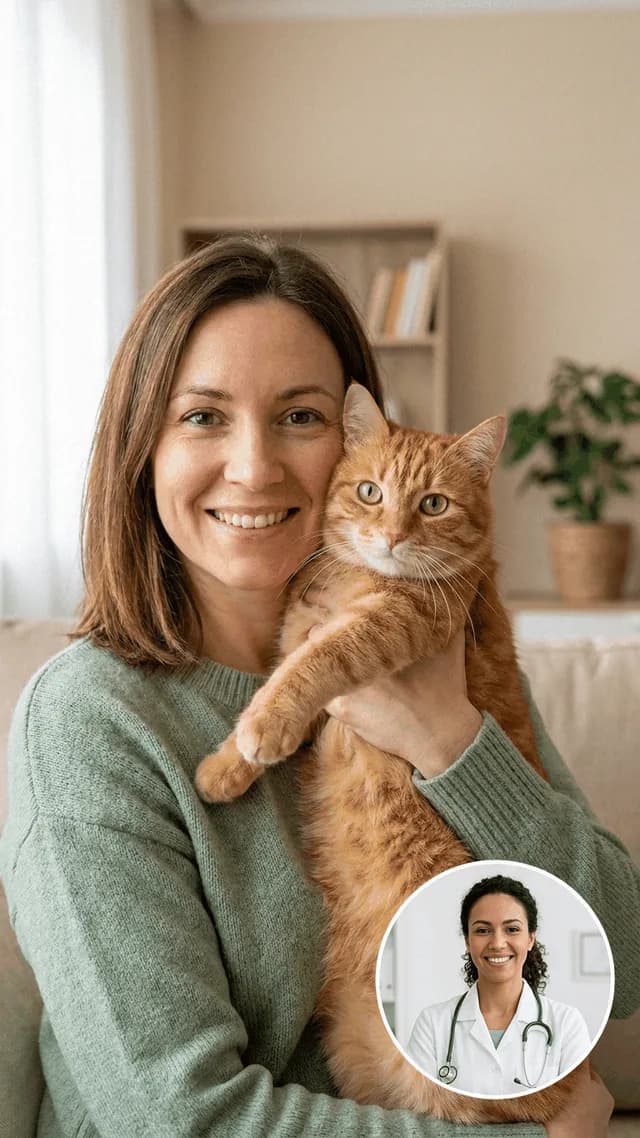
Is your cat's itching or skin issue getting worse?
A licensed vet can examine your cat over video and prescribe treatment online when it's appropriate.
 Talk to a vet
- Licensed vets
- All 50 states
- same-day Rx
Webvet may earn a commission if you book.
Food Allergies and Sensitivities
How It Happens
Food allergies develop when the immune system over-reacts to a specific protein in the diet. Chicken, beef, fish, and dairy are the most common culprits in cats, not grains.
A food allergy can appear at any age, even after your cat has eaten the same food for years, according to the Cornell Feline Health Center. True food allergies mainly cause skin problems, while food intolerances tend to cause digestive upset instead.
Signs of Food Allergies
Food-allergic cats itch year-round, with no seasonal break, usually around the head, face, neck, and ears. Recurring ear infections are common. Cornell estimates that 10 to 15 percent of affected cats also have vomiting or diarrhea.
Left untreated, cats with food allergies often develop thinning, poor-quality coats and may gradually lose weight. The itch typically concentrates above the shoulders, which is why vets pay special attention to head and neck scratching when food allergy is on the list.

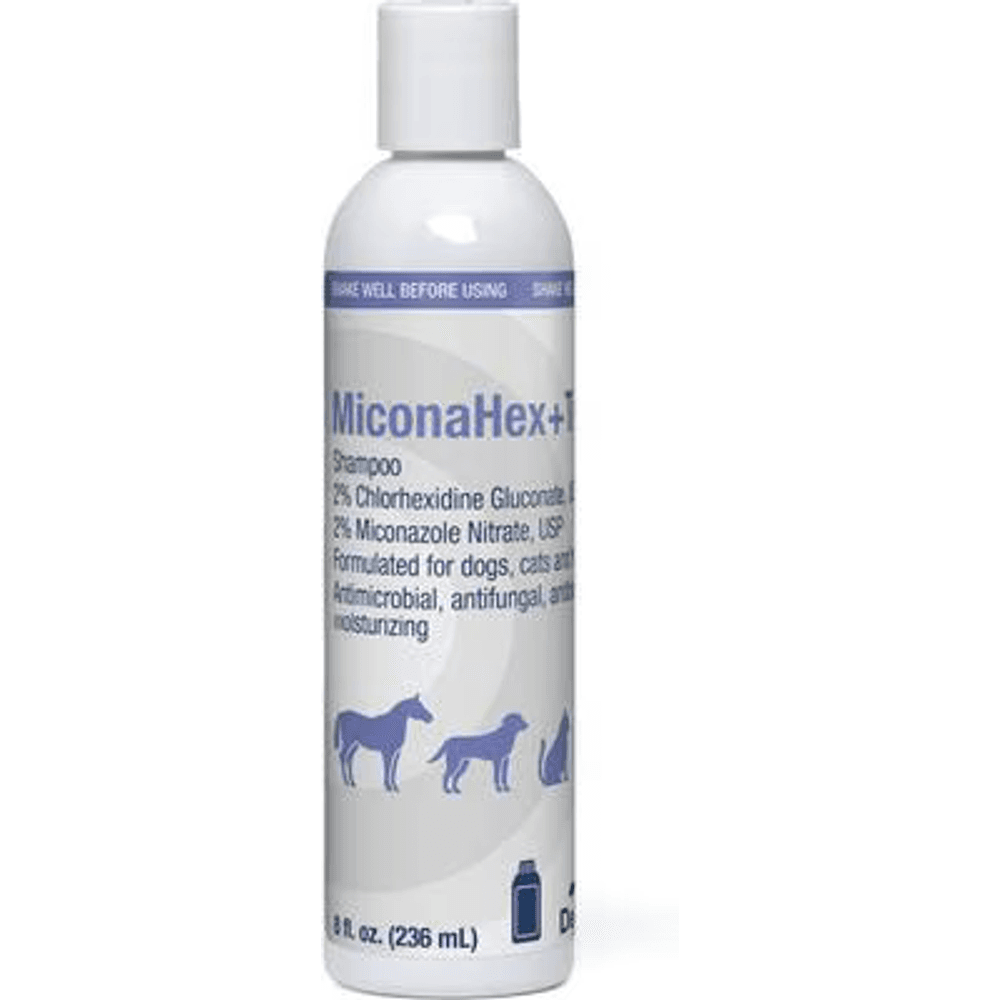
A vet-strength medicated shampoo pairing 2% chlorhexidine and 2% miconazole, a potent antifungal and antibacterial combination widely used to help clear ringworm and yeast or bacterial skin infections.
Webvet may earn a commission when you click through to Chewy, at no extra cost to you.
The Elimination Diet: The Gold Standard Test
No blood, saliva, or skin test can reliably diagnose a food allergy in cats. The only dependable method is a strict elimination diet trial lasting 8 to 12 weeks, and some cats need up to 3 months to fully respond.
Your vet will recommend one of two approaches. A novel protein diet uses a protein your cat has never eaten, such as duck, venison, or rabbit. A hydrolyzed diet breaks proteins into pieces too small for the immune system to recognize and attack.
Strictness makes or breaks the trial. No treats, table scraps, flavored medications, or other pets' food. Even a few stolen kibbles can restart the clock, and stray nibbles are the most common reason trials fail.
During the trial, improvement is gradual rather than overnight. The Merck Veterinary Manual notes that responses can appear anywhere from 1 to 9 weeks in, which is exactly why stopping early wastes the whole effort.
Once the skin improves, your vet will guide you through reintroducing old ingredients one at a time. If your cat reacts, symptoms usually return within a week or two, identifying the trigger so you can avoid it permanently.
The long-term outlook is excellent. Once the offending protein is identified and removed, most food-allergic cats stay symptom-free on their new diet, with no daily medication needed. The hard part is the trial itself, not the life afterward.
Other Allergy Types in Cats
Fleas, food, and the environment explain most feline allergies, but veterinary dermatologists recognize several less common triggers worth knowing about.
Contact Allergy
Contact allergy is the least common type. The reaction stays limited to skin that physically touches the trigger: plastic food bowls irritating the chin, certain fabrics or carpet deodorizers, or topical products. Removing the item usually resolves the problem within weeks.
Drug Reactions
Rarely, a medication triggers an allergic skin reaction called a drug eruption. Suspect it when itching, a rash, or skin lesions appear soon after starting a new drug. Always tell your vet about every medication and supplement your cat takes.
Feline Asthma (Allergic Bronchitis)
In some cats the allergic response settles in the airways rather than the skin. Inhaled allergens like dust, smoke, and pollen inflame the bronchi, causing coughing, wheezing, and labored breathing. Open-mouth breathing in a cat is always an emergency.
Can Indoor Cats Have Allergies?
Yes, and it surprises many owners. Indoor cats live with dust mites, mold spores, and household chemicals year-round, and pollen drifts in through open windows and on clothing.
Fleas do not respect closed doors either. They ride in on shoes, bags, and visiting dogs, which is why flea allergy dermatitis regularly shows up in cats who have never been outside.
Food allergies are entirely independent of lifestyle. If your indoor cat itches year-round, the same step-by-step diagnostic process applies, and the indoor setting actually makes elimination diet trials easier to control.

Wearable glove wipes that let you freshen and wipe down a dog's or cat's coat and skin without a full bath, while a fabric layer stays between your hand and the pet.
Webvet may earn a commission when you click through to Chewy, at no extra cost to you.
How Vets Diagnose Allergies in Cats
There is no single allergy test for cats, so vets work through a step-by-step process of elimination. Expect your visit to include some or all of the following:
- A complete physical exam, plus a review of diet, parasite prevention, and symptom timing
- Flea combing and a check for parasites such as mites and lice
- Skin cytology and skin scrapes to rule out mange mites and bacterial or yeast infections
- A fungal culture or lamp exam, because ringworm is a classic allergy mimic
- Blood or intradermal (skin) testing to identify environmental allergens
- A strict elimination diet trial when food allergy is suspected
Ruling out look-alikes matters because ringworm, mites, and skin infections cause the same itching and hair loss as allergies. Our guides to telling a skin infection from allergies and common parasites in cats cover those look-alikes in more detail.

Allergy testing has limits worth understanding. Blood and skin tests help select ingredients for immunotherapy in a cat already diagnosed with atopy; they are not reliable screening tools for food allergy.
Come prepared. Photos of flare-ups, the brand and flavor of every food and treat, and the dates of recent flea prevention doses all shorten the diagnostic road. And remember that allergies overlap, so uncovering every trigger takes time and patience.
For stubborn or severe cases, your vet may refer you to a board-certified veterinary dermatologist. These specialists handle intradermal skin testing and immunotherapy planning daily, and a referral often shortcuts months of trial and error.
What Can I Give My Cat for Allergies?
The safe answer: nothing from your own medicine cabinet without your vet's explicit instructions. Cats metabolize drugs very differently from people and dogs, and the margin for error is small.
With veterinary guidance, options may include antihistamines such as chlorpheniramine, which helps only some cats with mild itch, corticosteroids for flares, newer prescription anti-itch medications, medicated shampoos, and omega-3 supplements. Your vet will match both the drug and the dose to your cat.
It also helps to set expectations: antihistamines work noticeably less well in cats than in people, so they are usually a supporting player rather than the whole plan. Managing the underlying allergy, whether through flea control, diet, or immunotherapy, is what delivers lasting relief.
Treatment and Relief Options by Allergy Type
Treatment always targets the specific allergy, which is why the diagnosis step matters so much. Here is how the plans typically differ:
Flea Allergies
- Strict year-round flea prevention for every pet in the household, as prescribed by your vet
- Treat the home environment and wash bedding regularly to break the flea life cycle
- Short courses of anti-itch medication or antibiotics for secondary infections while the skin heals
Environmental Allergies
- Reduce exposure with coat wipes, regular vacuuming, and HEPA filtration
- Anti-itch medication, antihistamines, or corticosteroids as prescribed by your vet
- Immunotherapy shots or oral drops customized to your cat's allergy test results
- Skin-support extras like omega-3 supplements and medicated shampoos
Food Allergies
- A strict 8-12 week prescription elimination diet to confirm the diagnosis
- Permanent avoidance of the triggering proteins once identified
- Monitoring for flare-ups and secondary skin or ear infections
Preventing Allergy Flare-ups
Once you know your cat's triggers, prevention becomes far simpler than treatment ever was. A few consistent habits stop most flares before they start:
- Keep every pet on year-round, vet-approved flea prevention with no winter gaps
- Wash your cat's bedding weekly and vacuum regularly; HEPA filters help with dust and pollen
- Stick strictly to the prescribed diet if food allergy was diagnosed, treats included
- Feed a high-quality, balanced diet and ask about omega-3s to support skin health
- Schedule regular check-ups so your vet can track progress and catch flares early
When to See the Vet
Book an appointment promptly if itching lasts more than a week, keeps coming back, or your cat develops bald patches, scabs, broken skin, or oozing ears. Skin that stays inflamed invites painful secondary infections that get harder to treat over time.
Seek urgent care for open-mouth breathing, wheezing, repeated vomiting alongside skin signs, or a cat who stops eating. Sudden facial swelling or hives after a medication, vaccine, or insect sting also warrants a same-day call.
Between visits, keep notes. Recording when the itching flares, what your cat ate, and which preventatives were given turns a vague history into usable evidence, and it helps your vet judge whether the current plan is working or needs adjusting.
Final Thoughts
Allergies in cats are common, manageable, and rarely dangerous when treated. The path to relief runs through your vet: an accurate diagnosis, a targeted plan, and consistent prevention will keep most allergic cats comfortable for life.
Start with the basics you control today: year-round flea prevention, a clean home environment, and a written record of symptoms. Then partner with your vet early, because the sooner the trigger is identified, the sooner the scratching stops.
For deeper reading, the Cornell Feline Health Center's overview of food allergies, VCA Animal Hospitals' guide to allergies in cats, and the Merck Veterinary Manual's chapter on feline allergies are excellent vet-written resources.
Frequently Asked Questions
How do I tell if my cat has allergies?
Look for persistent scratching, over-grooming, thinning fur, scabs around the neck or tail base, recurring ear infections, sneezing, or watery eyes. Symptoms that persist beyond a week, keep returning, or leave broken skin warrant a vet visit, since only an exam can separate allergies from mites, ringworm, and infections.
How do you treat a cat that has allergies?
Treatment targets the cause: strict year-round flea prevention for flea allergy, a prescription elimination diet for food allergy, and anti-itch medication or immunotherapy for environmental allergy. Vets may add medicated shampoos, omega-3 supplements, or antibiotics for secondary infections. There is no safe do-it-yourself treatment, so start with a diagnosis.
Can an indoor cat have allergies?
Yes. Indoor cats react to dust mites, mold, household cleaning products, and pollen drifting through windows. Fleas also hitchhike inside on shoes, clothing, and dogs, so even strictly indoor cats can develop flea allergy dermatitis. Food allergies are equally common indoors, since they depend on diet rather than environment.
How do cats act if they have allergies?
Allergic cats often groom obsessively, sometimes hiding to do it, and may become restless, irritable, or withdrawn from the constant itch. Watch for frequent scratching sessions, head shaking, chewing at the paws, and disrupted sleep. Because cats mask discomfort, thinning fur or scabs are sometimes the first clue owners notice.
What can I give my cat for allergies at home?
Nothing without calling your vet first. Antihistamines like chlorpheniramine help only some cats and require cat-specific dosing, while many human combination products contain decongestants or acetaminophen that are toxic to cats. Safe home support is limited to vet-approved flea prevention, regular cleaning, omega-3 supplements, and the prescribed diet.
How do I know if my cat has food allergies?
Suspect food allergy when itching around the face, head, neck, and ears continues year-round with no seasonal break, especially with recurring ear infections or occasional vomiting. Confirming it requires a strict 8-12 week elimination diet trial with a prescription novel protein or hydrolyzed diet, supervised by your veterinarian.
Could my cat be allergic to fleas?
Very possibly: flea allergy dermatitis is the most common allergy in cats, and one bite can trigger days of intense itching. Scabs and crusts around the neck and tail base are the classic pattern. Year-round, vet-approved flea prevention for all household pets is both the test and the treatment.
$65 · no membershipIs your cat's itching or skin issue getting worse?
A licensed vet can examine your cat over video and prescribe treatment online when it's appropriate.
Talk to a vet- Licensed vets
- All 50 states
- same-day Rx
Webvet may earn a commission if you book.
Veterinarian · MRCVS BVMS, BS ASci, MLitt
Caitlin is a primary care clinician based at the University of Glasgow. She currently splits her time between clinical work, teaching, and writing. When not working she can be found hiking the moors with her mildly dramatic terrier or cuddling on the sofa with her wildly naughty cat.


