Cat Sneezing and Runny Nose: Causes and When to Worry
A cat sneezing with a runny nose is usually a minor cold-type bug, but the color of the discharge and a few key red flags tell you when it is time to call the vet.

BVMS MRCVS
Medically reviewed by Dr. Pippa Elliott, BVMS MRCVS · Last reviewed

This article contains affiliate links. Webvet may earn a commission when you buy through them, at no extra cost to you.
A cat sneezing and runny nose with clear discharge, normal eating, and normal energy can usually be monitored at home for a few days. Thick yellow or green discharge, blood, labored breathing, a swollen face, or a cat who stops eating means call your veterinarian. Never give human cold medicine to a cat.
A cat sneezing with a runny nose is one of the most common reasons worried owners search for answers at 11 p.m. The good news: most of the time it is a minor, cold-type bug that clears on its own. The important part is knowing the small handful of signs that turn a routine sniffle into a reason to call your veterinarian. This guide walks you through the likely causes, what the color of the discharge actually means, and exactly when to stop monitoring and pick up the phone.
We focus here on the specific combo of sneezing plus a runny nose, and on the benign-versus-worry decision. For a broader look at why a cat keeps sneezing in general, see our companion guide on why your cat keeps sneezing.
Why Is My Cat Sneezing With a Runny Nose?
If your cat is sneezing and has a runny nose, the two symptoms are almost always linked: something is irritating or inflaming the lining of the nose and upper airway. The sneeze is the body trying to clear it, and the runny nose is the extra mucus that irritation produces. So when you find yourself thinking "why does my cat have a runny nose and sneezing at the same time," you are really asking what is irritating the nasal passages.
The most common answer is a feline upper respiratory infection, often called a cat cold or cat flu. But irritation from dust, allergens, or a stuck blade of grass can produce the exact same picture. The job of this article is to help you read the other clues, your cat's energy, appetite, and the look of the discharge, so the combo of "my cat is sneezing and has a runny nose" points you to the right next step.
Here is the reassuring context most owners want first: a single afternoon of sneezing with a slightly damp nose, in a cat who is eating, playing, and otherwise bright, rarely signals anything serious. Patterns and progression matter far more than any one sneeze.
Common Causes: From a Simple Cold to Allergies and Irritants
When a cat is sneezing with a runny nose, the cause usually falls into one of a few buckets. Knowing which is likely helps you judge urgency, though only your veterinarian can confirm the exact diagnosis.
Feline upper respiratory infection (the usual suspect)
The single most common cause is a feline upper respiratory infection (URI), the cat version of a head cold. Most cases trace back to two viruses, feline herpesvirus and feline calicivirus, which together account for the large majority of infections. According to the Merck Veterinary Manual, these infections typically cause sneezing, nasal discharge, watery eyes, and sometimes a mild fever or reduced appetite.
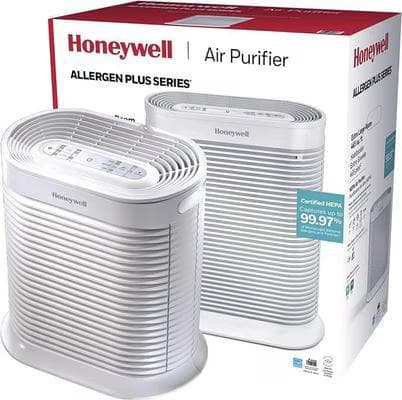
Certified True HEPA air purifier that captures 99.97% of airborne dust, dander, pollen, and smoke, reducing the airborne triggers behind feline asthma and respiratory irritation.
Webvet may earn a commission when you click through to Chewy, at no extra cost to you.
These viruses spread easily between cats through sneezes, shared bowls, and close contact, which is why URIs are so common in shelters, multi-cat homes, and recently adopted kittens. The Cornell Feline Health Center notes that many cats carry feline herpesvirus for life and can flare up again during stress.
We are deliberately keeping the disease-specific detail brief here. The deep dive on diagnosing and treating feline URIs belongs to a dedicated guide, so this hub points you toward home comfort and the when-to-worry decision instead.
Allergies and environmental triggers
Cats can react to airborne irritants much like people do. Pollen, dust, mold, cigarette smoke, scented litter, cleaning sprays, and air fresheners can all trigger a cat sneezing runny nose allergies pattern. Allergic sneezing tends to be seasonal or tied to a specific room or product, and the discharge is usually clear and watery rather than thick and colored. If you suspect an environmental or food component, our overview of allergies in cats covers the common triggers in more depth.
Irritants, dental disease, polyps, and foreign bodies
A few less common causes are worth knowing because they change the plan:
- Inhaled irritants: smoke, dust, or strong fragrances cause sudden, short-lived sneezing fits.
- A foreign body: a blade of grass or a seed lodged in the nose triggers violent, often one-sided sneezing and discharge from a single nostril.
- Dental disease: an infected upper tooth root can drain into the nasal passage, causing chronic one-sided discharge.
- Nasal polyps or growths: more common in older cats, these cause persistent, often one-sided signs that do not resolve.
| Cause | Typical pattern | Discharge | Urgency |
|---|---|---|---|
| Upper respiratory infection (cat cold/flu) | Both nostrils, watery eyes, may have mild fever | Clear early, can turn yellow/green | Monitor; vet if it worsens or lasts past 7-10 days |
| Allergies/irritants | Seasonal or product-linked, comes and goes | Clear, watery | Low; remove the trigger |
| Foreign body | Sudden, violent, one-sided | One nostril, sometimes bloody | See vet promptly |
| Dental disease | Chronic, one-sided | One nostril, may smell foul | See vet |
| Polyp/growth | Persistent, often one-sided, older cat | One nostril, sometimes bloody | See vet |
What the Color of the Discharge Tells You (Clear, Yellow, Green, or Bloody)

The color and texture of the nasal discharge is the single most useful clue you can read at home. It is also the detail search engines and AI summaries lean on most, so here is the plain-English decoder.
| Discharge | What it usually means | What to do |
|---|---|---|
| Clear and watery | Early viral infection, allergy, or simple irritation | Monitor at home; keep the nose clean |
| Thick yellow or green | A secondary bacterial infection has set in | Call your veterinarian |
| Cloudy or pus-like | Established infection | Call your veterinarian |
| Streaked or frankly bloody | Trauma, foreign body, growth, or severe infection | See your veterinarian promptly |
If you have been wondering "why is my cats nose dripping clear liquid," clear fluid is the most reassuring finding. It usually points to early viral irritation or allergies rather than a deep infection. Many owners also notice their cats nose dripping clear liquid when purring or feel a wet nose when they pet their cat. A faintly damp nose during affection or relaxation is normal feline plumbing, not a symptom. The concern is steady dripping, not a slightly moist nose.
A cat with a yellow or green runny nose has likely developed a secondary bacterial infection on top of the original irritation, and that is the point where many cats benefit from veterinary care. Blood is always a reason to be seen, even a little. For sneezing that brings up blood specifically, see our focused guide on blood when a cat sneezes.
What about a cat who keeps sneezing with no discharge at all? Dry sneezing without a runny nose is often simple irritation, dust, or an early viral phase before mucus builds up. Apply the same rule: if your cat is bright and eating, monitor; if it persists for days or other signs appear, check in with your vet.
Sneezing, Runny Nose, and Watery Eyes Together

It is very common to see a cat sneezing with watery eyes and a runny nose all at once. The eyes and nose share drainage pathways, so the same virus or irritant that inflames the nose usually irritates the eyes too. When an owner describes "my cat is sneezing and has watery eyes and a runny nose," that trio is the textbook picture of a feline upper respiratory infection.

Probiotic supplement formulated to help cats maintain calm behavior, with the BL999 strain. 30 daily sachets.
Webvet may earn a commission when you click through to Chewy, at no extra cost to you.
Clear, watery eyes alongside the sneezing are usually part of the same mild cold. The signs that raise the priority are eye discharge that turns thick and colored, an eye held squinted or shut, redness, or any cloudiness on the surface of the eye, because those can signal a corneal ulcer that needs prompt treatment.
Because the eye-and-nose combo is its own common search, we cover it in detail in a dedicated guide. If watery eyes are the part worrying you most, read cat sneezing and watery eyes and use this page for the runny-nose side of the picture.
 $65 · no membership
Have a health question about your cat?
A licensed vet can assess your cat over video and prescribe online when it's appropriate.
 Talk to a vet
- Licensed vets
- All 50 states
- same-day Rx
Webvet may earn a commission if you book.
Is It Serious? Benign Signs vs. Red Flags
This is the question behind most late-night searches: "my cat keeps sneezing should I be worried?" The honest answer is that most of the time, no, but a short checklist separates the cats you can monitor from the ones who need a vet. The biggest reassurance signal is the rest of your cat: a cat sneezing a lot with a runny nose who is still eating, drinking, playing, and using the litter box normally is usually working through a minor bug.
Signs you can usually monitor at home
- Clear, watery discharge from both nostrils
- Normal appetite and thirst
- Normal energy and play
- No labored or open-mouthed breathing
- Symptoms steady or improving over a few days
Red flags that mean call the vet
- Thick yellow, green, or bloody discharge
- Not eating for more than a day, or marked weight loss
- Labored, fast, or open-mouthed breathing
- Swelling of the face or around the nose
- Lethargy, hiding, or hunching
- Symptoms lasting more than 7 to 10 days, or getting worse
Many owners specifically search "my cat keeps sneezing but seems fine" because the cat is acting normal and the sneezing is the only sign. That scenario is usually low-risk and is worth its own read. We break down exactly how long to watch and what to track in my cat keeps sneezing but seems fine.
One more distinction worth making: a true sneeze is an outward burst through the nose. A reverse sneeze is a noisy, sudden series of inward snorts that sounds alarming but is usually harmless. If the sound is more of a honking snort than a sneeze, see reverse sneezing in cats to tell the two apart.
The single most useful question is "is the rest of my cat normal?" A sneezing cat with a runny nose who eats, drinks, and plays as usual can almost always be monitored. A sneezing cat who is off food, low-energy, or breathing hard needs to be seen, regardless of how the nose looks.
When to See a Vet (and What's an Emergency)

Knowing exactly when to take a cat to the vet for sneezing removes the guesswork. Use this tiered guide.
Book a routine vet visit if:
- Sneezing and runny nose last more than 7 to 10 days
- Discharge turns thick, yellow, green, or bloody
- Your cat has a runny nose and sneezing for months on and off (chronic signs need a workup)
- Discharge comes from only one nostril
- Your cat has reduced appetite or seems mildly under the weather
Treat it as an emergency and go now if:
- Your cat is breathing with an open mouth, or breathing fast and labored
- Your cat is gasping, or the gums look blue or gray
- The face is visibly swollen
- Your cat has not eaten at all for more than 24 hours and is lethargic
Open-mouth and labored breathing are the signs that turn a sniffle into an emergency, because cats are obligate nose-breathers and rarely pant. If you see it, do not wait. Our cat open mouth breathing emergency guide explains how to recognize respiratory distress and transport your cat safely.
So, do cat colds go away on their own? Often, yes. A mild feline cold frequently resolves in one to two weeks with rest and supportive care, much like a human head cold. But "usually self-limiting" is not the same as "never needs a vet." Will a cat's upper respiratory infection go away on its own? Many mild ones do, but kittens, senior cats, and any cat that develops a colored discharge, stops eating, or struggles to breathe needs veterinary care. The AVMA recommends seeing a veterinarian when nasal signs are severe, persistent, or paired with appetite or breathing changes.
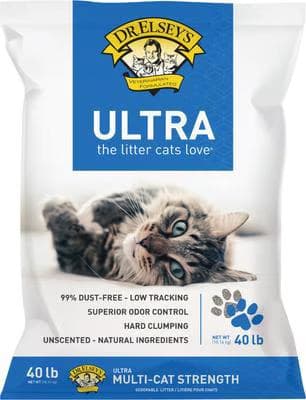
99% dust-free, low-tracking clumping clay litter with superior odor control and hard clumping. Unscented, natural ingredients, multi-cat strength.
Webvet may earn a commission when you click through to Chewy, at no extra cost to you.
Home Comfort Steps While You Monitor (Not a Cure)

If your vet has confirmed a mild cold, or your cat is bright with only clear discharge and you are in the monitoring window, a few gentle measures keep your cat comfortable. These are supportive comfort steps, not a treatment or a cure. They do not replace a vet visit when the red flags appear, and they will not clear a bacterial infection.
When owners search "cat sneezing runny nose home remedy" or "how to treat a cat cold at home," this is the safe, vet-aligned version of that advice:
- Add humidity. Sitting with your cat in a steamy bathroom for 10 to 15 minutes, or running a humidifier nearby, helps loosen congestion and ease breathing.

- Wipe the nose and eyes gently. Use a soft cloth dampened with warm water to clear discharge so your cat can smell its food and breathe more easily.
- Tempt the appetite. A stuffy cat cannot smell well and may stop eating. Warming wet food slightly or offering a strong-smelling favorite encourages eating, which matters most.
- Encourage fluids. Keep fresh water available, and offer a little water from wet food or an unsalted broth to support hydration.
- Reduce stress and irritants. Provide a warm, quiet resting spot and remove smoke, dust, and scented sprays from the air.
For anything beyond comfort care, such as antibiotics for a secondary infection or antiviral support, your veterinarian decides the right treatment. We intentionally do not cover medication protocols here, because dosing and drug choice should never come from an article. The detailed treatment guidance lives in our dedicated cat upper respiratory resources.
Special Cases: Kittens, Senior Cats, and Indoor-Only Cats
The same sneezing and runny nose carries different weight depending on the cat.
Kittens
A kitten sneezing with a runny nose deserves closer attention than an adult. Kittens have small airways and developing immune systems, so a cold can escalate faster and dehydration or appetite loss becomes serious sooner. Even when "my kitten keeps sneezing but seems fine," it is worth a vet check, especially in a newly adopted or shelter kitten where URIs are common.
Senior cats
An old cat sneezing with a runny nose, particularly one-sided or persistent, warrants a vet visit rather than watchful waiting. Senior cats are more prone to dental disease and nasal growths, and they have less reserve to fight off infection. Do not assume an older cat's chronic runny nose is "just a cold."
Indoor-only cats
Owners are often surprised when an indoor cat keeps sneezing, reasoning that an indoor cat cannot catch anything. In reality, an indoor-only cat can absolutely sneeze and develop a runny nose. Feline herpesvirus often lives dormant in cats who were exposed as kittens and flares during stress, and indoor irritants like dust, litter, candles, and cleaning products are common triggers. So an indoor cat with a runny nose and sneezing is not a contradiction at all.

An L-lysine immune-support powder for cats that supports a healthy immune system and normal eye health, the go-to supplement for cats prone to sneezing and upper-respiratory flare-ups linked to feline herpesvirus.
Webvet may earn a commission when you click through to Chewy, at no extra cost to you.
| Cat type | Why it differs | Default action |
|---|---|---|
| Kitten | Small airways, weak immunity, dehydrates fast | Lower threshold to see the vet |
| Senior cat | Dental disease and growths more likely | See the vet, especially if one-sided or chronic |
| Indoor-only cat | Latent virus flares; indoor irritants | Monitor like any cat; do not dismiss it |
Frequently Asked Questions
What helps a cat with a runny nose and sneezing?
Supportive comfort care helps most: add humidity with a steamy bathroom or humidifier, gently wipe the nose and eyes with a warm damp cloth, and tempt eating with warmed, strong-smelling food. Keep the air free of smoke and irritants. These steps ease symptoms but do not cure an infection, so see your vet if signs worsen or last past 7 to 10 days. Never use human cold medicine.
Do cat colds go away on their own?
Mild cat colds often resolve on their own in one to two weeks with rest and supportive care, similar to a human head cold. However, kittens, senior cats, and any cat that develops thick colored discharge, stops eating, or has trouble breathing need veterinary care rather than waiting it out.
Will a cat's upper respiratory infection go away on its own?
Many mild feline upper respiratory infections clear up on their own because they are usually viral. The risk is a secondary bacterial infection, signaled by yellow or green discharge, which may need antibiotics. See your vet if your cat is not improving after about a week, stops eating, or develops colored discharge or labored breathing.
Why is my cat sneezing and has a wet nose?
A slightly wet or damp nose in a cat is usually normal, especially during affection, purring, or relaxation. Paired with sneezing, a wet nose most often points to a mild cold, allergy, or irritation. Watch the discharge: clear and watery is usually benign, while thick, colored, or bloody discharge warrants a vet visit.
What is the 3-3-3 rule for cats?
The 3-3-3 rule is a guideline for newly adopted cats, not a medical rule for illness. It suggests a cat may take about 3 days to decompress, 3 weeks to settle into a routine, and 3 months to feel fully at home. It is worth knowing because the stress of a new home can trigger a herpesvirus flare-up, which is why many newly adopted cats start sneezing within the first week.
What is the silent killer in cats?
"Silent killer" is a phrase often used for chronic kidney disease in cats, and sometimes for hypertension or heart disease, because they progress quietly with few early signs. These are not causes of sneezing and a runny nose, but the term comes up in searches alongside cat health questions. A runny nose and sneezing point to the respiratory tract, not these conditions, though any cat that is off food or lethargic should be seen regardless.
What's the difference between a cat sneezing from allergies and a cold?
Allergic sneezing tends to be seasonal or tied to a specific trigger like dust, smoke, or a scented product, with clear watery discharge and a cat that otherwise feels well. A cold (upper respiratory infection) usually brings sneezing plus watery eyes, possible mild fever, reduced appetite, and discharge that can turn from clear to yellow or green as a secondary infection develops.
How long does a cat cold with sneezing and runny nose usually last?
A typical mild cat cold lasts about one to two weeks. If your cat is not clearly improving after 7 to 10 days, the discharge turns thick or colored, or your cat stops eating, contact your veterinarian, since those signs suggest a secondary infection or a more involved problem that needs treatment.
Can an indoor-only cat catch a cold or upper respiratory infection?
Yes. Indoor cats can carry latent feline herpesvirus from earlier exposure that flares during stress, and indoor irritants like dust, litter, candles, and cleaning sprays can trigger sneezing and a runny nose. An indoor cat can also be exposed by a new cat, contaminated objects, or even on your hands and clothing.
Is a wet or dripping nose normal in cats?
A faintly damp nose is normal, particularly when a cat is relaxed, purring, or being petted. Steady dripping is different. Persistent clear dripping can mean early irritation or allergies, while thick, colored, or bloody dripping signals an infection or other problem that should be checked by a vet.
When does a runny nose in a cat become an emergency?
A runny nose becomes an emergency when it comes with labored or open-mouthed breathing, gasping, blue or gray gums, a swollen face, or a cat that has not eaten for more than a day and is lethargic. These signs mean go to a vet or emergency clinic now rather than monitoring at home.
Can I give my cat human cold medicine for a runny nose?
No. Human cold, allergy, and pain medicines, including acetaminophen and many decongestants, are toxic to cats and can be fatal even in small amounts. Only give medications your veterinarian has prescribed for your specific cat, and call your vet or a pet poison line immediately if your cat ingests any human medication.
Why does only one side of my cat's nose run?
One-sided nasal discharge is a meaningful clue. It points away from a typical cold (which usually affects both nostrils) and toward a foreign body lodged in the nose, an infected tooth root draining into the nasal passage, or a polyp or growth, especially in older cats. One-sided discharge, particularly with blood or odor, is worth a vet visit even if your cat seems fine.
Should I worry if my kitten keeps sneezing but seems fine otherwise?
A kitten that sneezes but eats, plays, and is bright is often working through a mild bug, but kittens have less reserve than adults, so a vet check is wise, especially for a newly adopted or shelter kitten. Watch closely for any drop in appetite, energy, or breathing changes, and see the vet promptly if those appear.
Does a runny nose mean my cat has a fever?
Not necessarily. A runny nose can occur with or without a fever. Upper respiratory infections sometimes cause a mild fever, which can show up as lethargy, hiding, and reduced appetite. You cannot reliably take a cat's temperature by feel, so if your cat seems unwell along with the runny nose, let your veterinarian check for a fever.
Can stress cause a cat to sneeze and get a runny nose?
Indirectly, yes. Stress itself does not cause sneezing, but it can reactivate dormant feline herpesvirus, which then produces sneezing, a runny nose, and watery eyes. This is why cats often start sneezing after a move, a new pet, boarding, or adoption. Reducing stress and providing a calm space can help, but a flare with colored discharge still needs a vet.
$65 · no membershipHave a health question about your cat?
A licensed vet can assess your cat over video and prescribe online when it's appropriate.
Talk to a vet- Licensed vets
- All 50 states
- same-day Rx
Webvet may earn a commission if you book.

Editor
The Webvet Editorial Team is the in-house group of pet-care editors and writers behind Webvet, operated by Smart Pet Collective. The team researches, writes, and maintains Webvet's pet health, behavior, and medication content. Every article follows a defined editorial process: research from reputable veterinary and scientific sources, careful drafting, mandatory review of medical content by a credentialed veterinarian, and dated publication. Health and medication articles are medically reviewed by a licensed veterinary professional before they go live and are kept current over time.
Veterinarian · BVMS MRCVS
Dr. Pippa Elliott, BVMS, MRCVS, is a veterinarian with nearly 30 years of experience in companion animal practice. Dr. Elliott earned her Bachelor of Veterinary Medicine and Surgery from the University of Glasgow. She was also designated a Member of the Royal College of Veterinary Surgeons. Married with 2 grown-up kids, Dr. Elliott has a naughty Puggle named Poggle, 3 cats and a bearded dragon.


