Cat Sneezing Blood: Causes and When It's an Emergency
A calm, vet-reviewed guide to what causes a cat sneezing blood, which signs are true emergencies, when it's safe to watch and wait, and what to do at home before you reach your veterinarian.

BVMS MRCVS
Medically reviewed by Dr. Pippa Elliott, BVMS MRCVS · Last reviewed

This article contains affiliate links. Webvet may earn a commission when you buy through them, at no extra cost to you.
Seeing your cat sneeze and then spotting blood is alarming, and your instinct to worry is reasonable. The good news: a single fleck of pink in one sneeze is rarely the disaster it feels like. The hard truth: some causes of a cat sneezing blood do need a vet quickly. This guide helps you tell those apart calmly, decide whether to call now or watch overnight, and know exactly what to do before you reach the clinic.
We will cover what bleeding sneezes actually look like, the common and serious causes, what blood-tinged mucus or one-nostril bleeding means, why older cats deserve extra attention, and when to see a vet. Throughout, the goal is simple: act, do not panic, and never reach for human medicine or DIY treatments that can do harm.
A cat sneezing blood is a symptom, not a diagnosis. One small pink-tinged sneeze in an otherwise bright, eating, normally breathing cat usually warrants a same-week vet call, not a midnight emergency run. But heavy or repeated bleeding, labored or open-mouth breathing, pale gums, or a collapsed cat is an emergency now.
Is It an Emergency? Read This First

Before anything else, answer one question: how is your cat breathing and acting right now? That, more than the blood itself, tells you how fast you need to move. People often ask is sneezing blood in cats an emergency, and the honest answer is "sometimes." The blood matters less than what comes with it.
Treat it as a true emergency and seek care immediately if you see any of these:
- Open-mouth breathing, panting, or visibly labored, fast breathing
- Blood that drips or streams continuously rather than a sneezed-out fleck
- Pale, white, gray, or bluish gums
- Sudden weakness, collapse, or unresponsiveness
- Repeated heavy bleeding, or blood from the nose plus blood elsewhere (gums, urine, stool, or pinpoint skin bruising)
- A cat who will not eat, hide-and-rests excessively, or seems disoriented
These signs can point to breathing compromise, a clotting problem, or significant blood loss, and they need a veterinarian or emergency hospital right away, per general pet emergency triage guidance. If your cat is also breathing with an open mouth, read our emergency guide to cat open-mouth breathing and go in now.
If none of the red flags above are present and your cat is otherwise acting normal, you can usually move at a calmer pace: observe closely, note what you saw, and book a prompt (not panicked) vet visit. The rest of this guide explains why.
What Cat Sneezing Blood Actually Looks Like (Sneeze vs. Nosebleed)

Owners describe this in many ways: cat sneezing blood, cat is sneezing blood, cat sneezing with blood, sneezing blood in cats, cat nose bleed and sneezing, or cat sneezing up blood. They are usually describing one of a few different things, and telling them apart helps you and your vet.
Here is a quick decoder for what you are likely seeing:

360-degree Wi-Fi pet camera so you can watch your cat's resting breathing rate and behavior from your phone and catch worrying changes early.
Webvet may earn a commission when you click through to Chewy, at no extra cost to you.
| What you see | What it likely is | Typical urgency |
|---|---|---|
| A normal sneeze that flings a few tiny pink or red droplets | Minor irritation or inflammation in the nasal lining | Lower (vet visit soon) |
| Blood-tinged mucus or snot, with sneezing | Inflammation or infection in the nasal passages | Lower to moderate |
| A slow drip or trickle of blood from one or both nostrils, with or without sneezing | A true nosebleed (epistaxis) | Moderate to high |
| Continuous, dripping, or pooling blood | Active heavy bleeding | Emergency |
| Coughing or retching up blood (from the mouth/throat, not the nose) | A different problem, not a nasal sneeze | Call your vet, describe it carefully |
A true nosebleed in cats is called epistaxis. It means blood is coming from inside the nose, regardless of whether a sneeze pushed it out. According to the Merck Veterinary Manual, nosebleeds and bloody nasal discharge in pets can stem from trauma, a foreign body, infection, tumors, clotting disorders, or high blood pressure. A sneeze is just the body forcefully clearing the nose, so "sneezing blood" and a nosebleed often overlap.
Common Causes of a Cat Sneezing Blood

When owners search why is my cat sneezing blood, they want the realistic shortlist of causes. Most fall into a handful of buckets. Below is the range at a glance, from most common to less common.
| Cause | What's happening | Who it hits most |
|---|---|---|
| Upper respiratory infection (URI) | Viral or bacterial infection inflames the nasal lining until it bleeds slightly | Kittens, shelter/multi-cat homes, stressed cats |
| Foreign body | A blade of grass, seed, or debris lodged in the nose | Outdoor and curious cats; usually sudden, often one nostril |
| Dental or tooth-root disease | An infected upper tooth root erodes into the nasal sinus | Adult and senior cats |
| Trauma | A fall, fight, or bump to the face/nose | Any cat, often a clear recent event |
| Nasal polyp or tumor | A growth in the nasal passage bleeds and obstructs airflow | Older cats more often (but not only) |
| Clotting disorder or rat-bait poisoning | Blood does not clot normally, so bleeding persists | Any cat with toxin access; an emergency |
| High blood pressure (hypertension) | Often tied to kidney disease or thyroid disease in older cats | Senior cats |
The single most common cause of sneezing and nasal signs in cats is a feline upper respiratory infection, frequently driven by feline herpesvirus (rhinotracheitis) or calicivirus, as the Cornell Feline Health Center notes. With cat sneezing blood upper respiratory infection cases, the bleeding is usually minor: inflamed tissue gets raw and weeps a little when the cat sneezes hard.
At the more serious end, owners worried about cat nose bleeding cancer are right that nasal tumors exist, especially in older cats, but they are far down the probability list compared with infections and foreign bodies. The point of listing cat sneezing blood causes is not to scare you toward the worst one. It is to show that the only way to know which bucket you are in is a veterinary exam. We keep cause depth brief here on purpose; the detailed workup of feline URI lives in our wider coverage of why a cat keeps sneezing.
Blood-Tinged Mucus and One-Nostril Bleeding: What They Mean
Two patterns deserve their own section because they come up constantly: discolored mucus and bleeding from a single nostril.
Blood-tinged mucus or snot
Many owners describe cat sneezing blood tinged mucus, cat sneezing blood and mucus, or simply cat sneezing blood mucus. Mucus mixed with a little blood usually points toward inflammation inside the nasal passages, most often an infection that has left the lining raw. The mucus part tells you there is an active process in the nose, not just a one-off pop of a tiny vessel.
What the color of the discharge can suggest:
- Clear with pink streaks: mild irritation or early/viral inflammation
- Yellow or green with blood: a likely bacterial component layered on top
- Thick, foul-smelling, one-sided discharge: raises concern for a foreign body, dental root infection, or a mass, and deserves prompt evaluation
Bleeding from one nostril
People search cat sneezing blood from one nostril and cat nose bleed one nostril because the side matters diagnostically. Bleeding or discharge confined to one nostril shifts suspicion toward a localized problem in that side of the nose: a lodged foreign body, an infected upper tooth root draining into that sinus, a polyp, or a tumor. Bleeding from both nostrils more often suggests a body-wide cause such as a clotting problem or high blood pressure.

An L-lysine immune-support powder for cats that supports a healthy immune system and normal eye health, the go-to supplement for cats prone to sneezing and upper-respiratory flare-ups linked to feline herpesvirus.
Webvet may earn a commission when you click through to Chewy, at no extra cost to you.
You cannot diagnose the exact cause from the side alone, but noting it (and snapping a quick photo) gives your veterinarian a real head start.
 $65 · no membership
Have a health question about your cat?
A licensed vet can assess your cat over video and prescribe online when it's appropriate.
 Talk to a vet
- Licensed vets
- All 50 states
- same-day Rx
Webvet may earn a commission if you book.
My Cat Sneezed Blood but Seems Fine: Benign vs. Worrying
This is the most common real-world scenario, and the most reassuring one. Owners search cat sneezing blood but acting normal, my cat sneezed blood but seems fine, my cat is sneezing blood but acting normal, and cat sneezed blood once. If your cat sneezed out a small fleck of blood, then went back to eating, playing, purring, and breathing normally, the odds favor something minor and self-limiting.
A truly benign-looking, low-urgency picture usually includes all of the following:
- A single sneeze or two, not repeated bleeding sneezes through the day
- A tiny amount: flecks, streaks, or a small spot, not a flow
- Normal, quiet breathing with the mouth closed
- Pink, moist gums (not pale or white)
- Normal appetite, energy, and litter-box habits
Signs that move the same cat from "watch" to "call the vat soon" or sooner:
- The bleeding repeats over hours or returns the next day
- The amount increases, or you see it from both nostrils
- Any change in breathing, even subtle faster or harder breaths
- New lethargy, hiding, reduced appetite, or facial swelling
- Your cat is a senior, or has known kidney, thyroid, or dental disease
"Acting normal" is genuinely reassuring, but it is a reason to watch closely and book a routine visit, not a reason to ignore it. A single benign-seeming bleeding sneeze still earns a mention to your vet, because the same calm cat can have an early dental or nasal problem that is easiest to fix when caught small.
Sneezing Blood in Older and Senior Cats

Age changes the math. Searches like elderly cat sneezing blood, old cat sneezing blood but acting normal, 15 year old cat sneezing blood, and 17 year old cat sneezing blood all point to the same reality: in a senior cat, a bleeding sneeze deserves a lower threshold for a vet visit.
Why older cats warrant more attention:
- Nasal polyps and tumors are more likely in older cats than in kittens, and they often start with one-sided discharge, noisy breathing, or facial changes before obvious bleeding.
- High blood pressure is more common in seniors, frequently linked to kidney disease or an overactive thyroid, and hypertension can drive nosebleeds, as the Merck Veterinary Manual describes.
- Dental disease accumulates with age, and an infected upper tooth root can erode toward the nasal sinus.
A senior who "seems fine" can still have a slow-growing problem behind a single bleeding sneeze. That is not a reason to panic at 2 a.m. over one fleck in a comfortable, well-breathing older cat, but it is a strong reason to book a prompt exam and let your vet check blood pressure, teeth, and the nose properly.
When to See a Vet (and What to Expect at the Appointment)

So, when to see a vet for cat sneezing blood? Use this triage table to decide on timing.
| Your cat's picture | What to do |
|---|---|
| Heavy or continuous bleeding, breathing trouble, pale gums, collapse | Emergency now. Go to a vet or ER hospital. |
| Repeated bleeding sneezes, both nostrils, lethargy, not eating, facial swelling | Same-day or next-day vet visit |
| Senior cat, or known kidney/thyroid/dental disease, with any bleeding | Prompt visit within a day or two |
| One small bleeding sneeze, cat bright and eating, breathing normal | Call your vet; book a routine visit and monitor closely |
Questions like is a cat nose bleed an emergency and cat nose bleed emergency come down to the same rule: it is an emergency when bleeding is heavy or will not stop, when breathing is affected, or when the gums are pale. Otherwise it is usually urgent-soon rather than urgent-now. And what would cause a cat to bleed from the nose is exactly the question a vet exam is built to answer.
What your veterinarian may do to find the cause:
- A thorough physical exam, including looking in the mouth and at the teeth, and checking gum color
- Blood pressure measurement, especially in older cats
- Bloodwork and a clotting profile to rule out bleeding disorders
- Imaging (X-rays or a CT scan) of the nose, sinuses, and tooth roots
- Rhinoscopy (a small camera in the nose) and sometimes a biopsy if a mass or foreign body is suspected
You do not need to memorize this list. You need to know that real diagnosis happens at the clinic, and that the Cornell Feline Health Center and AAHA both stress getting persistent or bloody nasal signs evaluated rather than guessed at.
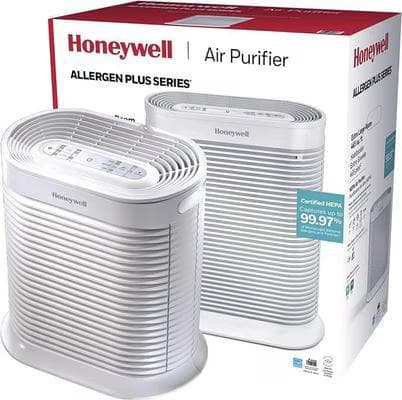
Certified True HEPA air purifier that captures 99.97% of airborne dust, dander, pollen, and smoke, reducing the airborne triggers behind feline asthma and respiratory irritation.
Webvet may earn a commission when you click through to Chewy, at no extra cost to you.
What You Can (and Can't) Do at Home
The honest answer to cat sneezing blood home remedy, home remedies for cat sneezing blood, and cat sneezing blood treatment is that there is no safe at-home cure, because home care cannot diagnose or fix the cause. What you can do is keep your cat calm and gather good information for the vet.
Safe, helpful steps at home:
- Keep your cat calm and quiet. Stress and activity raise blood pressure and can worsen bleeding. A dark, quiet room helps.
- Do not tilt the head back or stuff anything into the nostril. Let the cat hold its head naturally.
- You may gently apply a cool, damp cloth to the bridge of the nose if your cat tolerates it, which can be soothing, but do not force it.
- Photograph or video the bleeding, the discharge color, which nostril, and the breathing. This is genuinely useful at the appointment.
- Note the timeline: when it started, how often, how much, and any recent events (a fall, going outside, new sneezing).
What you must not do:
A note on cat sneezing blood after antibiotics: if your cat was prescribed antibiotics for a nasal infection and is still sneezing blood, that is a reason to go back to the prescribing vet, not to add more home treatment. It can mean the cause was not purely bacterial (a foreign body, a tooth root, or a mass), that a different medication is needed, or that further imaging is warranted. We keep specific drug and treatment detail brief here; your veterinarian tailors that to the diagnosis.
How to Lower the Risk of Future Bleeding Sneezes
You cannot prevent every cause, but you can shrink the odds of the most common ones. Thinking in terms of prevent cat nosebleed and cat upper respiratory infection prevention points to practical, evidence-aligned habits.
- Stay current on core vaccines. Vaccines against the main feline upper respiratory viruses reduce the severity and frequency of the infections that most often cause minor nasal bleeding.
- Keep stress low. Stress reactivates feline herpesvirus, a leading driver of recurring sneezing. Predictable routines, enough space, and enrichment help in multi-cat homes.
- Schedule regular dental care. Routine dental checks and cleanings catch tooth-root infections before they reach the nasal sinus.
- Reduce trauma and foreign-body risk. Keeping cats indoors or supervised lowers exposure to fights, falls, foxtails, and grass awns.
- Don't skip senior wellness visits. For older cats, regular blood pressure and kidney/thyroid screening catches the conditions behind hypertensive nosebleeds early, in line with general feline preventive care guidance.
- Lock away toxins. Store rodent bait and human medications where no cat can reach them.
The Bottom Line
A cat sneezing blood is unsettling, but it is a clue, not a verdict. Read the whole cat first: breathing, gum color, energy, and how much blood there is. A bright, comfortable cat with one small pink sneeze usually needs a calm same-week vet visit, while breathing trouble, heavy bleeding, or pale gums means going in now. Skip the human medicines and DIY fixes, gather good notes and photos, and let your veterinarian find the cause. That is how you turn a scary moment into the right, measured response.
If your cat's sneezing keeps coming back, our broader guide to why a cat keeps sneezing walks through the bigger picture, and if breathing ever looks off, do not wait.
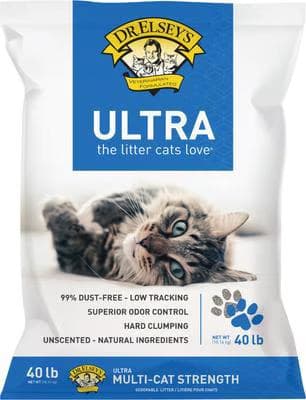
99% dust-free, low-tracking clumping clay litter with superior odor control and hard clumping. Unscented, natural ingredients, multi-cat strength.
Webvet may earn a commission when you click through to Chewy, at no extra cost to you.
Frequently Asked Questions
How serious is sneezing blood?
It depends entirely on the whole cat, not just the blood. A single small bleeding sneeze in a bright, eating, normally breathing cat is usually low urgency and warrants a prompt routine visit. Heavy or continuous bleeding, any breathing difficulty, pale gums, or collapse is a true emergency that needs a veterinarian right away.
Will a cat's upper respiratory infection go away on its own?
Mild viral upper respiratory infections in cats often improve over one to two weeks with supportive care, much like a human cold. But infections that cause bleeding, that last beyond two weeks, that worsen, or that affect appetite or breathing should be seen by a vet, since secondary bacterial infection or another cause may be involved. Do not assume it will resolve if your cat is producing blood.
Is it normal for cats to get nose bleeds?
No, a true nosebleed is not a normal or routine event in a healthy cat. Cats do not get random nosebleeds from dry air the way people sometimes do. A nosebleed (epistaxis) signals that something is going on, from minor inflammation to a foreign body, dental disease, a clotting problem, or high blood pressure, so it always deserves attention.
Can allergies cause a cat to sneeze blood?
Allergies can cause sneezing and inflamed airways, but they are a less common direct cause of frank blood than infection, foreign bodies, or dental disease. Severe, repeated allergic sneezing could theoretically irritate the nasal lining, but blood points your vet toward other causes first. If allergies are suspected, our allergies in cats guide explains how they actually present.
Is sneezing blood in cats an emergency?
Sometimes. It is an emergency when bleeding is heavy or continuous, when breathing is labored or open-mouthed, when gums are pale, or when the cat is weak or collapsed. A single small bleeding sneeze in an otherwise normal, comfortable cat is usually urgent-soon rather than urgent-now, but it still warrants a vet call.
What would cause a cat to bleed from the nose?
Common causes include upper respiratory infections, a lodged foreign body, dental or tooth-root infection, facial trauma, nasal polyps or tumors (more often in older cats), clotting disorders or rat-bait poisoning, and high blood pressure. Only an exam and tests can confirm which one applies to your cat.
What is the silent killer of cats?
The phrase silent killer is often used for chronic kidney disease in cats, and sometimes for high blood pressure and hyperthyroidism, because they progress with few obvious early signs. These conditions matter here because hypertension linked to kidney or thyroid disease can cause nosebleeds in older cats, which is one reason a senior cat with a bleeding sneeze deserves a full workup including blood pressure.
What does feline pneumonia sound like?
Pneumonia in cats often produces fast, labored, or shallow breathing, sometimes with wheezing, crackles, or a soft cough, along with lethargy and poor appetite. It is a lower-airway and lung problem, distinct from a nasal bleeding sneeze, but any cat with labored breathing, audible breathing effort, or open-mouth breathing needs emergency care regardless of cause.
Why is my cat sneezing blood but acting completely normal?
A normally behaving cat with one small bleeding sneeze most likely has minor nasal irritation or early inflammation, often from a mild infection. It is genuinely reassuring, but it is a reason to watch closely and book a routine vet visit, not to ignore it, because early dental or nasal problems can hide behind a calm cat.
What does it mean if my cat is sneezing blood from only one nostril?
One-sided bleeding shifts suspicion toward a localized problem on that side: a foreign body, an infected upper tooth root, a polyp, or a tumor. Bleeding from both nostrils more often suggests a body-wide cause like a clotting disorder or high blood pressure. Noting the side helps your vet narrow the cause faster.
Is a small spot of blood when my cat sneezes still serious?
A small, one-time spot in an otherwise bright, well-breathing cat is usually low urgency, but it is not nothing. It still earns a vet call and close monitoring, especially in a senior cat or one with known dental, kidney, or thyroid disease, because small early signs are often the easiest problems to treat.
Can a dental problem or tooth abscess make a cat sneeze blood?
Yes. An infected upper tooth root can erode toward the nasal sinus and cause one-sided discharge, bleeding, and sneezing. This is one reason vets examine the mouth and teeth carefully and sometimes image the tooth roots when investigating a cat sneezing blood.
My older cat is sneezing blood. Could it be a tumor or polyp?
It is possible, since nasal polyps and tumors are more common in older cats and can start with one-sided discharge, noisy breathing, or facial changes. It is far from the only cause, and many older cats with a bleeding sneeze turn out to have something more treatable. The right move is a prompt exam with imaging if needed, not panic and not delay.
Are there safe home remedies for a cat sneezing blood?
There is no safe at-home cure, because home care cannot diagnose or treat the underlying cause. You can keep your cat calm and quiet, avoid tilting the head back, gently offer a cool cloth on the nose bridge, and photograph what you see. Never give human medications, which can be toxic to cats.
Why is my cat still sneezing blood after antibiotics?
Continued bleeding after a course of antibiotics suggests the cause was not purely bacterial, or that more is going on, such as a foreign body, a tooth-root infection, a polyp, or a tumor. Go back to the prescribing veterinarian rather than adding home treatment, since further imaging or a different approach is likely needed.
Can stress or dry air cause a cat to sneeze blood like in humans?
Not in the same way as people. Dry indoor air alone rarely causes a cat to bleed from the nose. Stress can reactivate feline herpesvirus and trigger sneezing, which in an already inflamed nose might produce a little blood, but stress and dry air are not standalone explanations the way they can be in humans. Frank blood points your vet toward infection, foreign bodies, dental disease, or other causes.
How do vets diagnose the cause of a cat sneezing blood?
Veterinarians combine a physical and oral exam, gum-color and blood-pressure checks, bloodwork and a clotting profile, imaging such as X-rays or CT of the nose and tooth roots, and sometimes rhinoscopy with a biopsy. The mix depends on your cat's age, history, and which signs are present, which is why describing what you saw helps so much.
What should I do right now if my cat just sneezed blood?
First, check breathing and gum color. If breathing is labored or open-mouthed, gums are pale, or bleeding is heavy or continuous, go to an emergency vet now. If your cat is bright, eating, and breathing normally with just a small fleck, keep them calm and quiet, take photos or video, note the details, and call your veterinarian to arrange a prompt visit.
$65 · no membershipHave a health question about your cat?
A licensed vet can assess your cat over video and prescribe online when it's appropriate.
Talk to a vet- Licensed vets
- All 50 states
- same-day Rx
Webvet may earn a commission if you book.

Editor
The Webvet Editorial Team is the in-house group of pet-care editors and writers behind Webvet, operated by Smart Pet Collective. The team researches, writes, and maintains Webvet's pet health, behavior, and medication content. Every article follows a defined editorial process: research from reputable veterinary and scientific sources, careful drafting, mandatory review of medical content by a credentialed veterinarian, and dated publication. Health and medication articles are medically reviewed by a licensed veterinary professional before they go live and are kept current over time.
Veterinarian · BVMS MRCVS
Dr. Pippa Elliott, BVMS, MRCVS, is a veterinarian with nearly 30 years of experience in companion animal practice. Dr. Elliott earned her Bachelor of Veterinary Medicine and Surgery from the University of Glasgow. She was also designated a Member of the Royal College of Veterinary Surgeons. Married with 2 grown-up kids, Dr. Elliott has a naughty Puggle named Poggle, 3 cats and a bearded dragon.


