Anemia in Dogs: Symptoms, Causes, Diagnosis, and Treatment
Anemia in dogs is a shortage of red blood cells or hemoglobin, and pale gums with low energy are the classic signs. Here are the causes, the types, how vets diagnose it with a PCV, the treatments, what to feed an anemic dog, and the outlook.

BVMS MRCVS
Medically reviewed by Dr. Pippa Elliott, BVMS MRCVS · Last reviewed

This article contains affiliate links. Webvet may earn a commission when you buy through them, at no extra cost to you.
Anemia in dogs is a shortage of red blood cells, hemoglobin, or both, which leaves the body short of oxygen. Pale gums are the hallmark sign, and every case traces back to one of three cause groups: blood loss, red blood cell destruction, or reduced production in the bone marrow.
Anemia in dogs is not a disease on its own. It is the result of another problem, ranging from a heavy flea burden to an immune system attacking its own red cells, so the outlook and the treatment both depend on finding that underlying cause.
- 1Vets use the definition as too few red blood cells or too little hemoglobin, and anemia is always a sign of another disease rather than a disease itself.
- 2Owners usually notice pale gums, lethargy, and fast breathing as the signs, along with weakness and poor stamina.
- 3Every case falls into one of three cause groups: blood loss, red cell destruction (hemolysis), or reduced production in the bone marrow.
- 4A packed cell volume (PCV) below 35 percent is generally anemic in dogs, and a high reticulocyte count means the anemia is regenerative.
- 5White gums, collapse, or sudden weakness after bleeding or a toxin need an emergency vet the same day.

 Sponsored
Have a health question about your dog?
Talk to a licensed vet at Dutch over video or message, including nights and weekends.
Use code Pets60
Plans start at $12/month · covers up to 5 pets
- Licensed vets in most states
- Rx for 150+ conditions
- 4.7 on Trustpilot
What Is Anemia in Dogs?
Anemia in dogs means the blood carries too few red blood cells or too little hemoglobin to deliver enough oxygen to the body. The Merck Veterinary Manual defines it as a drop in red cell number, measured by red cell count or hemoglobin concentration, caused by loss, destruction, or lack of production.
VCA Animal Hospitals adds the key point for owners: anemia is not a specific disease. When you learn "my dog is anemic," the next question is always why. Hemoglobin delivers oxygen to cells, so an anemic dog shows signs of oxygen shortage.
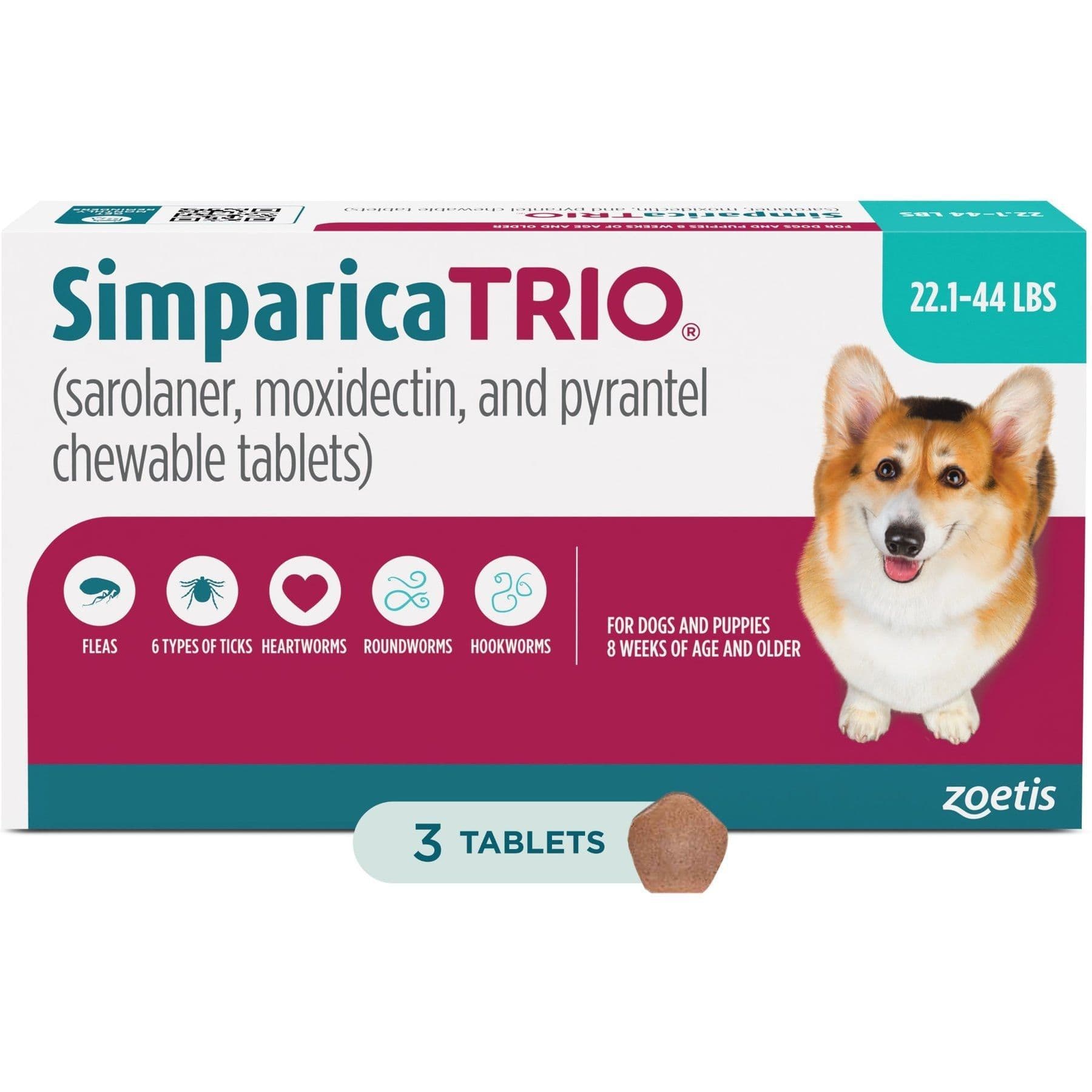
One monthly chew labeled for fleas, ticks, heartworm, and intestinal worms in dogs 8 weeks and older.
Webvet may earn a commission when you click through to Chewy, at no extra cost to you.
Pale or white gums are the easiest clue at home. Hemolytic (haemolytic) anemia means red cells are destroyed in the body, and immune-mediated hemolytic anemia (IMHA, also called AIHA or autoimmune hemolytic anemia) is the main example. Hookworms cause blood loss, mostly in puppies, and onions, garlic, zinc, and rat poisons can cause toxic anemia.
In older and senior dogs, Merck says slow bleeding from ulcers or tumors is the usual source. Sudden anemia follows rapid bleeding, including blood loss after surgery, and Merck says losing more than 30 to 40 percent of blood volume can cause shock.
Dogs with chronic kidney disease, which many owners call renal failure, often develop a non-regenerative anemia because the kidneys make less erythropoietin.
Spleen, platelets, and effects on the body
VCA lists bleeding spleen tumors and splenic torsion as causes, but veterinary references do not describe anemia specific to an enlarged spleen or to life after a splenectomy, so ask your vet about your dog's case.
They also do not cover anemia with low platelets, which needs your vet's interpretation. The side effects of anemia come from oxygen shortage: weakness, fast breathing, and a faster heart rate.
Many of these causes start with parasites. Fleas and hookworms both feed on blood, and a heavy burden, especially in a puppy, can drain enough red cells to cause anemia.
Recovery and outlook
Anemia with reticulocytosis in dogs means the marrow is releasing young red cells, a hopeful sign; anemia without reticulocytosis means it is not keeping up. Whether a dog recovers depends on the cause: when the cause can be treated, the anemia usually resolves with it.
There is no sourced natural remedy that fixes anemia. How to improve anemia in dogs comes down to finding and treating the cause, then supporting recovery.
Normal PCV range in dogs
The normal range for PCV in dogs is about 35 to 55 percent, and a PCV below 35 percent is anemic, per VCA. Your vet compares your dog's packed cell volume with that normal range to confirm anemia, then uses the reticulocyte count to judge whether the marrow is responding.
Symptoms of Anemia in Dogs
The most common symptom of anemia in dogs is pale gums: VCA calls loss of normal pink gum color, appearing pale pink to white, the most easily observed sign. Low energy and poor stamina usually come with it.

Signs owners notice
VCA and Merck list these signs and symptoms of anemia in dogs:
- Pale pink or white gums instead of normal pink
- Lethargy, listlessness, little stamina, or tiring easily on walks
- Labored or fast breathing
- A faster heart rate
- Loss of appetite and weight loss
- Collapse with exertion
- Visible signs of blood loss, such as bloody stool, urine, or vomit
Day to day, an anemic dog is often a quieter dog that tires sooner, eats less, and has washed-out gums. If your dog is eating less and tiring easily, check the gums.
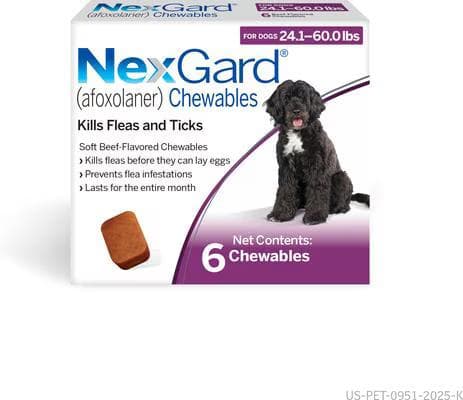
A monthly beef-flavored chew labeled to kill fleas and ticks on dogs 8 weeks and older.
Webvet may earn a commission when you click through to Chewy, at no extra cost to you.
Early signs versus severe anemia
Early signs of anemia in dogs are subtle when the anemia develops slowly. Merck says long-term anemia brings gradual loss of energy, weakness, and loss of appetite. Severe anemia in dogs looks different: after rapid blood loss, Merck describes a racing heart, pale gums, and low blood pressure.
Hemolytic and immune-mediated anemia symptoms
When red cells are destroyed, symptoms can include yellowing. Merck says hemolytic anemia can turn the whites of the eyes, skin, or gums yellow (jaundice), so check the eyes as well as the gums.
VCA says most dogs with immune-mediated or autoimmune hemolytic anemia have severe anemia with very pale gums. These dogs tire easily, may faint or seem disoriented, and breathe and beat faster than normal.
Flea and iron deficiency anemia symptoms
Flea anemia symptoms in dogs are the general anemia signs plus a visible flea burden, and puppies are the most at risk. Iron deficiency anemia symptoms in dogs build slowly because the cause is long-term, low-grade blood loss, so pale gums and fading energy may creep in over weeks.
What Causes Anemia in Dogs?
Anemia in dogs is caused by blood loss, red blood cell destruction (hemolysis), or reduced red cell production in the bone marrow. VCA groups every cause into these three categories, and the right treatment depends on which one is at work.
Blood loss
- Heavy infestations of fleas, ticks, and hookworms (VCA)
- Bleeding tumors of the intestine, kidneys, bladder, or spleen (VCA)
- Some rat poisons, which VCA treats with vitamin K1
- Ulcers or tumors that bleed slowly in older dogs (Merck)
Flea anemia in dogs is real: Merck's flea chapter states fleas feed on blood and can cause anemia. Anemia in dogs from fleas, ticks, and hookworms is a blood-loss problem, so parasite control removes the cause.
Red cell destruction (hemolysis)
VCA lists these hemolysis causes:
- Immune-mediated hemolytic anemia (IMHA)
- Blood parasites such as Babesia
- Toxins: zinc, rat poisons, onions, and garlic
- Cancer
- Mechanical damage from heartworm, splenic torsion, or heart disease
Immune mediated hemolytic anemia in dogs is when the immune system destroys its own red cells. VCA estimates about three-quarters of canine cases are primary, meaning no trigger is found. Cancer appears to be the most common cause of secondary autoimmune anemia. Treatment for immune-mediated hemolytic anemia is covered in the treatment section below.
Some foods cause anemia in dogs. Pet Poison Helpline says onion, chives, garlic, and leeks damage red blood cells, and Akita and Shiba Inu dogs are more sensitive. Among other toxins, Merck adds copper, lead, selenium, and zinc, plus fava beans.
Reduced production
VCA lists chronic kidney or liver disease, Ehrlichia infection, poor nutrition, autoimmune disease, hypothyroidism, certain toxins and drugs, and cancer. Merck says long-term kidney disease is a common cause because the kidneys make less erythropoietin, the hormone that drives red cell production. These are the main causes of non-regenerative anemia in dogs.
What is the most common reason for anemia in dogs?
Merck names two "most common" causes in different categories. Anemia of chronic disease is the most common form overall, usually mild to moderate and non-regenerative. Among hemolytic causes, immune-mediated destruction is the most common in dogs. In young animals, parasites are the usual cause of iron-deficiency anemia.
Sudden anemia usually comes from acute bleeding, a toxin, or an IMHA crisis. Bleeding and red cell destruction are the usual causes of regenerative anemia.
The anemia causes table below sets out each cause, whether it is regenerative, its treatment, and its outlook.
| Cause | Cause group | Regenerative or not | Main treatment | Outlook |
|---|---|---|---|---|
| Fleas, ticks, hookworms | Blood loss | Usually regenerative after 3 to 5 days | Parasite control, deworming, transfusion if severe | Good for hookworm anemia with treatment; poorer if transfusion was needed |
| Bleeding tumor or ulcer | Blood loss | Usually regenerative; chronic loss can become iron deficient | Find the bleed, surgery, iron | Depends on the tumor |
| IMHA | Destruction | Usually regenerative; about 30 percent nonregenerative at diagnosis | Prednisone, added immunosuppressants, clot prevention, transfusion | Death in 20 to 75 percent of cases; PCV monitored every 1 to 3 weeks |
| Onion, garlic, zinc | Destruction | Usually regenerative | Remove the source, supportive care | Zinc can be fatal without therapy |
| Babesia, Ehrlichia | Destruction or production | Varies | Antibiotics such as doxycycline for infection | Depends on the infection |
| Kidney disease | Reduced production | Non-regenerative | Treat the kidney disease, erythropoiesis-stimulating drugs with iron | Tied to the kidney disease |
| Chronic disease | Reduced production | Non-regenerative, mild to moderate | Treat the underlying disease | Corrects when the disease is treated |
| Bone marrow disease, leukemia | Reduced production | Non-regenerative | Bone marrow evaluation, chemotherapy | Poor; about 30 percent respond to chemotherapy in acute lymphoblastic leukemia |
VCA uses a PCV below 35 percent as the anemia cutoff. Veterinary references give a normal range rather than fixed mild, moderate, and severe bands, so your vet reads the number against your dog's history, how fast it fell, and how the dog looks.
 Sponsored
Vet care that's always there
Unlimited video calls and messaging with licensed vets for less than a typical vet visit. One membership covers up to five pets.
Use code Pets60
Plans start at $12/month · covers up to 5 pets
- Licensed vets in most states
- Rx for 150+ conditions
- 4.7 on Trustpilot
Types of Anemia in Dogs: Regenerative vs Non-Regenerative
Regenerative anemia in dogs means the bone marrow is responding by releasing new red cells, while non-regenerative anemia means the marrow response is inadequate. Merck says anemia from bleeding or red cell destruction is usually regenerative.
VCA explains that reticulocytes are immature red cells released early. More reticulocytes mean the anemia is responsive. Merck's professional chapter gives the regenerative thresholds for dogs: more than 60,000 reticulocytes per microliter, or a corrected reticulocyte percentage above 1 percent.
Pre-regenerative anemia
Merck says a regenerative response takes 3 to 5 days from onset, so early bleeding or hemolysis can look non-regenerative until the marrow catches up. This is pre-regenerative anemia.
Hemolytic anemia in dogs
Hemolytic anemia in dogs is usually regenerative, but not always. The ACVIM consensus statement on diagnosing IMHA says about 30 percent of IMHA dogs show non-regenerative anemia at diagnosis, so a low reticulocyte count does not rule IMHA out. Treatment for hemolytic anemia in dogs is in the treatment section.
Non-regenerative anemia in dogs
Merck lists nutritional deficiencies, chronic disease, kidney disease, and bone marrow disease as causes. Anemia of chronic disease in dogs is typically mild non-regenerative anemia that resolves when the disease is treated. Bone marrow failure, including aplastic causes where the marrow stops producing cells, sits at the severe end.
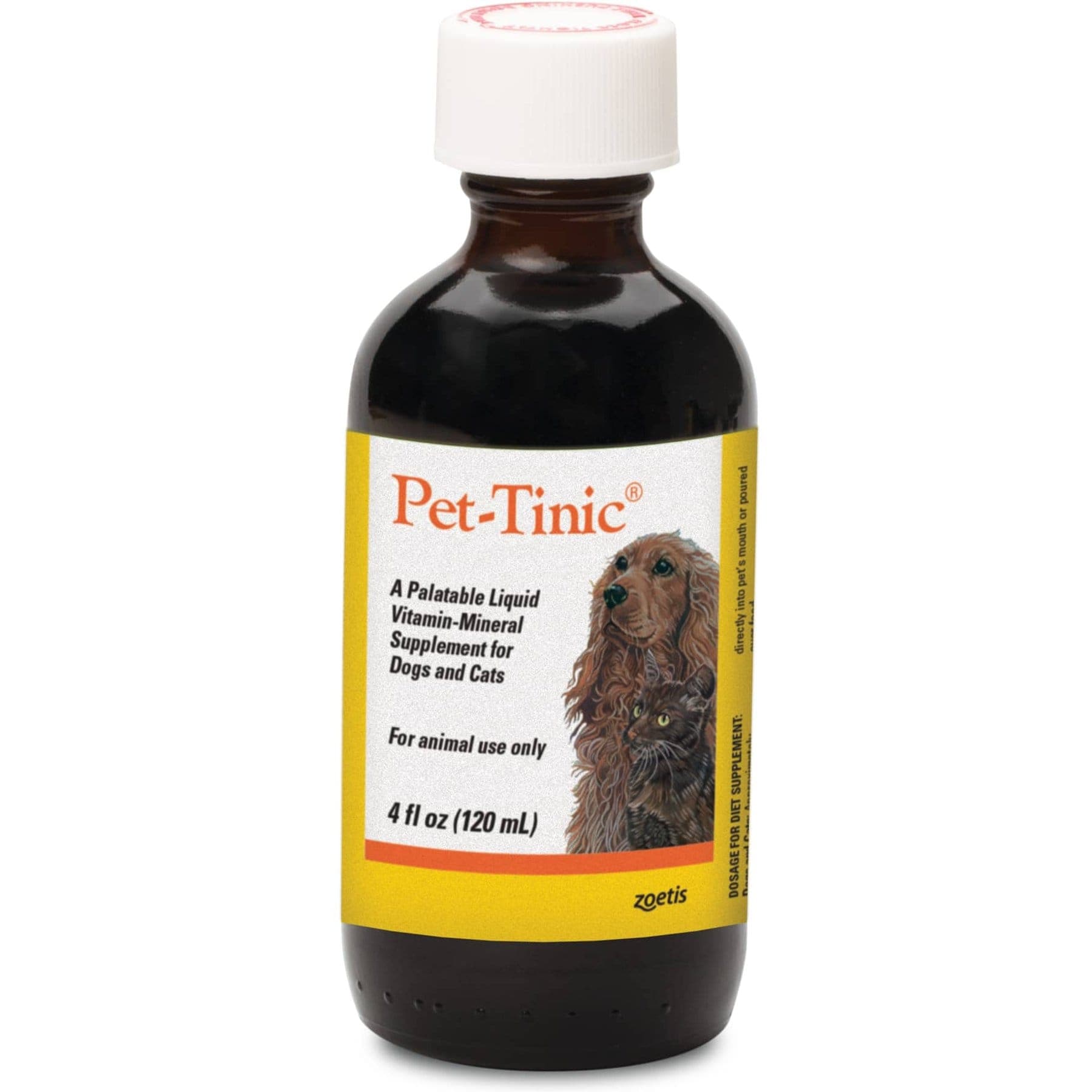
A liquid iron and B-vitamin supplement for dogs and cats, for use once your vet confirms iron is needed.
Webvet may earn a commission when you click through to Chewy, at no extra cost to you.
There is no single published life expectancy for non-regenerative or hemolytic anemia; the outlook depends on the cause and how fast it is treated.
How Is Anemia in Dogs Diagnosed?
Anemia in dogs is diagnosed with a blood test, most often the packed cell volume (PCV), also called the hematocrit. VCA says normal dogs have 35 to 55 percent red blood cells in their blood, and below 35 percent is generally considered anemic.

Merck says a complete blood count (CBC) shows how severe the anemia is, how strongly the marrow is responding, and what the other blood cells look like. The reticulocyte count on that panel is what separates regenerative from non-regenerative anemia. Owners comparing fees can read our guide to dog bloodwork cost.
Further tests depend on the first results:
- Fecal parasite exam: VCA says this is important to find intestinal parasites causing blood loss.
- Blood smear: VCA says IMHA shows low red cell numbers with abnormal cell size and shape, sometimes with clumping (autoagglutination).
- X-rays: Merck says these can find hidden causes, such as a penny in a puppy's stomach causing zinc poisoning.
- Bone marrow evaluation: Merck says this is typical for unexplained non-regenerative anemia and needs sedation or anesthesia.
- History: Merck says vets ask about rodent poisons, heavy metals, toxic plants, drugs, vaccines, and travel.
Treatment for Anemia in Dogs
Treatment for anemia in dogs targets the underlying cause, and the right plan depends on whether the dog is losing, destroying, or failing to make red cells.
Iron deficiency anemia in dogs
Iron deficiency anemia in dogs is treated with oral or injectable iron, and Merck says the source of blood loss must also be corrected. Iron is a vet-directed treatment, and it only helps when iron deficiency is the problem.
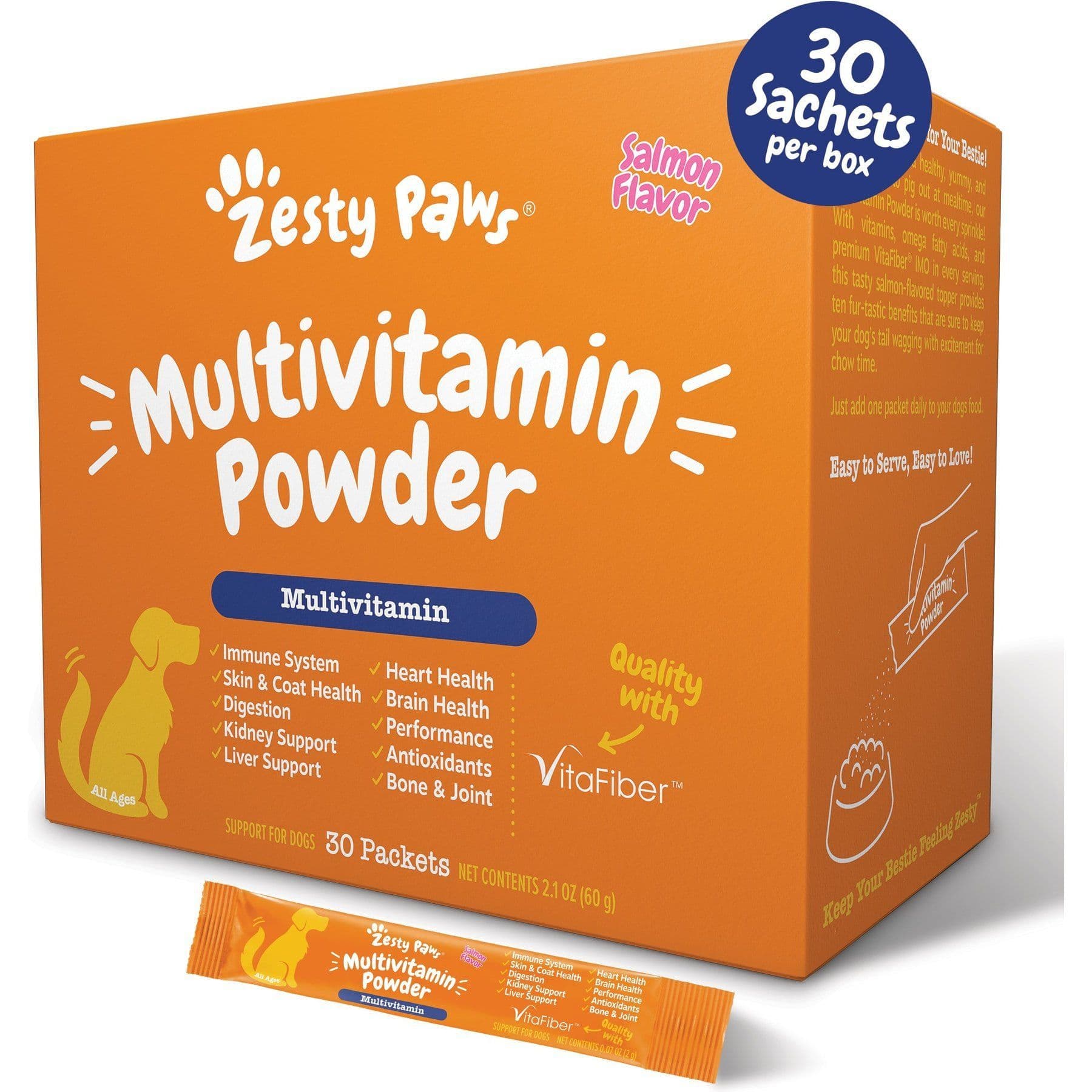
A salmon-flavored multivitamin topper with B vitamins and folic acid for general recovery support.
Webvet may earn a commission when you click through to Chewy, at no extra cost to you.
Treatment by cause
VCA lists these targeted treatments:
- Corticosteroids for autoimmune anemia
- Dewormers for hookworms and other parasites
- Vitamin K1 for some rodenticide poisonings
- Antibiotics such as doxycycline for infections like Ehrlichia
- Surgery for a damaged or bleeding spleen or liver
For kidney-related anemia, Merck says erythropoiesis-stimulating drugs can help, and supplemental iron is required while a dog is on them. For anemia of chronic disease, treating the underlying disease corrects the anemia.

Blood transfusion for anemia in dogs
VCA says a blood transfusion is needed when anemia is life threatening. It stabilizes the dog and buys time while the cause is found; it is not the cure.
Merck says losing more than 30 to 40 percent of total blood volume can cause shock and death unless treated quickly with IV fluids or transfusions. ACVIM strongly recommends packed red blood cells for IMHA dogs showing signs of poor oxygen delivery. Costs vary widely; see emergency vet cost.
Immune-mediated hemolytic anemia treatment
Merck's professional chapter calls prednisone or prednisolone at 2 mg/kg by mouth every 24 hours the first-line drug for IMHA. For life-threatening or transfusion-dependent cases, mycophenolate, cyclosporine, or azathioprine may be added. ACVIM strongly recommends against cyclophosphamide.
ACVIM says pulmonary thromboembolism is a prominent cause of illness and death in IMHA, and Merck says clot prevention should start at diagnosis and continue until remission. ACVIM advises cutting the steroid dose by 25 percent only after the PCV has stayed above 30 percent for 2 weeks and the other markers are improving.
How to take care of a dog with anemia?
Care at home means giving every medication exactly as prescribed, keeping rechecks, and watching gum color and energy. For IMHA, VCA says follow the taper schedule and watch closely for relapse as doses drop. ACVIM recommends a PCV check before any dose reduction and every 1 to 3 weeks during treatment.
Recovery days are also about appetite. Some owners use a meal-topper to encourage a slow eater; Zesty Paws describes its salmon Multivitamin Powder as a topper with B vitamins, biotin, B12, and folic acid. It lists no iron and makes no anemia claim, so it is general support only.
If iron support is part of your vet's plan, a Pet-Tinic Liquid Vitamin-Mineral Dog & Cat Supplement is one option to ask about. Keep exercise gentle while the count recovers, since VCA notes anemic dogs may tire quickly on exertion.
Natural and home remedies for anemia in dogs
Many owners hope to treat anemia at home naturally. Veterinary references do not support a home remedy or natural treatment that treats anemia; home care supports the vet plan rather than replacing it.
Can anemia in dogs be cured?
Anemia in dogs can be cured when the cause can be removed: parasites cleared, a toxin stopped, a bleeding source repaired. Immune-mediated disease is controlled rather than cured, and VCA says relapses are common during the drug taper.
When no outside bleeding is visible, Merck says the vet will look for hidden sources such as a ruptured spleen tumor, a stomach ulcer, or a bleeding disorder. Blood in the urine or vomit is a clue worth reporting; see dog peeing blood and dog vomiting blood.
What is the quickest way to reverse anemia?
No primary source describes a quick reversal of anemia in dogs. The fastest measure is a blood transfusion, which stabilizes a dog in crisis. Lasting recovery depends on treating the cause, and Merck notes that a regenerative response takes 3 to 5 days to begin.
What to Feed an Anemic Dog
An anemic dog should eat a complete, balanced diet it will accept, because diet supports recovery but does not treat the cause. Merck says iron deficiency is the most common deficiency in dogs but is rarely nutritional in origin; it usually follows blood loss.

VCA agrees that iron deficiency is usually secondary to chronic blood loss. It is occasionally seen in puppies fed very poor diets or with severe hookworm infections. Merck explains that nutritional-deficiency anemia happens when the nutrients needed to build red cells are inadequate.
Merck also notes that young animals store little iron and milk contains little, so a vet may recommend oral iron for anemic newborns. For adults, the vet will hunt for hidden blood loss, which is why feeding alone does not fix anemia in dogs.
What is the best food for an anemic dog?
No primary veterinary source names a best food for an anemic dog or a dietary iron dose for an adult. The sourced approach is a complete and balanced diet, iron given as a vet-directed supplement when needed, and treatment of the cause. If appetite drops, tell your vet early.
Practical feeding points for an anemia in dogs diet:
- Keep feeding a complete and balanced food rather than an unbalanced homemade mix.
- Never add onion, garlic, chives, or leeks; these damage red blood cells.
- Ask before adding any iron product, since iron only helps true iron deficiency.
- Report a poor appetite early, because weight loss is itself a sign of ongoing anemia.
Deaths from anemia in dogs are tied to the untreated causes, such as heavy bleeding or IMHA, not to the food bowl, which is why the cause comes first.
Can a Dog Recover From Anemia? Prognosis and Life Expectancy
Many dogs recover fully from anemia, and the prognosis depends on the cause and the dog's condition at diagnosis. VCA says early diagnosis in a relatively healthy dog gives a good prognosis, while severe anemia from toxins, cancer, autoimmune disease, or trauma is less favorable.
Is anemia in dogs fatal? It can be. Anemia in dogs prognosis by cause, from the sources:
- Hookworm anemia: VCA says a good prognosis for full recovery with treatment, poorer in severe cases needing transfusion.
- IMHA: Merck says it causes death in 20 to 75 percent of affected animals, depending on severity and clotting. ACVIM describes the disease as carrying considerable illness and death. Rapid red cell drops, high white cell counts, abnormal bruising, and excessive clotting may signal higher risk.
- Anemia of chronic disease: corrects when the underlying disease is treated.
- Acute lymphoblastic leukemia: Merck says about 30 percent respond to chemotherapy, and about half survive at least 4 months.
- Pyruvate kinase deficiency: no treatment, and a shortened life span.
- Phosphofructokinase deficiency: possibly normal life expectancy if excitement and heavy exercise are limited.
What is the life expectancy of a dog with anemia?
No primary source gives one life expectancy for anemic dogs. Life expectancy depends on the cause: a dog with treated parasite anemia can live a normal life, IMHA carries 20 to 75 percent mortality, and leukemia or bone marrow failure carries a poor outlook. Ask your vet for the figure that fits your dog's diagnosis.
When to put a dog down with anemia?
No primary source sets a euthanasia decision point for anemia in dogs. That decision belongs to you and your treating vet, based on the cause, response to treatment, and quality of life. Merck notes that in myelodysplastic syndrome, many affected animals are euthanized or die of sepsis, bleeding, or anemia.
How to Prevent Anemia in Dogs
Prevent anemia in dogs mainly through year-round flea and tick control, routine deworming, and keeping onions, garlic, and zinc out of reach. Not every cause is preventable, IMHA included, but parasite and toxin causes are.
Merck's flea chapter says fleas feed on blood and can cause anemia, and VCA lists ticks as blood-sucking parasites and Babesia and Ehrlichia as anemia-causing infections. Read more on ticks on dogs symptoms and treatment and tick-borne diseases in dogs.
Choosing a preventive is a real decision. Simparica Trio Chewable Tablet for Dogs is labeled for fleas, ticks, heartworm, and intestinal worms in dogs 8 weeks and older, while NexGard Chewables for Dogs is labeled for fleas and ticks only. Compare options in our best flea and tick prevention for dogs guide.
- Use a vet-approved flea and tick preventive every month.
- Deworm puppies at 2 to 3 weeks of age and deworm nursing mothers at the same time (VCA).
- Keep onion, garlic, chives, and leeks away from dogs, especially Akita and Shiba Inu breeds.
- Store coins, galvanized hardware, metal pieces, and diaper rash creams out of reach; these are zinc sources.
- Keep rodent poisons where dogs cannot reach them.
Zinc deserves extra care. Pet Poison Helpline says zinc from coins, hardware, or creams can destroy red blood cells and be fatal without therapy, and removing a swallowed coin is important to prevent severe anemia.
When to See a Vet
See a vet whenever your dog has pale gums plus lethargy, because VCA says that combination means blood tests are needed. Some signs are emergencies that cannot wait.
Merck also warns that IMHA can show mild, slow signs or appear suddenly as a severe crisis. A dog that was lethargic for days and then weakens fast needs same-day care. Blood lost through the gut is also urgent; see hemorrhagic gastroenteritis in dogs.
Anemia in Dogs FAQs
Frequently Asked Questions
Can a dog heal from anemia?
Yes, most dogs can heal when the underlying cause is found and treated early. A regenerative anemia, where the marrow is already making new red cells, is a hopeful sign, and VCA says early diagnosis in a relatively healthy dog carries a good prognosis.
Do dogs with anemia feel pain?
Anemia itself is generally not painful; the main effects are weakness, fatigue, and fast breathing. Merck notes that dogs with IMHA may not appear to be in any pain, and no primary source addresses pain from anemia in general, though the underlying cause can hurt.
What dog food is high in iron?
No primary veterinary source ranks dog foods, liver-based or otherwise, by iron content. Merck says iron deficiency in dogs is rarely nutritional, so vets treat it with vet-directed iron and by stopping the blood loss.
What do anemic gums look like in dogs?
Anemic gums look pale pink to white instead of a healthy pink. VCA calls this loss of color the most easily observed sign. Yellow-tinged gums can point to red cell destruction, and white gums are an emergency.
Can fleas cause anemia in dogs?
Yes. Merck says fleas feed on blood and can cause anemia, and VCA says heavy infestation by blood-sucking parasites can cause blood-loss anemia, especially in puppies. Veterinary references give no a specific flea count that triggers anemia.

Editor
The Webvet Editorial Team is the in-house group of pet-care editors and writers behind Webvet, operated by Smart Pet Collective. The team researches, writes, and maintains Webvet's pet health, behavior, and medication content. Every article follows a defined editorial process: research from reputable veterinary and scientific sources, careful drafting, mandatory review of medical content by a credentialed veterinarian, and dated publication. Health and medication articles are medically reviewed by a licensed veterinary professional before they go live and are kept current over time.
Veterinarian · BVMS MRCVS
Dr. Pippa Elliott, BVMS, MRCVS, is a veterinarian with nearly 30 years of experience in companion animal practice. Dr. Elliott earned her Bachelor of Veterinary Medicine and Surgery from the University of Glasgow. She was also designated a Member of the Royal College of Veterinary Surgeons. Married with 2 grown-up kids, Dr. Elliott has a naughty Puggle named Poggle, 3 cats and a bearded dragon.
Related reading

Dog Muscle Spasms and Twitching: Causes, Symptoms, and When to Worry

Seizures in Dogs: Types, Causes, What to Do, and Treatment

Lethargy in Dogs: Causes, Symptoms, and When It Is an Emergency
