Lethargy in Dogs: Causes, Symptoms, and When It Is an Emergency
Lethargy in dogs is abnormally low energy and a dog that does not respond the way it normally does, which is different from tiredness. Here are the causes vets see most, the companion signs that change urgency, and when lethargy is an emergency.

BVMS MRCVS
Medically reviewed by Dr. Pippa Elliott, BVMS MRCVS · Last reviewed

This article contains affiliate links. Webvet may earn a commission when you buy through them, at no extra cost to you.
Lethargy in dogs is abnormally low energy and reduced response: a dog that is not acting like itself, sleeps more than normal, and shows little interest in walks, food, or play. It is different from the tiredness after a long hike, and the second sign decides how fast you need a vet.
Most cases of lethargy in dogs point to an underlying problem rather than a disease of its own. Infection, pain, metabolic disease, heart disease, toxins, medications, and heat can all cause it, and some of those causes need same-day care.
- 1The definition of lethargy and how it differs from tiredness come down to one idea: tiredness follows activity and passes with rest, while lethargy is a drastic drop in a dog's usual energy and response.
- 2The companion signs that change urgency (vomiting, pale gums, fever, limping, collapse) matter more than the lethargy itself.
- 3VCA Animal Hospitals treats a dog that is hard to wake, cannot get up when prompted, or has collapsed as an emergency.
- 4VCA gives a normal dog temperature of 100.5 to 102.5 F, and Merck places true fever at 103 to 106 F.
- 5Treatment always follows the cause, so a lethargic dog with any second sign needs a vet exam rather than home remedies alone.

 Sponsored
Have a health question about your dog?
Talk to a licensed vet at Dutch over video or message, including nights and weekends.
Use code Pets60
Plans start at $12/month · covers up to 5 pets
- Licensed vets in most states
- Rx for 150+ conditions
- 4.7 on Trustpilot
What Is Lethargy in Dogs?
Lethargy in dogs is a marked drop in energy and responsiveness that goes beyond normal tiredness. VCA Animal Hospitals separates the two directly: pets do get tired after extended activity, but a drastic change in usual energy levels may signal a more serious issue.
VCA describes a lethargic pet as one that is not acting like itself, for example not wanting to get up to go outside or join normal activities, and sleeping more than normal. No primary source sets how many hours of low energy count as lethargy; your dog's own baseline is the yardstick.
A sick, lethargic dog rarely shows only one sign. Owners looking for help usually describe a pairing:
- A dog that threw up and is lethargic, or is dry heaving
- A dog that won't eat and is lethargic, with a lack of appetite
- A dog that is lethargic and drinking lots of water
- A dog that is constipated and lethargic
- A sick dog with a runny nose and low energy
- A dog that is lethargic and won't open its eyes, or can't jump onto the couch
Checking a temperature is one of the quickest ways to add facts before you call. VCA gives a normal dog range of 100.5 to 102.5 F, and fever is one of the most common partners of lethargy.
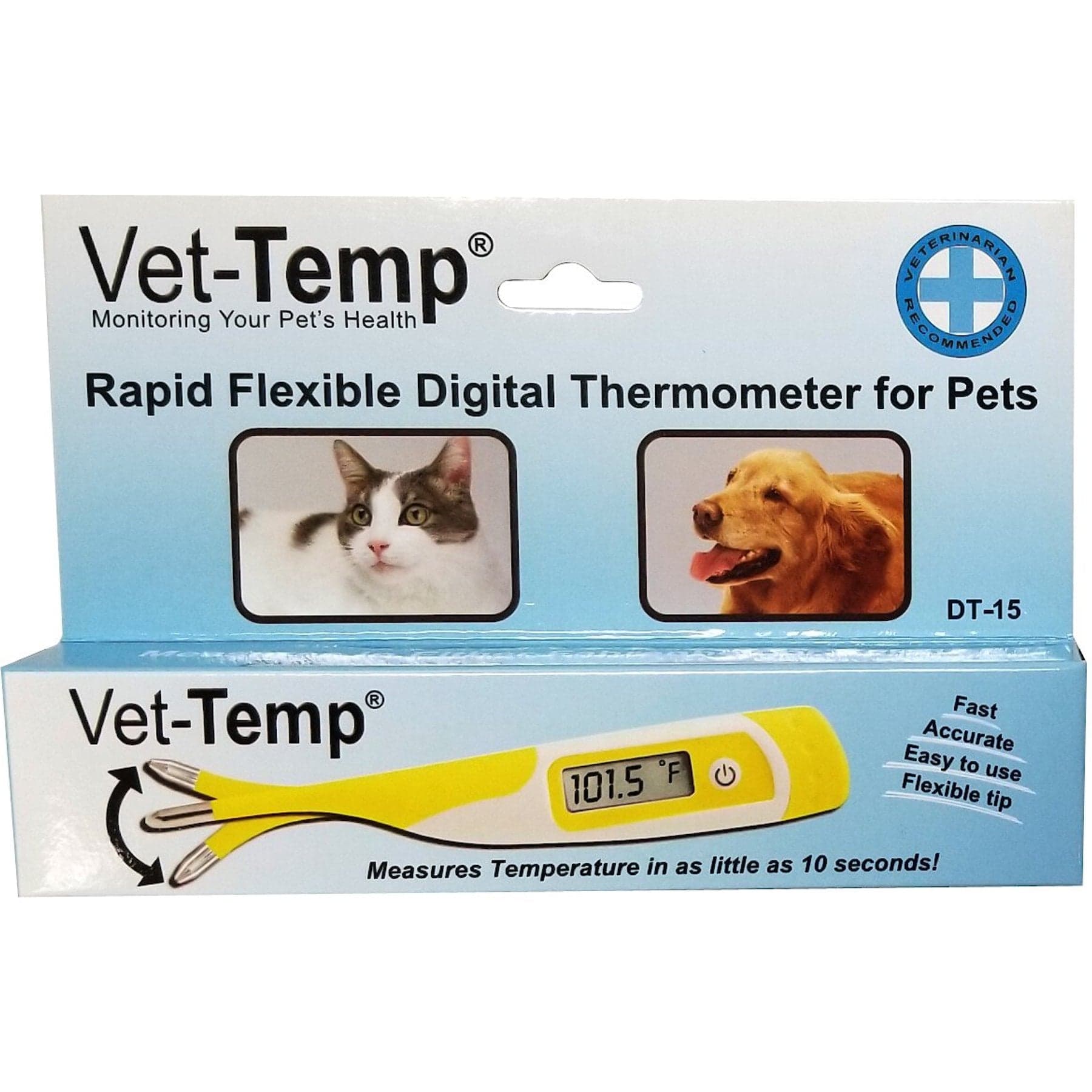
A flexible-tip digital thermometer for checking your dog's temperature at home before you call the vet.
Webvet may earn a commission when you click through to Chewy, at no extra cost to you.
Each of those second signs narrows the cause, and the sections below sort them by urgency. A lethargic Chihuahua is judged by the same signs as a dog of any other size.
Other pairings owners report point in more specific directions:
- Can't stand or walk: a lethargic dog that can't stand up, can't walk, or keeps falling over meets VCA's emergency marker of a pet that cannot get up or walk when prompted.
- Head down: a dog walking with its head down and lethargic may be in pain, which VCA says dogs instinctively hide.
- Hot to the touch: a dog that feels hot or warm and is lethargic may have a fever, which only a thermometer confirms.
- Foaming at the mouth: pair this with lethargy and think of toxins; VCA lists lethargy among the neurologic effects of drug toxicity.
- Goopy eyes, a hot spot, or lethargy in the morning: none of these points to one specific cause, so note them and mention them to your vet.
- Prednisone or a Seresto collar: veterinary references do not single these out as causes of lethargy, so ask the vet who prescribed or recommended them if the change started afterward.
Can lethargy kill a dog? Lethargy itself is a sign, not a disease, but the cause can be fatal. Merck warns that sudden anemia from rapid blood loss can cause shock and even death, which is why a second sign matters so much.
A dog that isn't eating and is lethargic, or has been sick and stays lethargic, needs the same check for companion signs.
A dog that yelps when picked up and is lethargic may be in pain, which VCA says dogs instinctively mask. How long does lethargy last? As long as its cause: VCA expects post-vaccine low energy to resolve within 24 to 48 hours and calls a high fever lasting more than 48 hours serious.
Lethargy vs Normal Tiredness: How to Tell the Difference
The definition of lethargy in dogs is low energy and dull response that does not lift with rest or attention. To define it in practice: a tired dog perks up when something interesting happens, while a lethargic dog keeps acting lethargic even when offered a walk, a treat, or company.

Use these contrasts to tell a sleepy dog from a lethargic one:
- Trigger: tiredness follows exercise, a long day, or travel; lethargy shows up without a clear reason or lasts past normal rest.
- Response: a tired dog wakes easily and responds to its name; VCA lists a dog that is difficult to wake up as an emergency marker.
- Movement: a tired dog can stand and walk when asked; VCA flags a dog that can't get up or walk when prompted.
- Interest: a tired dog still shows interest in food and favorite people; a lethargic dog ignores them while lying flat.
What does lethargy look like in dogs at home? The at-home signs are consistent:
- Lying flat in one spot and slow to lift the head
- No interest in the door, the leash, or the food bowl
- In a lethargic puppy, much less play than usual
- A puppy acting drunk, lethargic, and wobbly, which is not just tiredness and needs a vet
Having supplies ready makes the next step easier if a quiet day turns into a minor scrape or a long night of watching.
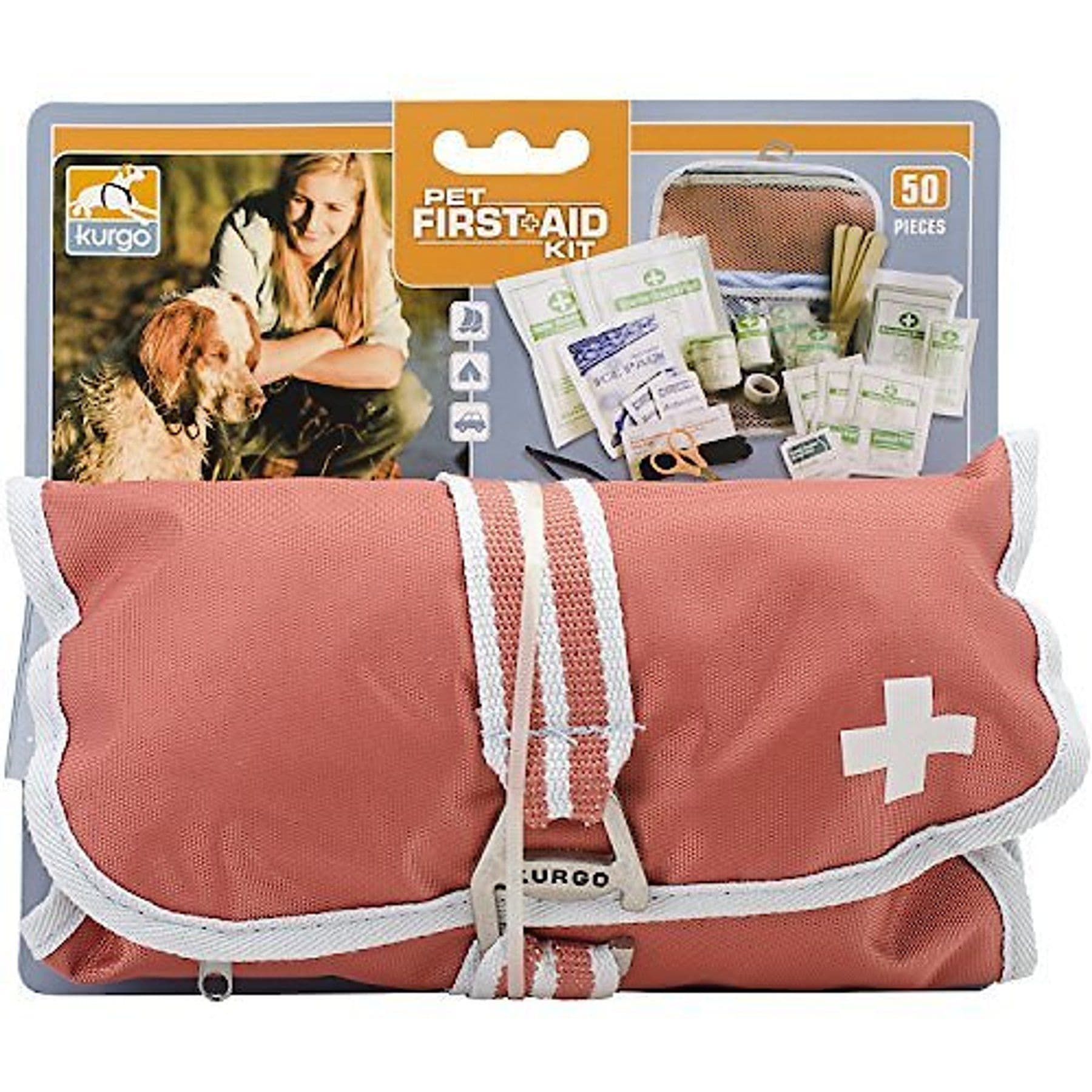
A 50-piece dog first aid kit with a first aid guide, cold pack, tweezers, and thermal blanket for home and travel.
Webvet may earn a commission when you click through to Chewy, at no extra cost to you.
A dog acting lethargic after a bath or after grooming is often simply worn out by the handling, and should be back to normal after rest. If it is not, or a second sign appears, treat it as lethargy rather than tiredness.
Crying when you leave the room is a different problem. That is distress, not low energy, and separation anxiety in dogs covers why it happens and how to help.
Symptoms That Come With Lethargy in Dogs
Lethargic dog symptoms are most useful in pairs, because the second sign tells you what is likely going on. VCA notes that most dogs with a fever are lethargic, reluctant to move, and have a loss of appetite, so a dog with fever and lethargy is a very common combination.
These are the companion signs that show up most often, and what they point to:
- Not eating: a dog not eating and lethargic, or with no appetite at all, fits fever, infection, and anemia. See dog eating less for appetite changes on their own.
- Not eating or drinking: a dog lethargic and not eating or drinking risks dehydration; Merck notes fever itself can lead to loss of appetite, loss of energy, and dehydration.
- Shaking or shivering: a dog that is lethargic and shivering, or lethargic, shaking, and not eating, can have fever or pain. Why is my dog shaking lists the other causes.
- Vomiting: a dog shaking, vomiting, and lethargic, or a puppy vomiting and lethargic, fits gastrointestinal disease and, in young dogs, parvovirus. Read dog vomiting and diarrhea for the gut-focused view.
- Panting: a dog lethargic and panting, especially on a warm day, fits heatstroke, which VCA describes with excessive panting, lethargy, and distress.
- Wobbly or weak: a dog that is wobbly and lethargic, or weak and lethargic, fits toxins and low blood counts. Lethargy and weakness in dogs together are a stronger warning than either alone.
- Pale gums: a dog with pale gums that is lethargic fits blood loss or anemia. Merck says rapid blood loss brings an increased heart rate, pale gums, and low blood pressure.
- Collapse: VCA says collapse should always be treated as a medical emergency.
For fever specifically, the Merck Veterinary Manual puts true fever at 103 to 106 F, and its emergency page gives a normal rectal temperature of about 101.5 to 102 F. VCA's normal range is slightly wider, at 100.5 to 102.5 F, so the sources differ by a fraction of a degree.
Other signs owners notice alongside lethargy do not point to a single cause, but they are worth reporting to your vet:
- Licking lips or drooling, which can accompany nausea before vomiting
- Labored breathing, or a dog that will not open its eyes
- Tail held down and a general hunched, quiet posture
- Being off her food, or bad breath alongside low energy
- Limping, in a puppy or an adult dog, which VCA's pain guidance links to reduced activity
- Being unusually thirsty and drinking lots of water
- Bloodshot eyes
- Yelping when picked up, a pain sign that fits VCA's warning that dogs mask pain
- Shaking or shivering in a dog of any size; a lethargic Pug gets the same workup as any other dog
A dog that is suddenly wobbly and lethargic needs a vet, not home remedies. If your dog is lethargic but eating and drinking, the section below covers that pattern.
An old dog not eating and lethargic deserves the same attention as a young one. If your dog is still drinking but refusing food, dog not eating but drinking water walks through that specific pattern.
What are three signs your dog is suffering?
Three signs the veterinary sources name are reduced energy, changed sleep, and hiding. VCA lists less energy or endurance for walks and play as a pain sign, notes that some dogs in pain sleep more while others sleep less, and says dogs instinctively hide or mask pain.
VCA also lists distress alongside heavy panting in heatstroke.
 Sponsored
Vet care that's always there
Unlimited video calls and messaging with licensed vets for less than a typical vet visit. One membership covers up to five pets.
Use code Pets60
Plans start at $12/month · covers up to 5 pets
- Licensed vets in most states
- Rx for 150+ conditions
- 4.7 on Trustpilot
What Causes Lethargy in Dogs?
Lethargy in dogs is caused by an underlying problem, and the main groups are infection, pain, metabolic disease, heart disease, toxins, and medications. Merck lists infections, immune-mediated diseases, and cancer as the most common causes of fever of unknown origin in dogs.
The cause groups, with the sourced detail for each:
- Infection: parvovirus in young dogs, and tick-borne infections such as Lyme disease, which Merck links to lack of energy and swollen lymph nodes. Tick borne diseases in dogs covers the wider group, and gastroenteritis in dogs covers gut inflammation.
- Metabolic disease: Merck says hypothyroidism causes mental dullness, lethargy, and unwillingness to exercise, and it is most common in dogs 4 to 10 years old.
- Heart disease: VCA names heart disease alongside hypothyroidism as a cause of reduced stamina.
- Anemia: Merck lists loss of energy, weakness, and loss of appetite in long-term anemia. Anemia in dogs explains the types.
- Toxins and medications: VCA lists lethargy, incoordination, seizures, and coma among the neurologic effects of over-the-counter drug toxicity.
Pain is easy to miss as a cause. VCA says dogs have an instinct to hide or mask pain, and lists less energy or decreased endurance for walks, ball games, or swimming as a pain sign. A puppy lethargic after a fall, or any dog suddenly reluctant to move, may be hurting.
A dog with joint or back pain often rests more and moves less, and a supportive bed gives it a comfortable place to lie while you work out the cause with your vet.

A large orthopedic dog bed with a headrest pillow top for dogs who are resting more than usual.
Webvet may earn a commission when you click through to Chewy, at no extra cost to you.
Many owners first notice low energy after a procedure or a change in routine. The common situations:
- After vaccines: VCA says a dog may be less lively a day or two after a vaccination, and this should resolve within 24 to 48 hours. That applies whether the dog is lethargic after a rabies shot, a lepto vaccine, or a Lyme vaccine, and a puppy lethargic after a rabies shot follows the same pattern.
- After surgery, neutering, or a vet visit: recovery times vary with the procedure, so follow the discharge instructions and call the clinic if your dog is very lethargic or a second sign appears.
- After medications: lethargy after heartworm treatment or deworming is a question for the prescribing vet, since medications are one of the named cause groups.
- After hydrogen peroxide: a dog lethargic after someone gave hydrogen peroxide at home to cause vomiting needs a call to the vet now.
- Hot weather: dogs can be lethargic in heat and hot weather; VCA lists lethargy with excessive panting as a heatstroke sign, so a hot, lethargic dog needs cooling and a vet.
- Winter cold: veterinary references do not single out cold weather as a cause of lethargy; if your dog slows down in winter, look for the usual causes first.
- A female dog in heat or after a heat cycle: veterinary references do not single out a heat cycle as a cause of lethargy, so check for the same companion signs as any other time.
- Cortisone or steroid shots: medications are one of the recognized cause groups, so ask the vet who gave the shot what to expect afterward.
- Bee stings: lethargy after a sting deserves a call, and swelling of the face or trouble breathing needs a vet now.
- Frontline, Seresto, and other flea products: if lethargy starts after an application, call your vet or the manufacturer.
- After grooming: a dog that stays lethargic after rest following grooming needs the same checks as any other lethargic dog.
- After boarding, a kennel stay, or doggy daycare: a dog very lethargic after boarding gets checked for the same companion signs as any other dog.
Merck notes that fever can lead to dehydration, so whatever the cause turns out to be, a lethargic dog should always have fresh water close to where it rests.
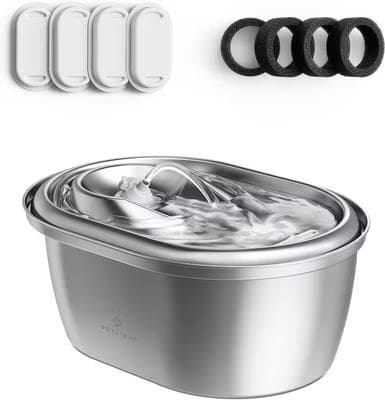
A 3-liter stainless steel fountain with filtration that keeps fresh water within reach of a dog who is resting more.
Webvet may earn a commission when you click through to Chewy, at no extra cost to you.
Can worms cause lethargy in dogs? Ask your vet about a fecal test if your dog is lethargic and losing condition, since a stool check is a routine part of finding the cause.
Lethargy on a raw diet has no special rule either, and a dog that has been sick and stays lethargic afterward should go back to the vet.
What are common causes of lethargy in dogs?
The common causes fall into a few groups covered above:
- Infection, including parvovirus and Lyme disease
- Pain, which dogs tend to hide
- Metabolic disease such as hypothyroidism, and heart disease
- Anemia and blood loss
- Toxins and medications
- Heat, which can progress to heatstroke
Sudden Lethargy in Dogs: Causes That Need Same-Day Care
Sudden lethargy in dogs needs same-day care when it comes with a second warning sign, because heatstroke, parvovirus, blood loss, and an Addisonian crisis can all start this way.
A dog suddenly lethargic or extremely lethargic, whether a Great Dane or a toy breed, should not be left to sleep it off.

The causes that most often need same-day or emergency care:
- Heatstroke: VCA calls hyperthermia an immediate medical emergency and considers a body temperature over 103 F abnormal; signs include lethargy, disorientation, bruising in the gums, and seizures.
- Parvovirus: Merck lists anorexia, lethargy, vomiting, and diarrhea that is often bloody, most often in unvaccinated dogs 6 weeks to 6 months old.
- Rapid blood loss: Merck warns sudden anemia can cause shock and even death if more than a third of the blood volume is lost quickly and not replaced.
- Addisonian crisis: VCA calls this a medical emergency, and lethargy is one of its early, vague signs.
Use this triage table to match the second sign to the likely causes and how fast to act.
| Lethargy plus | Likely causes | How fast to act |
|---|---|---|
| Collapse or cannot stand | Shock, blood loss, heatstroke, Addisonian crisis | Emergency now |
| Pale gums or white gums | Blood loss, anemia | Emergency now |
| Hard to wake | Toxins, severe illness | Emergency now |
| Heavy panting after heat | Heatstroke | Emergency now |
| Vomiting and bloody diarrhea in a young dog | Parvovirus | Same day |
| Fever over 103 F | Infection, immune disease, cancer | Same day |
| Limping or reluctance to move | Pain, tick-borne disease | Same day or next day |
| Mild low energy after a vaccine | Normal vaccine response | Watch 24 to 48 hours |
| Eating and drinking, slow over weeks | Hypothyroidism, heart disease, pain | Book a vet visit |
Merck reports that 70 to 90 percent of dogs with parvovirus survive with appropriate supportive care, which is why getting a lethargic, vomiting puppy seen the same day matters.
Why is my dog swaying side to side?
A dog swaying side to side while lethargic has a balance or neurologic problem until a vet says otherwise, so treat it as same-day care. The veterinary references used here do not cover balance disorders in detail, and VCA lists incoordination among the effects of drug toxicity.
If you are worried about a mini-stroke or twitching, dog muscle spasms covers those signs.
My Dog Is Lethargic but Eating and Drinking
Here is what it means when a lethargic dog still eats and drinks: the dog is less likely to be in immediate danger, but no primary source says normal appetite rules out serious disease. Slow-building causes such as hypothyroidism, which Merck links to lethargy and exercise intolerance, are among the possibilities.
Pain is the other common reason a dog is very lethargic but eating. VCA notes that some dogs in pain sleep more, while others sleep less, so extra sleep alone proves nothing either way.
What to do when your dog is lethargic but eating and drinking:
- Take a temperature; VCA calls a persistent high fever lasting more than 48 hours serious and potentially life threatening.
- Watch for any second sign from the triage table, especially limping, panting, or pale gums.
- Note whether your dog is drinking far more than usual, and mention it to your vet.
- Book a vet visit if the low energy lasts beyond a couple of days with no clear reason.
For a dog that is lethargic but drinking water while refusing food, check for signs of dehydration in dogs. Keeping fresh water easy to reach helps a quiet dog keep drinking, and the Petlibro Stainless Steel Dog & Cat Fountain, 101-oz holds 3 liters in a 304 stainless steel tank.
There is no proven home treatment for a lethargic dog that is eating and drinking. Treatment depends on the cause, which takes a vet exam and often bloodwork to find.
Lethargy in Puppies and Senior Dogs
Lethargy in puppies most often points to infection, while lethargy in older dogs more often points to pain, metabolic disease, or heart disease. Age changes which causes are likely, not how seriously to take them.
A puppy lethargic and off food, or a puppy with vomiting, sits in the parvovirus risk window. Merck says dogs 6 weeks to 6 months old that are unvaccinated or incompletely vaccinated are most susceptible, which covers a lethargic puppy at 8 weeks.
Puppy warning signs that need a vet the same day:
- A puppy off food and lethargic
- A lethargic puppy with labored breathing
- A puppy lethargic with head bobbing or wobbling
- A 3 week old puppy that is lethargic, which is younger than the parvo window Merck names but still needs prompt care
Can worms make a puppy lethargic? Raise it with your vet along with the deworming history, since a stool check is a routine part of the workup.
For a lethargic older dog, VCA warns that decreased stamina is often misinterpreted as a sign of old age. Hypothyroidism is most common at 4 to 10 years, according to Merck, and heart disease also reduces stamina. Older dog loss of appetite with lethargy should be checked rather than blamed on age.
Resting breathing is one of the easiest numbers to track at home in an old dog. Senior dog breathing heart rate explains how to count it and when a change matters.
How Vets Diagnose the Cause of Lethargy
Vets diagnose the cause of lethargy with a history, a physical exam, and bloodwork, then add targeted tests based on what they find. Tell your vet every second sign you noticed, including bloodshot eyes, since a dog with bloodshot eyes that is lethargic gives the exam another lead.

The common steps in the workup:
- History and exam: temperature, gum color, heart and lung sounds, lymph nodes, and a pain check.
- Complete blood count: VCA says diagnostic blood tests usually include a CBC.
- Biochemistry: Merck notes high cholesterol occurs in about 80 percent of hypothyroid dogs.
- Thyroid test: Merck calls total T4 a good initial screening test for hypothyroidism.
- Fecal antigen test: Merck says parvovirus diagnosis rests on history, exam findings, and fecal antigen testing.
- Bone marrow evaluation: Merck says this is typically done for any unexplained, nonregenerative anemia.
If cost is a worry, dog bloodwork cost breaks down what common panels involve so you can plan.
Treatment for Lethargy in Dogs
Treatment for lethargy in dogs is treatment of the cause; there is no single cure for lethargy itself. Once the vet finds the reason, energy can return as that problem is controlled.
Sourced examples of how dog lethargic treatment depends on the cause:
- Hypothyroidism: Merck says treatment is generally lifelong, and improvement in lethargy should occur within 2 weeks.
- Lyme disease: Merck says treatment typically involves antibiotics for about 4 weeks.
- Parvovirus: Merck describes treatment as largely supportive, because specific therapies are not available.
- Immune-mediated anemia: Merck notes intravenous fluids may be started and supplemented with blood transfusions if necessary.
What to do with a lethargic dog at home while you arrange care:
- Keep your dog quiet, cool, and somewhere you can watch it.
- Offer fresh water, but do not force food or water.
- Check the temperature with a pet thermometer such as the Vet-Temp Rapid Flexible Digital Dog & Cat Thermometer, which the Covetrus listing says reads in 12 to 15 seconds.
- Write down every second sign and when it started.
Home remedies for dog lethargy cannot replace a diagnosis, and lethargy in dogs treatment at home is only supportive. If vomiting is part of the picture, a bland diet for dogs explains what to feed once your vet agrees, and dog upset stomach covers how to settle the tummy.
When Is Lethargy in Dogs an Emergency?
Lethargy in dogs is an emergency when the dog is hard to wake, cannot stand, has collapsed, has pale gums, or is overheated. Any of those means going to a vet now rather than waiting.
The emergency criteria, drawn from VCA and Merck, are:
- Difficult to wake, or cannot get up or walk when prompted
- Collapse, which VCA says should always be treated as a medical emergency
- Pale or white gums, which Merck links to rapid blood loss
- Heavy panting and lethargy after heat exposure
When to worry about lethargy in dogs, even without those signs:
- Lethargy plus vomiting, fever, or limping that has not improved the same day
- A high fever that persists; VCA treats more than 48 hours of high fever as serious
- A young, unvaccinated puppy that is lethargic at all
Lethargy in Dogs FAQs
Frequently Asked Questions
What are the first signs of lethargy in a dog?
The first signs are a dog that moves slower than usual, sleeps more, and shows less interest in walks, play, or food. VCA describes a lethargic pet as one that is not acting like itself and does not want to join normal activities.
How long is too long for a dog to be lethargic?
No source sets a single hour count, so there is no proven 24 hours rule for lethargy alone. VCA calls a high fever lasting more than 48 hours serious. Lethargy with other symptoms such as vomiting, pale gums, or collapse needs a vet right away.
Can a dog be lethargic from the heat?
Yes, and heat-related lethargy can be heatstroke. VCA says panting is a dog's primary way of regulating body temperature, and lists excessive panting, lethargy, and distress as heatstroke signs that need emergency care.
Is lethargy a sign of pain in dogs?
Yes, lethargy can be a sign of pain. VCA says dogs instinctively hide or mask pain, so hiding, sleeping more, and less energy for favorite activities may be the only clues.
Why is my dog lethargic after vaccines?
Mild lethargy after vaccines is a common short-term response. VCA says a dog may be less lively a day or two after a vaccination, and this should resolve within 24 to 48 hours; vomiting, diarrhea, or trouble breathing need a call to the vet immediately.
What can I give my dog if he is not feeling well?
Give water, rest, and a quiet place, but no over-the-counter human medicines unless your vet approves them. VCA lists lethargy, incoordination, seizures, and coma among the effects of over-the-counter drug toxicity in dogs. If your vet agrees to food, a bland diet is the usual starting point.
What is the fastest way to rehydrate a dog?
The fastest safe route depends on how dehydrated the dog is, and severe cases need fluids from a vet. Merck notes that fever alone can lead to dehydration, so a lethargic dog that will not drink needs care; the eating and drinking section above links to a full guide on dehydration in dogs.

Editor
The Webvet Editorial Team is the in-house group of pet-care editors and writers behind Webvet, operated by Smart Pet Collective. The team researches, writes, and maintains Webvet's pet health, behavior, and medication content. Every article follows a defined editorial process: research from reputable veterinary and scientific sources, careful drafting, mandatory review of medical content by a credentialed veterinarian, and dated publication. Health and medication articles are medically reviewed by a licensed veterinary professional before they go live and are kept current over time.
Veterinarian · BVMS MRCVS
Dr. Pippa Elliott, BVMS, MRCVS, is a veterinarian with nearly 30 years of experience in companion animal practice. Dr. Elliott earned her Bachelor of Veterinary Medicine and Surgery from the University of Glasgow. She was also designated a Member of the Royal College of Veterinary Surgeons. Married with 2 grown-up kids, Dr. Elliott has a naughty Puggle named Poggle, 3 cats and a bearded dragon.
Related reading

Dog Muscle Spasms and Twitching: Causes, Symptoms, and When to Worry

Anemia in Dogs: Symptoms, Causes, Diagnosis, and Treatment

Seizures in Dogs: Types, Causes, What to Do, and Treatment
