Gastroenteritis in Dogs: Symptoms, Causes, Treatment, and Recovery Time
Gastroenteritis in dogs is inflammation of the stomach and intestines that shows up as vomiting and diarrhea, usually after a dog eats something it should not. Here are the symptoms, causes, treatment, home care, how long it lasts, and the red flags.

BVMS MRCVS
Medically reviewed by Dr. Pippa Elliott, BVMS MRCVS · Last reviewed

This article contains affiliate links. Webvet may earn a commission when you buy through them, at no extra cost to you.
Gastroenteritis in dogs is inflammation of the stomach and intestines that shows up as vomiting and diarrhea. Dehydration can set in quickly when both continue for more than 24 hours, so the first day matters.
Many cases of gastroenteritis in dogs start with something the dog ate, such as garbage, spoiled food, or a sudden new food. According to VCA Animal Hospitals, most acute cases improve rapidly once the dog is rehydrated. The harder part is telling a simple upset from a cause that needs a vet today.
- 1Gastroenteritis in dogs is inflammation of the stomach and intestines, per VCA.
- 2Vomiting plus diarrhea is the usual presentation, often with a dull dog and a lost appetite.
- 3Causes include eating garbage or spoiled food, new foods, medications, and infection with bacteria, viruses, or parasites.
- 4Treatment centers on fluids, anti-nausea medication when needed, and a short period of bland, low-fat food.
- 5Call a vet if vomiting and diarrhea have not improved significantly within 48 hours of treatment, or right away if there is blood or the dog seems very weak.
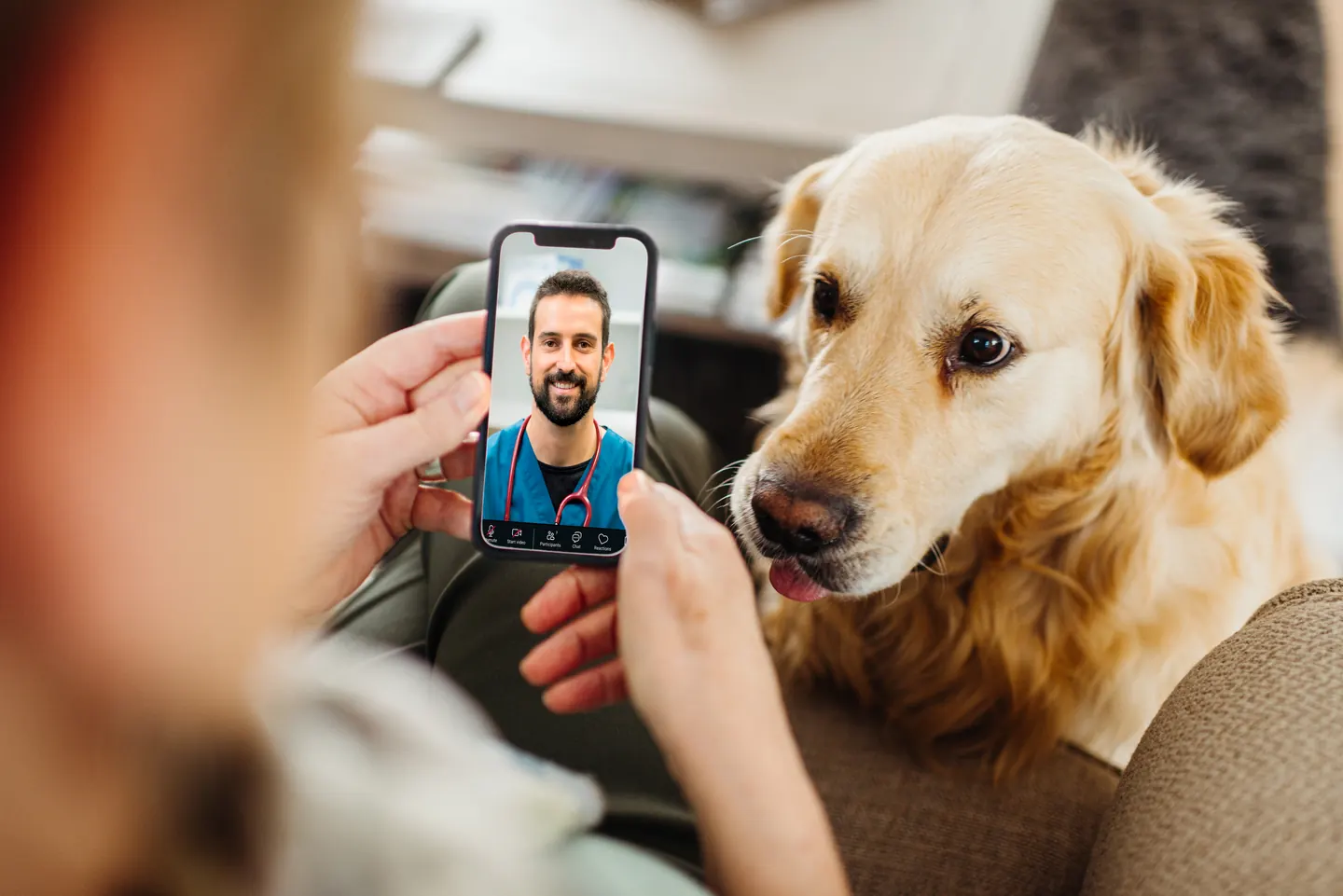
 Sponsored
Want a vet's take on your dog's upset stomach?
Talk to a licensed vet at Dutch over video, often the same day. They can recommend treatment and prescribe it when it's appropriate.
Use code Pets60
Plans start at $12/month · covers up to 5 pets
- Licensed vets in most states
- Rx for 150+ conditions
- 4.7 on Trustpilot
What Is Gastroenteritis in Dogs?
Gastroenteritis in dogs is inflammation of the gastrointestinal tract, meaning the stomach and the intestines, and it produces vomiting and diarrhea. Yes, dogs can get gastroenteritis at any size or age, and gastroenteritis in small dogs and puppies deserves extra caution because dehydration is the main risk.
VCA Animal Hospitals lists these triggers:
- Infection with bacteria, viruses, or parasites
- Medications
- New foods
The Merck Veterinary Manual has no single owner page for the term and instead covers gastritis, colitis, and hemorrhagic gastroenteritis separately.
How serious is gastroenteritis in dogs? Most cases are acute and mild, and VCA says most improve rapidly after rehydration. Severe gastroenteritis in dogs is the exception: bloody diarrhea, repeated vomiting, or a weak, dehydrated dog points to a more dangerous cause or form.
What helps gastroenteritis in dogs is the same set of measures vets use: fluids, a short rest for the gut, and a gentle diet. Merck notes that probiotics and prebiotics may be beneficial in dogs with acute and chronic gastrointestinal disease.
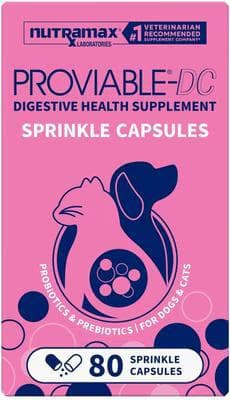
A probiotic and prebiotic capsule for dogs and cats; ask your vet whether a probiotic fits your dog's recovery plan.
Webvet may earn a commission when you click through to Chewy, at no extra cost to you.
Will gastroenteritis go away in dogs without treatment? VCA says many acute cases respond well to conservative care, but that does not make it safe to wait out a dog that keeps vomiting. Remedies for gastroenteritis in dogs only fit simple cases, which is why ruling out mimics matters.
Gastroenteritis vs Pancreatitis in Dogs
The difference between pancreatitis and gastroenteritis in dogs is the organ involved: pancreatitis is inflammation of the pancreas. VCA's pancreatitis page lists nausea, vomiting, fever, lethargy, abdominal pain, diarrhea, and decreased appetite, which overlap heavily with gastroenteritis. A fatty meal can trigger pancreatitis, so read more on pancreatitis in dogs if your dog raided rich food.
Gastroenteritis labs, such as bloodwork, plus the dog's history are what separate the two. Cats get a similar condition, covered in gastroenteritis in cats.
Symptoms of Gastroenteritis in Dogs
The main symptoms of gastroenteritis in dogs are intermittent vomiting and diarrhea, often with lethargy and a poor appetite. VCA describes large volumes of diarrhea produced several times a day.
Common signs of gastroenteritis in dogs include:
- Intermittent vomiting
- Diarrhea, often large in volume and passed several times a day
- Lethargy, meaning the dog is less active than usual
- Decreased appetite
- A low-grade fever, which VCA describes as common
Gastroenteritis dog poop is typically loose to watery. Jelly-like stool, straining, and small amounts of bright red blood at the end point to colitis, which is inflammation of the large intestine. Gastroenteritis in dogs without diarrhea is possible when vomiting comes first; a dog that only vomits fits the picture of a dog upset stomach.
What are four signs and symptoms of gastroenteritis?
The four core signs of gastroenteritis in dogs are vomiting, diarrhea, lethargy, and decreased appetite, according to VCA Animal Hospitals. A low-grade fever is a common fifth sign. Watch the combination rather than any single sign, because VCA warns that dehydration can occur quickly if vomiting and diarrhea persist for more than 24 hours.
For a broader look at the two main symptoms together, see dog vomiting and diarrhea.
What Causes Gastroenteritis in Dogs?
Gastroenteritis in dogs is caused by something irritating or infecting the gut, and dietary indiscretion, meaning eating things a dog should not, is a familiar trigger. VCA names table scraps, garbage, spoiled food, plants, and foul-tasting things such as certain insects. No primary source gives a percentage for how many cases come from dietary indiscretion. After a bout, VCA says small, frequent feedings of a highly digestible, low-fat diet may be prescribed.
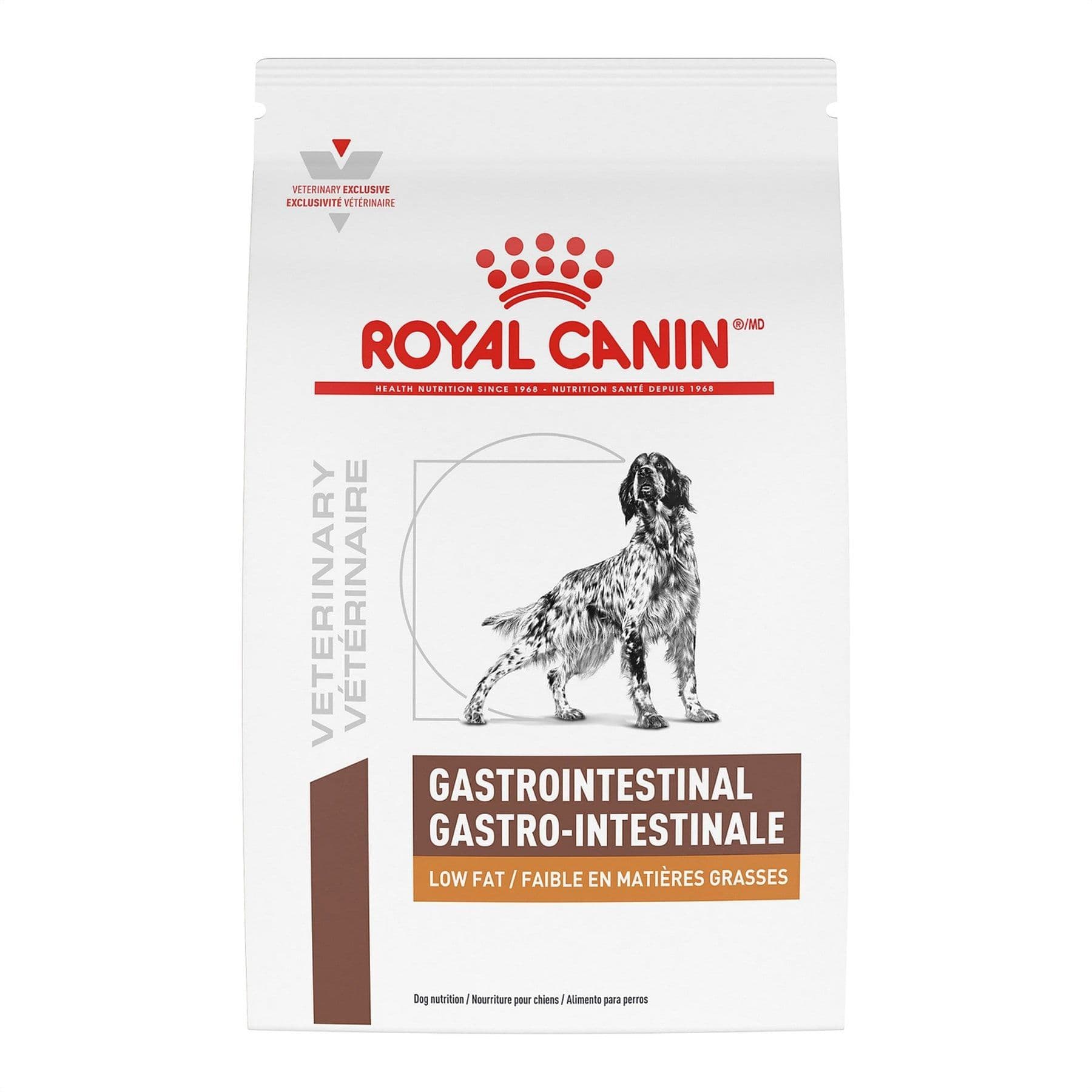
A veterinary low-fat dry food for dogs that need a fat-restricted diet; use it under your vet's direction.
Webvet may earn a commission when you click through to Chewy, at no extra cost to you.
How do dogs get gastroenteritis otherwise? The main routes are:
- Dietary indiscretion: garbage, table scraps, spoiled food, or plants
- New foods or medications: VCA lists both as triggers
- Viral infection: canine parvovirus is a potentially fatal viral cause that mostly affects puppies and unvaccinated adults, per Merck
- Bacterial infection: VCA lists bacteria among infectious causes, and Merck links the hemorrhagic form to Clostridium perfringens toxins
- Parasites: worms and coccidia cause diarrhea, and Merck notes hookworm anemia is the characteristic, often fatal sign in young puppies
- Toxins: Merck says many disorders and ingested poisons cause vomiting
- Stress: VCA calls stress colitis one of the leading causes of large bowel diarrhea in dogs
Can stress cause gastroenteritis in dogs? Stress mainly drives colitis in the large intestine, so stress-induced gastroenteritis in dogs usually looks like urgent, mucus-heavy stool. A rich, fatty meal is a different risk, because VCA says a fatty meal can trigger pancreatitis, and a vet may prescribe a low-fat diet afterward.
Can gastroenteritis in dogs cause bleeding? Yes. Blood can come from colitis, from parvovirus, or from the hemorrhagic form. Can you catch gastroenteritis from a dog? The CDC says dog poop can carry germs that make people and animals sick, so wash your hands after cleanup. Our guide to dog has diarrhea causes goes deeper on stool-specific causes.
The gastroenteritis causes table below maps each cause, starting with dietary indiscretion, to the clue you can see at home and whether it is contagious and spreads to other dogs.
| Cause | Clue you can see at home | Contagious? | Usual treatment |
|---|---|---|---|
| Dietary indiscretion (garbage, scraps, spoiled food) | Known raid on trash or food; dog otherwise bright | No, not contagious | Food rest, water, bland diet |
| New food or medication | Signs began after a diet switch or new drug | No, not contagious | Vet review, slower diet transition |
| Parvovirus | Puppy or unvaccinated dog, severe vomiting, bloody diarrhea | Yes, contagious through contact with infected dogs or feces | Hospital supportive care; isolate |
| Bacterial infection | Signs that are severe or bloody | Possibly contagious, depending on the organism | Vet care; antibiotics only if severe |
| Worms or coccidia | Young puppy, worms in stool, pale gums | Yes, contagious through feces | Deworming or antiparasitic treatment |
| Toxin or poison | Access to chemicals, plants, or medications | No, not contagious | Emergency vet visit |
| Stress colitis | Mucus, straining, small streaks of red blood after boarding or travel | No, not contagious | Supportive care; often normal in 3 to 5 days |
| Foreign body | Repeated vomiting, missing toy or string | No, not contagious | X-rays, possible surgery |

Gastroenteritis in raw fed dogs is not singled out by the VCA, Merck, or Cornell pages reviewed here, so no sourced figure ties a raw diet to higher risk; the bacterial and dietary causes above apply to any diet. What causes chronic gastroenteritis in dogs is covered under the types below. The best food for gastroenteritis in dogs depends on the cause, which is why treating gastroenteritis in dogs starts with the history.
Types of Gastroenteritis in Dogs
The main types of gastroenteritis in dogs are acute, which comes on suddenly, and chronic, which persists or keeps returning. Acute gastroenteritis in dogs is the common, short-lived form that often responds to conservative care.
- Acute gastroenteritis: sudden onset, often after dietary indiscretion; acute gastroenteritis in dogs treatment is fluids, food rest, and a bland diet
- Chronic gastroenteritis: signs that persist or recur; VCA notes that dogs with chronic diarrhea may require long-term dietary management
- Viral gastroenteritis: Merck lists parvovirus and coronavirus as viral causes
- Bacterial gastroenteritis: bacteria such as Clostridium perfringens are implicated in some cases
- Hemorrhagic gastroenteritis (HGE): now called acute hemorrhagic diarrhea syndrome, with acute vomiting and bloody diarrhea
HGE is where the acute form turns dangerous. Merck describes severe hemoconcentration, with a packed cell volume often above 60 percent, in dogs that were healthy beforehand. See hemorrhagic gastroenteritis in dogs for that form.
Eosinophilic gastroenteritis and lymphocytic plasmacytic gastroenteritis are names for chronic inflammatory forms. The primary sources reviewed here do not detail them, so a dog with recurring signs needs a vet workup rather than repeated home care.
What is colitis with gastroenteritis?
Colitis with gastroenteritis means the inflammation reaches the colon, or large intestine, as well as the stomach and small intestine. Merck describes colitis stool as small in volume, liquid, and frequent. VCA adds straining during and after defecation and small amounts of bright red blood at the end. Gastroenteritis colitis in dogs often follows stress.
 Sponsored
Vet care that's always there
Unlimited video calls and messaging with licensed vets for less than a typical vet visit. One membership covers up to five pets.
Use code Pets60
Plans start at $12/month · covers up to 5 pets
- Licensed vets in most states
- Rx for 150+ conditions
- 4.7 on Trustpilot
How Is Gastroenteritis Diagnosed?
Gastroenteritis is diagnosed by exclusion: VCA calls it a diagnosis of exclusion, made after the vet rules out other causes. The history comes first, including everything your dog ate or drank within the past 48 hours. For a bright dog with a known food raid, history and exclusion of red flags are often enough, and supportive care can begin. Merck notes that probiotics may be beneficial in dogs with acute and chronic gastrointestinal disease.
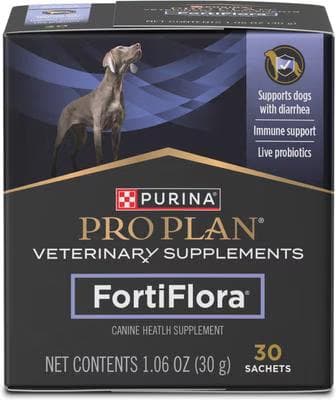
A one-sachet-a-day probiotic powder from Purina's veterinary line; the label recommends a vet exam before use.
Webvet may earn a commission when you click through to Chewy, at no extra cost to you.
When the dog is sick enough, or gastroenteritis in dogs with blood is present, the vet adds tests:
- Complete blood count (CBC): shows dehydration, anemia, and infection
- Fecal or blood test for parvovirus: Merck says a positive test confirms it
- Abdominal X-rays: search for stomach or intestinal obstruction
- Fecal exam: checks for worms and coccidia
Bloodwork is needed when the dog is dehydrated, weak, or passing blood, because a CBC shows dehydration, anemia, and infection. Imaging with abdominal X-rays is needed when obstruction from a swallowed object is possible. Gastroenteritis in dogs blood in poo is a main reason a vet moves from history alone to testing. Parvovirus causes bloody diarrhea too, so review parvo symptoms in dogs if your dog is a puppy or unvaccinated.
What can be mistaken for gastroenteritis?
Pancreatitis, intestinal obstruction from swallowed objects or intussusception, poisoning, parvovirus, and parasites can all be mistaken for gastroenteritis. Merck lists bacterial, viral, and parasitic gastroenteritis among the conditions vets must separate from the hemorrhagic form. How to diagnose gastroenteritis in dogs is really a process of ruling these out.
Treatment for Gastroenteritis in Dogs
Treatment for gastroenteritis in dogs is mainly rehydration and restoring electrolyte balance, with medication added for vomiting or severe cases. VCA says fluids can be given by mouth, under the skin, or intravenously.
Medication for gastroenteritis in dogs, per VCA, includes:
- Anti-nausea drugs: maropitant (Cerenia) or metoclopramide to control vomiting
- Antibiotics: metronidazole or ampicillin, given only if signs are severe
- Antidiarrheals: motility-modifying agents are generally not recommended with severe colitis
Antibiotics for gastroenteritis in dogs are not routine. VCA notes that metronidazole is often used for diarrhea and other intestinal problems, and that many of its uses in dogs are off-label. Cornell Riney Canine Health Center warns never to try human medications such as Pepto Bismol or Imodium without your vet.

During recovery, a vet may suggest a probiotic such as Purina Pro Plan Veterinary Diets FortiFlora Powder Probiotic Digestive Supplement for Dogs, which Purina Canada lists as one sachet a day. Our guide to probiotics for dogs with diarrhea compares options.
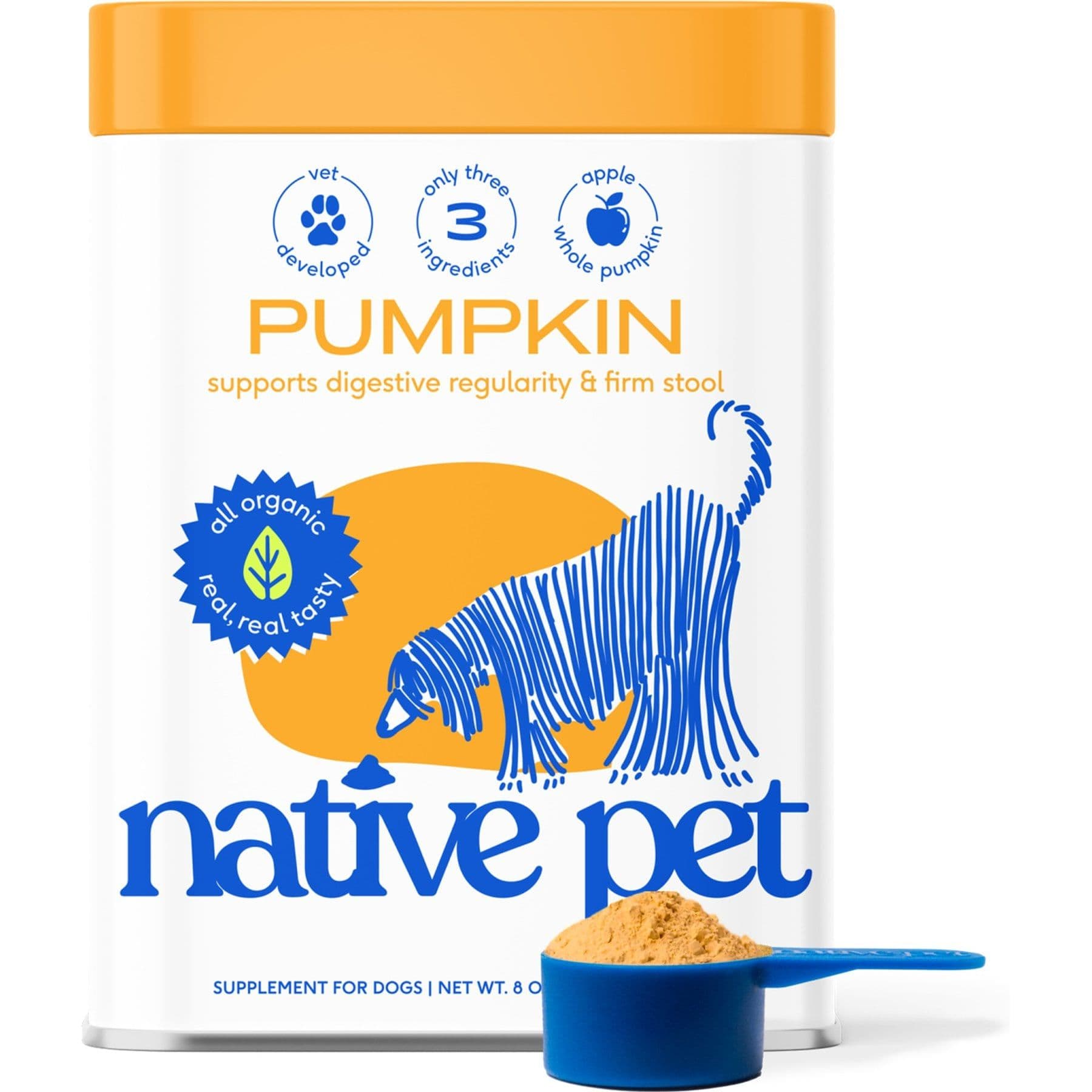
An organic pumpkin fiber powder supplement for dogs; check with your vet before adding it to your dog's diet.
Webvet may earn a commission when you click through to Chewy, at no extra cost to you.
Gastroenteritis in dogs treatment cost depends on whether the dog needs an exam only, outpatient fluids, or hospitalization; the sources give no price figures. For what to expect from an urgent visit, see emergency vet cost.
What to do when a dog has gastroenteritis?
When a dog has gastroenteritis, keep water available, rest the gut briefly, then feed small bland meals, and call the vet if signs worsen or have not improved significantly within 48 hours. VCA says small, frequent feedings of a highly digestible, low-fat diet may be prescribed.
How to treat gastroenteritis in dogs at home, and when to stop home care, are covered next.
Gastroenteritis in Dogs Home Treatment
Gastroenteritis in dogs home treatment means a short food rest with water, then a bland diet, and it suits mild cases in a dog that is otherwise alert.
Sources differ on how long to withhold food, so treat this as a range to confirm with your vet:
- VCA Animal Hospitals: food is often withheld for 12–24 hours, then slowly reintroduced
- Cornell Riney Canine Health Center: withhold food, but not water, for 12 hours
- Merck Veterinary Manual: withhold food and limit access to water for 24 hours for short-term vomiting
VCA's vomiting page adds that water should be freely available to prevent dehydration, so ask your vet which approach suits your dog.
What to feed a dog with gastroenteritis after the fast is a bland diet. Cornell's options:
- Boiled chicken with white rice
- Low-fat hamburger with white rice
- Plain white rice and boiled chicken for two days after the fast, per its vomiting page
No primary source gives an exact chicken-to-rice ratio. See our bland diet for dogs guide for preparation.
This dog gastroenteritis diet is short term only, because Cornell notes these bland diets are not nutritionally balanced for long-term feeding. Where a vet wants a longer low-fat diet, a prescription food such as Royal Canin Veterinary Diet Adult Gastrointestinal Low Fat Dry Dog Food is one option; Royal Canin lists crude fat at 5.0 to 9.0 percent.
Home remedies for gastroenteritis in dogs beyond that are thinly supported. No primary source reviewed here supports pumpkin fiber powder for gastroenteritis, so treat it as an optional fiber supplement to discuss with your vet, not a treatment.

Is gastroenteritis in dogs fatal at home? Mild cases usually settle, but dehydration is the danger, and Cornell says persistent vomiting can cause life-threatening dehydration. That is why home care has a time limit, and it is not a substitute for a vet when there is blood, repeated vomiting, or weakness.
How Long Does Gastroenteritis Last in Dogs?
How long gastroenteritis lasts in dogs depends on the cause, but VCA says most acute cases improve rapidly after rehydration, and you should call the vet if signs have not improved significantly within 48 hours of treatment. No primary source reviewed here states a fixed two to five day course for ordinary gastroenteritis.
The durations the sources do give:
- 48 hours: VCA's check-in point if vomiting and diarrhea have not improved significantly with treatment
- More than two days of loose stool: both VCA and Cornell say to consult the vet
- 3 to 5 days: VCA says most dogs with stress colitis are back to normal in this window
- 7 to 10 days: VCA's timeline for moving back to the normal diet once stools normalize
Gastroenteritis in dogs recovery time therefore runs from the acute phase, which should be clearly improving by 48 hours, to roughly a week or more of gradual diet return. How long gastroenteritis is contagious in dogs depends on the cause; Merck says parvovirus is shed in feces within 4–5 days after exposure.
What are the signs that gastroenteritis is ending?
Signs that gastroenteritis is ending include vomiting stopping, stools firming up, appetite returning, and normal energy coming back. Once stools normalize, VCA describes slowly reintroducing food and moving back to the regular diet over seven to ten days. A dog that relapses when food returns should be rechecked.
Is Gastroenteritis in Dogs Contagious?
Gastroenteritis in dogs is contagious only when the cause is infectious, such as parvovirus, bacteria, or parasites. Cases caused by dietary indiscretion, new foods, toxins, or stress do not spread.
Merck says hemorrhagic gastroenteritis is not contagious, and that acute hemorrhagic diarrhea syndrome is not considered contagious. Parvovirus is different: it spreads by direct contact with infected dogs or feces, and Merck says infected dogs shed virus within 4–5 days after exposure.
Is gastroenteritis in dogs contagious to other dogs in your home? Until the cause is known, act as if it might be:
- Pick up and bag stool promptly
- Keep the sick dog away from puppies and unvaccinated dogs
- Wash hands after cleanup, since the CDC says dog poop can carry germs that make people and animals sick
- Avoid dog parks and boarding until your vet clears the dog
How to Prevent Gastroenteritis in Dogs
Preventing gastroenteritis in dogs comes down to controlling what they eat and protecting them from infectious causes. Merck lists access to garbage or poisons as a key history question, so blocking that access removes a common trigger.
How to prevent gastroenteritis in dogs:
- Secure trash and keep table scraps, spoiled food, and plants out of reach
- Change foods gradually; VCA's diet transitions run over seven to ten days
- Vaccinate against parvovirus with the modified live vaccine Merck recommends
- Deworm puppies on multiple occasions during the first six months, per Merck
- Plan for stress triggers such as boarding and travel, which VCA links to stress colitis
Recurrent gastroenteritis in dogs is a reason for a full workup. VCA notes that dogs with chronic diarrhea may need long-term dietary management, so repeat episodes need a vet plan rather than repeat home fasts.
When to See a Vet
See a vet the same day if your dog has blood in vomit or stool, repeated vomiting, weakness, or signs of dehydration. Puppies and dogs with other illnesses need care sooner rather than later.
Red flags drawn from VCA, Merck, and Cornell:
- Vomiting more often than once or twice a day, long-term vomiting, or vomiting with blood
- Vomiting for more than 24 hours
- Loose stool lasting more than two days
- A painful belly, fever, or lethargy in dogs
- Possible poison, toxic plant, or swallowed object
- Signs of dehydration: Merck describes semidry gums at about 4 to 5 percent dehydration, and dry gums, loss of skin elasticity, sunken eyes, and a weak, rapid pulse at about 8 to 10 percent
Cornell notes that dehydration causes electrolyte imbalances and puts extra strain on the kidneys. Learn how to spot it in dehydration in dogs.
Gastroenteritis in Dogs FAQs
Frequently Asked Questions
What is the 48-hour gastro rule?
No veterinary source names a formal 48-hour rule; the phrase matches VCA's guidance to call your vet if vomiting and diarrhea are not improving significantly within 48 hours of treatment. VCA and Cornell also say loose stool lasting more than two days needs a vet call. Blood or weakness means calling sooner.
What is the difference between diarrhea and gastroenteritis?
Diarrhea is a symptom, while gastroenteritis is a condition: inflammation of the stomach and intestines. VCA explains that diarrhea results from faster movement of fecal material through the intestines, and gastroenteritis is one of many causes of it.
Can gastroenteritis in dogs go away on its own?
Mild acute cases often settle with conservative care such as food rest, water, and a bland diet, and VCA says many acute diarrhea cases respond well to this. Watch the first 24 to 48 hours closely: no significant improvement by 48 hours, or any red flag, means a vet visit.
Should I withhold food from a dog with gastroenteritis?
Often yes, briefly: Cornell advises withholding food but not water for 12 hours, and VCA describes withholding food for 12 to 24 hours. Merck's vomiting guidance uses 24 hours with limited water, so ask your vet which suits your dog, especially for a puppy.
Is gastroenteritis in dogs fatal?
Most dogs recover with supportive care, according to Merck, which says most dogs respond to supportive veterinary treatment. The danger comes from dehydration and from serious causes such as parvovirus, which Merck calls potentially fatal, and no primary source gives a fatality rate for ordinary gastroenteritis.

Editor
The Webvet Editorial Team is the in-house group of pet-care editors and writers behind Webvet, operated by Smart Pet Collective. The team researches, writes, and maintains Webvet's pet health, behavior, and medication content. Every article follows a defined editorial process: research from reputable veterinary and scientific sources, careful drafting, mandatory review of medical content by a credentialed veterinarian, and dated publication. Health and medication articles are medically reviewed by a licensed veterinary professional before they go live and are kept current over time.
Veterinarian · BVMS MRCVS
Dr. Pippa Elliott, BVMS, MRCVS, is a veterinarian with nearly 30 years of experience in companion animal practice. Dr. Elliott earned her Bachelor of Veterinary Medicine and Surgery from the University of Glasgow. She was also designated a Member of the Royal College of Veterinary Surgeons. Married with 2 grown-up kids, Dr. Elliott has a naughty Puggle named Poggle, 3 cats and a bearded dragon.
Related reading

Gastroenteritis in Cats: Symptoms, Causes, Treatment, and When to See a Vet

Hemorrhagic Gastroenteritis in Dogs (HGE): Symptoms, Causes, Treatment, and Survival

Bland Diet for Dogs: Recipes, Ratios, How Much to Feed, and How Long
