Parvo Symptoms in Dogs: Early Signs and What to Do
Parvo can begin with lethargy and appetite loss before vomiting or diarrhea. Learn the early signs, emergency red flags, testing limits, and what to do now.

BVMS MRCVS
Medically reviewed by Dr. Pippa Elliott, BVMS MRCVS · Last reviewed

This article contains affiliate links. Webvet may earn a commission when you buy through them, at no extra cost to you.
Parvo symptoms in dogs are caused by canine parvovirus, a highly contagious viral disease that attacks the intestinal tract and can cause vomiting, severe diarrhea, and life-threatening dehydration. If parvo is possible, isolate the dog and call a veterinarian or emergency hospital before you arrive.
- 1Canine parvovirus spreads through infected feces and contaminated ground, objects, hands, and footwear.
- 2Early parvo signs include lethargy, appetite loss, and fever, followed by vomiting and diarrhea.
- 3Blood is not required for diarrhea to be compatible with parvo.
- 4Puppies and unvaccinated or incompletely vaccinated dogs have the highest risk.
- 5No home remedy cures parvo; treatment is veterinary supportive care such as fluids and nausea control.
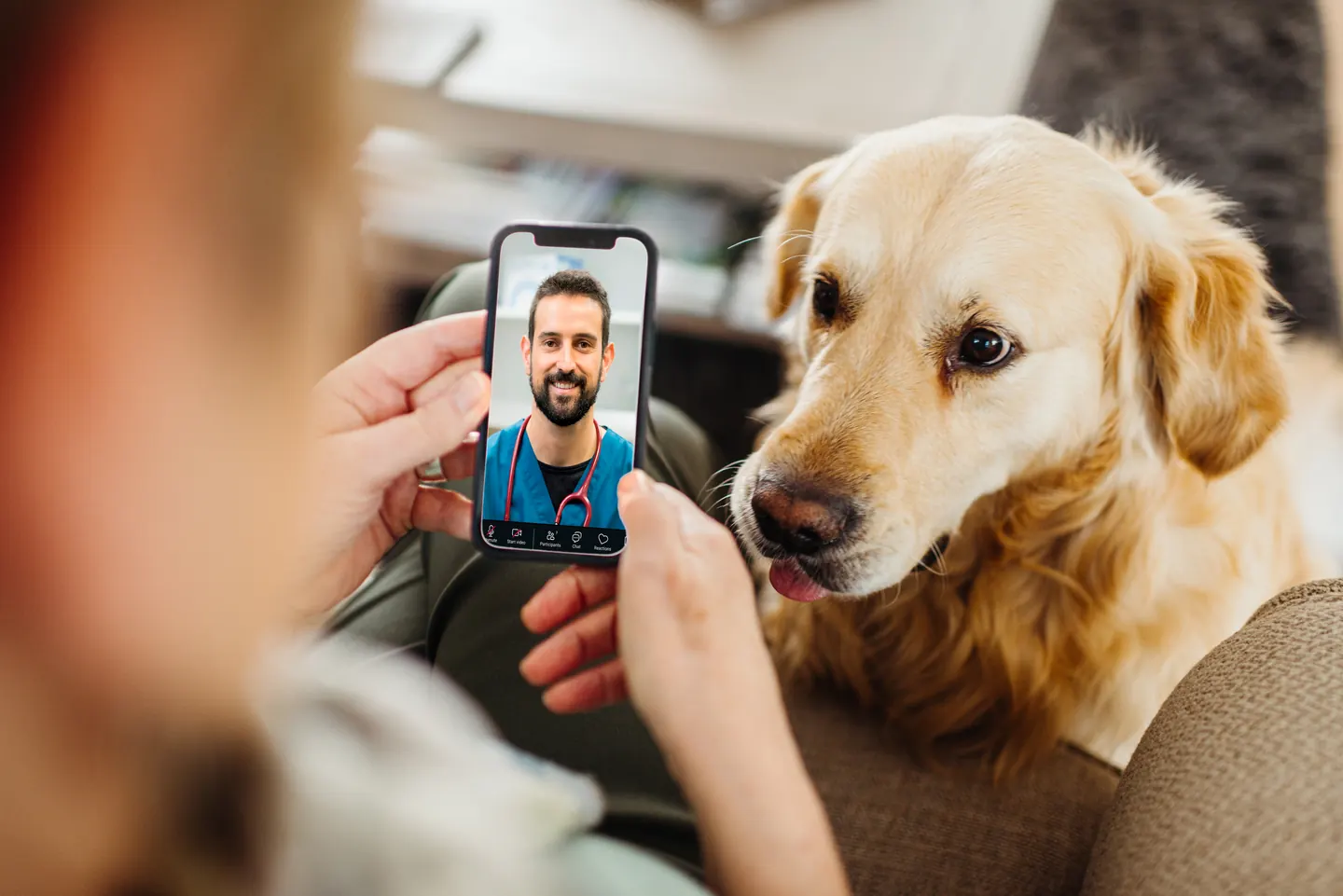
 Sponsored
Have a health question about your dog?
Talk to a licensed vet at Dutch over video or message, including nights and weekends.
Use code Pets60
Plans start at $12/month · covers up to 5 pets
- Licensed vets in most states
- Rx for 150+ conditions
- 4.7 on Trustpilot
What Is Parvo in Dogs?
Parvo is a contagious disease caused by canine parvovirus type 2. The virus attacks rapidly dividing cells, especially in the intestinal lining and bone marrow, which leads to vomiting, diarrhea, dehydration, and a weakened immune response.
Puppies and unvaccinated dogs are most vulnerable. The virus is hardy and can persist in the environment for long periods, so a dog can be exposed without meeting a sick dog.
What to Do If You Suspect Parvo
The earliest signs of parvo can look vague, so isolate the dog now and call before arrival. A puppy may stop playing, turn away from food, seem unusually sleepy, or develop a fever. Vomiting and rapidly progressive diarrhea may follow within 24 to 48 hours, according to the Merck Veterinary Manual.
Blood is not required for diarrhea to be compatible with parvo. Waiting for a dramatic stool change can cost valuable treatment time. The American Veterinary Medical Association advises owners to contact a veterinarian immediately when a puppy or dog develops signs that fit parvovirus.
First steps if your dog may have parvo
- Isolate the dog now. Use a separate room or cleanable area away from other dogs.
- Call before arrival. The clinic may use a separate entrance or isolation route.
- Leave when directed. Do not delay to compare remedies, take an online quiz, or see whether blood appears.
A veterinarian may recommend an emergency hospital if the regular clinic cannot provide isolation, rapid testing, fluids, or overnight monitoring. Tell the team if the dog is a puppy, is unvaccinated or incompletely vaccinated, has known exposure, or cannot keep water down.

Sponsored Lemonade pet insurance link. Webvet may earn a commission.
Parvo Symptoms in Dogs
| Pattern | Signs you may notice | What to do |
|---|---|---|
| Early concern | Sudden tiredness, less interest in play, reduced appetite, fever, nausea, or abdominal discomfort | Separate the dog from other dogs and call a veterinarian the same day, sooner for a puppy or known exposure |
| Advancing illness | Repeated vomiting, frequent diarrhea with or without blood, worsening weakness, dehydration, or refusal to drink | Call before arrival and seek urgent veterinary assessment and testing |
| Emergency decline | Collapse, extreme weakness, altered responsiveness, pale or abnormal gums, cold limbs, severe dehydration, or inability to stand | Go to an emergency hospital immediately while following its isolation instructions |
Parvo virus symptoms in dogs can begin with low energy and appetite loss before vomiting or diarrhea. No symptom list replaces examination or appropriately interpreted testing by a veterinarian.
Canine parvovirus disease and infection can produce this symptom pattern. How long parvo symptoms last depends on severity, complications, and response to treatment, so duration is not a safe reason to postpone veterinary assessment.
When parvo is an emergency
Early concern, advancing illness, and emergency decline require different actions. Isolate the dog now and call the same day for compatible early signs. Seek urgent assessment as vomiting, diarrhea, weakness, or dehydration advances. Collapse, poor responsiveness, pale gums, inability to stand, or severe dehydration requires emergency care immediately without waiting for blood.
Stages of Parvo in Dogs
Parvo usually progresses in stages: early signs such as lethargy, appetite loss, and fever; then vomiting and diarrhea; then, in severe cases, dehydration, weakness, and shock. Signs can move from one stage to the next within hours to days.
The first signs frequently involve behavior and appetite rather than an unmistakable intestinal crisis. Cornell University describes lethargy and decreased appetite as early findings, followed by vomiting and rapidly progressive diarrhea. Veterinary examination and appropriately interpreted testing determine the next step because the sequence can worsen later the same day.
How long does parvo take to show symptoms in dogs? Timing varies. A parvo symptoms in dogs timeline or symptoms of parvo in dogs timeline cannot predict one patient, and early signs of parvo treatment decisions belong to the veterinarian.

Early parvo symptoms
Watch for a sudden departure from the dog's normal behavior, especially when several changes occur together:
- Sleeping more or withdrawing from family activity
- Refusing a usual meal, treat, or favorite chew
- Showing little interest in play or a walk
- Standing or lying with a tucked, uncomfortable posture
- Drooling, lip licking, swallowing repeatedly, or retching
- Acting weak, unsteady, or reluctant to rise
These changes are nonspecific. They can occur with many illnesses. Their importance rises when the dog is young, unvaccinated, incompletely vaccinated, recently exposed to dogs, or living in a shelter, kennel, breeding facility, or contaminated environment.
Vomiting, diarrhea, and dehydration
Vomiting may become repeated and make it difficult for the dog to replace lost fluid. Diarrhea may be watery, frequent, foul-smelling, or bloody, but none of those features alone confirms parvo. Non-bloody diarrhea can still occur with canine parvovirus.
Dehydration develops when fluid losses exceed intake. A dog may have tacky gums, sunken-looking eyes, reduced skin elasticity, weakness, or less urine, but home checks are imperfect.
Do not give sports drinks, human anti-diarrheal medicine, or leftover prescriptions. Call the veterinarian for transport and intake instructions instead.
Advanced parvo symptoms
Severe intestinal disease can lead to profound dehydration and complications associated with systemic infection. Merck notes that severely affected dogs may arrive dehydrated or with findings consistent with septic shock.
Emergency signs include:
- Collapse or inability to stand
- Extreme weakness or reduced responsiveness
- Pale, gray, blue, or unusually dark red gums
- Cold limbs, a weak pulse, or labored breathing
- Repeated vomiting with no ability to retain water
- Severe abdominal pain or a distended abdomen
- Rapidly worsening diarrhea and dehydration
Do not use this list to decide a dog is safe because one sign is absent. If the dog is declining, contact the emergency hospital while leaving. Tell staff that parvo is suspected so they can protect other canine patients.
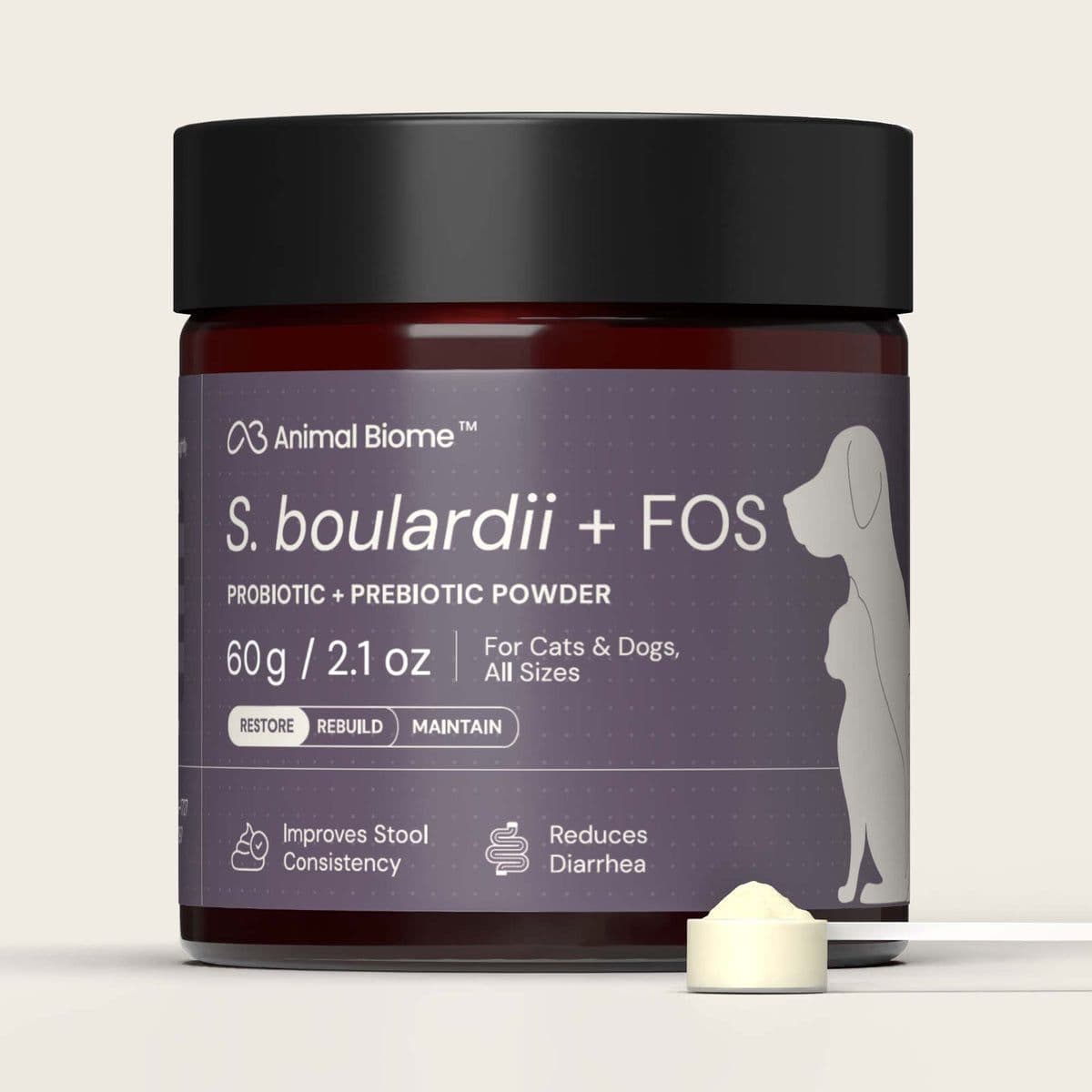
Antibiotic-resistant probiotic yeast paired with prebiotic FOS; supports stool consistency and helps reduce diarrhea in cats and dogs, including during antibiotic courses.
Webvet may earn a commission when you click through to Animal Biome, at no extra cost to you.
What Does Parvo Poop Look Like?
How will my dog act if he has parvo? Many dogs become quiet, weak, uninterested in food, and less responsive. Will dogs drink water if they have parvo? Some will, but appetite and thirst do not confirm the diagnosis. Parvo symptoms day by day diarrhea patterns, hydration, exposure, and speed of decline matter together.
Parvo diarrhea appearance
What does parvo poop look like on a dog? There is no single diagnostic appearance. Parvo-compatible diarrhea can vary in color, odor, frequency, and blood content, while other urgent diseases can produce similar stool. Blood is not required, and veterinary examination and testing must guide the response instead of a visual comparison.
What to tell the vet
Give the team the start time, vomiting and diarrhea frequency, water retained, vaccine dates, possible exposure, and any toxin, medication, diet, or foreign-body concern. This history helps plan isolation and testing, but it does not replace examination.
Atypical Parvo Symptoms

VCA notes that vomiting commonly precedes diarrhea, but dogs do not always show every classic feature. One dog may present mainly with vomiting and lethargy. Another may have diarrhea and appetite loss before frequent vomiting becomes obvious.
Parvo-like symptoms in dogs can also come from parasites, obstruction, toxins, and other infections. Eye discharge or unusual changes around the eyes are not defining parvo symptoms, so an eye finding should be reported as part of the full clinical picture rather than used for self-diagnosis.
Can a dog have parvo without diarrhea?
Early in the illness, diarrhea may not have begun or may not have been observed. Lethargy, appetite loss, fever, nausea, and vomiting can come first. A dog with concerning exposure and rapidly worsening signs should be evaluated rather than watched until diarrhea appears.
Can a dog have parvo without fever?
Fever can occur, but a normal temperature does not exclude parvo. Critically ill dogs may even have an abnormally low temperature. A single reading cannot settle whether a dog needs care.
The practical threshold remains the clinical pattern. Repeated vomiting, diarrhea, weakness, appetite loss, or rapid dehydration needs prompt care regardless of whether fever is documented at home.
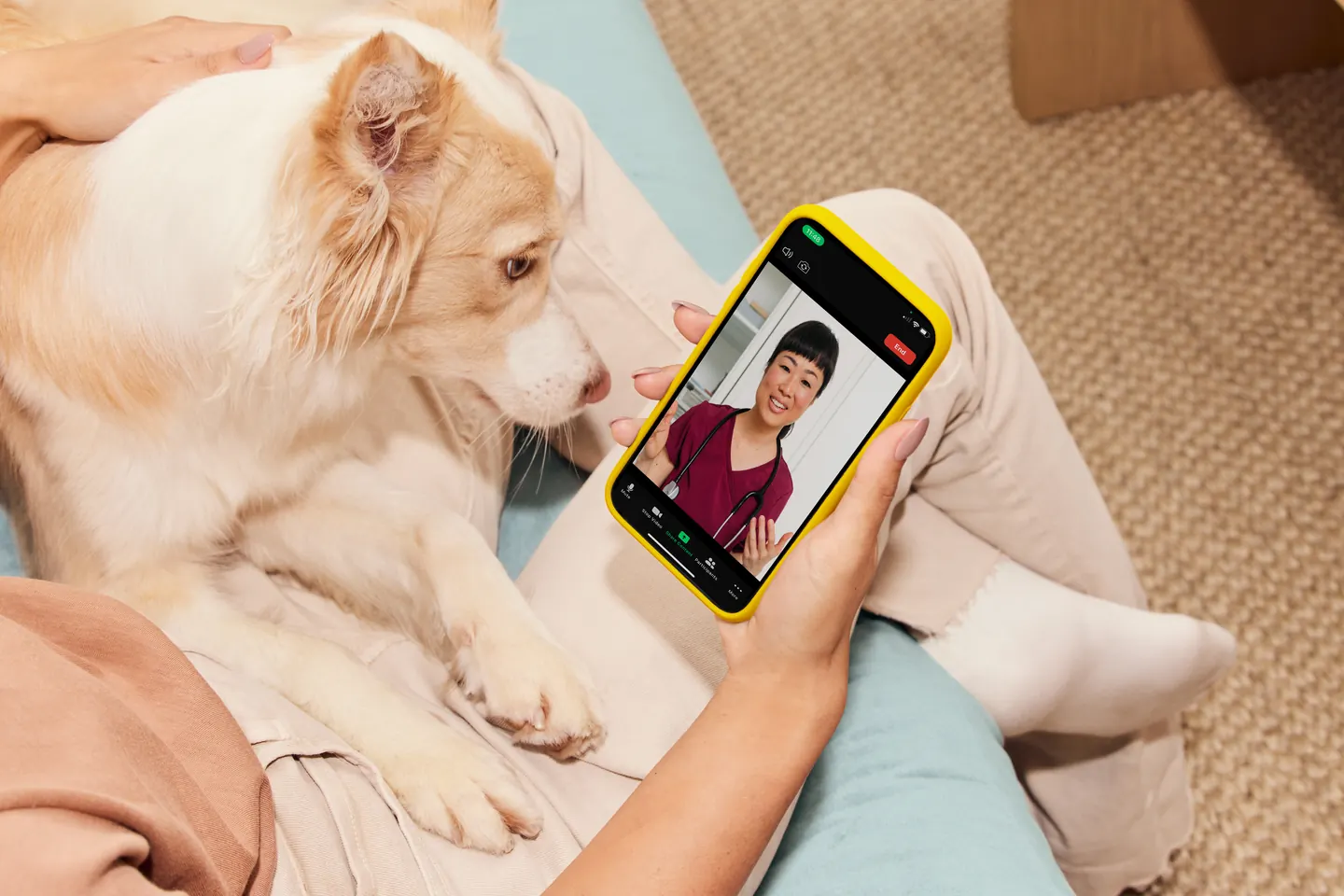 Sponsored
Vet care that's always there
Unlimited video calls and messaging with licensed vets for less than a typical vet visit. One membership covers up to five pets.
Use code Pets60
Plans start at $12/month · covers up to 5 pets
- Licensed vets in most states
- Rx for 150+ conditions
- 4.7 on Trustpilot
Parvo Supplements and Recovery Products
Retail digestive products belong only in a veterinarian-approved discharge plan after active vomiting is controlled. AnimalBiome S. boulardii + FOS Powder, AnimalBiome Gut Restore for Dogs, Nutramax Proviable, and FortiFlora for dogs are exact options to discuss. None treats parvo, corrects dehydration, or replaces prescriptions and rechecks.
Recovery food and cleanup supplies are also secondary. Under the Weather Rice & Chicken and AnimalBiome Gut Maintain for Dogs can be discussed only after discharge, while the Pet Parents Pawtect Waterproof Blanket may help protect a washable surface. They do not treat parvo, disinfect the environment, or replace the veterinary cleaning plan.
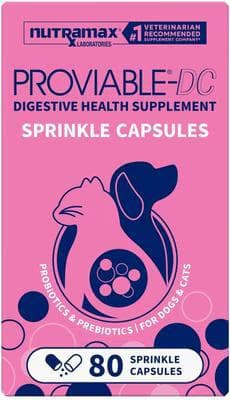
Multi-strain probiotic plus prebiotic sprinkle capsules for dogs and cats; supports digestive balance during diarrhea, diet changes, and antibiotic courses.
Webvet may earn a commission when you click through to Chewy, at no extra cost to you.
Can Vaccinated Dogs Get Parvo?
Young, unvaccinated or incompletely vaccinated dogs carry the greatest risk. Age changes risk, not the need to call about a rapidly worsening compatible pattern.
A completed, documented vaccination series makes parvo less likely. It does not diagnose today's illness. The WebVet guide to parvo in vaccinated dogs explains breakthrough risk, recent-vaccine test interpretation, and why testing can still be appropriate.
Exposure history still matters when a vaccinated dog becomes ill. Tell the veterinarian about recent contact with sick dogs, high-density dog settings, and contaminated environments.
Parvo in vaccinated adult dogs
Other urgent conditions can resemble parvo in a vaccinated adult. An intestinal obstruction, toxin exposure, pancreatitis, or another infection may require rapid treatment even when parvovirus is unlikely.
Tell the clinic what vaccine was given, when it was given, and whether the full puppy series was completed. Give the most accurate history available during the first call.
Parvo symptoms in vaccinated dogs can still require examination and testing. A vaccinated dog's day-by-day symptoms should be judged by severity and progression, not dismissed because a vaccine was recorded.
Parvo vaccine schedule
The live WebVet parvo vaccine guidance owns dose timing, booster schedules, and vaccine-cost questions. Follow a veterinarian's plan for the individual dog rather than restarting, compressing, or changing a series from an online timeline.
Questions about how often dogs should have parvo shots, expected vaccine symptoms in dogs, and booster timing belong with that live guide. New vomiting, diarrhea, appetite loss, or weakness after vaccination still belongs in a veterinary call because a schedule answer cannot diagnose the current illness.
Which Dogs Are Most at Risk for Parvo?
The highest-risk group is young dogs that are unvaccinated or have not completed a veterinarian-directed primary series. Concern also rises with uncertain records, shelter or kennel exposure, outbreak settings, contaminated environments, or impaired immune response.
Parvo symptoms in adult dogs, grown dogs, older or very old dogs, and small dogs can still include appetite loss, vomiting, diarrhea, and weakness. A parvo symptom timeline for an older dog can still progress quickly. Adult age does not make a compatible illness safe to watch at home.
Are some breeds more likely to get parvo?
Some references discuss breed associations, but breed is not a home diagnostic tool. A dog of any breed can be affected. Age, vaccination status, exposure, symptoms, and veterinary testing are more useful than a breed shortcut.
No single dog breed gets parvo so predictably that breed should control the decision to seek care. Rottweilers, Doberman Pinschers, and some other breeds have been reported at higher risk, but any dog with compatible signs needs the same prompt veterinary response.
What Can Be Mistaken for Parvo?
Parvo in dogs can be mistaken for parasites, dietary illness, obstruction, toxins, pancreatitis, or another infection. Those alternatives cannot be separated safely by symptoms alone, and several can become emergencies.
Several conditions can cause vomiting, diarrhea, appetite loss, abdominal discomfort, or lethargy. Cornell notes that additional fecal testing, blood work, or imaging may be needed because a positive or negative parvo test does not answer every possible cause.
Conditions that mimic parvo
Possible alternatives include parasites such as Giardia, dietary illness, bacterial or viral gastroenteritis, obstruction, toxin or medication exposure, pancreatitis, and other inflammatory disease.
This is not a home ruling-out exercise. Obstruction, toxins, gastroenteritis, and pancreatitis can also become emergencies. A declining dog needs veterinary assessment regardless of the final diagnosis.
How do dogs get parvo?
Tell the clinic about dog parks, daycare, boarding, shelters, breeding facilities, recent adoptions, foster animals, shared yards, and contact with a dog that later became sick. Include when the exposure occurred and when signs began. Also report recent travel through crowded canine spaces, visits to an outbreak area, or use of a shared yard.
Dogs get parvo after encountering virus shed by an infected dog, often through contaminated ground, footwear, hands, equipment, or other materials. That is where parvo exposure can come from even when no direct dog-to-dog contact was observed.
Also report trash access, chewed objects, new foods, medications, and possible toxins. A complete history helps the veterinarian avoid anchoring on one diagnosis while isolation protects others until parvo is reasonably addressed.
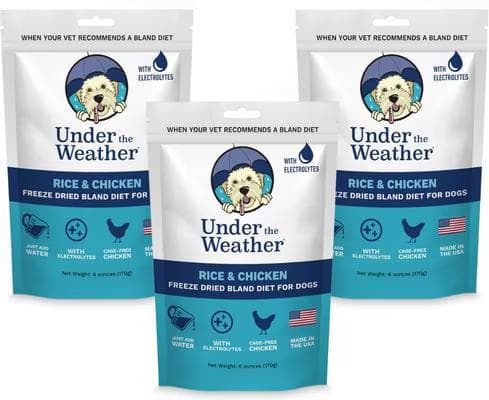
Webvet may earn a commission when you click through to Chewy, at no extra cost to you.
Caring for a Dog With Suspected Parvo Before the Vet
Once the clinic has been called, keep the plan simple. The goal is safe transport, reduced exposure to other dogs, and useful information for the medical team. It is not to treat or prove parvo at home.
Isolate safely
Keep the dog in a separate, easy-to-clean area. Use separate bowls, bedding, leashes, and cleaning tools. Do not allow the dog into shared apartment relief areas, dog parks, pet stores, or a clinic waiting room without staff direction.
Use a washable protective layer if needed. It does not inactivate parvovirus and must be handled and laundered according to the veterinary cleaning plan.
Hands, clothing, shoes, and objects can move contaminated material between dogs. Wash hands and follow the veterinary team's cleaning instructions.
Prepare for transport
Bring vaccine records, a medication list, the symptom and exposure timeline, and a washable carrier liner. Avoid common canine areas. The clinic may ask you to remain in the vehicle until an isolation route is ready.
Protect other dogs in the household
Keep bowls, bedding, crates, leashes, and toileting areas separate. Share each exposed dog's age, vaccine history, and health conditions with the clinic. Pause dog parks, daycare, boarding, classes, and canine visitors until the team says those activities are safe.
Avoid risky home steps
Do not give human medicine, administer leftover antibiotics, or try an online parvo protocol. These steps can worsen risk or obscure what the veterinary team needs to know.
If travel will take time, ask the clinic what is safe during transport. Advice may change with age, alertness, vomiting frequency, and the distance to care.
How Is Parvo Diagnosed?
Veterinarians often use a rapid fecal antigen test on stool or a rectal swab. They interpret the result with the dog's signs, examination, exposure, age, and vaccination history. Blood work helps assess dehydration, blood cells, glucose, protein, electrolytes, and overall severity.
Can a parvo test be wrong?
No test performs identically at every moment in an infection. A dog tested before enough antigen is shed may have a negative result even when the disease is developing. A later result can also be affected as shedding changes.
Recent vaccination can complicate the interpretation of some results. Give exact vaccine dates whenever possible. The veterinarian decides whether repeat antigen testing, PCR, blood work, imaging, or other fecal testing is useful.
Why examination comes first
The immediate medical question is whether the dog is dehydrated, poorly perfused, hypoglycemic, in pain, or otherwise unstable. That assessment guides the first clinical priorities.
That is why retail test kits, stool photographs, and online quizzes are poor substitutes for a clinical visit. Even a different final diagnosis may require the same urgent fluids, anti-nausea care, imaging, or monitoring.
Parvo Treatment in Dogs

The team will usually arrange isolation, obtain a focused history, and assess hydration, circulation, temperature, abdominal comfort, weight, and alertness. Diagnostic plans vary with severity and what other conditions remain possible.
What supportive care may include
Care may include veterinarian-selected fluids, nausea control, correction of glucose or electrolytes, nutrition, antimicrobial treatment when indicated, and repeated examinations or laboratory monitoring.
Parvo has no home pill that simply kills the virus and ends the illness. Veterinary supportive care protects circulation, hydration, nutrition, and comfort while the dog's immune system responds.
Is parvo curable?
Parvo treatment for dogs is a veterinarian-directed plan, not one best medicine, natural remedy, antibiotic, or injection. Is parvo curable? Many dogs recover, but no outcome is guaranteed.
Early signs of parvo treatment decisions require fluids, nausea control, nutrition, monitoring, complication care, and individual veterinary reassessment. A parvo symptoms day by day treatment plan remains individualized rather than a home protocol.
Hospital versus outpatient care
Hospitalization allows intensive fluids, monitoring, isolation, and rapid adjustment. Merck also describes veterinarian-directed outpatient protocols for selected stable patients. Outpatient care still requires examination, prescribed treatment, daily rechecks, and escalation criteria. An unstable dog may need hospitalization.
For detailed treated-versus-untreated evidence and milestones, see WebVet's guide to parvo survival and recovery. A percentage cannot predict one dog's outcome, so the treating team remains the right source for prognosis.
Parvo treatment cost
Ask for an initial estimate without delaying stabilization. WebVet's parvo treatment cost guide covers the disease-specific bill. The verified production emergency vet cost guide explains broader pricing. Parvo treatment cost and the cost of a parvo test remain clinic-specific.
For parvovirus in dogs treatment cost, use those live pages after the urgent call because this symptom guide does not estimate bills.
Can You Treat Parvo at Home?
Nothing safely kills parvo in dogs at home. Disinfecting contaminated surfaces can reduce environmental spread when done correctly, but it does not treat virus already causing illness in a dog. Treatment requires veterinary assessment and supportive care.
No food, egg yolk, supplement, sports drink, herb, disinfectant, or over-the-counter product replaces veterinary supportive care. A dog losing fluid through vomiting and diarrhea can require carefully calculated fluids, glucose or electrolyte correction, anti-nausea medication, nutritional support, and monitoring.
Home remedies can create dangerous delay. They can also cause aspiration, worsen stomach upset, or make owners falsely confident while dehydration and systemic complications progress.
Does egg yolk help parvo?
Egg yolk does not help dogs with parvo in place of veterinary treatment.
Egg yolk does not kill parvovirus, correct shock, or replace fluid and medication decisions. A sick dog may also be vomiting or unable to tolerate food safely. Ask the treating veterinarian when feeding can begin and what to offer. Do not delay care to try egg yolk or another home remedy.
Parvo Recovery in Dogs
Discharge means the veterinarian believes home care is appropriate at that point. It does not mean the virus was cured by a retail product or that isolation can stop. Follow the written medication, feeding, recheck, and cleaning plan exactly.
Feeding a dog recovering from parvo
The veterinarian may recommend small, frequent meals, a specific recovery diet, or digestive support after vomiting is controlled. Use only the exact products and timing in the discharge plan. Do not start a product during active vomiting or replace prescribed medication, nutrition, or rechecks.
The earlier product examples remain secondary to the discharge plan. Ask the treating veterinarian which one, if any, fits the dog's current feeding, medication, and stool pattern.
Pet insurance and parvo
Insurance decisions belong to the policy contract, not this symptom guide. For future conditions, Lemonade pet insurance is one policy to compare by reading current terms for the dog's location and history.
Never postpone emergency evaluation while checking insurance. Ask the hospital about an estimate and payment options as the dog is assessed.
Can Humans Get Parvo?
No. Canine parvovirus infects dogs and some other canids, not people. The human parvovirus (B19) is a different virus. People can still carry canine parvovirus to other dogs on hands, clothing, and shoes, so wash hands and follow the clinic's cleaning instructions.
How to Prevent Parvo
Vaccination is the most effective way to prevent parvo. Parvo is a core vaccine for all dogs, and puppies need a veterinarian-directed series of doses plus boosters.
Until a puppy completes its series, avoid dog parks, pet stores, and areas used by dogs of unknown vaccine status. Clean contaminated areas with a disinfectant proven to inactivate parvovirus, as directed by your veterinarian.
Frequently Asked Questions
What are the first signs of parvo in dogs?
The first signs of parvo are usually lethargy, loss of appetite, and fever. Vomiting and rapidly worsening diarrhea often follow.
Can a dog survive parvo?
Yes, many dogs survive parvo with prompt veterinary supportive care such as fluids, nausea control, and monitoring. No outcome is guaranteed, and untreated dogs face a much higher risk of death.
Can a vaccinated dog get parvo?
Yes, but it is uncommon. A completed, documented vaccine series makes parvo much less likely, yet a vaccinated dog with compatible signs still needs examination and testing.
Can humans get parvo from dogs?
No. Canine parvovirus does not infect people, although people can carry the virus to other dogs on hands, clothing, and shoes.
How long does parvo last?
The illness length depends on severity, complications, and how quickly treatment starts. The treating veterinarian sets the recheck and isolation timeline for each dog.
The Bottom Line
Parvo symptoms in dogs may start with quiet behavior and appetite loss, then progress quickly to vomiting, diarrhea, dehydration, and dangerous weakness. Blood does not have to be present. No stool appearance, home test, or online checklist can safely confirm or exclude the disease.
Isolate the dog, call a veterinarian or emergency hospital before arrival, and follow its transport instructions. Prompt examination and appropriately interpreted testing give the dog the safest route to supportive care while protecting other dogs from exposure.
Sources

Editor
The Webvet Editorial Team is the in-house group of pet-care editors and writers behind Webvet, operated by Smart Pet Collective. The team researches, writes, and maintains Webvet's pet health, behavior, and medication content. Every article follows a defined editorial process: research from reputable veterinary and scientific sources, careful drafting, mandatory review of medical content by a credentialed veterinarian, and dated publication. Health and medication articles are medically reviewed by a licensed veterinary professional before they go live and are kept current over time.
Veterinarian · BVMS MRCVS
Dr. Pippa Elliott, BVMS, MRCVS, is a veterinarian with nearly 30 years of experience in companion animal practice. Dr. Elliott earned her Bachelor of Veterinary Medicine and Surgery from the University of Glasgow. She was also designated a Member of the Royal College of Veterinary Surgeons. Married with 2 grown-up kids, Dr. Elliott has a naughty Puggle named Poggle, 3 cats and a bearded dragon.


