Parvo Survival Rate in Dogs: Prognosis and Recovery Timeline
Parvo survival is much higher with prompt veterinary treatment. Understand hospital and outpatient evidence, prognosis factors, and recovery milestones.

BVMS MRCVS
Medically reviewed by Dr. Pippa Elliott, BVMS MRCVS · Last reviewed

This article contains affiliate links. Webvet may earn a commission when you buy through them, at no extra cost to you.
The parvo survival rate in dogs is much higher with prompt veterinary treatment than without it. The Merck Veterinary Manual reports survival above 90% for aggressively hospitalized dogs and about 80% success in published outpatient protocols for appropriately selected patients. Most untreated patients do not survive.
 Sponsored
Have a health question about your dog?
Talk to a licensed vet at Dutch over video or message, including nights and weekends.
Use code Pets60
Plans start at $12/month · covers up to 5 pets
- Licensed vets in most states
- Rx for 150+ conditions
- 4.7 on Trustpilot
Parvo Survival Rate in Dogs: The Direct Answer
With appropriate supportive care, Merck reports that 70% to 90% of dogs survive canine parvovirus overall. The same veterinary reference reports survival above 90% for dogs treated aggressively in the hospital. Those numbers depend on treatment, patient selection, severity, and the care setting.
Canine parvovirus survival rates for dogs and puppies must stay tied to those treatment settings. A population's chance of survival cannot predict one patient's outcome, but the evidence consistently supports prompt veterinary care.
Why untreated evidence changes the decision
Cornell University states plainly that most patients will not survive without treatment. Starting care when illness first develops improves the likelihood of recovery. That treated-versus-untreated difference is the most important context for any survival percentage.
There is no reliable clock for how long one dog will live with parvo. Severity, complications, and treatment timing vary, so a population statistic cannot create a safe waiting period. Call a veterinarian or emergency hospital as soon as compatible signs appear.
- 1Aggressively hospitalized dogs: survival is reported above 90% as a treatment-setting statistic.
- 2Selected outpatient patients: published veterinarian-directed protocols report about 80% success.
- 3Broader treated population: Merck reports roughly 70% to 90% survival with appropriate supportive care.
- 4Without treatment: most patients do not survive, according to Cornell.
- 5No rate guarantees an outcome for one dog.
What these numbers can and cannot tell you
These figures show that effective supportive care changes the outlook. They do not mean every dog qualifies for outpatient treatment, every hospital sees identical results, or a dog has a fixed chance at intake.
The treating veterinarian considers age, size, hydration, circulation, blood glucose, white blood cells, protein loss, complications, and response to initial therapy. An individual prognosis can change as new information arrives.
Why the treatment setting must stay attached to the rate
A hospital rate reflects dogs receiving aggressive inpatient support. An outpatient rate reflects patients who met selection criteria and completed a structured veterinary protocol. The untreated statement describes dogs without supportive care. Combining those groups into one number would hide clinically important differences and could make unsupervised home care look equivalent to treatment.
When a clinic discusses prognosis, ask which population is most comparable and which differences matter. The answer may still be uncertain, but it will be more useful than choosing the most reassuring percentage from a search result.
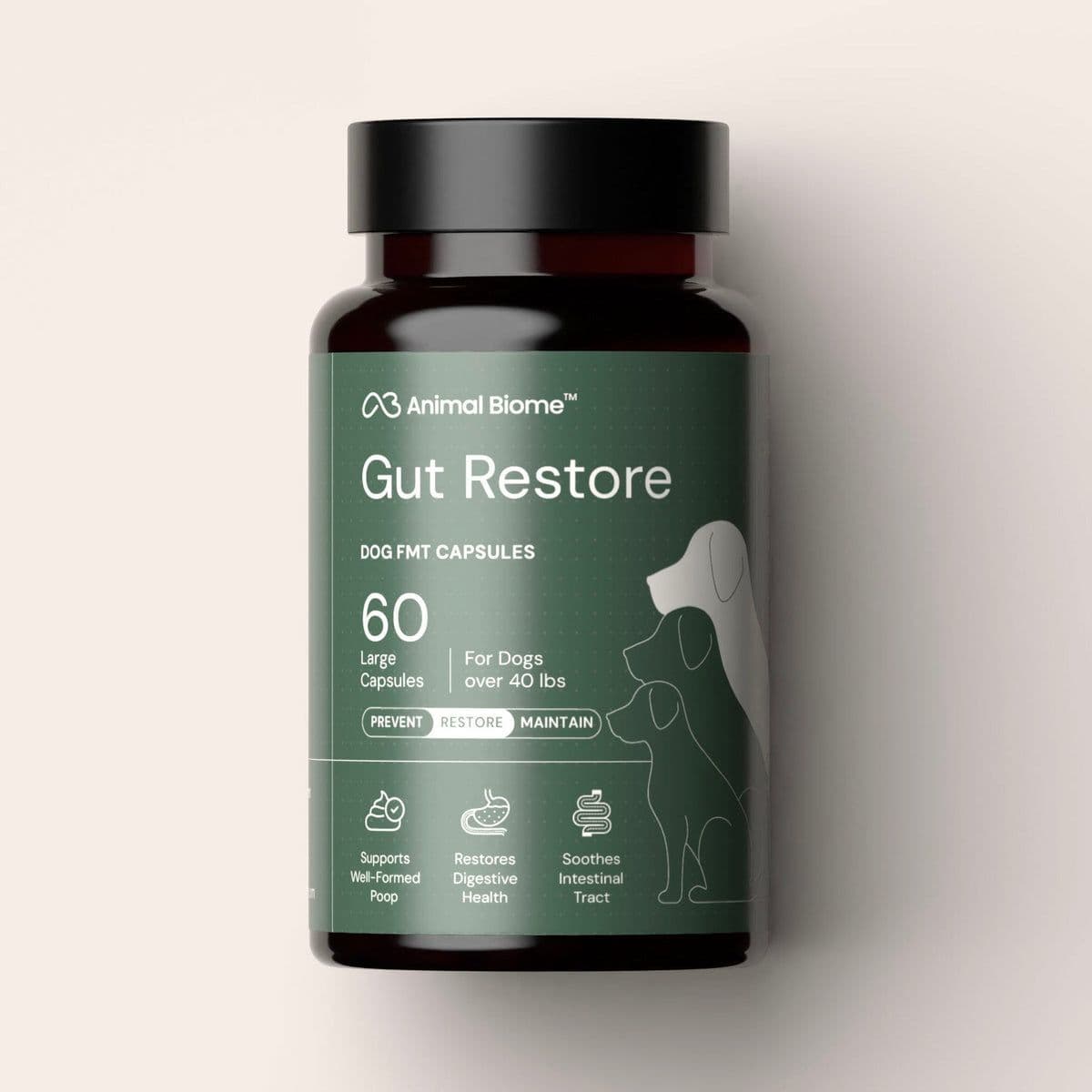
Veterinarian-developed oral fecal microbiota transplant (FMT) capsules that reintroduce a full community of dog-specific gut bacteria; used to support dogs with ongoing soft stools, diarrhea, or recovery after antibiotics.
Webvet may earn a commission when you click through to Animal Biome, at no extra cost to you.
Treated Versus Untreated Prognosis
The parvo survival rate with treatment is not the same as the survival rate at home without veterinary care. Dogs can survive parvo with veterinarian-directed treatment, including appropriately selected outpatient care, but an unsupervised home plan does not reproduce those outcomes.
| Care setting | Published outcome context | What the number does not mean |
|---|---|---|
| Aggressive hospital care | Merck reports survival above 90% for aggressively treated hospitalized dogs | It is not a guarantee for an individual dog or every hospital population |
| Appropriate supportive care overall | Merck reports about 70% to 90% survival across treated dogs | It should not be blended with a hospital-only rate or used without severity context |
| Veterinarian-directed outpatient protocol | Published protocols report about 80% success for appropriately selected, closely monitored dogs | It is not unsupervised home care and not suitable for every patient |
| No treatment | Cornell states that most patients will not survive | It does not provide a safe countdown or justify watching a sick dog at home |

The treatment groups differ. Hospitalized dogs can receive continuous fluids, repeated monitoring, rapid medication changes, nutritional support, and immediate intervention for complications. Outpatient protocols select patients who can safely follow a structured plan with prescribed care and daily reassessment.
Untreated dogs do not receive those protections. Vomiting and diarrhea can drive dehydration and electrolyte problems while damage to the intestinal barrier increases systemic risk. A dog may deteriorate quickly even if the first signs seemed mild.
Can a dog survive parvo without treatment?
Some untreated dogs may survive, but no responsible plan should rely on that possibility. Cornell says most patients do not survive without treatment. Waiting for spontaneous recovery gives severe dehydration, shock, and complications time to progress, while early veterinary care can provide fluids, medication, nutrition, monitoring, and rapid escalation when needed.
If cost or transport is a barrier, call a veterinary hospital now and explain the constraint. Ask which immediate evaluation is necessary and what veterinarian-directed options exist. Do not replace care with a remedy, retail product, or online protocol.
WebVet's guide to parvo treatment costs explains written estimates, outpatient eligibility, and insurance timing. Use that planning information after making the urgent call, not as a reason to postpone assessment.
Why there is no safe fatality countdown
No source can tell an owner how long it will take for a dog to pass away from parvo. That question has no safe countdown because treatment timing, fluid loss, shock, and complications differ among patients.
The AVMA reports that most deaths occur within 48 to 72 hours after clinical signs begin. That is an urgency warning, not a forecast of how long one dog will live. Owners may not know exactly when the first internal changes or subtle signs began.
A dog can worsen before a guessed deadline. Collapse, pale gums, altered responsiveness, repeated vomiting, severe weakness, or inability to stand requires emergency care immediately. Do not wait for a named stage or a particular day.
Hospital Care Versus Outpatient Care
Hospitalization is preferred for close monitoring and intensive supportive care, according to Cornell. It allows the team to adjust fluids, manage nausea, monitor glucose and electrolytes, provide nutrition, and respond quickly if circulation or infection-related complications worsen.
What hospital care can provide
Depending on the dog, inpatient care may include:
- Intravenous fluid therapy and perfusion monitoring
- Electrolyte, glucose, protein, and blood-cell assessment
- Anti-nausea medication and pain management
- Antimicrobial therapy when bacterial complications are a concern
- Early nutritional support when the patient is stable enough
- Isolation nursing and frequent reassessment
- Rapid escalation for shock, low blood sugar, or other complications
The plan changes with response. A dog who continues vomiting, becomes colder, develops worsening blood abnormalities, or cannot maintain circulation may need more intensive support than initially expected.
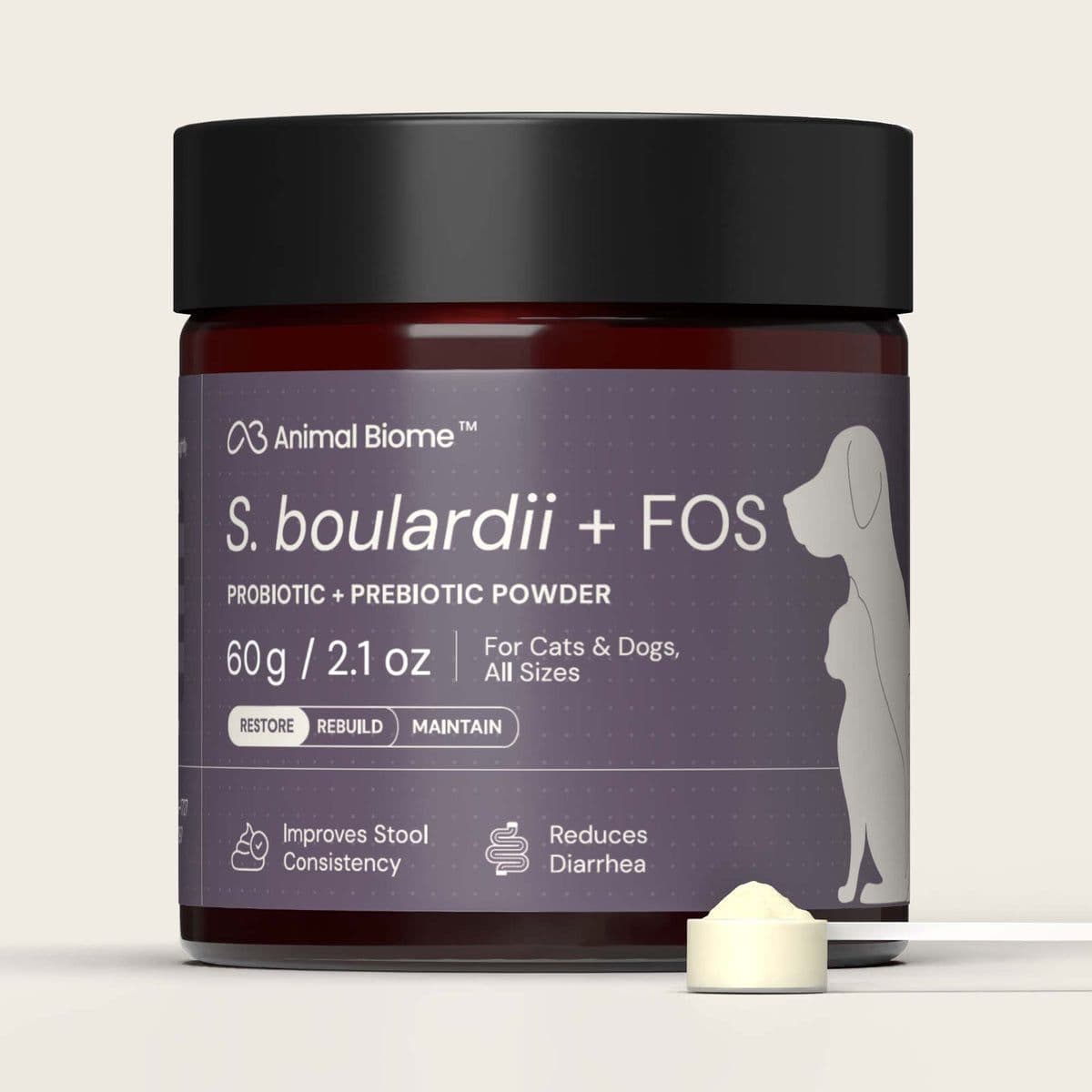
Antibiotic-resistant probiotic yeast paired with prebiotic FOS; supports stool consistency and helps reduce diarrhea in cats and dogs, including during antibiotic courses.
Webvet may earn a commission when you click through to Animal Biome, at no extra cost to you.
What outpatient treatment actually means
Merck and Cornell describe outpatient protocols for selected patients when the veterinarian believes the dog is stable enough and the owner can comply with a rigorous plan. The protocol still begins with veterinary examination and treatment.
Outpatient care can require daily hospital visits, prescribed fluids or medications, careful recordkeeping, isolation, and immediate return if the dog deteriorates. It is not a collection of home remedies and cannot be chosen solely because it appears less expensive.
Who may not be an outpatient candidate
The veterinarian may recommend hospitalization when a dog has moderate or severe dehydration, shock, uncontrolled vomiting, low blood glucose, serious blood-cell changes, severe protein loss, inability to receive home treatment, or another complication.
Distance from the clinic, the owner's ability to return daily, safe isolation, and reliable monitoring also matter. The correct setting is a clinical decision, not a percentage comparison.
 Sponsored
Vet care that's always there
Unlimited video calls and messaging with licensed vets for less than a typical vet visit. One membership covers up to five pets.
Use code Pets60
Plans start at $12/month · covers up to 5 pets
- Licensed vets in most states
- Rx for 150+ conditions
- 4.7 on Trustpilot
What Changes a Dog's Prognosis?
Age, size, hydration, circulation, blood glucose, electrolytes, white blood cells, protein loss, complications, treatment timing, and early response shape prognosis. A parvo survival rate for adult dogs, older dogs, or Rottweilers cannot override the examination. Caught-early care can improve outlook, but the veterinarian interprets every factor together for one dog.
| Factor | What the team watches | Why it matters |
|---|---|---|
| Timing of treatment | Duration and progression of signs before care | Earlier supportive care can limit the consequences of fluid loss and complications |
| Hydration and circulation | Perfusion, pulse quality, gum color, blood pressure, urine, and response to fluids | Shock and poor perfusion require rapid correction and close monitoring |
| Glucose and electrolytes | Blood glucose, potassium, sodium, and related trends | Significant abnormalities can affect weakness, heart function, and treatment needs |
| White blood cells | Severity and trend of leukopenia or neutrophil response | Marked abnormalities can accompany greater infection-related risk |
| Age and size | Puppy age, body reserves, and ability to tolerate losses | Small or young patients can have less reserve during rapid fluid loss |
| Complications | Sepsis, severe protein loss, aspiration, or another disease | Complications can add treatment intensity and change the outlook |
| Early response | Vomiting control, hydration, alertness, appetite, and laboratory trends | Improvement across several measures is more useful than one isolated sign |
Age and size
Puppies are commonly affected and may have limited reserves. Cornell notes that age and size influence survival. That does not mean an adult dog is protected from severe disease or that a small puppy cannot recover with treatment.
Vaccination history changes the likelihood of parvo, not the need to treat a seriously ill dog. For the narrower breakthrough question, see WebVet's guide to parvo in vaccinated dogs.
Severity when treatment starts
A dog arriving alert with manageable dehydration is not the same population as a dog arriving collapsed with shock. The initial examination and laboratory work help define that difference.
Starting medical care when illness first develops improves recovery chances. Do not wait for blood in the stool, profound weakness, or a supposed worst day. WebVet's early parvo symptoms and emergency signs explains the isolate-and-call threshold.
Blood-cell, glucose, and protein changes
Merck lists leukopenia, an absent band neutrophil response, hypoglycemia, severe dehydration, and complications among factors associated with prognosis. These findings require clinical interpretation and often repeat measurements.
One improved laboratory value does not guarantee recovery. The veterinarian reads trends alongside circulation, vomiting, diarrhea, appetite, temperature, comfort, and mental status.
Response during the first treatment period
Encouraging changes can include improved alertness, better hydration, reduced vomiting, stable circulation, and gradual interest in food. No single good sign proves the dog is safe to discharge.
Worsening weakness, renewed vomiting, falling temperature, abnormal gums, low blood sugar, or deteriorating blood counts may prompt changes in fluids, medication, nutrition, or monitoring.
Why the prognosis can change during hospitalization
An intake estimate is a starting judgment. The dog may respond quickly to fluids and nausea control, or new concerns may appear when repeat examination and laboratory results are available. A careful veterinary team updates the prognosis instead of treating the first estimate as permanent.
Early improvement is encouraging, but the intestinal lining and immune defenses still need time to recover. A dog can have a brighter hour and still require fluids, medication, nutrition, and isolation. Trends across several observations are safer than one snapshot.
Questions to ask the treating team
Ask which setting is recommended, what findings matter most today, whether hydration and laboratory trends are improving, which complication is being watched, and what would support discharge or require intensive care. Ask when the next update is expected.
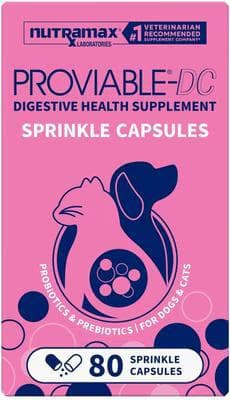
Multi-strain probiotic plus prebiotic sprinkle capsules for dogs and cats; supports digestive balance during diarrhea, diet changes, and antibiotic courses.
Webvet may earn a commission when you click through to Chewy, at no extra cost to you.
Parvo Recovery Timeline
Recovery is better understood as a sequence of clinical milestones than a guaranteed calendar. First 24 hours, days two through four, discharge transition, and early home recovery are milestones, not promises. Merck notes that most puppies surviving the first three to four illness days make a full recovery, usually within about one week.
A parvo recovery timeline describes stages and monitored recovery signs, not a day-by-day guarantee. Dog parvo recovery time and how long the illness lasts vary. Recovery symptoms can improve unevenly, so parvovirus recovery stages must be judged by clinical trends and the treating team's instructions.
Retail recovery products enter only after veterinary discharge. If approved, Under the Weather Rice & Chicken, AnimalBiome Gut Restore for Dogs, and AnimalBiome S. boulardii + FOS Powder are exact products to discuss. None creates the published survival rate.

| Period | What the veterinary team may monitor | Encouraging direction | Contact or escalation reason |
|---|---|---|---|
| First 24 hours after care begins | Circulation, hydration, glucose, electrolytes, vomiting, temperature, pain, and alertness | Better perfusion, fewer vomiting episodes, and improved responsiveness | Persistent shock, uncontrolled vomiting, worsening weakness, or dangerous laboratory changes |
| Days two through four | Fluid balance, blood-cell trends, stool losses, nutrition tolerance, and complications | Stable hydration, improving alertness, controlled nausea, and interest in food | New collapse, recurrent vomiting, falling temperature, severe pain, or declining blood values |
| Transition toward discharge | Ability to retain food and water, medication plan, mobility, stool trend, and owner readiness | Eating small amounts, maintaining hydration, and tolerating oral care | Inability to eat, renewed losses, unsafe isolation, or inability to give the plan |
| Early home recovery | Appetite, energy, stool, vomiting, medications, hydration, and isolation | Gradual strength and appetite return without renewed vomiting | Weakness, refusal to eat, repeated vomiting, worsening diarrhea, pain, or any clinic-listed red flag |
First 24 hours after treatment begins
The first day often focuses on stabilization. Fluids, anti-nausea medication, correction of glucose or electrolyte problems, comfort care, and monitoring can begin before every diagnostic question is settled.
Days two through four
Merck identifies the first three to four illness days as an important milestone. Passing that point with improving clinical trends is encouraging, but it is not a guarantee and does not mean every puppy follows the same clock.
Appetite and stool improvement
Interest in food and the ability to keep it down are meaningful milestones. Stool may remain abnormal after vomiting improves, and energy can return gradually. The veterinarian decides when and how feeding should advance.
If the discharge plan later includes digestive support, Nutramax Proviable, FortiFlora for dogs, and AnimalBiome Gut Maintain for Dogs are exact products to ask about. Do not start one during active vomiting or change the recommended dose.
Discharge readiness
Discharge generally means the dog can continue a veterinarian-directed plan safely at home. The team considers hydration, vomiting control, nutrition, medication, mobility, isolation, owner capacity, and access to recheck care.
Before leaving, ask for written instructions, medication times, feeding amounts, cleaning steps, isolation duration, recheck timing, and a clear list of reasons to return.

Webvet may earn a commission when you click through to Chewy, at no extra cost to you.
What recovery does not guarantee
Recovery from one infection does not turn a dog into a safe source of contact for other dogs immediately. Viral shedding and environmental contamination remain practical concerns after the dog feels better, which is why Cornell advises continued isolation after recovery.
A dog may regain appetite before stool is fully normal or remain tired after vomiting stops. Those patterns can occur during recovery, but they still need to be judged against the discharge instructions. New decline is different from gradual improvement.
If the owner is unsure whether a change is expected, call the treating clinic. A timely question is safer than stopping medication, adding a product, or changing food based on a generic recovery calendar.
Do Not Wait for a Last Stage: Emergency Decline Signs
The last stage of parvo is not a safe milestone to identify at home. Severe decline can include shock, collapse, profound dehydration, abnormal gums, altered responsiveness, or inability to stand, and emergency care is required before that pattern develops.
There is no safe final-stage threshold to wait for. A dog can move from early lethargy and appetite loss to severe vomiting, diarrhea, dehydration, and systemic decline. Most deaths occur early after signs begin, according to the AVMA, which makes prompt care essential.
Seek emergency care for:
- Collapse, inability to stand, or extreme weakness
- Pale, gray, blue, or unusually dark red gums
- Altered responsiveness or profound lethargy
- Repeated vomiting or inability to retain water
- Severe or rapidly worsening diarrhea
- Cold limbs, abnormal breathing, or other shock concerns
- Renewed decline after apparent improvement
Call before arrival so the hospital can prepare isolation. Do not wait for a specific stool color, blood, a named stage, or a countdown.
Comfort, Pain, and Emergency Monitoring
Parvo can cause abdominal pain, nausea, repeated vomiting, severe diarrhea, and profound weakness. Comfort is part of veterinary supportive care. The team can assess pain and choose medication that fits the dog's circulation, hydration, and other treatment needs.
Do not give human pain relievers or leftover medication. Medication choice belongs to the veterinary team because hydration, circulation, and the treatment plan must be considered together. Report restlessness, a tucked posture, vocalization, abdominal guarding, difficulty settling, or sudden behavior changes.
What owners can observe safely
At home after discharge, record:
- Meals offered and amounts eaten
- Water intake only as the clinic instructs
- Vomiting and diarrhea episodes
- Medication times and whether a dose stayed down
- Energy, mobility, and comfort changes
- Urination and any clinic-requested temperature checks
Use the log to communicate, not to override the return precautions. If the dog meets an escalation criterion, call immediately rather than waiting to gather a complete day of data.
What Helps a Dog Recover After Discharge?
Recovery at home depends on following the veterinary plan, not adding as many products as possible. Give medication exactly as directed, keep recheck appointments, advance food only as instructed, maintain isolation, and report setbacks promptly.
To help a dog recover from parvo, follow the discharge plan for food, medication, isolation, rechecks, and escalation. Recovery food for puppies or a parvo recovery diet should be selected for the individual patient rather than copied from a generic product list.
- 1Discharge is a monitored transition, not proof that every risk has passed.
- 2Use only veterinarian-approved food, supplements, and medications.
- 3Renewed vomiting, weakness, appetite loss, or worsening diarrhea needs a call.
- 4Recovery products do not create the published hospital or outpatient survival rates.
Feeding after vomiting is controlled
The veterinarian may recommend small, frequent meals, a therapeutic recovery diet, or another gradual feeding plan. Early nutrition can be part of clinical management once perfusion and major abnormalities are addressed.
If a temporary bland food is approved, use the portion and duration in the discharge plan. It does not treat parvo or replace complete long-term nutrition.
Digestive support after discharge
If the veterinarian recommends a probiotic or microbiome product after the acute illness, follow the exact product, timing, and dose in the discharge plan. Do not stack products or assume that more digestive support produces a better recovery.
These products do not kill parvovirus, correct shock, replace fluids, or determine survival. Ask whether they fit the dog's medications, stool pattern, feeding plan, and follow-up testing.
Discharge, Isolation, and Safe Handling
Cornell advises isolation during treatment and for up to two weeks after recovery. Follow the treating hospital's exact timeline because the dog's course, household, and local environment may affect the plan.

Can I touch my dog with parvo?
You can provide care using the clinic's hygiene instructions. Canine parvovirus spreads through contaminated feces and fomites, so hands, clothing, shoes, bowls, and cleaning tools can carry infectious material to other dogs.
Wash hands, use designated clothing or footwear if advised, and keep supplies separate. Prevent contact with other dogs and avoid shared outdoor canine areas until the veterinarian clears them.
Set up a practical isolation space
Choose a quiet, easy-to-clean area with:
- Separate washable bowls and bedding
- A medication and feeding checklist
- A safe route that avoids household dogs
- Cleaning supplies approved by the veterinary team
- A plan for waste handling and outdoor toileting
- The clinic's daytime and after-hours numbers
Do not assume ordinary household cleaning products inactivate parvovirus. Use the product, dilution, surface preparation, and contact time the veterinary team recommends.
Optional setup items may include the Pet Parents Pawtect Waterproof Blanket as a washable protective layer and the Frisco Stainless Steel Double Elevated Dog Bowl as a separate bowl set. Neither product disinfects itself or changes the isolation plan.
Plan for other dogs without assuming reinfection
Use the clinic's isolation plan for the recovering dog and every exposed household dog:
- Keep the patient separate and share each exposed dog's age, vaccine record, health conditions, and possible contact with the veterinarian.
- Do not treat brighter behavior as proof that bowls, bedding, crates, shoes, yards, or cleaning tools are safe.
- Avoid dog parks, daycare, boarding, group training, grooming areas, and canine visitors until the isolation period ends.
- Tell caregivers that clothing and footwear may need cleaning before they contact another dog.
Relapse and recheck red flags
Contact the clinic for renewed vomiting, refusal to eat, worsening diarrhea, increasing weakness, pain, difficulty giving medication, or any change named in the discharge instructions.
Go to emergency care for collapse, abnormal gums, reduced responsiveness, inability to stand, labored breathing, or rapid deterioration. A setback deserves clinical review, not an added supplement or improvised medication.
Why Home Remedies Do Not Create the Treated Survival Rate
Nothing safely kills parvo in dogs at home. Environmental disinfection can reduce contamination when performed correctly, but it does not treat the infected patient or create the published survival rate.
Published survival rates come from veterinary supportive care. Fluids, anti-nausea treatment, clinical nutrition, monitoring, antimicrobial treatment when indicated, and management of complications are what define those treated populations.
Egg yolk, sports drinks, herbs, supplements, retail tests, and online fluid instructions do not reproduce hospital care. Even a veterinarian-directed outpatient protocol requires patient selection, prescriptions, reassessment, and a rapid escalation pathway.
Why egg yolk does not help a dog with parvo
Egg yolk does not help dogs with parvo in place of veterinary treatment.
Egg yolk does not kill parvovirus, correct dehydration or shock, or reproduce veterinarian-directed treatment. A vomiting dog may not tolerate food safely, and feeding decisions depend on stability and nausea control. Ask the treating team when nutrition can begin and what to offer. Do not delay care to try egg yolk.
Do not credit an improvement to a product while ignoring prescribed treatment. The safest conclusion is that the dog's recovery plan worked as a coordinated veterinary plan, with individual response and disease severity also contributing.
Frequently Asked Questions
Does stool have to be normal before a dog is discharged?
Not necessarily. The veterinary team considers vomiting control, hydration, circulation, appetite, medication tolerance, mobility, laboratory trends, isolation, and the caregiver's ability to continue the plan. Stool may still be loose during recovery. Discharge is appropriate only when the veterinarian believes remaining needs can be managed safely with written return precautions.
When should a recovering dog have its first recheck?
There is no universal interval. The hospital should put the first recheck date in the discharge instructions based on medication, laboratory changes, and response to feeding. Call sooner for renewed vomiting, refusal to eat, worsening diarrhea, weakness, pain, or any listed red flag. Do not wait for a routine appointment if the dog declines.
What should I do if a recovery food triggers new vomiting?
Stop offering the item and call the treating clinic for instructions. Do not assume food is the only cause or replace it with another product on your own. Renewed vomiting after discharge can signal a setback that needs clinical review. Follow the hospital's hydration, medication, feeding, and return precautions while arranging advice.
Can I change a probiotic dose if diarrhea continues?
No. Do not increase, combine, or stop a digestive product without guidance from the treating veterinarian. Persistent or worsening diarrhea may reflect ongoing illness, medication effects, diet intolerance, or another complication that a supplement cannot distinguish. Report the stool pattern, vomiting, appetite, energy, medications, and current product dose so the clinic can advise safely.
How should a recovering dog use the bathroom during isolation?
Ask the veterinary team for a route and waste plan. Keep the patient away from shared canine relief areas, dog parks, and household dogs until the clinic ends isolation. Use designated footwear or cleaning tools if advised, collect waste promptly, and follow the recommended disinfectant and contact time without mixing products.
The Bottom Line
The parvo survival rate in dogs depends heavily on treatment. Merck reports survival above 90% with aggressive hospital care and about 80% success in published outpatient protocols for selected patients. Cornell states that most untreated patients do not survive.
Those figures describe populations, not promises. Seek care immediately, let the veterinary team choose the treatment setting, and judge progress by clinical trends. After discharge, follow the written plan and treat renewed vomiting, weakness, appetite loss, or collapse as a reason to call or return.
Sources

Editor
The Webvet Editorial Team is the in-house group of pet-care editors and writers behind Webvet, operated by Smart Pet Collective. The team researches, writes, and maintains Webvet's pet health, behavior, and medication content. Every article follows a defined editorial process: research from reputable veterinary and scientific sources, careful drafting, mandatory review of medical content by a credentialed veterinarian, and dated publication. Health and medication articles are medically reviewed by a licensed veterinary professional before they go live and are kept current over time.
Veterinarian · BVMS MRCVS
Dr. Pippa Elliott, BVMS, MRCVS, is a veterinarian with nearly 30 years of experience in companion animal practice. Dr. Elliott earned her Bachelor of Veterinary Medicine and Surgery from the University of Glasgow. She was also designated a Member of the Royal College of Veterinary Surgeons. Married with 2 grown-up kids, Dr. Elliott has a naughty Puggle named Poggle, 3 cats and a bearded dragon.


