Parvo Treatment Cost for Dogs: Hospital Care and What Drives the Bill
Parvo care can cost hundreds to several thousand dollars. Learn what drives the estimate, how outpatient care works, insurance limits, and why treatment cannot wait.

BVMS MRCVS
Medically reviewed by Dr. Pippa Elliott, BVMS MRCVS · Last reviewed

This article contains affiliate links. Webvet may earn a commission when you buy through them, at no extra cost to you.
Parvo treatment cost can range from hundreds to several thousand dollars, but suspected parvo requires immediate veterinary contact before price comparison. Call the clinic or emergency hospital, describe the signs, and ask how to arrive without exposing other dogs. Delaying care can worsen the medical risk and increase treatment needs.
 Sponsored
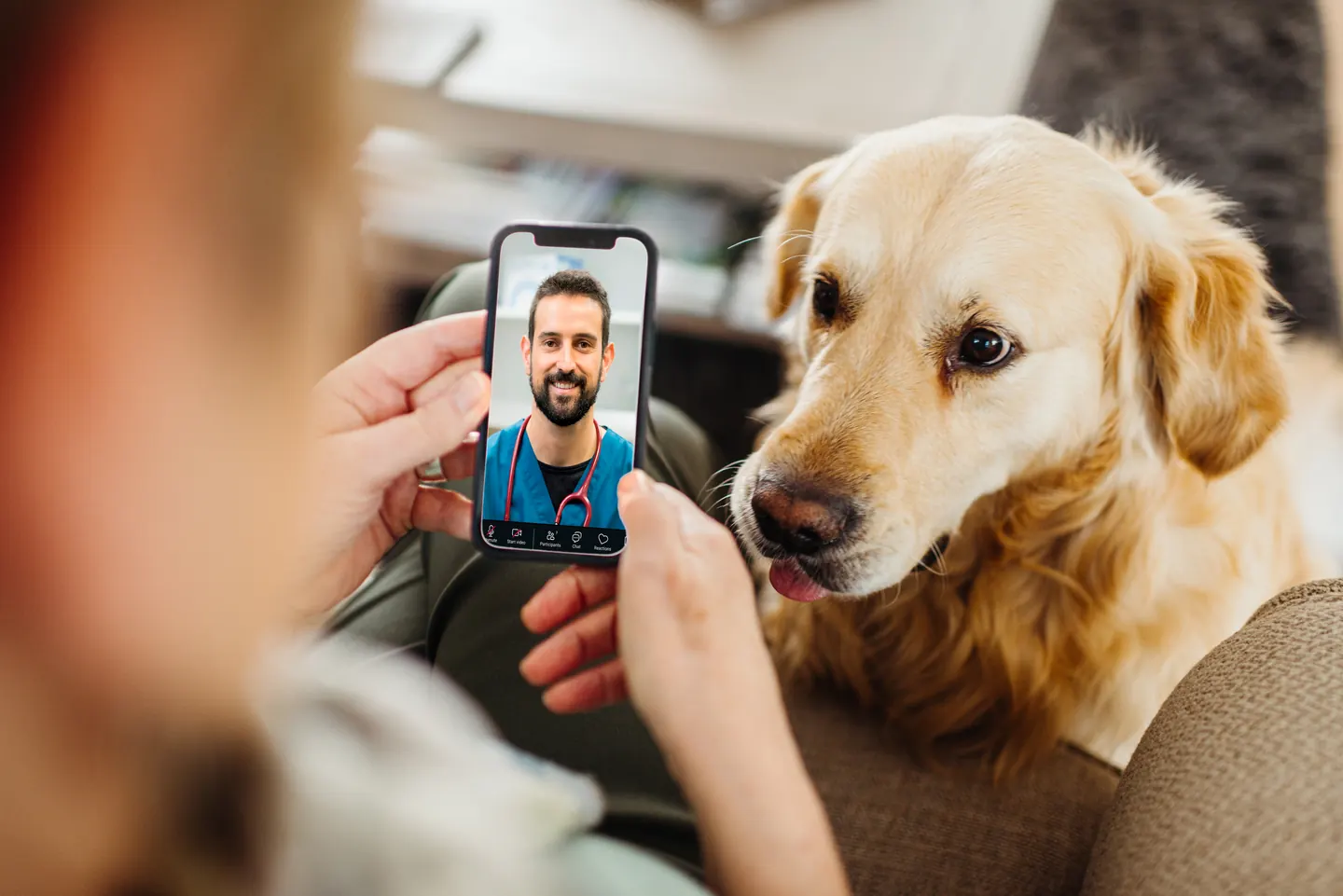
Have a health question about your dog?
Talk to a licensed vet at Dutch over video or message, including nights and weekends.
Use code Pets60
Plans start at $12/month · covers up to 5 pets
- Licensed vets in most states
- Rx for 150+ conditions
- 4.7 on Trustpilot
Parvo Is an Emergency: Call Before Comparing Costs
The AVMA advises immediate veterinary contact when a puppy or dog develops compatible signs. Cornell states that most patients will not survive without treatment. Those facts make evaluation and stabilization the first decisions, even when the likely bill is frightening.
Call ahead if the dog has repeated vomiting, severe diarrhea, marked lethargy, appetite loss, weakness, or dehydration. The hospital may arrange a separate entrance or isolation route because parvovirus spreads readily between dogs.
Parvo symptoms can change day by day, and early signs may progress before an owner can compare prices. Dog parvo symptoms and treatment decisions belong in the first veterinary call, not in a wait-and-see cost calculation.
What to say on the first call
Give the team a concise picture:
- The dog's age, weight, and vaccination history
- When vomiting, diarrhea, appetite loss, or lethargy began
- Whether the dog can keep water down
- Any known parvo exposure or outbreak setting
- Whether the dog is collapsing, weak, or less responsive
- The financial limit that could affect immediate decisions
Ask where to arrive and whether the hospital needs a deposit. Do not spend critical time calling multiple clinics for the lowest quote while a weak puppy is losing fluid.
Emergency care can start before the full estimate is settled
The hospital may recommend an examination, rapid testing, and immediate stabilization before it can predict the full treatment course. Severity, response to fluids, laboratory results, and complications can change the estimate after admission.
Request an initial written estimate and ask when it will be updated. That preserves informed financial decisions without turning price research into a delay.
A policy bought now generally will not pay this active bill
Lemonade's first-party explanation says pet insurance typically excludes bills related to a condition that showed signs, was diagnosed, or was treated before coverage or during a waiting period.

Sponsored Lemonade pet insurance link. Webvet may earn a commission.
Future Insurance Is Separate From Today's Bill
For future risk after the dog's immediate care is arranged, Lemonade pet insurance is one policy to compare. Read the current waiting periods, exclusions, reimbursement terms, limits, and state-specific documents before enrolling.
Parvo Treatment Cost: The Direct Answer
Is it expensive to treat a dog with parvo? It can be expensive. MetLife reports about $300 to $2,600 or more, while Pawlicy Advisor reports about $500 to $2,000. Parvo treatment cost varies, so call a veterinarian before comparing prices, use named, dated ranges, and request a written hospital estimate.
How much does parvo virus treatment cost for a puppy? The vet's answer depends on severity, setting, location, and services.

Why two published ranges differ
Each source uses its own data, assumptions, and definitions. One estimate may include a basic outpatient pathway, while another may reflect hospital care or different local prices. Neither can tell you what this dog needs before examination.
Use the published ranges to understand scale, then replace them with the treating hospital's written estimate. Ask which services are immediately necessary, which are contingent, and what clinical change would increase the bill.
- 1Call a veterinarian before comparing prices.
- 2Use named, dated ranges only as market context.
- 3Ask the hospital for a case-specific written estimate.
- 4Outpatient care is a veterinary protocol, not do-it-yourself treatment.
- 5A new policy generally will not cover an episode that is already symptomatic or diagnosed.
Current Published Estimates and What They Mean
| Source and date | Reported estimate | What it may reflect | Important limitation |
|---|---|---|---|
| MetLife, published January 22, 2025 | About $300 to $2,600 or more | A broad treatment range, with hospitalization described as a major cost driver | Insurer article, not a universal hospital fee schedule |
| Pawlicy Advisor, checked August 30, 2026 | About $500 to $2,000 | Market context across cases, with extended hospitalization potentially much higher | Patient, condition, hospital, and length of stay change the total |
| Treating veterinary hospital | Case-specific written estimate | Examination, diagnostics, stabilization, selected treatment setting, monitoring, and contingencies | Most useful only after the team assesses this dog |
The table deliberately does not blend the two market ranges. It keeps each source and date beside the reported estimate, what it may reflect, and an important limitation. MetLife was published January 22, 2025, and Pawlicy Advisor was checked August 30, 2026. Averaging them would imply false precision before the hospital evaluates this dog.
How to use a range responsibly
Ask whether the estimate includes:
- Examination and isolation fees
- Fecal testing and blood work
- Initial stabilization and fluids
- Hospitalization or daily outpatient rechecks
- Medication, nutrition, and consumable supplies
- Repeat laboratory work
- Complication care or referral
- Recheck visits after discharge
An estimate may contain a low and high end based on possible care paths. Ask what assumptions separate those ends and when the team will contact you for authorization.
Read the estimate by decision point
Start with the services needed to assess and stabilize the dog. Then identify the recommended treatment setting, expected monitoring period, and items that become necessary only if the dog worsens.
Ask the team to mark four categories:
- Care authorized and expected now
- Optional services that can be discussed after initial results
- Contingency items tied to a specific complication
- Recheck or discharge expenses billed separately
This approach does not mean declining necessary care. It helps the owner understand why the high end differs from the low end and which clinical finding could change authorization.
If the estimate uses a range for hospitalization, ask what number of days it assumes. Confirm whether a new estimate will be provided before the assumed period ends or when the balance reaches a stated threshold.
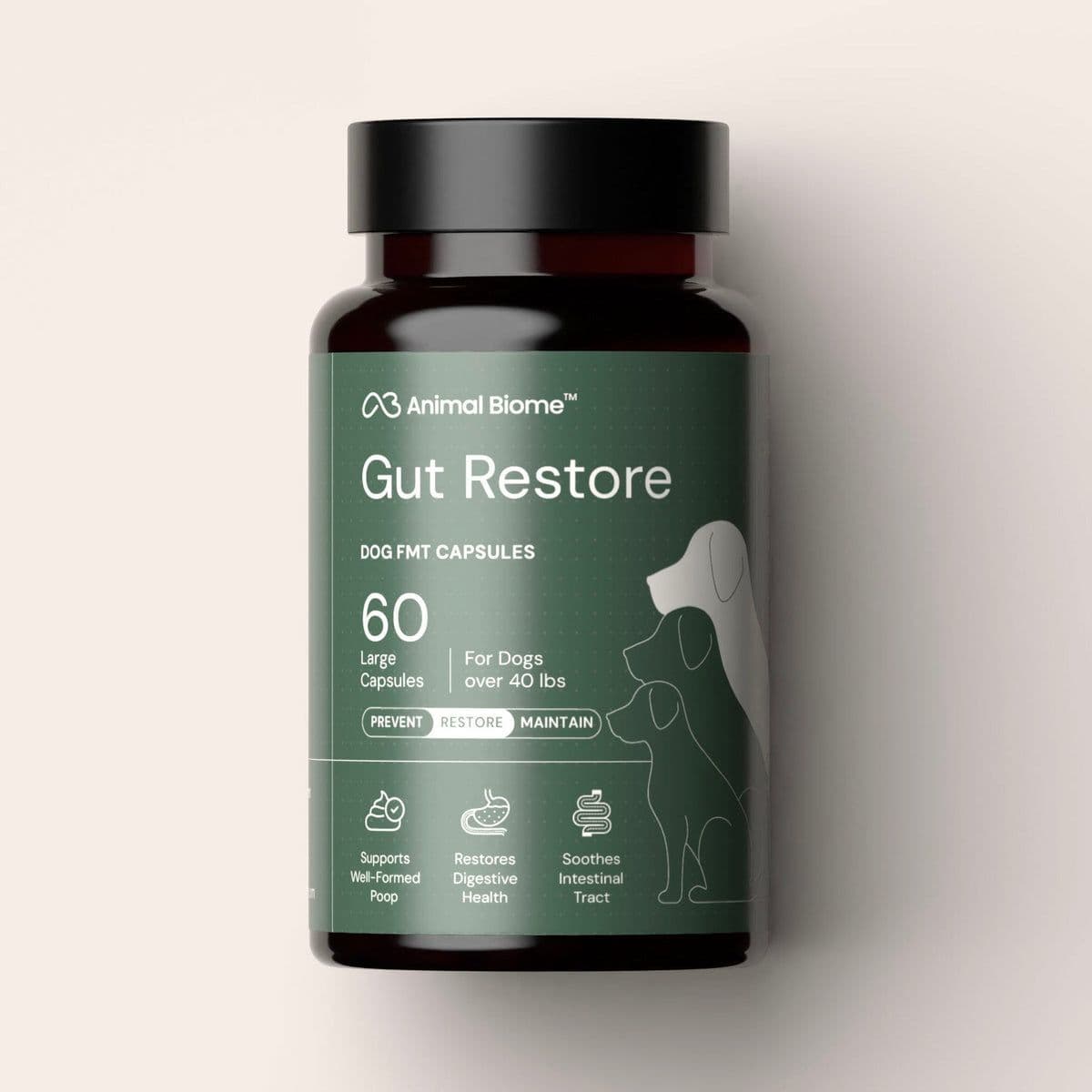
Veterinarian-developed oral fecal microbiota transplant (FMT) capsules that reintroduce a full community of dog-specific gut bacteria; used to support dogs with ongoing soft stools, diarrhea, or recovery after antibiotics.
Webvet may earn a commission when you click through to Animal Biome, at no extra cost to you.
Veterinarian-recommended microbiome support after the dog is stable enough for home care is a separate recovery expense. If the veterinarian approves one after discharge, AnimalBiome Gut Restore for Dogs, AnimalBiome S. boulardii + FOS Powder, and Nutramax Proviable are exact products to price separately. None treats parvo or belongs in the emergency estimate.
Other separate post-discharge costs may include Under the Weather Rice & Chicken, FortiFlora for dogs, or AnimalBiome Gut Maintain for Dogs when the treating veterinarian approves the exact product and timing.
Why location changes cost
Emergency hospitals, specialty centers, general practices, and nonprofit clinics have different staffing, equipment, operating hours, and local costs. A large city's overnight hospital may not price care like a daytime clinic in another region.
WebVet's guide to emergency veterinary costs explains broader emergency-fee structure. The veterinary visit cost guide owns general exam-cost context. Neither replaces a parvo-specific hospital estimate.
Diagnosis and Testing Costs
Parvo evaluation often begins with an examination and a rapid fecal antigen test. Cornell notes that the plan may also include blood work, other fecal testing, or imaging when the result and clinical picture do not fully explain the illness.
Why a Retail Parvo Test Kit Is Not Enough
A retail parvo test kit, including an at-home parvo test kit, cannot replace veterinary examination or determine severity. If you search for a parvo test near you, call the clinic before arrival and ask how it tests, isolates, and stabilizes suspected patients. Do not delay care while looking for a home test.
A rapid antigen test can support diagnosis, but the veterinarian interprets it with exposure, symptoms, vaccination timing, examination findings, and severity. Testing alone cannot establish fluid loss, shock risk, or outpatient eligibility. Early infection or changing viral shedding can complicate results.
The clinic may recommend repeat or additional testing when suspicion remains high. The price of one test today does not represent the full diagnostic or treatment cost.
Why blood work may be recommended
Blood work can help assess:
- White blood-cell changes associated with disease severity
- Glucose and electrolyte abnormalities
- Hydration and kidney-related values
- Protein loss and nutritional concerns
- Whether trends support more intensive monitoring
These results help the team select fluids, medication, nutrition, and recheck timing. Repeat testing may be needed because parvo can change quickly.
When imaging or other tests enter the estimate
Vomiting and diarrhea are not unique to parvo. A swallowed object, toxin exposure, parasites, pancreatitis, or another disease may require radiographs, ultrasound, or additional fecal tests.
WebVet's guide to parvo symptoms and emergency signs explains why stool appearance cannot diagnose the disease. The hospital determines which competing diagnoses need attention now.
 Sponsored
Vet care that's always there
Unlimited video calls and messaging with licensed vets for less than a typical vet visit. One membership covers up to five pets.
Use code Pets60
Plans start at $12/month · covers up to 5 pets
- Licensed vets in most states
- Rx for 150+ conditions
- 4.7 on Trustpilot
What the Hospital Bill Can Include
Parvo treatment is supportive. Merck describes care that may include intravenous fluids, electrolyte and glucose monitoring, anti-nausea medication, antimicrobial treatment when indicated, nutrition, and management of complications. The bill reflects the intensity and duration of those services.
Canine parvovirus treatment is the full clinical plan behind the bill, not one product. Examination, isolation, diagnostics, stabilization, medication, nutrition, monitoring, and complication care can all contribute to parvo treatment cost.

| Care component | Why it may be needed | What can change the cost |
|---|---|---|
| Examination and isolation | Assess urgency while protecting other dogs | Emergency setting, repeated examinations, and isolation resources |
| Diagnostics | Confirm parvo, measure severity, and check competing causes | Repeat antigen tests, blood panels, fecal testing, radiographs, or ultrasound |
| Stabilization and fluids | Correct dehydration, poor perfusion, glucose, or electrolyte problems | Patient size, shock severity, catheter care, and monitoring frequency |
| Vomiting and comfort control | Help retain nutrition and reduce distress | Medication route, dosing frequency, and response |
| Antimicrobial care | Address bacterial complication risk when clinically indicated | Drug selection, culture needs, route, and duration |
| Nutrition | Support recovery after stabilization | Assisted feeding, feeding tube, diet, and length of support |
| Hospital monitoring | Track circulation, laboratory values, losses, and response | Overnight staffing, treatment intensity, and length of stay |
| Complication care | Treat shock, severe protein loss, aspiration, or other problems | Plasma products, oxygen, referral, intensive care, or added days |
Fluids and stabilization
AAHA fluid-therapy guidance emphasizes rapid veterinary resuscitation and monitoring for shock and poor perfusion. A mildly dehydrated, stable dog has different needs from a puppy arriving cold, weak, hypoglycemic, or collapsed.
Fluid cost can reflect catheter placement, fluid type, pump use, additives, repeated assessment, and patient size. Monitoring is part of safe therapy because needs can change as vomiting, diarrhea, urine output, and circulation change.
Medication and monitoring
Anti-nausea medication may help control vomiting and allow nutrition to begin. Antimicrobials may be used when intestinal barrier damage and blood-cell changes increase bacterial complication risk.
The team may repeat temperature, weight, perfusion, blood glucose, electrolytes, and blood counts. The purpose is to adjust care, not simply add tests.
Nutrition and complication care
Cornell notes that severe cases may require feeding-tube support or plasma transfusion. Those interventions are not routine for every patient, but they can materially increase cost when clinically necessary.
Ask which advanced services are included as contingencies. A transparent estimate should distinguish planned care from items that become necessary only if the dog worsens.
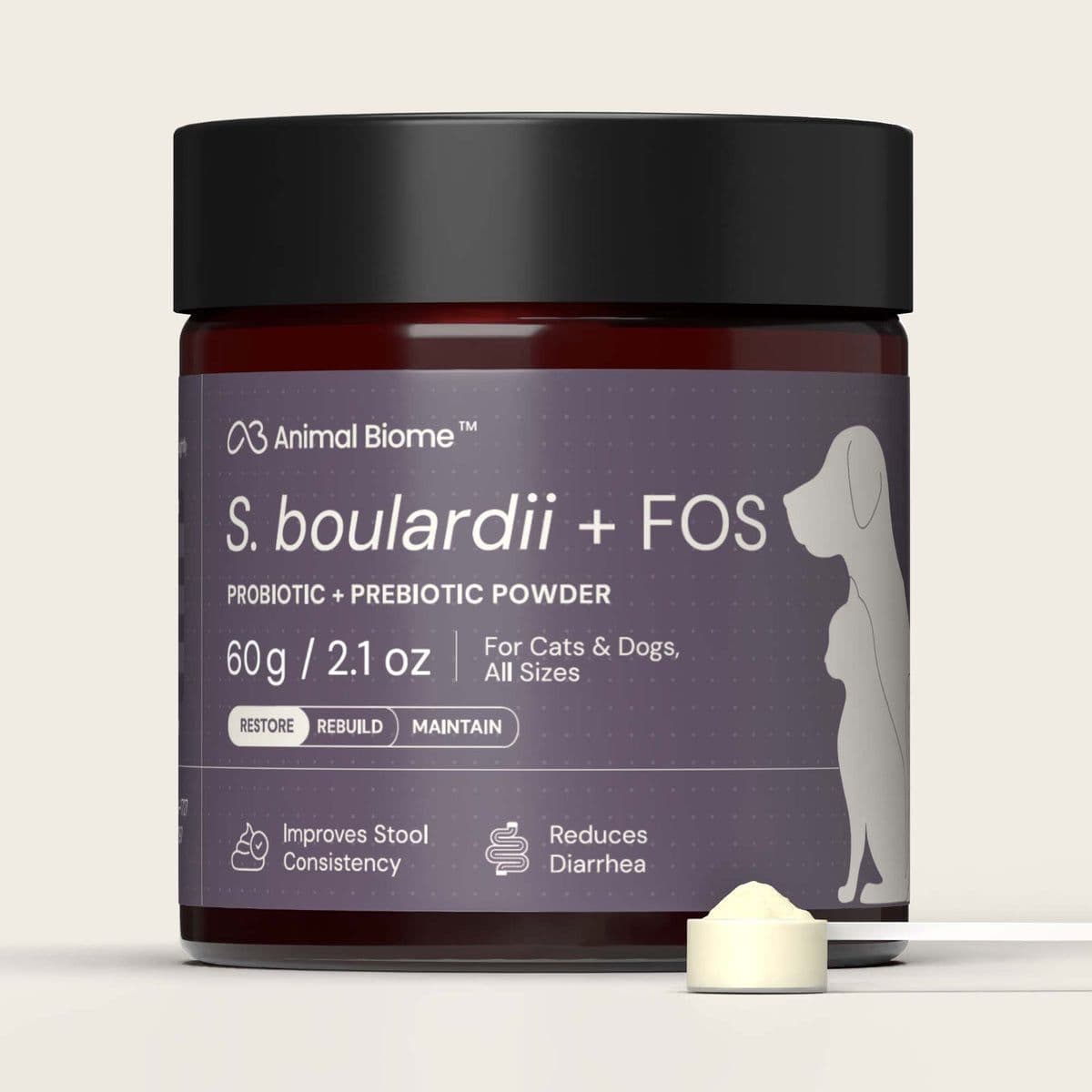
Antibiotic-resistant probiotic yeast paired with prebiotic FOS; supports stool consistency and helps reduce diarrhea in cats and dogs, including during antibiotic courses.
Webvet may earn a commission when you click through to Animal Biome, at no extra cost to you.
Inpatient Versus Outpatient Treatment Costs
Hospitalization is usually more expensive because it includes continuous nursing, intravenous therapy, isolation, repeated monitoring, and rapid adjustment. Cornell describes hospitalization as the preferred setting for close monitoring and intensive supportive care.
Outpatient protocols can reduce facility time for selected stable patients, but they still require examination, prescribed treatment, daily reassessment, and immediate escalation when needed. A lower initial estimate does not mean the care is casual or risk-free.
| Decision | Hospital care | Veterinarian-directed outpatient care |
|---|---|---|
| Patient selection | Often needed for unstable, dehydrated, or complicated cases | Limited to patients the veterinarian considers stable enough |
| Monitoring | Continuous or frequent inpatient checks | Rigorous home observation plus scheduled daily clinical reassessment |
| Fluids and medication | Intravenous and other treatments adjusted in hospital | Prescribed protocol with clinic-administered or carefully directed care |
| Escalation | Immediate within the hospital | Owner must recognize triggers and return without delay |
| Cost pattern | Higher facility and monitoring cost, especially with longer stay | May be lower, but still includes visits, diagnostics, medication, and possible transfer |
Ask about eligibility, not just price
The useful question is, "Is my dog medically appropriate for the outpatient protocol you offer?" The answer depends on hydration, circulation, vomiting, glucose, blood-cell findings, complications, distance, and the owner's ability to follow the plan.
If the dog is not an outpatient candidate, ask what immediate stabilization is essential and what financial resources the hospital can discuss. Do not attempt to convert inpatient recommendations into a self-designed home plan.
Outpatient Care Is Not Do-It-Yourself Care
Retail parvo test kits can delay necessary care and do not replace veterinarian-directed treatment. Sports drinks, leftover antibiotics, human anti-diarrheal medicine, egg yolk, and internet fluid instructions can create new risks. Safe parvo care at home exists only as a clinician-selected outpatient protocol with prescriptions, reassessment, and clear escalation rules.
There is no best medicine for parvo in dogs to buy and use independently. Medication, fluids, nutrition, testing, and monitoring must come from the veterinarian-directed plan, scheduled reassessment, and clear escalation instructions.
What Drives the Final Bill?
The final amount reflects more than the diagnosis. Two dogs with parvo can need different care because they arrive at different stages, respond differently to stabilization, or develop different complications.
Severity at arrival
Moderate or severe dehydration, poor perfusion, low blood glucose, severe protein loss, or major blood-cell changes can require more intensive therapy. A collapsed puppy may need emergency stabilization before the team can make a longer treatment plan.
This is one reason delay can increase both medical risk and cost. Early care cannot guarantee a smaller bill, but waiting allows avoidable deterioration.
Length of stay
Each additional hospital day can add nursing, isolation, fluids, medication, nutrition, and monitoring. Discharge depends on clinical readiness, not reaching a prepaid number of nights.
Ask for daily estimate updates. Learn what milestone the team wants before discharge and which setback could extend hospitalization.
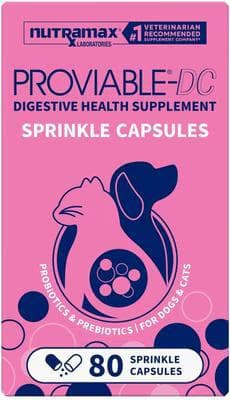
Multi-strain probiotic plus prebiotic sprinkle capsules for dogs and cats; supports digestive balance during diarrhea, diet changes, and antibiotic courses.
Webvet may earn a commission when you click through to Chewy, at no extra cost to you.
Patient size and treatment intensity
Larger dogs may use more fluid, medication, and supplies, while very small puppies may require especially close glucose and temperature monitoring. Cost does not rise in a simple straight line with weight.
Treatment intensity also changes with vomiting control, circulation, infection-related risk, and the need for assisted nutrition.
Complications and referral
Shock, severe protein loss, aspiration, or another diagnosis can add intensive care, plasma products, oxygen, imaging, or specialty referral. Ask whether the estimate includes transfer and how the team would contact you before major added costs.
Monoclonal Antibody Treatment and Other Cost Drivers
A canine parvovirus monoclonal antibody may be available through some veterinary hospitals. Whether it is appropriate, stocked, and included in the treatment plan is a veterinarian's decision.
CPMA is shorthand for canine parvovirus monoclonal antibody. CPMA parvo treatment cost, including a quote from a nearby hospital, depends on supply, patient size, administration, and the supportive care still needed. There is no universal Elanco or new parvo treatment price.
Do not assume the product replaces fluids, anti-nausea care, nutrition, isolation, or monitoring. Ask whether the estimate includes the medication, administration, continued hospitalization, and other supportive care.
Questions to ask about a newer treatment
- Is the treatment appropriate for this patient and this stage of illness?
- Is it available at this hospital today?
- What does the quoted price include?
- Which supportive treatments remain necessary?
- Does its use change expected monitoring or hospitalization?
- What evidence and limitations should I understand?
Avoid purchasing products online or attempting administration outside veterinary care. Product availability and treatment decisions can change, so the hospital is the current source of truth today.
Questions about where to buy CPMA parvo treatment or canine parvovirus monoclonal antibody online have a clinical answer: do not treat it as a retail purchase. A veterinary hospital must determine whether the product is indicated, available, administered correctly, and paired with the necessary monitoring and supportive care.
Insurance, Financing, and Questions to Ask Now
Financial planning should happen alongside veterinary assessment, not before it. Ask the hospital what must be done immediately, when the estimate will be revised, and which payment methods or financing resources it accepts.
If you cannot afford the first estimate
Tell the team directly. Ask about:
- The deposit and what it covers
- The minimum immediate diagnostic and stabilization plan
- Whether a veterinarian-directed outpatient protocol exists and whether the dog qualifies
- Daily estimate updates and authorization thresholds
- Referral or transfer options
- Third-party financing accepted by the hospital
- Local charitable or nonprofit resources the staff knows
- What clinical change would require hospitalization or intensive care
The deposit, daily estimate updates, referral or transfer options, financing, and hospitalization triggers belong in one written conversation with the veterinary team. Ask what the deposit covers, when the estimate will change, which clinical findings require hospitalization or transfer, and which payment resources the hospital accepts before signing any financing agreement.
If you are looking for low-cost parvo treatment near you or a low-cost pet vet near you, call first and ask whether the facility can isolate, test, stabilize, and monitor a contagious patient. A lower advertised exam fee does not establish that the clinic can provide the required level of care.
Read financing terms carefully
Credit products and payment plans can involve interest, deferred-interest conditions, fees, or eligibility rules. Confirm the total repayment terms before signing when time permits.
The veterinary team can explain medical urgency, but only the lender's agreement controls financing. Keep the treatment estimate and financing contract as separate documents.
Why a New Policy Usually Will Not Cover the Active Episode
- 1Signs that began before coverage are generally treated as pre-existing.
- 2A diagnosis or treatment before coverage strengthens that exclusion.
- 3Waiting periods can apply even when a policy was purchased recently.
- 4Terms and state availability vary by policy.
- 5Do not postpone care while buying or checking coverage.
Signs that began before coverage are generally treated as pre-existing, and waiting periods can apply. Lemonade explains that pet insurance typically excludes bills for conditions that showed signs, were diagnosed, or were treated before coverage or during a waiting period. A policy bought after vomiting or diarrhea begins generally will not pay this episode.
For future unexpected conditions, Lemonade is one option to compare with other policies. Read current exclusions, waiting periods, reimbursement terms, limits, and state-specific documents before enrolling.
If a policy was already active before signs began, call the insurer after arranging care. Coverage still depends on the contract. Do not make emergency treatment conditional on a phone representative's preliminary answer.
Questions to Ask the Veterinary Team About the Estimate
A short checklist can make a stressful conversation more useful:
- What does the deposit cover? Ask which examination, tests, stabilization, or hospital period is included.
- Which items are essential now? Separate immediate needs from later contingencies.
- When will the estimate be updated? Set a communication point before the balance changes materially.
- Is outpatient care medically appropriate? Ask about selection criteria, daily visits, and escalation.
- What could require transfer? Clarify intensive-care or specialty triggers.
- What happens after discharge? Include rechecks, medication, food, isolation, and supplies.
- Who calls after hours? Know the emergency contact and authorization process.
Write the answers down or ask for a printed copy. Make sure the hospital has a reachable primary contact for time-sensitive updates.
What to Budget for After Discharge
Discharge costs are separate from acute treatment. They may include prescribed medication, recheck examinations, repeat laboratory work, therapeutic food, cleaning supplies, washable bedding, and safe transport.

Food and supplements are supportive expenses
Use only products the veterinarian approves after vomiting is controlled and the dog is stable enough for home care. A recovery product does not kill parvovirus, correct shock, or replace prescribed treatment.
If the veterinarian recommends a post-discharge digestive product, ask about timing, medication compatibility, dose, and whether it fits this dog's stool pattern. Treat it as a separate supportive expense, not as a substitute for prescribed care.
Isolation and cleaning supplies
Budget for separate bowls, washable bedding, waste handling, and an approved disinfectant, but put required medication and rechecks first.
For a washable protective layer in the isolation area, the Pet Parents Pawtect Waterproof Blanket is one exact retail option to price. It does not inactivate parvovirus and still requires handling and laundering under the veterinary cleaning plan.
Rechecks and setbacks
Renewed vomiting, worsening diarrhea, appetite loss, weakness, or dehydration can lead to another examination, testing, or readmission. Follow the written return precautions and call before a setback becomes a wait-and-see cost decision.
WebVet's parvo survival guide covers recovery milestones and relapse red flags.
Prevention Costs Are Not Treatment Costs
Vaccination, boosters, and preventive visits belong to a different decision than treating an active infection. Do not compare a vaccine price with a hospital treatment estimate as if they were interchangeable services.
The live WebVet parvo vaccine guide owns vaccine schedules, protection, and related cost questions. Follow the treating veterinarian's advice for exposed household dogs and future vaccination after the current emergency is controlled.
Use that live guide for free or low-cost pet vaccines, mobile low-cost vaccination clinics, weekend vaccination events, and parvo titer test cost questions. Those preventive searches should resume after the active emergency is addressed and do not replace today's veterinary assessment.
Frequently Asked Questions
Is the hospital deposit the same as the final parvo treatment cost?
Usually not. A deposit is an amount collected toward the authorized plan, while the final bill reflects services actually provided and any approved changes. Ask what period and services the deposit covers, when the estimate will be updated, and whether the hospital will request authorization before costs move beyond the current high end.
What medical changes can cancel an outpatient parvo plan?
Worsening dehydration, uncontrolled vomiting, low blood glucose, poor circulation, severe weakness, major blood-cell or protein changes, and new complications can make outpatient care unsafe. The veterinarian reassesses eligibility rather than promising one setting for the whole illness. Ask which findings require immediate hospitalization and where transfer would occur if the dog declines.
Are parvo rechecks usually included in the original estimate?
There is no universal rule. Some estimates include defined rechecks, while others bill follow-up examinations, laboratory work, medication, or readmission separately. Ask the hospital to identify every included aftercare item before discharge. Also ask which symptoms require an unscheduled visit and whether that evaluation would create a new estimate or deposit.
Why can blood work change the parvo treatment estimate?
Blood work can reveal dehydration-related changes, low glucose, electrolyte problems, white-cell abnormalities, protein loss, or other concerns that affect treatment intensity. Repeat results may show improvement or deterioration after the first plan was written. Ask which finding changed the recommendation, what care it adds, and when the estimate will be reviewed again.
Is there a standard price for canine parvovirus monoclonal antibody?
No national price can be promised. The amount can vary with hospital supply, patient size, administration, continued monitoring, and the supportive care still required. Ask whether the treatment is available and appropriate, what its quoted price includes, and which fluids, medication, nutrition, isolation, or hospital services remain in the estimate.
Can a low-cost clinic or nonprofit treat parvo?
Capabilities vary. Call before arrival and ask whether the facility can isolate a contagious patient, test and stabilize the dog, provide a veterinarian-directed outpatient protocol, or arrange transfer. If it cannot, ask for the nearest appropriate hospital and any local aid resources. Do not delay treatment while visiting facilities that cannot safely manage parvo.
What documents should I keep after paying for parvo care?
Keep the written estimate, authorization changes, itemized invoice, deposit receipt, medication list, discharge plan, recheck instructions, financing agreement, and any insurer correspondence. These records answer different questions and may be needed for reimbursement or follow-up. Confirm that the patient name and dates match, but do not treat an estimate as a coverage decision.
The Bottom Line
Parvo treatment cost varies because the disease and care setting vary. Current published estimates provide context, but they are not a national price. The most useful number is the treating hospital's written estimate after examination and initial diagnostics.
Call immediately, ask what cannot safely wait, and discuss deposits, updates, outpatient eligibility, escalation, financing, and discharge costs. Do not expect a newly purchased policy or retail product to cover or replace treatment for an active episode.
Sources
- Merck Veterinary Manual: Canine Parvovirus Infection
- Cornell University College of Veterinary Medicine: Parvovirus
- American Veterinary Medical Association: Canine Parvovirus
- American Animal Hospital Association: 2024 Fluid Therapy Guidelines
- MetLife: Parvo Treatment Cost
- Pawlicy Advisor: Parvovirus Treatment Costs
- Lemonade: Pet Insurance and Pre-existing Conditions

Editor
The Webvet Editorial Team is the in-house group of pet-care editors and writers behind Webvet, operated by Smart Pet Collective. The team researches, writes, and maintains Webvet's pet health, behavior, and medication content. Every article follows a defined editorial process: research from reputable veterinary and scientific sources, careful drafting, mandatory review of medical content by a credentialed veterinarian, and dated publication. Health and medication articles are medically reviewed by a licensed veterinary professional before they go live and are kept current over time.
Veterinarian · BVMS MRCVS
Dr. Pippa Elliott, BVMS, MRCVS, is a veterinarian with nearly 30 years of experience in companion animal practice. Dr. Elliott earned her Bachelor of Veterinary Medicine and Surgery from the University of Glasgow. She was also designated a Member of the Royal College of Veterinary Surgeons. Married with 2 grown-up kids, Dr. Elliott has a naughty Puggle named Poggle, 3 cats and a bearded dragon.


