Parvo Vaccine for Dogs: Schedule, Cost, and Timing
The parvo vaccine is a core part of a dog’s preventive plan. See the puppy and adult schedule, why repeated doses matter, exposure guidance, side effects, and cost.

BVMS MRCVS
Medically reviewed by Dr. Pippa Elliott, BVMS MRCVS · Last reviewed

This article contains affiliate links. Webvet may earn a commission when you buy through them, at no extra cost to you.
The parvo vaccine for dogs is a core vaccine, usually given as part of DHPP or DAPP. The AAHA canine vaccination schedule and WSAVA 2024 vaccination guidelines call for a puppy series every 2 to 4 weeks, with the final puppy dose at 16 weeks of age or later. Puppies then receive another dose within a year, followed by core boosters generally every 3 years. Until the series is complete, ask your veterinarian how to balance safe socialization with local parvovirus exposure.
One early shot is not the same as a completed series. Antibodies inherited from the puppy’s mother can block a vaccine response, and the time those antibodies fade is different for every puppy. Repeated doses create several chances for the vaccine to work as that protection declines.
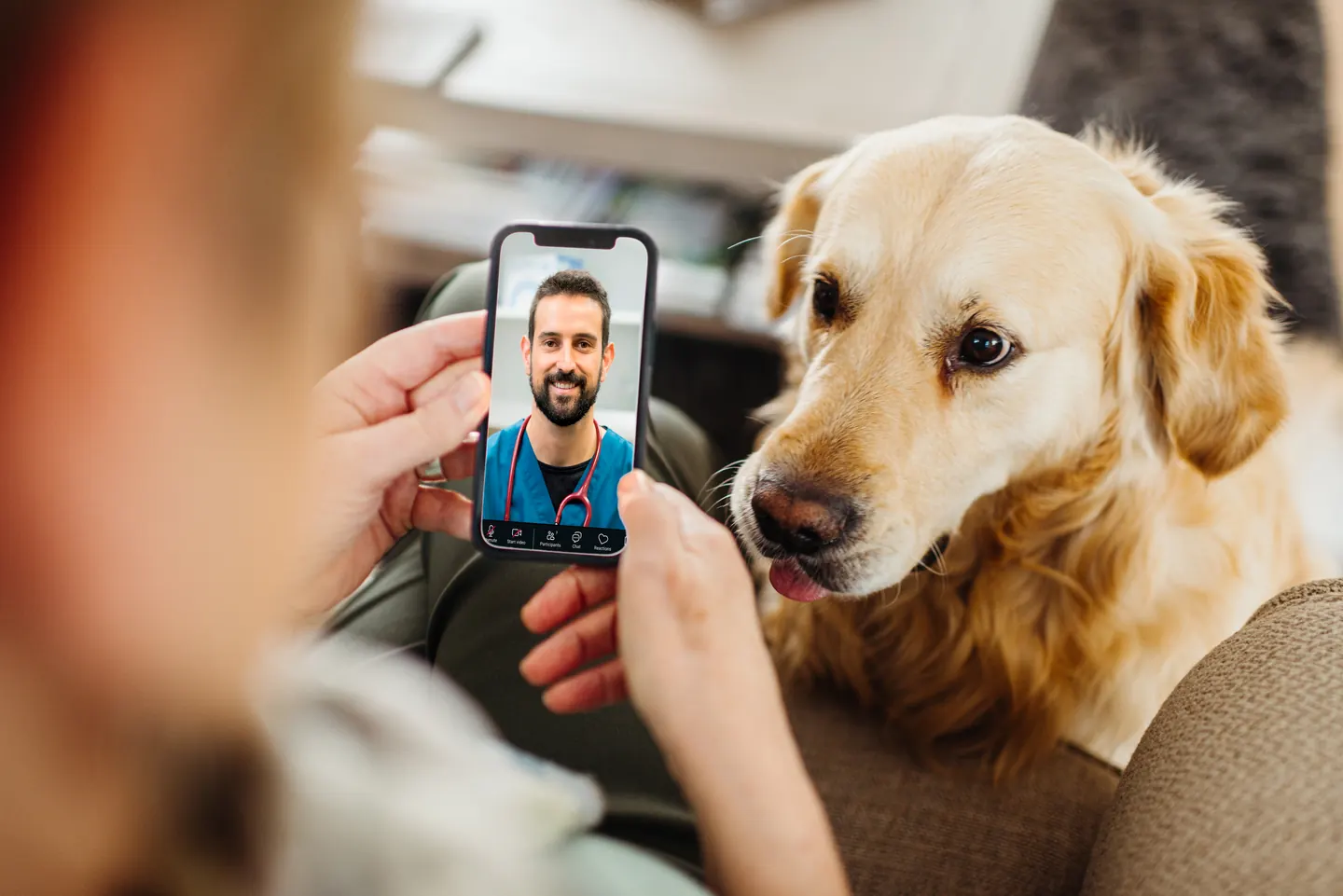
 Sponsored
Have a health question about your dog?
Talk to a licensed vet at Dutch over video or message, including nights and weekends.
Use code Pets60
Plans start at $12/month · covers up to 5 pets
- Licensed vets in most states
- Rx for 150+ conditions
- 4.7 on Trustpilot
Parvo vaccine schedule for puppies and dogs
The AAHA canine vaccination schedule and WSAVA 2024 vaccination guidelines agree on the crucial point: a puppy’s core series should continue until at least 16 weeks of age. In a high-risk situation, veterinarians may continue it to 20 weeks.
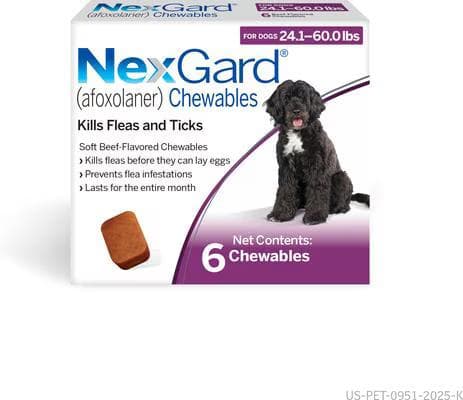
A monthly beef-flavored prescription chew (afoxolaner) that kills fleas before they lay eggs and kills ticks. A popular oral pick for dogs who do better with a chew than a topical.
Webvet may earn a commission when you click through to Chewy, at no extra cost to you.
- 1Parvovirus protection is usually included in a DHPP, DAPP, DA2PP, or similarly named combination vaccine.
- 2Puppies generally start at 6 to 8 weeks and receive a dose every 2 to 4 weeks.
- 3The final puppy dose must be given at 16 weeks or older, even if several earlier shots were documented.
- 4A follow-up dose is given within a year, then adult core boosters are generally given every 3 years.
- 5A late or undocumented dose requires a record review, not a do-it-yourself restart.
- 6Vaccination sharply reduces risk but does not justify unrestricted exposure before the veterinarian considers the series complete.
| Age or situation | Guideline-based parvo plan | Owner’s next step |
|---|---|---|
| 6 to 8 weeks | The core puppy series commonly begins | Bring breeder, shelter, or rescue records to the first veterinary visit |
| Every 2 to 4 weeks | Repeat core combination doses while maternal-antibody interference may still be present | Keep the interval your veterinarian sets and do not stretch visits without calling |
| 16 weeks or older | Give the final routine puppy-series dose at this age or later | Ask when your puppy can enter higher-risk public dog areas in your community |
| High-risk setting | The series may continue through 18 to 20 weeks under veterinary direction | Follow local outbreak and exposure guidance rather than a generic internet calendar |
| Within 1 year after the series | Give a follow-up core dose | Confirm the due date on the clinic record |
| Adult dog with a documented series | Core revaccination is generally every 3 years | Use the product record and veterinarian’s plan, not an automatic annual assumption |
| Late, unknown, or incomplete history | Catch-up depends on age, prior documentation, product, and elapsed time | Call the clinic before repeating or restarting anything |
This chart describes a guideline framework, not a prescription for an individual dog. Product labeling, age, health, immune status, previous reactions, local parvo activity, and the reliability of prior records can change the plan.
Why the last puppy dose matters more than a fixed shot count
Owners often ask how many parvo shots a puppy needs. The honest answer is that age at the final dose matters more than a universal number. A puppy starting at 6 weeks and returning every 3 weeks may receive more doses than one starting later, yet both still need a final dose at 16 weeks or older.
Maternal antibodies create a changing window. They may be high enough to neutralize vaccine virus but too low to fully protect the puppy from infection. No home test tells an owner exactly when that window ends. Giving doses across the early weeks is the safe population-level solution described by AAHA and WSAVA.
For the full visit sequence, including rabies and lifestyle-based vaccines, see WebVet’s puppy vaccine schedule. The combination vaccine itself is explained in the DHPP vaccine for dogs guide.
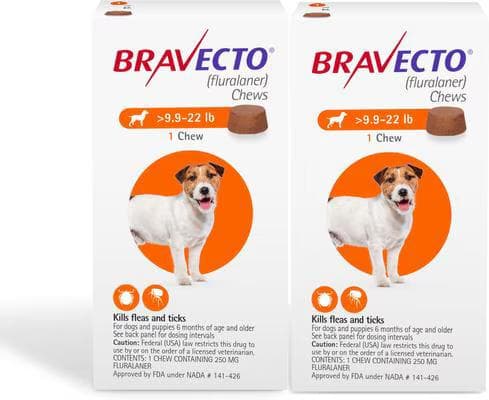
A prescription fluralaner chew that protects against fleas and most ticks for up to 12 weeks per dose, so one chew covers a full season quarter. A low-frequency option for owners who forget monthly doses.
Webvet may earn a commission when you click through to Chewy, at no extra cost to you.
What if the parvo vaccine is late?
Call the veterinary clinic with the dog’s age, every dated record you have, and the date of the last known dose. Do not assume a late puppy simply needs “one more,” and do not assume the entire series must always restart. AAHA catch-up guidance differs for dogs older than 16 weeks, dogs with a documented previous series, and dogs with uncertain records.
If a puppy came from a breeder, shelter, rescue, or another country, ask the clinic whether the documentation identifies the product and administration date clearly enough to count. A handwritten sticker or owner report may not provide the same confidence as a verifiable medical record.
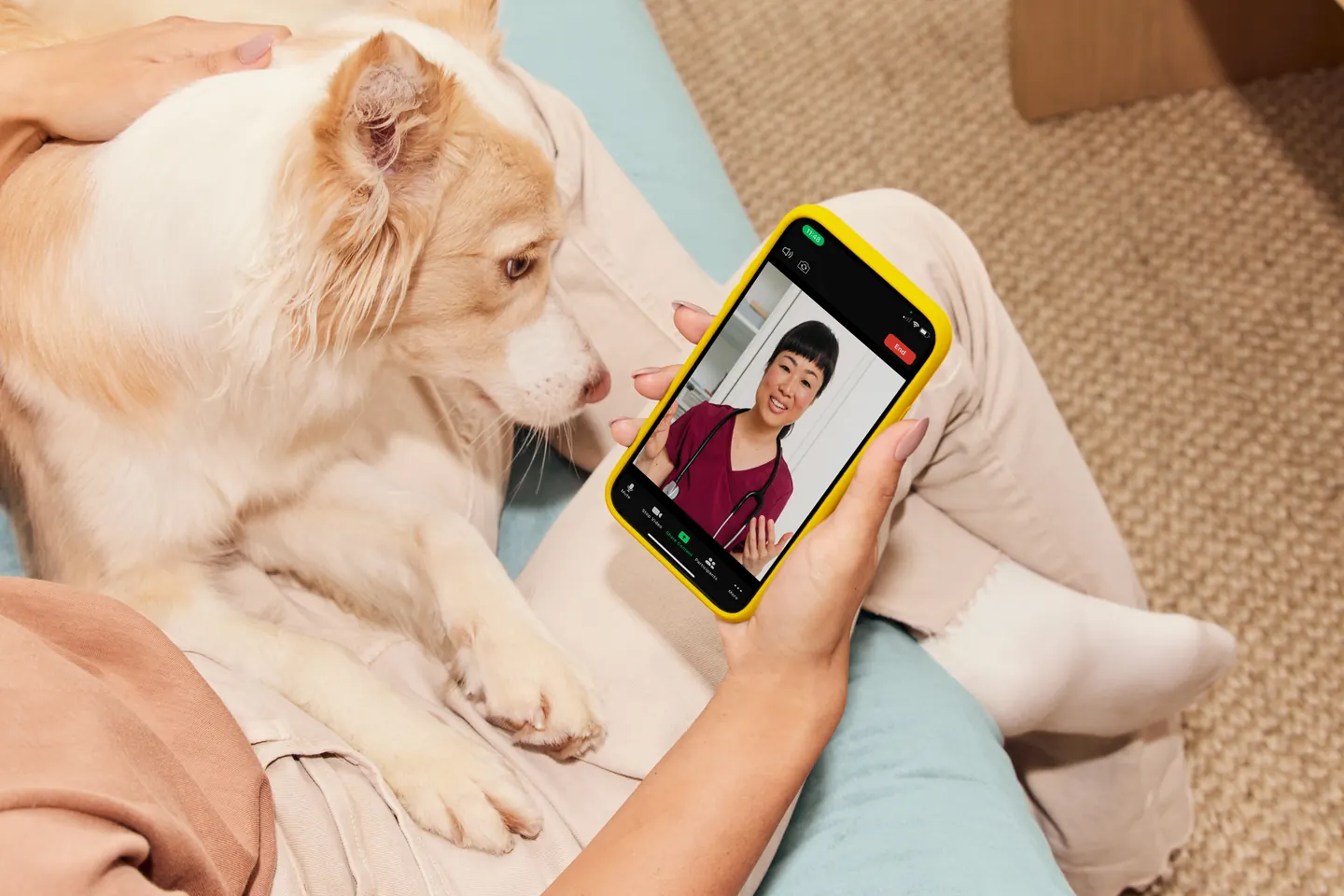 Sponsored
Vet care that's always there
Unlimited video calls and messaging with licensed vets for less than a typical vet visit. One membership covers up to five pets.
Use code Pets60
Plans start at $12/month · covers up to 5 pets
- Licensed vets in most states
- Rx for 150+ conditions
- 4.7 on Trustpilot
How the parvo vaccine protects dogs
Canine parvovirus is highly contagious and environmentally persistent. The American Veterinary Medical Association identifies vaccination and appropriate hygiene as central prevention measures. The vaccine trains the immune system to recognize parvovirus before a later exposure, greatly reducing the likelihood of severe disease.
Parvo protection is usually delivered inside a modified-live combination vaccine. The vaccine does not give a puppy parvovirus disease, but handling and administration still require professional control. Heat, storage failure, an inappropriate route, incorrect timing, and self-administration can undermine safety, effectiveness, or proof of vaccination.
When can a puppy go outside after parvo shots?
There is no single date that is safe in every neighborhood. Risk depends on the puppy’s age at the last dose, time since vaccination, local parvovirus activity, the cleanliness and traffic of the setting, and whether the other dogs are healthy and appropriately vaccinated.
Avoid high-risk places such as heavily used dog-relief areas, unknown feces, and contact with sick or incompletely vaccinated dogs while the series is unfinished. At the same time, early social development matters. Ask your veterinarian about controlled options such as carrying the puppy in public, visiting clean private homes, meeting selected healthy vaccinated dogs, or joining a well-managed puppy class that follows veterinary disease-control protocols.
Do not use a generic “one week after the second shot” rule. A second shot may still have been given too young to count as the final age-appropriate dose. Your veterinarian can tell you when the documented series, local exposure, and the dog’s health make a particular activity reasonable.
Keep the preventive plan broader than one virus
The parvo series is one part of puppy wellness. Vaccine visits are useful times to discuss fecal testing, deworming, heartworm prevention, and flea and tick risk. A veterinarian may consider NexGard Chewables or Bravecto for appropriate flea-and-tick control, or Heartgard Plus for heartworm prevention after required testing. Only the veterinarian can determine age, weight, testing, regional risk, and product suitability. Parasite prevention does not replace completion of core vaccination.
If a puppy may already be ill, Petful's guide to the stages and treatment of parvo in puppies explains why suspected disease needs urgent veterinary care rather than another routine vaccine appointment.
Tick exposure can also make a separate Lyme disease vaccine for dogs discussion appropriate. Lyme vaccination is not part of DHPP and follows its own veterinarian-directed risk assessment and schedule.
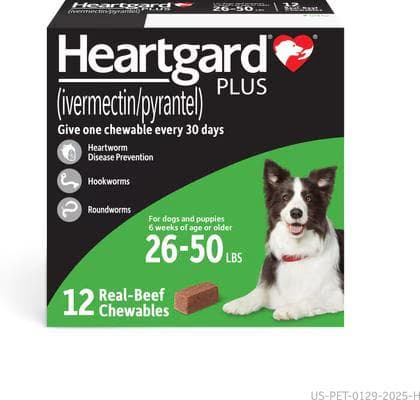
Webvet may earn a commission when you click through to Chewy, at no extra cost to you.
No age makes a dog completely immune to parvo
Puppies and unvaccinated dogs are at greatest risk, but an adult or senior dog is not biologically exempt. Immunity, exposure, health, and vaccine history matter more than a birthday. Continue the adult dog vaccine schedule your veterinarian recommends.
How to read a parvo vaccine record
The record may not use the word “parvo” by itself. Look for a veterinarian-documented combination such as DHPP, DAPP, DA2PP, or DAPPv, then ask the clinic to confirm that parvovirus was included. A product sticker should be paired with an administration date and clinical record. An estimated birth date also matters because it determines whether the last dose was given at 16 weeks or older.
Bring the complete record rather than copying only the most recent line. The veterinary team needs to see:
- The dog’s date of birth or best age estimate
- Every vaccine date, not just the final appointment
- Product name, lot, and clinic when available
- Whether the vaccine was veterinarian-administered
- Any gaps, uncertain dates, or records from another country
- Previous postvaccination reactions
A reminder saying “parvo due next year” does not by itself prove that the puppy series ended at the correct age. Likewise, a retailer receipt does not show that a vaccine was stored, administered, and documented correctly. State the uncertainty plainly so the veterinarian can choose a catch-up plan.
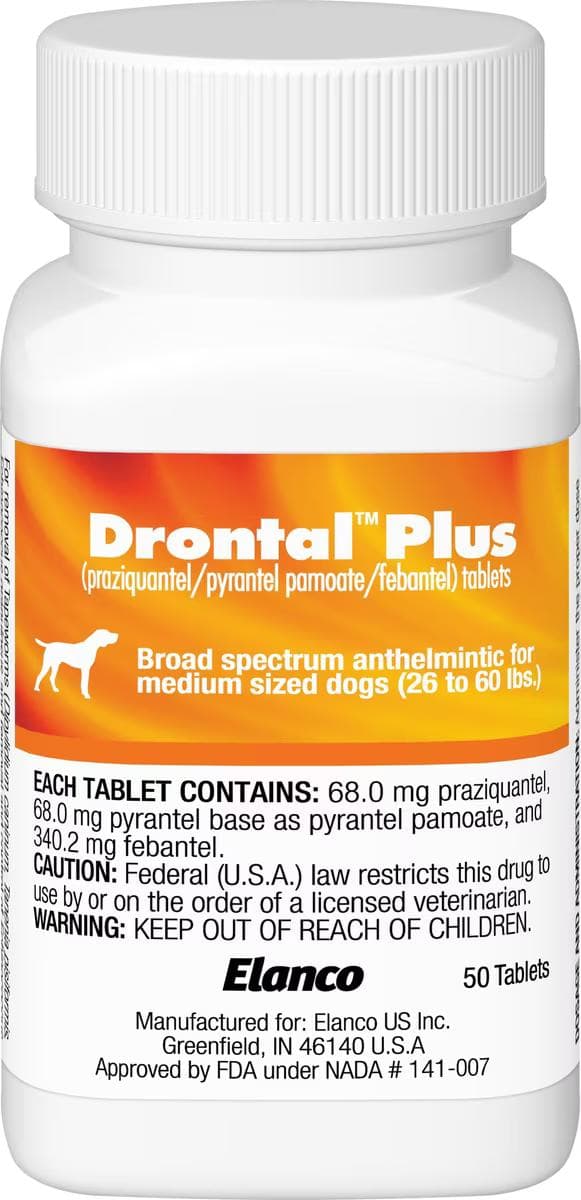
Broad-spectrum prescription dewormer (praziquantel, pyrantel, febantel) that clears tapeworms, roundworms, hookworms, and whipworms in one dose. Prescription required.
Webvet may earn a commission when you click through to Chewy, at no extra cost to you.
What to ask about exposure while the series is unfinished
Instead of asking only “Can my puppy go outside?”, describe the exact activity. A clean private yard with no recent unknown-dog traffic is not the same exposure as a busy apartment relief area. A controlled meeting with a healthy vaccinated dog is not the same as a crowded dog park.
Use these questions with the veterinary team:
- Has the puppy received a documented dose at 16 weeks or older?
- How long has it been since the most recent dose?
- Is parvovirus activity elevated locally?
- Has the planned location had unknown or ill dogs, fecal contamination, or heavy dog traffic?
- Can the social experience happen in a cleaner, more controlled setting?
- What signs would require an immediate call?
The goal is not to keep a developing puppy completely isolated. It is to avoid preventable high-risk contact while arranging safer social experiences under local veterinary guidance. If exposure to a known parvo case may have occurred, call before arriving at the clinic so staff can prevent contamination of shared areas.
What vaccination cannot prove
A vaccine record cannot show that a dog is currently free of infection, and a normal-looking dog may have been exposed recently. It also cannot guarantee that every dose produced immunity. The series is designed to make protection highly likely across a population despite maternal antibodies and individual variation.
Antibody testing has specific veterinary uses but is not a do-it-yourself substitute for the core puppy series. If a dog has a medical reason that complicates vaccination, the veterinarian can explain whether testing or a specialist plan is appropriate. Owners should not use a mail-order result to decide that an unfinished puppy can enter high-risk environments.
Can a vaccinated dog still get parvo?
Yes, but vaccination makes parvovirus disease much less likely. No vaccine can promise 100 percent protection. The Merck Veterinary Manual discussion of vaccine failure describes several reasons a vaccinated animal may not be protected, including maternal-antibody interference, improper storage or administration, an incomplete series, and an inadequate immune response.

A puppy may also have been exposed before immunity developed. Vaccines do not work instantly, and one early dose may be neutralized by maternal antibodies. That is why a veterinary team considers both the age at vaccination and the time since the final dose before advising on exposure.
Vaccinated but sick still means call now
Do not dismiss vomiting, diarrhea, marked tiredness, appetite loss, fever, or weakness because a vaccine appears in the record. Those signs have many possible causes, and parvovirus cannot be confirmed or ruled out at home. Call a veterinarian promptly, explain the signs and vaccine dates, and keep the dog away from other dogs until the clinic gives instructions.
This vaccine-first guide does not diagnose active parvovirus, describe stool appearance, or give yard-disinfection recipes. If illness is possible, veterinary examination and testing take priority over prevention research.
Parvo vaccine safety and side effects
Common short-lived effects after a combination vaccine can include injection-site soreness, tiredness, a reduced appetite, or a mild fever. The AAHA adverse-event guidance recommends recording and discussing reactions so future vaccination can be individualized.

A small amount of sleepiness is different from a puppy who is difficult to wake, cannot keep water down, or develops repeated diarrhea. Do not wait to see whether a concerning sign is “just the shot.” Describe the timing, severity, and vaccine given when you call.
Plan ahead after a previous reaction
Tell the veterinarian exactly what happened, how soon it began, what treatment was needed, and which products were given together. The clinic may obtain the prior record, choose a different product, separate vaccines, adjust monitoring, or make another individualized plan. Do not skip all future core protection or premedicate the dog without veterinary direction.
How much does the parvo vaccine cost?
Parvo vaccine cost is usually the price of a DHPP or DAPP combination dose rather than a parvo-only injection. Current 2026 provider examples put a low-cost combination dose around $25 to $40: the Sacramento SPCA lists DHPP at $25, and the Butte Humane Society 2026 vaccine form lists DHPP at $40.
These figures are examples from named providers, not a national average. A full-service clinic may charge a separate examination, while a low-cost clinic may require an appointment deposit, residency, or eligibility. The puppy series involves multiple doses, so budget for the complete sequence rather than one advertised line item.
Ask for an estimate that identifies:
- The combination-vaccine price per dose
- How many age-appropriate doses likely remain
- Examination, deposit, disposal, or new-client charges
- Separate rabies and lifestyle-based vaccines
- Testing, deworming, microchip, or preventive-care costs
- Fees that would apply if the puppy becomes ill
WebVet’s complete dog vaccination cost guide separates vaccine prices from the broader visit. Very low retail vial prices are not comparable with a veterinarian-administered appointment because they do not include examination, verified storage and handling, administration, records, or postvaccination guidance.
Parvo vaccine FAQs
Frequently Asked Questions
How often does my dog need a parvo shot?
How often a dog needs a parvo shot depends on age and records. A dog's parvo shot schedule depends on age and records. Puppies generally receive a core combination vaccine every 2 to 4 weeks, with the final puppy dose at 16 weeks of age or later. Another dose follows within one year, and three-year parvovirus boosters are then generally used for properly vaccinated adults. A dog with unknown, late, or incomplete records needs a veterinarian-designed catch-up plan rather than a copied calendar.
Is the parvo vaccine necessary for dogs?
The parvo vaccine is necessary core protection for dogs. Yes. Core parvovirus protection is recommended for dogs because canine parvovirus is highly contagious and can cause severe disease. The exact schedule varies with age, records, health, and product, but puppies need an age-appropriate series rather than one isolated shot. Vaccination greatly reduces risk without promising perfect protection. It also does not replace reasonable exposure precautions or prompt veterinary care when a puppy or adult dog develops concerning illness signs.
At what age are dogs no longer at risk for parvo?
No age makes dogs no longer at risk for parvo. There is no age at which parvovirus risk disappears completely. Puppies are especially vulnerable before finishing the age-appropriate series, but susceptible adult dogs can also become infected. Parvovirus risk continues when vaccination is incomplete, records are unknown, or exposure is high. Keep current core vaccination documented throughout life and ask a veterinarian for a catch-up plan when the history is uncertain. Age changes the level of risk; it does not create a guaranteed risk-free point.
Can my dog still get parvo after being vaccinated?
A dog can still get parvo after being vaccinated, although proper vaccination greatly lowers the risk. Yes, breakthrough parvovirus infection is possible, but proper vaccination greatly lowers the risk. A puppy may still be vulnerable before the final age-appropriate dose, especially when maternal antibodies interfered with an earlier shot. Storage, administration, health, and exposure also matter. Do not use a vaccine record to rule out illness at home. Repeated vomiting, severe diarrhea, profound tiredness, or poor appetite in a puppy or dog requires prompt veterinary care and isolation advice.

Editor
The Webvet Editorial Team is the in-house group of pet-care editors and writers behind Webvet, operated by Smart Pet Collective. The team researches, writes, and maintains Webvet's pet health, behavior, and medication content. Every article follows a defined editorial process: research from reputable veterinary and scientific sources, careful drafting, mandatory review of medical content by a credentialed veterinarian, and dated publication. Health and medication articles are medically reviewed by a licensed veterinary professional before they go live and are kept current over time.
Veterinarian · BVMS MRCVS
Dr. Pippa Elliott, BVMS, MRCVS, is a veterinarian with nearly 30 years of experience in companion animal practice. Dr. Elliott earned her Bachelor of Veterinary Medicine and Surgery from the University of Glasgow. She was also designated a Member of the Royal College of Veterinary Surgeons. Married with 2 grown-up kids, Dr. Elliott has a naughty Puggle named Poggle, 3 cats and a bearded dragon.
Related reading

Dog Muscle Spasms and Twitching: Causes, Symptoms, and When to Worry

Anemia in Dogs: Symptoms, Causes, Diagnosis, and Treatment

Seizures in Dogs: Types, Causes, What to Do, and Treatment
