Dog Vaccination Schedule: Puppy, Adult, and Senior Timing
Use a vet-reviewed dog vaccination schedule to follow the puppy foundation, first-year transition, adult core boosters, annual risk-based vaccines, rabies law, and senior care.

BVMS MRCVS
Medically reviewed by Dr. Pippa Elliott, BVMS MRCVS · Last reviewed

This article contains affiliate links. Webvet may earn a commission when you buy through them, at no extra cost to you.
A dog vaccination schedule begins with a puppy core series, moves through a first-year follow-up, and then separates longer-interval core boosters from annual risk-based decisions.
- Puppy series: start DAPP or DHPP at 6 to 8 weeks and repeat it every 2 to 4 weeks through a final puppy dose at 16 weeks or older.
- First-year follow-up: give DAPP or DHPP within one year after the puppy series.
- Adult core boosters: DAPP or DHPP is generally given every three years after that follow-up.
- Rabies: follow the licensed product and local law.
- Risk-based vaccines: leptospirosis and other exposure-based vaccines may remain annual after their initial series.
Your veterinarian should set every life-stage date based on records, product, age, health, exposure, and law.
 Sponsored
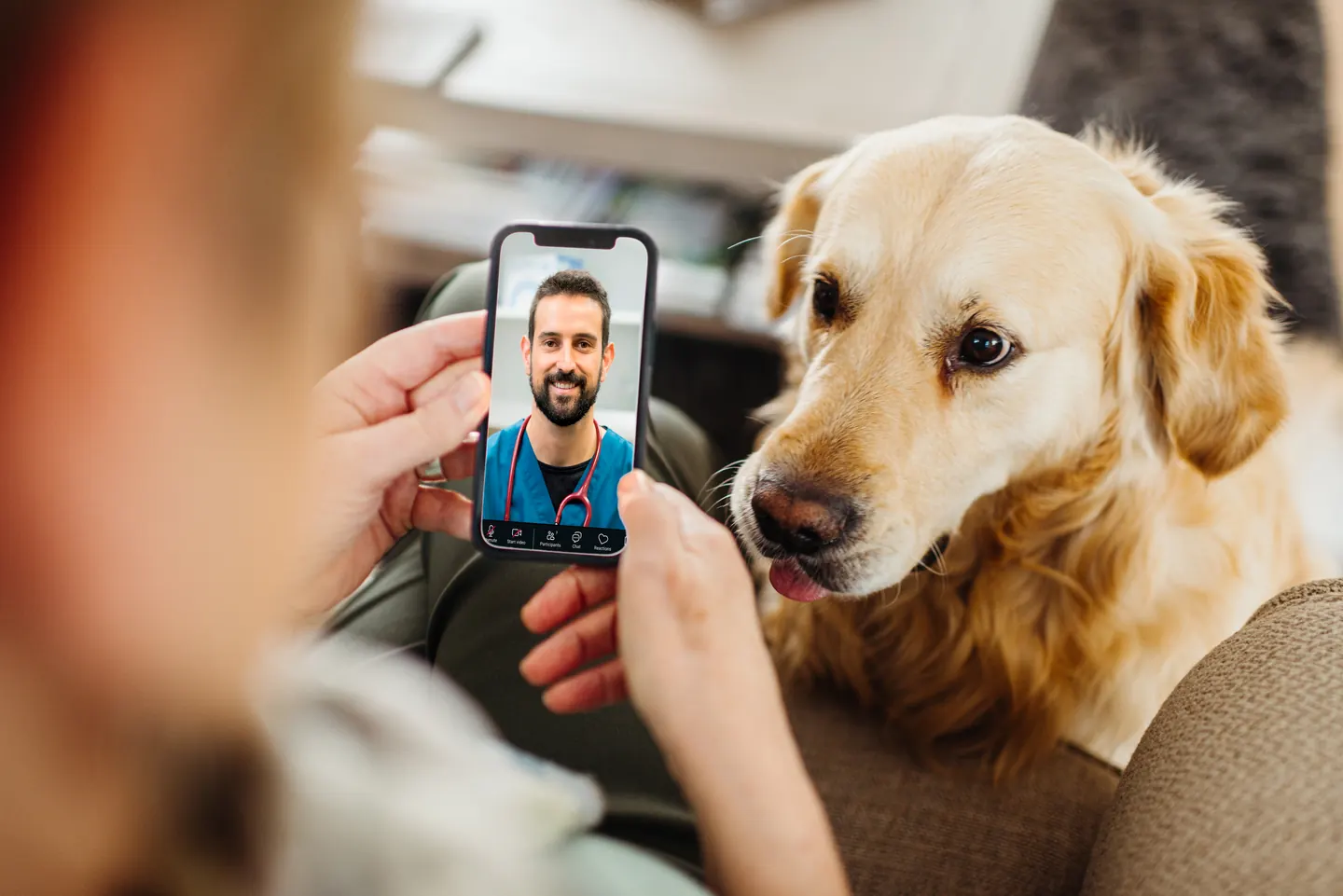
Have a health question about your dog?
Talk to a licensed vet at Dutch over video or message, including nights and weekends.
Use code Pets60
Plans start at $12/month · covers up to 5 pets
- Licensed vets in most states
- Rx for 150+ conditions
- 4.7 on Trustpilot
Dog vaccination schedule by life stage
This dog vaccination schedule makes the puppy first year transition explicit, then follows core and risk-based decisions through adulthood and senior care. It synthesizes the AAHA canine vaccination recommendations and the 2024 WSAVA vaccination guidelines. It assumes reliable records. Your veterinarian may change timing based on the product, prior series, age, health, exposure, and law.
For visit-by-visit puppy timing, use WebVet's detailed puppy vaccine schedule. This life-stage hub summarizes the puppy foundation and first-year transition without replacing that age-specific plan or your veterinarian's dates.
- 1The puppy foundation generally starts at 6 to 8 weeks and includes a final core dose at 16 weeks or older.
- 2DAPP or DHPP is generally given within one year after the puppy series, then at 3-year intervals.
- 3Rabies boosters follow the official certificate, licensed product, and state or local law.
- 4Leptospirosis, Bordetella, canine influenza, and Lyme vaccines have different initial series and booster schedules.
- 5Annual does not mean every vaccine is due every year. It means risk is reviewed every year.
- 6An overdue dog does not automatically restart every series, but the antigen and trustworthy history matter.
- 7Senior dogs do not reach an age when vaccines automatically stop. Health, legal requirements, and exposure drive the decision.
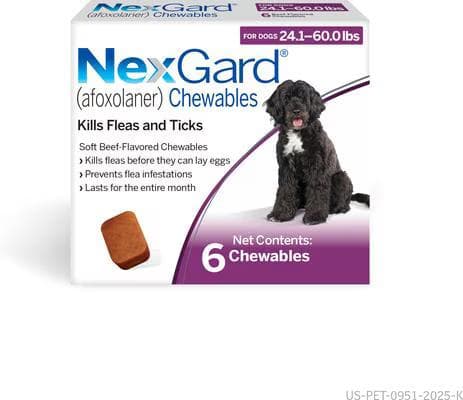
A monthly beef-flavored prescription chew (afoxolaner) that kills fleas before they lay eggs and kills ticks. A popular oral pick for dogs who do better with a chew than a topical.
Webvet may earn a commission when you click through to Chewy, at no extra cost to you.
| Life stage, vaccine, or decision | Typical timing after a valid prior series | What can change it | Owner's next step |
|---|---|---|---|
| Puppy foundation | DAPP or DHPP begins at 6 to 8 weeks, repeats every 2 to 4 weeks, and includes a final puppy dose at 16 weeks or older | Age at the first dose, maternal antibodies, product, health, exposure, and local disease pressure | Use the detailed puppy schedule with the veterinarian and record every dose |
| First-year transition | DAPP or DHPP is given within one year after the puppy series; rabies is generally boosted within one year of the first legally eligible dose | Exact prior dates, licensed product, health, and rabies law | Move each antigen to its adult interval only after the qualifying record is verified |
| DAPP or DHPP core combination | Booster within one year after the puppy series, then every 3 years | Unknown or incomplete records, immunocompromising illness, product history, or outbreak risk | Confirm the actual antigens and last valid date in the record |
| Rabies | Booster by the date on the official 1-year or 3-year certificate | Licensed product, prior record, state or local law, and a legally valid exemption | Schedule before expiration and keep the certificate |
| Leptospirosis | Annual booster after the licensed initial series | Product, health, and veterinary assessment | Review exposure annually even for an urban dog |
| Bordetella | Usually annual after the product-specific initial dose or series | Oral, intranasal, or injectable route; boarding rules; frequent group exposure | Ask what route the facility accepts and how early it must be given |
| Canine influenza | Two-dose initial series followed by annual booster while risk continues | Regional virus activity, travel, shows, daycare, shelters, or outbreaks | Decide before a deadline because the initial series takes more than one visit |
| Lyme | Two-dose initial series followed by annual booster while tick risk continues | Geography, travel, tick habitat, and preventive plan | Combine the vaccine decision with year-round tick control where appropriate |
| Overdue or unknown history | Catch-up is antigen-specific and does not always mean starting over | Time overdue, valid records, vaccine type, product, health, and law | Send records to the clinic before the appointment |
| Senior or medically complex dog | No automatic age cutoff | Current illness, medicines, prior reaction, frailty, exposure, and legal requirements | Use an individualized benefit-risk plan rather than age alone |
What vaccines do adult dogs really need?
Core protection in the United States centers on canine distemper virus, adenovirus, parvovirus, and rabies. AAHA's 2024 update also classifies leptospirosis vaccination as core for dogs. The exact product, interval, and health decision still belong to the veterinarian, and rabies remains governed by law.
DAPP, DA2PP, and DHPP are common abbreviations for combination products. The ingredients are not perfectly interchangeable across every label. Review WebVet's DHPP vaccine for dogs guide if the record is unclear, and bring a photograph or copy of the prior certificate rather than relying on “the yearly shot.”
The puppy foundation matters. A qualifying core series includes a final puppy DAPP or DHPP dose at 16 weeks of age or older, followed by a booster within one year. If those dates cannot be verified, the veterinarian may use a catch-up plan instead of assuming adult 3-year protection. WebVet's puppy vaccine schedule explains the maternal-antibody reason for the repeated early doses.
Do adult dogs need boosters every year?
Not for every antigen. DAPP or DHPP generally moves to a 3-year interval after the one-year follow-up. A legally current rabies certificate may last one or three years. In contrast, leptospirosis and several vaccines selected for ongoing exposure are generally boosted annually after the initial series.
The annual appointment is therefore a decision visit, not permission to repeat an identical bundle without review. Ask the clinic to show which vaccines are due, which are being recommended because of current exposure, and what happens if a risk-based vaccine is deferred.
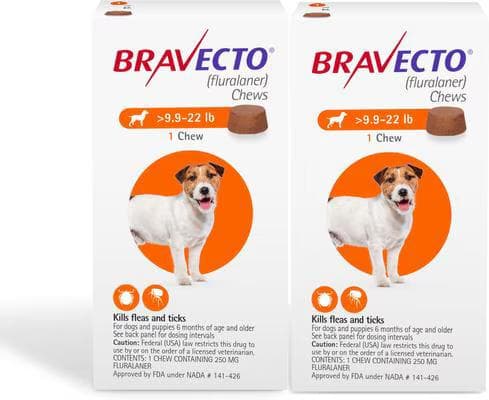
A prescription fluralaner chew that protects against fleas and most ticks for up to 12 weeks per dose, so one chew covers a full season quarter. A low-frequency option for owners who forget monthly doses.
Webvet may earn a commission when you click through to Chewy, at no extra cost to you.
Which dog vaccines may still be annual?
The useful dividing line is not “core versus optional” or “young versus old.” It is the licensed schedule for each antigen plus the dog's current risk. A vaccine can be important and annual, important and every three years, or unnecessary for one dog while strongly indicated for another. An annual dog vaccination schedule therefore reviews all vaccines each year without assuming that every product must be administered at every visit.

Leptospirosis
Leptospira bacteria can be spread through urine from infected animals and contaminate water or soil. Exposure is not limited to rural hunting dogs. Rodents and wildlife can bring risk into urban and suburban environments. AAHA's 2024 update classifies leptospirosis vaccination as core for dogs, while the initial series and annual booster follow the licensed product and veterinary plan.
For exposure, illness and household precautions, see our leptospirosis in dogs guide. It explains when to seek care and how testing, treatment and prevention fit together.
Tell the veterinarian about puddles, standing water, rodents, wildlife, hiking, farms, flooding, and travel. A dog that rarely leaves a city block can still have exposures worth reviewing.
Bordetella
Bordetella vaccination is tied to group-dog exposure such as boarding, daycare, training classes, grooming, shows, shelters, and dog-dense travel. Oral, intranasal, and injectable products do not have identical starting requirements. Some facilities also set their own acceptance window.
Do not wait until the day before boarding to ask. The Bordetella vaccine for dogs guide explains route and timing differences. A vaccine can reduce risk and severity, but it does not prevent every cause of canine infectious respiratory disease.
Canine influenza
The dog flu vaccine is risk-based and normally starts with two doses separated by the product's required interval, followed by annual vaccination while risk continues. It may be considered for dogs exposed through daycare, boarding, shows, shelters, travel, or a local outbreak.
Read WebVet's dog flu vaccine guide before a facility deadline. The initial series is not completed by a single last-minute shot, and vaccination does not replace isolation and veterinary evaluation when a dog is coughing or ill.
Lyme disease
Lyme vaccination is selected according to tick exposure and geography. It is normally part of a layered plan that includes consistent tick prevention, daily checks after habitat exposure, and prompt removal with an appropriate tool such as the TickCheck Premium Dog Tick Removal Kit. Vaccination does not replace those measures.
The live WebVet guide to the Lyme disease vaccine for dogs owns the detailed risk decision. Mention both home and travel exposures because a dog can encounter ticks outside the county where the annual visit occurs.
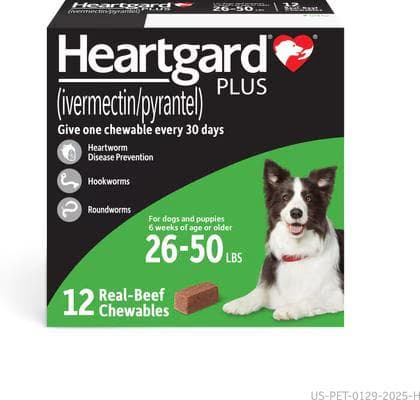
When the veterinarian builds that layered parasite plan, NexGard Chewables or Bravecto may be prescribed for flea-and-tick control, or Heartgard Plus for heartworm prevention after required testing. Confirm the prescribed product, size, and current price only after veterinary direction. None is a vaccine, and none replaces Lyme vaccination, heartworm testing, or other indicated preventive care.
Use an annual exposure worksheet
The fastest way to improve a risk-based decision is to bring specific exposures rather than asking whether a vaccine is “optional.” Write down:
- Every group-dog setting planned for the next 12 months, including boarding, daycare, training, grooming, shows, shelters, and visits to dog-dense homes.
- Destinations and activities for road trips, flights, camping, hunting, and seasonal relocation.
Next, note contact with ticks, rodents, wildlife, standing water, flooding, farms, or wooded and grassy habitat. Include occasional exposures. A single boarding stay or annual trip can still create a predictable need, particularly when an initial vaccine series takes two appointments.
Finally, ask the veterinarian to classify each recommendation as core, legally required, or exposure-based and to state the initial series and next-due date. This avoids the false choice between “every shot every year” and “no annual vaccines.” It also creates a clear reason to remove a vaccine if the exposure ends or to add one before a new trip.
Webvet may earn a commission when you click through to Chewy, at no extra cost to you.
How often do adult dogs need vaccines?
There are three clocks to track: the core combination record, the official rabies certificate, and each continuing risk-based vaccine. A calendar reminder labeled only “shots” can hide important differences. List each antigen and next-due date separately.

The one-year follow-up after puppy vaccines
AAHA recommends a DAPP or DHPP dose within one year after completion of the puppy series. This is sometimes called the one-year booster, but it should not be confused with a rule that every vaccine is given annually forever. After that follow-up, core combination revaccination generally moves to every three years.
Rabies also commonly has a booster due within one year of the first legally eligible dose. Later certification can be for one or three years depending on the licensed product, previous record, and law. Use the due date on the official certificate and the dedicated rabies vaccine for dogs guide.
What if an adult dog is overdue?
Send the clinic all records before the visit. For a previously vaccinated adult overdue for a core modified-live combination vaccine, one catch-up dose may be enough rather than restarting a full puppy series. That does not apply blindly to every vaccine. Products that require a two-dose initial series, dogs without trustworthy history, and rabies governed by law need antigen-specific decisions.
Do not buy a vaccine and fill the gap yourself. The clinic needs to verify prior dates, product, storage, route, health, and reaction history. Self-administered rabies vaccine may not create a legally valid certificate.
What if the vaccination history is unknown?
An adopted or found dog may arrive with no usable record. Age, appearance, or a previous owner's recollection cannot confirm protection. The veterinarian will choose a catch-up schedule that protects the dog without assuming every antigen has the same requirement.
Ask the shelter, rescue, breeder, former clinic, municipal license office, and microchip registry for records. A rabies tag can help locate an issuing clinic but may not contain enough details by itself. Keep the new record in both paper and digital form.

Travel and boarding can change the calendar
Destination rules, health certificates, airline requirements, and boarding policies may create deadlines earlier than the medical expiration date. Start planning weeks or months ahead. A two-dose initial series cannot be compressed safely into one visit, and rabies travel requirements can involve waiting periods or specific documentation.
Facility requirements are not necessarily individualized veterinary recommendations. Share the written requirement with the veterinarian, then confirm which product, route, and date satisfy both the dog's health plan and the facility.
Read next-due dates by antigen, not by package name
An invoice may list a wellness package, annual vaccines, or a combination abbreviation without showing the schedule logic. Ask the clinic for a record that names every antigen and its next-due date. If DAPP is due in three years, leptospirosis next year, and rabies in two years, preserve those separate clocks.
This also prevents an exposure-based vaccine from quietly lapsing. A dog that completed the first canine influenza dose but missed the required second dose cannot be treated as if the initial series were complete. The same issue can arise with Lyme or leptospirosis products. Contact the clinic rather than shifting dates yourself.
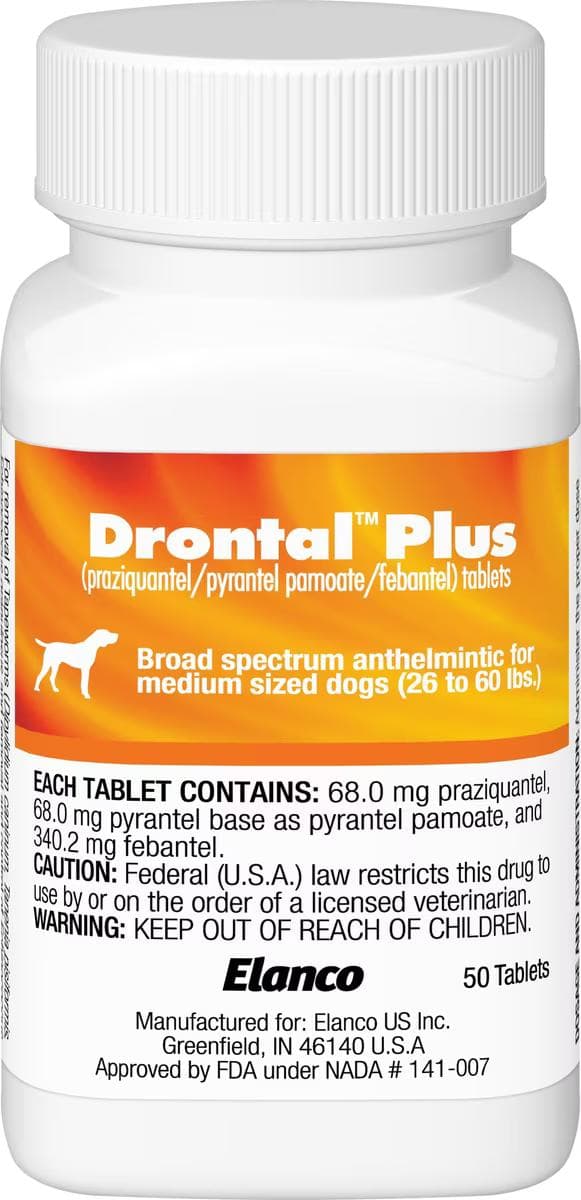
Broad-spectrum prescription dewormer (praziquantel, pyrantel, febantel) that clears tapeworms, roundworms, hookworms, and whipworms in one dose. Prescription required.
Webvet may earn a commission when you click through to Chewy, at no extra cost to you.
Keep these as separate record fields:
- Antigen and product
- Initial series completed
- Last valid administration date
- Next-due date and reason
Product changes deserve a fresh check. Combination contents and administration routes vary, and a facility's requirement may refer to “Bordetella” without saying which routes it accepts. The medical record and product label resolve questions that a package name cannot.
After each visit, take a clear photograph of the updated record, enter reminders by antigen, and keep the official rabies certificate separately. If a clinic sends only a summary invoice, request the complete vaccination record while details are current.
Ask what changed since last year
A good annual review compares the new plan with the previous one. Ask why a vaccine was added, removed, or moved to a different date. Useful answers identify a changed exposure, updated guideline, different product, new legal rule, completed initial series, or a change in the dog's health.
If the recommendation appears to come only from a standard package, ask the veterinarian to connect each antigen to the dog's record and upcoming risks. This is not a reason to reject vaccination. It is a way to confirm that every vaccine has a current purpose and that no due protection was hidden by a package label.
Record the reason beside the next-due date. That context helps a future clinic understand why the dog received a risk-based vaccine and whether the same exposure will continue.
 Sponsored
Vet care that's always there
Unlimited video calls and messaging with licensed vets for less than a typical vet visit. One membership covers up to five pets.
Use code Pets60
Plans start at $12/month · covers up to 5 pets
- Licensed vets in most states
- Rx for 150+ conditions
- 4.7 on Trustpilot
Titers and adult dog vaccines
Antibody testing can help answer limited questions about distemper, parvovirus, and adenovirus immunity in some adult dogs. A positive result can support the conclusion that protective immune memory is present. A negative result is not always a complete picture of immune protection, and testing must be interpreted in clinical context.
Titers are not a universal replacement for vaccination. They do not substitute neatly for leptospirosis, Bordetella, influenza, or Lyme schedules. Most importantly, a rabies antibody result generally does not replace vaccination required by state or local law. International travel testing is a separate regulatory process and should not be confused with a medical exemption.
Discuss cost and purpose before ordering. In some settings, testing can cost more than a routine core booster. It may be most useful when a veterinarian is managing a prior adverse event, an uncertain record, an immunologic question, or a carefully individualized plan.
Senior dog vaccine schedules
There is no standard age at which every dog should stop vaccination. A healthy 12-year-old dog may still encounter rabies, leptospirosis, parvovirus, or group-dog respiratory risk. A medically fragile dog may need timing changed, a product deferred, or a legal exemption process considered. Age alone does not answer either case. Petful's senior dog health guide provides broader life-stage context for preparing that visit.
At the senior visit, the veterinarian weighs:
- Current health and physical examination findings
- Chronic disease, immune status, and medicines
- Prior vaccine reactions
- Home, travel, boarding, grooming, and wildlife exposure
- Legal rabies requirements
- Consequences of infection versus consequences of vaccination
- Ability to return promptly if separate appointments are safer
Do not assume a less active dog has zero exposure. Rodents, wildlife, shared clinic spaces, grooming, visiting dogs, and emergency boarding can change risk. Conversely, do not repeat an exposure-based vaccine simply because it appeared on last year's invoice if the exposure no longer exists.
Vaccine reactions and medical exceptions in adult dogs
Mild postvaccination effects can include temporary tiredness, lower appetite, soreness, or a small injection-site swelling. Follow the clinic's instructions and call if signs are severe, rapidly worsening, or last longer than expected. Do not give human pain medicine or an antihistamine unless a veterinarian gives a dog-specific direction.
AAHA's postvaccination adverse-event guidance supports documenting suspected events and individualizing future vaccination. The veterinarian may separate vaccines, change timing or product, plan observation, or use another strategy after weighing disease risk.
A medical concern does not automatically cancel rabies law. If the veterinarian believes rabies vaccination is medically contraindicated, ask whether the jurisdiction has a formal exemption process and who must approve it. An exemption does not confer immunity, and the dog may still face special restrictions after an exposure.
What happens if a dog is not vaccinated every year?
Nothing is automatically wrong when no vaccine is due that year. A dog with current 3-year core and rabies records may need only an annual health and exposure review. The problem is assuming that “not every year” means no annual review or that every continuing risk-based vaccine can be skipped.
If a due vaccine is missed, protection, boarding access, travel eligibility, or legal rabies status may be affected. Call the veterinarian with the exact record rather than restarting, delaying further, or copying another dog's schedule.
Plan the annual visit without paying for duplicates
Before the appointment, prepare:
- For each vaccine: the last administration date, next-due date, product if known, and any reaction.
- Upcoming travel, boarding, daycare, wildlife, standing-water, and tick exposures.
This turns the visit into a risk assessment instead of a generic package purchase.
Ask for an itemized estimate. WebVet's dog vaccination cost guide separates vaccine charges from exam fees, certificates, initial-series doses, and parasite prevention. Bring valid records so the clinic does not have to make decisions from an incomplete history.
Dog vaccination schedule FAQs
Frequently Asked Questions
What vaccines do adult dogs really need?
The vaccines adult dogs really need combine core protection with individual lifestyle decisions. Adult core vaccines generally include current protection against distemper, adenovirus, parvovirus, rabies, and, under current U.S. guidance, leptospirosis. Lifestyle-based vaccines such as Bordetella, canine influenza, and Lyme depend on exposure. Product labeling, health, geography, prior reactions, and local law determine the individual schedule. Review those factors with a veterinarian every year even when no injection is due, because adult vaccine intervals and risk-based decisions are not identical.
What is the recommended vaccination schedule for an adult dog?
The recommended vaccination schedule for an adult dog separates core, rabies, and lifestyle intervals. After a valid puppy series, the adult schedule generally includes a first-year transition booster for DAPP or DHPP, followed by three-year core boosters for distemper, adenovirus, and parvovirus. Rabies follows the official certificate and local law. Leptospirosis and continuing exposure-based vaccines are commonly reviewed annually after their starting series. A veterinarian should set the actual dates from the dog's records, health, products, travel, boarding, wildlife, ticks, and local disease pressure.
How often does my adult dog need to be vaccinated?
How often an adult dog needs to be vaccinated depends on the vaccine, records, health, and risk. Adult vaccine intervals are not all the same. After the first-year follow-up, core DAPP or DHPP components generally move to every three years. Rabies may be certified for one or three years under the product and local law. Leptospirosis and several lifestyle vaccines may remain annual while exposure continues. The dog still needs an annual risk review so health, travel, boarding, wildlife, ticks, local outbreaks, and prior reactions can be matched to the written due dates.
What is the recommended vaccination schedule for older dogs?
The recommended vaccination schedule for older dogs adds an individual health assessment to the core and exposure framework. Senior dog vaccination follows the same core, legal, and exposure framework but adds a more detailed individual health assessment. Age alone does not cancel the need for protection or require every vaccine. The veterinarian should review current disease, medicines, immune status, prior reactions, mobility, travel, boarding, wildlife, and local rabies law. Bring complete records so longer-interval core vaccines are not repeated unnecessarily and risk-based vaccines are not continued or stopped from age alone.
At what age can you stop vaccinating your dog?
No age automatically means you can stop vaccinating your dog. There is no universal stopping age for dog vaccination. A senior may still benefit from core protection, and legal rabies requirements can continue throughout life. Health, medicines, prior reactions, exposure, product directions, and documented history should drive the plan. A medically complex dog may need adjusted timing or a formal exemption where law allows, but that decision belongs with a veterinarian. Do not let the record lapse simply because the dog reached a certain birthday.
Do dogs really need boosters every year?
Dogs do not really need every booster every year, because vaccine intervals differ. Not every dog vaccine needs a booster every year. Distemper, adenovirus, and parvovirus generally move to a three-year core interval after the first-year follow-up, and rabies follows a one- or three-year certificate. Leptospirosis and several annual lifestyle vaccines may remain due each year while exposure continues. The annual requirement is the veterinarian's health, record, and risk review, not an identical package of injections for every adult dog.

Editor
The Webvet Editorial Team is the in-house group of pet-care editors and writers behind Webvet, operated by Smart Pet Collective. The team researches, writes, and maintains Webvet's pet health, behavior, and medication content. Every article follows a defined editorial process: research from reputable veterinary and scientific sources, careful drafting, mandatory review of medical content by a credentialed veterinarian, and dated publication. Health and medication articles are medically reviewed by a licensed veterinary professional before they go live and are kept current over time.
Veterinarian · BVMS MRCVS
Dr. Pippa Elliott, BVMS, MRCVS, is a veterinarian with nearly 30 years of experience in companion animal practice. Dr. Elliott earned her Bachelor of Veterinary Medicine and Surgery from the University of Glasgow. She was also designated a Member of the Royal College of Veterinary Surgeons. Married with 2 grown-up kids, Dr. Elliott has a naughty Puggle named Poggle, 3 cats and a bearded dragon.
Related reading

Dog Muscle Spasms and Twitching: Causes, Symptoms, and When to Worry

Anemia in Dogs: Symptoms, Causes, Diagnosis, and Treatment

Seizures in Dogs: Types, Causes, What to Do, and Treatment
