Rabies Vaccine for Dogs: Schedule, Laws, and Side Effects
Understand the rabies vaccine schedule for dogs, legal certificates, 1-year and 3-year products, overdue doses, local-law variability, costs, and reaction signs.

BVMS MRCVS
Medically reviewed by Dr. Pippa Elliott, BVMS MRCVS · Last reviewed

This article contains affiliate links. Webvet may earn a commission when you buy through them, at no extra cost to you.
The rabies vaccine for dogs is generally first given no earlier than 12 weeks of age, then followed by a booster within one year, but the legally valid schedule comes from the licensed product and state or local law. Later doses may be recognized for one or three years. Owners do not choose that interval from the vial label alone. A veterinarian or other legally authorized professional must document the dose correctly for it to count as an official rabies vaccination.
 Sponsored
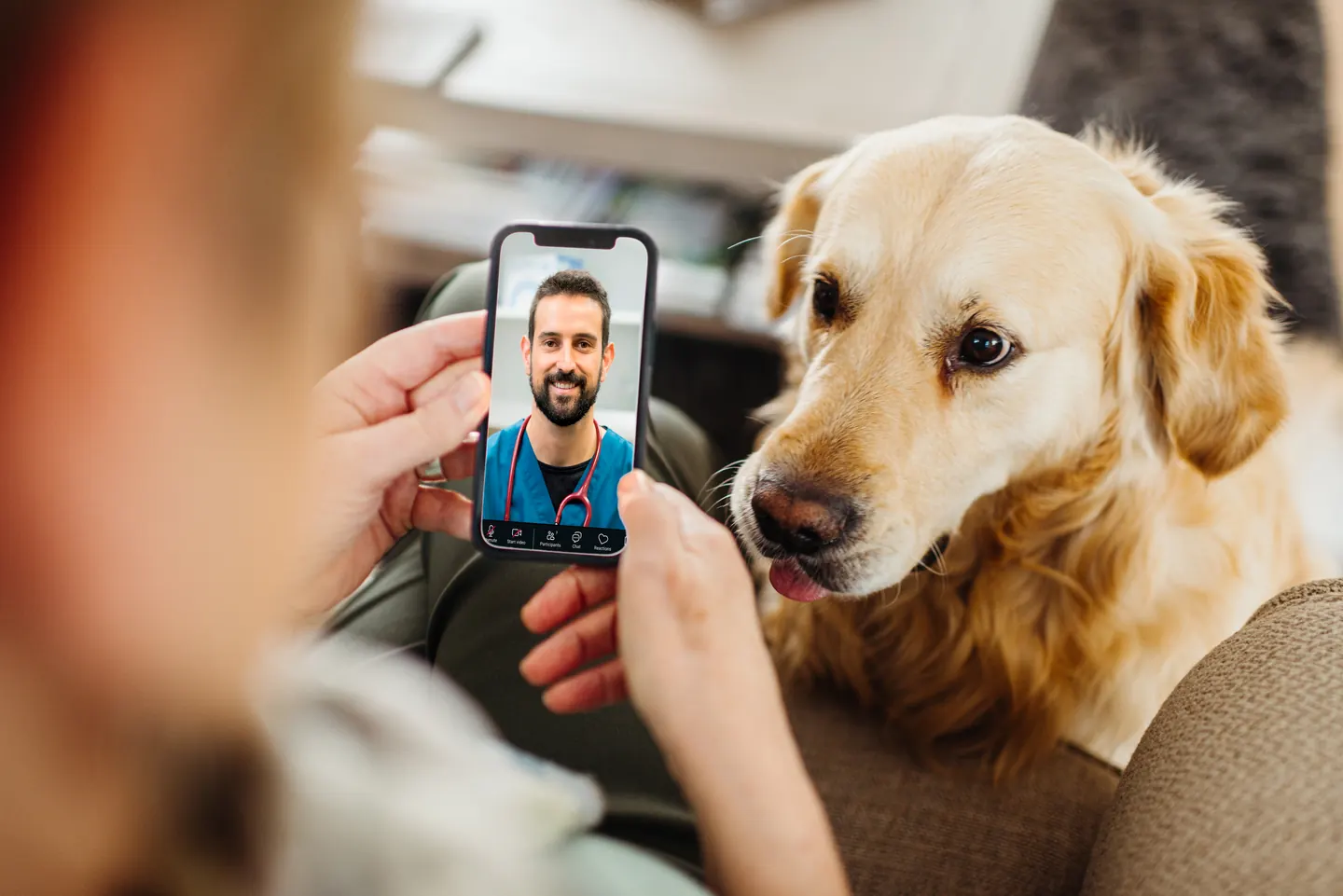
Have a health question about your dog?
Talk to a licensed vet at Dutch over video or message, including nights and weekends.
Use code Pets60
Plans start at $12/month · covers up to 5 pets
- Licensed vets in most states
- Rx for 150+ conditions
- 4.7 on Trustpilot
Rabies vaccine schedule for dogs
Use this chart to understand the decision points, then follow the due date on the official certificate. The AAHA canine vaccination recommendations say rabies timing must follow the product label and local law.
- 1Rabies is a core vaccine because the disease is fatal and can spread between animals and people.
- 2Licensed rabies vaccines generally have a minimum starting age of 12 weeks, but the product and jurisdiction control the valid date.
- 3A booster is generally required within one year of the initial dose.
- 4Later certificates may be valid for one or three years, depending on the product, prior record, and law.
- 5A vaccine purchased and given at home may not create a legally recognized certificate.
- 6If a dog is overdue, call the veterinarian and bring every prior rabies record instead of guessing or administering a dose yourself.
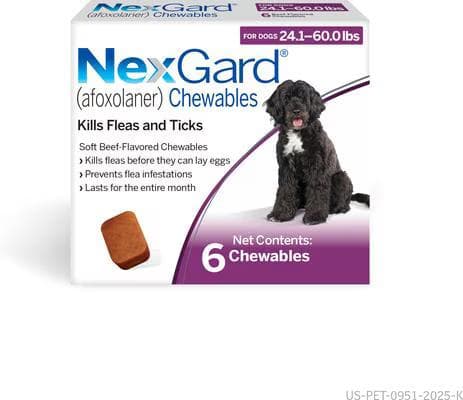
A monthly beef-flavored prescription chew (afoxolaner) that kills fleas before they lay eggs and kills ticks. A popular oral pick for dogs who do better with a chew than a topical.
Webvet may earn a commission when you click through to Chewy, at no extra cost to you.
| Dog's stage or record | What usually applies | Important exception | Owner's next step |
|---|---|---|---|
| Puppy younger than the product's minimum age | Rabies vaccination is not yet due under that label | State or local timing rules may be more specific | Ask the veterinarian to put the legal due date into the puppy vaccine schedule |
| First legally eligible dose | An authorized professional administers a licensed product and creates the official record | A dose given too young or by an unauthorized person may not count legally | Keep the signed certificate and note the exact next-due date |
| Within one year after the first dose | A booster is generally due | The certificate and jurisdiction, not memory, determine the deadline | Schedule before the certificate expires |
| Established adult with a valid prior record | A licensed 1-year or 3-year product may be used | Legal recognition can depend on prior documentation and local rules | Follow the veterinarian's certificate and adult dog vaccine schedule |
| Overdue or record missing | Veterinary and public-health rules determine the catch-up status | A prior dose without acceptable proof may not establish current status | Contact the clinic before exposure, travel, licensing, or boarding deadlines |
| Possible rabies exposure | This is a public-health situation, not a routine booster question | Management depends on vaccination status and jurisdiction | Avoid direct contact with saliva, confine safely, and call a veterinarian and local public-health authority immediately |
How often does a dog need a rabies shot?
The short answer is after the initial dose, again within one year, then at the interval recognized on the new certificate. That later interval is often one or three years, but it cannot be selected by assuming all rabies vaccines work the same way. The veterinarian must consider the licensed product, documented history, state or local requirements, and any legally valid medical exemption.
A “3-year vaccine” does not automatically produce a 3-year certificate in every circumstance. For example, a jurisdiction may treat the first dose as valid for only one year even when the same product can later support a longer interval. A missing prior certificate can also change the recognized status. Keep the vaccine manufacturer, product name, lot number, administration date, veterinarian, and expiration or next-due date together.
The 2024 WSAVA vaccination guidelines classify rabies as a core vaccine wherever the disease is endemic or vaccination is legally required. Local public-health rules take priority over a generic online calendar.
Rabies vaccination is one part of preventive care, not a substitute for parasite control. During the same review, a veterinarian may prescribe NexGard Chewables or Bravecto for appropriate flea-and-tick control. Those exact listings can help confirm the prescribed option and current price, but neither prevents rabies or replaces vaccination.
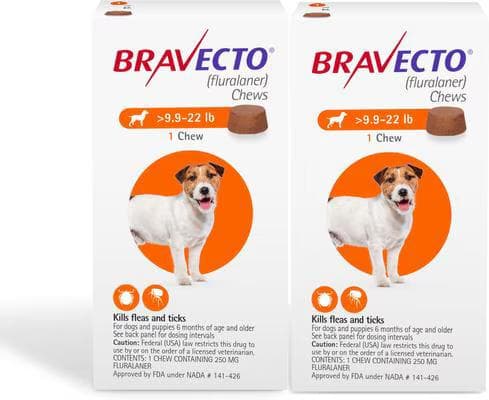
A prescription fluralaner chew that protects against fleas and most ticks for up to 12 weeks per dose, so one chew covers a full season quarter. A low-frequency option for owners who forget monthly doses.
Webvet may earn a commission when you click through to Chewy, at no extra cost to you.
What if a dog's rabies shot is overdue?
Call the veterinarian before booking travel, boarding, licensing, or a move. Provide the prior certificate, even if it is expired. Do not assume the dog must begin a puppy-style series, and do not assume one late day has the same consequence in every jurisdiction.
The clinical catch-up recommendation and legal status are related but not identical. A veterinarian may be able to vaccinate promptly, while the jurisdiction determines when the dog is again considered current and what happens after a possible exposure. The CDC's rabies guidance for veterinarians directs veterinary teams to involve public-health authorities in suspected rabies situations. If the dog bit a person, was bitten by wildlife, or had contact with a bat or suspicious saliva, contact a veterinarian and local public-health or animal-control authority immediately. Petful's guide to rabies symptoms in dogs is useful background, but waiting for symptoms is never an exposure-management plan.
 Sponsored
Vet care that's always there
Unlimited video calls and messaging with licensed vets for less than a typical vet visit. One membership covers up to five pets.
Use code Pets60
Plans start at $12/month · covers up to 5 pets
- Licensed vets in most states
- Rx for 150+ conditions
- 4.7 on Trustpilot
Rabies law, certificates, and who can vaccinate
Rabies vaccination is unusual because it protects the individual dog and supports a public-health system. The NASPHV Compendium of Animal Rabies Prevention and Control provides the U.S. public-health framework for animal vaccination, records, and exposure management, while state and local law controls the individual case. The certificate can affect licensing, travel, housing, boarding, bite investigations, and the response after a suspected exposure. That is why receiving vaccine is not the same as holding legally accepted proof.
A valid certificate commonly records the dog's identity, owner, vaccine product and manufacturer, lot or serial number, administration date, next-due date, and the authorized vaccinator's information and signature. Requirements vary. A receipt, handwritten note, product label, or feed-store purchase record may not substitute for the document your jurisdiction requires.
Can I vaccinate my own dog for rabies?
Do not rely on a self-administered rabies vaccine. Even if a product can be purchased, a dose given by an owner may not be legally recognized, may not produce an acceptable certificate, and may not have been stored or handled within the required cold chain. Incorrect route, age, interval, or administration can add medical risk without solving the legal problem.
Use a licensed veterinarian or another professional specifically authorized by your jurisdiction. Low-cost clinics and municipal events may provide valid rabies vaccination, but confirm that an authorized vaccinator is present and that you will receive the certificate needed for licensing or travel.
One-year versus three-year rabies vaccines
One-year and three-year labels describe licensed duration under specified conditions. They do not mean a veterinarian gives three times as much vaccine or that the owner can simply wait three years after any dose. Prior vaccination, age, product, medical record, and jurisdiction determine the legal interval.
The safest question is not “Which vial lasts longer?” It is “What expiration date will appear on my dog's legally valid certificate after this visit?” Ask before leaving, check the dog's identity and date, and keep a digital copy alongside the original.
Webvet may earn a commission when you click through to Chewy, at no extra cost to you.
Rabies vaccine side effects in dogs
Most postvaccination effects are mild and short-lived. A dog may be sleepy, eat less, feel sore at the injection site, or develop a small local swelling. Follow the clinic's observation instructions and call if a sign is severe, worsening, or lasts longer than expected.
AAHA's postvaccination adverse-event guidance recommends documenting suspected reactions so future vaccination can be individualized. Tell the veterinarian about prior reactions before the next dose. Depending on the history, the team may adjust timing, product selection, observation, or another part of the plan.
Do not give human antihistamines or pain relievers unless a veterinarian provides a dog-specific instruction. A product can contain additional ingredients, and the correct decision depends on the dog's weight, medical history, signs, and other medicines.
What happens if a dog is not vaccinated?
An unvaccinated dog remains vulnerable to a nearly always fatal disease and may create serious public-health and legal consequences. After a bite or suspected exposure, local authorities may impose quarantine or other measures based on the dog's documented status. The precise response varies by jurisdiction, which is another reason an official current record matters.
If cost, access, a prior reaction, or illness is blocking vaccination, tell the veterinarian rather than letting the certificate lapse silently. Some jurisdictions allow narrowly defined medical exemptions, but only through the required professional and legal process. An exemption does not make a dog immune.
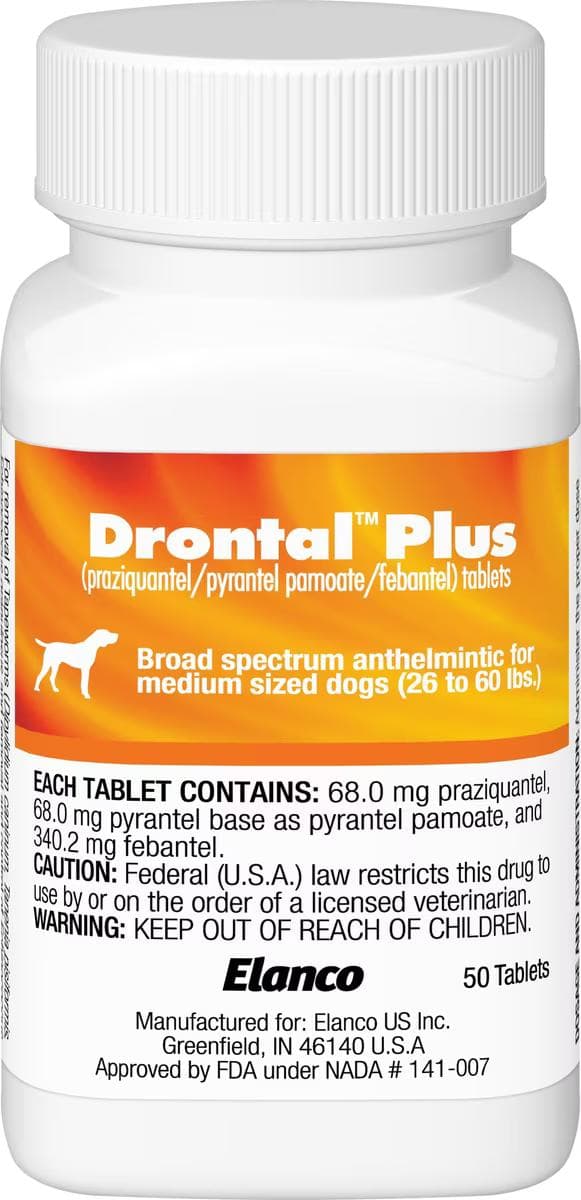
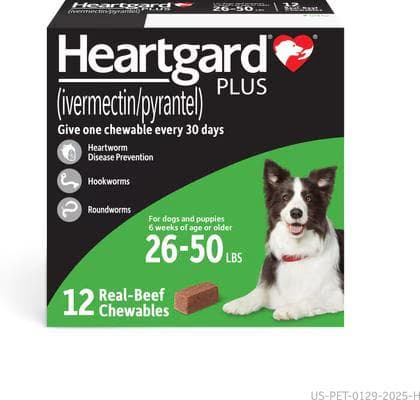
Broad-spectrum prescription dewormer (praziquantel, pyrantel, febantel) that clears tapeworms, roundworms, hookworms, and whipworms in one dose. Prescription required.
Webvet may earn a commission when you click through to Chewy, at no extra cost to you.
How much does a rabies vaccine for dogs cost?
Rabies shot cost depends on clinic model, location, exam or service fee, local tax, license or tag fee, and whether the vaccine is sold alone or in a package. A low headline price may exclude the legally required license, while a full-service visit may include an examination that a pop-up clinic does not.

For provider-labeled examples checked in August 2026, Low Cost Pet Vax listed an individual rabies vaccine at $10 and a $69 adult package containing rabies, DHPP, leptospirosis, and Bordetella. A Philadelphia Vetco Vaccination Clinic page listed rabies at $39 and noted that license fees, state or local tax, and proof of prior vaccination for a 3-year dose could apply. These examples are not national averages, and providers can change prices at any time.
Ask for a written estimate that separates:
- Vaccine price
- Examination, clinic, or service fee
- Rabies certificate, license, registration, or tag fee
- State or local tax
- Package-only services that you may or may not need
- Charge for replacing a lost certificate
See WebVet's complete dog vaccination cost guide for puppy-series and adult-budget comparisons. If money is tight, contact municipal animal services, shelters, veterinary schools, and nonprofit clinics. Verify residency or income requirements, appointment rules, and certificate validity before traveling.
Prepare the record before a rabies appointment
Send the clinic the prior certificate before the visit if you want a 3-year product or are unsure whether the dog is overdue. Ask staff to confirm that the record contains the prior administration date and legally necessary details. A last-minute photograph of a tag may not be enough to establish the interval.
At checkout, compare the new certificate with the dog in front of you. Check the dog's name and description, product, lot number, administration date, next-due date, and authorized vaccinator. Correct an error while the clinic still has the day's materials available. Then save a paper copy and a digital image.
If you move, look up the new jurisdiction's licensing and vaccination rules before the current certificate expires. A valid certificate generally remains important evidence, but registration procedures and accepted exemption processes can differ. International travel may add endorsement, microchip, timing, or antibody-test rules, so start that process with an accredited veterinarian well ahead of departure.
How rabies vaccination protects dogs and people
Rabies virus is transmitted through infected saliva, usually by a bite. Vaccination prepares the immune system before exposure and greatly changes how public-health authorities can manage a vaccinated dog after a potential contact. It does not make a suspected exposure safe to ignore.

Prevent wildlife contact by supervising dogs outdoors, securing trash, avoiding wildlife feeding, and keeping bats out of living spaces through safe professional exclusion. Never handle a bat or wild mammal with bare hands. If contact may have occurred, keep people and pets away from saliva, confine the dog safely without risking another bite, and seek veterinary and public-health instructions.
Rabies is different from lifestyle vaccines. Lyme vaccination, for example, is selected through regional tick exposure rather than a universal legal mandate. WebVet's guide to the Lyme disease vaccine for dogs explains that separate risk-based decision. Both conversations belong in preventive care, but one cannot replace the other.
Rabies tags are not the full medical record
A collar tag can help show that a dog was registered, but it may not contain the product, lot, administration, and expiration details needed after travel or an exposure. Keep the official certificate and clinic record. Photograph both sides, store a copy in a secure account, and bring the record when changing veterinarians.
If the tag and certificate disagree, call the issuing clinic. Do not alter dates or rely on memory. Correct documentation protects the dog when decisions need to be made quickly.
Rabies vaccine for dogs FAQs
Frequently Asked Questions
How often does a dog need a rabies shot?
How often a dog needs a rabies shot depends on the certificate, product, history, and law. A dog's first legally eligible rabies vaccine is followed by a booster within one year. Later shots may use a one-year or three-year interval depending on the product, the dog's documented history, and local law. Follow the next-due date on the official rabies certificate and your veterinarian's instructions. If a record is missing or the dog is overdue, contact the clinic before assuming which interval applies because legal status cannot be reconstructed from memory alone.
Can I vaccinate my own dog for rabies?
Do not vaccinate your own dog for rabies or rely on a self-administered dose. Authorized rabies vaccination rules vary by jurisdiction, and an owner-given product may not create a valid official certificate. Storage, handling, administration, health screening, and emergency-reaction readiness also matter. Use a veterinarian or another professional specifically authorized under local rules so the product, lot, date, next due date, and certificate are documented for licensing, travel, boarding, or exposure investigations.
Is a 3-year rabies vaccine stronger than a 1-year vaccine?
A three-year rabies vaccine is not simply a stronger version of a one-year product. The label describes licensed vaccine duration under specified conditions. Whether a dog receives a one-year or three-year certificate also depends on the exact product, documented vaccination history, timing, and local law. Ask the clinic which product it will use and what next-due date will appear on the certificate. Owners should follow that official date rather than choosing an interval from package wording alone.
What should I do if I lose my dog's rabies certificate?
If you lose your dog's rabies certificate, you should request a replacement from the administering clinic. Contact the administering veterinary clinic and request a replacement rabies certificate from the medical record. Provide the dog's name, the owner's name at the time, the approximate vaccination date, and any tag or invoice number you still have. A tag or receipt may not contain every required detail. If the practice closed, ask the local veterinary licensing or public-health authority whether records were transferred. Recover the document before licensing, travel, boarding, or an exposure investigation.
How much does a rabies shot usually cost for a dog?
How much a rabies shot will usually cost for a dog depends on the provider and included services. Rabies vaccine cost varies by clinic, region, service model, and whether the total includes an examination, certificate, tag, license, or other fees. A low advertised vaccine price may not be the final amount due. Ask for an itemized provider quote and confirm whether the dog is eligible for the listed one-year or three-year product under local law. Compare current totals for the same services rather than treating one retailer or clinic price as a national average.

Editor
The Webvet Editorial Team is the in-house group of pet-care editors and writers behind Webvet, operated by Smart Pet Collective. The team researches, writes, and maintains Webvet's pet health, behavior, and medication content. Every article follows a defined editorial process: research from reputable veterinary and scientific sources, careful drafting, mandatory review of medical content by a credentialed veterinarian, and dated publication. Health and medication articles are medically reviewed by a licensed veterinary professional before they go live and are kept current over time.
Veterinarian · BVMS MRCVS
Dr. Pippa Elliott, BVMS, MRCVS, is a veterinarian with nearly 30 years of experience in companion animal practice. Dr. Elliott earned her Bachelor of Veterinary Medicine and Surgery from the University of Glasgow. She was also designated a Member of the Royal College of Veterinary Surgeons. Married with 2 grown-up kids, Dr. Elliott has a naughty Puggle named Poggle, 3 cats and a bearded dragon.
Related reading

Dog Muscle Spasms and Twitching: Causes, Symptoms, and When to Worry

Anemia in Dogs: Symptoms, Causes, Diagnosis, and Treatment

Seizures in Dogs: Types, Causes, What to Do, and Treatment
