Puppy Vaccine Schedule: Vet-Reviewed Chart by Age
Follow a vet-reviewed puppy vaccine schedule from 6 weeks through the first-year booster, with an age chart, safe-exposure guidance, late-dose planning, and reaction signs.

BVMS MRCVS
Medically reviewed by Dr. Pippa Elliott, BVMS MRCVS · Last reviewed

This article contains affiliate links. Webvet may earn a commission when you buy through them, at no extra cost to you.
A typical puppy vaccine schedule starts at 6 to 8 weeks, repeats the core combination vaccine every 2 to 4 weeks, and includes a final puppy dose at 16 weeks of age or older. Rabies timing follows the vaccine label and local law. Leptospirosis and other vaccines follow their own series and the puppy's exposure risks. Your veterinarian should set the dates because age, prior records, health, product labeling, geography, and local disease pressure can change the plan.
 Sponsored
Have a health question about your dog?
Talk to a licensed vet at Dutch over video or message, including nights and weekends.
Use code Pets60
Plans start at $12/month · covers up to 5 pets
- Licensed vets in most states
- Rx for 150+ conditions
- 4.7 on Trustpilot
Puppy vaccine schedule by age
The chart below is a planning guide, not a prescription. It synthesizes the AAHA canine vaccination recommendations and the 2024 WSAVA vaccination guidelines. The dates on your puppy's medical record and your veterinarian's next-due date take priority.
- 1Puppies generally begin the core distemper, adenovirus, and parvovirus combination series at 6 to 8 weeks.
- 2Core combination doses repeat every 2 to 4 weeks, with the last puppy dose given at 16 weeks or older.
- 3Rabies is a core vaccine, but the first legal dose and booster date depend on the licensed product and state or local law.
- 4AAHA's 2024 update classifies leptospirosis vaccination as core for dogs, with timing based on the product and veterinary plan.
- 5Bordetella, canine influenza, and Lyme vaccination depend on exposure, travel, boarding, and regional risk.
- 6A late dose does not automatically mean every series must restart. Bring all records to your veterinarian.
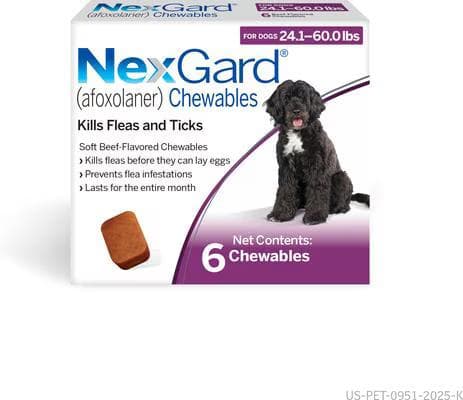
A monthly beef-flavored prescription chew (afoxolaner) that kills fleas before they lay eggs and kills ticks. A popular oral pick for dogs who do better with a chew than a topical.
Webvet may earn a commission when you click through to Chewy, at no extra cost to you.
| Puppy's age or stage | Vaccines commonly discussed | Why this stage matters | Owner's next step |
|---|---|---|---|
| 6 to 8 weeks | First DAPP or DHPP core combination dose | Maternal antibodies may still interfere, so this dose begins rather than completes the series | Book the next dose 2 to 4 weeks later and ask about local exposure precautions |
| 10 to 12 weeks | Next DAPP or DHPP dose; leptospirosis may begin when the product allows; Bordetella may be considered | Protection is building, but the core series is not finished | Continue controlled socialization only under the veterinarian's local-risk plan |
| 12 to 16 weeks | Continued core combination doses; rabies when permitted by label and law; second doses for vaccines that require an initial series | Different products have different minimum ages and series requirements | Keep the official rabies certificate and schedule every required follow-up |
| 16 weeks or older | Final puppy DAPP or DHPP dose at 16 weeks or older; risk-based series completed as directed | A dose at this age helps reduce the chance that maternal antibodies blocked every earlier core dose | Confirm that the record shows a qualifying final core dose, not just a certain number of visits |
| Within 1 year after the puppy series | Core combination booster; rabies as required; leptospirosis and other risk-based boosters per product and plan | This visit establishes the adult schedule | Move to an individualized adult dog vaccine schedule |
| Every year thereafter | Veterinary risk review even when no 3-year core booster is due | Lifestyle, travel, boarding, wildlife, outbreaks, and health status can change | Review every antigen separately instead of assuming all vaccines are annual or all are every 3 years |
The vaccine name on an invoice may be DAPP, DA2PP, DHPP, or a similar combination. These abbreviations commonly refer to protection against canine distemper virus, adenovirus, and parvovirus, with parainfluenza included in some combinations. Product contents differ, so the medical record is more reliable than guessing from an abbreviation. Our dedicated DHPP vaccine for dogs guide explains the combination in detail.
After the first-year follow-up, use WebVet's adult dog vaccine schedule to separate 3-year core boosters from annual exposure-based decisions. That transition is based on a valid puppy record, not on the dog simply reaching its first birthday.
Why the final puppy dose matters more than counting rounds
A puppy may receive three or four core combination doses, but “three rounds” is not the rule that determines completion. The important point is that the series starts no earlier than the recommended age, follows the allowed interval, and includes a dose at 16 weeks of age or older. A puppy that started very young may need more visits than one that started later.
Maternal antibodies explain why. Antibodies passed from the mother can protect a young puppy, but they can also neutralize a vaccine before the puppy develops an active response. No calendar can identify the exact day those antibodies fall for an individual puppy. Repeating the core vaccine across the expected window reduces the chance that every dose lands while interference is still strong. The Merck Veterinary Manual identifies maternal antibodies as an important reason vaccines may fail to immunize very young animals.
In unusually high-risk situations, a veterinarian may extend the core series beyond the usual final age. That is a clinical and local-disease decision, not a reason to add shots at home or copy another puppy's calendar.
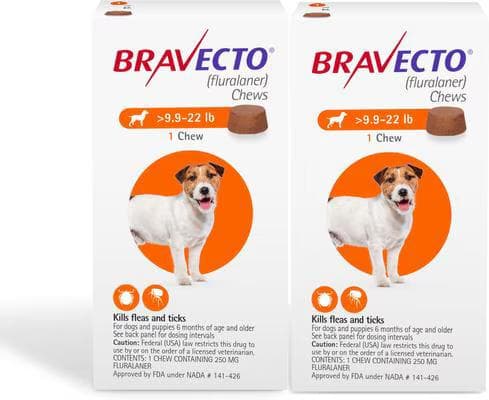
A prescription fluralaner chew that protects against fleas and most ticks for up to 12 weeks per dose, so one chew covers a full season quarter. A low-frequency option for owners who forget monthly doses.
Webvet may earn a commission when you click through to Chewy, at no extra cost to you.
Core vaccines and lifestyle-based vaccines
Core vaccines are recommended broadly because the diseases are severe, widespread, transmissible to people, or all three. In the United States, the puppy discussion normally includes:
- DAPP or DHPP: The combination that covers distemper, adenovirus, and parvovirus, with parainfluenza in some products. See the dedicated parvo vaccine for dogs guide for parvovirus-specific protection and exposure questions.
- Rabies: Required by law in many places and essential for protecting animals and people. The rabies vaccine for dogs guide covers legal certificates, 1-year and 3-year products, and overdue records.
- Leptospirosis: AAHA's 2024 update classifies leptospirosis as core for dogs. The initial series, minimum age, and booster timing follow the licensed product and veterinary plan.
Other vaccines are selected after a risk assessment:
- Bordetella may matter for puppies going to boarding, daycare, group classes, shows, or other dog-dense settings.
- Canine influenza vaccination may be appropriate where exposure or outbreaks make it useful.
- Lyme vaccination depends on tick exposure and regional risk. Read WebVet's live guide to the Lyme disease vaccine for dogs and discuss tick prevention at the same visit.
- If the veterinarian prescribes parasite control as part of the broader plan, the exact listing for NexGard Chewables can help confirm the prescribed flea-and-tick option. It is not a vaccine, and the veterinarian must choose the correct product, age, weight band, and schedule.
The Bordetella vaccine for dogs and dog flu vaccine have different routes, starting ages, initial series, and booster intervals. “Kennel cough shot” is therefore not a complete instruction. Tell the clinic where the puppy will go and when, because a facility may have its own entry deadline in addition to the medical recommendation.
 Sponsored
Vet care that's always there
Unlimited video calls and messaging with licensed vets for less than a typical vet visit. One membership covers up to five pets.
Use code Pets60
Plans start at $12/month · covers up to 5 pets
- Licensed vets in most states
- Rx for 150+ conditions
- 4.7 on Trustpilot
When can a puppy go outside after vaccines?
There is no universal number of days after the second puppy vaccination when every puppy is safe to go everywhere. A second dose is not the same as a completed core series, immune responses take time, and parvovirus pressure differs by neighborhood. At the same time, completely isolating a puppy through the entire social-development period can create its own welfare and behavior costs.
Ask your veterinarian for a controlled socialization plan that reflects local parvovirus activity and your puppy's record. Safer early experiences may include being carried in public, riding in a stroller, visiting a clean private home with healthy fully vaccinated dogs, meeting calm people, hearing household and street sounds from a protected position, and attending a well-managed puppy class that follows veterinary infection-control requirements. Small training rewards such as Zuke's Mini Naturals can support brief positive sessions when they fit the puppy's diet. Petful's guide to starting puppy training classes explains how early socialization and disease-control precautions can work together.
Our puppy socialization checklist organizes controlled experiences and a record of responses to discuss with the veterinary team.

Higher-risk exposures generally include dog parks, shared apartment relief areas, pet-store floors, unknown feces, and places visited by many dogs of uncertain vaccination status. Parvovirus can persist in contaminated environments, so avoiding direct contact with unknown dogs is not the only concern. The AVMA canine parvovirus guide explains environmental exposure and prevention.
How long after the second puppy vaccination can they go out?
Do not use “after the second shot” as the only decision point. Ask the veterinarian who gave the vaccine when your puppy may use a particular place. The answer depends on the puppy's age at that dose, how many valid doses are documented, the interval between them, the planned final dose, local disease pressure, and the type of outing.
A clinic may allow low-risk, controlled experiences before unrestricted ground access. It may advise waiting until after the qualifying final core dose, plus the time needed for the product-specific immune response, before high-risk dog areas. Follow that individualized instruction rather than a fixed internet countdown.
How many rounds before a puppy can go outside?
There is no safe universal round count. Puppies typically receive a series rather than one shot because maternal antibodies decline at different times. A puppy can have several documented doses and still need a final core dose at 16 weeks or older. The location also matters: a private clean yard with no unknown-dog traffic is not the same exposure as a busy dog park.
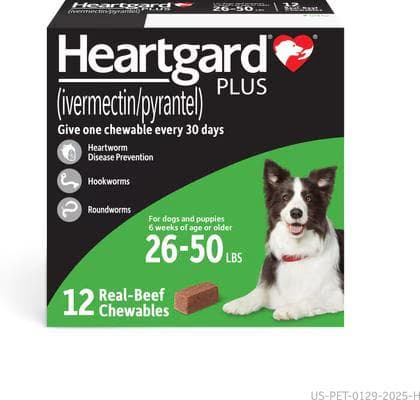
Webvet may earn a commission when you click through to Chewy, at no extra cost to you.
How puppy vaccines work
Vaccines present antigens to the immune system so it can prepare a response before natural exposure. They do not create an immediate force field, and no vaccine guarantees that a dog can never become infected. Correct storage, administration, timing, the puppy's health, maternal antibodies, and the match between exposure and vaccine all affect the result.

Combination vaccines reduce the number of injections while delivering several antigens, but each component still has its own disease purpose. A veterinarian also checks whether the puppy is healthy enough for vaccination and whether a previous reaction changes how the next visit should be planned.
Puppy shots and deworming are often coordinated at the same early visits, but they do different jobs. The veterinarian decides when to give a puppy its first shots and which deworming plan fits the puppy's test results and risk. Give puppy vaccines through a veterinary clinic or another legally authorized program that can protect the cold chain, examine the puppy, manage a reaction, and issue complete records.
What if a puppy is late or misses a vaccine?
Call the clinic and provide the vaccine name, administration date, puppy's age on that date, and any official rabies certificate. Do not assume that a late puppy must restart every series, and do not assume the next scheduled dose can simply be skipped. AAHA guidance lets veterinarians account for prior vaccination, the antigen, time overdue, product labeling, health, and exposure risk.
The plan may differ among vaccine types. A delayed core combination dose is not managed exactly like a delayed two-dose risk-based series. Rabies also has a legal layer: what counts as current or overdue depends on jurisdiction and the documented product. Records matter because a verbal history may not satisfy a clinic, boarding facility, municipality, or public-health authority.
If the history is unknown, the veterinarian will choose a safe catch-up approach. Do not buy vaccines online or at a feed store and attempt to reconstruct the schedule yourself. Cold-chain failures, incorrect administration, missing examination, adverse reactions, and legally invalid rabies documentation can leave both medical and record gaps.
Budget for multiple visits
Puppy vaccination usually requires several appointments because the core series repeats through a qualifying final dose at 16 weeks or older, while rabies and risk-based vaccines follow their own timing. Ask the clinic for an itemized estimate for every expected visit, including examination or service fees, repeat doses, records, and any separate parasite services.

WebVet's dog vaccination cost guide owns the current provider examples, package comparisons, low-cost options, and full first-year budgeting. Bring trustworthy records so the estimate reflects the doses the puppy actually needs rather than a generic bundle.
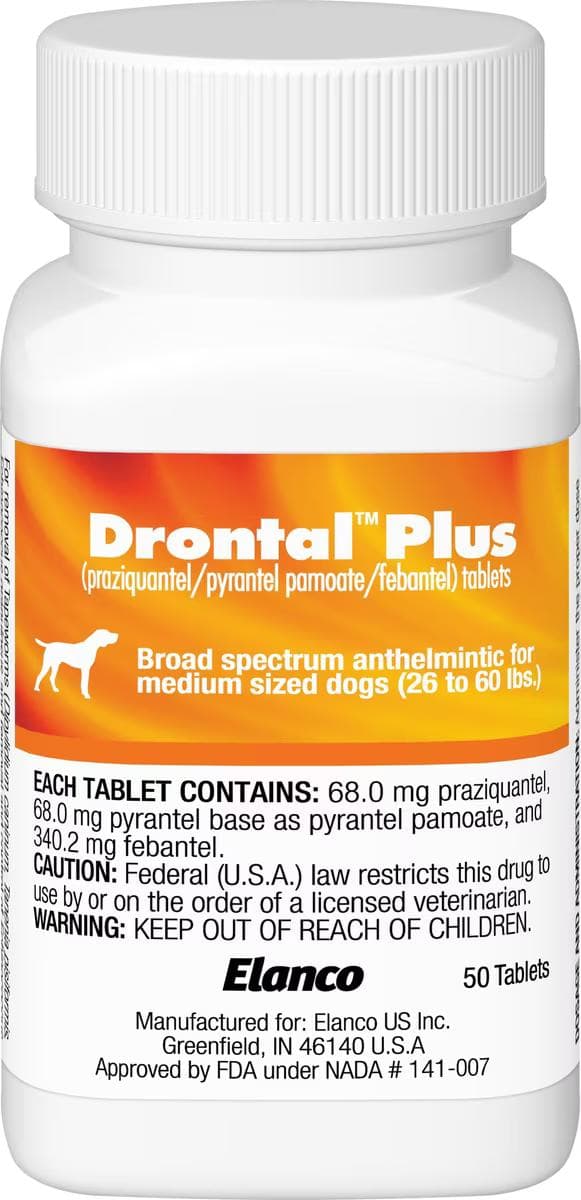
Broad-spectrum prescription dewormer (praziquantel, pyrantel, febantel) that clears tapeworms, roundworms, hookworms, and whipworms in one dose. Prescription required.
Webvet may earn a commission when you click through to Chewy, at no extra cost to you.
Build a vaccine record that survives moves and emergencies
A useful puppy vaccination record contains more than colored stickers or a list of visit dates. For each dose, keep the vaccine name, manufacturer, product, lot or serial number, administration date, route when recorded, the puppy's age, the administering clinic, and the next-due date. Rabies needs its official certificate as well as the ordinary medical record.
Store a paper copy where a caregiver can find it and a clear digital copy that is available while traveling. If a puppy changes clinics, send the record before the first appointment. This lets the new veterinarian evaluate ages and intervals without guessing, reduces unnecessary duplicate vaccination, and makes it easier to identify what was given if a reaction occurs.
Breeder or rescue paperwork still needs review. A handwritten statement such as “first shots done” does not identify the antigens, age, product, storage, or administration. Ask the veterinarian which entries count and which gaps need a safe catch-up plan.
Prepare for each puppy vaccine appointment
Before the appointment, prepare the following and tell the clinic about any current health concern before vaccination:
- The puppy's vaccine record.
- A current list of medicines and supplements.
- Notes about prior vomiting, diarrhea, facial swelling, hives, breathing changes, soreness, or unusual lethargy after any treatment.
- Details about current cough, fever, poor appetite, diarrhea, recent exposure to a sick dog, pregnancy possibility, or another health concern.
Also bring the puppy's next-month calendar. Boarding, daycare, training classes, travel, grooming, and licensing can have deadlines that do not match the medical due date. Planning early gives the veterinarian time to complete any two-dose initial series at the licensed interval rather than compressing it for a reservation.
After the visit, ask four questions: Which antigens were given? Which are still due? On what exact date may the puppy enter each planned environment? Which signs require a routine call versus emergency care? Write the answers beside the schedule instead of relying on memory.
Why a printable chart cannot replace a clinic plan
A printable puppy vaccination chart is useful for organizing dates, but a universal form cannot know local rabies law, regional parvovirus activity, a product's minimum age, maternal-antibody timing, or whether a boarding facility requires a particular route of Bordetella vaccine. Breed-specific calendars for Labradors, Yorkies, German shepherds, or other puppies do not replace those factors either.
Use the same evidence-based framework for every breed: verify age and records, complete the core series through a dose at 16 weeks or older, meet rabies law, follow each product's initial series, and reassess exposure. Body size and prior reaction history may influence how a veterinarian plans the visit, but they do not create an internet-only vaccine schedule.
Puppy vaccine side effects: normal vs urgent
Mild, short-lived effects can include tiredness, reduced appetite, soreness or a small swelling at the injection site, and reluctance to play normally. Keep the puppy comfortable, provide water, follow the clinic's instructions, and report anything that is intense, worsening, or lasts longer than the veterinarian said to expect. Do not give human pain medicine unless a veterinarian explicitly prescribes it for that puppy.
AAHA's postvaccination adverse-event guidance supports recording suspected reactions and using that history to plan future care. A prior reaction is not a reason to make the next decision alone. The veterinarian may change timing, vaccine selection, observation, or another part of the plan after weighing disease risk.
What not to do after a puppy vaccine
Do not schedule unusually strenuous exercise immediately after the appointment, force a sore puppy to play, introduce several new medications without veterinary direction, or ignore a significant change because reactions are described as “normal.” Keep the puppy where you can observe breathing, facial appearance, energy, appetite, vomiting, diarrhea, and the injection site.
Also avoid treating vaccination day as proof that unrestricted exposure is now safe. Protection develops over time, and a dose given before the series is complete does not erase environmental risk.
Which vaccines are absolutely necessary?
Core vaccines protect against diseases for which broad vaccination has strong public-health or canine-health value. The exact U.S. core list and timing should be taken from the current AAHA framework, the vaccine label, and local rabies law. Leptospirosis entered AAHA's core category for dogs in the 2024 update, while Bordetella, influenza, and Lyme decisions remain tied to risk.
Calling any vaccine “unnecessary” without knowing the puppy's exposures is misleading. A vaccine that is not needed for one indoor, low-exposure dog may be important for a puppy who boards, travels, swims near wildlife-contaminated water, lives in a tick-endemic area, or regularly mixes with groups of dogs. Review the plan with the veterinarian at least annually.
Puppy vaccine schedule FAQs
Frequently Asked Questions
How long after a 2nd puppy vaccination can they go out?
How long a puppy must wait after a second vaccination before going out is not a universal number of days. Ask your veterinarian about the specific outing, local parvovirus risk, your puppy's age and records, and when the final core dose is due. Controlled socialization may be possible before unrestricted access to high-risk dog areas. Before putting the puppy on shared ground, ask the clinic which places are acceptable now and when its local exposure guidance changes.
How many rounds of shots do puppies need before going outside?
How many rounds of shots puppies need before going outside cannot be answered by a round count alone. The core combination vaccine usually repeats every 2 to 4 weeks and includes a final puppy dose at 16 weeks or older. Your veterinarian may allow controlled, low-risk experiences while advising against dog parks, shared elimination areas, and unknown dogs. Ask about each setting separately because a private clean yard, a puppy class with vaccine rules, and a busy dog park do not carry the same exposure risk.
What not to do after a puppy vaccine?
After a puppy vaccine, do not plan strenuous exercise, introduce a new high-risk dog setting, or ignore worsening signs. Give the puppy a quiet day, water, and normal access to food while watching for expected short-lived reactions such as mild soreness or tiredness. Do not give human pain medicine unless a veterinarian specifically directs it. Facial swelling, repeated vomiting, collapse, breathing trouble, or rapidly worsening weakness requires urgent veterinary care rather than home observation.
How long can a puppy go without their shots?
A puppy should not go long without their shots on purpose. There is no single safe grace period for a missed puppy vaccine dose, so do not intentionally stretch the interval. Call the clinic with the puppy's age, dose dates, vaccine names, and any available records. The veterinarian will create a catch-up plan that may continue the series, repeat part of it, or use a different interval. Until the record is reviewed, avoid assuming the puppy is fully protected and ask which socialization settings remain reasonable.
Can I skip my dog's vaccine?
You should not skip your dog's vaccine without veterinary review. Do not skip a recommended puppy vaccine without first reviewing the reason with a veterinarian. Missing core protection can leave a puppy vulnerable, and legal rabies requirements may still apply. If cost, access, current illness, pregnancy, or a previous reaction is driving the concern, say so directly. The safest response may be different timing, a different product, a low-cost clinic, or a formal exemption where law permits. The goal is a documented vaccine plan, not an unexplained gap.

Editor
The Webvet Editorial Team is the in-house group of pet-care editors and writers behind Webvet, operated by Smart Pet Collective. The team researches, writes, and maintains Webvet's pet health, behavior, and medication content. Every article follows a defined editorial process: research from reputable veterinary and scientific sources, careful drafting, mandatory review of medical content by a credentialed veterinarian, and dated publication. Health and medication articles are medically reviewed by a licensed veterinary professional before they go live and are kept current over time.
Veterinarian · BVMS MRCVS
Dr. Pippa Elliott, BVMS, MRCVS, is a veterinarian with nearly 30 years of experience in companion animal practice. Dr. Elliott earned her Bachelor of Veterinary Medicine and Surgery from the University of Glasgow. She was also designated a Member of the Royal College of Veterinary Surgeons. Married with 2 grown-up kids, Dr. Elliott has a naughty Puggle named Poggle, 3 cats and a bearded dragon.
Related reading

Dog Muscle Spasms and Twitching: Causes, Symptoms, and When to Worry

Anemia in Dogs: Symptoms, Causes, Diagnosis, and Treatment

Seizures in Dogs: Types, Causes, What to Do, and Treatment
