Dog Flu Vaccine: Does Your Dog Need One?
The dog flu vaccine is a lifestyle-based choice for dogs with group exposure. Compare H3N2 and H3N8 coverage, the two-dose schedule, boarding timing, safety, and cost.

BVMS MRCVS
Medically reviewed by Dr. Pippa Elliott, BVMS MRCVS · Last reviewed

This article contains affiliate links. Webvet may earn a commission when you buy through them, at no extra cost to you.
The dog flu vaccine is a lifestyle-based vaccine for dogs likely to encounter canine influenza through boarding, daycare, shows, group training, travel, shelters, or local outbreaks. The AAHA canine vaccination guidelines describe this exposure-based decision and the initial series:
- Initial series: two doses 2 to 4 weeks apart.
- Continuing exposure: an annual booster may be recommended while risk continues.
- Local plan: ask about current circulation, H3N2 and H3N8 strain coverage, product availability, and how early to finish the series before group activities.
Canine influenza vaccination is not core for every dog. It does not guarantee that a dog cannot become infected. Its purpose is to reduce the risk and impact of disease in dogs whose exposure makes that benefit worthwhile.
 Sponsored
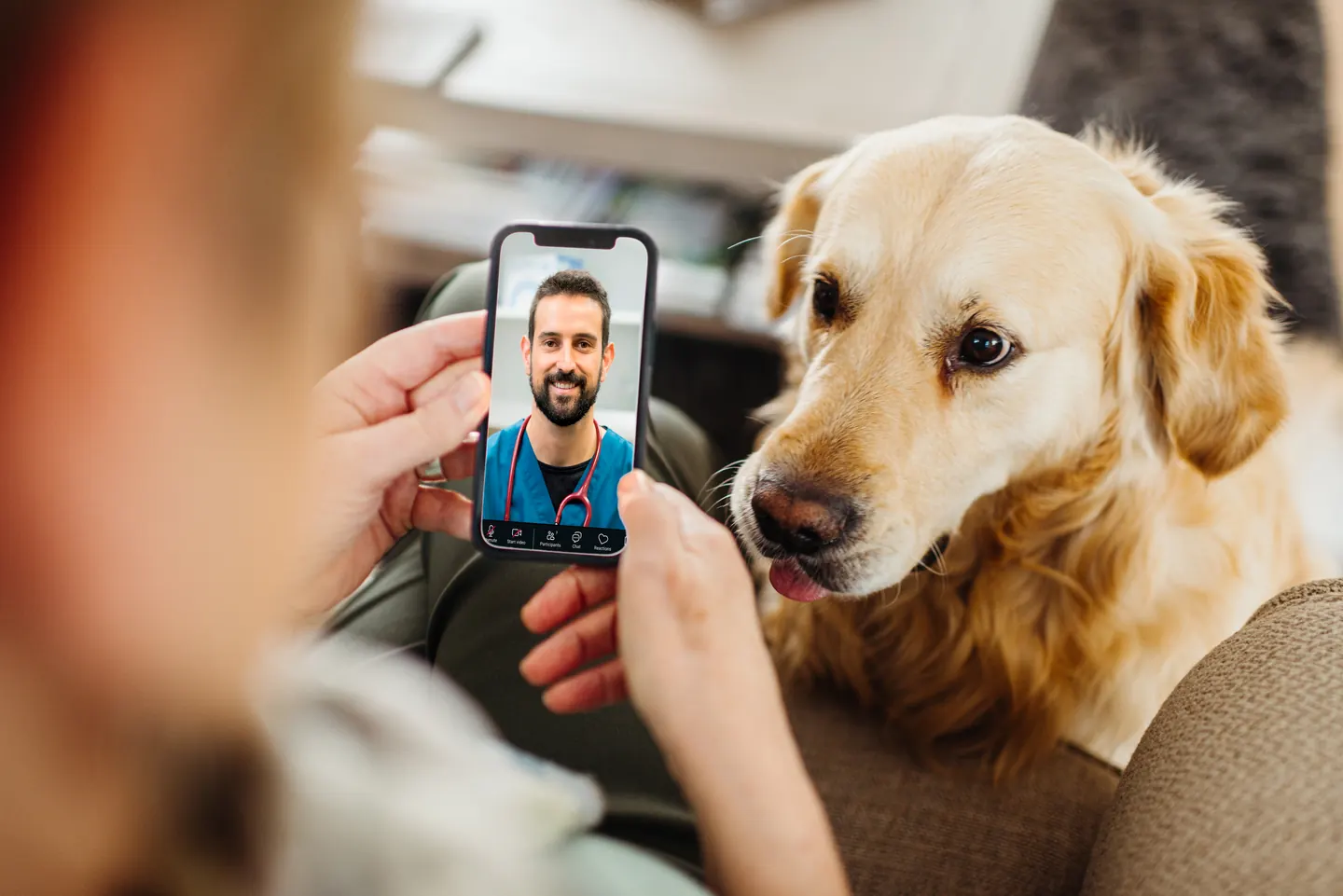
Have a health question about your dog?
Talk to a licensed vet at Dutch over video or message, including nights and weekends.
Use code Pets60
Plans start at $12/month · covers up to 5 pets
- Licensed vets in most states
- Rx for 150+ conditions
- 4.7 on Trustpilot
Does your dog need the flu vaccine?
The AAHA canine vaccination guidelines recommend an individualized decision based on lifestyle and geographic risk. A dog who regularly enters crowded or shared dog environments has a different exposure profile from a dog who rarely has close contact with unfamiliar dogs.
- 1The canine influenza vaccine is noncore and selected according to exposure, local circulation, travel, and facility policy.
- 2Dogs beginning the series generally need two doses 2 to 4 weeks apart.
- 3An annual booster is generally used when meaningful exposure continues.
- 4H3N2 and H3N8 are the two canine influenza A strains addressed in US vaccine guidance, and bivalent products are designed to cover both.
- 5Bordetella and canine influenza vaccines target different respiratory pathogens. One does not replace the other.
- 6Vaccination may reduce disease impact but does not promise complete prevention of infection.
- 7The veterinarian and destination facility should agree on product, completion deadline, and records before boarding or travel.
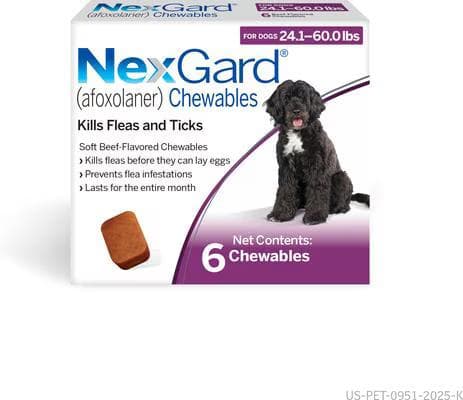
A monthly beef-flavored prescription chew (afoxolaner) that kills fleas before they lay eggs and kills ticks. A popular oral pick for dogs who do better with a chew than a topical.
Webvet may earn a commission when you click through to Chewy, at no extra cost to you.
| Exposure or vaccine question | What it means | Owner’s next step |
|---|---|---|
| Regular boarding or daycare | Repeated close contact, shared airspace, and dog turnover increase respiratory exposure | Ask whether the facility requires canine influenza and when the full series must be complete |
| Shows, group classes, shelters, rescue work, or crowded dog events | Many dogs from different households may mix | Discuss local circulation and the dog’s frequency and duration of exposure |
| Travel to another region | Canine influenza activity and facility rules can differ by destination | Call the veterinarian early enough to complete two doses before travel |
| Occasional low-density contact | Risk depends on setting, ventilation, proximity, and local disease activity | Describe the real contact pattern rather than relying on the label “social dog” |
| Little contact with unfamiliar dogs | Expected benefit may be lower | Reassess before lifestyle, travel, or emergency-boarding plans change |
| Starting the vaccine | The initial series is generally two doses 2 to 4 weeks apart | Schedule both visits and ask when the selected product is expected to provide protection |
| Ongoing meaningful risk | Revaccination is generally annual | Confirm product availability and the next due date with the clinic |
| Current cough or respiratory illness | Vaccination is preventive, not a treatment or diagnostic test | Keep the dog away from other dogs and call a veterinarian before any group activity |
Canine influenza activity and vaccine availability can change. Your veterinarian may consider local public-health, diagnostic-laboratory, and practice information when applying this chart to your dog.
Dogs most likely to benefit
The question is not simply whether a dog is friendly. Exposure depends on the environment. Respiratory pathogens spread more readily when dogs are close together, share airspace for extended periods, move between households, or enter a setting with frequent turnover.
Canine influenza vaccination is worth discussing when a dog:
- Boards overnight or may need emergency boarding
- Attends dog daycare or indoor group play
- Participates in shows, competitions, or group training
- Visits busy dog parks, adoption events, or dog-centered gatherings
- Travels between regions or stays in hotels and kennels
- Lives, works, or volunteers in a shelter, rescue, or foster network
- Has frequent close contact with unfamiliar dogs
- Is entering an area where the veterinarian reports active circulation
The decision also includes the dog’s age, health, previous vaccine reactions, immune status, and how severe a respiratory illness could be for that individual. A senior dog is not automatically too old or automatically required to receive it. The veterinarian weighs expected exposure and benefit against the dog’s clinical situation.
Dogs who may have less need
A dog with no boarding, daycare, classes, travel, or close contact with unfamiliar dogs may have lower expected benefit. However, plans change. A family emergency can create a sudden boarding need, and some facilities will not admit a dog whose two-dose series was started only days before arrival.
Review the decision at wellness visits and before a move, trip, new daycare routine, adoption of another dog, or change in local disease activity. WebVet’s adult dog vaccine schedule places canine influenza beside core and other risk-based vaccines. For a young dog, the puppy vaccine schedule shows how separate vaccine series fit into early appointments.
The same preventive visit may include a parasite-risk review. Dogs entering boarding, travel, or group play can have flea, tick, and heartworm exposures unrelated to respiratory vaccines. After the appropriate age, weight, testing, and regional assessment, a veterinarian may prescribe:
- NexGard Chewables or Bravecto for flea-and-tick control.
- Heartgard Plus for heartworm prevention.
These products do not prevent canine influenza or Bordetella. If a dog is already coughing, Petful's guide to common causes of coughing in dogs provides complementary context, but the boarding plan should pause for veterinary advice.
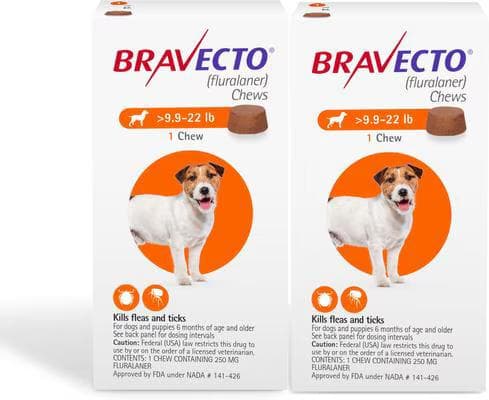
A prescription fluralaner chew that protects against fleas and most ticks for up to 12 weeks per dose, so one chew covers a full season quarter. A low-frequency option for owners who forget monthly doses.
Webvet may earn a commission when you click through to Chewy, at no extra cost to you.
Facility policy is a separate decision
A boarding or daycare operator may require canine influenza vaccination even when a veterinarian would not classify it as essential for the dog’s ordinary lifestyle. The facility is managing population risk and business operations. Its policy can be stricter than a general veterinary guideline.
Before paying a deposit, ask:
- Is canine influenza required or only recommended?
- Must the vaccine cover H3N2, H3N8, or both?
- Are both initial doses required for first-time vaccination?
- How many days before check-in must the series be complete?
- What record format is accepted?
- Does the facility also require Bordetella, parainfluenza, or other vaccines?
- What happens if the vaccine is temporarily unavailable?
Get the answer in writing. “Flu current” can mean different things to different facilities.
Dog flu vaccine schedule and H3N2/H3N8 coverage
The AAHA core and noncore recommendations describe a two-dose initial canine influenza series, with doses 2 to 4 weeks apart. Dogs with sustained risk are generally revaccinated annually. The product label sets minimum age, route, dose, and exact administration requirements.

First dose
The first injection begins the immune response, but it does not complete the initial series. Do not treat a dog as fully prepared for boarding immediately after dose one. Schedule the second appointment when the first is booked so travel or facility deadlines do not force a last-minute decision.
Second dose 2 to 4 weeks later
The second dose completes the initial series under the general AAHA schedule. How long protection takes to develop after that dose depends on the licensed product. Ask the veterinarian for the product-specific timing, then compare it with the facility’s minimum waiting period.
Annual booster for continued risk
How long is a dog flu shot good for? The guideline revaccination interval is generally one year for dogs whose exposure continues. That does not mean every dog needs a yearly flu vaccine forever. If boarding, daycare, travel, local circulation, or health changes, the veterinarian should revisit the risk-benefit decision.
What if a dose is late?
Call the clinic with the product and administration dates. Catch-up depends on whether the dog completed a documented initial series, how late the dose is, product directions, and current risk. Do not guess that one late booster requires a full restart, and do not assume one dose is enough for a dog whose initial series was never completed.
 Sponsored
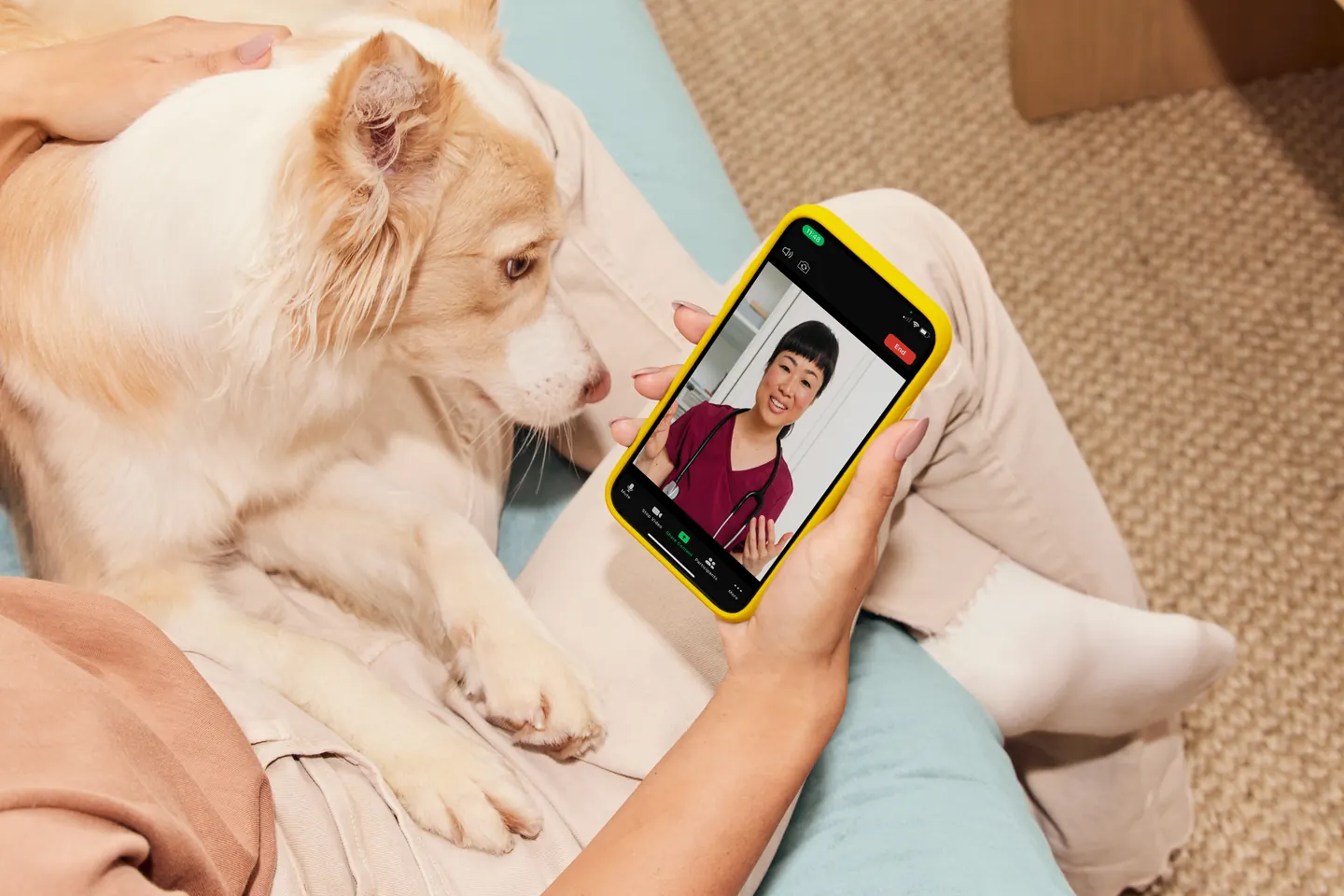
Vet care that's always there
Unlimited video calls and messaging with licensed vets for less than a typical vet visit. One membership covers up to five pets.
Use code Pets60
Plans start at $12/month · covers up to 5 pets
- Licensed vets in most states
- Rx for 150+ conditions
- 4.7 on Trustpilot
What H3N2 and H3N8 mean
Canine influenza is caused by influenza A viruses adapted to dogs. The Merck Veterinary Manual describes two recognized canine influenza lineages in the United States: H3N8 and H3N2. The letters and numbers refer to viral surface proteins used to classify influenza strains.
H3N8 was associated historically with an equine influenza lineage that moved into dogs. H3N2 was first recognized in Asian dogs and was later identified in North America. That history does not tell an owner which strain is circulating locally today. Current regional activity needs current veterinary evidence.
What is a bivalent dog flu vaccine?
A bivalent canine influenza vaccine includes antigens for both H3N2 and H3N8. It is designed to broaden strain coverage compared with a single-strain product. “Bivalent” does not mean it covers Bordetella, parainfluenza, or every cause of canine respiratory disease.
Product names, technologies, supply, and licensing can change. Do not select a vaccine from an old brand list, a search result labeled “new dog flu vaccine,” or a retailer listing. Ask the clinic which licensed product it currently stocks, which strains it covers, whether it is appropriate for the dog, and what the label requires.
Canine influenza vaccine ingredients and type
Owners sometimes search whether the dog flu vaccine is live or inactivated. The correct answer belongs to the exact product label. Licensed canine influenza vaccines have used inactivated antigens, and newer technologies or product lines may enter the market. A general article should not turn one product description into a universal statement.
If ingredients matter because of a previous reaction or another medical concern, ask the clinic for the package insert before vaccination. The veterinarian can identify antigens, adjuvants, excipients, route, and manufacturer-specific warnings without relying on an outdated online summary.
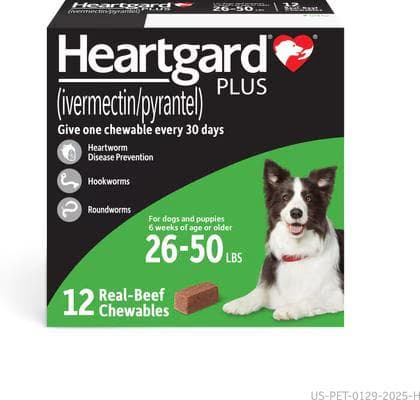
Webvet may earn a commission when you click through to Chewy, at no extra cost to you.
What canine influenza vaccination can and cannot do
Canine influenza vaccination prepares the immune system for its target strains. Merck explains that available vaccines are used to reduce clinical disease and viral shedding, but vaccination may not prevent infection altogether. That distinction matters in group settings: a vaccinated dog can still cough or potentially contribute to transmission.
The practical goals are to reduce the likelihood and impact of illness, support population disease control, and give higher-exposure dogs better protection. The vaccine does not:
- Treat a dog who is already sick
- Guarantee the dog will never contract canine influenza
- Prevent every cause of kennel cough
- Replace isolation and veterinary care for a coughing dog
- Replace ventilation, sanitation, screening, and crowd management
- Make an outbreak setting risk-free
How long does it take the dog flu vaccine to work?
The initial series must be completed before owners expect full product-labeled protection. The interval after dose two is product-specific. Ask the veterinarian for the package-insert timing and ask the facility for its admission rule. Schedule backward from the boarding or travel date, leaving enough time for both doses 2 to 4 weeks apart plus the required post-series interval.
Do not use an online statement such as “effective immediately” or “wait exactly two weeks” without confirming the selected product. A last-minute vaccine may still be medically useful, but it may not satisfy the facility or provide the expected protection by check-in.
Can a vaccinated dog still spread dog flu?
Possibly. Because vaccination may not fully prevent infection, exposure control still matters. Keep any coughing dog away from group environments, even if the record is current. Call the facility if a dog becomes ill shortly before a reservation and follow its cancellation and health-screening policy.
If a dog develops coughing, nasal or eye discharge, fever, marked tiredness, reduced appetite, or breathing difficulty, contact a veterinarian. WebVet’s kennel cough in dogs guide explains the broader respiratory-disease evaluation. It is not safe to diagnose influenza from the sound of a cough.
Is canine influenza the same as Bordetella?
No. Canine influenza viruses and Bordetella bronchiseptica are different pathogens. Both can contribute to canine infectious respiratory disease complex, but their vaccines have different targets and schedules.
If the signs are mild and there is no honking cough, our dog cold symptoms guide explains how a simple cold differs from kennel cough and canine flu, and when to see the vet.
The Bordetella vaccine for dogs is available by oral, intranasal, and injectable routes, depending on product. Canine influenza vaccination is generally an injectable two-dose initial series. A facility may require both because one does not substitute for the other.
Parainfluenza is different again. It may be included in a DHPP/DAPP combination or a mucosal respiratory product. Ask the clinic to translate every abbreviation on the record instead of assuming “kennel cough covered” identifies all respiratory components.
A practical respiratory-vaccine checklist
Before a group-dog activity, confirm:
- The actual Bordetella route and date
- Whether canine influenza is required or recommended
- H3N2 and H3N8 coverage on the selected flu product
- Whether both first-series flu doses are complete
- DHPP/DAPP status, including the parainfluenza component
- The facility’s health-screening and isolation policy
- What to do if coughing starts before or after the stay
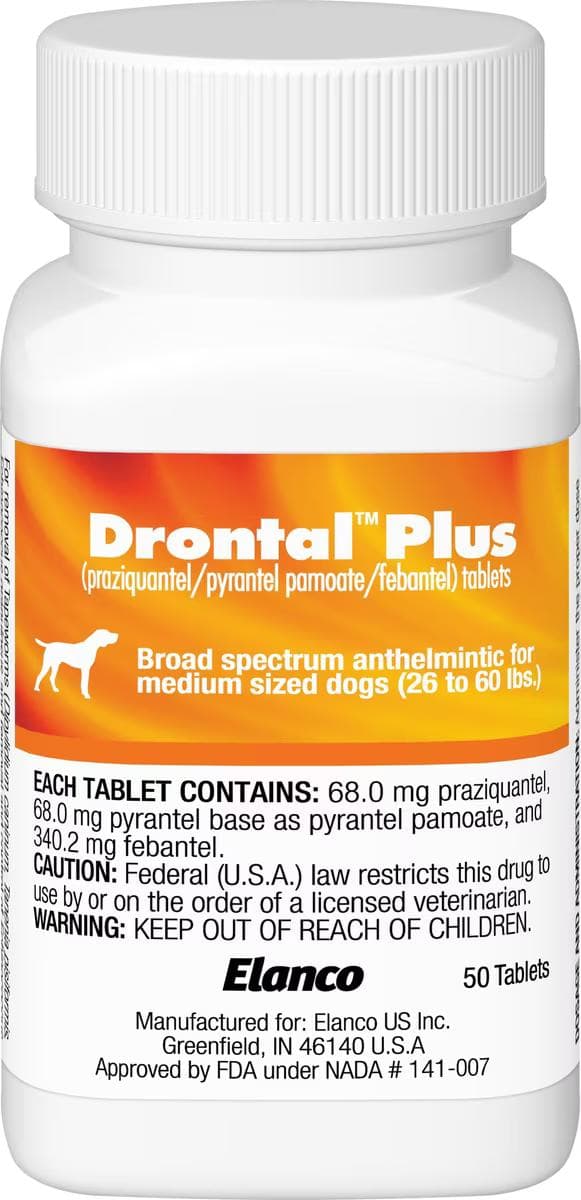
Broad-spectrum prescription dewormer (praziquantel, pyrantel, febantel) that clears tapeworms, roundworms, hookworms, and whipworms in one dose. Prescription required.
Webvet may earn a commission when you click through to Chewy, at no extra cost to you.
Boarding, daycare, travel, and outbreak planning
Good timing begins before the reservation. A first-time dog flu series takes at least the 2-to-4-week interval between doses, plus whatever post-series period the product and facility require. Calling several weeks ahead creates room for a veterinary appointment, vaccine availability, the second dose, records, and unexpected schedule changes.
Boarding and daycare
High dog turnover can increase exposure even in a well-run facility. Ask about ventilation, group size, screening, cleaning, staff response to coughing, and whether dogs from an affected household are excluded. Vaccination adds a layer of protection, but operational controls remain important.
Shows and group training
Short events can still bring many dogs from different regions into close contact. Consider travel stops, shared indoor spaces, grooming areas, and overnight lodging as part of exposure. Avoid shared bowls and keep distance from coughing dogs.
Travel
Check the destination and every boarding stop. Vaccine policies can differ across state lines, and current disease activity may differ from home. Bring a complete record rather than a cropped reminder screenshot. Save the clinic’s contact information in case the destination needs verification.
A local outbreak
Do not assume every social-media report represents confirmed canine influenza. Ask your veterinarian what local evidence supports the concern and whether the strain or affected settings are known. If the clinic recommends vaccination, ask how product availability and the two-dose series affect near-term activity.

During suspected circulation, lower exposure by avoiding crowded dog settings, not sharing water bowls, rescheduling optional group activities, and keeping a coughing dog home. Follow veterinary and facility guidance because the appropriate duration and precautions depend on the situation.
Dog flu vaccine side effects and safety
Common short-lived postvaccination effects can include injection-site soreness, tiredness, reduced appetite, or a mild fever. The AAHA adverse-event guidance recommends documenting the product and reaction so later vaccination decisions can be individualized.
Mild soreness after an injection is different from severe pain, progressive swelling, or marked weakness. Ask the clinic what duration it considers expected for the selected product. Report the time signs began, all vaccines and medications given, and whether the dog had recent respiratory exposure.
Can the dog flu vaccine cause coughing or diarrhea?
An event occurring after vaccination is not automatically caused by the vaccine. Mild systemic effects are possible with vaccines, but coughing can reflect respiratory exposure and diarrhea has many causes. Call the veterinary team when either sign is persistent, worsening, severe, or accompanied by breathing difficulty, repeated vomiting, blood, collapse, or marked lethargy.
Do not use online anecdotes to estimate seizure risk or decide that a particular brand is universally safe or unsafe. If a dog has a seizure disorder, immune-mediated disease, previous allergic reaction, or another significant condition, the veterinarian should review the history before vaccination.
What if the dog had a previous vaccine reaction?
Obtain the prior record if possible. Tell the veterinarian which vaccine products were given, whether several were administered together, how soon the reaction started, what signs occurred, and what treatment was needed. The clinic may alter product choice, separate vaccines, change monitoring, or decide that exposure management is more appropriate.
Never premedicate with an antihistamine, pain reliever, steroid, or other drug unless the veterinarian gives specific instructions. Human medications and doses can be unsafe, and premedication does not make a serious reaction impossible.
What dog vaccines are absolutely necessary?
AAHA classifies distemper, adenovirus, parvovirus, rabies, and, under its current North American guidance, leptospirosis as core in the appropriate context. Canine influenza is noncore and depends on exposure. Rabies is also governed by local law. “Core” does not erase medical judgment, while “noncore” does not mean unnecessary for a dog with substantial risk.
Lyme vaccination is another exposure-based decision. If ticks and Borrelia burgdorferi exposure are relevant, use WebVet’s Lyme disease vaccine for dogs guide instead of assuming the dog flu appointment covers it.
How much does the dog flu vaccine cost?
Dog flu vaccine prices vary by provider, region, examination policy, and product. Current provider-labeled examples show a range of about $30 to $50 per dose. The Sacramento SPCA price list effective March 1, 2026 lists canine influenza vaccination at $30. The Butte Humane Society 2026 canine vaccine form lists it at $49. The San Francisco SPCA canine flu page lists $50 per injection.

These are named provider examples, not a national average. Because a dog beginning the vaccine needs two injections, the vaccine-only initial series would be twice the listed per-dose fee at the same provider. An examination, appointment deposit, disposal fee, other vaccines, or required tests may be additional.
When requesting an estimate, ask for:
- Price per canine influenza dose
- Number of doses needed for the documented history
- H3N2 and H3N8 coverage
- Examination, new-client, deposit, or disposal charges
- Cost of the annual booster if risk continues
- Separate Bordetella and core vaccine fees
- Record or certificate charges, if any
Do not compare a retail vial price with a veterinary appointment as though they provide the same service. Veterinary administration includes product selection, handling, health assessment, correct injection, documentation, and adverse-event guidance. Do not buy or inject a dog flu vaccine yourself.
WebVet’s dog vaccination cost guide helps budget the complete visit rather than only the flu line item.
Dog flu vaccine pros and cons
For a dog with frequent group exposure or travel into an affected area, the main potential benefit is reducing the risk and impact of canine influenza. Completing the series before boarding can also satisfy a facility rule and reduce last-minute disruption. Bivalent coverage addresses both recognized canine influenza strains included in US guidance.
The limitations are equally important. It requires two initial appointments, costs more than one dose, may cause mild short-lived effects, needs annual revaccination while risk continues, and cannot guarantee prevention of infection. Supply or facility acceptance may also vary.
Use this decision sequence:
- Identify actual exposure over the next year.
- Ask the veterinarian about current local and destination risk.
- Check facility rules and deadlines.
- Review previous vaccine reactions and health conditions.
- Confirm strain coverage and product availability.
- Schedule both first-series doses and the post-series waiting time.
- Continue exposure control even after vaccination.
That process answers whether the dog flu vaccine is “worth it” more reliably than a universal yes or no.
Dog flu vaccine FAQs
Frequently Asked Questions
Does a dog really need a flu shot?
Whether a dog really needs a flu shot depends on exposure and facility rules. Not every dog needs a flu shot. Canine influenza exposure risk rises with boarding, daycare, shows, group classes, travel, shelters, local circulation, and facility rules. Dogs with frequent close contact with unfamiliar dogs are more likely to benefit. Review health, prior reactions, local activity, and the planned setting with a veterinarian. Start early enough to complete the two-dose initial series before the group exposure rather than requesting one last-minute dose.
Is canine influenza the same as Bordetella?
No. Canine influenza is caused by influenza A viruses, primarily H3N2 and H3N8 in current U.S. vaccine guidance, while Bordetella is a bacterium. Both can contribute to canine infectious respiratory disease complex, but their vaccines target different pathogens and follow different schedules. A facility may require both. One vaccine does not substitute for the other, so confirm the required products and completion dates with the veterinarian and destination.
What are the side effects of the dog flu vaccine?
The side effects of the dog flu vaccine are usually mild and short-lived, but urgent reactions are possible. Mild vaccine reactions can include temporary soreness, tiredness, reduced appetite, or a small injection-site swelling. Follow the clinic's monitoring instructions and report effects that persist or worsen. Facial swelling, repeated vomiting, collapse, breathing difficulty, pale gums, or rapidly increasing weakness may signal an urgent allergic reaction and require immediate veterinary care. Tell the veterinarian about previous vaccine reactions before the first dose so the product, timing, and observation plan can be individualized.
How much does a flu shot cost for a dog?
How much a flu shot will cost for a dog depends on the provider, series, and included services. Dog flu vaccine cost varies by clinic, region, product, and included examination or service fees. An unvaccinated dog generally needs a two-dose starting series 2 to 4 weeks apart, so one advertised injection is not the complete initial cost. Ask for an itemized estimate that includes both doses, every visit fee, the product's strain coverage, and any later booster. Confirm current pricing when booking because local availability and provider packages can change.
How long is a dog flu shot good for?
How long a dog flu shot is good for depends on completing the starting series and continuing risk. A single dog flu shot is not the complete starting series. Dogs beginning canine influenza vaccination generally receive two doses 2 to 4 weeks apart. When continuing exposure risk remains, a canine influenza booster is commonly considered every year according to the product and veterinarian's plan. Ask the clinic to write the completion and next-review dates. Boarding rules and local circulation can change, so confirm the record before each future reservation or group activity.
How long before boarding should my dog finish the flu vaccine series?
How long before boarding a dog should finish the flu vaccine series depends on both dose spacing and the facility deadline. Contact the veterinarian and boarding facility several weeks before the stay. A dog starting the vaccine generally must finish both influenza doses 2 to 4 weeks apart, and the boarding facility deadline may add a waiting period after the final dose. Do not assume one last-minute shot qualifies. Give the clinic the entry date, ask when the series will be considered complete, and obtain written confirmation that the product and dates meet the facility's current policy.

Editor
The Webvet Editorial Team is the in-house group of pet-care editors and writers behind Webvet, operated by Smart Pet Collective. The team researches, writes, and maintains Webvet's pet health, behavior, and medication content. Every article follows a defined editorial process: research from reputable veterinary and scientific sources, careful drafting, mandatory review of medical content by a credentialed veterinarian, and dated publication. Health and medication articles are medically reviewed by a licensed veterinary professional before they go live and are kept current over time.
Veterinarian · BVMS MRCVS
Dr. Pippa Elliott, BVMS, MRCVS, is a veterinarian with nearly 30 years of experience in companion animal practice. Dr. Elliott earned her Bachelor of Veterinary Medicine and Surgery from the University of Glasgow. She was also designated a Member of the Royal College of Veterinary Surgeons. Married with 2 grown-up kids, Dr. Elliott has a naughty Puggle named Poggle, 3 cats and a bearded dragon.
Related reading

Dog Muscle Spasms and Twitching: Causes, Symptoms, and When to Worry

Anemia in Dogs: Symptoms, Causes, Diagnosis, and Treatment

Seizures in Dogs: Types, Causes, What to Do, and Treatment
