Bordetella Vaccine for Dogs: Who Needs It and How Often
Bordetella vaccination is a lifestyle-based decision for dogs with group exposure. Compare risk, oral, intranasal and injectable routes, boarding timing, side effects, and cost.

BVMS MRCVS
Medically reviewed by Dr. Pippa Elliott, BVMS MRCVS · Last reviewed

This article contains affiliate links. Webvet may earn a commission when you buy through them, at no extra cost to you.
The Bordetella vaccine for dogs is a lifestyle-based vaccine for dogs exposed to shared settings or frequent contact with other dogs. The AAHA canine vaccination guidelines describe this exposure-based use and route-specific planning:
- Common exposure settings include boarding, daycare, grooming, training classes, shows, travel, and shelters.
- Available routes include oral, intranasal, and injectable vaccines.
- Initial doses and time to revaccination vary by route and product, so the veterinarian's plan and the destination facility's rules both matter.
The vaccine targets Bordetella bronchiseptica, one important cause of canine infectious respiratory disease complex, often called kennel cough. It can lower disease risk and severity, but it cannot prevent every cough because several bacteria and viruses can be involved.
 Sponsored
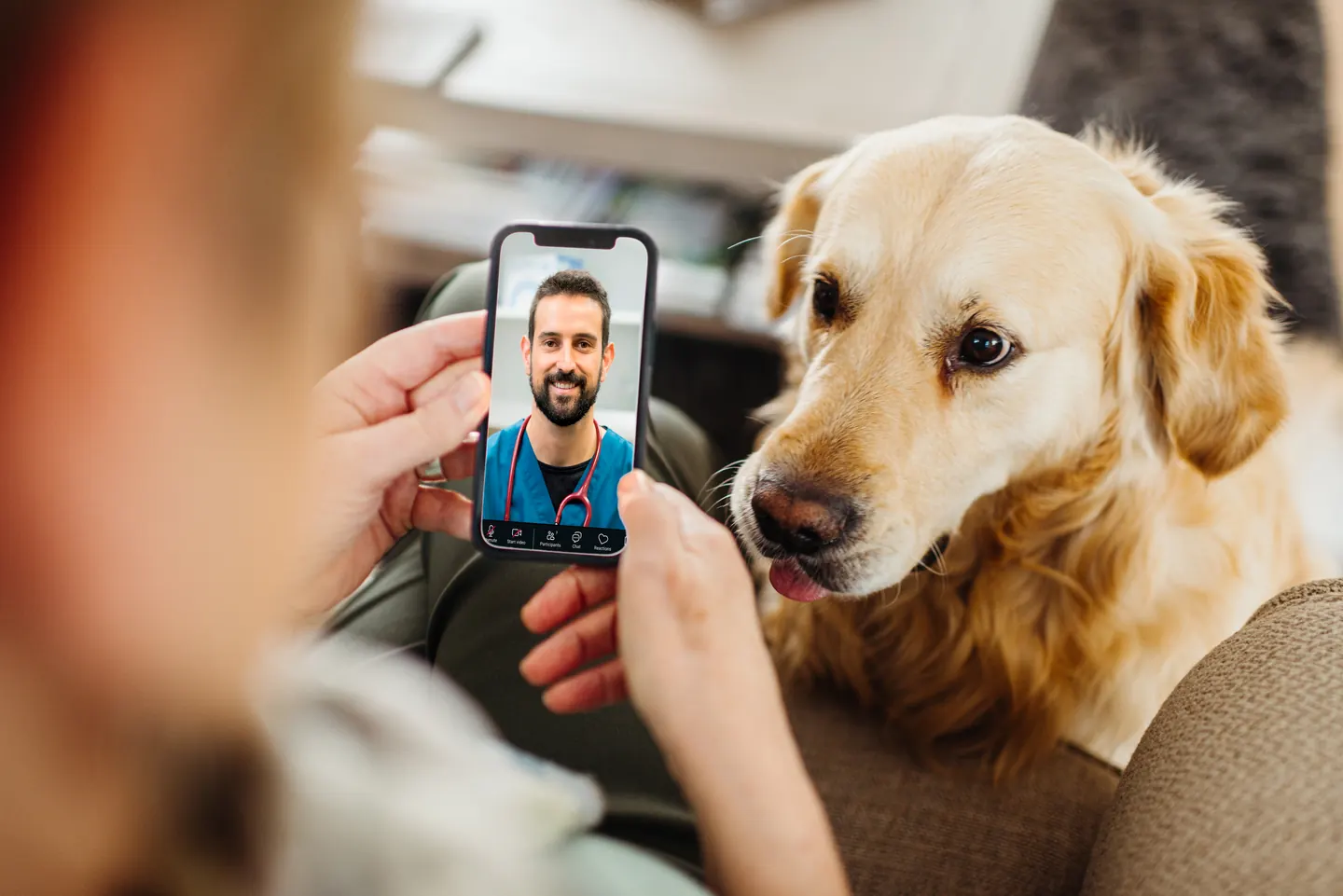
Have a health question about your dog?
Talk to a licensed vet at Dutch over video or message, including nights and weekends.
Use code Pets60
Plans start at $12/month · covers up to 5 pets
- Licensed vets in most states
- Rx for 150+ conditions
- 4.7 on Trustpilot
Which dogs need the Bordetella vaccine?
The AAHA canine vaccination guidelines treat Bordetella as noncore, meaning the decision is based on exposure rather than a universal schedule for every dog. “Noncore” does not mean unimportant. For a dog who regularly shares airspace, water, equipment, handlers, or close contact with many dogs, the exposure can make vaccination a practical part of preventive care.
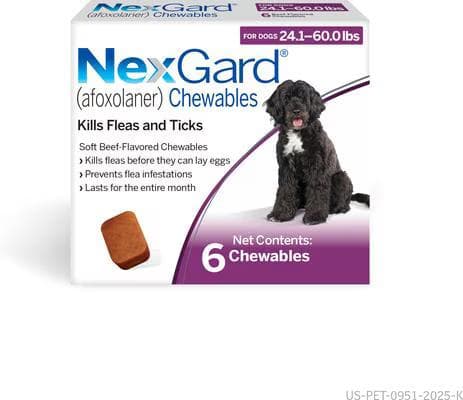
A monthly beef-flavored prescription chew (afoxolaner) that kills fleas before they lay eggs and kills ticks. A popular oral pick for dogs who do better with a chew than a topical.
Webvet may earn a commission when you click through to Chewy, at no extra cost to you.
- 1Bordetella vaccination is commonly recommended for boarding, daycare, grooming, group training, shows, shelters, travel, and other frequent dog-contact settings.
- 2Oral and intranasal products generally use one initial mucosal dose, while injectable products generally use a two-dose initial series. The exact minimum age and interval come from the licensed label.
- 3Revaccination is often annual for continued exposure, but a veterinarian or facility may use a shorter interval based on risk and policy.
- 4Facility requirements are admission rules, not universal medical schedules.
- 5The vaccine does not prevent every cause of kennel cough and does not replace evaluation of an actively coughing dog.
- 6Ask the facility and veterinarian about route, completion deadline, records, and previous vaccine reactions before the reservation.
| Exposure or route | What it means | Owner’s next step |
|---|---|---|
| Boarding, daycare, shelter, group class, grooming, or shows | Close dog contact increases respiratory-disease exposure | Ask your veterinarian whether Bordetella protection fits, then request the facility’s written rule |
| Occasional dog contact | Risk depends on the setting, ventilation, crowding, duration, and local disease activity | Describe the actual exposure rather than asking only whether the vaccine is “required” |
| Little or no dog contact | Bordetella may offer less benefit, but future travel or emergency boarding can change the decision | Reassess at wellness visits and before plans change |
| Oral route | Mucosal product, commonly a single initial dose | Follow the exact product age, administration, onset, and booster directions |
| Intranasal route | Mucosal product delivered into the nose, commonly a single initial dose | Allow the clinic to choose and administer the labeled product correctly |
| Injectable route | Parenteral product, commonly a two-dose initial series 2 to 4 weeks apart | Start early enough to finish the series before the facility deadline |
| Continued exposure | AAHA generally recommends annual revaccination, while some facilities require documentation every 6 months | Follow the veterinary plan and the stricter facility rule if you choose to use that facility |
The table is an owner decision framework, not a substitute for product labeling. Age approvals, initial dosing, route, onset of protection, and revaccination instructions can differ among licensed vaccines.
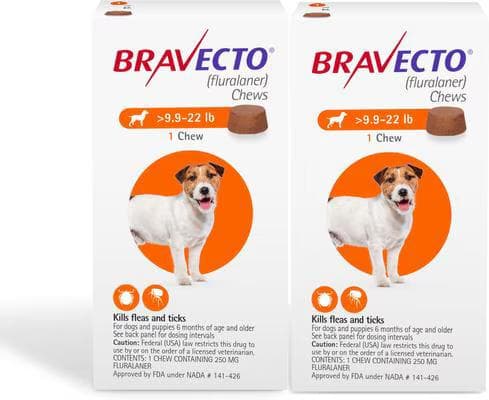
A prescription fluralaner chew that protects against fleas and most ticks for up to 12 weeks per dose, so one chew covers a full season quarter. A low-frequency option for owners who forget monthly doses.
Webvet may earn a commission when you click through to Chewy, at no extra cost to you.
Exposure matters more than a label like “indoor dog”
A dog can spend most of the day indoors and still have meaningful respiratory exposure at daycare twice a week. Conversely, a dog who hikes on quiet trails but rarely approaches other dogs may have less Bordetella exposure. The useful questions are where the dog goes, how many dogs share the environment, how long contact lasts, and whether the venue requires vaccination.
Common reasons to discuss the kennel cough vaccine include:
- An upcoming boarding stay or daycare enrollment
- Grooming in a setting where dogs share airspace or holding areas
- Group obedience, agility, or training classes
- Dog shows, competitions, adoption events, or frequent dog-park use
- Regular travel, especially where emergency boarding might be needed
- Shelter, rescue, foster, or multi-dog work
- A veterinarian’s concern about local respiratory-disease activity
Puppies need an integrated plan because core vaccines and lifestyle vaccines follow different schedules. WebVet’s puppy vaccine schedule shows how the visits fit together. For mature dogs, use the adult dog vaccine schedule rather than assuming every vaccine is due annually. Petful's veterinarian-written kennel cough guide adds useful context on respiratory-disease exposure and symptoms.
A pre-boarding visit is also a useful time to review parasite prevention. Based on age, weight, test history, and exposure, a veterinarian may consider NexGard Chewables or Bravecto for flea-and-tick control, or Heartgard Plus for heartworm prevention after required testing. These products do not prevent respiratory disease and are not substitutes for vaccination or facility hygiene.
 Sponsored
Vet care that's always there
Unlimited video calls and messaging with licensed vets for less than a typical vet visit. One membership covers up to five pets.
Use code Pets60
Plans start at $12/month · covers up to 5 pets
- Licensed vets in most states
- Rx for 150+ conditions
- 4.7 on Trustpilot
Bordetella vaccine schedule and boarding timing
There is no universal “Bordetella exactly ten days before boarding” rule. A mucosal vaccine and an injectable series do not have the same initial schedule, and facilities set their own acceptance windows. Call both the veterinarian and the facility before booking.

According to the AAHA core and noncore schedule, oral and intranasal Bordetella vaccines generally use a single initial dose. An injectable product generally requires two initial doses 2 to 4 weeks apart. Annual revaccination is the guideline default for dogs with ongoing risk, while some high-risk settings or facility policies use a 6-month requirement.
Webvet may earn a commission when you click through to Chewy, at no extra cost to you.
Four checks before boarding or daycare
- Ask which routes the facility accepts. Some policies specify oral, intranasal, injectable, or any veterinarian-documented product.
- Ask for the deadline in writing. “Current” may mean a dose within 6 or 12 months and may also require a minimum number of days before arrival.
- Send the actual record. A receipt or owner-entered reminder may not satisfy the facility.
- Leave time for the correct initial series. An injectable first dose alone may not complete the labeled series.
If the dog is already coughing, do not vaccinate merely to satisfy a reservation. Call the veterinary clinic, isolate the dog from group settings, and follow medical advice. WebVet’s guide to kennel cough in dogs owns symptom, diagnosis, and treatment guidance.
What if the Bordetella booster is late?
The next step depends on the route, product, previous series, elapsed time, and facility rule. Contact the clinic that administered the last dose or send the record to the new veterinarian. Do not buy a product and give it at home to meet a deadline. Storage, route, administration, health assessment, and accepted documentation all matter.
Bordetella vaccine routes compared
Oral and intranasal Bordetella products act at respiratory mucosal surfaces. Injectable products stimulate systemic immunity. AAHA notes route-specific differences in immune response and initial dosing, but no owner should choose a route from a generic comparison alone. The veterinarian considers product availability, age, behavior, prior reactions, exposure timing, and facility requirements.

Oral Bordetella vaccine
An oral product is administered into the cheek pouch, not mixed casually into food or squirted down the throat. It commonly requires one initial dose. It may suit a dog who resists nasal administration, but the licensed label controls the route, age, and revaccination instructions.
Intranasal Bordetella vaccine
An intranasal product is placed into the nose and may include canine parainfluenza or other labeled components. It commonly requires one initial dose. A brief sneeze, nasal discharge, or mild cough can occur after a mucosal respiratory vaccine, but persistent or worsening respiratory signs still warrant a call to the clinic.
Injectable Bordetella vaccine
The injectable product generally begins with two doses 2 to 4 weeks apart. That makes planning important for a first boarding stay. Injection-site soreness or a small lump may occur. An injectable product should never be given orally or intranasally, and a mucosal product should never be injected.
“Bord,” “Bb,” and “kennel cough” may appear on records, but abbreviations are not standardized enough to confirm route or product. Ask for a complete record.
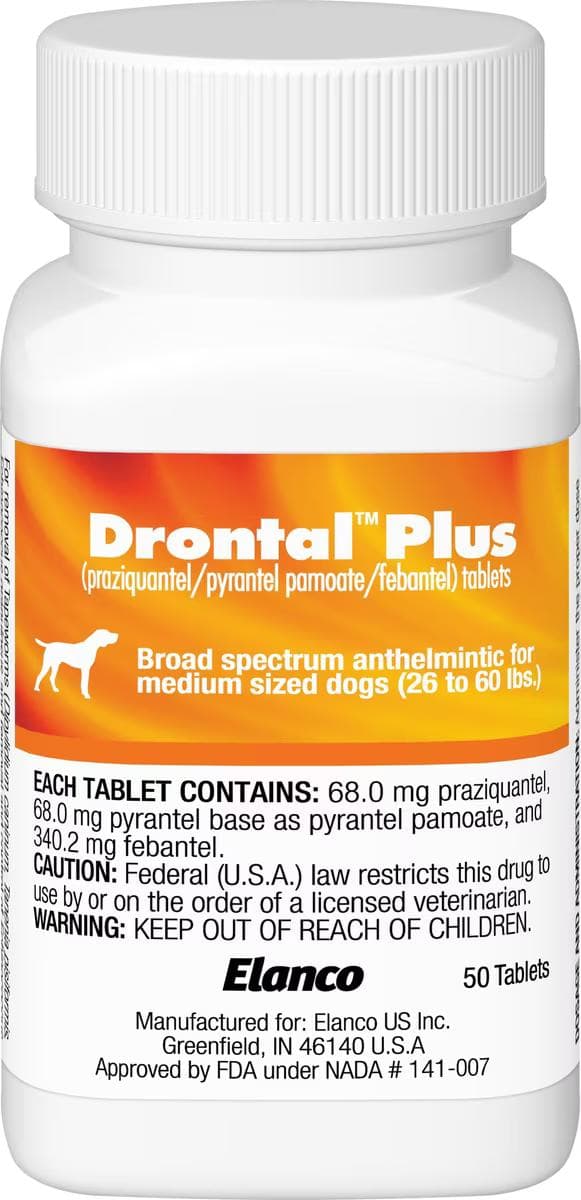
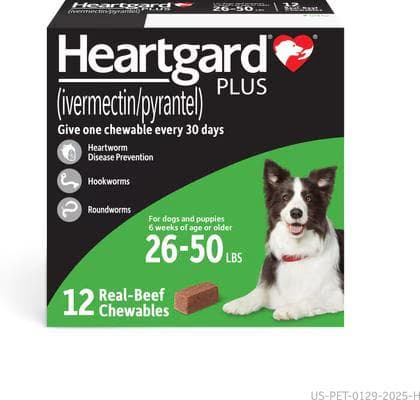
Broad-spectrum prescription dewormer (praziquantel, pyrantel, febantel) that clears tapeworms, roundworms, hookworms, and whipworms in one dose. Prescription required.
Webvet may earn a commission when you click through to Chewy, at no extra cost to you.
What the Bordetella vaccine can and cannot prevent
Bordetella bronchiseptica is only one contributor to canine infectious respiratory disease complex. Canine parainfluenza, adenovirus, canine influenza, and other agents may be involved. Vaccination can reduce the risk or severity associated with its target, but a vaccinated dog can still develop a cough after exposure.
The Bordetella vaccine is not the same as the dog flu vaccine. Canine influenza vaccines target H3N2 and H3N8 influenza strains. A boarding facility may require one, both, or neither based on its policy and local risk.
Likewise, DHPP may include parainfluenza but does not automatically include Bordetella. The record must identify the actual components. Lyme vaccination is another separate exposure decision; WebVet’s Lyme disease vaccine for dogs explains tick-related risk.
Reduce exposure beyond vaccination
Choose facilities that screen for illness, maintain ventilation and sanitation, avoid overcrowding, and have a plan for a coughing dog. Keep your dog home if coughing or otherwise ill. Do not share bowls at public events when avoidable, and follow the facility’s arrival instructions.
Bordetella vaccine side effects and safety
Most effects are mild and short-lived. The AAHA postvaccination adverse-event guidance describes tiredness, reduced appetite, mild fever, and local soreness among possible postvaccination signs. Mucosal products can also be followed by brief sneezing, nasal discharge, or a mild cough.
Can the Bordetella vaccine make a dog sick? Mild route-specific effects are possible, but the vaccine does not explain every illness that happens afterward. Timing alone cannot diagnose a vaccine reaction. Report the exact product, route, time signs began, and recent exposures.
Can you give a dog the Bordetella vaccine at home?
Do not self-administer a retail Bordetella product. Oral, intranasal, and injectable vaccines are not interchangeable. Giving a product by the wrong route can be dangerous, and improper storage can make it ineffective. A veterinarian also documents the vaccine in a form a boarding or grooming facility is more likely to accept.
Tell the clinic about a previous vaccine reaction before the appointment. The veterinarian may select another route or product, separate vaccines, change monitoring, or recommend a different plan based on the dog’s risk.
How much does the Bordetella vaccine cost?
Current provider-labeled Bordetella prices show why local quotes matter. The Sacramento SPCA price list effective March 1, 2026 lists Bordetella at $25. The Butte Humane Society 2026 canine visit form lists it at $39. Those figures are named examples, not a national average.
A full-service clinic may add an examination, while a low-cost clinic may add a deposit or disposal fee. Route can also affect the quoted price. An injectable product’s initial two-dose series costs more than one advertised dose.
Ask whether the estimate includes:
- Examination and medical-record review
- Oral, intranasal, or injectable product
- Every dose needed to complete an initial series
- Facility forms or certificate copies
- Other required vaccines or tests
- Appointment deposits or waste-disposal fees
For broader budgeting, see WebVet’s dog vaccination cost guide.
Bordetella vaccine FAQs
Frequently Asked Questions
Is Bordetella vaccine really necessary for dogs?
Whether Bordetella vaccine is really necessary for dogs depends on exposure and facility rules. Bordetella is not a core vaccine for every dog, but it can be important when Bordetella exposure risk comes from boarding, daycare, grooming, training classes, shows, shelters, travel, or frequent dog contact. A facility may also have separate facility requirements for documentation, route, and timing. Discuss the actual settings with a veterinarian and check the destination's policy early, because a medically reasonable plan may still fail an entry rule.
Can I skip Bordetella vaccine?
A low-exposure dog may have less need for Bordetella vaccination, but do not skip it without reviewing boarding or daycare, grooming, classes, travel, shows, shelters, and emergency-housing plans. A facility may require the vaccine even when the medical benefit is modest. Discuss the route, product, prior reactions, and health with a veterinarian, then check the facility's deadline. Waiting until a reservation can leave too little time to complete the required series.
How often do dogs need a Bordetella shot?
How often dogs need a Bordetella shot depends on the route, product, history, and exposure. The Bordetella booster interval depends on the product, route, prior history, and continuing exposure. Oral, intranasal, and injectable vaccines do not all use the same initial instructions, and boarding facilities may impose their own recency rules. Many exposed dogs are reviewed for revaccination every year, but your veterinarian should use the product label and record. Ask the facility which route it accepts and how recent the dose must be before entry.
How much does a Bordetella shot cost?
How much a Bordetella shot will cost depends on the provider, route, series, and included services. Bordetella vaccine cost varies by clinic, region, route, and whether an examination or service fee is included. A first-time injectable product may involve a different series from an oral or intranasal option, which can change the total. Ask for an itemized clinic quote that identifies the route, number of doses, every fee, and whether the destination facility accepts that product. Compare current like-for-like estimates rather than one retailer price.
Can I give my dog the Bordetella vaccine at home?
Do not give a Bordetella vaccine at home unless a veterinarian has explicitly provided and supervised a lawful plan. Professional Bordetella administration helps ensure correct storage, route, technique, health screening, and reaction readiness. Boarding or daycare facilities may reject owner-administered products because they need accepted vaccine documentation from a clinic. Ask the veterinarian which oral, intranasal, or injectable product fits the dog and whether the intended facility recognizes that record.
How long before boarding should my dog get the Bordetella vaccine?
How long before boarding a dog should get the Bordetella vaccine depends on the product and facility deadline. Ask both the veterinarian and boarding facility well before the reservation. The boarding vaccine deadline depends on the product route, whether this is the dog's initial Bordetella series, and the facility's waiting-period rule. Some products begin with one dose, while another route or history may require more than one visit. Do not assume a same-day vaccine will qualify. Give the clinic the entry date and obtain written confirmation that the completed record meets the facility's policy.

Editor
The Webvet Editorial Team is the in-house group of pet-care editors and writers behind Webvet, operated by Smart Pet Collective. The team researches, writes, and maintains Webvet's pet health, behavior, and medication content. Every article follows a defined editorial process: research from reputable veterinary and scientific sources, careful drafting, mandatory review of medical content by a credentialed veterinarian, and dated publication. Health and medication articles are medically reviewed by a licensed veterinary professional before they go live and are kept current over time.
Veterinarian · BVMS MRCVS
Dr. Pippa Elliott, BVMS, MRCVS, is a veterinarian with nearly 30 years of experience in companion animal practice. Dr. Elliott earned her Bachelor of Veterinary Medicine and Surgery from the University of Glasgow. She was also designated a Member of the Royal College of Veterinary Surgeons. Married with 2 grown-up kids, Dr. Elliott has a naughty Puggle named Poggle, 3 cats and a bearded dragon.
Related reading

Dog Muscle Spasms and Twitching: Causes, Symptoms, and When to Worry

Anemia in Dogs: Symptoms, Causes, Diagnosis, and Treatment

Seizures in Dogs: Types, Causes, What to Do, and Treatment
