Leptospirosis in Dogs: Symptoms, Testing, Treatment, and Prevention
Leptospirosis can injure a dog's kidneys and liver. Learn how diagnosis, antibiotic treatment, urine precautions, recovery monitoring and vaccination fit together.

BVMS MRCVS
Medically reviewed by Dr. Pippa Elliott, BVMS MRCVS · Last reviewed

This article contains affiliate links. Webvet may earn a commission when you buy through them, at no extra cost to you.
Leptospirosis in dogs is a bacterial infection that can damage the kidneys, liver and other organs. Dogs acquire it through exposure to infected animals or urine-contaminated surroundings. Early signs can resemble many other illnesses, so a dog with vomiting, marked lethargy, changes in urination or yellow eyes needs veterinary assessment rather than a home diagnosis.
Antibiotic treatment can clear the infection, but an affected dog may also need hospital care for organ injury. Because leptospirosis can affect people, call the clinic before arrival and avoid contact with the dog's urine while you obtain instructions.
 Sponsored
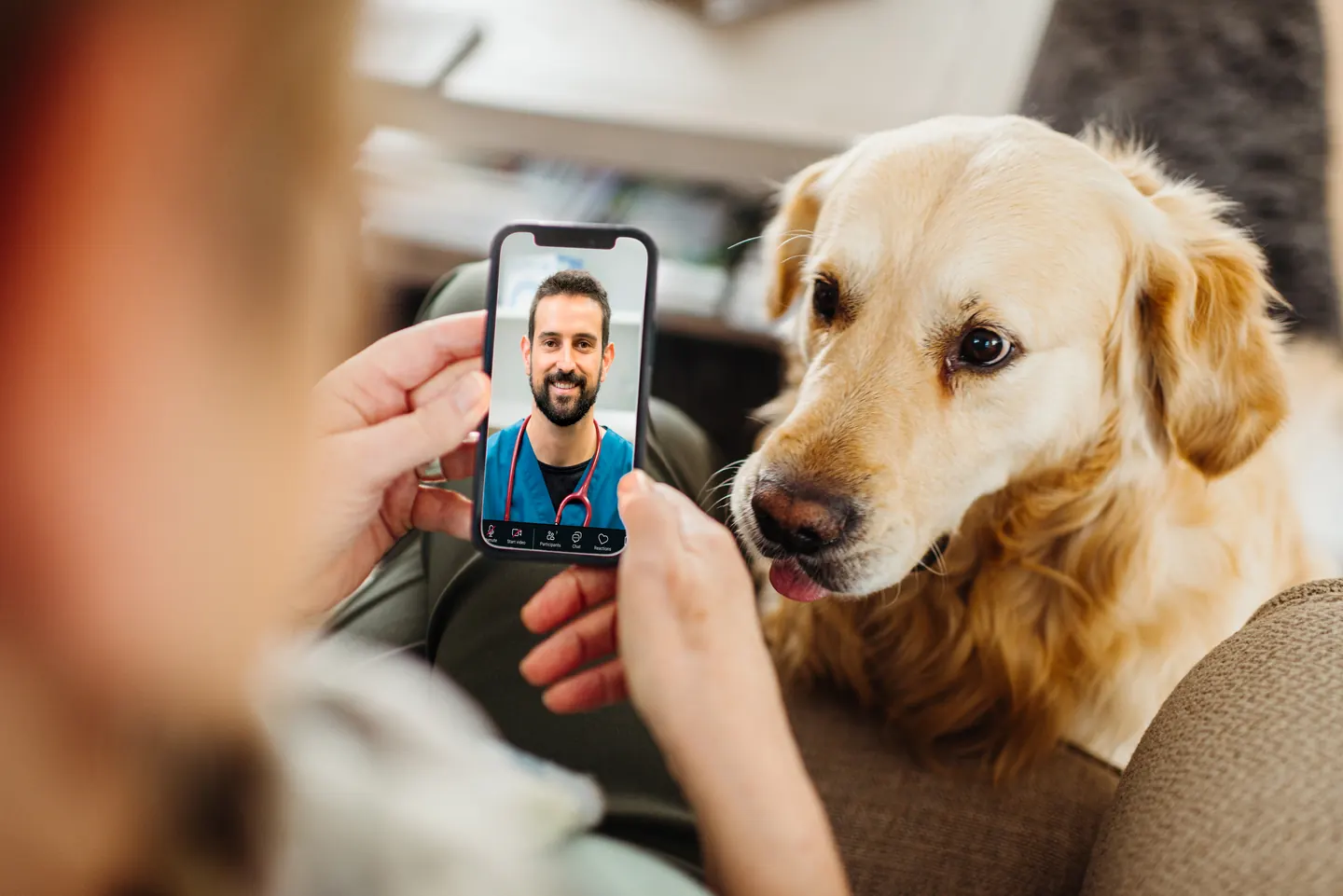
Have a health question about your dog?
Talk to a licensed vet at Dutch over video or message, including nights and weekends.
Use code Pets30
Plans start at $11/month · covers up to 5 pets
- Licensed vets in most states
- Rx for 150+ conditions
- 4.7 on Trustpilot
What leptospirosis is and how exposure happens
Leptospirosis is a bacterial infection requiring prompt veterinary assessment. Treatment, kidney and liver monitoring, urine precautions and vaccination have different jobs; none should be replaced by a home remedy or a reassuring-looking photograph.
Leptospira bacteria are spread through infected animal urine and can contaminate water or soil. Rodents and other wildlife are important reservoirs. Exposure can occur in a city, suburb or rural area; a dog does not have to swim in a lake or live on a farm to encounter the organism.
Bacteria can enter through mucous membranes, damaged skin or ingestion. Drinking contaminated water is one route, but simply preventing drinking does not eliminate every exposure. The CDC's animal guidance explains that dogs of different lifestyles can be affected and that contaminated surroundings matter as well as direct animal contact.
Age, lifestyle and the incubation period
Puppies, adults and older dogs can develop leptospirosis. Size and breed do not provide immunity. Shared exercise areas, rodent activity, wildlife visits and standing water all belong in the exposure history, including for a small dog that mainly walks on pavement.
The incubation period is the interval between exposure and illness, commonly around a week but variable. An owner may never identify one exact encounter. A recent puddle is relevant history, not proof of the source, and a lack of remembered water contact does not exclude the disease.
For a small dog whose measurements fit, a Frisco Travel Safety Dog and Cat Carrier, Medium can support contained transport to the clinic. Confirm the carrier's dimensions and the dog's ability to rest comfortably inside. Call ahead about possible leptospirosis and follow instructions for containing any urine during the journey.

A contained transport option for a small dog that fits its dimensions.
Webvet may earn a commission when you click through to Chewy, at no extra cost to you.
Geography, outbreaks and what a prevalence map can tell you
Leptospirosis occurs across many regions, including areas that people think of as dry. A state or country name cannot determine an individual dog's risk. Weather, wildlife, drainage, dog activities, vaccination and testing practices all affect what is detected locally.
A canine leptospirosis prevalence map may summarize submitted test results rather than the percentage of all dogs infected. An outbreak notice is also tied to a particular place, population and date. Neither should be used as a permanent safe-or-unsafe map, and a blank area may reflect limited reporting rather than no disease.
When checking a local report, ask:
- Does it describe confirmed canine cases, suspected cases or human infections?
- What dates and geographic area does it cover?
- Is the number a case count or a percentage of tests submitted?
- Does the local veterinary team recommend any additional action now?
The same caution applies to UK incidence statistics and high-risk-area maps, Australian city alerts, New Zealand reports and other international data. This clinical guide does not establish a current local outbreak count. Ask your veterinarian or the relevant animal-health authority for a dated update when travel or a nearby report changes your concern.
Reading a local alert without assuming a current outbreak
Los Angeles County’s 2021 canine outbreak report is a useful example: it describes a past outbreak, including group-dog settings, and states that the outbreak concluded. The county’s alert archive also records a San Diego County advisory from December 2020. These are evidence of previous disease in Southern California, not proof that Los Angeles or San Diego has an active outbreak today.
Similarly, a University of Florida report from 2014 describes cases seen at one referral hospital. It cannot answer how common infection is among all Florida dogs now. Hospital caseloads and statewide prevalence use different denominators. For an individual dog, the chance of getting leptospirosis depends on actual exposure and protection, not a percentage borrowed from an old hospital report.
Claims about hotspots of canine leptospirosis in the United States need a study period and a definition of a case. A historical hotspot can inform awareness without establishing today’s risk at a particular park. For Western Australia, or any other region without a current local estimate in the sources cited here, ask the local veterinarian about recent confirmed cases and appropriate prevention; do not interpret missing data as zero risk.
Other infections and household species
Leptospirosis and canine influenza are different infections; a vaccination or test for one does not cover the other. Cats can also be exposed to Leptospira, although their clinical situation differs from dogs. Tell the clinic about all household animals rather than giving them the dog's medication.
Symptoms and when urgent care is needed

Early symptoms of leptospirosis can include fever, reduced appetite, tiredness, muscle soreness, vomiting or diarrhea. Some dogs drink or urinate more; others develop reduced urine production as kidney injury worsens. There is no fixed sequence that every patient follows, and a puppy may deteriorate before an owner recognizes a classic pattern.
A physical examination helps assess the whole patient. Gum color, hydration, temperature, abdominal comfort and breathing all contribute information, but none confirms leptospirosis alone. Normal-looking eyes or gums cannot rule it out. The clinic uses the history, examination and appropriate laboratory results together.
For home monitoring only after veterinary advice, a Paw Inspired Washable Dog Pee Pad, 48 by 60 inches can provide a large barrier beneath a resting area prone to accidents. Use gloves for potentially contaminated material and obtain laundering instructions from the clinic. A pad contains a spill; it does not disinfect urine or make handling it safe by itself.

A large washable barrier for accidents, used with clinic-directed handling and cleaning.
Webvet may earn a commission when you click through to Chewy, at no extra cost to you.
Kidney, liver, eye and skin changes
Leptospirosis can cause kidney and liver injury. Leptospira Canicola infection does not have a unique symptom pattern that an owner can identify at home; identifying a serovar requires appropriate laboratory interpretation. Yellowing of the whites of the eyes, gums or skin is jaundice and warrants prompt assessment. Red or painful eyes can have several causes, including inflammation; a photograph cannot tell which cause is present or predict whether vision will recover.
Small areas of bleeding under the skin, unusual bruising or breathing difficulty can signal serious complications. Seizures, collapse, marked confusion or sudden apparent blindness also require urgent care, whatever the suspected cause. Do not wait for another leptospirosis sign before seeking help.
Seek urgent veterinary attention for:
- Little or no urine, especially with vomiting or increasing weakness.
- Repeated vomiting or inability to keep water down.
- Yellow eyes or gums, unusual bleeding or pale gums.
- Fast, labored or open-mouth breathing.
- Collapse, seizures or a major change in awareness.
Why a day-by-day symptom timeline is unreliable
The stages of leptospirosis do not make a dependable home calendar. Exposure precedes illness; infection then affects different organs to different degrees. A dog may first appear vaguely unwell, while another arrives with acute kidney failure. Absence of jaundice does not mean the disease is early or mild.
The useful timeline is the patient's own record: when appetite changed, when vomiting began, when urine output changed, and when treatment started. Give the clinic those observations with vaccination and medicine dates. Do not delay because an online timeline says a particular complication should occur later.
Dehydration in dogs can become part of the illness, but giving more water at home is not a complete response to kidney failure. A dog producing little urine needs carefully managed fluids, not a guessed volume. The same applies to human painkillers or leftover antibiotics, which should not be given without veterinary direction.
Testing and interpreting results
Diagnosis usually combines routine blood work and urinalysis with tests directed at Leptospira. Routine results help assess kidney function, liver changes, electrolytes and blood-cell abnormalities. They can establish how sick the dog is even when they do not yet identify the cause.

PCR and antibody testing answer different questions. PCR looks for genetic material from the organism, while antibody testing, or serology, measures an immune response. Blood and urine may be useful at different points in infection. A veterinarian may submit both rather than rely on one specimen collected at the wrong time.
Why a negative test may not settle the question
Early antibody testing can be negative before the response develops. Antibiotic treatment and timing can affect organism detection. A positive antibody result also needs interpretation alongside vaccination history and clinical findings; it is not automatically proof that leptospirosis caused the current illness.
The microscopic agglutination test, or MAT, is one form of antibody testing. Paired samples showing a change over time may be more informative than one value. Cornell's diagnostic laboratory explains MAT interpretation. The veterinarian chooses when to repeat sampling and how to combine the results.
A clinic's rapid or SNAP-type Lepto test is another piece of evidence, not a stand-alone home answer. Ask whether it detects antibodies, what a positive result means for a vaccinated dog, and whether confirmatory testing is appropriate. Treatment may begin while results are pending if the clinical concern is strong.
Information to bring to the clinic
- The vaccination record, including the most recent leptospirosis doses.
- The names and start dates of any antibiotics already given.
- The symptom timeline and any change in urine production.
- Relevant travel, boarding, wildlife or water exposure.
Cost, uncertainty and repeat sampling
The cost of a leptospirosis test varies with the laboratory method, sample handling and whether the quote includes the consultation and routine blood work. Ask for an itemized estimate. A rapid screening test, PCR and paired antibody tests are not identical purchases and may not be interchangeable clinically.
A useful question is, “What decision will this result change?” The answer may concern diagnosis, hospital monitoring, a later kidney recheck or household precautions. A repeat chemistry panel used to follow kidney recovery is not the same as another test for the organism.
Do not stop prescribed treatment because an isolated number looks better or because an early result was negative. Ask the veterinarian to explain whether the overall evidence supports infection, organ recovery or further investigation. The updated ACVIM consensus emphasizes interpreting diagnostic results in context.
 Sponsored
Vet care that's always there
Unlimited video calls and messaging with licensed vets for less than a typical vet visit. One membership covers up to five pets.
Use code Pets30
Plans start at $11/month · covers up to 5 pets
- Licensed vets in most states
- Rx for 150+ conditions
- 4.7 on Trustpilot
Hospital treatment and recovery monitoring
Leptospirosis is treated with prescribed antibiotics and the support needed for the organs affected. Doxycycline is commonly used, often for a course of about two weeks; the clinician may initially choose an injectable antibiotic if oral treatment is not tolerated. The exact drug, duration and dose depend on the patient.
For a small dog permitted to eat at home, an OurPets Durapet Premium Stainless Steel Bowl, Small, 0.75 cups can provide a dedicated washable dish for measured portions. Match its capacity to the dog and keep it separate from other pets' supplies. If kidney injury changes the fluid or diet plan, the clinic's instructions take priority over simply offering more food or water.
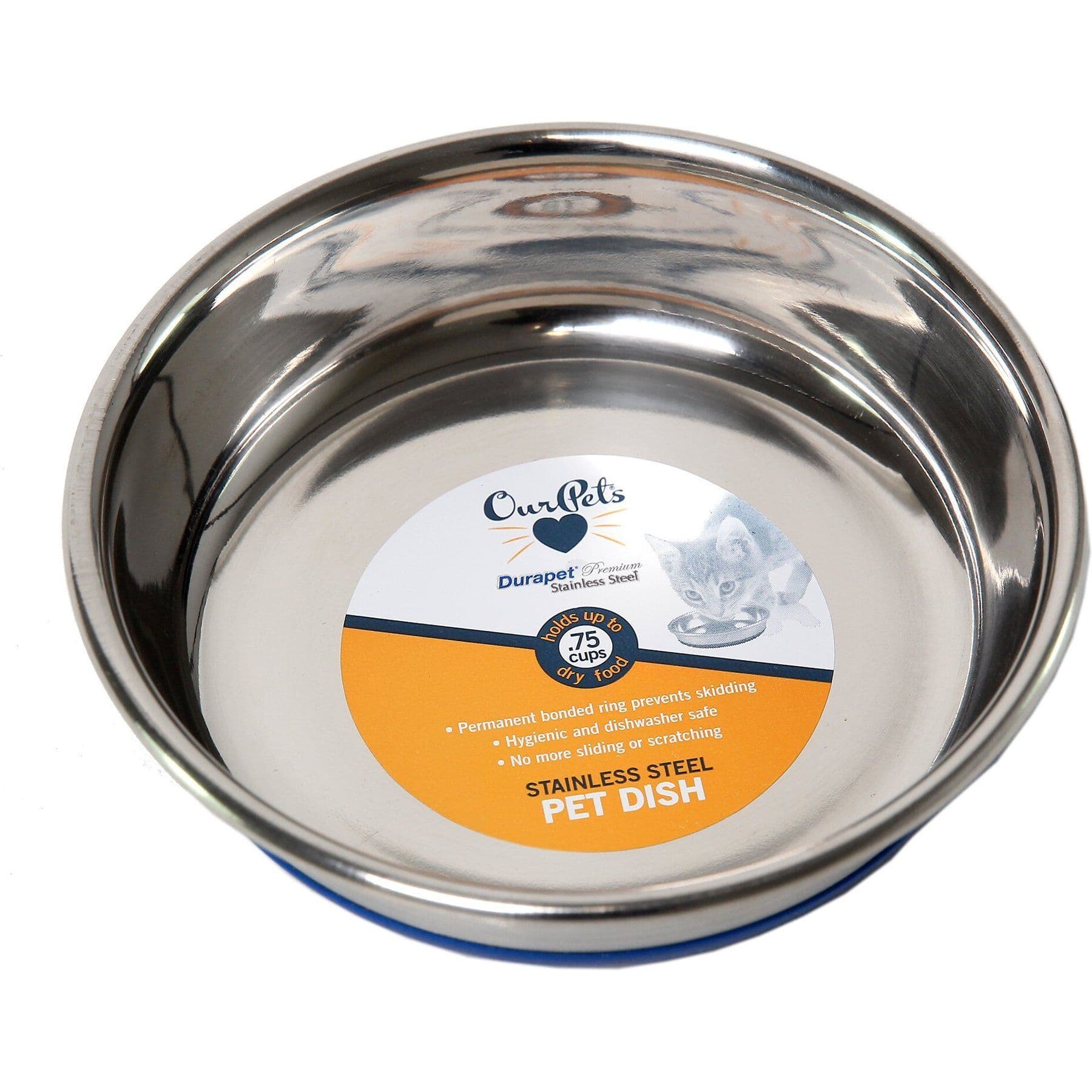
A small dedicated washable bowl for permitted meals and measured portions.
Webvet may earn a commission when you click through to Chewy, at no extra cost to you.
| Recovery milestone and question for the veterinarian | What it tells you |
|---|---|
| Antibiotic course: what is the completion date? | Defines the prescribed infection-treatment schedule, even if appetite improves earlier. |
| Urine precautions: when can extra handling measures end? | Requires the clinic's assessment of effective treatment and the household situation. |
| Kidney recheck: which blood and urine results need monitoring? | Tracks organ recovery separately from whether antibiotics have been completed. |
| Eating, drinking and activity: what should change at home? | Sets patient-specific nutrition, fluid and rest instructions. |
| Return visit: which worsening signs require an earlier call? | Prevents a planned appointment date from delaying urgent reassessment. |
What hospital care may include
A severely affected dog may need intravenous fluids, electrolyte monitoring, anti-nausea treatment, pain relief and nutritional support. Some patients need dialysis or other intensive care when kidney function is badly impaired. Fluids must be matched to urine production and the patient's condition rather than administered by a standard home recipe.
Daily updates can be easier to understand when you ask about concrete trends:
- Is urine production adequate, improving or falling?
- Are kidney values and electrolytes moving in a reassuring direction?
- Is vomiting controlled, and is the dog taking enough nutrition?
- Is there evidence of bleeding, lung involvement or another complication?
- What needs to improve before discharge is appropriate?
Our kidney-disease and water-intake guide explains why changes in drinking need interpretation. For an acute leptospirosis patient, the treating team must set the fluid plan. Do not restrict water or force large amounts without its direction.
Survival, cure and long-term effects
Many dogs recover with prompt treatment, and complete recovery is possible. Others develop chronic kidney or liver disease, and some die despite intensive care. A published survival rate describes a particular group of patients; it cannot tell you an individual dog's chance without knowing severity, complications and available treatment.
There is no safe answer to how long a dog can live with leptospirosis untreated. Serious organ damage can progress while the first signs look nonspecific. If a dog has died from leptospirosis, ask the veterinarian about household exposure, other animals and cleaning rather than assuming the danger ended with the patient's death.
“Curable” and “fully recovered” are different questions. Antibiotics address the bacteria, but damaged organs may need further monitoring or lifelong management. Cornell's clinical overview explains why recovery can leave lasting kidney or liver problems.
Home care and a useful discharge plan
There is no established home remedy that replaces antibiotic treatment for leptospirosis. Herbs, supplements or a special drink cannot safely substitute for organ support in a dog that needs hospital care. Home treatment means following a prescribed plan after the clinic decides the dog can be managed there.
Separate test timing, kidney recovery, and the end of urine precautions. Before discharge, obtain the antibiotic course, the urine-handling instructions and the kidney recheck date as three distinct decisions. One should not be inferred from another. A dog eating again may still need medicines and blood tests.
Ask for written instructions covering:
- Every medicine, dose time and what to do if a dose is vomited or missed.
- The permitted food, amount and any fluid-related instructions.
- What to record about urine output, appetite, vomiting and energy.
- Which symptoms require an immediate call rather than the scheduled recheck.
- Cleaning measures and when the clinic will reassess them.
When the prescription includes suitable oral tablets, an Ezy Dose Weekly 7-Day Dog Pill Organizer can help separate scheduled doses. First ask whether each medicine may leave its original packaging; some should not. Keep the written directions alongside it and store the organizer out of reach of children and pets. It organizes medication, not urine precautions.
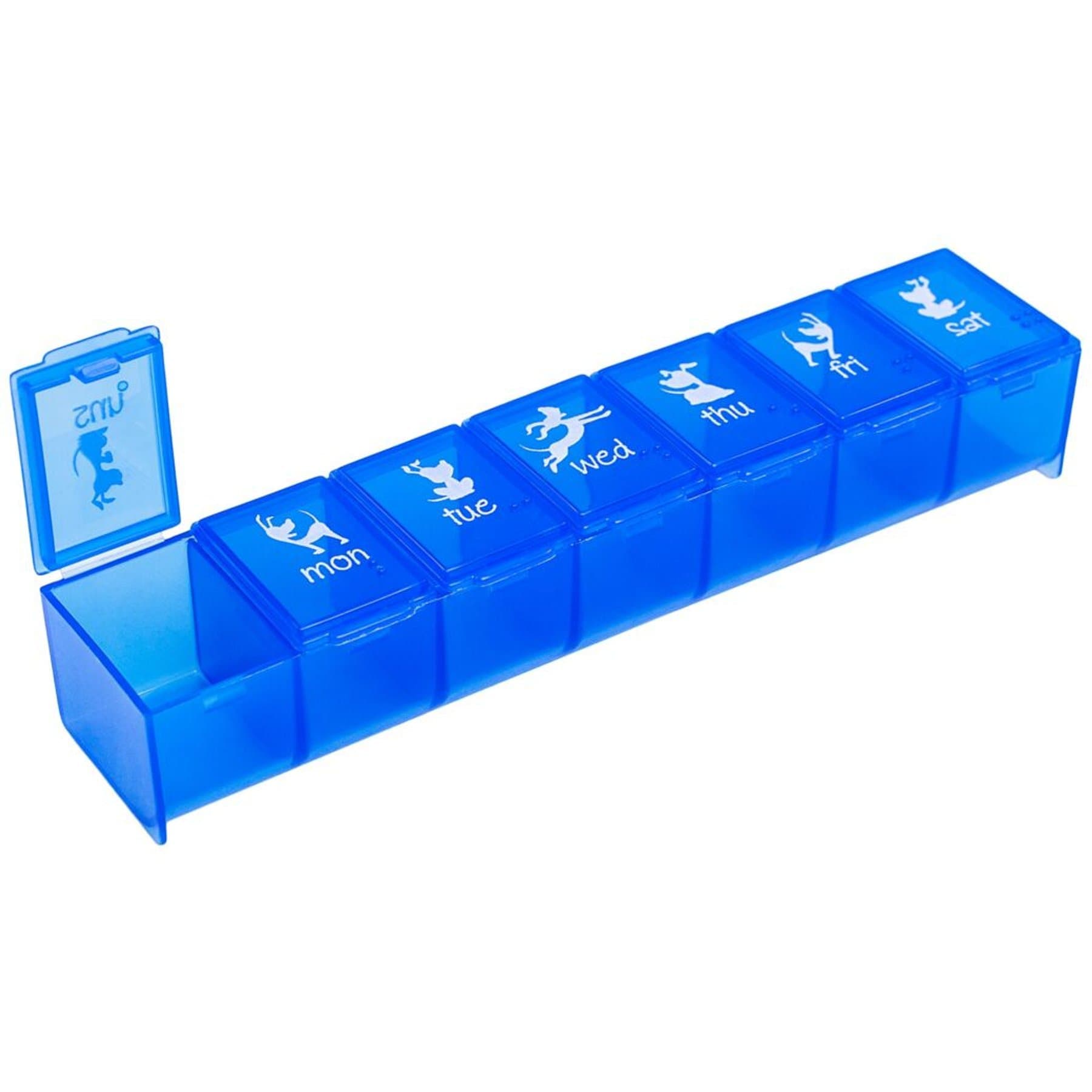
A weekly organizer for suitable prescribed tablets after confirming storage instructions.
Webvet may earn a commission when you click through to Chewy, at no extra cost to you.
Treatment cost depends heavily on whether the dog needs outpatient care, several days in hospital or advanced support such as dialysis. Request an estimate that separates diagnostics, hospitalization, medicines and follow-up. Ask what changes would increase the estimate and when the team will discuss those decisions with you.
Handling urine and protecting household members
Leptospirosis is zoonotic, meaning it can pass between animals and people. Urine exposure is the main household concern. Bacteria can enter through damaged skin or mucous membranes; touching contaminated material and then the eyes or mouth can create an exposure route. Other dogs may also be exposed to the same contaminated environment.

The practical response is careful handling and effective treatment, not abandoning normal care of the dog. Avoid barehanded urine cleanup, cover cuts and obtain the clinic's cleaning instructions. Do not use a pressure spray that spreads contaminated liquid, and keep children and other pets away from the cleanup area.
Gloves, cleaning and the end of extra precautions
Use gloves and appropriate eye protection when a urine splash is possible. Absorb a spill, contain the waste, clean away material and then use a suitable disinfectant exactly as directed for that surface. A photograph of someone wiping a floor shows containment, not proof that disinfection is complete.
Ask the clinic for a specific product, dilution if needed and contact time. Bleach concentration varies between products, so a remembered recipe is not a reliable substitute for current instructions. Never mix bleach with other cleaners, and keep the dog away until the treated area is safe to use.
ACVIM's guidance advises avoiding urine contact and using gloves and eye protection until at least 48 hours of doxycycline treatment have been completed. That is a treatment-specific clinical recommendation, not permission to stop precautions two days after any prescription begins. Have the treating veterinarian confirm the appropriate endpoint for this dog, especially if medicine was vomited, missed or changed.
Licking, saliva and other household pets
Saliva is not the principal recognized route in ordinary household leptospirosis control. Avoid face licking and contact with body fluids while a diagnosis is being assessed, but focus the plan on urine and contaminated surfaces. A dog that looks better is not automatically cleared for shared toileting spaces.
Ask whether other dogs need examination, testing, vaccination review or treatment based on shared exposure. Do not give them leftover antibiotics. Cats and other species also require their own assessment rather than a canine dose or vaccine plan.
For everyday care:
- Take the dog to the designated toilet area the clinic recommends.
- Keep exposed supplies away from food preparation surfaces.
- Wash hands after handling the dog or potentially contaminated items.
- Tell every caregiver what precautions are in place and when they are reviewed.
If a person may have been exposed
If you are asking, “My dog has leptospirosis; should I get tested?”, contact a healthcare professional with the actual exposure details. Explain whether urine contacted broken skin, eyes or mouth, when it happened and whether the dog has started effective treatment. A dog's diagnosis does not automatically mean every household member needs a test or antibiotics.
If a human gets lepto from a dog, the result can range from mild illness to a serious infection requiring hospital care. A healthcare professional assesses symptoms and exposure and decides on testing and antibiotics. Human leptospirosis may cause fever, headache, muscle aches, vomiting or other illness, and severe cases can damage the kidneys or liver or cause breathing problems. Seek medical advice promptly after a concerning exposure or compatible symptoms. The CDC's human clinical guidance notes that there is no standard antibiotic post-exposure recommendation for every asymptomatic contact; a clinician must assess the situation.
Vaccination and reducing environmental exposure
The leptospirosis vaccine helps reduce disease risk but does not provide absolute protection against every Leptospira strain. A vaccinated dog can still require investigation if it becomes ill. Vaccination is prevention, not treatment for an active infection.

AAHA updated its canine guidance in 2024 to classify leptospirosis vaccination as core for dogs. Its explanation of the change includes urban and rural exposure. A dog does not need to be a swimmer, hunter or large breed for the vaccine to be relevant.
The main pros and cons of a lepto shot are reduced risk of a potentially severe infection versus the possibility of an adverse reaction and the need for ongoing boosters. Discuss that balance using the dog’s own history; neither a frightening anecdote nor a promise of zero risk is a sound basis for deciding.
Schedule, boosters and combination labels
The initial series generally requires two doses a few weeks apart, followed by annual boosters. The starting age and exact interval depend on the product and veterinary guidance. One first dose is not a completed primary series, and a missed booster may require a catch-up decision rather than simply choosing a date yourself.
Ask the clinic to record the product and the next due date in the dog's adult vaccination schedule. Do not assume that protection lasts three years because a different canine vaccine has a three-year interval. The leptospirosis component has its own schedule.
Reading the vaccine label
“L2” and “L4” refer to different numbers of included leptospiral components, not two or four injections at once. The current U.S. recommendation favors the relevant four-serovar vaccines. Terms such as Canicola and Icterohaemorrhagiae describe included leptospiral targets; they are not separate diseases requiring an owner to diagnose the strain.
Combination labels can be confusing. A vaccine containing adenovirus and leptospirosis components has multiple targets, and shorthand such as “5-in-1” does not reliably tell you which are included. Ask to see the exact label. A distemper, parvovirus or adenovirus vaccination should not be assumed to include Leptospira.
Side effects, small dogs and previous reactions
- Mild changes: Temporary tiredness, soreness at the injection site or a reduced appetite can occur after vaccination. The clinic should explain what is expected and how long to watch. Vomiting, shaking or a dog that appears distinctly unwell warrants a call rather than an assumption that every sign is a harmless normal response.
- Urgent changes: Facial swelling, breathing trouble, collapse or rapidly worsening illness needs emergency care. Tell the veterinarian about previous vaccine reactions before the next appointment, including the product, timing and treatment required. The plan can then be individualized without treating a breed label as proof that vaccination is forbidden.
Small dogs can have a higher risk of vaccine-associated adverse events in general, but that does not mean they are protected from leptospirosis or should automatically skip it. AAHA's guidance describes serious reactions as uncommon. The useful comparison is the individual dog's disease risk, reaction history and available vaccination plan.
A symptom persisting for days, or a later chronic illness, should be assessed rather than automatically attributed to the lepto vaccine. A temporal association does not establish a long-term side effect. Keep dates and records so the clinician can evaluate the event and report a suspected adverse reaction where appropriate.
International products, price and alternatives
Vaccine products and recommendations differ between the United States, the UK, Australia and New Zealand. A local veterinarian should explain which products are available and which leptospiral targets matter locally. The 2024 WSAVA vaccination guidance recommends vaccination in regions where disease occurs and suitable vaccines are available; importing another country's schedule without checking the label is unwise.
Lepto vaccine cost may be quoted per injection or as part of a consultation or combination-vaccine visit. Ask whether the price includes both initial doses, the examination and the later booster. Our dog vaccination cost guide explains the components to compare; there is no single price that applies across countries or clinics.
Homeopathic nosodes do not have established evidence as an effective replacement for leptospirosis vaccination. Do not treat an online review of a nosode as proof of protection. If a medical reason complicates vaccination, discuss the risk-reduction plan with the veterinarian rather than substituting an unproven product.
Reducing everyday exposure
- Provide clean drinking water on walks and avoid stagnant water.
- Reduce rodent access to food, rubbish and sheltered nesting sites.
- Keep dogs away from wildlife carcasses and contaminated floodwater.
- Review vaccination before boarding, travel or a change in activities.
Leptospirosis questions
Frequently Asked Questions
Can my dog get Lepto from my backyard?
Yes. Contaminated urine from rodents or other animals can create exposure in a familiar yard. Wildlife exposure may occur overnight without an owner seeing it. Keep food and rubbish secured, address rodent problems safely, avoid standing water and discuss vaccination even if the dog rarely leaves the property.
What kills leptospirosis in dogs?
Prescribed antibiotics treat the Leptospira infection. A sick dog may also need organ support, including carefully managed fluids or more intensive hospital care. Household disinfectants are for suitable surfaces only; never give them to a dog or put them on the animal as a treatment.
Why do breeders not recommend Lepto?
Some breeders have individual concerns about prior reactions or rely on older advice that treated leptospirosis vaccination as relevant only to selected lifestyles. Those concerns deserve discussion with the veterinarian, but they do not replace current vaccination guidance. Bring the breeder's specific concern and the dog's records so the recommendation can be assessed for this patient.
Veterinarian · BVMS MRCVS
Dr. Pippa Elliott, BVMS, MRCVS, is a veterinarian with nearly 30 years of experience in companion animal practice. Dr. Elliott earned her Bachelor of Veterinary Medicine and Surgery from the University of Glasgow. She was also designated a Member of the Royal College of Veterinary Surgeons. Married with 2 grown-up kids, Dr. Elliott has a naughty Puggle named Poggle, 3 cats and a bearded dragon.
Related reading

FIP in Cats: Symptoms, Diagnosis, and Current Treatment Options

Feline Calicivirus: Symptoms, Treatment, and Managing Multiple Cats

Panleukopenia in Cats: Symptoms, Treatment, and Household Precautions
