Kidney Disease in Dogs: Why Tracking Water Intake Can Help Your Vet
Drinking trends can give your veterinarian a useful timeline, but they do not measure hydration or kidney function. Learn what to track and when to seek care.

BVMS MRCVS
Medically reviewed by Dr. Pippa Elliott, BVMS MRCVS · Last reviewed

This article contains affiliate links. Webvet may earn a commission when you buy through them, at no extra cost to you.
With kidney disease in dogs, water-intake tracking can help your veterinarian see when thirst behavior changes, how long the change has lasted, and whether it appears alongside appetite, urination, weight, or energy changes. It cannot measure kidney function or diagnose chronic kidney disease. The most useful record combines a personal trend with veterinary tests and a clear description of what you are seeing at home.
Maven Pet's dog drinking tracker is designed to identify drinking events and show changes in frequency and duration compared with the dog's baseline. It does not measure exact ounces consumed, hydration status, or kidney performance. That distinction matters, particularly when a dog has a medical condition and precise water-volume information may be useful.
For a broader view of how the service works at home, see Petful's Maven Pet Smart Collar review.
 Sponsored
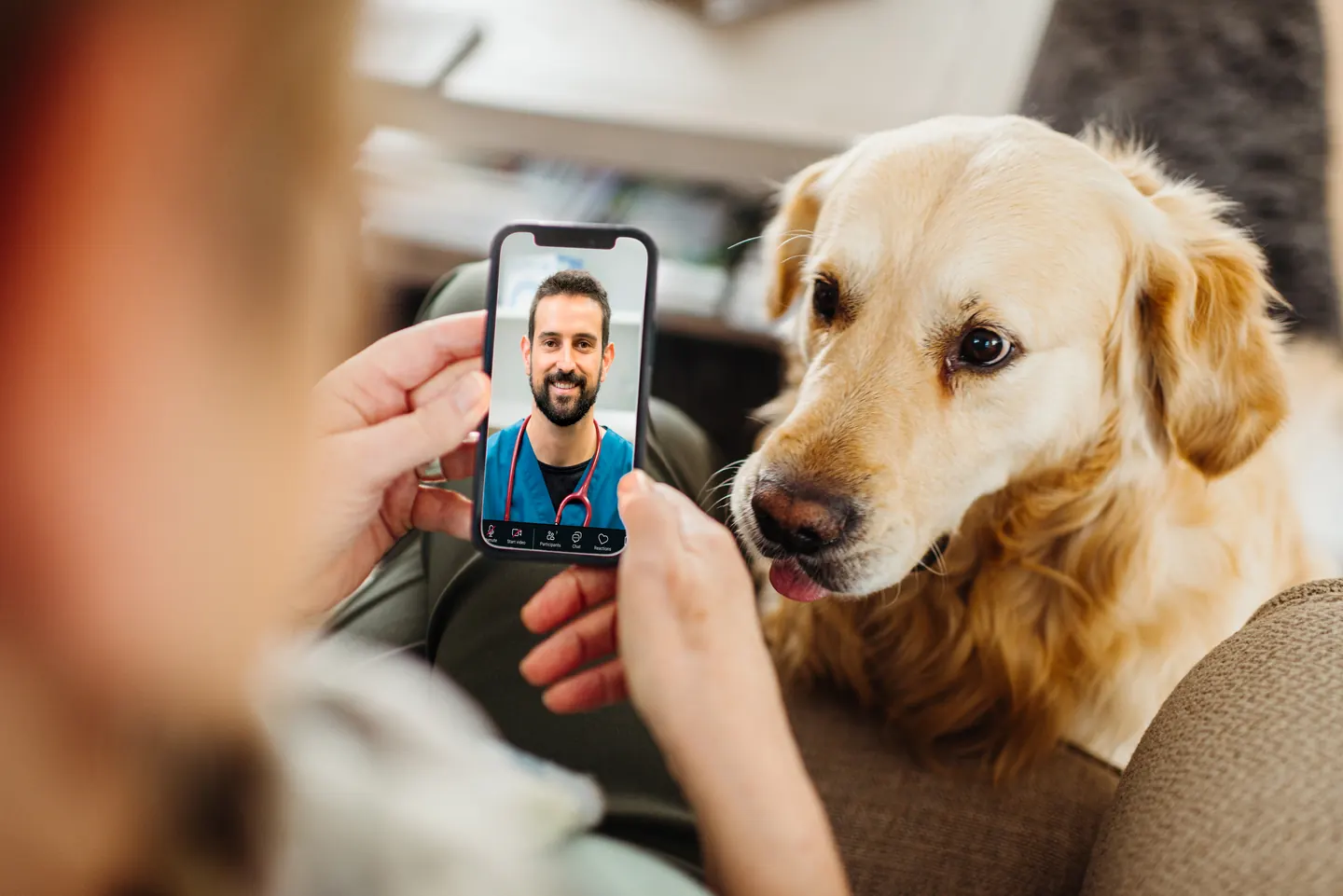
Have questions about your dog's urinary health?
Talk to a licensed vet at Dutch over video, often the same day. They can recommend treatment and prescribe it when it's appropriate.
Use code Pets30
Plans start at $11/month · covers up to 5 pets
- Licensed vets in most states
- Rx for 150+ conditions
- 4.7 on Trustpilot
Why kidney disease can change thirst
Healthy kidneys conserve water while filtering waste from the blood. When chronic kidney disease reduces the kidneys' ability to concentrate urine, a dog may produce more dilute urine and drink more to replace the water being lost. Increased thirst and urination can therefore be important signs, but they are not specific to kidney disease.
At home, manual bowl totals and a drinking-event trend and confounders provide different context. Bowl totals estimate what disappeared from a container, while events show when or how long drinking behavior occurred. Weather, food moisture, spills, outdoor sources, and multi-pet access can change either record. These observations can build a timeline for the veterinarian, but they cannot measure hydration or kidney function.

A collar-mounted sensor and app for activity, rest, sleep, respiratory rate, heart-rate trends, itch behaviors, and more.
- Builds a personalized baseline over time
- Tracks trends between veterinary visits
- Generates a month-long shareable report
Health monitoring for dogs and cats
Webvet may earn a commission when you click through to Maven Pet, at no extra cost to you.
Diabetes, Cushing's syndrome, liver disease, fever, infection, certain medications, diet, hot weather, and other factors may also affect drinking. Some dogs with kidney disease may drink less when they feel nauseated or unwell. A change in either direction deserves context and veterinary guidance.
Early signs need veterinary context
What are the early signs that a dog might be experiencing kidney failure? Early kidney disease symptoms in dogs can be subtle and may include increased thirst or urination, weight loss, reduced appetite, vomiting, lower energy, or changes in urine. These signs are not specific to kidney disease and may not all appear together. A veterinarian uses the history, examination, bloodwork, urine testing, blood pressure, and sometimes imaging to determine whether the kidneys are involved.
The word “failure” can also describe very different situations. Chronic kidney disease often develops gradually, while acute kidney injury can cause a sudden, severe decline. A water trend may help establish timing, but it cannot distinguish these conditions or stage disease. Sudden illness, toxin exposure, inability to urinate, repeated vomiting, or marked weakness needs prompt veterinary assessment rather than a longer observation period.
WebVet's guide to why a dog is drinking a lot of water covers common causes of increased thirst. If drinking is persistently different from your dog's normal pattern, schedule a veterinary assessment rather than trying to identify the cause from the water bowl alone.
A water-intake and drinking-event log
Start with a simple baseline while your dog is stable. Kidney disease symptoms in dogs and signs of kidney issues in dogs can overlap with many other problems, so the log should capture drinking, urination, appetite, weight, and energy without diagnosing the cause. Many kidney and hydration pages do not show readers how to reconcile manual bowl totals with drinking-event trends, weather, food moisture, and multi-pet access. This log makes those limits visible. For one to two weeks, note changes under ordinary conditions, and ask for tailored instructions if your veterinarian wants an exact volume.

A useful daily log can include:
- The amount of water placed in and left in the bowl, if you are manually measuring.
- Refills, spills, outdoor water, shared bowls, and water added to food.
- Changes in drinking-event frequency or duration shown by a tracker.
- Urination frequency, indoor accidents, straining, or changes in urine appearance.
- Appetite, vomiting, diarrhea, energy, and body weight.
- Medications, diet changes, heat, exercise, or other events that could affect thirst.
Use the same units and observation window each day. If the household uses cups, record cups; if the veterinarian requests milliliters, use milliliters. Measure what goes into the bowl and what remains at the end of the defined period, then subtract obvious spills only when you can estimate them honestly. Write “approximate” instead of turning an uncertain number into false precision.
| Manual bowl totals | Drinking-event trend and confounders |
|---|---|
| Starting volume, ending volume, refills, and the measurement period | Event frequency and duration compared with the dog's personal baseline |
| Water added to wet food, ice, broth approved by the veterinarian, or outdoor sources | Hot weather, exercise, stress, visitors, travel, or a changed routine |
| Shared-bowl access, spills, tipped bowls, and multi-pet uncertainty | Whether tracker events align with observed bowl visits or may reflect incomplete context |
| Urination frequency, accidents, straining, and an estimate of urine change | Appetite, vomiting, diarrhea, energy, weight, and medication timing |
| Daily total or clearly labeled estimate | Direction across several days and the veterinarian's call threshold |
The table is a communication tool, not a hydration score. A dog can have a stable event count while drinking more at each visit, or more events while taking only a few laps. Kidney function can also change without an obvious drinking shift. Use the log to show what happened and what the household could measure, then let the veterinary team interpret it with clinical results.
Manual volume measurement can be difficult in a multi-pet home. Separate bowls for a defined observation period may help if that is safe and practical, but never limit access to water. Tell your veterinarian when the record is approximate.
A collar-mounted sensor and app for activity, rest, sleep, respiratory rate, heart-rate trends, itch behaviors, and more.
- Builds a personalized baseline over time
- Tracks trends between veterinary visits
- Generates a month-long shareable report
Health monitoring for dogs and cats
Webvet may earn a commission when you click through to Maven Pet, at no extra cost to you.
How to reconcile bowl totals with drinking events
Manual bowl totals and collar-detected drinking events answer different questions. Bowl measurement estimates how much water disappeared from a known container during a defined period. An event trend estimates how often or how long the dog performed drinking behavior. Neither measure automatically proves how much water the dog swallowed, whether hydration is adequate, or how well the kidneys are working.
Start by checking whether the two records generally move together. If bowl use and drinking events both rise for several days, note the shared direction and look for related urination, appetite, weight, energy, weather, diet, or medication changes. If events rise but the bowl total does not, consider shorter visits, shared bowls, spills, outdoor water, or detection limits. If the bowl total rises without more events, the dog may be drinking longer at each visit, another pet may be using the bowl, or the manual observation window may have changed.
Use a simple reconciliation routine:
- Define the window. Choose the same start and end time and identify every water source the dog could reach.
- Measure without restricting. Record additions and leftovers while keeping fresh water continuously available.
- Check confounders. Note food moisture, heat, exercise, medications, spills, and multi-pet access.
- Compare directions. Mark whether bowl totals and event trends are stable, rising, falling, or conflicting.
- Add the dog's condition. Record urination, appetite, vomiting, diarrhea, energy, weight, and visible discomfort.
- Share uncertainty. Tell the clinic which numbers are measured, estimated, or incomplete.
A mismatch is not a failed log. It is useful context because it tells the veterinarian not to treat either stream as exact consumption. The clinic may ask for a more controlled measurement period, a urine sample collected according to its instructions, or an appointment. Do not separate a dog from water, change the diet, or adjust medication merely to make the two records align.
A collar-mounted sensor and app for activity, rest, sleep, respiratory rate, heart-rate trends, itch behaviors, and more.
- Builds a personalized baseline over time
- Tracks trends between veterinary visits
- Generates a month-long shareable report
Health monitoring for dogs and cats
Webvet may earn a commission when you click through to Maven Pet, at no extra cost to you.
What a drinking-event trend can add
A behavior trend can answer questions that memory often cannot. Did drinking become more frequent gradually? Did the change begin before appetite decreased? Does it occur all day or cluster overnight? Did it settle after the veterinarian addressed nausea or adjusted a treatment plan?

Maven Pet can make those patterns easier to review because the collar compares drinking behavior with the dog's own baseline. The benefit is continuity, not a diagnosis. A detected drinking event may show how often or how long a dog drank, but it cannot tell how much water reached the stomach, whether the dog is dehydrated, or whether kidney values improved or worsened.
For that reason, use the graph as a prompt for better observation. If it changes, check the bowls, look for spills, note urine output, and observe how your dog feels. If the change continues, share it with the veterinary team.
Maven Pet also offers an overview of kidney disease in dogs. It can help families learn common signs and questions to discuss, but diagnosis and disease staging require veterinary assessment and laboratory testing.
 Sponsored
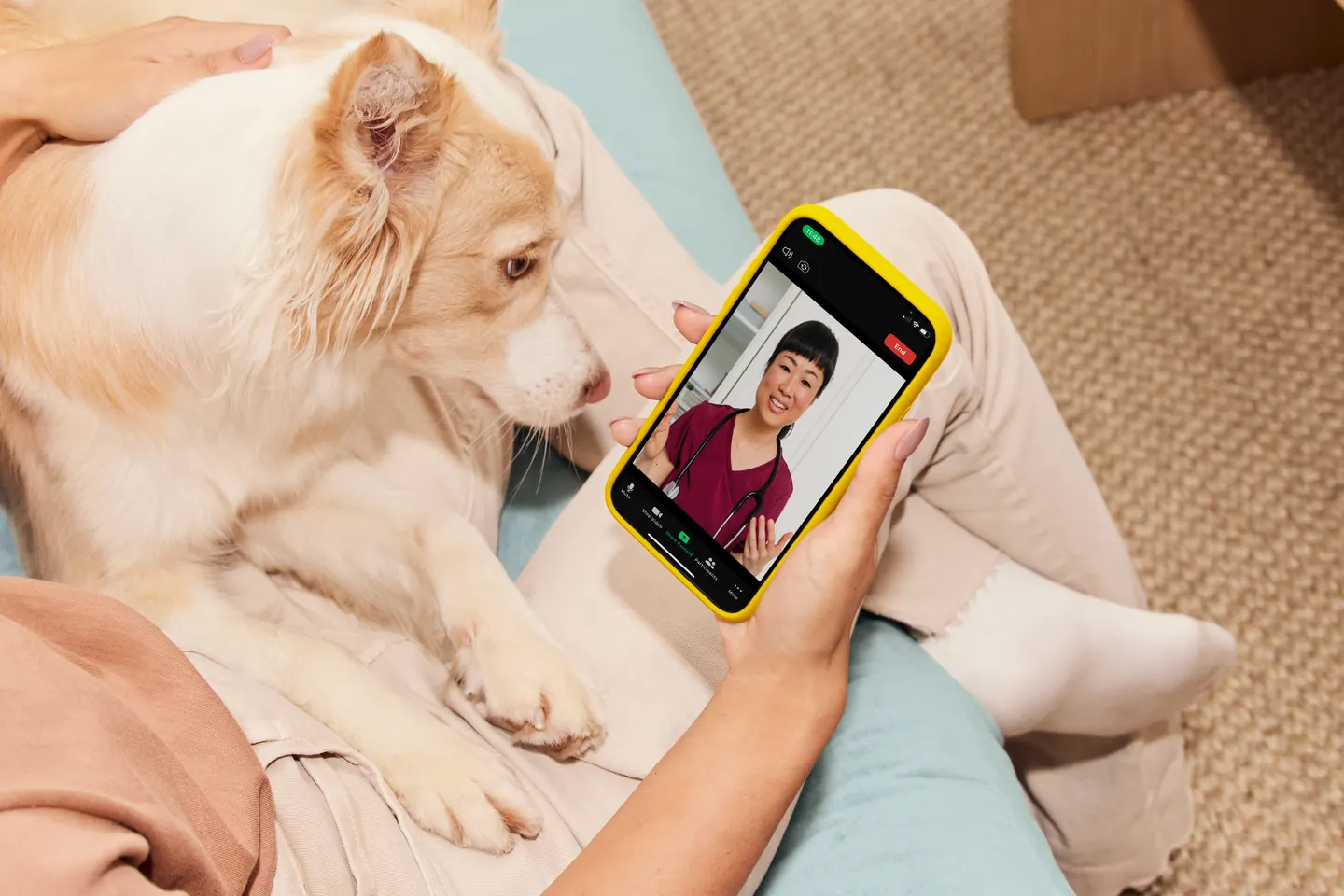
Vet care that's always there
Unlimited video calls and messaging with licensed vets for less than a typical vet visit. One membership covers up to five pets.
Use code Pets30
Plans start at $11/month · covers up to 5 pets
- Licensed vets in most states
- Rx for 150+ conditions
- 4.7 on Trustpilot
How veterinarians assess kidney disease
The International Renal Interest Society, or IRIS, publishes widely used guidelines for staging and managing chronic kidney disease. Its current guidelines emphasize serial monitoring and individualized treatment rather than relying on one observation or laboratory value.
Depending on the dog, a veterinarian may review:
- Blood markers such as creatinine and symmetric dimethylarginine, or SDMA.
- Urine concentration and evidence of protein loss.
- Blood pressure.
- Hydration status, body weight, muscle condition, and appetite.
- Urine culture, imaging, or other tests when indicated.
Home drinking information does not replace any of these measurements. It adds a timeline. For example, a family might report that drinking events rose steadily for three weeks, nighttime urination increased, and appetite declined over the last four days. That helps the veterinarian understand the sequence and decide which tests or follow-up interval are appropriate.
Chronic kidney disease is also not the same as acute kidney injury. A sudden severe illness, toxin exposure, inability to urinate, or rapid reduction in urine output can be an emergency. Do not wait for a long trend when the dog is acutely unwell.
The important water rule: never restrict access
Dogs with kidney disease need access to fresh water. The IRIS guidance for pet owners specifically warns against withholding water because restriction can worsen dehydration.
Do not reduce the water in the bowl to control accidents, test thirst, or make a measurement easier. Keep fresh water available at all times unless a veterinarian is directly supervising a different plan in a clinical setting. If increased urination is difficult to manage, ask about more frequent outdoor breaks, washable bedding, or another practical strategy that does not limit hydration.
Do not add supplements, electrolyte products, or flavorings without veterinary approval. Some products may contain sodium, sugar, minerals, or other ingredients that are inappropriate for an individual kidney patient.
A collar-mounted sensor and app for activity, rest, sleep, respiratory rate, heart-rate trends, itch behaviors, and more.
- Builds a personalized baseline over time
- Tracks trends between veterinary visits
- Generates a month-long shareable report
Health monitoring for dogs and cats
Webvet may earn a commission when you click through to Maven Pet, at no extra cost to you.
What Maven research says about kidney monitoring
Maven Pet does not currently present a kidney-specific clinical study showing that its drinking tracker detects kidney disease, measures hydration, or improves kidney outcomes. Its published senior-dog analysis includes population-level drinking patterns, but that is not a kidney-disease validation study and should not be used to diagnose an individual dog.
The appropriate claim is narrower and useful: the tracker can organize drinking-event behavior over time. A veterinarian may choose to consider that record alongside measured water intake, symptoms, examination findings, bloodwork, urinalysis, blood pressure, and other clinical evidence.
A customer example of everyday tracking
In a July 15, 2026 Trustpilot review, customer Isabela Almeida described using Maven over several years to follow everyday patterns including her dog's sleep, activity, shaking, and drinking behavior. She also highlighted ease of use and a positive service experience.
That review is one customer's experience and was not presented as a kidney-disease case. It illustrates the practical value of maintaining a longitudinal behavior record before a concern arises. It does not show that the collar can diagnose chronic kidney disease or quantify water intake.
What to send your veterinarian
When you contact the clinic, provide a short summary that combines the trend and the dog's condition:
- When the drinking change began and whether it is increasing, decreasing, or fluctuating.
- A screenshot or summary of the drinking-event trend.
- Any manually measured intake, including units and household limitations.
- Urination changes, accidents, straining, blood, or reduced urine production.
- Appetite, vomiting, diarrhea, weight, energy, and breath odor changes.
- Current medications, supplements, diet, and recent changes.
- Any possible access to toxins, human medications, grapes or raisins, antifreeze, or other hazards.
The clinic can tell you whether to schedule a routine appointment, come in promptly, or seek emergency care. Bring a fresh urine sample only if the veterinary team requests one and gives handling instructions.
Red flags that need prompt or emergency care
Seek prompt veterinary care for a persistent major change in drinking or urination, especially with weight loss, reduced appetite, vomiting, weakness, or lethargy.
Seek emergency care for:
- Little or no urine production, repeated straining, or obvious pain while trying to urinate.
- Collapse, severe weakness, confusion, or seizures.
- Repeated vomiting with inability to keep water down.
- Suspected toxin exposure.
- Blood in the urine with illness or pain.
- Rapid worsening in a dog with known kidney disease.
Visible illness takes priority over the graph. Do not wait for an app to confirm a problem or for enough data to create a trend.
My dog is not eating and has kidney failure. What should I do? Contact the veterinary team promptly for a dog with known or suspected kidney disease that stops eating, especially when appetite loss occurs with vomiting, reduced drinking, weakness, weight loss, or a change in urination. Repeated vomiting, inability to keep water down, collapse, severe weakness, or little to no urine can require emergency care. Do not force food or water or change medications without veterinary direction.
Frequently Asked Questions
Can Maven Pet tell me how many ounces my dog drank?
No. The drinking tracker identifies drinking events and behavior trends, including frequency and duration. It does not measure exact volume, hydration, or kidney function. If your veterinarian needs ounces or milliliters per day, ask how to measure manually and account for water added to food, spills, outdoor sources, and shared bowls. Label estimates clearly and use tracker information as a companion trend rather than a substitute total.
Does drinking more mean my dog has kidney disease?
No. Increased thirst has many possible causes, including heat, activity, diet, medications, diabetes, endocrine disease, infection, liver problems, and kidney disease. Some changes are temporary, while others need investigation. A persistent shift from the dog's normal should prompt veterinary evaluation, which may include bloodwork, urinalysis, blood pressure measurement, and other tests. A drinking graph can document timing, but it cannot identify the cause.
What if my dog with kidney disease suddenly drinks less?
Contact your veterinarian promptly. Reduced drinking can occur with nausea, weakness, pain, reduced appetite, or worsening illness and may increase dehydration risk. Continue providing easy access to fresh water and report changes in eating, vomiting, urination, energy, and medications. Do not force water into your dog's mouth because aspiration is possible, and do not assume fewer tracker events mean kidney values are stable or improving.
Should I limit water before a veterinary visit or urine test?
No. Do not withhold water unless a veterinarian gives a specific, directly supervised instruction for an unusual clinical circumstance. Dogs with chronic kidney disease need continuous access to fresh water, and restriction can worsen dehydration. If the clinic requests a urine sample or fasting, ask exactly what is allowed and for how long. Measuring intake means observing available water, not reducing the amount offered.
Can a stable drinking trend prove that kidney disease is stable?
No. Kidney values, urine concentration, protein loss, blood pressure, hydration, weight, and symptoms can change even when drinking behavior looks similar. Event frequency also does not show exact volume. Keep scheduled examinations and laboratory rechecks, and follow the monitoring plan created by your veterinarian. A stable trend is useful history, but only the veterinary team can assess disease status using the full clinical picture.
What are the early signs that a dog might be experiencing kidney failure?
The early signs that a dog might be experiencing kidney failure can include increased thirst or urination, weight loss, reduced appetite, vomiting, lower energy, or changes in urine. These signs overlap with many other conditions, and some dogs show few obvious changes early in chronic kidney disease. Arrange a veterinary assessment rather than diagnosing from a drinking trend. Bloodwork, urine testing, blood pressure, examination findings, and sometimes imaging help determine whether kidney disease is present.
My dog is not eating and has kidney failure. What should I do?
If your dog is not eating and has kidney failure, contact the veterinary team promptly. Appetite loss in a dog with kidney disease may occur with nausea, dehydration, medication effects, or worsening illness and should not be managed from a tracker graph. Seek emergency care for repeated vomiting, inability to keep water down, collapse, severe weakness, or little to no urine. Keep water available, and do not force food, force water, or alter medication without veterinary direction.
Sources
- International Renal Interest Society: Current IRIS Guidelines
- International Renal Interest Society: What Pet Owners Should Know About CKD
- Maven Pet: Dog Drinking Tracker
- Maven Pet: Kidney Disease in Dogs
- Trustpilot: Maven Pet Customer Reviews
This article is for general education and does not diagnose or treat disease. Contact your veterinarian about persistent thirst or urination changes, and seek urgent care for severe illness, inability to urinate, repeated vomiting, or possible toxin exposure.

Editor
The Webvet Editorial Team is the in-house group of pet-care editors and writers behind Webvet, operated by Smart Pet Collective. The team researches, writes, and maintains Webvet's pet health, behavior, and medication content. Every article follows a defined editorial process: research from reputable veterinary and scientific sources, careful drafting, mandatory review of medical content by a credentialed veterinarian, and dated publication. Health and medication articles are medically reviewed by a licensed veterinary professional before they go live and are kept current over time.
Veterinarian · BVMS MRCVS
Dr. Pippa Elliott, BVMS, MRCVS, is a veterinarian with nearly 30 years of experience in companion animal practice. Dr. Elliott earned her Bachelor of Veterinary Medicine and Surgery from the University of Glasgow. She was also designated a Member of the Royal College of Veterinary Surgeons. Married with 2 grown-up kids, Dr. Elliott has a naughty Puggle named Poggle, 3 cats and a bearded dragon.


