Meningitis in Dogs: SRMA and Other Causes, Signs, Treatment, and Prognosis
Meningitis inflames the membranes around the brain and spinal cord. In young dogs the usual form is steroid-responsive meningitis-arteritis (SRMA). The signs, emergency red flags, treatment, and recovery outlook.

BVMS MRCVS
Medically reviewed by Dr. Pippa Elliott, BVMS MRCVS · Last reviewed

This article contains affiliate links. Webvet may earn a commission when you buy through them, at no extra cost to you.
Meningitis in dogs: what it is, the signs that matter, and why it is urgent
Meningitis in dogs is inflammation of the meninges, the membranes that cover the brain and spinal cord, as the Merck Veterinary Manual explains. In young dogs, the classic form is steroid-responsive meningitis-arteritis (SRMA), an immune-mediated disease that is not contagious. Infection is a less common cause.
The usual signs of meningitis in dogs are fever, neck pain with stiffness, and painful muscle spasms. Many dogs hold the head low, walk stiffly, or stand hunched. Because the cause decides the treatment, and some causes can be fatal, a dog with these signs needs a vet promptly.
- 1Know what meningitis is: inflammation of the membranes around the brain and spinal cord.
- 2Understand SRMA versus infectious meningitis: SRMA is immune-mediated, typical in dogs under 2, and treated with steroids, while infections need antibiotics or antifungals.
- 3Watch for neck pain, fever, a stiff gait, a lowered head, and reluctance to move.
- 4Seizures, collapse, blindness, or screaming neck pain mean the emergency vet now.
- 5A spinal tap (CSF analysis) is the most reliable test, and SRMA treatment usually lasts months with relapse checks.
Merck reports that 80 to 90% of inflammatory disease of the brain and spinal cord in dogs is immune-mediated, with only 10 to 20% caused by infection. SRMA typically affects dogs 6 to 18 months old, according to a North Carolina State University study in the Journal of Veterinary Internal Medicine.

Fever is part of the picture for many of these dogs. In that NC State study, about two thirds of dogs with SRMA had a temperature of 103.0°F or higher when they first saw the vet. Your vet may ask you to note your dog's temperature at home while the cause is worked out.
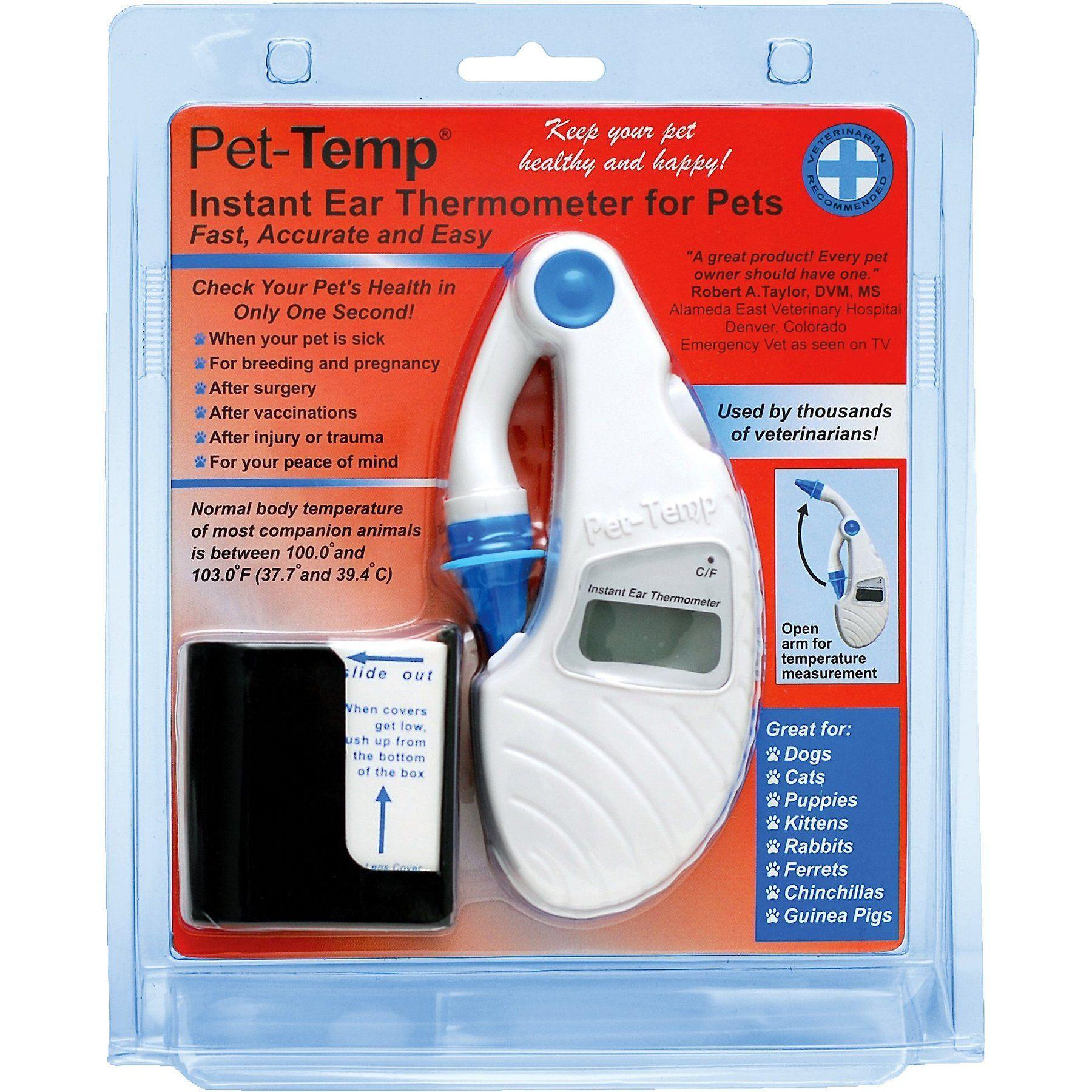
An ear thermometer for noting your dog's temperature at home when your vet asks you to track fever.
Webvet may earn a commission when you click through to Chewy, at no extra cost to you.
Types and causes of meningitis in dogs: SRMA, infectious, and other inflammatory causes
| Meningitis types in dogs: SRMA vs infectious vs other causes | Typical dog | Signature signs | How vets confirm it | Treatment approach |
|---|---|---|---|---|
| SRMA (steroid-responsive meningitis-arteritis) | Under 2 years; Beagles, Boxers, Bernese Mountain Dogs, but any breed | Neck pain, fever, stiff gait, lowered head | Spinal tap with many healthy-looking neutrophils; infection ruled out | Prednisone or prednisolone tapered over months, with relapse checks |
| Infectious (bacterial, fungal, protozoal, viral, rickettsial) | Any age; bacteria often spread from ears, sinuses, or a bite | Fever, neck pain, sometimes seizures | Spinal tap, infectious disease tests, imaging | Antibiotics that reach the brain, or antifungals; steroids usually avoided |
| Meningoencephalitis of unknown origin (MUO), including GME | Mostly small breeds over six months, more often females | Seizures, tremors, blindness, head tilt, circling | MRI plus spinal tap | Higher-dose steroids, often with a second immune drug |
Your vet's key decision is SRMA versus infection, settled by the spinal tap, because steroids treat one type and are usually avoided in the other.
SRMA is also called aseptic or sterile meningitis and "beagle pain syndrome," per proceedings from the Veterinary Information Network. Because it is immune-mediated, some owners hear it called autoimmune meningitis; see our guide to autoimmune disease in dogs.

Bacterial meningitis is not common in dogs and is not generally contagious, Merck states. Its list of infectious causes includes:
- Canine distemper virus, with a case-fatality rate of about 50% in dogs
- Protozoa such as Toxoplasma gondii and Neospora caninum
- Fungi, especially Cryptococcus
- Rickettsial infections, part of the tick-borne diseases in dogs group
No vaccine prevents meningitis itself. Merck notes that rabies can be ruled out in appropriately vaccinated animals, so keeping up with the adult dog vaccine schedule narrows the list.
What are the symptoms of inflammatory brain disease in dogs?
When inflammation reaches the brain and spinal cord (meningoencephalomyelitis), VCA Animal Hospitals lists seizures, tremors, blindness, a head tilt, circling, and paralysis. Granulomatous meningoencephalitis (GME), a common subtype, mostly affects young to middle-aged dogs, per Merck.
How do dogs get meningitis?
Most dogs get it from their own immune system, not from another dog. Less often, bacteria reach the meninges from one of these routes, per Merck:
- An ear, sinus, mouth, lung, or bladder infection
- A bite wound or other injury near the head or spine
- A migrating grass awn
 Sponsored
Have a health question about your dog?
Talk to a licensed vet at Dutch over video or message, including nights and weekends.
Use code Pets60
Plans start at $12/month · covers up to 5 pets
- Licensed vets in most states
- Rx for 150+ conditions
- 4.7 on Trustpilot
Meningitis symptoms in dogs: neck pain, fever, stiffness, and neurological signs
Neck pain is the sign owners notice most: with lethargy, it was the main complaint in every NC State dog with SRMA. Many carry the head low, won't bend to a bowl, and eat less.
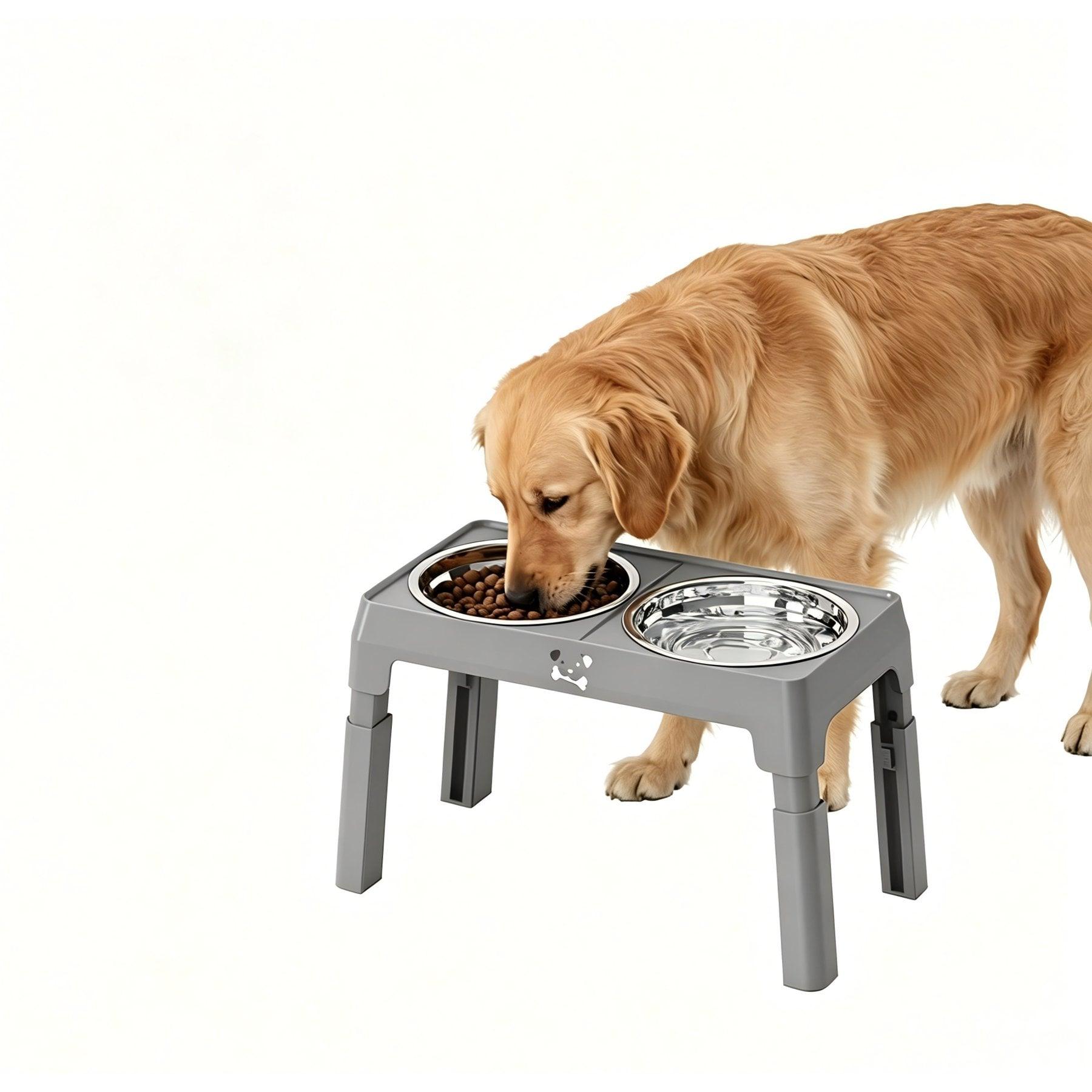
An adjustable raised bowl so a dog with a stiff, sore neck can eat and drink without bending down far.
Webvet may earn a commission when you click through to Chewy, at no extra cost to you.
The VIN proceedings describe the typical dog with acute SRMA as having a stiff, painful gait, a rigid neck, a lowered head, pain along the spine, and a fever. Most seem depressed, hide away, and do not want to play. Some are so sore that the slightest handling makes them cry out.

Other early symptoms the NC State researchers recorded:
- Reluctance to rise or walk (85.2% of dogs)
- A stiff gait (70.5%)
- A hunched, arched back (26.2%)
- Tremors, vomiting, or diarrhea in a smaller share
Early meningitis can be mistaken for a slipped disk, joint inflammation, or pancreatitis, Merck warns. A young dog that seems stiff or lame for no clear reason may need more than an orthopedic check; our guide on why a dog is limping covers the common causes.
What are three red flag early symptoms of meningitis?
The three red flags are fever, neck pain with stiffness, and painful muscle spasms, the usual signs Merck lists. In practice that looks like a dog that yelps when the head is moved, keeps the head low, and walks stiffly or not at all. These signs together warrant a prompt vet visit.
What are the symptoms of steroid-responsive meningitis (SRMA) in dogs?
SRMA typically causes neck pain, lethargy, fever, a stiff gait, reluctance to move, and a lowered head carriage. Fever can come and go, and the NC State team notes that a normal temperature does not rule SRMA out. The VIN proceedings add that SRMA mainly affects the meninges, so seizures are not typical of SRMA and point your vet toward other causes.
With bacterial or viral meningitis, Merck explains, inflammation that spreads through the brain can add depression, blindness, facial or limb weakness, loss of balance, seizures, and behavior changes on top of the neck pain and fever.
How vets diagnose meningitis in dogs: spinal tap, MRI, and blood tests
The analysis of cerebrospinal fluid from a spinal tap is the most reliable and accurate way to identify meningitis, according to Merck. Without a cerebrospinal fluid tap, Merck adds, a dog with neck pain and a fever can be misdiagnosed.

The VIN proceedings describe the usual workup for suspected SRMA:
- Bloodwork, including a blood count and chemistry panel
- C-reactive protein (CRP), a blood marker of inflammation
- MRI of the brain and neck
- CSF analysis from a spinal tap
In SRMA the fluid holds many neutrophils that look healthy, while in bacterial meningitis those cells are often damaged and may contain bacteria, per Merck. Normal bloodwork does not rule SRMA out, and its MRI is usually otherwise unremarkable.
VCA explains that the MRI is done under general anesthesia, and the CSF is collected with a long needle while the dog is still asleep. Your vet may also test for infections such as Lyme disease and anaplasmosis before referring you to a neurologist.
 Sponsored
Vet care that's always there
Unlimited video calls and messaging with licensed vets for less than a typical vet visit. One membership covers up to five pets.
Use code Pets60
Plans start at $12/month · covers up to 5 pets
- Licensed vets in most states
- Rx for 150+ conditions
- 4.7 on Trustpilot
When to go to the emergency vet: seizures, collapse, and severe neck pain
Yes, meningitis in dogs can come on suddenly. Merck notes that dogs usually show it acutely, and VCA says inflammatory brain disease can appear suddenly or build over weeks to months. The symptoms timeline is often short: in the NC State study, dogs were diagnosed a median of 5 days after signs began.
Merck lists seizures, blindness, circling, behavior changes, and depressed consciousness up to coma as acute signs of brain inflammation. Our guide to seizures in dogs explains what to do during a seizure.
Is meningitis in dogs fatal? It can be. Merck calls meningoencephalitis a grave concern with a poor prognosis in many cases, especially bacterial ones. Fast treatment matters.
Treating meningitis in dogs: steroids, antibiotics, and home care
There is no single cure for meningitis in dogs, because treatment follows the cause. Merck explains that immune-mediated cases are treated with corticosteroids or other medicines that calm the immune system, while infections are treated with antibiotics or antifungal drugs.
All of these drugs need a veterinary prescription, and your vet sets the dose, the taper, and the recheck schedule. For SRMA, the steroid vets start with is prednisone or prednisolone; nearly every NC State dog began on prednisone.
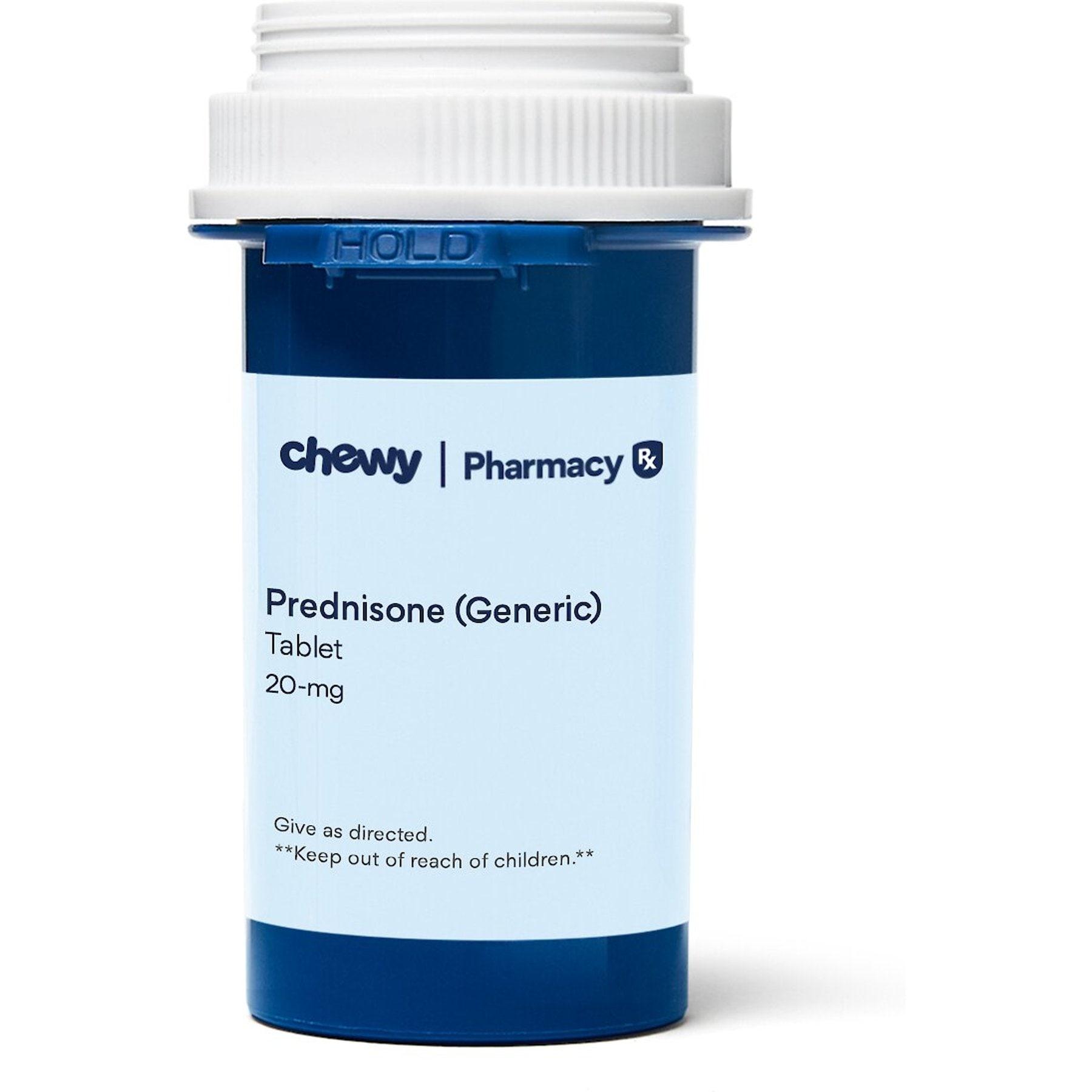
Prescription medication: generic prednisone tablets, a steroid vets use for SRMA, dosed and tapered only by your vet.
Webvet may earn a commission when you click through to Chewy, at no extra cost to you.
The VIN proceedings stress that there is no standard protocol; the steroid course is tailored to each dog. They also advise against starting prednisolone unless SRMA is strongly suspected, which is one reason vets want the spinal tap first.
SRMA treatment usually runs for months:
- Treatment can usually stop after 5 to 7 months, per the VIN proceedings
- Rechecks with bloodwork every 4 to 6 weeks, with CRP useful for tracking inflammation
- A median of 247 days on prednisone in total for the NC State dogs
A Veterinary Evidence review found that a gradually tapering 6-month course led to remission in all cases it reviewed, but notes that only three small studies exist. VCA warns never to stop prednisone abruptly; it must be tapered slowly.
Home care during months of treatment keeps a sore dog comfortable:
- Hide tablets in a soft treat such as Greenies Pill Pockets Cheese Flavor Natural Dog Treats, Tablet Size, 30 count if your vet says giving them with food is fine.
- Walk on a harness instead of a neck collar; the Sassy Dog Wear Puppy Paws Dog Harness, Black & White, Large keeps leash pressure off the neck.
- Raise food and water, for example with the DOPZER Adjustable Elevated Stainless Steel Dog Bowl, Grey.
- Limit stairs, jumping, and rough play until your vet clears more activity.
A firm, supportive bed in a quiet spot gives a dog with neck and back pain a comfortable place to rest while the steroids take effect.
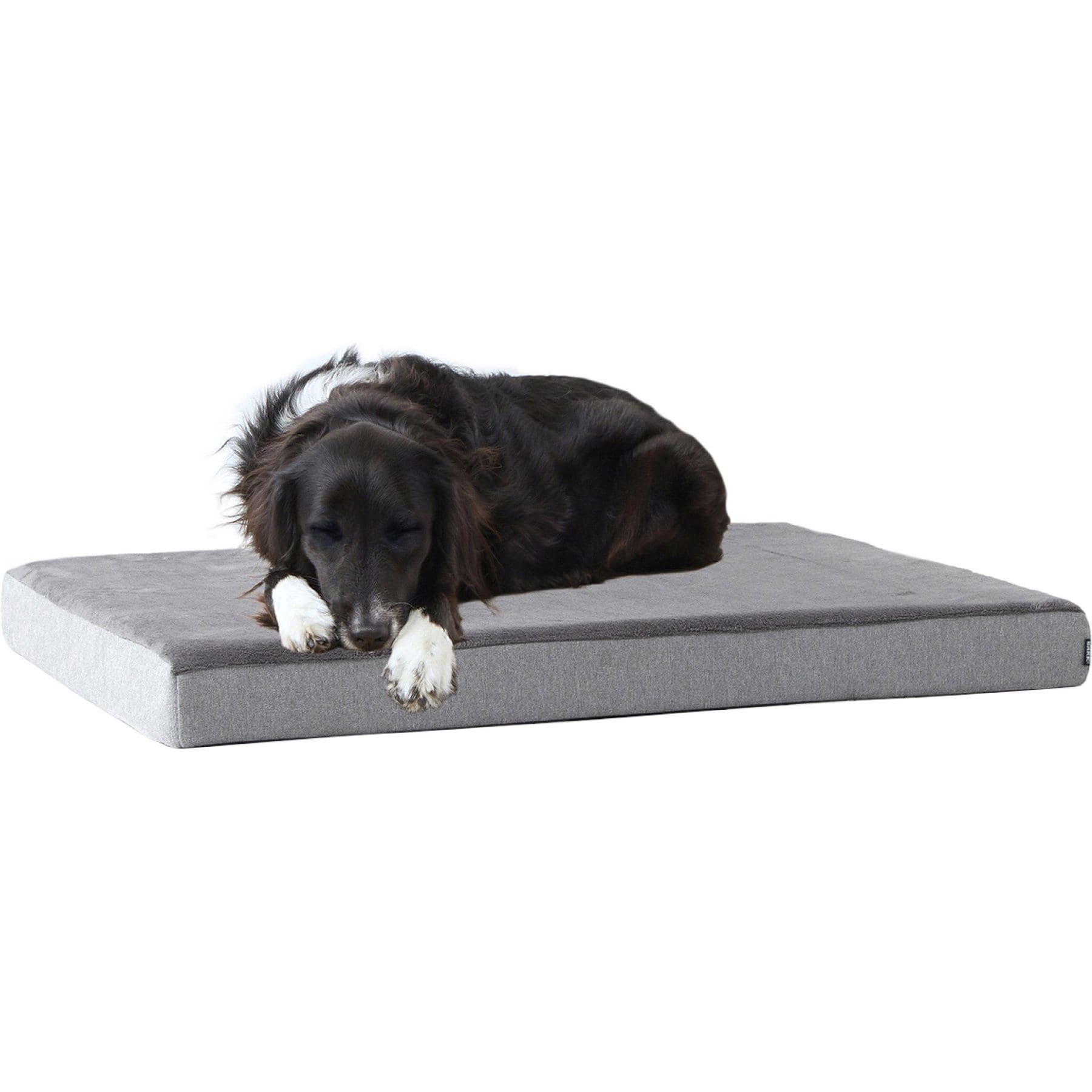
A memory foam bed that gives a dog with neck and back pain a supportive place to rest during recovery.
Webvet may earn a commission when you click through to Chewy, at no extra cost to you.
Steroid side effects are common during the taper, and NC State found that higher doses brought more of them. Owners most often reported:
- Drinking and urinating more
- A bigger appetite and weight gain
- Panting
- Thinning of the coat and restlessness
- On long courses, muscle loss, weakness, an enlarged liver, and lower activity, per the VIN proceedings
Call your vet if these become hard to live with, since the dose and pace of the taper can be adjusted. Do not cut the dose on your own.
VCA lists the monitoring that long-term prednisone usually involves:
- Bloodwork and urinalysis
- Blood sugar checks
- Weight and appetite
- Watching for serious side effects

For bacterial meningitis, the best antibiotic is chosen by culture or test results and must cross into the brain, Merck explains. It lists ampicillin, doxycycline, enrofloxacin, ceftriaxone, and cefoxitin, and adds that relapses are common, so courses are often long. Steroids are usually avoided when infection is the cause.
Antibiotics alone do not settle SRMA. The NC State team advises considering SRMA in young dogs with a persistent fever that does not respond to antibiotics and anti-inflammatory painkillers, citing a study in which SRMA was the most common diagnosis in feverish dogs aged 1 to 18 months.
Other infections need their own drugs, per Merck:
- Protozoal infections such as toxoplasmosis can respond to a potentiated sulfonamide, often combined with clindamycin.
- Fungal meningitis needs long courses of itraconazole or fluconazole, and relapses are frequent.
MUO usually needs higher steroid doses than SRMA, the VIN proceedings note, often with a second drug such as cyclosporine or cytarabine. VCA describes cytarabine (Cytosar-U) as an anti-cancer chemotherapy drug that is also used for brain inflammation in dogs.
VCA adds that doxycycline or clindamycin may be given while infection has not been ruled out, along with seizure medicines such as phenobarbital or levetiracetam when needed. For dangerous brain swelling, Merck notes that a short, high-dose course of dexamethasone or methylprednisolone can be used even when infection is present.
Natural remedies and homeopathy are not among the treatments Merck or other veterinary references describe, so they cannot replace prescribed medication. Merck's supportive care list instead covers:
- Pain relief
- Seizure medication
- Fluids and nutritional support
- Physical therapy
Treatment cost varies widely. The main cost drivers are usually:
- The MRI and spinal tap under anesthesia at a referral neurologist
- Months of prescription medication
- Rechecks with bloodwork every 4 to 6 weeks
- Any relapse, which restarts treatment
Ask your vet for a written estimate before tests begin.
Meningitis prognosis in dogs: recovery, relapse, and life expectancy
The outlook depends mostly on the type. SRMA carries an excellent prognosis for remission and a fair to good prognosis for full resolution, per the NC State study, with remission in 98.4% of dogs and resolution in 54%. Most dogs improve within 48 hours of starting steroids.

Relapse is the main challenge with SRMA. Nearly half the NC State dogs (47.5%) relapsed at least once, higher than the 16% to 34% reported in earlier studies. Key relapse patterns:
- About 76% of first relapses came after steroids were stopped, a median of 139.5 days later
- About a quarter of first relapses happened while the dose was still being tapered
- Roughly one third of dogs relapsed after 2 years of age
- Most relapsing dogs had one to three episodes, but 8.2% of all dogs had five or more
So yes, SRMA can come back, and recurrence can come long after recovery. All relapsing NC State dogs were treated with prednisone again, and 44.8% also received a second drug such as cyclosporine, azathioprine, or mycophenolate.
The NC State team notes that the CRP blood test may pick up relapse more readily than a repeat spinal tap. While your dog recovers:
- Call your vet the same day if neck pain, fever, or stiffness returns.
- Check temperature at home if your vet asks.
- Agree a vaccine plan with your vet: in the NC State survey, 48% of owners said core vaccinations had lapsed since the SRMA diagnosis.
- Report any new lameness or swollen joints, since two NC State dogs also had immune-mediated joint inflammation.
Recovery from steroid-responsive meningitis takes patience. Owners in the NC State study rated quality of life at 5.3 out of 10 during treatment, compared with 8.8 once the disease resolved. The VIN proceedings note that the dull, low mood many dogs show on steroids is reversible.
Does meningitis go away in dogs? With SRMA it often does. In the NC State study, dogs that reached resolution stayed free of signs for a median of 37 months, over a median follow-up of 2 years and up to 12.5 years.
Other forms have a harder outlook:
- MUO: the VIN proceedings report a less favourable prognosis than SRMA, with many dogs dying in the first couple of months
- Focal versus widespread MUO: VCA notes that a single focal lesion does better, and seizures at diagnosis often mean a worse outlook
- Lesion location: the VIN proceedings note that forebrain lesions seem to carry a better outlook than brainstem lesions
- Bacterial meningitis: Merck describes a poor prognosis for survival in many cases
No study gives one overall death rate, survival rate, or life expectancy figure for meningitis, because the types behave so differently. For MUO, VCA reports that improvement on MRI and CSF analysis after three months of treatment usually means a good long-term prognosis.
What are the signs that a dog might have permanent brain damage?
Merck explains that recovery depends on the cause, how severe the infection is, and whether it caused irreversible damage to nervous tissue. Signs that persist after treatment, such as seizures, a head tilt, blindness, poor balance, or weakness, can reflect lasting damage. VCA adds that a dog not responding within three months has a guarded outlook.
Meningitis in dogs questions
Frequently Asked Questions
Is meningitis in dogs contagious?
No, in most cases. SRMA and MUO come from the dog's own immune system, so they cannot spread to other dogs or to people. Merck states that bacterial meningitis is not generally contagious either. If an infection such as distemper turns out to be the cause, ask your vet what precautions other pets in the home need.
Does meningitis in dogs come on suddenly?
Often, yes. SRMA tends to start with sudden neck pain, a reluctance to move, and fever, and many dogs reach a diagnosis within days. Some inflammatory brain diseases build more gradually over weeks, which is why neck pain with fever or stiffness deserves a prompt vet visit, and any seizure deserves one right away.
Can meningitis in dogs be cured?
SRMA often ends in lasting remission: about half the NC State dogs stayed free of signs after finishing steroids. Relapse remains possible, sometimes years later, so long-term follow-up matters, including a same-day call if neck pain returns. MUO is usually managed rather than cured, and the outcome of bacterial or fungal meningitis depends on clearing the infection.
How much does meningitis treatment cost for a dog?
Costs vary by clinic and region, and no national figure is published. A full workup usually includes bloodwork, plus an MRI and a spinal tap under general anesthesia, often at a referral center. SRMA then adds months of prescription steroids and regular rechecks, and a relapse adds more, so ask for a staged estimate.
How do dogs get meningitis?
Most cases arise when the immune system turns on the meninges, as in SRMA, rather than from an infection. When infection is the cause, Merck explains that bacteria usually spread from a nearby site such as the ears, sinuses, or mouth, from a bite wound, or through the bloodstream. Dogs do not catch the immune-mediated forms from each other, and keeping ear and dental infections treated promptly is a sensible step.
Veterinarian · BVMS MRCVS
Dr. Pippa Elliott, BVMS, MRCVS, is a veterinarian with nearly 30 years of experience in companion animal practice. Dr. Elliott earned her Bachelor of Veterinary Medicine and Surgery from the University of Glasgow. She was also designated a Member of the Royal College of Veterinary Surgeons. Married with 2 grown-up kids, Dr. Elliott has a naughty Puggle named Poggle, 3 cats and a bearded dragon.
Related reading

Myasthenia Gravis in Dogs: Signs, Megaesophagus, Treatment, and Outlook

Autoimmune Disease in Dogs: Types, Signs, Diagnosis, and Treatment

When Do Puppies Start Teething? Timeline, Signs, and How to Help
