Lyme Disease in Dogs: Symptoms, Treatment, and Prevention
Lyme disease in dogs is a tick-borne infection that can cause fever, lameness, and kidney damage. Learn the early symptoms, how testing and antibiotics work, and how to protect your dog year-round.

BVMS MRCVS
Medically reviewed by Dr. Pippa Elliott, BVMS MRCVS · Last reviewed

This article contains affiliate links. Webvet may earn a commission when you buy through them, at no extra cost to you.
Lyme disease in dogs is a bacterial infection spread by the bite of an infected black-legged (deer) tick, and the earliest sign owners usually notice is a dog that suddenly limps or seems stiff and sore. The bacterium responsible, Borrelia burgdorferi, travels from the tick into your dog over a day or more of feeding, then can trigger fever, swollen joints, and a distinctive shifting-leg lameness weeks later. The good news: most dogs that are treated early with antibiotics recover well. This vet-reviewed guide walks through the symptoms to watch for, how testing works, how treatment is done, what the prognosis looks like, and how to keep your dog from getting bitten in the first place.
- 1Lyme disease in dogs comes from black-legged (deer) ticks carrying Borrelia burgdorferi; the tick usually must stay attached 24 to 48 hours to transmit it.
- 2The hallmark symptom is shifting-leg lameness, often with fever, low energy, and swollen joints. Many infected dogs show no signs at all.
- 3Doxycycline for about four weeks is the standard treatment and most dogs improve within days of starting it.
- 4A positive antibody test means exposure, not necessarily active disease. Your vet interprets it alongside symptoms.
- 5Year-round tick prevention plus prompt tick removal is the most reliable way to protect your dog.

 Sponsored
Need flea, tick, or parasite care for your dog?
A licensed vet at Dutch can recommend the right preventive and prescribe it when it's appropriate. Annual members get 20% off their first flea and tick order.
Use code Pets30
Plans start at $11/month · covers up to 5 pets
- Licensed vets in most states
- Rx for 150+ conditions
- 4.7 on Trustpilot
How dogs get Lyme disease
Dogs get Lyme disease when a tick carrying Borrelia burgdorferi bites them and stays attached long enough to pass the bacteria into the bloodstream. The main carrier in North America is the black-legged tick, also called the deer tick, and it typically has to feed for 24 to 48 hours before transmission happens. That feeding-time detail is the reason daily tick checks and fast removal are so protective: a tick you find and pull off the same day rarely gets the chance to infect your dog. According to Cornell's veterinary diagnostic center, exposure is heavily concentrated in regions where these ticks are established, which is why risk depends so much on where you live and travel.
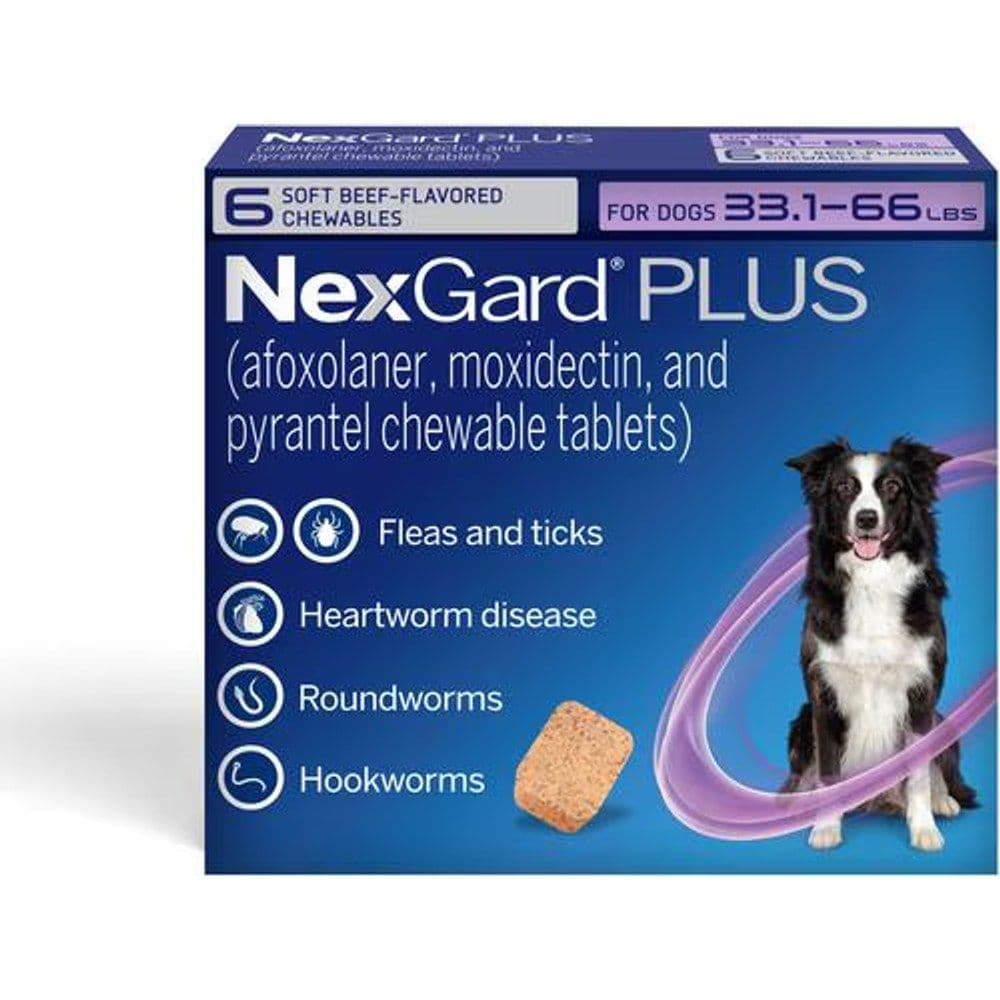
Beef-flavored monthly chew that protects dogs from fleas, ticks, heartworm disease, roundworms, and hookworms.
Webvet may earn a commission when you click through to Chewy, at no extra cost to you.
Lyme disease is most common in the Northeast, upper Midwest, and mid-Atlantic, but the tick's range has been expanding, so cases now turn up in areas that once saw few. You cannot catch Lyme disease directly from your dog, and your dog cannot catch it directly from another pet; a tick bite is the route in both cases. That said, an infected tick that rode home on your dog can still bite a person, which is one more reason to keep tick numbers down at home.
Ticks are most active in the warmer months, but adult ticks can seek a host any time the temperature climbs above freezing, so exposure is genuinely a year-round concern in much of the country. Dogs that hike, hunt, or spend time in tall grass and wooded edges face the highest odds of picking one up.

Can a tick give my dog more than one disease?
Yes. The same black-legged tick that carries Borrelia burgdorferi can also carry other pathogens, so a single bite sometimes passes along more than one infection at once, a situation vets call co-infection. A dog that tests positive for Lyme may also be carrying anaplasmosis, which shares the same tick and causes overlapping fever and joint pain. That overlap is one more reason to mention any known tick exposure to your veterinarian, since it can shape which tests they run and how they read the results.
Symptoms of Lyme disease in dogs
To tell if your dog has Lyme disease, watch for a limp that seems to move from leg to leg, along with fever, tiredness, and reluctance to move. This shifting-leg lameness is the classic clue, and it often appears two to five months after the tick bite rather than right away. Many dogs that carry the bacteria never look sick, which is exactly why the disease can be easy to miss.

Because the incubation period is long and the signs can come and go, it helps to know the early symptoms so you can act before the infection settles in. Here are at least five early signs of Lyme disease worth taking seriously:
- Lameness or limping, especially the shifting-leg kind that switches from one limb to another
- Fever, often mild but persistent
- Low energy, sluggishness, or seeming generally unwell
- Reduced appetite
- Swollen, warm, or painful joints and stiffness when getting up
- Swollen lymph nodes near the site of the bite
Unlike Lyme disease in people, dogs do not reliably develop the bullseye rash, so you cannot rely on a skin mark to catch it. If your dog shows a wandering lameness or an unexplained fever and has been anywhere with ticks, treat that as a reason to call your veterinarian rather than waiting it out.
One thing that trips owners up is that the symptoms often wax and wane. A dog may limp for a day or two, seem fine for a week, then go sore again. Do not let a temporary recovery convince you nothing is wrong, because the underlying infection is still there. Keeping a quick note of when signs appear and which legs are involved gives your vet useful detail at the appointment.
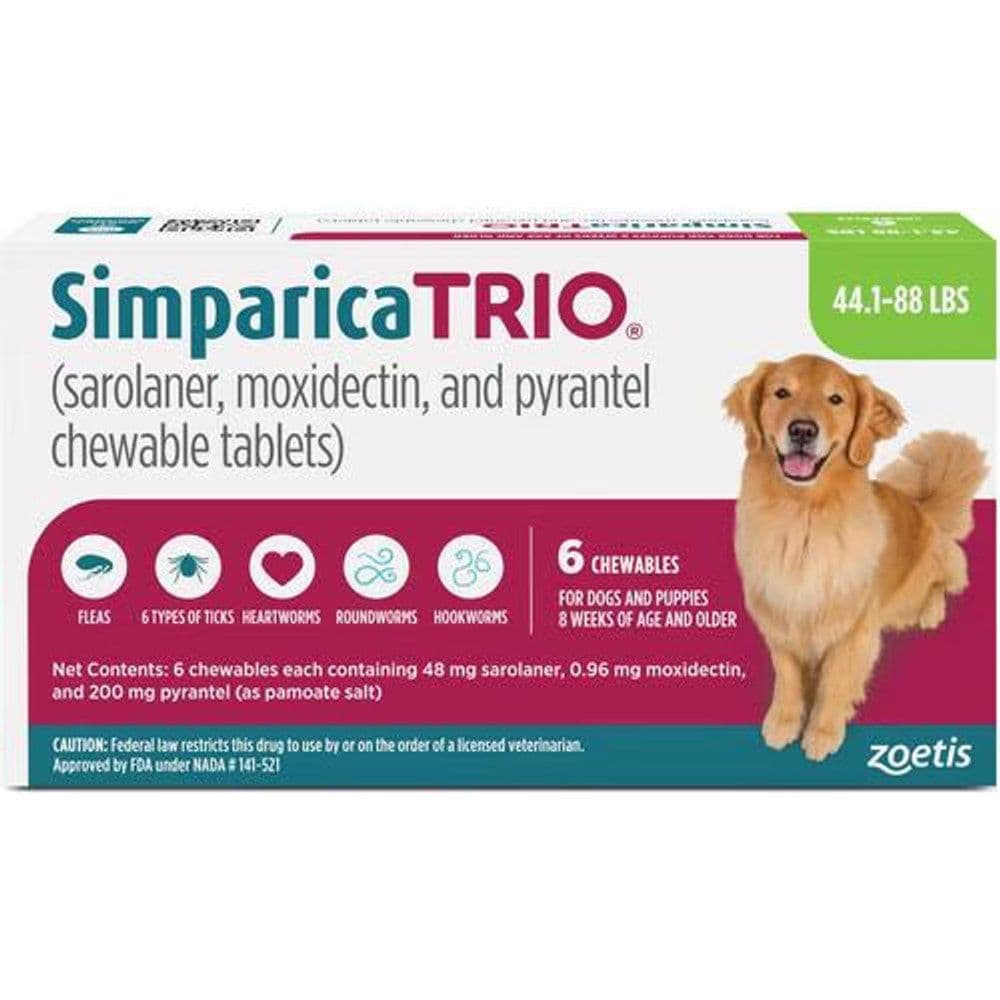
Monthly chew that protects dogs from fleas, six species of ticks, heartworm disease, roundworms, and hookworms.
Webvet may earn a commission when you click through to Chewy, at no extra cost to you.
 Sponsored
Vet care that's always there
Unlimited video calls and messaging with licensed vets for less than a typical vet visit. One membership covers up to five pets.
Use code Pets30
Plans start at $11/month · covers up to 5 pets
- Licensed vets in most states
- Rx for 150+ conditions
- 4.7 on Trustpilot
How Lyme disease is diagnosed and tested
Lyme disease in dogs is diagnosed with a blood test that looks for antibodies to Borrelia burgdorferi, most commonly the in-clinic SNAP 4Dx test that many vets run at annual visits. A positive result tells you the dog was exposed to the bacteria, but timing matters, because antibodies take weeks to build up after a bite.
What to do after you find a tick: a testing timeline
Knowing when a test becomes accurate keeps you from testing too soon and getting a falsely reassuring result. Here is a simple timeline to follow after a known tick bite:
- Day of the bite: remove the tick promptly and completely, then note the date. The longer a tick feeds, the higher the transmission risk, so fast removal matters.
- First few weeks: a Lyme test done now is usually too early, because antibodies have not yet risen to detectable levels.
- 4 to 8 weeks after the bite: this is the antibody window when screening tests become reliably positive if infection took hold, so it is the sensible time to test a symptom-free but exposed dog.
- 2 to 5 months after the bite: this is the symptom window when lameness and fever most often appear, so keep watching your dog and test or re-test if signs show up.
If a screening test is positive, your veterinarian may recommend a follow-up quantitative test (such as a C6 antibody level) plus a urine check for protein, which helps flag early kidney involvement before your dog feels sick.

How is Lyme disease in dogs treated?
Lyme disease in dogs is treated with antibiotics, and the standard choice is doxycycline given as roughly a four-week course. Most dogs feel noticeably better within a couple of days of starting treatment, which is one reason a fast response to doxycycline is itself considered supportive of the diagnosis. Your vet may also prescribe pain relief for sore joints while the antibiotic does its work.
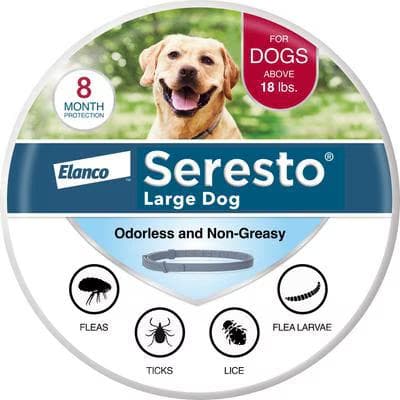
An eight-month flea and tick collar for dogs over 18 lbs that releases protection steadily. A low-effort layer to help keep ticks off between vet-recommended preventives.
Webvet may earn a commission when you click through to Chewy, at no extra cost to you.
It is worth being clear about what antibiotics can and cannot do. Doxycycline is a prescription medication, so it must come from your veterinarian, and finishing the full course matters even after your dog looks recovered.
Beyond the antibiotic itself, treatment usually includes rest while sore joints settle, and your vet may recheck your dog partway through the course to confirm the improvement is holding. If the initial screening test showed protein in the urine, expect follow-up urine testing after treatment to make sure the kidneys are stable. Dogs that were only mildly affected often bounce back to normal activity quickly, while those with more inflamed joints may need a slower return to exercise.
| Treatment question | What owners should know |
|---|---|
| Which antibiotic? | Doxycycline is first-line; amoxicillin is an alternative in some cases |
| How long? | Typically about four weeks |
| When does it improve? | Many dogs improve within 24 to 48 hours |
| Fully cured? | Signs usually resolve, but the bacteria are not always fully cleared |
Can Lyme disease in dogs be cured?
Antibiotics resolve the symptoms in the large majority of dogs, but the infection is not always completely eliminated from the body, and a small number of dogs relapse or need a second course. That is why vets talk about controlling the disease and monitoring rather than promising a permanent cure. A positive Lyme test can also persist for months or years after successful treatment, so a lingering positive does not mean therapy failed.
Can dogs fight off Lyme disease on their own?
You should not count on it. Some exposed dogs never become clinically ill, which can look like fighting it off, but a dog with active Lyme symptoms should be treated rather than left to recover unaided. Untreated infection can progress to joint disease or, in the worst cases, to kidney damage, so a wait-and-see approach with a symptomatic dog is a gamble that is not worth taking.
Life expectancy, stages, and Lyme nephritis
Most dogs treated for Lyme disease have a normal life expectancy and go on to live full, healthy lives. The prognosis is generally very good when the disease is caught early and the joint form is the only thing going on. The picture changes only when the kidneys become involved, which is uncommon but serious.
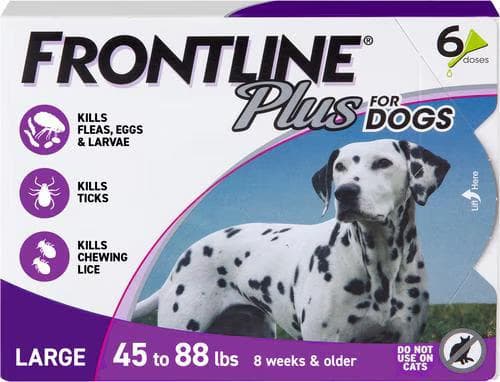
A monthly topical spot-on for large dogs 45 to 88 lbs that kills fleas, ticks, and chewing lice. A waterproof pick for dogs who do better with a topical than an oral chew.
Webvet may earn a commission when you click through to Chewy, at no extra cost to you.
The three stages of Lyme disease in dogs
Lyme disease is often described in three stages, mirroring how the infection can progress if it is not addressed:
- Acute (early) stage: the bacteria spread through the body in the weeks after the bite, sometimes causing early fever or malaise that is easy to overlook.
- Subacute stage: this is when the recognizable signs, shifting-leg lameness, swollen joints, fever, and low energy, tend to appear.
- Chronic stage: without treatment, some dogs develop lingering joint problems and, rarely, the kidney complication known as Lyme nephritis.
Lyme nephritis: the complication to know about
Lyme nephritis in dogs is a severe, potentially fatal kidney condition linked to Lyme infection, and it is the main reason vets take even symptom-free positive tests seriously. Certain breeds, including Labrador and Golden Retrievers and Bernese Mountain Dogs, appear to be at higher risk. Warning signs include increased thirst and urination, vomiting, poor appetite, weight loss, and fluid swelling in the legs or belly. Any of these in a dog with a Lyme history is a reason to seek veterinary care quickly, because early kidney intervention gives the best chance of a good outcome.
This is why routine urine protein screening after a positive test matters so much. Catching protein loss before a dog acts sick is one of the few ways to get ahead of Lyme nephritis rather than react to it. Veterinary parasitology guidance from the Companion Animal Parasite Council reinforces this monitoring approach for dogs that test positive, even those without obvious symptoms.
For the vast majority of owners, the takeaway is reassuring: a dog caught early and treated promptly usually recovers and lives a normal lifespan. The dogs who run into trouble are typically the ones whose infection went unnoticed for a long time or who developed kidney disease, which underscores how much prevention and early testing pay off.
Preventing Lyme disease: tick control that works
The single most reliable way to prevent Lyme disease in dogs is to stop ticks from attaching and feeding, and that means year-round tick control rather than a warm-season-only habit. Because a tick generally needs to stay attached for a day or two to transmit the bacteria, consistent prevention plus prompt removal closes most of the risk.

A practical prevention routine layers a few habits together:
- Use a vet-recommended tick preventative year-round, whether an oral chew, a topical spot-on, or a tick collar. Prescription oral options such as NexGard PLUS, Simparica TRIO, Credelio, and Bravecto, along with the Seresto collar and topicals like Frontline Plus and K9 Advantix II, are common choices your vet can help you match to your dog.
- Check your dog for ticks after every walk in grassy or wooded areas, running your fingers over the ears, neck, armpits, groin, and between the toes.
- Remove any attached tick promptly and completely with fine-tipped tweezers, pulling straight out near the skin.
- Keep grass trimmed and clear leaf litter and brush where ticks thrive, especially at the edges of your yard.
- Ask your vet about annual Lyme screening, which the in-clinic 4Dx test bundles with heartworm and other tick-borne disease checks so a quiet infection does not go undetected.
No single product is right for every dog. Small dogs, dogs that swim often, dogs on other medications, and dogs in heavy-tick regions all factor into the choice, so treat prevention as a conversation with your veterinarian rather than a one-size-fits-all purchase. Consistency is what actually protects your dog: a preventative only works if it is on board before the tick bites, so the best product is the one you will keep up with every single month, all year long.
Choosing the right product depends on your dog, your area, and the other parasites you need to cover, so it is worth reading a detailed comparison. Our guide to the best flea and tick prevention for dogs breaks down the leading options, and because Lyme is only one of several illnesses ticks carry, our overview of tick-borne diseases in dogs explains what else to watch for.
What about the Lyme disease vaccine?
A Lyme vaccine is available for dogs and can be a smart addition in high-risk regions, layered on top of tick prevention rather than replacing it. Whether it is right for your dog depends on where you live, your dog's exposure, and your vet's advice. We cover eligibility, timing, and safety in depth in our dedicated guide to the Lyme disease vaccine for dogs, so head there for the full breakdown before deciding.
Frequently Asked Questions
How do you treat Lyme disease in dogs?
With antibiotics. Doxycycline, a prescription medication, given for about four weeks is the standard treatment, and most dogs improve within a day or two. Your vet may add pain relief for sore joints and recommend follow-up urine testing to check the kidneys.
How do I tell if my dog has Lyme disease?
Watch for shifting-leg lameness, fever, low energy, reduced appetite, and swollen or painful joints, usually two to five months after a tick bite. Dogs rarely show a bullseye rash, so lameness plus tick exposure is your cue to call the vet for a blood test.
How long do dogs with Lyme disease live?
Most dogs treated early have a normal life expectancy and live full lives. The prognosis is very good when only the joints are affected. Life expectancy is mainly threatened by Lyme nephritis, the uncommon but serious kidney complication.
What are the three stages of Lyme disease in dogs?
The acute (early) stage as bacteria spread in the weeks after the bite; the subacute stage when lameness, fever, and swollen joints appear; and the chronic stage, where untreated dogs may develop lingering joint disease and, rarely, Lyme nephritis.
Can dogs fight off Lyme disease on their own?
Do not rely on it. Some exposed dogs never get sick, but a dog with active Lyme symptoms should be treated, because untreated infection can progress to joint or kidney disease. See your veterinarian rather than waiting it out.

Editor
The Webvet Editorial Team is the in-house group of pet-care editors and writers behind Webvet, operated by Smart Pet Collective. The team researches, writes, and maintains Webvet's pet health, behavior, and medication content. Every article follows a defined editorial process: research from reputable veterinary and scientific sources, careful drafting, mandatory review of medical content by a credentialed veterinarian, and dated publication. Health and medication articles are medically reviewed by a licensed veterinary professional before they go live and are kept current over time.
Veterinarian · BVMS MRCVS
Dr. Pippa Elliott, BVMS, MRCVS, is a veterinarian with nearly 30 years of experience in companion animal practice. Dr. Elliott earned her Bachelor of Veterinary Medicine and Surgery from the University of Glasgow. She was also designated a Member of the Royal College of Veterinary Surgeons. Married with 2 grown-up kids, Dr. Elliott has a naughty Puggle named Poggle, 3 cats and a bearded dragon.


