Natural Remedies for Fleas on Cats: What Works, What's Dangerous
Vet-reviewed guide to natural remedies for fleas on cats: the flea comb, bath, and home-cleaning methods that genuinely help, plus the popular 'natural' options like essential oils, garlic, and citrus that are toxic to cats.

BVMS MRCVS
Medically reviewed by Dr. Pippa Elliott, BVMS MRCVS · Last reviewed

This article contains affiliate links. Webvet may earn a commission when you buy through them, at no extra cost to you.
The safest and most effective natural remedies for fleas on cats are physical and environmental: daily flea combing with a fine-toothed comb dipped in soapy water, a lukewarm bath with plain cat-safe shampoo, daily vacuuming, and hot-washing your cat's bedding. These methods remove adult fleas without exposing your cat to anything toxic.
Just as important is what you should never use. Many popular 'natural' flea remedies, including essential oils, tea tree oil, garlic, and citrus, are genuinely dangerous to cats. Cats lack the liver enzymes to process compounds that are harmless to people and even to many dogs, so home recipes borrowed from human or dog articles can poison them.
This guide sorts every popular natural remedy into three honest categories: what works, what does little, and what can hurt your cat. It also explains the limit of every natural method: they remove adult fleas but do not break the flea life cycle, which is why real infestations usually still need a vet-approved product.
- 1Daily flea combing with soapy water is the safest effective natural flea remedy for cats.
- 2Essential oils (including tea tree), garlic, and citrus are toxic to cats. Never use them.
- 3Adult fleas on your cat are only about 5% of the infestation; roughly 95% lives in your home as eggs, larvae, and pupae.
- 4Natural methods remove adult fleas but cannot break the flea life cycle on their own.
- 5Kittens under 8 weeks should only ever be flea-combed; most products, natural or chemical, are unsafe for them.
- 6Pale gums, lethargy, or visible tapeworm segments mean it is time to call your vet.
 Sponsored
Need flea, tick, or parasite care for your cat?
A licensed vet at Dutch can recommend the right preventive and prescribe it when it's appropriate. Annual members get 20% off their first flea and tick order.
Use code Pets30
Plans start at $11/month · covers up to 5 pets
- Licensed vets in most states
- Rx for 150+ conditions
- 4.7 on Trustpilot
Every popular natural flea remedy, rated for cats
Most articles ranking for this topic list remedies without separating the safe ones from the toxic ones. That distinction matters more for cats than for any other pet, because a cat's liver struggles to clear phenols, essential-oil compounds, and the sulfur compounds in garlic and onion. Here is the honest verdict on each remedy before we go deeper.
| Remedy | Does it work? | Safe for cats? | Verdict |
|---|---|---|---|
| Flea comb + soapy water | Yes, removes adult fleas and flea dirt | Yes | Best natural method; do it daily |
| Lukewarm bath (cat-safe shampoo) | Yes, drowns and rinses adult fleas | Yes, if your cat tolerates bathing | Effective for heavy loads and kittens over 8 weeks |
| Daily vacuuming | Yes, removes eggs, larvae, and some pupae | Yes | Essential; targets the 95% living in your home |
| Hot-washing bedding weekly | Yes, kills all flea stages in fabric | Yes | Essential companion to vacuuming |
| Apple cider vinegar | No, does not kill fleas; mild repellent at best | Irritates skin, eyes, and wounds | Skip it |
| Baking soda / salt on carpet | Marginal; dries some larvae at best | Environment only, never on the cat | Weak substitute for vacuuming |
| Diatomaceous earth (food-grade) | Some effect on larvae in carpets | Environment only; inhalation risk | Use cautiously if at all, never on the cat |
| Essential oils (tea tree, peppermint, clove, citrus oils) | Unreliable | No. Toxic to cats | Never use |
| Garlic or brewer's yeast with garlic | No evidence it repels fleas | No. Damages red blood cells | Never use |
| Lemon juice or citrus sprays | No meaningful flea kill | No. Citrus oils and psoralens are toxic | Never use |
| Cedar or eucalyptus products | Unreliable | No. Both are hazardous to cats | Never use |
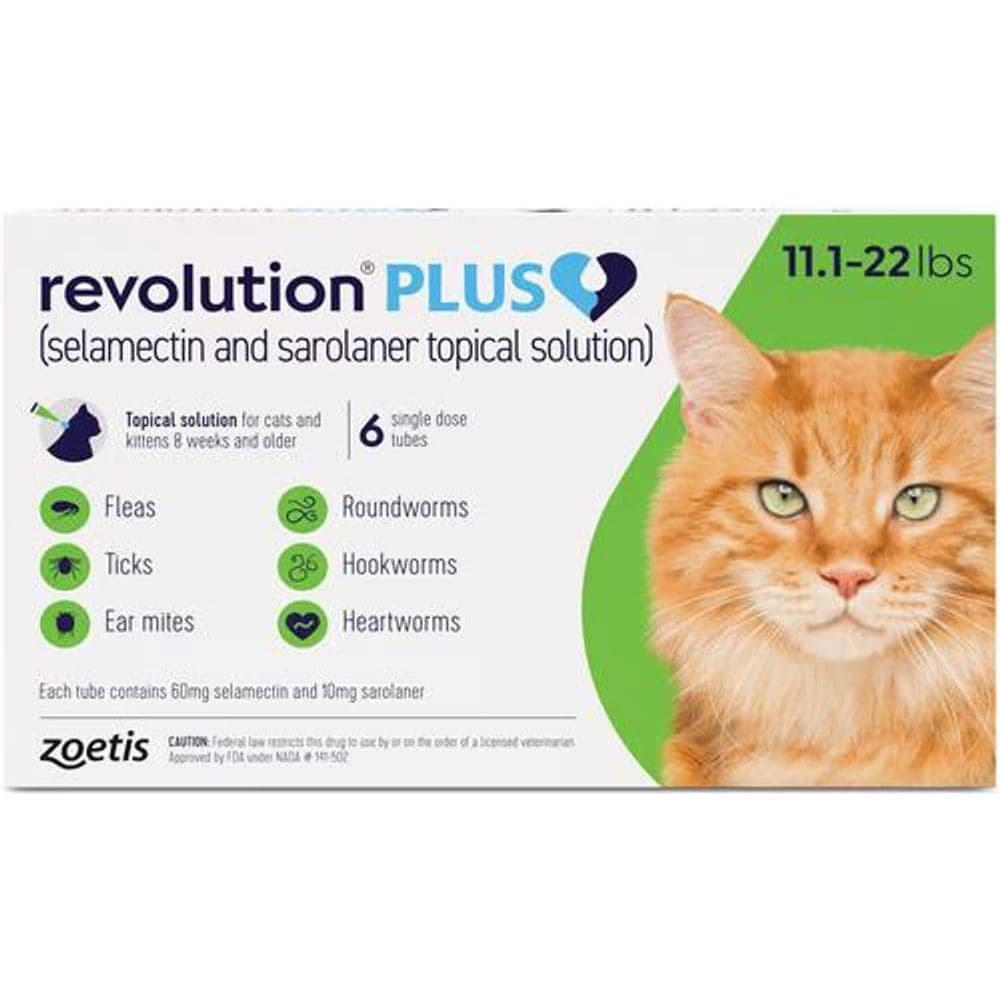
Monthly topical that protects cats from fleas, ticks, ear mites, roundworms, hookworms, and heartworm.
Webvet may earn a commission when you click through to Chewy, at no extra cost to you.
The rest of this article walks through each category: how to do the safe methods correctly, why the dangerous ones poison cats, what the evidence actually says about vinegar and baking soda, and when the responsible move is a vet-approved product instead.
Natural flea remedies that actually work on cats
The fastest safe way to get fleas off your cat is a fine-toothed flea comb dipped in a bowl of warm soapy water. Comb daily, concentrating on the neck and tail base where fleas gather, and drown each captured flea in the soapy water. Combined with daily vacuuming and hot-washing bedding, this removes most adult fleas within days.
No treatment at all? Combing, bathing, and cleaning the home are exactly how you reduce fleas on a cat without applying any product. They work because they physically remove fleas rather than poisoning them. Their limit is that they only touch the adult fleas currently on your cat, which is a small slice of the true problem.

The flea comb and soapy water method, step by step
A flea comb has teeth spaced closely enough to trap adult fleas and flea dirt (flea feces, which look like black pepper) as it passes through the coat. What kills the fleas naturally is the soapy water: dish soap breaks the surface tension so fleas sink and drown instead of springing away.
- Fill a small bowl with warm water and a squirt of plain dish soap.
- Settle your cat somewhere calm, on a towel or light-colored blanket so fleas and flea dirt show up.
- Comb in the direction of hair growth, starting at the head and working back. Focus on the neck, chin, base of the tail, groin, and armpits.
- After each pass, dip the comb in the soapy water and wipe it on a paper towel to drown trapped fleas.
- Repeat daily for at least three to four weeks, since new adults keep emerging from pupae in your home.
Daily combing also doubles as monitoring. The Companion Animal Parasite Council's flea guidelines emphasize that the cat flea, Ctenocephalides felis, reproduces fast: a single female can lay dozens of eggs per day, and those eggs fall off your cat into carpet and bedding. If your comb keeps coming up with fleas after weeks of daily work, the environment is refueling the problem.
Not sure whether the black specks in the comb are fleas or ordinary dirt? Do the wet paper towel test. Tap the debris onto a damp white paper towel: flea dirt is digested blood, so it dissolves into rusty red-brown halos within a minute. Plain dirt stays gray or black. A positive test confirms live fleas are feeding on your cat even if you never see one jump.
A lukewarm bath with cat-safe shampoo
A bath in lukewarm water with a mild, cat-safe shampoo drowns and rinses away a large share of the adult fleas on your cat in one session. You do not need a 'flea shampoo' for this to work; plain water and gentle lather do the physical removal. Wet the neck first so fleas cannot retreat to the head.
Two cautions keep this method safe. First, use only shampoos labeled for cats: many dog flea shampoos contain permethrin, which is severely toxic to cats even in small amounts. Second, skip the bath if your cat panics in water. A terrified, scratching cat is a bigger health risk than the fleas, and the comb achieves the same removal more slowly.
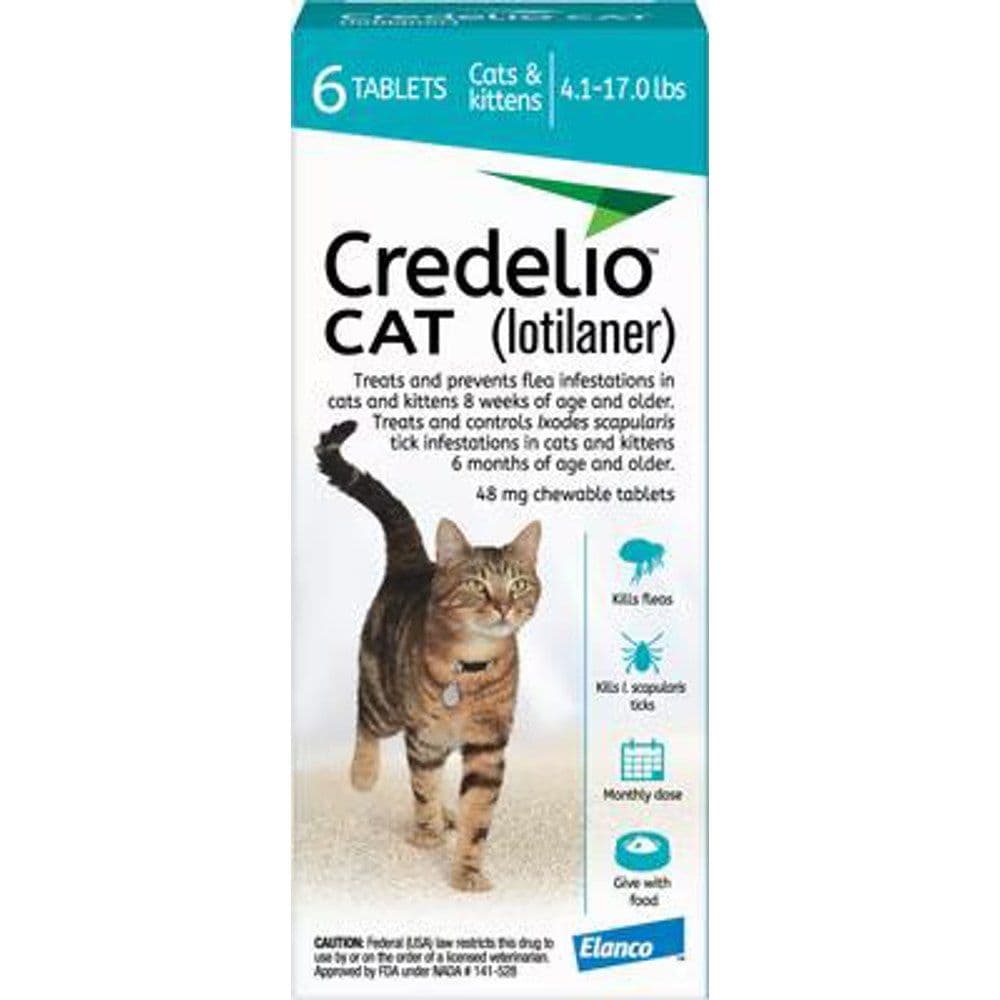
Monthly chewable tablet that kills fleas and treats and controls tick infestations in cats and kittens.
Webvet may earn a commission when you click through to Chewy, at no extra cost to you.
Why physical removal beats every home recipe
The Merck Veterinary Manual describes the flea life cycle as four stages: egg, larva, pupa, and adult. Adult fleas on your cat are only about 5% of the total population in an infested home. Eggs, larvae, and pupae hide in carpet, upholstery, bedding, and floor cracks, and pupae can wait weeks before hatching.
That biology is why honest efficacy framing matters. Combing and bathing remove adults; they cannot reach the immature stages seeding your home. Natural methods manage a light flea problem and are the only safe option for very young kittens, but they do not break the flea life cycle. A genuine infestation needs environmental cleaning at minimum, and usually a vet-approved product.
Dangerous 'natural' flea remedies you should never use on a cat
The short answer on homemade flea killers: do not make one. Nearly every homemade flea-killer recipe circulating online, essential-oil sprays, garlic supplements, lemon rinses, vinegar dips, was written for dogs or for household surfaces, and several of the core ingredients are documented feline toxins. 'Natural' does not mean safe for a species that grooms every residue off its own coat.
Cats are uniquely vulnerable for two reasons. Their livers are deficient in the glucuronidation enzymes that other species use to clear phenols and essential-oil compounds, so these chemicals build up to toxic levels. And because cats groom constantly, anything sprayed on their fur or their environment ends up swallowed.
Essential oils, including tea tree oil
Essential oils are the single most dangerous category of 'natural' flea remedy for cats. Pet Poison Helpline lists tea tree (melaleuca), pennyroyal, peppermint, clove, cinnamon, wintergreen, and citrus oils among the oils toxic to cats. Concentrated tea tree oil applied to a cat's skin has caused tremors, ataxia (a drunken, wobbly gait), liver damage, and death.
The danger is not limited to applying oil directly. Cats have absorbed toxic doses from oil diffusers running in small rooms, from owners petting them with oil residue on their hands, and from grooming a housemate treated with an oil-based dog product. Signs of essential-oil poisoning include:
- Drooling, vomiting, or pawing at the mouth
- Wobbliness, tremors, or weakness
- Low body temperature and lethargy
- Labored breathing after inhaling diffused oils
- The smell of the oil on the fur, skin, breath, or vomit
Garlic and onion: red blood cell damage
The claim that garlic repels fleas has no supporting evidence, and garlic is on the ASPCA Animal Poison Control list of foods toxic to cats. Garlic, onion, chives, and leeks contain sulfur compounds (organosulfoxides, often summarized as thiosulfate toxicity) that oxidize feline hemoglobin and rupture red blood cells, causing Heinz body hemolytic anemia.
Cats are considerably more sensitive to these compounds than dogs, and the damage is cumulative: a small daily 'flea prevention' dose of garlic powder in food is exactly the exposure pattern that builds toward anemia. Signs, which can lag days behind ingestion, include weakness, pale gums, rapid breathing, and dark or reddish urine.
Lemon juice and citrus: irritant at best, toxic at worst
Does lemon juice kill fleas on cats? No. Diluted lemon juice does not kill fleas at any meaningful rate, and citrus is a poor choice to put on a cat at all. Citrus fruits contain essential oils (limonene and linalool) and compounds called psoralens; concentrated citrus-oil extracts are toxic to cats, causing drooling, vomiting, tremors, and skin irritation.
The popular 'boiled lemon spray' recipe extracts exactly those oils from the peel into the water. A light kitchen-made spray is unlikely to kill a healthy adult cat, but it can irritate skin and mouth, cats hate the smell, and it still does not solve your flea problem. There is no version of the citrus remedy worth the risk.
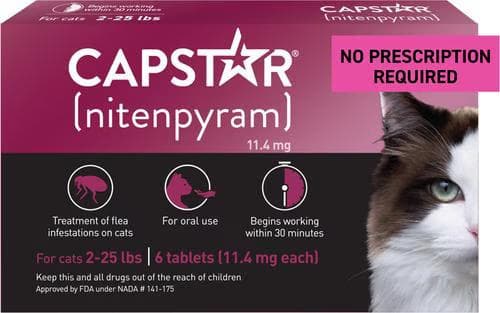
Webvet may earn a commission when you click through to Chewy, at no extra cost to you.
Other 'natural' products to keep away from cats
- Pennyroyal oil: a traditional herbal flea remedy that is one of the most dangerous oils for pets, linked to liver failure.
- Cedar oil and heavily cedar-scented bedding: cedarwood oil products are hazardous to cats through skin contact and grooming.
- Eucalyptus, whether as oil or fresh branches: toxic to cats when ingested during grooming.
- Herbal flea collars: many rely on the same essential oils listed above, sitting against your cat's skin around the clock.
- Undiluted vinegar dips or 'vinegar baths': strongly irritating to skin, eyes, and any flea-bite wounds.
SponsoredVet care that's always there
Unlimited video calls and messaging with licensed vets for less than a typical vet visit. One membership covers up to five pets.
Use code Pets30
Plans start at $11/month · covers up to 5 pets
- Licensed vets in most states
- Rx for 150+ conditions
- 4.7 on Trustpilot
Vinegar, baking soda, and other popular home methods: what the evidence says
The honest verdict on the internet's favorite pantry remedies: apple cider vinegar does not kill fleas, baking soda is a weak substitute for a vacuum cleaner, and neither belongs on your cat. They persist in flea articles because they are cheap and familiar, not because they work.
Household chemicals get asked about just as often; our does bleach kill fleas guide covers bleach, vinegar, Dawn, baking soda, and salt with a pet-safety verdict for each.
Apple cider vinegar
Vinegar's acidity does not kill fleas or their eggs. At most, the smell and taste may make a cat's coat briefly less appealing, a mild repellent effect that fades as the spray dries. Meanwhile, spraying an acidic solution on a cat stings any broken skin from flea bites, irritates the eyes, and prompts frantic grooming of the residue.
Feeding apple cider vinegar in water is no better: there is no evidence that ingested vinegar changes skin chemistry enough to deter fleas, and many cats will simply stop drinking, which risks dehydration and urinary problems. If you want a genuinely natural approach, the comb outperforms vinegar in every measurable way.
Baking soda and salt
The theory is that baking soda or fine salt worked into carpet dries out flea eggs and larvae. The drying effect is real but modest, far weaker than a vacuum's mechanical removal, and it does nothing to pupae in their protective cocoons. If you use it, treat it as a pre-vacuum step on carpets, never as a powder on the cat.
Dumped in quantity, baking soda and salt create their own problems: cats that walk through the powder and groom it off can ingest enough to cause vomiting or electrolyte imbalances, and fine powder is rough on both feline and human airways. The vacuum does the same job better with none of the exposure.
Getting fleas off a cat that cannot be bathed
Plenty of cats will never accept a bath, and that is fine: bathing is optional, combing is not. A no-bath natural plan looks like this:
- Flea-comb daily with the soapy-water bowl, in several short sessions if your cat's patience is limited.
- Wipe the coat with a barely damp (plain water) microfiber cloth to pick up flea dirt between combings.
- Shift your effort to the environment: vacuuming and hot-washing bedding matter more than any on-cat method.
- If daily combing still is not keeping up, ask your vet about an oral or spot-on product; most require no bathing at all.
A quick honest scorecard before the details: if you are trying to get rid of fleas on cats naturally, vinegar, baking soda, and salt are the weakest tools in the drawer. People reach for these home remedies because they are cheap and already in the kitchen, and because they seem to offer a way to treat fleas without bathing a cat that hates water. The problem is that none of them breaks a flea problem on its own, and a couple can irritate or even poison a cat that grooms the residue off its own fur.
Vinegar, baking soda, and salt: honest efficacy at a glance
- Vinegar, including apple cider vinegar, does not kill fleas or their eggs. The most you get is a faint sour smell that some fleas briefly avoid, and it disappears the moment the coat dries.
- Baking soda is a mild drying powder on carpet, far weaker than a vacuum and useless against pupae sealed inside their cocoons. It does nothing on a cat except give it something unpleasant to lick off.
- Salt runs on the same weak drying idea as baking soda, and carries the same risk: a cat that walks through it and grooms can swallow enough to upset its stomach or throw off its electrolytes.
- The no-bath angle is the one honest appeal here. You genuinely can lower the flea count without bathing your cat, but the tool that does it is a flea comb plus daily vacuuming, not a pantry spray.
So the realistic role for these methods is small, and it belongs off the cat. Baking soda or salt can serve as a brief pre-vacuum sprinkle on carpet, and diluted vinegar is fine for wiping down hard floors during a clean-up. The cat itself should only ever meet a flea comb, a cat-safe shampoo, and plain water. If you want a natural routine that actually lowers the flea burden, put your energy into combing and vacuuming rather than kitchen sprays, and never treat a vinegar rinse or a baking soda dusting as a substitute for a vet-approved product once a real infestation has taken hold in your home.
Natural flea control for your home (where 95% of the problem lives)
The most effective natural flea control in your home is mechanical: vacuum every floor your cat uses daily, hot-wash all pet bedding weekly, and keep it up for at least a month. Because roughly 95% of a flea infestation exists as eggs, larvae, and pupae in the environment, home cleaning does more total damage to the flea population than anything you do to the cat.
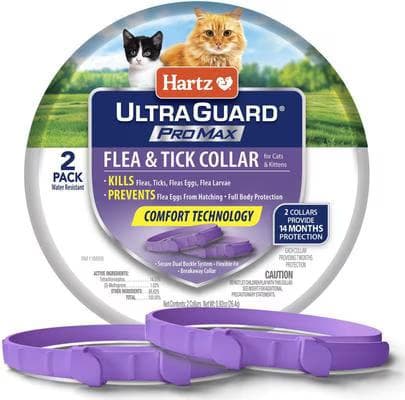
Webvet may earn a commission when you click through to Chewy, at no extra cost to you.

This applies to indoor-only cats too. Fleas hitchhike into homes on shoes, pant legs, dogs, and visiting pets, and they thrive year-round in heated houses regardless of the season outdoors. An indoor cat with fleas almost always means the home itself is seeded, which makes the cleaning routine below the heart of the fix.
The daily vacuum routine
Vacuuming physically removes eggs and larvae, and the vibration stimulates pupae to hatch so the emerging adults get sucked up or exposed. Work slowly over carpets, rugs, upholstered furniture, along baseboards, and under beds and sofas where larvae hide from light. Empty the canister or seal the bag outside afterward so captured fleas cannot crawl back out.
Wash bedding, blankets, throw covers, and soft cat-tree pads in hot water and dry on high heat weekly; heat kills every flea stage in fabric. Steam cleaning carpets adds another chemical-free kill step for stubborn areas. Expect to maintain the routine for four to six weeks, because pupae can keep hatching for weeks after you start.
Diatomaceous earth: the honest caveats
Diatomaceous earth (DE) is a fine powder of fossilized algae that kills some insects by abrading their waxy coating and drying them out. It has a real but limited effect on flea larvae in carpets. If you use it at all, the rules are strict: food-grade DE only (never pool-grade, which is treated and far more dangerous to lungs), applied thinly to carpets and cracks, left briefly, then vacuumed up.
Never apply DE to your cat. The same abrasive action severely dries feline skin, and the airborne dust irritates lungs, yours and your cat's. Cats groom any powder off their coat and stir up dust from treated carpet as they walk. For most homes, the vacuum-and-hot-wash routine achieves more with zero inhalation risk.
This section covers the natural core of home flea control. For the complete room-by-room plan, including yard treatment, wildlife pressure, and when an environmental spray or professional treatment is justified, see our full guide to how to get rid of fleas in your house and yard.
Kitten-safe flea removal
For kittens under 8 weeks old, the flea comb is the only safe flea treatment, natural or otherwise. Almost no flea product, chemical or herbal, is labeled for kittens that young, and their small bodies make both toxins and blood loss far more dangerous than in adult cats.
Fleas are not a minor nuisance for kittens. A heavy flea burden can drain enough blood to cause life-threatening anemia in a kitten within days. If you find fleas on a young kitten, start removal the same day and involve a veterinarian early rather than waiting to see how it goes.
- Comb gently with a fine flea comb once or twice daily, drowning fleas in soapy water. For tiny kittens, picking fleas off with tweezers into soapy water also works.
- If the kitten is heavily infested, a brief lukewarm bath with a drop of gentle dish soap can help, but only if you can dry the kitten quickly and completely. Chilling is a real danger; keep the room warm and towel-dry thoroughly.
- Hot-wash the kitten's bedding daily and vacuum the nursery area; the mother cat (if present) needs her own vet-appropriate flea plan.
- Watch the gums: pale or whitish gums, weakness, or cold ears in a flea-ridden kitten are an emergency. Go to the vet the same day.
From 8 weeks and roughly 1.5 to 2 pounds of body weight, several vet-approved products become options; your vet can match one to your kitten's exact age and weight. Until then, the comb, warmth, clean bedding, and close monitoring are the entire safe toolkit. Never 'scale down' an adult dose, and never use any essential-oil product on a kitten.
When natural remedies are not enough
If you are still combing live fleas off your cat after two to three weeks of daily combing and aggressive home cleaning, the life cycle is outrunning you, and it is time for a vet-approved product. That is not a failure of diligence; it is the math of an insect that lays 40 to 50 eggs a day against a comb that catches adults one at a time.
Modern feline flea products are a different class of tool. Prescription oral isoxazolines such as Credelio CAT kill adult fleas fast enough to stop egg-laying, and prescription spot-ons such as Revolution Plus and Bravecto PLUS for cats pair flea control with protection against ticks and other parasites. For a same-day knockdown of adult fleas, vets sometimes add oral nitenpyram (Capstar), though its effect only lasts about a day.
Choosing between orals, spot-ons, and collars depends on your cat's age, weight, health, and lifestyle, and several of the most effective options are prescription-only. Our vet-reviewed guide to the best flea treatment for cats compares the options in detail so you can have an informed conversation with your vet.
Dealing with a full infestation
A full-blown infestation, fleas visibly jumping on floors, multiple pets scratching, bites on human ankles, needs a coordinated eradication plan: treat every pet, clean the entire environment on a schedule, and keep both up for weeks. That complete step-by-step process is beyond this article's scope; follow our pillar guide on how to get rid of fleas on cats, which sequences the on-cat treatment, home cleaning, and follow-up timeline.
The natural methods in this article slot directly into that plan as the safe on-cat removal and environmental-cleaning layers. What changes at infestation scale is the necessity of a vet-approved product and the discipline of the schedule, since missing a week of cleaning or a dose lets the pupae reservoir restart the cycle.
When to stop and call your vet
Natural flea control assumes a basically healthy adult cat with a light flea problem. Some situations take the decision out of the home-remedy category entirely. Call your veterinarian promptly if you see any of the following:
- Pale gums, lethargy, weakness, or rapid breathing: possible flea anemia, especially urgent in kittens and seniors.
- Rice-like segments around the tail or in bedding: tapeworms, which cats catch by swallowing infected fleas while grooming and which need a dewormer from your vet.
- Scabs, crusts, or bald patches, especially along the back and tail base: likely flea allergy dermatitis, where even a few bites keep a cat miserable.
- Any suspected exposure to essential oils, garlic, permethrin, or another toxin: call the vet or a poison-control hotline immediately.
- Fleas persisting past three to four weeks of consistent natural control: the life cycle needs a product to break it.
A quick vet visit is also the cheapest point of intervention. Flea anemia, tapeworm infections, and skin infections from scratching all cost more to treat, in money and in your cat's comfort, than a timely exam and an appropriate flea product.
Frequently asked questions
How do I get fleas off my cat quickly?
Comb your cat with a fine-toothed flea comb dipped in warm soapy water, focusing on the neck and tail base, and drown each flea you catch. A lukewarm bath with a cat-safe shampoo removes many adults in one session. For same-day, whole-body knockdown, ask your vet about fast-acting products; combing alone takes days of repetition.
What kills fleas naturally on cats?
Soapy water kills fleas that a comb pulls off the coat, bathing drowns fleas on the cat, hot water in the washing machine kills all flea stages in bedding, and vacuuming removes eggs and larvae from carpet. No safe natural substance kills fleas while sitting on a cat's coat; the effective natural methods are all physical removal.
How can I make a homemade flea killer for my cat?
Please don't. Common homemade flea-killer ingredients, essential oils, garlic, lemon, and concentrated vinegar, are toxic or harmful to cats, and none reliably kills fleas anyway. The only homemade tool worth making is a bowl of warm soapy water to pair with a flea comb. If combing is not enough, a vet-approved product is the safe next step.
Is apple cider vinegar safe for cats with fleas?
Vinegar does not kill fleas, and spraying it on a cat irritates flea-bitten skin and eyes while the cat grooms off the residue. Adding it to drinking water can put cats off drinking altogether. It is not acutely poisonous the way essential oils are, but there is no benefit to weigh against the irritation.
Can I use diatomaceous earth on my cat for fleas?
No. Even food-grade diatomaceous earth should never go on a cat: it severely dries the skin, and the fine dust irritates the lungs of both cats and people. If used at all, restrict it to a thin application on carpets and floor cracks, then vacuum it up. Vacuuming and hot-washing bedding accomplish more with no inhalation risk.
What is the safest flea treatment for kittens?
For kittens under 8 weeks, the only safe treatment is daily flea combing, plus warmth, clean hot-washed bedding, and vet supervision if the flea load is heavy, since kittens can become dangerously anemic from fleas. From 8 weeks and about 2 pounds, your vet can prescribe a product matched to the kitten's exact age and weight.

Editor
The Webvet Editorial Team is the in-house group of pet-care editors and writers behind Webvet, operated by Smart Pet Collective. The team researches, writes, and maintains Webvet's pet health, behavior, and medication content. Every article follows a defined editorial process: research from reputable veterinary and scientific sources, careful drafting, mandatory review of medical content by a credentialed veterinarian, and dated publication. Health and medication articles are medically reviewed by a licensed veterinary professional before they go live and are kept current over time.
Veterinarian · BVMS MRCVS
Dr. Pippa Elliott, BVMS, MRCVS, is a veterinarian with nearly 30 years of experience in companion animal practice. Dr. Elliott earned her Bachelor of Veterinary Medicine and Surgery from the University of Glasgow. She was also designated a Member of the Royal College of Veterinary Surgeons. Married with 2 grown-up kids, Dr. Elliott has a naughty Puggle named Poggle, 3 cats and a bearded dragon.


