How to Get Rid of Fleas in the House and Yard
Learning how to get rid of fleas in the house means treating your pets, your home, and your yard on the same day, then repeating for several weeks to outlast the flea life cycle. This vet-reviewed guide walks you through every step and explains why fleas keep coming back.

BVMS MRCVS
Medically reviewed by Dr. Pippa Elliott, BVMS MRCVS · Last reviewed

This article contains affiliate links. Webvet may earn a commission when you buy through them, at no extra cost to you.
Learning how to get rid of fleas in the house comes down to one rule: treat all three zones at once, every pet, the whole home, and the yard, on the same day.
Fleas spend most of their lives off your pet as eggs, larvae, and pupae hidden in carpet, bedding, and soil, so killing only the adults you can see leaves the next generation waiting to hatch.
- 1Treat all pets, the entire home, and the yard on the same day. Skipping any one zone lets fleas bounce right back.
- 2Vacuum every day and wash all bedding in hot water to physically remove eggs, larvae, and pupae the chemicals miss.
- 3Use products with an insect growth regulator (IGR). Adulticides kill the fleas you see, but IGRs stop eggs and larvae from ever maturing.
- 4Keep treating for at least three to four weeks. Cocooned pupae keep hatching, which is why fleas seem to reappear.
- 5Put every pet on a year-round, vet-recommended preventive so an infestation never gets started again.
The winning move is to vacuum daily, wash bedding hot, treat every pet with a vet-recommended product, treat carpets and the yard, and keep it up for three to four weeks to outlast the flea life cycle.
It feels overwhelming when fleas take over, but it is solvable with a clear plan and a little persistence. Below is a step-by-step action plan for your first 48 hours, the science behind why fleas are so stubborn, and an honest look at which home remedies actually work.

 Sponsored
Need flea, tick, or parasite care for your pet?
A licensed vet at Dutch can recommend the right preventive and prescribe it when it's appropriate. Annual members get 20% off their first flea and tick order.
Use code Pets60
Plans start at $12/month · covers up to 5 pets
- Licensed vets in most states
- Rx for 150+ conditions
- 4.7 on Trustpilot
How to Get Rid of Fleas in the House and Yard (Quick Answer)
How to get rid of fleas in the house in one line: attack all four life stages at once, everywhere fleas live.
On day one, work through all four fronts at once:
- Treat each pet with a vet-recommended flea product
- Vacuum every carpet and upholstered surface
- Wash all bedding in hot water
- Apply a flea control product containing an insect growth regulator to floors and yard
Then repeat the vacuuming and washing for three to four weeks so newly hatched fleas die before they can lay eggs.
The most common reason flea control fails is stopping too soon or treating only one area. Treat the pet but not the carpet, or the carpet but not the yard, and the survivors re-colonize within days. Consistency across every zone is what finally breaks the cycle.
Your First 48 Hours: A Step-by-Step Action Plan
Here is exactly how to get rid of fleas in the house fast, in order. Do these in a single day if you can, because together they work far better than spread out.
- Vacuum everything. Carpets, rugs, upholstery, cushions, baseboards, floor cracks, and your car. Empty the canister into a sealed bag and put it in an outdoor bin right away.
- Wash all bedding in hot water. Pet beds, blankets, throws, and your own sheets if pets sleep with you. Use the hottest setting the fabric allows, then a hot dryer cycle.
- Treat every pet the same day. Apply a vet-recommended flea product to each dog, cat, ferret, or rabbit, even pets that never go outside. One untreated animal keeps the whole infestation alive.
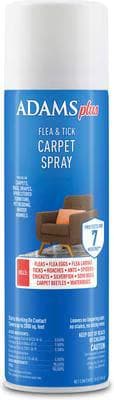
- Treat carpets and the home. After vacuuming, apply a product with both an adulticide and an insect growth regulator, such as Adams Plus Flea & Tick Carpet Spray, to carpets and resting areas, following the label and keeping pets and kids off until dry.
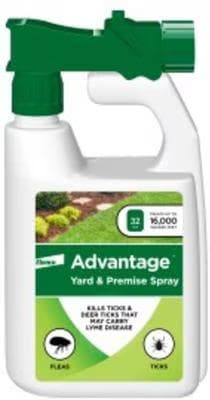
- Treat the yard. Focus on shady, moist spots where pets rest. Clear debris first, then apply beneficial nematodes or a labeled yard insecticide such as Advantage Yard & Premise Spray to those zones.
- Schedule your follow-ups. Plan to vacuum daily and re-treat the home and yard as directed, usually every one to two weeks, for the next month. This is the step most people skip, and the one that wins.
Webvet may earn a commission when you click through to Chewy, at no extra cost to you.
Why Fleas Are So Hard to Kill: The Flea Life Cycle
Fleas are hard to kill because the adults biting your pet are only about 5 percent of the population. The other 95 percent are eggs, larvae, and pupae hiding in carpet, bedding, and yard, where most sprays cannot fully reach.
Understanding the flea life cycle is the key to beating it, because each stage needs a different attack.
Egg, Larva, Pupa, Adult, and the Timeline for Each
A single female flea can lay 40 to 50 eggs a day on your pet. The eggs are smooth and roll off into carpet, bedding, and soil, seeding your whole home, then hatch into larvae within days.
Larvae are tiny, worm-like, and avoid light, so they burrow into carpet fibers and ground cover, feeding on flea dirt left by adults. After one to two weeks they spin a sticky cocoon and become pupae, and adults later emerge to find a host.
In a warm, humid home the whole cycle can run in two to three weeks, which is how a few fleas explode into an infestation.
The Pupae Problem: Why Fleas Reappear After You Thought They Were Gone
Pupae are why fleas seem to come back from nowhere. The sticky cocoon shields the developing flea from most insecticides, vacuuming, and even cold, and it can stay sealed inside for weeks, sometimes months, waiting for a host.
The trigger to emerge is warmth, carbon dioxide, and vibration, exactly what a walking pet or person provides. That is why a fresh wave of fleas often appears a week or two after you start treating, or right after you return from vacation.
Helpfully, vacuuming tricks pupae into hatching early, exposing the new adults to your treatments. This pupal window is the single biggest reason to keep treating for three to four weeks instead of quitting once visible fleas are gone.
How Long Does It Take to Get Rid of Fleas?
Plan for three to four weeks of consistent effort for most infestations, and up to three months for a heavy one. The timeline is set by the life cycle: you have to keep killing newly hatched adults until the last protected pupae emerge and die.
Treat once and stop, and you will almost certainly see fleas again.
How to Tell If You Have a Flea Infestation
The earliest sign of a flea infestation in the house is a pet that suddenly scratches, bites, or licks more than usual, especially around the tail base, belly, and hind legs.
You may also spot fleas or their droppings on your pet, or small itchy bites on your own ankles. Catching it early makes it far easier to control.
Signs of Fleas on Your Pet
Watch your pet for these warning signs:
- Persistent scratching and restlessness
- Red or irritated skin
- Hair loss along the back and tail
- Small scabs on the skin
Some pets develop flea allergy dermatitis, an allergic reaction to flea saliva that causes intense itching from just a bite or two. Our guides on fleas on dogs and spotting fleas on cats cover exactly what to look for on each species.
How to Detect Fleas in Your Home (the White Sock Test)
To check your home for fleas, pull on tall white socks and walk slowly across your carpets, especially in dim, warm rooms and where your pet sleeps. Hungry adults jump onto the light fabric, where you can see them as dark specks.
It is a simple, free way to confirm an infestation and to track whether your treatment is working over the following weeks.
Flea Dirt vs. Regular Dirt (the Wet Paper Towel Test)
Flea dirt is flea droppings made of digested blood, and a quick test sets it apart from ordinary dirt. Comb a few black specks onto a damp white paper towel: if they smear reddish-brown, it is flea dirt and confirms fleas even if you cannot find a live one.
If it stays black, it is just dirt. This trick is especially useful on pets where adults are hard to spot.
How to Get Rid of Fleas on Your Pet (Treat This First)
Start with your pets, since they are the moving source of every egg dropping into your home.
Treat all pets at once with a product your veterinarian recommends, and never assume an indoor-only pet is safe. In fact, indoor cats can still get fleas carried in on clothing, on dogs, or by other animals, so they need protection too.
Bathing and Flea Combing
A bath with mild soap and a thorough pass with a fine-toothed flea comb gives fast, drug-free relief by removing adult fleas; comb in sections and dip the comb in soapy water to drown what you catch. For adult dogs and cats, a dedicated flea shampoo such as Adams Plus Flea & Tick Shampoo adds extra knockdown during the bath.
Bathing and combing will not end an infestation on their own, but they are a gentle first step, especially for puppies and kittens too small for many medications. Confirm any shampoo is age-appropriate with your vet first.
Vet-Recommended Flea Treatments
Modern prescription flea treatments are the backbone of getting fleas off your pet and keeping them off. They come in three main forms:
- Oral medications: chewables, including the isoxazoline class, that kill fleas through the bloodstream and are unaffected by bathing or swimming.
- Topical spot-ons: liquids applied to the skin that spread over the body and kill fleas on contact.
- Collars: modern medicated collars can give months of protection when used under veterinary guidance.
Your vet can match the right product to your pet's species, age, weight, lifestyle, and health. Dosing is never interchangeable between dogs and cats, so always use a product labeled for that specific animal.
A Word of Caution on Flea Collars and OTC Products
Not every store-shelf product is safe for every pet, and some older over-the-counter formulas carry real risk. The most important rule is to never use a dog flea product on a cat, because many canine spot-ons contain permethrin or related pyrethroids that are highly toxic to cats.
Read every label, follow the weight range exactly, and ask your vet when in doubt.
 Sponsored
Vet care that's always there
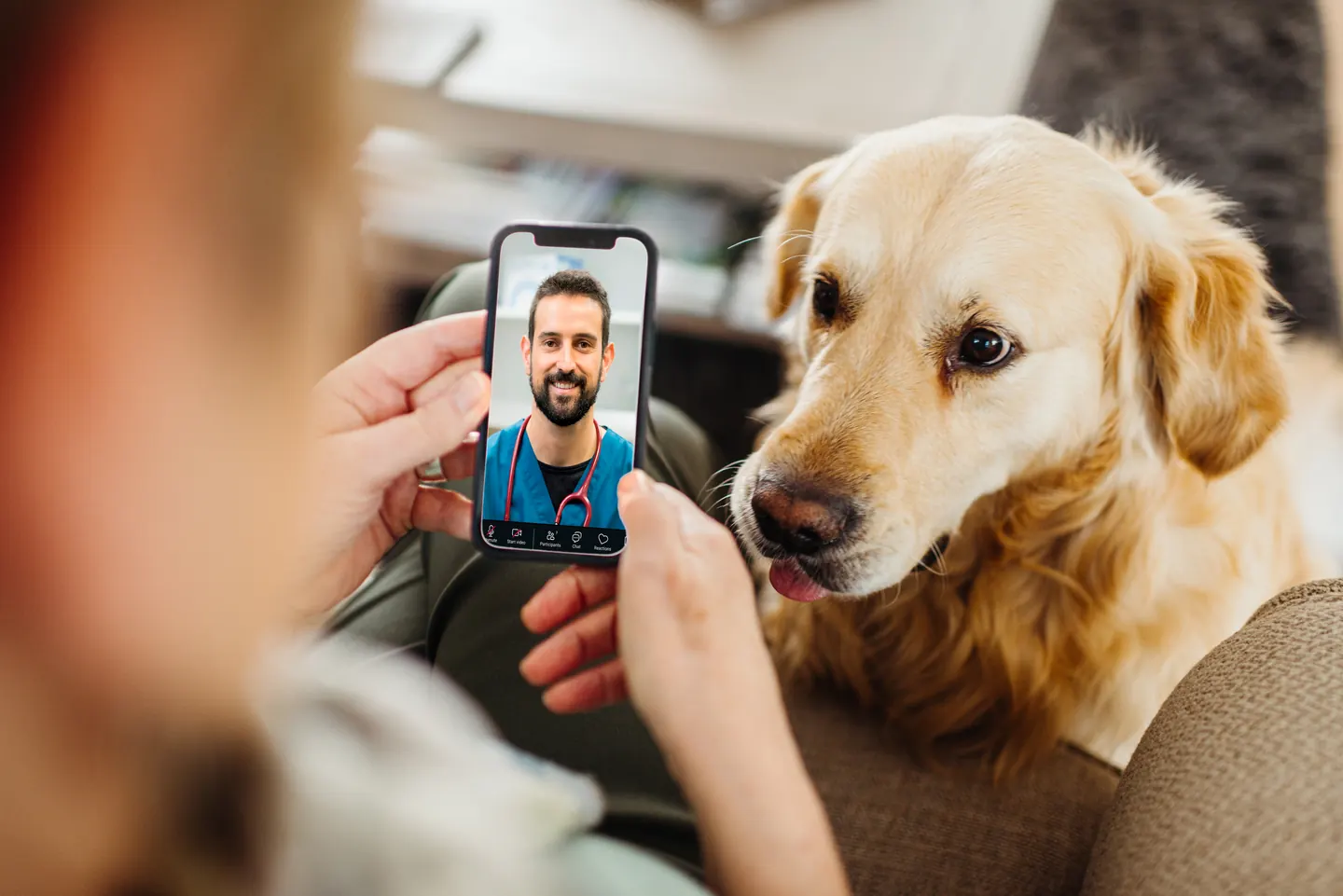
Unlimited video calls and messaging with licensed vets for less than a typical vet visit. One membership covers up to five pets.
Use code Pets60
Plans start at $12/month · covers up to 5 pets
- Licensed vets in most states
- Rx for 150+ conditions
- 4.7 on Trustpilot
How to Get Rid of Fleas in the House
Once your pets are protected, knowing how to get rid of fleas in the house itself is what ends the infestation, because most of the flea population is hiding indoors.

The goal is to remove and kill eggs, larvae, and pupae across every surface, then stop survivors from maturing. Daily vacuuming, hot washing, and an insect growth regulator (found in home sprays like Adams Flea & Tick Home Spray) do this better than any single tactic.
Vacuum Every Day (and Where to Focus)
Daily vacuuming is one of the most powerful and underrated flea tools you have. It removes adults, eggs, larvae, and flea dirt, and the vibration coaxes protected pupae to hatch early so your treatments can finish them.
Focus on carpet edges and baseboards, under furniture, beneath cushions, pet resting spots, and dark corners, then empty the canister into an outdoor bin immediately.
How to Get Rid of Fleas in Carpet
Carpet is a flea nursery, so get rid of fleas in the carpet with a layered approach. Vacuum thoroughly, then steam clean, because heat and moisture kill fleas at every life stage.
For ongoing control, apply a product combining an adulticide with an insect growth regulator to kill emerging adults and stop eggs and larvae developing. Sprinkling fine salt or baking soda before vacuuming can add modest help. Keep pets and kids off until fully dry.
Webvet may earn a commission when you click through to Chewy, at no extra cost to you.
Wash All Bedding, Pet and Human, in Hot Water
Hot-water washing is a simple, chemical-free way to wipe out every flea stage in soft goods. Gather all pet beds, blankets, throws, and any human bedding your pet uses, wash them in the hottest water the fabric tolerates, then run a hot dryer cycle, and repeat weekly while clearing the infestation. A flea laundry additive such as TropiClean Natural Flea + Tick Laundry Additive adds another layer for loads that cannot run hot.
If a cheap pet bed is heavily infested, replacing it is often easier.
Treating Furniture, Upholstery, and Hard Floors
Do not stop at the carpet. Vacuum upholstered furniture, including under and between cushions, and use a labeled upholstery treatment such as Zodiac Carpet & Upholstery Flea & Tick Spray where appropriate.
Many owners reach for bleach at this point; our does bleach kill fleas guide explains what it does and does not do and how to use it safely around pets.
Hard floors matter too, because eggs and larvae collect in board seams and along baseboards, so vacuum and mop those cracks. If your pet rides in the car, treat the vehicle as well, since it is a common reinfestation source people overlook.
IGRs vs. Adulticides: What Actually Breaks the Cycle
If you remember one thing about flea sprays, make it this: insect growth regulators are what truly break the cycle. Adulticides kill the adults you see and give quick relief, but do little to the eggs and larvae that are most of the population.
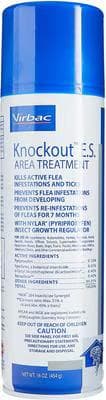
Insect growth regulators such as methoprene and pyriproxyfen stop eggs and larvae from ever maturing, so the next generation collapses. The best home products combine both, so look for an insect growth regulator on any flea product label. Combination sprays such as Virbac Knockout E.S. Area Treatment Spray pair a fast adulticide with an insect growth regulator in one can.
How to Get Rid of Fleas in the Yard
To get rid of fleas in the yard, target the cool, shaded, humid spots where they survive, not the whole lawn. Fleas dry out and die in open sun, so treating everywhere wastes product. Concentrate on the zones your pet uses and where wildlife passes through.

Where Fleas Hide Outdoors
Fleas concentrate in shade and moisture. Outdoors, the hot spots are:
- Under decks and porches
- In tall grass and beneath shrubs
- In leaf litter and mulch
- Wherever your pet lies down, plus crawl spaces and the cool ground beside the house
Identifying these microclimates lets you put your effort exactly where the fleas are.
Mow, Rake, and Clear Debris
Yard cleanup is free and surprisingly effective. Mow regularly, rake up leaf litter and clippings, and clear brush so sunlight and air dry the soil, conditions fleas hate.
Removing debris also discourages the rodents and wildlife that carry fleas in. Do this before applying any treatment so products can reach the soil.
Beneficial Nematodes: Natural Outdoor Flea Control
Beneficial nematodes are microscopic worms that eat flea larvae in the soil, a natural, pet-friendly way to cut outdoor fleas. Mix them with water, spray the shaded, moist areas where larvae live, and keep those zones damp so the nematodes stay active.
They are harmless to people, pets, and plants. Results take time, so pair them with yard cleanup. If you prefer a plant-based spray for those same shaded zones, Wondercide Yard & Garden Spray and Cedarcide YardSafe Lawn Spray are both labeled for outdoor flea control.
Yard Sprays and IGRs (Application Schedule)
For heavier outdoor infestations, a yard insecticide labeled for fleas, ideally one with an insect growth regulator, can knock the population down. Options such as Adams Plus Flea & Tick Yard Spray are labeled for exactly these outdoor zones. Apply it to shaded, pet-frequented zones rather than the whole lawn, and follow the label for repeat applications, often every few weeks in peak season.
Keep pets and kids off until dry, store products out of reach, and consider a licensed pest control company if you would rather not apply chemicals yourself.
Webvet may earn a commission when you click through to Chewy, at no extra cost to you.
Keep Wildlife (and New Fleas) Out
Wild animals are rolling flea taxis, so making your yard less inviting prevents constant reinfestation. Secure trash cans, remove fallen fruit and outdoor pet food, seal gaps under decks and sheds, and fence off spots where opossums, raccoons, stray cats, and feral rabbits shelter.
Fewer visitors means fewer new fleas dropped on your property.
Natural and Home Remedies for Fleas: What Works and What Doesn't
Some home remedies genuinely help manage fleas, while others are useless or even dangerous. As a rule, natural methods support an integrated plan but rarely solve an infestation alone. Here is an honest breakdown.
For ants, roaches, spiders, and mice rather than fleas, our pet safe pest control guide covers which products are safe to use around dogs and cats.

Remedies With Some Evidence
- Steam cleaning: manages and helps solve. Heat and moisture kill fleas at every life stage in carpets and upholstery, one of the most effective non-chemical tools.
- Diatomaceous earth (food grade): manages. The fine powder dries out some fleas in dry areas, but works slowly, is messy, and should not be inhaled. Use food-grade only and apply lightly.

Webvet may earn a commission when you click through to Chewy, at no extra cost to you.
- Salt and baking soda in carpet: manages mildly. May help dehydrate larvae before vacuuming, but it is a minor aid, not a fix.
- Dish-soap light trap: manages and monitors. A shallow dish of soapy water under a nightlight catches jumping adults and gauges activity, but never reaches eggs or larvae.
Remedies to Skip or Use With Caution
- Essential oils: use with great caution, skip around cats. Many oils, including tea tree, pennyroyal, and concentrated citrus, are toxic to cats and can harm dogs. Do not apply them to pets or diffuse heavily near them.
- Ultrasonic flea repellers: skip. There is no credible evidence they repel or kill fleas. Save your money.
- Garlic and brewer's yeast in food: skip. These feeding tricks lack reliable evidence, and garlic can be toxic to dogs and cats. Do not use them.
Flea Treatment Methods at a Glance
Use this table to see which method targets which life stage, how fast it works, and where it fits best. The strongest results come from combining several rows at once.
| Method | Kills which stages | Speed | Best for | Pet-safety note |
|---|---|---|---|---|
| Oral or topical pet medication | Adults on the pet | Hours to a day | The pet (source control) | Use only the species- and weight-correct product |
| Daily vacuuming | Adults, eggs, larvae, some pupae | Immediate, mechanical | Carpet, floors, furniture | Completely pet-safe; empty canister outside |
| Hot-water washing | All stages in fabric | One cycle | Pet and human bedding | Pet-safe; just heat and water |
| Steam cleaning | All stages | Immediate | Carpet, upholstery | Pet-safe; let surfaces dry fully |
| Home IGR plus adulticide spray | Adults now, blocks eggs and larvae | Days to weeks | Carpet and resting areas | Keep pets and kids off until dry; follow label |
| Beneficial nematodes | Larvae in soil | Days to weeks | Shaded, moist yard zones | Safe for pets, people, and plants |
| Yard insecticide with IGR | Adults and immature stages outdoors | Days | Decks, shade, pet areas | Keep pets and kids off until dry; spot-treat only |
Why Your Flea Problem Keeps Coming Back (Troubleshooting)
If you still have fleas after treating your pet and home, you almost certainly hit one of four common snags. Fleas rarely return because products failed; they return because one zone or step was missed. Work through these to find your gap.
You Stopped Too Soon (the 3 to 4 Week Rule)
This is the number one reason fleas return. Protected pupae keep hatching for weeks, so quitting once visible fleas disappear lets the next wave emerge into an untreated home. Keep vacuuming and re-treating for the full three to four weeks, even when it looks like you have won.
You Missed the Yard or the Car
Treat the house but not the yard and your pet picks up fresh fleas every time it goes out. The car is another blind spot, since fleas and eggs ride along in the upholstery. Make sure your plan covers every place your pet spends time, indoors and out.
You Treated Only One Pet
Fleas move freely between animals, so one untreated pet keeps reseeding the home. Every dog, cat, and furry pet must be on flea control at the same time, including the indoor-only cat and the dog that rarely leaves the yard. No exceptions.
Reinfestation Sources (Wildlife, Neighbors, Untreated Zones)
Sometimes the source is outside your control: wildlife crossing the yard, an infested neighbor, a visiting pet, or a boarding facility. You cannot treat the whole world, but year-round preventive on every pet means any new flea dies before it can lay eggs.
That continuous protection is your safety net.
Are Flea Treatments Safe for Pets, Kids, and the Home?
Flea treatments are safe when you read the label and follow it exactly, but careless use can put pets and children at risk. A few simple habits keep everyone protected while you clear the infestation.
Reading the Label and Re-Entry Times
Every home and yard product states how much to use and how long to stay off treated surfaces until dry. Follow it to the letter, ventilate rooms well, and never mix products hoping for a stronger effect. The label is a safety document, not a suggestion.
Cat-Specific Dangers
Cats are uniquely sensitive to certain insecticides, especially permethrin and related pyrethroids in many dog products and some yard sprays. Never put a dog-only product on a cat, keep cats away from freshly treated areas until dry, and choose cat-safe formulas for any room your cat uses.
When unsure, ask your veterinarian first.
Keeping Children and Pets Off Treated Surfaces
Until a treated carpet, room, or yard is completely dry, keep kids and pets out, since small children and animals touch surfaces and then their mouths. Store all flea products sealed and out of reach, and wash your hands after applying anything.
When to Call a Professional Exterminator
Call a professional exterminator when an infestation is severe, keeps returning despite weeks of diligent effort, or feels like more than you can manage.
A heavy flea problem in a large or multi-pet home is genuinely hard to clear alone, and a pro brings stronger products and experience with the life cycle.
What It Costs and What to Expect
Professional flea treatment usually takes more than one visit, because the technician returns to catch the next generation of hatching pupae, just as you would. Expect an initial visit plus at least one follow-up one to two weeks later.
Costs vary widely by region, home size, and whether the yard is included, so get a clear quote and ask what is covered. You will typically vacuum and clear floors beforehand, and keep pets on veterinary flea control throughout, since the exterminator treats the environment but not your animals.
How to Prevent Fleas From Coming Back
Preventing fleas is far easier than fighting an infestation, and it comes down to two habits: year-round protection for every pet, and routine home and yard upkeep. Once you have cleared fleas, a little maintenance keeps them gone.

Year-Round Preventives for Every Pet
The most reliable way to prevent fleas is to keep every pet on a vet-recommended preventive all year, not just in summer. Fleas survive indoors through winter, and warm climates have them year-round, so continuous protection closes the door on new infestations.
Set a reminder for each pet's dose, and keep indoor-only cats covered too, with options like Bravecto Chews for dogs and Revolution Plus for cats.
Ongoing Home and Yard Maintenance
Keep up a light routine: vacuum high-traffic and pet areas regularly, wash pet bedding often, and stay on top of yard cleanup. Discourage wildlife by securing trash and sealing hiding spots under decks. These small, steady habits make your home and yard inhospitable to fleas long-term.
When to See Your Veterinarian
See your veterinarian if your pet is intensely itchy, has inflamed or infected skin, is losing hair, or is not improving despite good flea control.
Fleas cause more than irritation: flea allergy dermatitis triggers severe itching from a single bite, heavy infestations can cause life-threatening anemia in kittens and puppies, and fleas transmit tapeworms and certain bacterial diseases.
Your vet can confirm the diagnosis, treat secondary infections or tapeworms, and build a prevention plan for your pet and household. For young, elderly, pregnant, or chronically ill pets especially, professional guidance ensures products that are both effective and safe.
Frequently Asked Questions
How do you get rid of fleas in the house quickly?
The fastest way to get rid of fleas in the house is to do everything the same day: treat every pet, vacuum all carpets and furniture, wash bedding hot, and apply a home flea spray with an insect growth regulator. There is no overnight fix, because hidden eggs and pupae keep hatching, so repeat daily for three to four weeks to break the cycle.
What kills fleas the fastest?
On your pet, a fast-acting oral or topical medication from your veterinarian kills adult fleas within hours. In the home, vacuuming and steam cleaning kill fleas immediately, while a spray pairing an adulticide with an insect growth regulator adds lasting control. The fastest results come from using these together, not any single product.
How long does a flea infestation last in your house?
With consistent treatment, most flea infestations clear in three to four weeks, though a severe one can take up to three months. Left untreated, fleas persist for many months because pupae survive a long time and a single female lays dozens of eggs a day. The length depends on how thoroughly and how long you treat all pets, the home, and the yard together.
What kills fleas instantly in the house?
Nothing makes an entire infestation vanish instantly, but a few tools work on contact. Vacuuming removes fleas right away, steam cleaning kills them with heat, and a dish of soapy water under a nightlight drowns jumping adults overnight. These cut the visible population fast, but you still need a full plan to reach the eggs, larvae, and pupae out of sight.
Do fleas bite people, too?
Yes, fleas bite people, usually around the ankles and lower legs, leaving small, itchy red bumps. Fleas prefer furry pets and do not make a long-term home on humans, but in a heavy infestation they will readily bite people for a blood meal. Those bites are a strong clue that you have an active infestation that needs full home treatment.
Can fleas live in human hair or on furniture?
Fleas do not live or breed in human hair, since our scalps lack the dense fur they need, so any flea on a person is just passing through. Furniture is different: fleas readily lay eggs in upholstered sofas, chairs, and cushions, where larvae and pupae develop in the fibers. That is why treating furniture, not just carpet, matters when clearing an infestation.
Does vacuuming really get rid of fleas?
Vacuuming is one of the most effective flea control steps you can take, though not a complete solution by itself. It removes adults, eggs, larvae, and flea dirt, and the vibration prompts protected pupae to hatch early so your treatments can kill them. Vacuum daily, focus on carpet edges and pet areas, and empty the canister outdoors immediately.
Will fleas go away on their own?
No, fleas will not go away on their own as long as they have a host to feed on. A single female lays dozens of eggs a day, so an untreated infestation grows rather than fades, and fleas survive for months in your home and yard. The only way to clear them is active, sustained treatment of your pets and their environment.
What is the fastest home remedy to kill fleas in carpet?
The fastest home remedy to kill fleas in carpet is steam cleaning, because heat and moisture destroy fleas at every life stage on contact. Daily vacuuming is the next best free option, and lightly working salt or baking soda into the carpet before vacuuming can help dry out larvae. For lasting results, follow up with a carpet product that contains an insect growth regulator.
Why do I still have fleas after treating my pet and house?
Usually because protected pupae are still hatching, you stopped too soon, or you missed a zone such as the yard, the car, or a second pet. Cocooned pupae resist insecticides and emerge for weeks, so fleas reappear if you quit after the first wave. Keep treating every pet, the home, and the yard for the full three to four weeks, and put all pets on year-round prevention.
Getting rid of fleas takes a coordinated push across your pets, your home, and your yard, plus patience to keep going for several weeks while the last hidden pupae hatch and die.
Treat every animal the same day, vacuum and wash relentlessly, choose products with an insect growth regulator, and lock in year-round prevention. If your pet is suffering or the infestation will not break, lean on your veterinarian, the surest path back to a flea-free home.
Veterinarian · BVMS MRCVS
Dr. Pippa Elliott, BVMS, MRCVS, is a veterinarian with nearly 30 years of experience in companion animal practice. Dr. Elliott earned her Bachelor of Veterinary Medicine and Surgery from the University of Glasgow. She was also designated a Member of the Royal College of Veterinary Surgeons. Married with 2 grown-up kids, Dr. Elliott has a naughty Puggle named Poggle, 3 cats and a bearded dragon.


