Fleas on Dogs: What They Look Like and How to Stop Them
Fleas on dogs cause relentless itching and can hide in plain sight. Learn what fleas and flea dirt look like, the early warning signs, the lookalikes that fool owners, and vet-approved ways to stop them for good.
Medically reviewed by Dr. Athena Gaffud, DVM · Last reviewed

This article contains affiliate links. Webvet may earn a commission when you buy through them, at no extra cost to you.
Fleas on dogs are fast-moving, blood-feeding parasites that trigger relentless itching, restlessness, and skin irritation. Spotting them early is the difference between a quick fix and a household-wide problem, because for every adult flea you see on your dog, dozens of eggs, larvae, and pupae are already developing in your carpets, bedding, and yard.
Many dog parents struggle to tell ordinary scratching from a real infestation, especially when the signs resemble allergies or dry skin. This guide is identification-first: it shows you exactly what fleas and flea dirt look like, the early signs, and the lookalikes that fool people, before covering how to stop them.
Once you confirm fleas, the fastest relief pairs a vet-approved product on your dog with a plan for your home. For the full treatment playbook, see our companion guide on how to get rid of fleas on dogs. Here, the goal is to identify the problem correctly first, so your treatment actually works.
- 1Live fleas look like tiny, fast-moving dark brown insects; flea dirt looks like black pepper flakes that turn rusty red when wet because it is digested blood.
- 2The dog is only part of the problem. The fleas you see are a small fraction of a population that is mostly eggs, larvae, and pupae hiding in your home and yard.
- 3Ctenocephalides felis, the cat flea, is the most common flea found on dogs in North America, and it can pass tapeworms and trigger flea allergy dermatitis.
- 4Fleas can bite people but do not live on humans; they need your pet as a host to feed and reproduce.
- 5Treating the pet without treating the environment is the number one reason flea problems come back within weeks.
What Do Fleas on Dogs Look Like?
Adult fleas appear as tiny, dark reddish-brown insects, roughly the size of a pinhead (about 1 to 3 millimeters long). They are flattened side to side, have no wings, and move by darting and jumping through the coat, which makes them hard to catch even during a close inspection.
Flea dirt is often easier to spot than the fleas themselves. It looks like fine black specks, similar to ground pepper, scattered through the fur and down at the skin. The reliable test: comb some onto a damp white towel. If the specks smear rusty red, that is digested blood and confirms fleas.

Some dogs itch intensely while showing very few visible parasites. Fleas move quickly, hide deep in dense fur, and are often groomed away, so absence of a live flea does not rule out an infestation. Flea dirt, scabs, and behavior are frequently the clearest evidence. Fleas tend to concentrate in a few warm, sheltered zones:
- Base of the tail and lower back: the single most common feeding zone on dogs
- Groin and inner thighs: warm, thin-haired areas that shelter insects from disturbance
- Belly: sparse hair exposes the skin, making bites and flea dirt easier to see
- Neck and shoulders: another high-traffic area, often where a flea collar would sit
Part the fur against the direction of growth in these areas under good light, and run a fine-toothed flea comb from skin outward. Checking these spots first gives you the quickest, most reliable read on whether your dog actually has fleas.
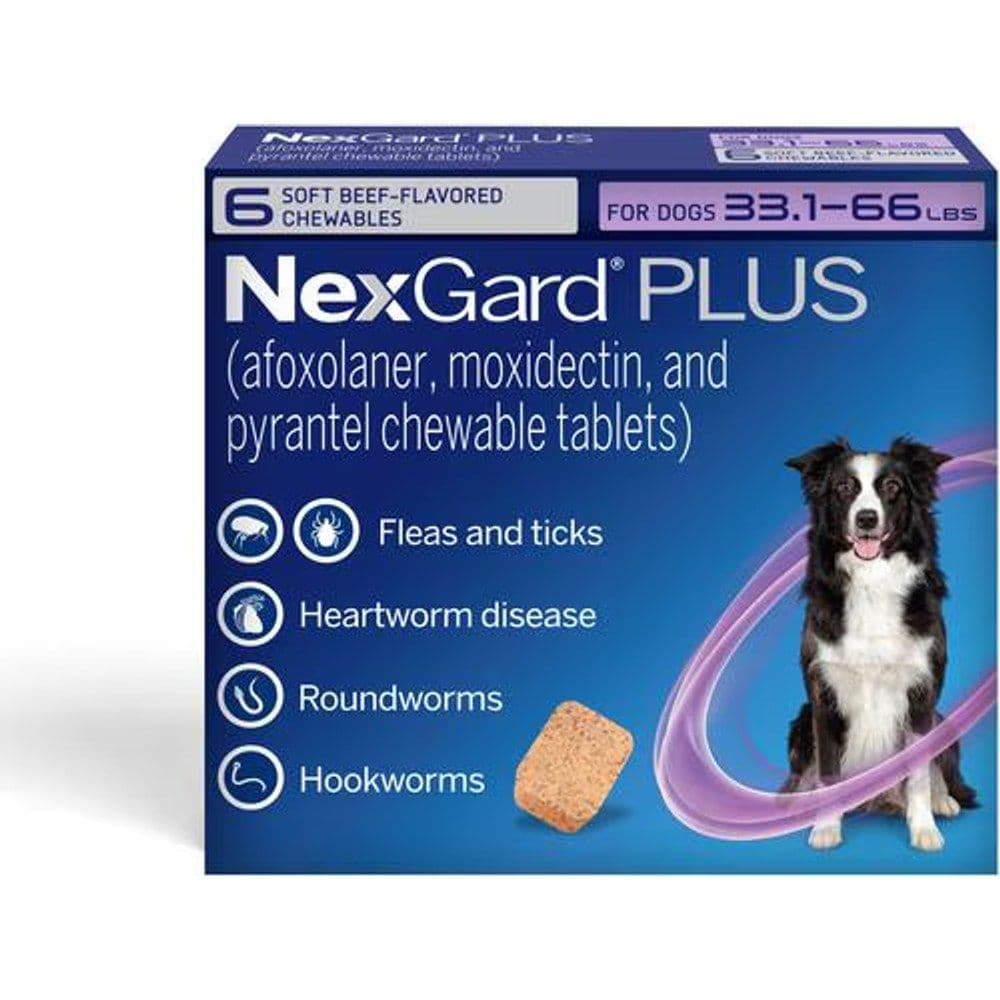
Beef-flavored monthly chew that protects dogs from fleas, ticks, heartworm disease, roundworms, and hookworms.
Webvet may earn a commission when you click through to Chewy, at no extra cost to you.
What Can Be Mistaken for Fleas on Dogs?
Not every itchy dog has fleas, and not every dark speck is flea dirt. Misidentifying the problem is a major reason treatment fails: an owner buys a flea product, sees no improvement, and never learns the real cause. Several conditions and pests are commonly confused with fleas.
| What you may see | What it could actually be |
|---|---|
| Tiny dark specks in the coat | Ordinary dirt or dried skin: unlike flea dirt, it will not smear rusty red on a wet paper towel |
| Small crawling insects | Ticks, lice, or walking dandruff (Cheyletiella mites): ticks attach and swell, lice are pale and slow, mites cause flaky, mobile scale |
| Constant itching, no fleas found | Environmental or food allergies, or dry-skin dermatitis, which mimic flea itch |
| Hair loss and scabs | Mange (sarcoptic or demodectic mites), ringworm, or a bacterial skin infection |
| Flaky white flecks | Dandruff or Cheyletiella eggs rather than flea eggs, which are usually off the pet in the environment |
Ticks are the most common mix-up because both bite and itch, but ticks embed and swell while fleas stay mobile. If you are unsure which you have, compare them in our guide to what tick bites look like on dogs. No fleas or flea dirt despite itching? Ask your vet about allergies or mites.
The Flea Life Cycle: Why Fleas Keep Coming Back
Understanding the flea life cycle explains why a single treatment rarely ends the problem. Fleas develop through four stages: egg, larva, pupa, and adult. The adults on your dog are only the visible tip of the population; the rest is quietly maturing in the environment, waiting to emerge.
A female flea starts laying eggs within about a day of her first blood meal and can produce 40 to 50 eggs per day, according to the Merck Veterinary Manual. Those smooth eggs roll off the coat into carpet, bedding, and soil, seeding the whole home rather than the pet.
Eggs hatch into larvae that avoid light and burrow deep into carpet fibers and debris, feeding on organic matter and adult flea droppings. Larvae then spin sticky cocoons and become pupae, the toughest stage. Protected pupae can lie dormant for weeks and, in cool conditions, up to several months before an adult emerges.
How Do Dogs Get Fleas?
Dogs pick up fleas from the environment and from other animals, not usually from a store or groomer alone. Because eggs, larvae, and pupae persist for so long, a dog can walk through a previously infested space and acquire fleas without ever meeting another pet. The common routes include:
- Other pets: dogs, cats, or strays carrying adult fleas that hop across on contact
- Wildlife: rabbits, rodents, raccoons, opossums, and feral cats drop flea eggs across the yard
- Outdoor spaces: shaded, humid areas of yards, parks, kennels, and boarding facilities harbor larvae and pupae
- Indoor reinfestation: eggs, larvae, and pupae already in carpets, bedding, and cracks re-emerge onto the dog
Even indoor pets are not immune, because fleas hitchhike inside on people and secondhand items. If you share your home with a cat, indoor cats can pick up fleas and worms too, as we explain in can indoor cats get fleas and worms. Every pet in the home must be treated at once.
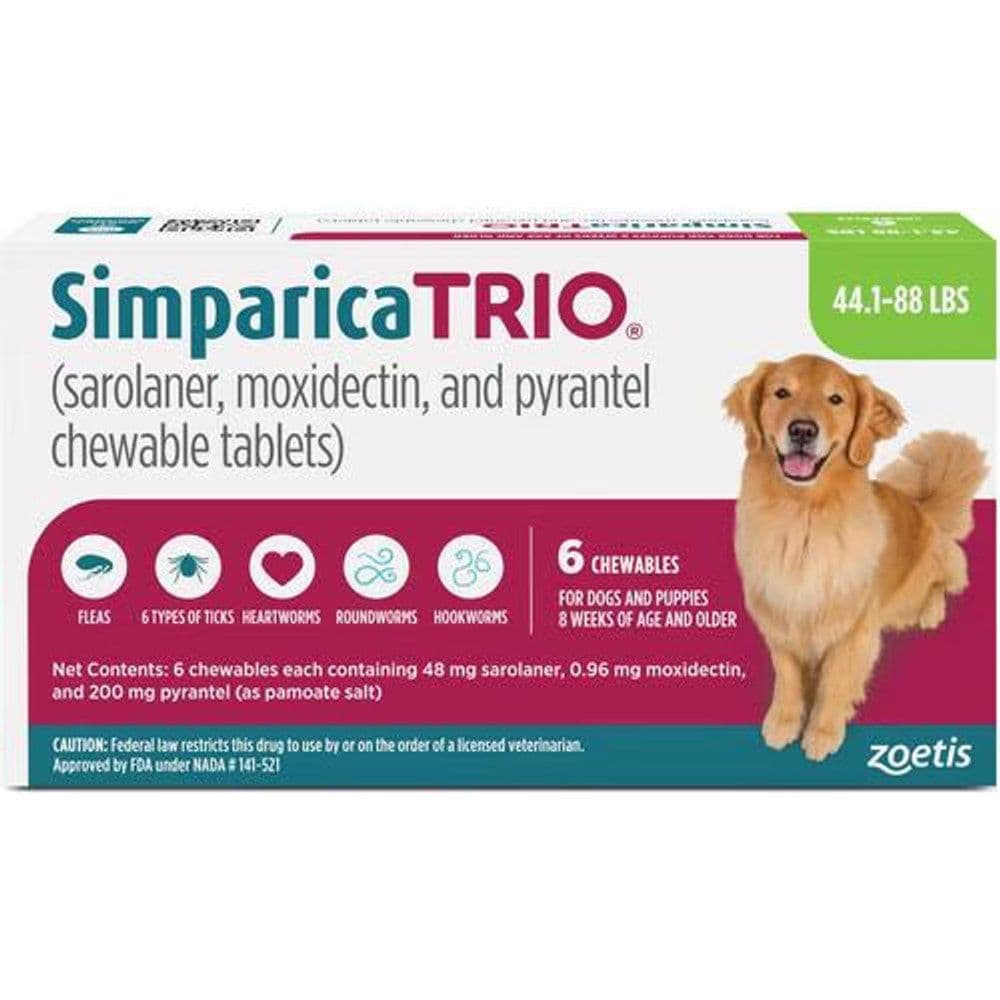
Monthly chew that protects dogs from fleas, six species of ticks, heartworm disease, roundworms, and hookworms.
Webvet may earn a commission when you click through to Chewy, at no extra cost to you.
A 60-Second Flea Check After Outdoor Time
A quick routine at the door catches hitchhiking fleas before they reach your carpets. After walks, dog parks, boarding, or warm-weather yard time, spend one minute checking your dog:
- Comb the hot spots: run a flea comb through the tail base, lower back, groin, and belly, where fleas feed most
- Read the comb: tap debris onto a damp white paper towel; black specks that smear reddish brown are flea dirt
- Scan the thin-haired zones: glance at the belly, armpits, ears, and between the toes, which also catches ticks
Anything on the comb means confirm and treat, not wait. It also flags a protection lapse for dogs on a preventive.
 $65 · no membership
Need flea, tick, or heartworm prevention for your dog?
A licensed vet can recommend and prescribe the right preventive for your dog online when it's appropriate.
 Talk to a vet
- Licensed vets
- All 50 states
- same-day Rx

Webvet may earn a commission if you book.
Signs of Fleas on Dogs
The signs of fleas on dogs combine behavior changes with visible skin and coat changes. Any one of these can appear before you ever spot a live flea, so treat the cluster of symptoms as your early-warning system:
- Excessive scratching, biting, or licking: especially at the tail base, belly, groin, and neck
- Hair loss: patches of thinning or missing fur, often over the rump and thighs
- Skin irritation: red bumps, scabs, crusting, and moist, inflamed hot spots
- Restlessness and head shaking: an uncomfortable dog that cannot settle or sleep normally
- Pale gums or lethargy: signals heavy blood loss and possible anemia, most dangerous in puppies and small dogs

Finding flea dirt alongside these symptoms all but confirms an infestation. If you also spot rice-grain segments near your dog's rear or in the bedding, that points to tapeworm, a common flea-borne complication covered in the next section.
Flea Allergy Dermatitis and Other Health Risks
Fleas are more than an itchy nuisance. They transmit disease and, in heavy numbers, threaten a dog's overall health. The most common flea-related problem is flea allergy dermatitis (FAD), an allergic reaction to proteins in flea saliva.
In an allergic dog, even a single bite can set off intense itching, with crusted, inflamed skin classically over the lower back, tail base, and inner thighs. Repeated scratching leads to hair loss, raw hot spots, and secondary bacterial infections that often need veterinary treatment of their own.
Fleas also carry other health risks. Chief among them:
- Tapeworms: when a dog swallows an infected flea while grooming, it can develop the tapeworm Dipylidium caninum, seen as rice-like segments near the rear
- Flea-bite anemia: heavy infestations can cause dangerous iron-deficiency anemia and even death, particularly in puppies and small or senior dogs
- Bacterial infections: fleas can transmit organisms such as Bartonella, and scratched-open skin invites secondary infection
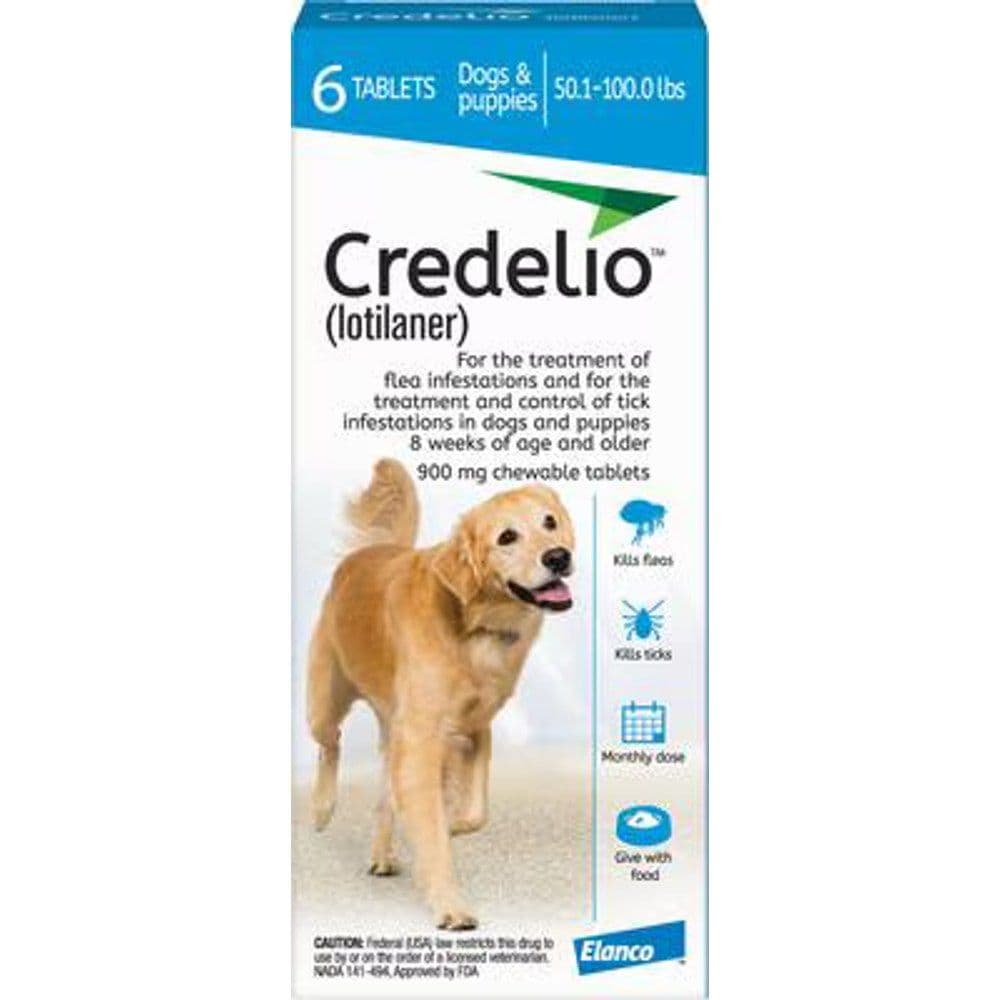
Monthly prescription chew that kills fleas and ticks on dogs, including the black-legged (deer) ticks that can spread Lyme disease.
Webvet may earn a commission when you click through to Chewy, at no extra cost to you.
Fleas on Puppies: Special Risks and Safe Treatment
Puppies face the highest stakes. Their small blood volume means a heavy flea burden can cause life-threatening flea-bite anemia, and grooming puppies swallow infected fleas easily, picking up tapeworms. Pale gums, weakness, or unusual sleepiness in a flea-ridden puppy is an emergency.
Treatment depends on age and weight. Most monthly oral and topical preventives are labeled for puppies 8 weeks and older, with minimum weights. A few fast-acting oral flea medications are labeled from 4 weeks and 2 pounds. Never split adult doses; follow the label and your veterinarian.
For puppies too young for any product, use mechanical control. Comb with a flea comb dipped in warm, soapy water, and bathe gently with a mild, puppy-safe shampoo. Then treat the mother and other pets with age-appropriate products, and clean the home thoroughly.
Can Humans Get Fleas From Dogs?
Yes, fleas from dogs can and do bite people, but they will not set up home on you. The cat flea, Ctenocephalides felis, is the species most often found on both dogs and cats, and it needs a furry animal host to feed and reproduce. Humans are a target of opportunity, not a permanent home.
Flea bites on people usually appear as small, itchy red bumps, often in clusters around the ankles and lower legs, where fleas jumping from carpet or bedding can reach. The bites are irritating but rarely serious in otherwise healthy people, though scratching can lead to skin infection.
Because the fleas biting you are coming from the environment rather than living on you, the fix is the same as for your dog: eliminate the infestation at its source. Treat every pet, and treat the home. Human bites stop once the household population is under control.
How to Get Rid of Fleas on Dogs
Getting rid of fleas takes a two-front approach: kill the fleas on your dog and clear the eggs, larvae, and pupae from the environment at the same time. Treating only the dog leaves the reservoir in your home intact, and the problem returns within weeks. The core steps on the pet are:
- Fast-acting oral medication: products with nitenpyram or an isoxazoline start killing adult fleas within hours for rapid relief
- Prescription topical or oral preventive: a vet-recommended monthly product that keeps killing new fleas as pupae keep hatching
- Flea bath and combing: removes visible fleas and flea dirt for immediate comfort, but gives no lasting protection on its own
- Treat every pet: all dogs and cats in the home need appropriate flea control at the same time
For the complete protocol, including product types and how fast each option works, read our dedicated guide on how to get rid of fleas on dogs. If a cat is affected too, our guide to fleas on cats and what to do next covers the species differences that affect safe treatment.
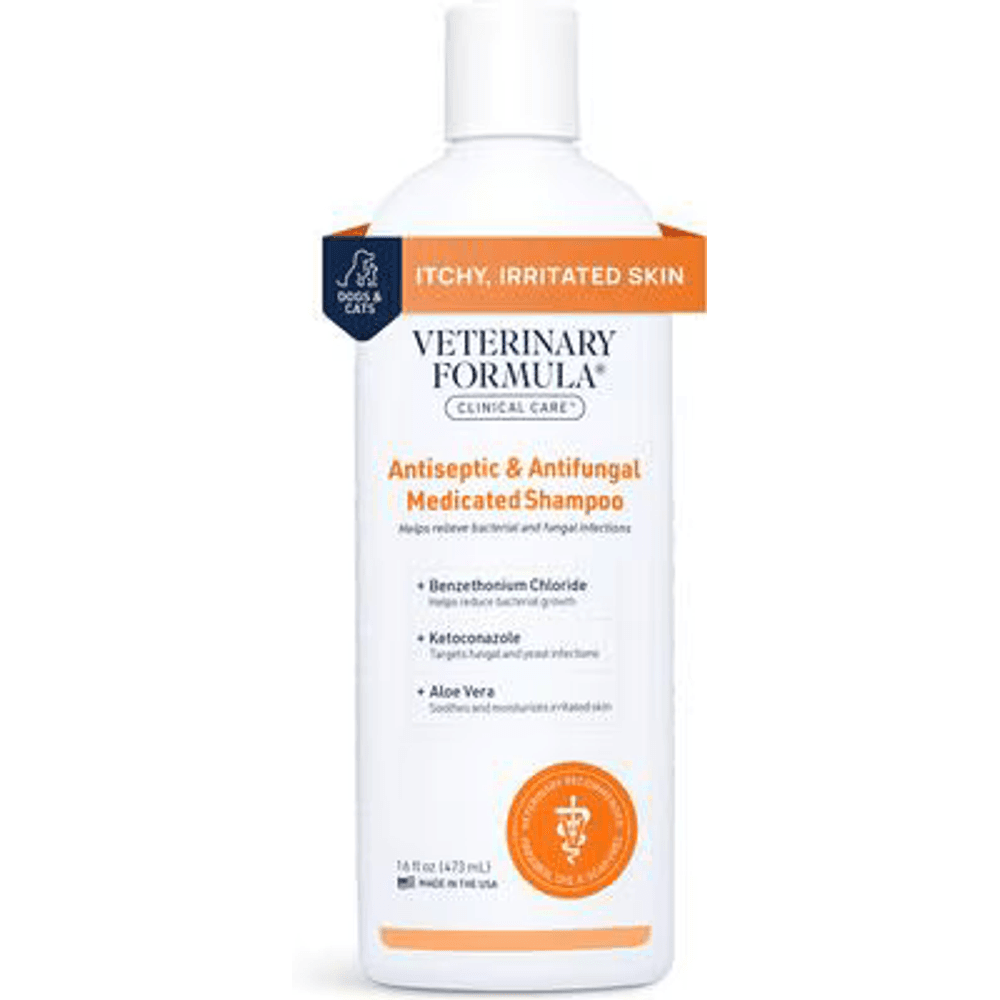
A budget-friendly medicated shampoo with ketoconazole and benzethonium chloride that helps control the fungal and bacterial skin infections behind ringworm, with aloe to soothe irritated skin.
Webvet may earn a commission when you click through to Chewy, at no extra cost to you.
How to Treat Your Home and Yard for Fleas
Because most of a flea population lives off the pet, treating the environment is not optional, it is half the job. The goal is to physically remove eggs and larvae and to keep killing new fleas as dormant pupae hatch over the following weeks. Focus your effort where fleas concentrate:

- Vacuum thoroughly and often: carpets, rugs, upholstery, floor cracks, and baseboards, then discard the bag or empty the canister outside
- Wash bedding in hot water: your dog's bedding, blankets, and any washable covers, on the hottest safe cycle, weekly during an active infestation
- Use a home flea product wisely: sprays or foggers with an insect growth regulator target eggs and larvae; follow label directions and keep pets away until dry
- Treat the right parts of the yard: concentrate on shaded, humid spots where your dog rests, rather than spraying the whole lawn, and clear leaf litter
Year-Round Flea Prevention for Dogs
The best way to deal with fleas on dogs is to never let an infestation start. Consistent, year-round prevention interrupts the life cycle before it builds, and it protects against the tapeworms and disease fleas carry. Key strategies include:
- Monthly oral preventives: isoxazoline-based products kill adult fleas quickly, often before they can lay eggs
- Monthly topical preventives: spot-on treatments that provide continuous protection against adults and, in some products, larvae
- Long-acting flea collars: modern collars can provide months of protection, though results vary with lifestyle and exposure
- Winter vigilance: fleas survive indoors year-round in heated homes, so do not stop prevention in cold months
Your veterinarian can match the right product to your dog's age, weight, and lifestyle. To compare options, see our roundup of the best flea and tick prevention for dogs. Many owners also pair flea control with year-round parasite protection such as heartworm prevention, since some products cover several parasites in one dose.
When to See a Veterinarian
Most flea problems are manageable at home, but some situations need professional care. Contact your veterinarian if you notice any of the following:
- Severe or worsening skin disease: spreading hair loss, raw hot spots, or oozing, crusted skin
- Suspected flea allergy dermatitis: extreme itching and inflammation that seem out of proportion to the number of fleas
- Signs of anemia: pale gums, weakness, or lethargy, an urgent concern in puppies and small dogs
- Tapeworm segments or persistent infestation: rice-like segments near the rear, or fleas that keep returning despite treatment
A veterinarian can confirm the diagnosis, treat secondary infections, deworm for tapeworm, and prescribe prescription-strength flea control that clears a stubborn infestation faster and more safely than trial-and-error over-the-counter products.
Frequently Asked Questions
What kills fleas on dogs immediately?
Fast-acting oral medications, such as those containing nitenpyram or an isoxazoline, begin killing adult fleas within hours and give the quickest relief. A flea bath and flea comb remove visible fleas on contact. None of these prevent reinfestation, so pair them with a monthly preventive and home treatment.
Can humans get fleas from dogs?
Fleas from dogs will bite people, usually leaving itchy red bumps around the ankles, but they do not live on humans. The cat flea needs a furry animal host to feed and reproduce. Treating every pet and the home stops the bites, since the fleas are coming from the environment.
Do I need to treat the house if my dog has fleas?
Yes. Most of a flea population is eggs, larvae, and pupae living in carpets, bedding, and cracks, not on your dog. Treating only the pet lets the infestation rebound within weeks. Vacuum often, wash bedding in hot water, and use a home product with an insect growth regulator alongside pet treatment.
What can be mistaken for fleas on dogs?
Ticks, lice, and walking dandruff mites are often confused with fleas, and plain dirt is mistaken for flea dirt. Allergies, mange, ringworm, and skin infections can also cause flea-like itching and hair loss. If flea dirt does not smear rusty red on a wet towel, ask your vet to investigate.
Does flea dirt confirm an active infestation?
Yes. Flea dirt is digested blood excreted by feeding adult fleas, so its presence means live fleas are on your dog. It looks like black pepper flakes and turns reddish-brown when moistened. Finding it is strong confirmation even when the fast-moving fleas themselves are hard to spot.
Is year-round flea prevention necessary for dogs?
For most dogs, yes. Fleas survive indoors through winter in heated homes, and consistent monthly preventives break the life cycle before an infestation can build. Year-round protection also guards against flea-borne tapeworms and reduces the risk of flea allergy dermatitis. Your veterinarian can recommend the best product for your dog.
How long does it take to get rid of fleas on a dog?
Modern products kill adult fleas within hours to days. Full clearance takes longer, because pupae in the home keep hatching for weeks. Expect about three months of treating every pet, plus home cleaning, before the infestation is gone.
Can dogs get fleas in winter?
Yes. Heated homes keep fleas breeding indoors year-round, and pupae in carpets can wait months to hatch. Outdoors, adult fleas do not survive prolonged freezing but persist in wildlife dens, so keep dogs on prevention through winter.
Keeping Dogs Comfortable and Flea-Free
Fleas are one of the most common parasites on dogs, but they are also one of the most treatable and preventable. The key is accurate identification: knowing what fleas and flea dirt look like, recognizing the early signs, and ruling out the lookalikes that send owners down the wrong path.
Once you have confirmed fleas, treat the dog and the environment together, keep it up for at least three months to outlast the pupae, and settle into a year-round prevention routine. That combination keeps your dog comfortable, protects against tapeworm and anemia, and gives you lasting peace of mind.
For authoritative background, the Merck Veterinary Manual on fleas of dogs and the Companion Animal Parasite Council flea guidelines are excellent, vet-reviewed resources.
$65 · no membershipNeed flea, tick, or heartworm prevention for your dog?
A licensed vet can recommend and prescribe the right preventive for your dog online when it's appropriate.
Talk to a vet- Licensed vets
- All 50 states
- same-day Rx
Webvet may earn a commission if you book.

Veterinarian · DVM
Athena Gaffud, DVM, is a licensed veterinarian and writer based in the Cagayan Valley of the northern Philippines. She runs the website countryvetmom.com. Dr. Gaffud earned her Doctor of Veterinary Medicine degree from the University of the Philippines Los Baños in 2011, ranking in the top 10 and receiving the Best Undergraduate Thesis Award in Large Animals. With over a decade of experience, she has worked as a researcher, a practitioner for small and large animals, and in veterinary technical sales, marketing, and pet insurance. A published author, Dr. Gaffud promotes responsible pet ownership and combats misinformation on animal care through her platforms, including the DocAthena Facebook Page and DocAthena YouTube channel. She is a writer and editor for various pet-related websites such as Total Vet, Honest Paws, PangoVet, Dogster, Catster, My Best PH, Paw Origins, Bully Max, Not a Bully, Paws and Claws CBD, many others. She was also cited in different pet-related media articles such as The Dog People, USA Today, Newsweek, New York Post, Reader’s Digest, Smithsonian Magazine, Woman’s World, Dog Time, Patch, Kinship, Martha Stewart, and many others. Moreover, she is also a published fiction author on Kindle.


