What Do Fleas Look Like on Cats? Photos of Fleas, Eggs and Flea Dirt
Wondering what do fleas look like on cats? See how to identify adult fleas, flea eggs, and flea dirt, run the wet paper towel test, and check your cat step by step with a flea comb.

BVMS MRCVS
Medically reviewed by Dr. Pippa Elliott, BVMS MRCVS · Last reviewed

This article contains affiliate links. Webvet may earn a commission when you buy through them, at no extra cost to you.
So, what do fleas look like on cats? Adult fleas are tiny, wingless insects about 1 to 3 millimeters long, roughly the size of a sesame seed. They are reddish-brown to nearly black, flattened from side to side, and they move fast, darting through the fur or jumping when disturbed.
Because fleas sprint away from light and burrow toward the skin, you often will not see the insect itself. Instead, you may spot the evidence: white flea eggs the size of salt grains, or black pepper-like specks of flea dirt caught in the coat.
This guide is a pure visual identification manual: what adult fleas, flea eggs, and flea dirt actually look like, how to confirm your suspicion with the wet paper towel test, and how to run a proper flea comb check. For the broader overview of spotting fleas and what to do next, see our companion article.
- 1Adult fleas are 1 to 3 mm, reddish-brown, wingless, side-flattened, and sesame-seed sized. They move fast and are easiest to spot on the belly, groin, and tail base.
- 2Flea eggs are 0.5 mm white ovals that look like grains of salt and fall off the cat into bedding and carpet.
- 3Flea dirt looks like ground black pepper. On a damp white paper towel it dissolves into reddish-brown smears because it is digested blood.
- 4A fine-toothed flea comb run against the lower back, tail base, belly, and neck is the most reliable at-home check.
- 5Finding even one flea or a positive flea dirt test means an active infestation that needs treatment, not just observation.
 Sponsored
Need flea, tick, or parasite care for your cat?
A licensed vet at Dutch can recommend the right preventive and prescribe it when it's appropriate. Annual members get 20% off their first flea and tick order.
Use code Pets30
Plans start at $11/month · covers up to 5 pets
- Licensed vets in most states
- Rx for 150+ conditions
- 4.7 on Trustpilot
What Do Fleas Look Like on Cats?
An adult cat flea (Ctenocephalides felis) is a 1 to 3 mm, reddish-brown to black, wingless insect with a hard, shiny body that is flattened from side to side. That side-to-side flattening is a key identifier: it lets the flea slip between hairs like a coin sliding between book pages.
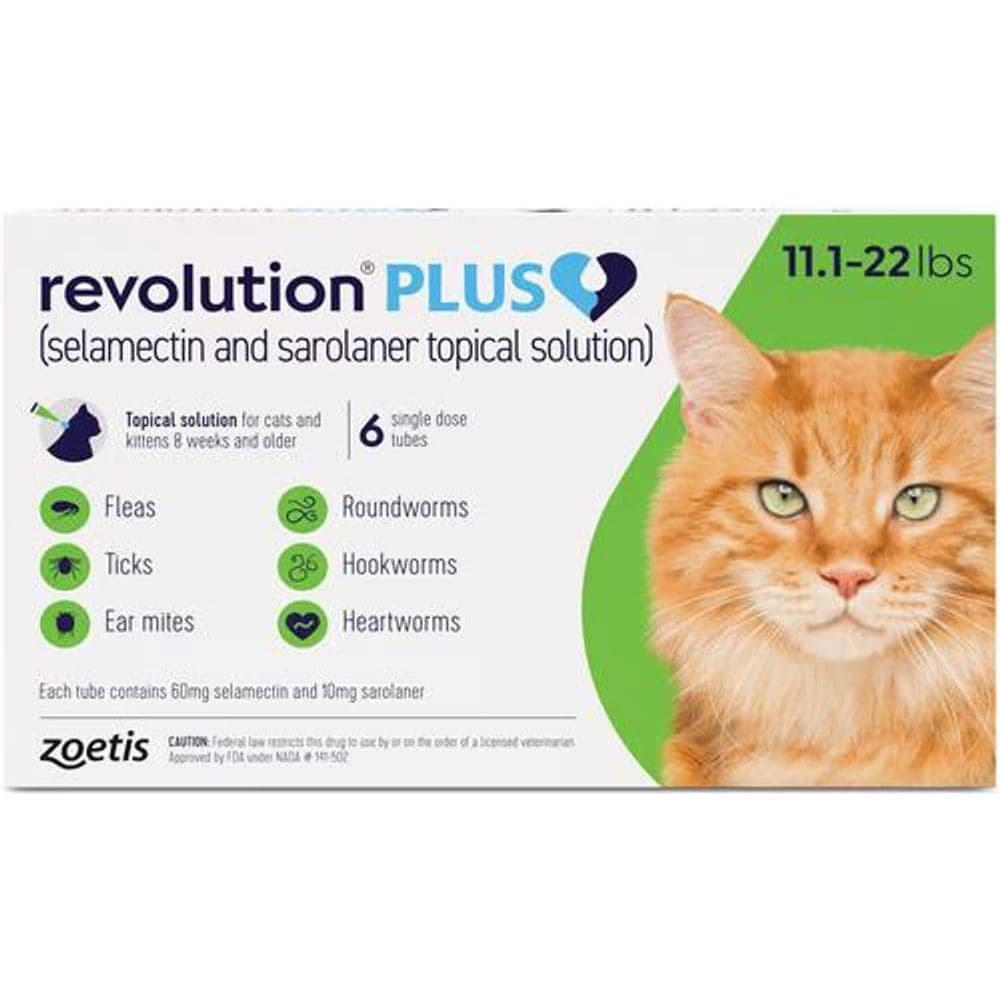
Monthly topical that protects cats from fleas, ticks, ear mites, roundworms, hookworms, and heartworm.
Webvet may earn a commission when you click through to Chewy, at no extra cost to you.

To the human eye, a flea looks like a fast-moving dark sesame seed. You will rarely get a long look. Fleas avoid light, so when you part the fur they scatter toward the skin or leap away. A visible jump is itself diagnostic: no other common cat parasite jumps.
Quick visual checklist for adult fleas
- Size: 1 to 3 mm, about a sesame seed. Visible without magnification, but easy to miss.
- Color: reddish-brown to nearly black. Recently fed fleas look darker and slightly plumper.
- Shape: flattened side to side, with a small head and long, powerful hind legs.
- Wings: none. Anything with wings on your cat is not a flea.
- Movement: rapid scurrying between hairs, plus dramatic jumps of several inches when disturbed.
The cat flea is the flea species found on the vast majority of infested cats and dogs in North America, according to the Merck Veterinary Manual. Whatever your cat picked up outside or from another pet, it is almost certainly this species, and it identifies the same way every time.
What fleas look like on a black cat or dark coat
On a black cat, adult fleas nearly vanish against the fur. Flip your search: look for the light-colored evidence instead. White flea eggs and pale skin at the part line show up clearly on dark cats, and flea dirt transfers readily to a white paper towel or comb.
Part the fur against the grain over the lower back and belly in bright light. Watch the skin surface at the base of the part for a second or two: movement gives fleas away even when their color does not.
What Do Flea Eggs Look Like on Cats?
Flea eggs are tiny white ovals about 0.5 mm long, the size and color of a grain of salt. They are smooth, slightly glossy, and not sticky, so they roll off the coat and collect wherever your cat rests: bedding, carpet, couch cushions, and windowsills.

A single female flea can lay around 40 to 50 eggs per day at peak production, per the Companion Animal Parasite Council. That is why you may find eggs scattered through your cat's favorite sleeping spots even when you have never seen an adult flea.
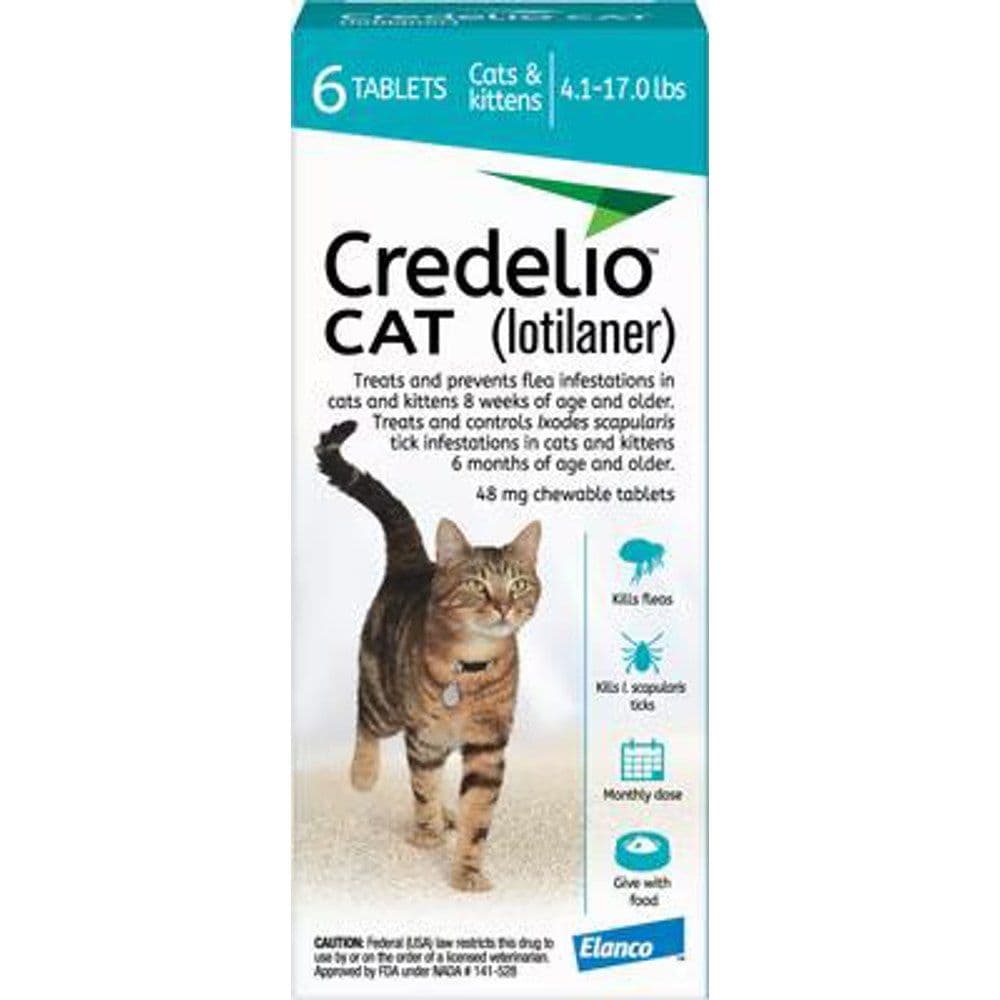
Monthly chewable tablet that kills fleas and treats and controls tick infestations in cats and kittens.
Webvet may earn a commission when you click through to Chewy, at no extra cost to you.
Flea eggs vs dandruff: how to tell them apart
The classic mix-up is flea eggs vs dandruff. Both look like small white flecks in the coat, but they behave differently under a close look. Shape and stickiness are the tells.
| Feature | Flea eggs | Dandruff |
|---|---|---|
| Shape | Uniform smooth ovals, like tiny grains of salt | Irregular, flat flakes of varying sizes |
| Attachment | Loose; roll off the fur easily when you part it | Often clings to hair shafts or skin |
| Texture | Slightly glossy, firm, rounded | Dry, papery, flaky |
| Where found | Bedding, carpet, and resting spots as much as the coat | Mostly along the back, in the coat itself |
| Company they keep | Usually paired with flea dirt nearby | Often paired with dry skin, no black specks |
If the white specks are perfect little ovals that tumble off the fur, and you also find black specks in the coat, you are looking at flea eggs plus flea dirt: strong evidence of an active infestation.
Flea Dirt: The Telltale Sign (and the Wet Paper Towel Test)
Flea dirt looks like finely ground black pepper sprinkled through the coat, often concentrated over the lower back, tail base, and belly. It is flea feces, which means it is mostly digested blood, and that is the property the wet paper towel test exploits.
For many cat owners, flea dirt is the first and only flea evidence they ever see. Adult fleas hide and groom-happy cats swallow them, but the dirt stays behind in the coat.
How to run the wet paper towel test
- Dampen a white paper towel and lay it flat next to your cat.
- Comb or ruffle the fur over the lower back so specks fall onto the towel, or transfer combed debris directly.
- Wait about 30 to 60 seconds and watch the specks.
- Positive result: the black specks dissolve into reddish-brown or rust-colored smears. That is digested blood, and it confirms flea dirt.
- Negative result: the specks stay black or gray and do not halo. That is likely ordinary dirt or debris.

A positive wet paper towel test is a confirmed infestation, even if you never see a live flea. Skip straight to our step-by-step guide on how to get rid of fleas on cats for the treatment protocol, including how to handle your home.
SponsoredVet care that's always there
Unlimited video calls and messaging with licensed vets for less than a typical vet visit. One membership covers up to five pets.
Use code Pets30
Plans start at $11/month · covers up to 5 pets
- Licensed vets in most states
- Rx for 150+ conditions
- 4.7 on Trustpilot
Signs of Fleas on Cats
You can tell a cat has fleas by combining what you see on the skin with how the cat behaves. The most reliable combination is flea dirt in the coat plus new scratching, overgrooming, or scabbing around the neck and tail base.
Webvet may earn a commission when you click through to Chewy, at no extra cost to you.
Skin and coat signs
- Small raised pink or red bumps, often clustered on the neck, lower back, belly, and inner thighs. Flea bites on cats are pinpoint-sized, not the large welts people get.
- Tiny crusty scabs you feel more than see, especially along the spine and around the neck (often called miliary dermatitis).
- Thinning fur or bald patches at the tail base, lower back, and inner thighs from overgrooming.
- Flea dirt and flea eggs visible when you part the coat, per the sections above.
Behavioral signs
- Sudden intense scratching, especially aimed at the neck and ears.
- Obsessive licking and chewing at the lower back, tail base, and belly.
- Restlessness: a cat that cannot settle, twitches its skin, or jumps up suddenly while resting.
- Avoiding favorite resting spots, which may be harboring flea eggs and juvenile stages.
Early signs of fleas on cats can be subtle because cats are such efficient groomers: many swallow the evidence before you find it. The Cornell Feline Health Center notes that fleas are among the most common parasite problems in cats, so a coat check belongs in your routine even when your cat seems comfortable.
How to Check Your Cat for Fleas: Step-by-Step Comb Protocol
The most reliable way to check a cat for fleas at home is a slow pass with a fine-toothed flea comb over the highest-traffic flea zones, checked against a white paper towel. The whole protocol takes about five minutes.

- Step 1: Gather a metal fine-toothed flea comb, a white paper towel, and a small bowl of soapy water. Pick a calm moment and good light.
- Step 2: Start at the base of the tail. Press the comb gently to the skin and pull slowly through the fur in the direction of growth.
- Step 3: Work the flea body map in order: tail base, lower back, groin and inner thighs, belly, armpits, then the neck and around the ears.
- Step 4: After every few strokes, tap the comb onto the white paper towel. Look for live fleas, white oval eggs, and black specks.
- Step 5: Dampen the towel and run the wet paper towel test on any black specks. Reddish-brown smears confirm flea dirt.
- Step 6: Dunk any live fleas you comb off into the soapy water immediately. They drown there; crushing or flicking them often fails.
Why those spots? Fleas congregate where the coat is warm, sheltered, and hard for the cat to groom: the base of the tail and groin are the classic hot spots, with the belly, armpits, and neck close behind. A negative comb pass through those zones is far more meaningful than a random back stroke.
Webvet may earn a commission when you click through to Chewy, at no extra cost to you.
What Can Be Mistaken for Fleas on Cats
Several things are commonly mistaken for fleas on cats: dandruff and dried skin flakes get confused with flea eggs, ordinary dirt or dried blood gets confused with flea dirt, and small crawling insects like springtails, lice, and mites get confused with adult fleas. The comparisons below sort them out fast.
| What you found | Flea evidence looks like | The lookalike looks like |
|---|---|---|
| Black specks in the coat | Pepper-like flecks that smear reddish-brown when wet (flea dirt) | Regular dirt or litter dust stays black or gray when wet |
| White specks in the coat | Uniform 0.5 mm glossy ovals that roll off the fur (flea eggs) | Dandruff: irregular flat flakes that cling to hairs |
| Small crawling insect | Reddish-brown, side-flattened, jumps when disturbed (adult flea) | Lice are pale, slow, and glued to hair; mites are usually too small to see |
| Tiny jumping speck outdoors or in damp areas | Fleas stay on or near the cat and bite | Springtails jump but are gray-white, do not bite pets, and favor moisture |
| Dark scabby crumbs around the neck | Flea dirt plus bite scabs together suggest fleas | Miliary scabs alone can also come from food or environmental allergies |
When in doubt, let the wet paper towel test arbitrate anything speck-shaped, and let movement arbitrate anything insect-shaped. Only flea dirt bleeds red, and only fleas jump.
It also helps to know the specific bugs that look like fleas, because a few household insects get blamed for infestations they had nothing to do with. The giveaway is almost always movement and location: true fleas live on your cat and jump, while most flea impostors turn up in soil, carpet, or on windowsills and either crawl or fly.
- Springtails: tiny dark specks that hop like fleas, but they gather around damp soil, sinks, and drains rather than on your cat's skin.
- Black carpet beetle larvae: small and brownish, found in rugs and along baseboards; they crawl slowly and never jump.
- Walking dandruff (Cheyletiella mites): pale, slow-moving flecks on the skin surface that look like moving dandruff, not fast reddish-brown fleas.
- Lice: cat lice are host-specific, move sluggishly, and glue pale nits to the hair shaft instead of jumping.
- Fungus gnats and other small flies: winged, so they are ruled out at a glance, because anything with wings on your cat is not a flea.
The other classic mix-up is flea dirt vs regular dirt. Ordinary household dust, dried soil, and litter granules can all pepper a cat's coat with dark specks, but only flea dirt is digested blood. That is the whole point of the wet paper towel test: flea dirt vs regular dirt is settled in under a minute, because true flea dirt dissolves into a reddish-brown halo while plain dirt stays dry and gray. When the specks refuse to smear red and no insect jumps, fleas are almost certainly not your culprit.
How Often Should You Check Your Cat for Fleas
Check weekly during warm months and any time your cat scratches more than usual. Flea pressure peaks in warm, humid weather, so late spring through early fall is the worst time of year for cat fleas in most of the United States.
Do not stand down in winter. Indoor heating keeps homes warm enough for the flea life cycle to continue year-round, which is why the Companion Animal Parasite Council guidelines recommend year-round flea control for cats, including indoor-only cats. A quick monthly comb pass in the off-season catches problems early.
Found Fleas? What to Do Next
If you confirmed fleas, eggs, or flea dirt, move straight to treatment: every day of delay adds dozens of new eggs to your home. Our complete guide to getting rid of fleas on cats covers killing the fleas on your cat, breaking the life cycle, treating the house, and how long full clearance realistically takes.
Fast-acting options exist: oral nitenpyram (Capstar) starts killing adult fleas within about 30 minutes, while prescription monthly products such as Credelio CAT, Revolution Plus, and Bravecto PLUS for cats both clear active fleas and prevent reinfestation. Which one fits your cat depends on age, weight, health status, and what else needs covering.
Choosing a Flea Treatment
Product selection is its own decision, and it matters: several dog flea products are dangerous to cats. For a vet-informed comparison of the current options, including prescription and over-the-counter picks by situation, see our guide to the best flea treatment for cats.
When to See a Vet
See your veterinarian promptly, rather than treating at home first, in these situations:
- Kittens with fleas: heavy infestations can cause life-threatening anemia in small kittens. Pale gums, weakness, or lethargy in a flea-infested kitten is an emergency.
- Intense scabbing, hair loss, or raw skin: flea allergy dermatitis needs prescription relief for the itch, not just flea killing.
- Senior, pregnant, nursing, or chronically ill cats, where product choice needs professional guidance.
- Signs that persist after treatment, or black specks that keep failing the wet paper towel test while the itching continues: something other than fleas may be driving the problem.
Fleas also transmit tapeworms and can carry the bacteria behind cat scratch disease, so a confirmed infestation is worth a conversation with your vet even when your cat seems only mildly bothered.
Frequently Asked Questions
How can you tell if a cat has fleas?
Look for the evidence triad: black pepper-like flea dirt that smears reddish-brown on a wet white paper towel, salt-grain white flea eggs in the coat or bedding, and increased scratching or overgrooming at the neck and tail base. A fine-toothed flea comb run over the lower back and belly is the most reliable at-home confirmation.
Can you see fleas on cats with the naked eye?
Yes. Adult fleas are 1 to 3 mm, about the size of a sesame seed, and visible without magnification. They are fast and light-averse, though, so you may only catch a dark speck darting toward the skin when you part the fur. Flea dirt and eggs are usually easier to find than the fleas themselves.
What can be mistaken for fleas on cats?
Dandruff is mistaken for flea eggs, ordinary dirt for flea dirt, and lice, mites, or springtails for adult fleas. The tie-breakers: flea eggs are uniform glossy ovals that roll off the fur, real flea dirt dissolves into reddish-brown smears when wet, and among common cat parasites only fleas jump.
What does flea dirt look like on a cat?
Flea dirt looks like finely ground black pepper scattered through the fur, densest over the lower back, tail base, and belly. Because it is digested blood, it turns reddish-brown when moistened, which is exactly what the wet paper towel test checks for.
What time of year is worst for cat fleas?
Warm, humid months are peak flea season, typically late spring through early fall in most of the United States. Heated homes keep the flea life cycle running through winter, though, which is why parasitologists recommend year-round prevention and at least monthly coat checks even for indoor cats.
My cat has flea dirt but I cannot find any fleas. Does it still have fleas?
Almost certainly yes. Cats groom constantly and swallow many of the adult fleas on their body, leaving the dirt behind as the only visible evidence. Flea dirt that tests positive on a wet paper towel means live fleas are feeding on your cat, and treatment should start now.

Editor
The Webvet Editorial Team is the in-house group of pet-care editors and writers behind Webvet, operated by Smart Pet Collective. The team researches, writes, and maintains Webvet's pet health, behavior, and medication content. Every article follows a defined editorial process: research from reputable veterinary and scientific sources, careful drafting, mandatory review of medical content by a credentialed veterinarian, and dated publication. Health and medication articles are medically reviewed by a licensed veterinary professional before they go live and are kept current over time.
Veterinarian · BVMS MRCVS
Dr. Pippa Elliott, BVMS, MRCVS, is a veterinarian with nearly 30 years of experience in companion animal practice. Dr. Elliott earned her Bachelor of Veterinary Medicine and Surgery from the University of Glasgow. She was also designated a Member of the Royal College of Veterinary Surgeons. Married with 2 grown-up kids, Dr. Elliott has a naughty Puggle named Poggle, 3 cats and a bearded dragon.


