How to Get Rid of Fleas on Cats: A Vet's Step-by-Step Guide
Learning how to get rid of fleas on cats means treating two things at once: the fleas on your cat and the much larger population hiding in your home. This vet-backed guide walks you through fast relief, the best flea treatments, safe home cleanup, and what to skip.

BVMS MRCVS
Medically reviewed by Dr. Pippa Elliott, BVMS MRCVS · Last reviewed

This article contains affiliate links. Webvet may earn a commission when you buy through them, at no extra cost to you.
The key to how to get rid of fleas on cats is doing two things at the same time: kill the fleas living on your cat with a vet-recommended flea treatment, and eliminate the eggs, larvae, and pupae developing in your home.
The fleas you see on your cat are only about 5 percent of the problem. The other 95 percent are immature stages hidden in carpet, bedding, and floor cracks.
Treating only the cat is the single most common reason fleas keep coming back.
Here is the realistic timeline. With a fast-acting product, you can kill most adult fleas on your cat within 24 to 48 hours.
But fully clearing an infestation from your home usually takes about three months, because new fleas keep hatching from eggs and pupae the treatment cannot reach.
This guide gives you the exact step-by-step plan a veterinarian would recommend, including what works fast, what to use, how to treat your house, and which popular home remedies are actually dangerous for cats.
- 1Treat the cat AND the home at once. Fleas you see are only 5 percent of the population; the rest are eggs, larvae, and pupae in your environment.
- 2Start with a vet-recommended flea treatment (oral isoxazolines or a feline-specific topical spot-on). This is the foundation; combs and baths are support tools.
- 3For fast relief, a fast-kill oral adulticide plus a flea-comb-and-bath session can clear most adult fleas within a day.
- 4Expect roughly 3 months to fully break the flea life cycle. Keep treating every pet monthly and re-cleaning the home that whole time.
- 5Never use dog flea products, essential oils, lemon, lavender, or tea tree oil on cats. They can be toxic and even fatal.

 Sponsored
Need flea, tick, or parasite care for your cat?
A licensed vet at Dutch can recommend the right preventive and prescribe it when it's appropriate. Annual members get 20% off their first flea and tick order.
Use code Pets60
Plans start at $12/month · covers up to 5 pets
- Licensed vets in most states
- Rx for 150+ conditions
- 4.7 on Trustpilot
How Do Cats Get Fleas? (And Why Indoor Cats Get Them Too)
Cats pick up fleas the moment they come into contact with a flea or its eggs in the environment. The most common source is another animal, but fleas are resourceful, and a cat that never sets a paw outdoors is not immune.
How fleas hitch a ride indoors
Even a strictly indoor cat can end up covered in fleas. Here are the usual routes:
- On you: Adult fleas and eggs ride in on your shoes, socks, and pant legs after you walk through grass or visit a home with pets.
- Other pets: A dog that goes outside is the most common flea taxi into an indoor cat's home.
- Wildlife and rodents: Mice, rats, raccoons, opossums, and feral cats drop flea eggs in attics, basements, crawl spaces, and around doorways.
- New pets and visitors: A newly adopted animal, a boarding stay, a groomer, or a guest's dog can introduce fleas in a single afternoon.
- Moving into a flea-infested home: Flea pupae can lie dormant in an empty house for months and emerge when a new warm-blooded host moves in.
If you have been told fleas are only an outdoor-cat problem, that is a myth worth retiring. We cover why indoor cats can absolutely get fleas (and worms) in more detail in a separate guide.
Why one flea you see means hundreds you don't
A single adult female flea can lay up to 40 to 50 eggs per day. Those eggs roll off your cat like tiny grains of salt and land wherever your cat sleeps, sits, and walks.
Within days they hatch into larvae that burrow deep into carpet fibers and upholstery, then spin cocoons.
This is why seeing even one or two fleas is a red flag. The adult fleas visible on a pet represent only about 5 percent of the total infestation.
The remaining 95 percent (eggs, larvae, and pupae) are spread throughout your home, waiting to mature, which is why you cannot win by treating the cat alone.
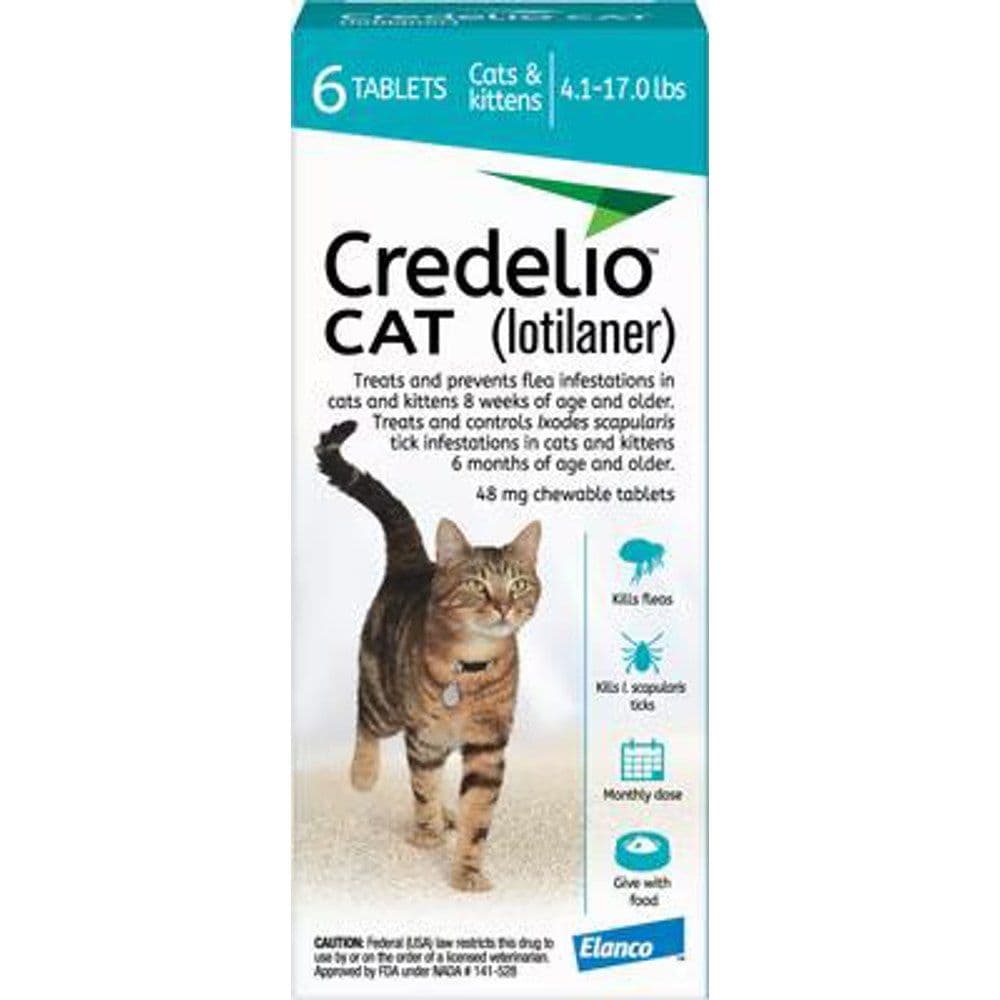
Monthly chewable tablet that kills fleas and treats and controls tick infestations in cats and kittens.
Webvet may earn a commission when you click through to Chewy, at no extra cost to you.
How to Tell If Your Cat Has Fleas
Fleas are fast, flat, and reddish-brown, about the size of a sesame seed. Cats are meticulous groomers, so they often swallow the evidence before you spot a live flea.

That means you usually confirm fleas by their signs rather than by catching one in the act.
Signs and symptoms
- Frequent scratching, biting, or licking, especially around the tail base, lower back, neck, and belly
- Excessive grooming or overgrooming that leaves thin or bald patches
- Small scabs or red bumps along the back and neck (often a sign of flea allergy dermatitis)
- Restlessness, agitation, or sudden skin-twitching when touched near the rear
- Pale gums or low energy, which can signal blood loss in heavily infested cats and kittens
How to check for flea dirt (the wet white-paper test)
Flea dirt is flea feces, made of digested blood, and it is the most reliable clue. To test for it, comb or rub your cat's coat over a damp white paper towel and watch what falls off.
Plain dust and dander stay dark. Flea dirt, because it is dried blood, dissolves into rust-red or reddish-brown smears when it gets wet.
If those black specks turn red, your cat has fleas, even if you never see a live one. Our full guide on how to spot fleas on cats walks through this test step by step.
Using a flea comb to confirm
A fine-toothed flea comb is one of the cheapest and most useful tools you can own. Slowly draw it through your cat's coat, paying special attention to the base of the tail, the belly, and behind the ears.
Have a bowl of soapy water ready and dunk the comb after each pass to drown any fleas or flea dirt you catch.
If the itching is centered in and around your cat's ears rather than the body, fleas may not be the culprit. Ear-focused scratching and dark, coffee-ground debris are sometimes mistaken for ear mites, which need a different treatment, so it is worth telling the two apart.
Understanding the Flea Life Cycle (Why Treatment Takes Time)
Understanding the flea life cycle is the single best way to set your expectations and avoid giving up too early. Fleas move through four stages, and most products only kill some of them.
Egg, larva, pupa, adult, and which stage your product actually kills
- Eggs: Laid on the cat, then fall into the environment. Roughly half of any infestation is eggs.
- Larvae: Worm-like and light-avoiding, they crawl deep into carpet and cracks and feed on flea dirt.
- Pupae: A protective cocoon stage that can survive for weeks to months and resists almost every insecticide.
- Adults: The biting, jumping fleas you see. Most flea treatments target this stage.
Many modern preventives also contain an insect growth regulator (IGR) that stops eggs and larvae from developing, which is how they break the cycle over time. But almost nothing kills pupae on contact.
Why the pupal stage survives most treatments
The pupal cocoon is sticky, sealed, and remarkably tough. Pupae can stay dormant for weeks, then emerge as hungry adults only when they sense a host nearby.
This is why you can treat your cat, see fleas vanish, and then watch a fresh batch appear a week or two later. They were not new arrivals; they were pupae that had been waiting.
That hidden reservoir is exactly why you keep treating for about three months, until every cocoon has hatched and met a treated cat.
How to Get Rid of Fleas on Cats: Step-by-Step
Treating fleas on cats works best as a coordinated plan rather than a single product. Follow these four steps together, not one at a time.

Step 1: Use a vet-recommended flea treatment (oral vs. topical)
This is the foundation of any successful cat flea treatment. A proven product applied to your cat is what actually breaks the cycle; the comb and bath are support tools. You have two main choices:
- Oral treatments: Pills or chews, including fast-kill adulticides and longer-acting isoxazolines, that work from the inside. Many start killing fleas within hours and cannot be washed or rubbed off.
- Topical (spot-on) treatments: Liquid applied to the skin between the shoulder blades, where your cat cannot lick it. Many also kill eggs and larvae and protect for a full month.
Whichever you choose, it must be labeled specifically for cats and dosed to your cat's weight. We compare the categories in detail further down. If you are unsure which is right for your cat's age and health, ask your veterinarian.
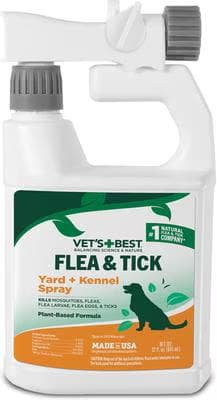
Outdoor yard and kennel treatment for tick habitat, not for use on pets. Peppermint oil and eugenol, so it treats the leaf litter and tall grass where ticks wait.
Webvet may earn a commission when you click through to Chewy, at no extra cost to you.
Step 2: Bathe your cat safely (and when not to)
A bath in warm water with a little mild, fragrance-free dish soap or a cat-safe shampoo will drown and wash away adult fleas fast. Lather, leave it on for several minutes, then rinse thoroughly.
This gives quick relief but does not prevent re-infestation on its own, so it never replaces Step 1.
When not to bathe: many spot-on topicals need the skin's natural oils to spread, so do not bathe within 48 hours before or after applying one unless the label says otherwise.
And many cats find baths terrifying; if yours does, skip it and lean on the comb plus an oral product instead. Never force a stressed cat into water.
Step 3: Comb out adult fleas and flea dirt
Comb your cat daily with a fine-toothed flea comb during an active infestation, dunking it in soapy water between strokes. This physically removes adult fleas, eggs, and flea dirt, and it gives an itchy, miserable cat real comfort while the medication takes hold.
It is also the safest first-line option for very young kittens, which we cover below.
Step 4: Treat every pet in the home
If you treat one cat but not the dog or the other cat, the untreated animal becomes a living reservoir that keeps re-seeding eggs into the home.
Every cat, dog, and other furry pet in the household must be on a species-correct flea product at the same time. Skipping a pet is one of the most common reasons treatment fails.
SponsoredVet care that's always there
Unlimited video calls and messaging with licensed vets for less than a typical vet visit. One membership covers up to five pets.
Use code Pets60
Plans start at $12/month · covers up to 5 pets
- Licensed vets in most states
- Rx for 150+ conditions
- 4.7 on Trustpilot
How to Get Rid of Fleas on Cats Fast
When your cat is miserable, you want fleas gone now. The good news is that learning how to get rid of fleas on cats fast is realistic for the cat itself, as long as you keep your expectations grounded about the home.
What gives the fastest relief
The fastest knockdown comes from a fast-acting oral adulticide. Some products, such as those containing nitenpyram, start killing adult fleas within about 30 minutes and clear most of them within hours.
They do not provide lasting protection, so they are best paired with a longer-acting monthly preventive that picks up where the fast-kill dose leaves off.
Add a warm soapy bath and a thorough comb-out the same day, and your cat can be largely flea-free within 24 hours.
What "fast" realistically means: 24 hours vs. full clearance
Fast relief and full elimination are two different finish lines. You can clear the adult fleas on your cat in a day, but you cannot clear your home in a day, because eggs and pupae keep hatching for weeks.
Expect to see far fewer fleas within 24 to 48 hours, a major drop within the first two weeks, and full elimination at around the three-month mark. Anyone promising to make every flea disappear overnight is selling you a fantasy.
Mistakes that slow you down
- Treating the cat but ignoring the house and yard
- Stopping treatment after the first week because the cat looks better
- Using a weak grocery-store product instead of a proven vet-recommended one
- Leaving one pet in the home untreated
- Under-dosing by guessing your cat's weight instead of weighing them
Best Flea Treatments for Cats: Types Compared
The best flea treatment for cats is the one that is safe for your individual cat, easy for you to give consistently, and proven to work. Here is how the main categories compare so you can have an informed conversation with your vet.
Oral flea preventives
Oral options range from fast-kill adulticides (rapid but short-lived) to monthly isoxazoline chews and longer-acting formulas. They are not affected by bathing or swimming and cannot rub off onto children or furniture, which many families prefer.
The trade-off is that your cat has to actually swallow the dose, which is not always easy.
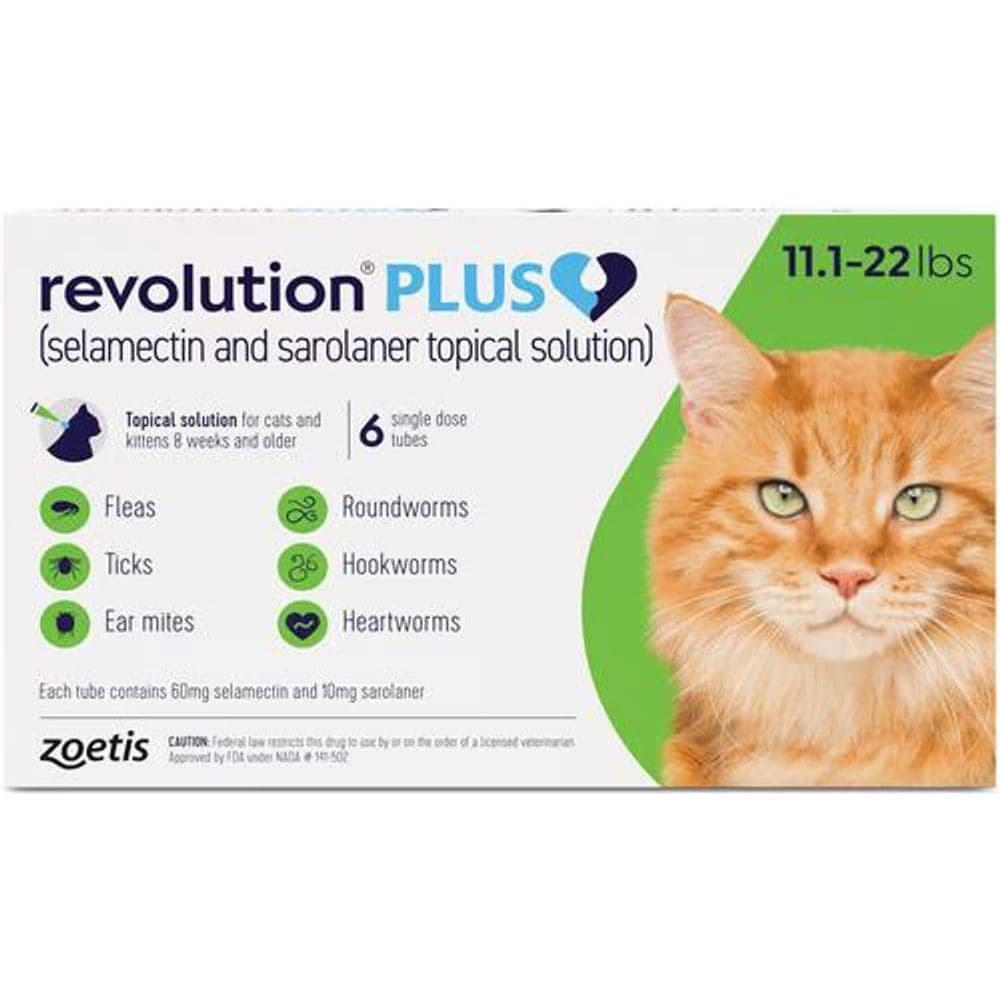
Monthly topical that protects cats from fleas, ticks, ear mites, roundworms, hookworms, and heartworm.
Webvet may earn a commission when you click through to Chewy, at no extra cost to you.
Topical (spot-on) treatments
Spot-ons are applied to the skin at the back of the neck once a month. Many kill adult fleas and also contain an IGR that stops eggs and larvae from developing, attacking two life stages at once.
They are a great choice for cats that refuse pills, but you must keep the cat from licking the site and avoid bathing around application.
Flea collars: what works and what to avoid
A modern, vet-recommended flea collar from a reputable manufacturer can provide months of steady protection and is a reasonable option for some cats. Cheap drugstore collars, on the other hand, are often nearly useless and a few contain harsh older insecticides.
If you use a collar, choose a quality breakaway design (so it releases if your cat snags it while climbing) and ask your vet which brands they trust.
Prescription vs. over-the-counter: what's worth it
Over-the-counter products vary enormously in quality. Some are excellent; some barely work. Prescription preventives from your veterinarian are tested, reliably dosed, and often cover more parasites at once (such as heartworm, intestinal worms, ear mites, and ticks).
For a true infestation, especially in a kitten, a senior, or a cat with health issues, prescription-strength products from your vet are almost always worth it.
Comparison table: flea treatment types for cats
| Treatment type | Speed of kill | Duration | Kills eggs/larvae? | Kitten-safe age* |
|---|---|---|---|---|
| Fast-kill oral adulticide | ~30 minutes | About 24 hours | No | Often from a few weeks old; check label |
| Monthly oral preventive | Within hours | About 1 month | Some formulas | Usually 8 weeks and up |
| Topical spot-on | Within 12-24 hours | About 1 month | Many do (contain IGR) | Usually 8 weeks and up |
| Quality flea collar | Within 1-2 days | Several months | Some do | Varies by brand; check label |
| Flea comb (no chemicals) | Immediate, manual | Per session only | Removes some eggs | Any age, including newborns |
*Age and weight minimums vary by product. Always read the label and confirm with your veterinarian before treating a kitten.
How to Get Rid of Fleas in Your House and Yard
Because 95 percent of the flea population lives off your cat, treating your home is not optional, it is half the job. Tackle the environment on the same day you treat your cat.

Wash bedding and soft furnishings (hot water)
Wash everything your cat lies on, including pet beds, blankets, throws, and your own bedding if your cat sleeps with you, in the hottest water the fabric allows (around 140 degrees Fahrenheit or hotter) and dry on high heat.
Heat kills fleas at every life stage. Repeat weekly through the whole campaign.
Vacuum daily, and empty it outside
Vacuuming is one of your most powerful tools. It removes adult fleas, eggs, larvae, and flea dirt, and the vibration even coaxes some pupae to hatch early so your treatment can reach them.
Vacuum carpets, rugs, upholstered furniture, baseboards, and along walls daily during an active infestation. Then immediately empty the canister or seal and discard the bag in an outdoor trash bin, so the fleas you just collected cannot crawl back out.
Treat carpets, cracks, and crevices
For heavier infestations, an environmental flea product that combines an adulticide with an insect growth regulator works best, because the IGR keeps eggs and larvae from maturing for months.
A targeted spray worked into carpet edges, under furniture, and along baseboards usually outperforms a single fogger, which tends to miss the protected cracks where larvae hide.
Always follow label directions, keep cats out of treated rooms until fully dry, and consider a professional pest-control service for severe cases.
Treat the yard and outdoor hotspots
If your cat goes outside, or a dog brings fleas in, focus on the shady, moist, protected spots where fleas thrive: under decks and porches, along fence lines, in dense shrubs, and around outdoor resting areas.
Fleas dislike sunny, dry, open lawn, so keep grass mowed and clear leaf litter. A yard-safe insecticide labeled for fleas can knock down outdoor populations, and for stubborn problems a pest-control professional is worth the call.
How long to keep treating the home
Plan on a sustained three-month effort. That is roughly how long it takes for every egg and pupa already in your home to finish developing and either die or get killed.
Keep your cat (and every pet) on monthly prevention, keep vacuuming and washing bedding regularly, and resist the urge to quit the moment you stop seeing fleas. Stopping early is the number-one way infestations come roaring back.
Natural and Home Flea Remedies for Cats: What Works and What's Dangerous
Searches for a natural flea treatment for cats are everywhere, and it is completely understandable to want a gentle, chemical-free fix.
The honest answer is that a few physical methods genuinely help, several popular remedies do nothing, and some so-called natural cures are downright dangerous for cats.
Limited-use options that can help
- Flea comb: Genuinely effective at physically removing fleas and dirt, totally chemical-free, and safe for any cat at any age.
- Dish-soap bath: A mild, fragrance-free dish soap in warm water drowns adult fleas on contact. Good for immediate relief, but it offers no lasting protection.
- Diluted apple cider vinegar: May act as a mild repellent that some fleas dislike, but it does not kill fleas. Treat it as a minor add-on, never a primary treatment.
What does not work
Skip the internet folklore. Baking soda and salt sprinkled on carpet do not meaningfully kill fleas and can damage your vacuum.
Feeding garlic or brewer's yeast does not repel fleas and garlic is actually toxic to cats. Ultrasonic flea-repelling plug-in devices have no proven effect. These waste time your itchy cat does not have.
What's toxic: never use these on cats
Kittens and Fleas: Special Care
Fleas on a young kitten are a different and more urgent situation than fleas on a healthy adult cat. Tiny kittens have very little blood to spare, and most flea medications are not safe for them.

Why fleas are an emergency in young kittens
A heavy flea burden can drain enough blood from a kitten to cause life-threatening anemia. Warning signs include pale or white gums, weakness, cold extremities, lethargy, and a kitten that will not nurse or eat.
This is an emergency. If you see these signs, contact a veterinarian immediately.
Safe flea removal for kittens too young for medication
For kittens under about 8 weeks old, or under the weight minimum on flea products, do not reach for spot-ons or pills.
Instead, give a gentle bath in warm water with a drop of mild, fragrance-free dish soap, then comb every flea out with a fine flea comb, drowning each one in soapy water.
Keep the kitten warm and dry afterward, since chilling is a real risk at that age. This comb-and-wash approach is the safest way to clear fleas off a fragile kitten.
When kittens can start preventives
Many flea preventives become safe once a kitten reaches roughly 8 weeks of age and a minimum weight, but the exact thresholds differ by product, and some fast-kill options can be used earlier under veterinary guidance.
Because the margins are tight in small kittens, let your veterinarian choose the product and confirm the dose rather than guessing from a box.
Health Risks of Fleas: Beyond the Itch
Fleas are not just annoying. They can cause real disease in cats, and some of those problems can affect people in the household too.
Flea allergy dermatitis (FAD)
Many cats are allergic to flea saliva, and for them a single bite can trigger intense itching, scabby bumps along the back and tail base, and hair loss from overgrooming.
Flea allergy dermatitis is one of the most common skin conditions in cats, and the only real cure is rigorous, year-round flea control.
Tapeworms
Fleas carry tapeworm larvae, and when a cat swallows an infected flea while grooming, it can develop a tapeworm infection. You may notice small rice-like segments near your cat's rear or in the bedding. This is just one of the other common parasites in cats that fleas help spread.
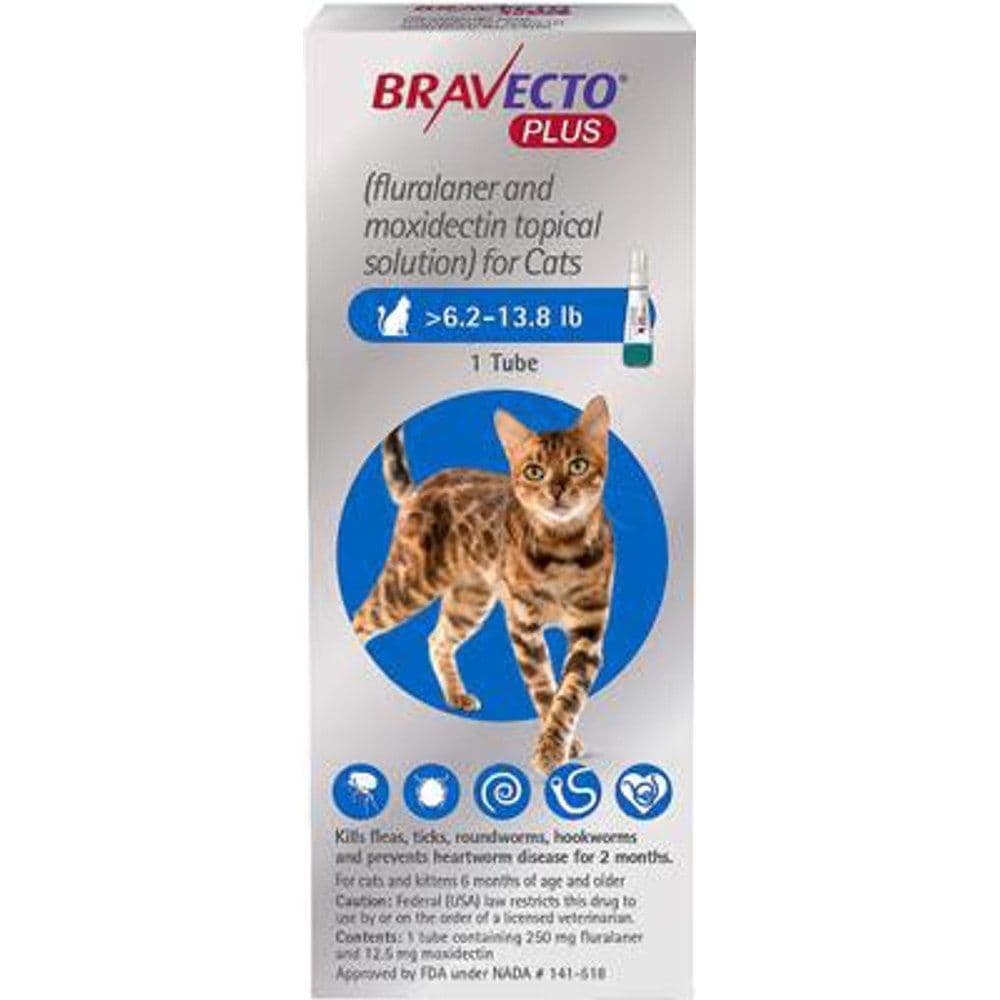
Long-lasting topical that protects cats from fleas, ticks, heartworm, roundworms, and hookworms for up to two months per dose.
Webvet may earn a commission when you click through to Chewy, at no extra cost to you.
Flea-borne anemia
In severe infestations, the sheer volume of blood fleas drink can cause anemia, which is especially dangerous for kittens, senior cats, and cats that are already ill. Pale gums and weakness are the red flags to watch for.
Bartonella ("cat scratch disease") and human risk
Fleas spread the bacteria that cause Bartonella infection between cats, and an infected cat can transmit it to people through a scratch or bite, which is why it is commonly called cat scratch disease.
Fleas can also bite people directly, leaving itchy welts. Controlling fleas protects your whole household, not just your cat.
Why Your Cat Still Has Fleas After Treatment
Few things are more frustrating than treating your cat and still seeing fleas. Almost always, the product is not at fault; the protocol has a gap. When treating fleas on cats fails, it is usually for one of these reasons.
The 7 most common reasons treatment fails
- You treated the cat but not the home, so eggs and pupae keep hatching.
- You stopped too soon, before the full 3-month life cycle finished.
- You missed a pet; one untreated dog or cat re-seeds the whole household.
- You skipped or were late with a monthly dose, leaving a protection gap.
- You applied a topical incorrectly, or bathed too soon and washed it off.
- You under-dosed by guessing weight, or used a weak product that is not very effective.
- There is an ongoing outside source, such as wildlife under the porch or a neighbor's pet.
Re-infestation vs. treatment failure
Seeing new fleas in the first few weeks usually is not failure at all. It is newly emerged adults from pupae that were already in your home before you started, and a good product will kill them shortly after they jump on your treated cat.
True treatment failure is rare; if fleas persist past three months of diligent, complete treatment, call your vet to review your plan and rule out a hidden source.
How to Prevent Fleas From Coming Back
Once you have done the hard work of figuring out how to get rid of fleas on cats and clearing the infestation, prevention is what keeps you from ever repeating it. It is far easier than starting over.
Year-round prevention for indoor and outdoor cats
The most reliable protection is a vet-recommended flea preventive given every single month, all year long, for every pet, including indoor-only cats.
Fleas survive indoors through winter thanks to central heating, and a single missed month opens the door. Year-round prevention is cheaper and far less stressful than fighting another full-blown infestation.
Building a household prevention routine
- Set a recurring phone reminder for each pet's monthly dose so you never skip one
- Keep every pet in the home on prevention, not just the ones who go outdoors
- Vacuum and wash pet bedding regularly as routine maintenance
- Do a quick flea-comb check during cuddle time, especially after travel or new-pet introductions
- Discourage wildlife from nesting near your home by sealing entry points and securing trash
When to Call Your Veterinarian
Most flea problems can be managed at home with the right products and persistence, but some situations need a veterinarian. Call your vet promptly if any of the following apply.
Frequently Asked Questions
What kills fleas on cats best?
A vet-recommended flea treatment kills fleas on cats best. Oral isoxazolines and feline-specific topical spot-ons are the most reliable. For instant relief, a fast-kill oral adulticide works within hours. Pair any of these with treating your home, since most fleas live in the environment, not on your cat.
What should I do if my indoor cat has fleas?
Treat your indoor cat exactly like any other cat: apply a vet-recommended flea product, treat every other pet in the home, and clean the environment with hot-water washing and daily vacuuming. Indoor cats get fleas from your shoes, dogs, rodents, and visitors, so the full protocol still applies.
How do you get rid of flea dirt on cats fast?
Comb your cat with a fine flea comb to lift out the black flecks, then give a warm bath with mild dish soap to rinse away the rest. Flea dirt is digested blood, so it keeps reappearing until the live fleas are gone. Treating the fleas themselves is the only lasting fix.
How do you get rid of cat fleas naturally?
The only natural methods that reliably help are physical ones: combing fleas out with a flea comb, bathing in warm water with mild dish soap, and washing bedding in hot water. Diluted apple cider vinegar may mildly repel fleas but will not kill them. Avoid essential oils, which are toxic to cats.
What is a homemade recipe to kill fleas on cats?
The safest homemade approach is a warm bath using a drop of mild, fragrance-free dish soap, followed by a thorough flea-comb-out, drowning each flea in soapy water. Do not make essential-oil, lemon, or vinegar-spray recipes for cats; several common ingredients are toxic. Home methods give relief but no lasting protection.
How long does it take to get rid of fleas on a cat?
You can kill the fleas on your cat within 24 to 48 hours with a fast-acting product, but fully clearing an infestation from your home takes about three months. That is how long it takes for all the eggs and pupae hiding in your environment to hatch and be eliminated. Keep treating the entire time.
Why does my cat still have fleas after treatment?
Usually because the home was not treated, a dose was missed, another pet was left untreated, or you stopped too early. New fleas in the first few weeks are typically pupae hatching from your environment, not a failed product. Treat every pet, clean the home, and stay consistent for three months.
Can fleas live in my house without pets?
Yes. Flea pupae can stay dormant in carpet and cracks for weeks to months with no animal present, then emerge when a warm-blooded host returns. This is why people moving into a previously infested home can suddenly find fleas, and why treating the environment matters as much as treating the pet.
Are flea treatments for dogs safe to use on cats?
No. Never use a dog flea product on a cat. Many contain permethrin or related compounds that are highly toxic, even deadly, to cats and can cause tremors and seizures. Always use a product labeled specifically for cats and dosed to your cat's weight. If your cat is exposed to a dog product, call your vet immediately.
How often should I apply flea treatment to my cat?
Most monthly preventives are given once every 30 days, year-round, without gaps. Some longer-acting collars and products last several months. Always follow the specific product's label and your veterinarian's guidance, and set a reminder so you never miss a dose, since lapses are a top cause of re-infestation.
Can I use Dawn dish soap to get rid of fleas on my cat?
A bath with a small amount of mild, fragrance-free dish soap will drown adult fleas on your cat and is useful for fast relief, especially for kittens too young for medication. But it offers no lasting protection, so it cannot replace a proper flea treatment. Rinse well and keep your cat warm afterward.
Do indoor cats need flea prevention year-round?
Yes. Indoor cats can get fleas from people, other pets, and rodents, and fleas survive winter in heated homes. Year-round monthly prevention for every pet is the most reliable way to avoid an infestation. Most veterinarians recommend it for indoor-only cats just as strongly as for cats that go outside.
The Bottom Line
The key to how to get rid of fleas on cats is treating two fronts at once: kill the fleas on your cat with a vet-recommended flea treatment, and clear the eggs, larvae, and pupae from your home and yard.
Treat every pet, choose a feline-specific product, and stick with it for about three months to fully break the life cycle.
Skip the toxic shortcuts, never use dog products on cats, and lean on safe physical methods like the flea comb while your medication does the heavy lifting.
When in doubt, especially with a kitten, a pregnant cat, or any cat showing pale gums or weakness, your veterinarian is your best partner for a safe, effective plan.
Veterinarian · BVMS MRCVS
Dr. Pippa Elliott, BVMS, MRCVS, is a veterinarian with nearly 30 years of experience in companion animal practice. Dr. Elliott earned her Bachelor of Veterinary Medicine and Surgery from the University of Glasgow. She was also designated a Member of the Royal College of Veterinary Surgeons. Married with 2 grown-up kids, Dr. Elliott has a naughty Puggle named Poggle, 3 cats and a bearded dragon.


