Anaplasmosis in Dogs: Symptoms, Treatment, and Recovery
Anaplasmosis in dogs is a tick-borne infection that can cause fever, lethargy, and joint pain. Learn how vets diagnose it, treat it with doxycycline, and how to protect your dog.

BVMS MRCVS
Medically reviewed by Dr. Pippa Elliott, BVMS MRCVS · Last reviewed

This article contains affiliate links. Webvet may earn a commission when you buy through them, at no extra cost to you.
Anaplasmosis in dogs is a tick-borne bacterial infection caused by Anaplasma phagocytophilum or Anaplasma platys, spread mainly through the bite of an infected black-legged (deer) tick. Most dogs develop flu-like signs such as fever, lethargy, loss of appetite, and joint pain roughly one to two weeks after a tick bite. The good news: it is diagnosed with a simple in-clinic blood test, treated with the antibiotic doxycycline, and most dogs recover well when treatment starts promptly. This vet-reviewed guide walks through the symptoms, testing, treatment, prognosis, how anaplasmosis differs from Lyme disease, and how to keep your dog protected.

 Sponsored
Need flea, tick, or parasite care for your dog?
A licensed vet at Dutch can recommend the right preventive and prescribe it when it's appropriate. Annual members get 20% off their first flea and tick order.
Use code Pets30
Plans start at $11/month · covers up to 5 pets
- Licensed vets in most states
- Rx for 150+ conditions
- 4.7 on Trustpilot
What is anaplasmosis in dogs?
Anaplasmosis in dogs is a tick-borne bacterial infection that affects a dog's blood cells. It is one of the most frequently diagnosed tick-borne diseases in North America, and cases tend to rise during warm months when ticks are most active. Two different bacteria in the Anaplasma genus cause it, and they behave differently in the body:
- Anaplasma phagocytophilum: The more common species in the United States. It infects white blood cells (granulocytes) and causes the classic fever, lethargy, and joint-pain picture. It is carried by the same black-legged ticks that spread Lyme disease.
- Anaplasma platys: Less common and spread by the brown dog tick. It infects platelets (the cells that help blood clot) and can cause a drop in platelet counts known as thrombocytopenia, sometimes leading to bruising or bleeding.
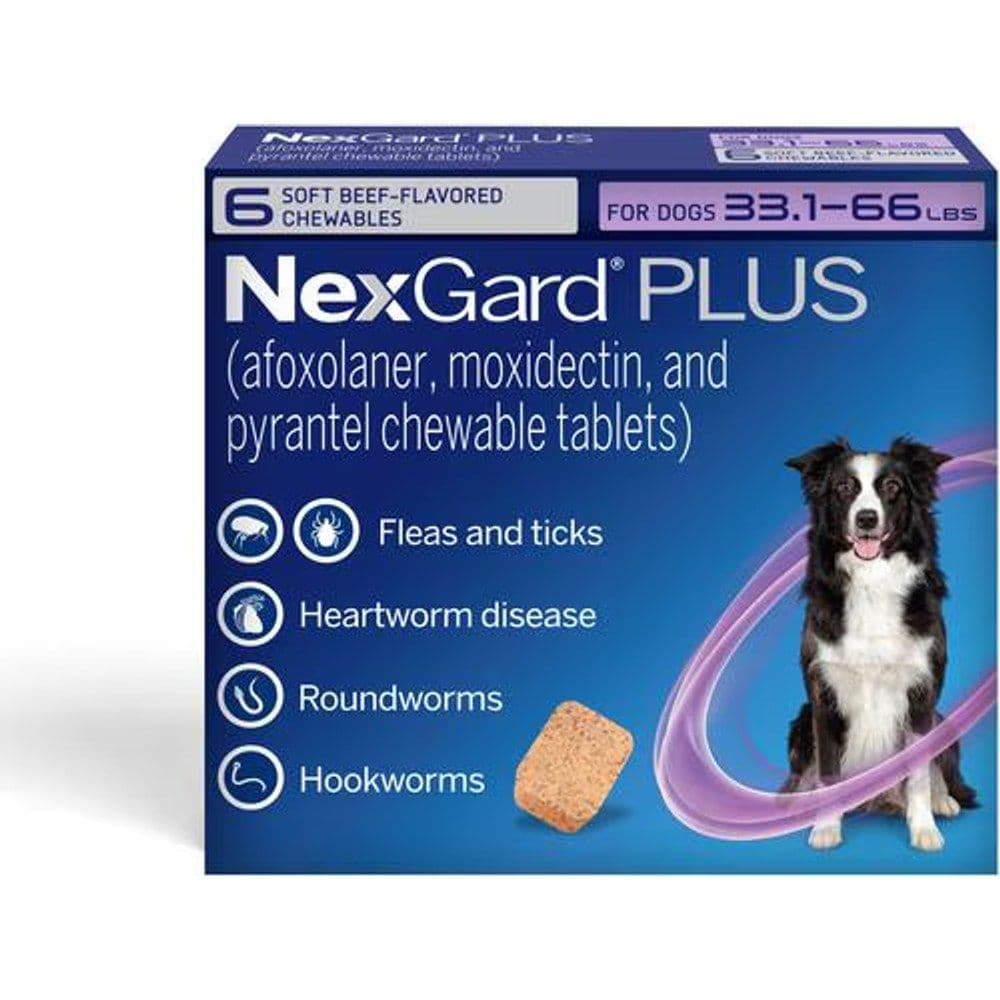
Beef-flavored monthly chew that protects dogs from fleas, ticks, heartworm disease, roundworms, and hookworms.
Webvet may earn a commission when you click through to Chewy, at no extra cost to you.
Because the bacteria attack blood cells, anaplasmosis is one of several tick-borne diseases in dogs that can look vague at first and are easy to miss without testing. It is diagnosed and treated by a veterinarian, and it is not passed directly from dog to dog or from dog to human.

- 1Anaplasmosis is a tick-borne bacterial infection, not a contagious disease dogs pass to each other or to people.
- 2Two species exist: A. phagocytophilum (fever and joint pain) and A. platys (low platelets and bruising).
- 3Doxycycline is the standard treatment, and most dogs improve within a few days of starting it.
How dogs get anaplasmosis: ticks and transmission
Dogs get anaplasmosis when an infected tick bites them and feeds long enough to pass the bacteria into the bloodstream. Dogs do not catch it from other dogs, from shared bowls, or from casual contact. The tick bite is the route.

The ticks that transmit anaplasmosis include:
- Black-legged (deer) ticks, Ixodes scapularis in the eastern and midwestern U.S. and Ixodes pacificus on the West Coast, which carry Anaplasma phagocytophilum.
- Brown dog ticks, which can carry Anaplasma platys.
A tick generally needs to stay attached for a day or more before it transmits the bacteria, which is why prompt tick removal matters. If you find a tick on your dog, remove it correctly and note the date. Learning what tick bites look like on dogs helps you spot a problem early. Because these ticks also spread Lyme disease and other infections, a single bite can transmit more than one pathogen at once, a scenario called co-infection.
Anaplasmosis is most common in regions where black-legged ticks thrive, particularly the Northeast, upper Midwest, and Pacific coast, but tick ranges are expanding, so dogs across much of the country face some level of risk.
Symptoms of anaplasmosis in dogs
The most common symptoms of anaplasmosis in dogs are fever, lethargy, reduced appetite, and painful, stiff joints that typically appear one to two weeks after an infected tick bite. Many dogs simply seem "off": tired, sore, and not interested in food or play.

Signs to watch for include:
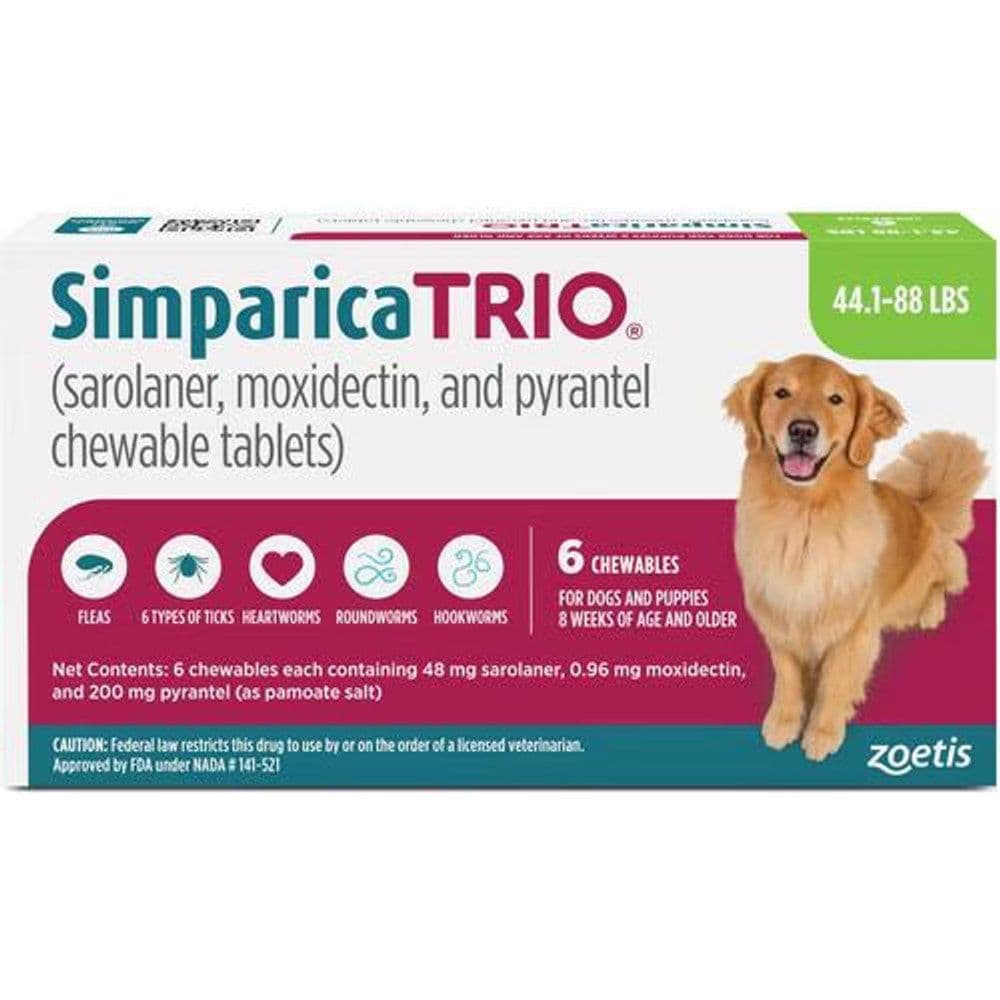
Monthly chew that protects dogs from fleas, six species of ticks, heartworm disease, roundworms, and hookworms.
Webvet may earn a commission when you click through to Chewy, at no extra cost to you.
- Fever
- Lethargy and low energy
- Loss of appetite
- Joint pain, stiffness, or reluctance to move (a dog may seem to limp or shift which leg it favors)
- Vomiting or diarrhea
- Bruising, small red spots on the gums or belly, or nosebleeds (more typical of the platelet-lowering A. platys infection)
The symptoms of anaplasmosis in dogs overlap heavily with other tick-borne illnesses, so signs alone cannot confirm a diagnosis. If your dog develops a fever, sudden lameness, or unexplained tiredness, especially after time outdoors, call your veterinarian.
 Sponsored
Vet care that's always there
Unlimited video calls and messaging with licensed vets for less than a typical vet visit. One membership covers up to five pets.
Use code Pets30
Plans start at $11/month · covers up to 5 pets
- Licensed vets in most states
- Rx for 150+ conditions
- 4.7 on Trustpilot
How is anaplasmosis diagnosed?
Anaplasmosis is usually diagnosed with a quick in-clinic blood test called the 4Dx SNAP test, which screens for exposure to anaplasma, Lyme disease, ehrlichia, and heartworm at the same time. A positive result means the dog's immune system has been exposed to the bacteria.
Your veterinarian will typically confirm and interpret the picture using:
- The SNAP 4Dx test as the first-line screen for exposure.
- A complete blood count (CBC), which often shows a low platelet count (thrombocytopenia), one of the most consistent clues.
- A blood smear, where a lab may spot the bacteria inside blood cells (called morulae) during active infection.
- PCR testing, which detects the bacteria's DNA and can confirm active infection, sometimes paired with follow-up antibody testing.
What a positive anaplasmosis test in a healthy dog means
A common and confusing situation is a dog that tests positive for anaplasmosis on a routine 4Dx SNAP but shows no symptoms at all. A positive test signals exposure, not necessarily active illness. Many dogs are exposed, clear the organism, and never get sick.
In a healthy dog with a positive result, veterinarians generally do not automatically prescribe antibiotics. Instead, they weigh whether to treat or monitor: checking a CBC for a low platelet count, reviewing symptoms, and deciding based on the whole picture. A dog that feels fine with normal bloodwork is often monitored rather than medicated, while a dog with clinical signs or abnormal bloodwork is treated. Always let your veterinarian make this call.
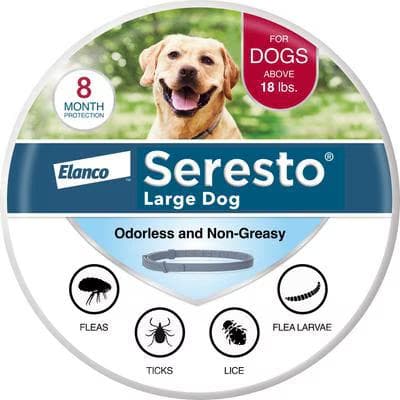
An eight-month flea and tick collar for dogs over 18 lbs that releases protection steadily. A low-effort layer to help keep ticks off between vet-recommended preventives.
Webvet may earn a commission when you click through to Chewy, at no extra cost to you.
How is anaplasmosis in dogs treated?
Anaplasmosis in dogs is treated with the antibiotic doxycycline, and most dogs respond quickly. Doxycycline is a prescription medication, so it must come from your veterinarian, never from an over-the-counter source.
Key points about treatment:
- Doxycycline is usually given for about 14 to 30 days, with a common course of two to four weeks depending on your vet's assessment.
- Many dogs feel noticeably better within 24 to 72 hours of starting the antibiotic, with fever and joint pain easing quickly.
- Finish the full course even after your dog seems recovered, to reduce the chance of lingering infection.
- Give doxycycline with food and plenty of water to lower the risk of stomach upset, and follow your vet's dosing instructions exactly.
- Dogs that are very sick or have significant bleeding may need supportive care such as fluids or, rarely, hospitalization.
Your veterinarian may recheck bloodwork after treatment to confirm that platelet counts and other values have returned to normal.
Doxycycline is generally well tolerated, but watch for mild stomach upset such as vomiting or reduced appetite. Giving the dose with a meal and following it with water helps. Contact your vet if your dog struggles to keep the medication down or if symptoms fail to improve after a few days of treatment, since that can point to a co-infection or a different problem that needs a second look.
Can dogs recover from anaplasmosis? Prognosis
Yes, dogs typically recover from anaplasmosis, and the prognosis is generally very good when treatment starts promptly. With doxycycline, most dogs improve within a few days and go on to make a full recovery.
Recovery expectations at a glance:
- Short-term outlook: Fever and joint pain usually fade within the first few days of antibiotics.
- Long-term effects: Unlike some tick-borne infections, anaplasmosis is not known to cause chronic organ damage in most dogs, and lasting long-term effects are uncommon after successful treatment.
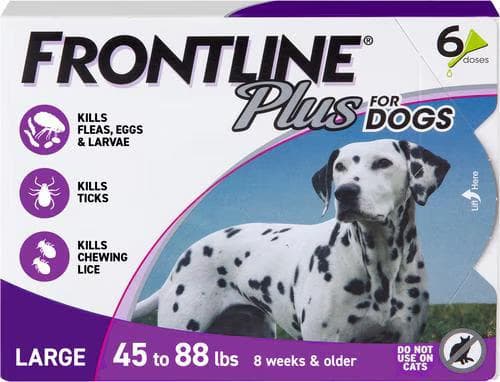
A monthly topical spot-on for large dogs 45 to 88 lbs that kills fleas, ticks, and chewing lice. A waterproof pick for dogs who do better with a topical than an oral chew.
Webvet may earn a commission when you click through to Chewy, at no extra cost to you.
- Reinfection: Recovering does not make a dog immune. A dog can catch anaplasmosis again from a future tick bite, which is why year-round prevention matters.
At home during recovery, give your dog quiet rest, easy access to food and water, and a calm space to relax while the antibiotics take effect. Keep other pets from crowding a sore, tired dog, and follow up with your vet if energy, appetite, or comfort do not steadily improve over the first week.
How serious is anaplasmosis in dogs?
For most dogs, anaplasmosis is a treatable illness rather than a life-threatening one, and deaths are rare. Serious complications are uncommon but possible, usually in dogs with very low platelet counts and significant bleeding, in young or older dogs, or in those carrying more than one tick-borne infection at the same time.
The bigger risk is a missed or delayed diagnosis, because the early signs are vague. That is why testing after any unexplained fever, lameness, or lethargy, particularly in tick-heavy areas, is so valuable. Co-infection, where the same tick bite delivers both anaplasma and Lyme or another pathogen, can make a dog sicker and complicate the picture, so tell your vet about any recent tick exposure. Caught and treated, anaplasmosis rarely becomes dangerous.
Bleeding signs that mean call the vet now
The most serious cases usually trace back to a sharp drop in platelets, the cells that let blood clot, so the warning signs to act on fastest are the ones that point to abnormal bleeding. If your dog shows any of the following, treat it as urgent and contact your veterinarian or an emergency clinic right away:
- Pinpoint red spots or purple bruises on the gums, belly, or inner ears
- A nosebleed, blood in the urine or stool, or blood that appears when your dog coughs
- Pale gums, weakness, or collapse, which can signal significant blood loss
These signs are uncommon, and most dogs with anaplasmosis never reach this point. But because a very low platelet count is what turns a routine infection into a dangerous one, knowing what to look for lets you get ahead of trouble instead of waiting to see whether it passes.
What happens if anaplasmosis goes untreated?
If anaplasmosis is left untreated, some dogs clear the infection on their own, but others develop prolonged fever, worsening lethargy, persistent joint pain, and a low platelet count that can lead to abnormal bleeding or bruising. Untreated infection can also make a dog feel unwell for far longer than necessary.
Because you cannot predict which dogs will bounce back and which will get sicker, and because treatment is a simple, effective course of antibiotics, veterinarians recommend treating clinically ill dogs rather than waiting to see what happens. If you suspect anaplasmosis, do not try to manage it at home; see your veterinarian.
Anaplasmosis vs. Lyme disease in dogs
Anaplasmosis and Lyme disease are both spread by the same black-legged ticks and can cause overlapping signs, but they are different infections. Neither is reliably "more serious" than the other in every case: anaplasmosis usually resolves quickly with antibiotics, while Lyme disease can occasionally lead to kidney complications in a small number of dogs. Because the two share a tick, dogs are sometimes co-infected with both at once, which can make illness harder to sort out.
| Feature | Anaplasmosis | Lyme disease |
|---|---|---|
| Bacteria | Anaplasma phagocytophilum / A. platys | Borrelia burgdorferi |
| Main tick | Black-legged (deer) tick | Black-legged (deer) tick |
| Onset after bite | About 1 to 2 weeks | Often weeks to months |
| Typical signs | Fever, lethargy, joint pain, low platelets | Fever, shifting-leg lameness, swollen joints |
| Screening test | 4Dx SNAP | 4Dx SNAP |
| Treatment | Doxycycline | Doxycycline |
| Prognosis | Usually excellent | Good, with rare kidney complications |
The two conditions are treated with the same antibiotic, so the practical difference for owners is mostly about monitoring and follow-up. For a full breakdown of causes, symptoms, testing, the Lyme vaccine, and long-term care, see our detailed guide to Lyme disease in dogs.
Can humans catch anaplasmosis from dogs?
No, humans cannot catch anaplasmosis directly from a dog. Anaplasmosis is not contagious between a dog and a person through licking, contact, or bites. People can get anaplasmosis, but they get it the same way dogs do: from the bite of an infected tick.
That said, a dog with anaplasmosis is a signal that infected ticks are active in your environment, which means you and your family may share that exposure risk. Reducing ticks around your home and checking both pets and people after time outdoors protects everyone. If you have concerns about your own health, talk to a physician.
How to prevent anaplasmosis in dogs
The single best way to prevent anaplasmosis is year-round tick control, because no tick means no infection. There is no anaplasmosis vaccine, so preventing tick bites is the whole strategy. Keep your dog on a veterinarian-recommended tick preventive, check for ticks daily during tick season, and remove any you find promptly.
Effective, vet-recommended options span every format: prescription isoxazoline chews such as NexGard PLUS, Simparica TRIO, Credelio, and Bravecto; topical spot-ons like Frontline Plus and K9 Advantix II; and long-lasting collars such as Seresto, which shields against ticks for up to eight months.
For product options and how to choose among them, see our guide to the best flea and tick prevention for dogs, and read more about the range of tick-borne diseases in dogs that prevention helps you avoid. Everyday habits also help: keep grass trimmed, avoid tall brush on walks, and check your dog after outdoor time.
Frequently Asked Questions
Is there a vaccine for anaplasmosis in dogs?
No. There is no vaccine for anaplasmosis in dogs. The only way to protect your dog is consistent, year-round tick prevention and prompt removal of any ticks you find.
How long does doxycycline take to work for anaplasmosis?
Most dogs improve within 24 to 72 hours of starting doxycycline, with fever and joint pain easing quickly. Even so, the full course, usually two to four weeks, should be finished to fully clear the infection.
Can a dog get anaplasmosis more than once?
Yes. Recovering from anaplasmosis does not create lasting immunity, so a dog can be reinfected from a future tick bite. This is why ongoing tick prevention is important even for dogs that have already been treated.

Editor
The Webvet Editorial Team is the in-house group of pet-care editors and writers behind Webvet, operated by Smart Pet Collective. The team researches, writes, and maintains Webvet's pet health, behavior, and medication content. Every article follows a defined editorial process: research from reputable veterinary and scientific sources, careful drafting, mandatory review of medical content by a credentialed veterinarian, and dated publication. Health and medication articles are medically reviewed by a licensed veterinary professional before they go live and are kept current over time.
Veterinarian · BVMS MRCVS
Dr. Pippa Elliott, BVMS, MRCVS, is a veterinarian with nearly 30 years of experience in companion animal practice. Dr. Elliott earned her Bachelor of Veterinary Medicine and Surgery from the University of Glasgow. She was also designated a Member of the Royal College of Veterinary Surgeons. Married with 2 grown-up kids, Dr. Elliott has a naughty Puggle named Poggle, 3 cats and a bearded dragon.


