Autoimmune Disease in Dogs: Types, Signs, Diagnosis, and Treatment
Autoimmune disease happens when a dog's immune system attacks its own skin, blood, joints, muscles, or nerves. The main types, signs that matter, diagnosis, treatment, emergencies, and the long-term outlook.

BVMS MRCVS
Medically reviewed by Dr. Pippa Elliott, BVMS MRCVS · Last reviewed

This article contains affiliate links. Webvet may earn a commission when you buy through them, at no extra cost to you.
Autoimmune disease in dogs: what it is, the main types, and when it needs a vet
Autoimmune disease in dogs happens when the immune system turns on the dog's own body. The Merck Veterinary Manual describes an overactive immune system that attacks parts of its own body it mistakes for foreign. Vets often call this immune-mediated disease.
Autoimmune disease in dogs can target the skin, the blood, the joints, the muscles and nerves, or the brain and spinal cord. Most types are managed rather than cured, with vet-prescribed immunosuppressive medicine. Pale gums, bleeding or bruising, collapse, or breathing trouble mean a vet visit today.
Autoimmune blood disease destroys red blood cells or platelets, while skin forms cause crusts and sores, so the disease can look very different from dog to dog.
- 1What autoimmune disease is: the dog's immune system attacks its own skin, blood cells, joints, muscles, nerves, or brain.
- 2Main types by body system: skin (pemphigus, lupus), blood (IMHA, ITP), joints (polyarthritis), muscle and nerve (myasthenia gravis, MMM), brain and spinal cord (meningitis, GME).
- 3Pale gums, bleeding, collapse, breathing trouble, or regurgitation with coughing need a vet the same day.
- 4Treatment usually means months of immunosuppressive medicine, a slow taper, and regular blood tests.
What are immune disorders?
Immune disorders are conditions where the immune system works too hard or too little. Merck explains that immune-mediated disorders happen when the immune system is overactive or underactive. An underactive system (an immunodeficiency) leaves a dog open to infections. An overactive one either overreacts to outside triggers, as in allergies, or attacks the body itself.

Most autoimmune conditions need daily medicine at home for months, and some dogs stay on a low dose for life, so an easy pill routine matters from the first week.
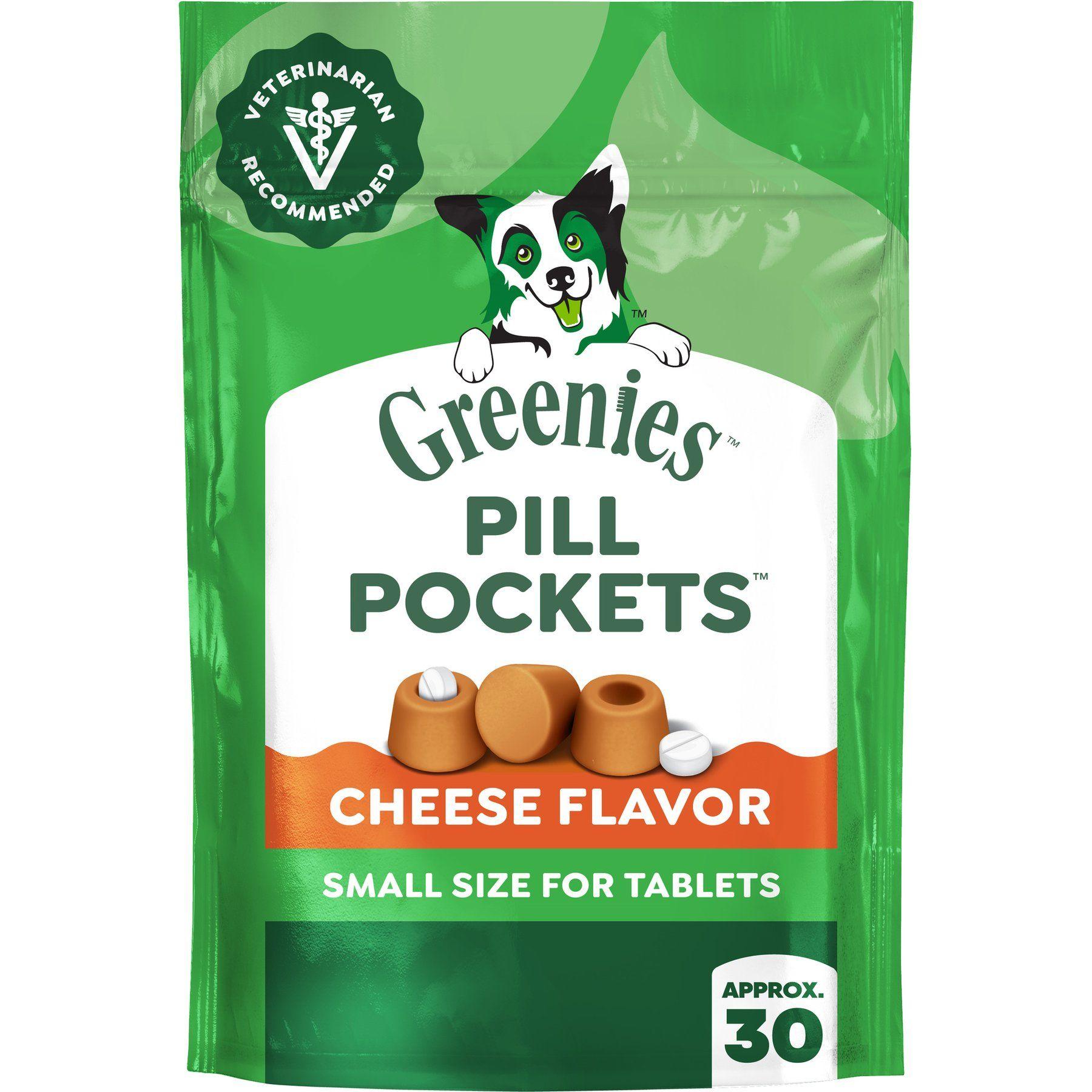
Soft treats with a pocket for hiding the daily tablets many immune-mediated conditions need for months.
Webvet may earn a commission when you click through to Chewy, at no extra cost to you.
Types of autoimmune disease in dogs and their signs: skin, blood, joints, muscles, nerves, and brain
| Type | Body system | Signature sign an owner notices | Urgency |
|---|---|---|---|
| Pemphigus foliaceus | Skin | Crusts, scabs, hair loss on face, ears, footpads | Vet within days |
| Discoid or systemic lupus | Skin, joints, organs | Nose losing color, shifting lameness, on-off fever | Vet within days |
| IMHA | Blood | Pale or yellow gums, weakness | Emergency, same day |
| ITP | Blood | Pinpoint bruises, nosebleeds | Emergency, same day |
| Immune-mediated polyarthritis | Joints | Stiffness, lameness that moves between legs | Vet within a day or two |
| Masticatory muscle myositis | Jaw muscles | Painful jaw, cannot open the mouth | Vet within a day or two |
| Myasthenia gravis | Muscle and nerve | Weakness after exercise, regurgitation | Same day if regurgitating |
| Steroid-responsive meningitis-arteritis | Brain and spinal cord coverings | Severe neck pain, fever | Same day |
| GME | Brain and spinal cord | Seizures, circling, wobbliness | Same day |
| Immune-mediated uveitis | Eye | Red, cloudy, squinting eye | Same day |
| Symmetric lupoid onychodystrophy | Nails | Nails breaking off, regrowing misshapen | Routine visit |
Early signs of autoimmune disease in dogs are often vague: tiredness, poor appetite, a fever that keeps returning, or stiffness. Each autoimmune type then shows its signature sign in its own body system, which is how vets narrow the list.
Joints: immune-mediated polyarthritis
Immune-mediated polyarthritis inflames several joints at once. Merck describes a recurring fever that does not improve with antibiotics, along with stiffness or a lameness that shifts from leg to leg. That pattern differs from the single sore leg behind most limping, covered in why is my dog limping.
Large dogs such as German Shepherds and Doberman Pinschers are most often affected, according to Merck, and among toy breeds the Toy Poodle and Chihuahua.
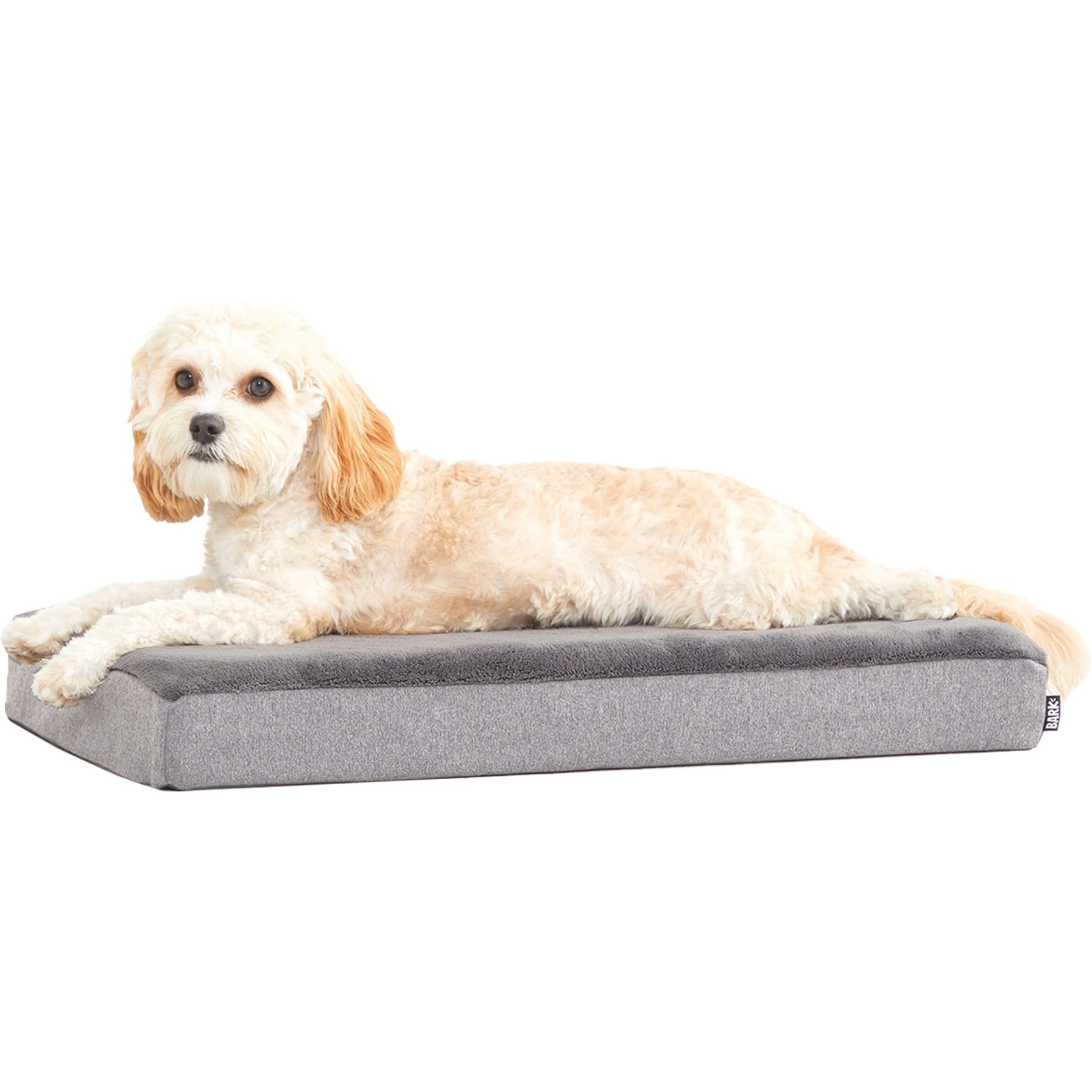
A memory foam bed that gives a dog with stiff, inflamed joints a cushioned place to rest.
Webvet may earn a commission when you click through to Chewy, at no extra cost to you.
What is pemphigus?
Pemphigus is a group of autoimmune skin diseases. VCA Animal Hospitals explains that the immune system attacks the connections between the dog's own skin cells, so the skin separates into pustules, crusts, and sores. Pemphigus foliaceus, erythematosus, and vulgaris are the main forms; vulgaris is the rarest and most severe. See pemphigus in dogs for each form.
What is the most common autoimmune skin disease in dogs?
Pemphigus foliaceus is the most common autoimmune skin disease in dogs, according to VCA. It usually appears in middle-aged and older dogs as hair loss, scabs, and open sores on the head, face, and ears, and it can spread across the body over time. Chow chows and akitas are among the breeds VCA lists as most affected.
Skin, nose, paws, nails, and mouth
- Nose: in discoid and systemic lupus, Merck says the nose loses color and reddens, and ulcers may form. See lupus in dogs.
- Paws: VCA describes crusts and ulcers on all four feet, especially footpads and nailbeds.
- Nails: in symmetric lupoid onychodystrophy, the immune system attacks the nail growth area, and a nail breaking off is often the first sign.
- Mouth: pemphigus vulgaris causes blisters and sores in and around the mouth, and lupus can cause mouth ulcers.
Merck lists skin infection, ringworm, and demodex mites as other causes of muzzle crusting, and WebVet's common dog skin problems with pictures shows how they differ.

Blood, muscles, nerves, brain, and other organs
- Blood: in IMHA, Merck explains the immune system destroys the dog's own red blood cells, causing pale or yellow gums and fatigue; in ITP, VCA describes pinpoint bruises on the belly, gums, and eyes. See anemia in dogs.
- Jaw muscles (MMM): VCA says dogs cannot open the mouth without severe pain; the average age is three years.
- Muscle and nerve: Merck describes weakness brought on by exercise that improves with rest, often with regurgitation. See myasthenia gravis in dogs.
- Brain and spinal cord: steroid-responsive meningitis-arteritis brings fever and severe neck pain in young dogs (see meningitis in dogs), and the Merck manual calls GME a relatively common immune-mediated brain inflammation.
- Eyes, liver, and glands: immune complexes can inflame the iris (see uveitis in dogs), and Merck includes autoimmune hepatitis and autoimmune thyroid inflammatory disease among the forms.
Overall, Merck names IMHA and ITP the most common antibody-driven types and counts immune complex disorders, the group that includes lupus, among the most common immune-mediated diseases, though lupus itself is rare.

 Sponsored
Have a health question about your dog?
Talk to a licensed vet at Dutch over video or message, including nights and weekends.
Use code Pets60
Plans start at $12/month · covers up to 5 pets
- Licensed vets in most states
- Rx for 150+ conditions
- 4.7 on Trustpilot
What causes autoimmune disease in dogs: breed, genetics, and common triggers
In most dogs, nobody finds a single cause. Merck states that some forms can be triggered by a drug, vaccine, or infection, but most often the trigger cannot be pinpointed.

- Genes and breed: VCA says some dogs may be genetically predisposed. German Shepherds appear on Merck's lists for polyarthritis and myasthenia gravis.
- Medicines and infections: Merck calls drugs a frequent cause of immune-mediated vasculitis, and VCA names viral infections, sunlight, chronic skin allergies, and cancer as pemphigus triggers.
- Age and size: small dogs feature in GME and toy-breed polyarthritis; older dogs more often get pemphigus foliaceus.
It is not contagious in the usual sense: Merck describes the attack as the dog's own immune system, so there is no germ to pass on, though an infection that triggered it may be catching.
Do vaccines cause autoimmune disease?
The 2022 AAHA Canine Vaccination Guidelines say allergic reactions are linked to vaccination, but links to IMHA, ITP, and polyarthritis are less consistent. AAHA adds that single-component rabies vaccines may carry more reaction risk. AAHA tells owners long-term side effects have not been definitively linked to vaccines.
 Sponsored
Vet care that's always there
Unlimited video calls and messaging with licensed vets for less than a typical vet visit. One membership covers up to five pets.
Use code Pets60
Plans start at $12/month · covers up to 5 pets
- Licensed vets in most states
- Rx for 150+ conditions
- 4.7 on Trustpilot
How vets diagnose autoimmune disease in dogs
No single blood test confirms autoimmune disease in dogs. Testing means confirming the specific condition and ruling out lookalikes such as infection and cancer, which Merck says must be excluded first.

- Blood forms: a complete blood count, chemistry, urinalysis, infection screening, and imaging.
- Skin forms: VCA says pemphigus requires a skin biopsy.
- Lupus, joints, brain: an antibody blood test, joint fluid analysis, or spinal fluid analysis.
- Muscle and nerve: antibody tests for MMM and myasthenia gravis.
For ITP, Merck notes the diagnosis often rests on the signs and the response to treatment rather than one blood test. VCA warns the MMM blood test must be taken before steroids, which can cause a false negative, so ask whether samples come first.
When autoimmune signs are an emergency: pale gums, bleeding, collapse, and breathing trouble
Is autoimmune disease in dogs fatal? Some forms can be. Merck calls IMHA life-threatening, and describes fulminant myasthenia, a deadly form in which sudden paralysis quickly stops breathing.
VCA explains that in ITP, blood loss turns the gums pale and bleeding in the lungs causes breathing difficulty, and that inhaled food in myasthenia gravis causes extremely serious pneumonia needing oxygen and intensive care.
Treating autoimmune disease in dogs: immunosuppressive medicines and what the vet monitors
Treating autoimmune disease in dogs means calming the immune attack with immunosuppressive therapy, aiming for remission on as little medicine as possible.
Every medicine here needs a veterinary prescription, and the veterinarian sets the dose, the taper, and the monitoring. Prednisone is usually first: VCA calls it the typical first-line drug for ITP.
A prescription steroid tablet vets commonly start for autoimmune disease; your vet sets the dose, taper, and monitoring.
Webvet may earn a commission when you click through to Chewy, at no extra cost to you.
Prednisone is converted to prednisolone in the liver, according to VCA, and takes effect within about 1 to 2 hours. It must be tapered slowly, never stopped suddenly, to avoid complications.
VCA lists what the vet commonly tracks while a dog takes prednisone:
- Bloodwork and urinalysis
- Blood sugar levels and ACTH stimulation tests (a test of adrenal function)
- Weight and appetite
- Side effects such as increased drinking, urination, appetite, and panting
When steroids alone are not enough, VCA says azathioprine, cyclosporine, or mycophenolate can be added if there is no response after a week. For large-breed dogs with polyarthritis, a Journal of Veterinary Internal Medicine study notes that adding a second drug early is recommended to spare steroids sooner. Each added drug brings its own schedule of blood tests.
A prescription immunosuppressant tablet for dogs that vets add to steroids, with regular blood-count checks.
Webvet may earn a commission when you click through to Chewy, at no extra cost to you.
Azathioprine (Generic) Tablets, 50-mg, 30 tablets are a dog medicine only: VCA says azathioprine is not recommended for cats because of severe side effects. Its full effect may take several weeks. VCA advises complete blood counts from every 1 to 2 weeks to every 1 to 2 months, plus liver enzyme checks, because it can suppress the bone marrow. Wear gloves when handling the tablets, and pregnant people should not handle them.
Other immunosuppressive options
- Mycophenolate: Mycophenolate Mofetil (Generic) Capsules, 30 capsules, 250-mg treat various autoimmune diseases in dogs, per VCA. VCA advises blood counts, biochemistry, and electrolytes from every 1 to 2 weeks to every 2 to 3 months, and no modified live vaccines during treatment.
- Cyclosporine (Atopica): VCA describes cyclosporine as an immune-modulating drug for skin allergies and other immune-mediated conditions. Cyclosporine (Generic) Modified Capsules, 50-mg, 30 capsules can take up to six weeks to reach full effect, and vets may check blood or urine for drug levels and organ function.
- Melatonin: VCA notes it is sometimes added for ITP, with some evidence it helps modulate the immune system.
Long-term immunosuppression can raise the risk of infection, and VCA notes a possible increased risk of tumors with azathioprine. Black or bloody stools or bloody vomit can signal a stomach ulcer on steroids and need an immediate call to your vet.

How treatment differs by type
- IMHA: Merck says most forms respond to corticosteroids and other immunosuppressive drugs, and blood transfusions may be needed. The ACVIM consensus statement adds that treatment also targets blood clots, a prominent cause of illness and death in IMHA.
- ITP: VCA says dogs with very low platelets may need strict cage rest to avoid injury while medicine takes effect.
- Polyarthritis: corticosteroids are first-line, and the same JVIM study notes ciclosporin, mycophenolate, leflunomide, and azathioprine are also used.
- Myasthenia gravis: VCA names pyridostigmine as the drug of choice, sometimes with corticosteroids, azathioprine, or mycophenolate, and a chest tumor (thymoma) must be removed surgically if present.
- MMM: VCA describes an immune-suppressive dose of prednisone over months, with early aggressive treatment offering the best chance of remission.
- Brain forms: Merck calls immunosuppressive therapy the cornerstone, often pairing steroids with a second drug.
- Nail disease: VCA lists niacinamide with tetracycline or doxycycline, or steroids or cyclosporine, with results taking up to three months.
- Eyes: Merck says immune-mediated uveitis is treated with medication for the eye and the whole body, and immune-mediated dry eye with prescription cyclosporine eye drops, often for life.
- Liver: Merck advises against stopping immunosuppressive therapy in chronic hepatitis, and urges careful thought before routine vaccines because they may trigger a flare.
Natural remedies, supplements, and holistic treatment
No natural, holistic, or supplement approach replaces immunosuppressive medicine for these diseases. Products sold to boost immunity aim the wrong way, since the immune system is already overactive; WebVet's guide to how to boost a dog's immune system is written for healthy dogs. VCA asks owners to tell the vet about every vitamin, supplement, or herbal product, because some interact with these drugs.
Giving medicine and watching for side effects
Daily tablets go down more easily hidden in a soft treat such as Greenies Pill Pockets Cheese Flavor Natural Dog Treats, Tablet Size, 30 count, listed at $11.99 on Chewy when checked in November 2026. Give doses at the same times each day and keep a written log of doses and changes.
Life expectancy and living with an autoimmune disease: flares, remission, and home care
There is no single life expectancy figure for dogs with autoimmune disease. The prognosis depends on the type, how quickly treatment starts, and the dog's response. Many dogs reach remission and live full lives on low-dose medicine; a few forms carry a poor outlook despite good care.

- Polyarthritis: in the JVIM study of 119 dogs, 95.8% reached remission, but relapse rates were 43% at 6 months, 61% at 12 months, and 65% at 24 months. Lameness, enlarged lymph nodes, and a high platelet count at diagnosis predicted relapse.
- ITP: VCA calls the prognosis good with quick treatment, with relapses in up to 30% of cases and a medicine taper of 4 to 6 months; faster tapers relapse more often. Merck adds that treatment often continues for 1 to 3 months after platelet counts return to normal.
- IMHA: Merck says most forms are treatable and relapses are uncommon, though the ACVIM panel links it to considerable illness and death.
- Myasthenia gravis: without severe aspiration pneumonia or swallowing weakness, VCA reports a good prognosis for complete recovery within 6 to 8 months, and quality of life in remission is generally excellent.
- MMM: VCA says dogs treated early usually regain normal jaw function, though scar tissue can cause permanent problems and relapses can be harder to treat.
- Skin: pemphigus foliaceus carries a relatively good prognosis, though many dogs need lifelong therapy; VCA says pemphigus vulgaris has a poor prognosis.
- Meningitis: Merck says it often improves over several months but becomes chronic in some dogs.
Can autoimmune disease be cured?
A true cure is uncommon; VCA states that an immune-mediated condition will not be cured, so the goal is to minimize signs and recurrences. Some dogs, such as some with pemphigus foliaceus, are gradually weaned off medicine. Merck notes polyarthritis may be controlled with 3 to 5 months of steroids, while chronic hepatitis treatment is not usually stopped.
Autoimmune disease in dogs has no numbered stages. Merck and VCA describe outlook by disease type and response to treatment instead. When a dog stops responding to several drugs, or has repeated serious complications, the outlook becomes guarded, and quality of life guides the conversation with your vet.
Home care during flares and remission
- Keep every recheck; VCA notes frequent rechecks track the response to treatment and catch medicine side effects.
- Never stop or change a dose yourself, even when your dog looks well.
- Learn your dog's early relapse signs, such as a first limp, a new scab, pale gums, or a returning fever, and call your vet early rather than waiting for the next recheck.
- Discuss every vaccine with your vet first, since VCA notes vaccination may not be recommended after some autoimmune diseases.
- Limit sun on the nose and face for skin forms, since VCA names ultraviolet light as a pemphigus trigger.
- For MMM, softening kibble with warm water can help eating, per VCA.
- For myasthenia gravis, VCA advises raised food and water bowls and smaller, more frequent meals.
Dogs recovering from joint flares rest more comfortably on a soft, supportive bed such as the BARK Orthopedic Dog Bed, Medium, Grey, listed at $35.49 on Chewy when checked in November 2026. Note any limping, appetite change, or new skin sores in your log for the next recheck.
Autoimmune disease in dogs questions
Frequently Asked Questions
Can autoimmune disease in dogs be cured?
Rarely in the strict sense, since VCA describes immune-mediated disease as controlled rather than cured. Most dogs aim for remission, when signs disappear on the lowest effective dose. VCA describes some dogs with pemphigus foliaceus being weaned off entirely, while others need lifelong treatment, as with some dogs with nail disease. Relapse is possible after remission, so rechecks continue even when your dog seems fully well.
What is the life expectancy of a dog with autoimmune disease?
It depends on the type and the response to treatment. Dogs with polyarthritis, ITP, or uncomplicated myasthenia gravis usually reach remission with prompt treatment, though polyarthritis and ITP often relapse and need ongoing rechecks. Severe IMHA, pemphigus vulgaris, and bullous pemphigoid carry a more guarded outlook, and Merck calls the long-term outlook for bullous pemphigoid poor. VCA links quick treatment to better outcomes in ITP and MMM.
Do vaccines cause autoimmune disease in dogs?
A clear causal link has not been proven. AAHA describes vaccine links to immune-mediated blood and joint disease as inconsistent, and says other factors may be responsible. For a dog that has already had autoimmune disease, the veterinarian weighs which vaccine is truly needed, and when, against the risk of a flare.
How do vets test for autoimmune disease in dogs?
Vets combine an exam with blood work, such as a complete blood count and chemistry panel, and then test the affected tissue. That can mean a skin biopsy, joint fluid sampling, spinal fluid analysis, or specific antibody tests for lupus, MMM, or myasthenia gravis. Ruling out infections is part of the process.
Is autoimmune disease in dogs hereditary?
Partly. Breed patterns are strong, and AAHA notes that genetic predisposition probably runs within some family lines. VCA lists Newfoundlands, Great Danes, golden retrievers, Labradors, akitas, and Scottish terriers as predisposed to acquired myasthenia gravis, a complex condition shaped by environmental, infectious, and hormonal influences too.
Veterinarian · BVMS MRCVS
Dr. Pippa Elliott, BVMS, MRCVS, is a veterinarian with nearly 30 years of experience in companion animal practice. Dr. Elliott earned her Bachelor of Veterinary Medicine and Surgery from the University of Glasgow. She was also designated a Member of the Royal College of Veterinary Surgeons. Married with 2 grown-up kids, Dr. Elliott has a naughty Puggle named Poggle, 3 cats and a bearded dragon.
Related reading

Myasthenia Gravis in Dogs: Signs, Megaesophagus, Treatment, and Outlook

Meningitis in Dogs: SRMA and Other Causes, Signs, Treatment, and Prognosis

When Do Puppies Start Teething? Timeline, Signs, and How to Help
