Lupus in Dogs: DLE vs SLE, Symptoms, Treatment, and Life Expectancy
Lupus in dogs takes two forms: discoid lupus, mostly on the nose and face, and systemic lupus, which can affect joints, blood, kidneys, and skin. How to tell them apart, treatment, and living with lupus.

BVMS MRCVS
Medically reviewed by Dr. Pippa Elliott, BVMS MRCVS · Last reviewed

This article contains affiliate links. Webvet may earn a commission when you buy through them, at no extra cost to you.
Lupus in dogs: what it is, the two main forms, and when it needs a vet
Lupus in dogs is an autoimmune disease, meaning the immune system attacks the dog's own tissue. It comes in two main forms: discoid lupus, which mostly affects the nose and face, and systemic lupus, which can affect the joints, blood, kidneys, and skin.
A vet confirms lupus in dogs with a skin biopsy and blood tests. Discoid lupus usually has a much better outlook than systemic lupus, which Veterinary Partner (VIN) describes as a chronic disease that is potentially fatal.
- 1Discoid lupus stays in the skin, while systemic lupus can reach the joints, blood, and kidneys.
- 2The nose changes owners notice first are loss of dark pigment, a smooth surface, crusting, and sores.
- 3A biopsy confirms discoid lupus, and an antinuclear antibody test plus other blood and urine tests support a systemic lupus diagnosis.
- 4Shifting lameness, fever that comes and goes, bleeding spots, or protein in the urine need a vet promptly.
- 5Both forms are managed long term with prescription medicine and sun protection.

Lupus sits within the wider group of autoimmune disease in dogs. Neither form is common. The Merck Veterinary Manual calls systemic lupus a rare autoimmune disease seen in both people and dogs, while discoid lupus is the most frequent of the skin-only forms.
What causes lupus in dogs is not fully understood. For discoid lupus, VCA Animal Hospitals notes the underlying cause is unknown, but ultraviolet light appears to make it worse, and the condition is more common in sunny climates.
Whether lupus is genetic or hereditary is still open. VCA reports that no genetic basis for discoid lupus has been established, although it has been diagnosed in littermates and in mother-daughter pairs. Certain breeds, covered below, are affected more often, which points to an inherited tendency.
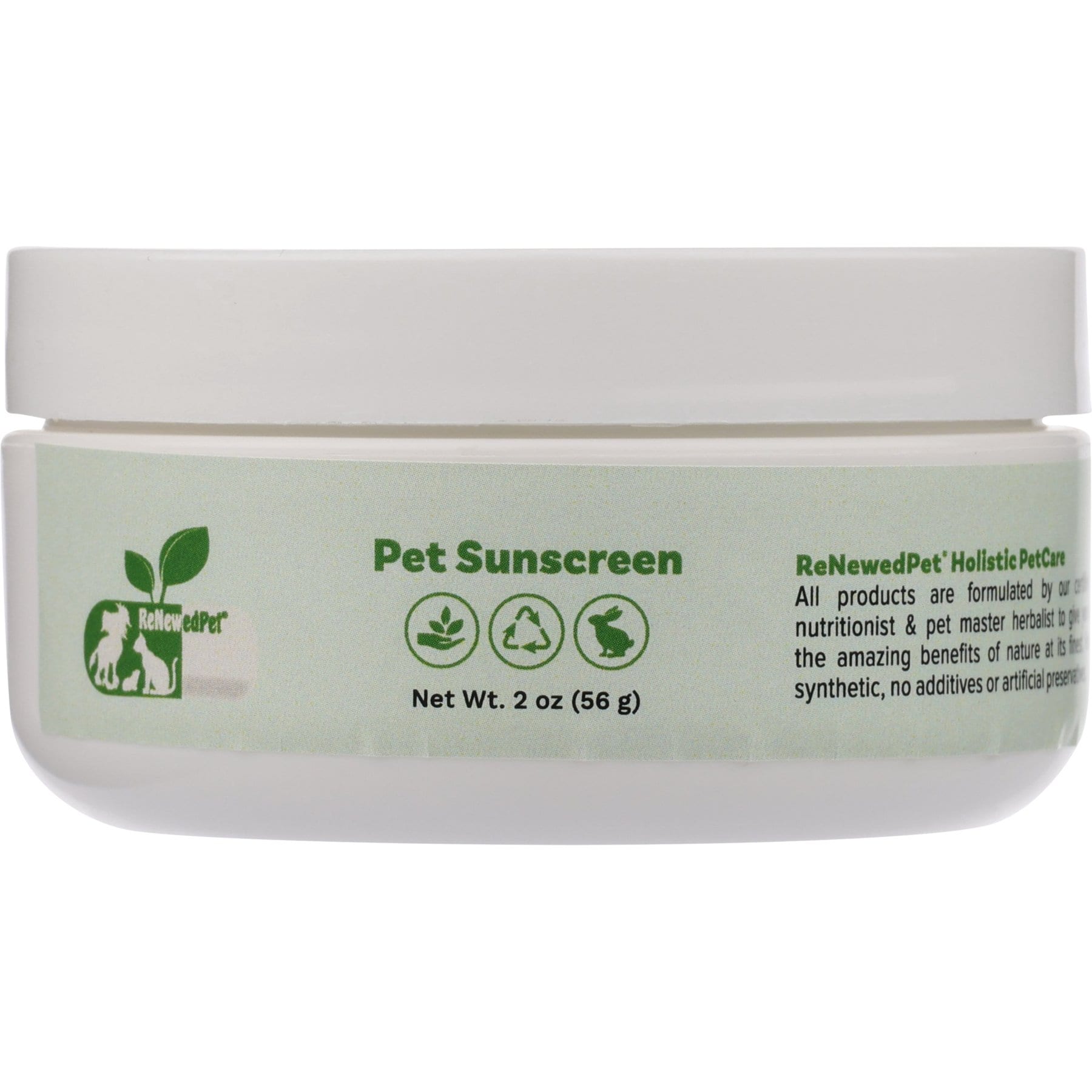
A pet sunscreen for a lightly pigmented nose, since UV light worsens discoid lupus. Ask your vet first.
Webvet may earn a commission when you click through to Chewy, at no extra cost to you.
Is lupus in dogs contagious? No. It is not an infection, so a dog cannot catch it from another dog, and people cannot catch it from a dog. The problem is the dog's own immune system targeting its own skin or organs.
Any lasting change to the nose or face, or a dog that is lame, feverish, or off color, needs a vet visit rather than a wait-and-see approach.

 Sponsored
Want a vet's take on your dog's skin or coat?
Talk to a licensed vet at Dutch over video, often the same day. They can recommend treatment and prescribe it when it's appropriate.
Use code Pets60
Plans start at $12/month · covers up to 5 pets
- Licensed vets in most states
- Rx for 150+ conditions
- 4.7 on Trustpilot
Discoid lupus vs systemic lupus in dogs: how the forms differ
| Form | Where it shows | How urgent | Usual treatment approach | Outlook |
|---|---|---|---|---|
| Discoid lupus (DLE, facial cutaneous lupus) | Nose leather first, then sometimes lips, eyes, and ear flaps | Book a routine vet visit; sooner if the nose bleeds or ulcers spread | Sun protection, topical tacrolimus or steroid, tetracycline or doxycycline with niacinamide | Generally good; it stays in the skin and does not turn into systemic lupus |
| Other cutaneous lupus types (generalized, mucocutaneous, exfoliative, vesicular) | Body skin, around the anus, genitals, lips, or belly, depending on type | Prompt vet visit; painful ulcers can become infected | Oral steroids or other immune-suppressing drugs, often with sun avoidance | Most types do well after diagnosis; relapses are common when drugs are tapered |
| Systemic lupus (SLE) | Joints, blood, kidneys, skin, mouth, and sometimes nerves | Same-day vet visit for lameness with fever, bleeding spots, or kidney signs | Prednisone, often with a second immune suppressant, plus treatment of damaged organs | Managed, not cured; lifelong treatment, and the disease can be fatal |
Set side by side with systemic lupus, discoid lupus erythematosus is the skin-only form. Veterinary Partner (VIN) describes it as almost exclusively a canine disease, almost always limited to the leather of the nose, and states plainly that DLE does not progress to SLE. VCA calls it a relatively benign autoimmune skin disease.
Sun matters for some skin forms. A 2018 review in BMC Veterinary Research advises sun avoidance right after a diagnosis of vesicular lupus, a blistering type, because UV light can trigger or worsen it.

A UPF 30+ sun shirt that covers belly and body skin on walks for a dog whose lupus flares with sun.
Webvet may earn a commission when you click through to Chewy, at no extra cost to you.
The same review lists the types of cutaneous lupus, also called CLE, that vets now recognize:
- Facial discoid lupus: the classic "collie nose" form on the nose and face.
- Generalized discoid lupus: discoid plaques that also appear below the neck.
- Mucocutaneous lupus: ulcers where skin meets mucous membrane, most often around the anus, genitals, and lips, with German shepherd dogs over-represented.
- Exfoliative cutaneous lupus: a scaly, chronic disease first described in young German shorthaired pointers.
- Vesicular cutaneous lupus: blisters and ulcers on the belly and groin, recognized almost entirely in collie-type breeds and worsened by UV light.
What is systemic lupus erythematosus (SLE)?
Systemic lupus erythematosus is the whole-body form. The dog makes antibodies against its own tissues, and the Merck Veterinary Manual explains that it can affect the skin, heart, lungs, kidneys, joints, nervous system, and blood, usually several at once. Drug-induced lupus is rare in dogs, but a 2023 case report described lupus induced by phenobarbital that resolved after the drug was stopped.
Lupus symptoms in dogs: nose, face, skin, joints, and whole-body signs
The early signs of lupus in dogs depend on the form. With discoid lupus, the nose changes first. VCA describes crusting and scabbing that usually start around the nose, along with loss of the normal dark pigment. The nose leather often turns smooth and loses its bumpy, cobblestone texture.

Signs of discoid lupus on the nose and face include:
- Pale, pink, or blotchy patches where the nose was black
- Redness and fine scaling, which the BMC review describes as the earliest skin lesions
- Erosions and ulcers that crust, scar, or bleed; VCA warns that a sore near a large vessel can bleed heavily
- Spread to the skin around the eyes, the lips, the ear flaps, and, rarely, the genitals
Not every crusty nose is lupus. A dry nose is far more common, and photos of common dog skin problems can help with comparison, but pictures cannot tell lupus apart from its lookalikes.
Systemic lupus symptoms in dogs are broader and tend to come and go. The Merck Veterinary Manual lists:
- A fever that rises and falls
- Lameness that shifts from one leg to another, with arthritis in several joints
- Painful muscles
- Anemia and a low white blood cell count
- Mouth ulcers
- Hair loss, crusting, ulcers, and scarring of the skin
The joint disease behind that lameness is a form of immune-mediated polyarthritis. Read about why a dog is limping and mention a shifting pattern to your vet. Some dogs with systemic lupus also show symmetrically inflamed skin over the bridge of the nose, VCA notes.
Nail problems are a separate story. A claw disease called lupoid onychodystrophy shares the name, but the BMC review describes it as a poorly understood claw inflammation rather than a proven lupus form.
What organ is most affected by lupus?
In dogs with systemic lupus, the skin and joints are the most common reasons for the first vet visit, according to Veterinary Partner (VIN). The kidneys are the organ that can make the disease most serious, because immune deposits can damage their filters. Blood cells and platelets are also frequent targets, and most dogs have several organs involved.
 Sponsored
Vet care that's always there
Unlimited video calls and messaging with licensed vets for less than a typical vet visit. One membership covers up to five pets.
Use code Pets60
Plans start at $12/month · covers up to 5 pets
- Licensed vets in most states
- Rx for 150+ conditions
- 4.7 on Trustpilot
How vets diagnose lupus in dogs: biopsy, blood tests, and lookalike diseases
How lupus is diagnosed in dogs depends on which form the vet suspects. For discoid lupus, VCA explains that a skin biopsy is required. A punch biopsy removes a small circular plug of skin, and most dogs need heavy sedation or general anesthesia because the face is so sensitive.

A vet testing for systemic lupus relies on blood work. The Cornell University Animal Health Diagnostic Center explains that the antinuclear antibody test, or ANA, is used specifically to diagnose systemic lupus, but positive results also occur with infections and other non-immune conditions.
No single test is enough, so vets combine results. A typical workup includes:
- An ANA blood test
- A complete blood count to look for anemia, low platelets, and low white cells
- A chemistry panel and urinalysis to check the kidneys and liver
- A skin biopsy of any sores
VIN explains that a diagnosis is typically made from a positive ANA plus at least two significant signs, such as polyarthritis and protein in the urine.
The BMC review notes that bacterial infection complicates the biopsy reading, so a skin infection is treated before the sample is taken, often with antibiotics and a medicated wash.

A chlorhexidine shampoo for body skin if your vet directs medicated baths for a secondary infection.
Webvet may earn a commission when you click through to Chewy, at no extra cost to you.
What disease gets mistaken for lupus?
Several nose diseases look almost identical. The Merck Veterinary Manual notes that pemphigus in dogs and cutaneous lymphoma in dogs can also cause a depigmented, red, ulcerated nose. The BMC review adds bacterial mucocutaneous pyoderma and uveodermatologic syndrome. Lupus and pemphigus are told apart on biopsy, not by appearance.
Systemic lupus mimics many diseases, and VIN names drug reactions and cancer among them. Allergies and parasites cause crusting far more often, so skin issues in dogs from food or fleas are usually ruled out first.
When lupus signs need a vet urgently: lameness, fever, bleeding, and kidney warning signs
Is lupus in dogs fatal? Discoid lupus rarely threatens life, but systemic lupus can. VIN states that its damage can sometimes result in death.
The main effects of lupus in dogs that turn dangerous are:
- Lupus nephritis: The Merck Veterinary Manual explains that immune complexes trapped in the kidney filters cause glomerulonephritis, often first found as protein in the urine. Untreated, it can lead to chronic kidney failure.
- Severe kidney protein loss: VCA describes fluid in the belly, labored breathing, and swollen limbs in the worst cases.
- Blood cell destruction: Anemia can cause weakness and pale gums; see anemia in dogs for what to watch.
- Nervous system signs: Can lupus cause seizures in dogs? VIN lists seizures among the less common signs of systemic lupus.
Can lupus cause petechiae?
Yes. Systemic lupus can lower the platelet count, and VCA explains that severe low platelets cause petechiae, which are tiny red spots on the skin or gums, along with larger bruises and blood in the urine, vomit, or stool. Any of these signs in a dog means a same-day vet check.
Treating lupus in dogs: prescription medicines and what the vet monitors
How lupus in dogs is treated depends on the form and the organs involved. Every medicine below needs a veterinary prescription, and the vet sets the dose and adjusts it with check-ups and blood tests. For systemic lupus, VIN explains that treatment centers on corticosteroids such as prednisone.
A prescription medication: the steroid vets commonly use for systemic lupus, dosed and tapered by your vet.
Webvet may earn a commission when you click through to Chewy, at no extra cost to you.
VCA notes that prednisone or dexamethasone is enough for many dogs with autoimmune skin disease. When steroids alone are not enough, vets add a second immunosuppressant such as Azathioprine (Generic) Tablets, 50-mg, 30 tablets, cyclosporine, or cyclophosphamide. Azathioprine is for dogs only; VCA states it is not recommended for cats. Damage to the kidneys or spleen is treated alongside the immune drugs.

Discoid lupus treatment is gentler and starts at the nose:
- Topical tacrolimus: In a study of 10 dogs with DLE, 8 improved after 8 weeks of 0.1% tacrolimus ointment. VCA advises wearing gloves or washing your hands after applying it, and notes mild irritation, itching, or redness where it is applied.
- Tetracycline or doxycycline with niacinamide: The BMC review reports a good-to-excellent response in 14 of 20 dogs (70%) on tetracycline and niacinamide. VIN notes doxycycline is often substituted because tetracycline is hard to obtain, and results can take up to two months.
- Oral steroids: Used for severe flares and for mucocutaneous lupus, which the BMC review says responds best to oral glucocorticoids.
Sources differ on doxycycline. VIN treats it as a routine substitute, while the BMC review cautions that data proving it works as well as tetracycline for discoid lupus are not yet available.
Monitoring is part of treatment, not an extra. Your vet will plan:
- On prednisone: VCA lists bloodwork, urinalysis, blood sugar, weight, and appetite checks. Expect more thirst, urination, and hunger, and never stop the drug suddenly, because it must be tapered.
- On azathioprine: VCA explains that complete blood counts are checked throughout treatment because the drug can suppress the bone marrow and affect the liver.
- With kidney involvement: VCA describes a urine protein to creatinine ratio to measure protein loss, plus blood pressure checks and blood chemistry to watch for kidney failure.
Call your vet promptly if a dog on prednisone shows any of the warning signs VCA lists:
- Black or bloody stools, bloody vomit, or loss of appetite, which can mean a stomach ulcer
- Muscle wasting, weakness, or unusually low energy
- Weight loss despite a good appetite, with heavy thirst and urination, which can signal diabetes
- Aggressive behavior or a pot-bellied look
When the kidneys are involved, VCA notes that omega-3 fatty acids are one of the treatments vets use for glomerulonephritis. Ask your vet before adding a product such as Paramount Pet Health Omega-3 Fish Oil Dog & Cat Supplement, 16oz, listed at $34.97 on Chewy when checked in November 2026. If your vet directs medicated baths for infected skin, Davis Maximum Chlorhexidine Dog & Cat Shampoo, 12-fl oz bottle is one option.
Natural remedies and home treatments do not replace these drugs. No primary veterinary source supports a natural cure for either form. The cost of treatment varies with the form, the tests needed, and how long medication continues, so ask your vet for an estimate that includes follow-up blood work.
Life expectancy and living with lupus: sun protection and preventing flares
Life expectancy for a dog with lupus depends heavily on the form:
- Discoid lupus: it stays in the skin, which VIN says makes it substantially more benign. The BMC review notes that most cutaneous lupus types have a good prognosis after diagnosis, so the outlook for discoid lupus is generally good.
- Systemic lupus: harder to predict. VIN says the outlook depends on how each dog is affected, that lifelong treatment is needed, and that the disease can sometimes be fatal. Dogs with kidney involvement need the closest follow-up.

Can lupus in dogs be cured? Not usually. VIN states that systemic lupus can be managed but not cured, and VCA describes autoimmune disease as rarely curable but often controllable. Relapses are common: in a study of generalized discoid lupus, signs often returned when medication was tapered.
Sun protection is the main thing owners can do at home. The Merck Veterinary Manual notes that topical sunscreens may help but need applying at least twice daily, and VIN warns that many human sunscreens contain toxic ingredients, so choose a pet product. Practical steps:
- Walk early in the morning or in the evening, and keep midday outings short.
- Apply a pet-safe product such as RenewedPet Dog & Cat Sunscreen, 2-oz jar to the nose before outings if your vet agrees.
- Cover sun-sensitive body skin with a light shirt such as the Body Glove Reflective Solid Dog Sun Shirt, White, Medium.
- Offer shade outdoors and avoid long sunbathing by windows.
No special diet has been proven for lupus in dogs. If the kidneys are affected, VCA notes vets may prescribe a kidney diet, so feed what your vet recommends rather than trying an elimination plan on your own.
Vaccines need a conversation too. VCA advises that dogs with autoimmune disease should not be vaccinated except in certain circumstances, so ask your vet to plan boosters around the lupus. Keep every recheck, because VCA stresses that untreated autoimmune disease can spread to several body systems and that early recognition matters.
What are some home remedies for lupus rash?
For a dog, the best home care for a lupus rash is sun avoidance, a pet-safe sunscreen, gentle cleaning only as your vet directs, and giving every prescribed medicine on schedule. Avoid human creams and sunscreens, which a dog will lick. Home remedies cannot treat the immune attack itself.
What are three triggers of lupus?
Three triggers come up most in the veterinary sources:
- Ultraviolet light: VCA and VIN both report that sun worsens discoid lupus and can flare systemic lupus.
- Genetics: collies, Shetland sheepdogs, German shepherds, and German shorthaired pointers are over-represented.
- Medications: rarely, a drug such as phenobarbital has been linked to lupus in a dog.
Lupus in dogs questions
Frequently Asked Questions
Is lupus in dogs contagious?
No. Lupus is not contagious to other dogs, cats, or people. It happens because the dog's own immune system mistakes healthy skin or organs for a threat, so there is nothing infectious to pass on, and an affected dog can safely share a home with other pets.
What is the life expectancy of a dog with lupus?
The outlook for discoid lupus is generally good, because the disease stays in the skin and does not become systemic lupus. Systemic lupus varies far more: it needs lifelong treatment, and kidney or blood complications can shorten life. Regular rechecks give the best chance of catching problems early.
What does lupus look like on a dog's nose?
The first sign is usually depigmentation, where the black nose leather fades to grey, pink, or blotchy. The surface turns smooth and shiny instead of bumpy, then redness, scaling, crusting, and small sores follow.
Can lupus in dogs be cured?
Lupus is rarely cured, but many dogs reach remission, meaning the signs settle and stay quiet. Most need long-term treatment, and the vet tapers medicine slowly while watching for signs returning. Flares can return, especially after summer sun or a dose reduction.
How is discoid lupus in dogs treated?
A veterinarian usually starts with sun protection plus a topical medicine for the nose, such as tacrolimus ointment, sometimes combined with tetracycline or doxycycline and niacinamide by mouth. Oral steroids are kept for severe or spreading cases. Most dogs improve over weeks to a couple of months.
Veterinarian · BVMS MRCVS
Dr. Pippa Elliott, BVMS, MRCVS, is a veterinarian with nearly 30 years of experience in companion animal practice. Dr. Elliott earned her Bachelor of Veterinary Medicine and Surgery from the University of Glasgow. She was also designated a Member of the Royal College of Veterinary Surgeons. Married with 2 grown-up kids, Dr. Elliott has a naughty Puggle named Poggle, 3 cats and a bearded dragon.
Related reading

Pemphigus in Dogs: Pemphigus Foliaceus Signs, Treatment, and Outlook

Stud Tail in Cats: Causes, Treatment, and Grooming That Helps

Eosinophilic Granuloma Complex in Cats: Rodent Ulcers, Plaques, and Treatment
