Pemphigus in Dogs: Pemphigus Foliaceus Signs, Treatment, and Outlook
Pemphigus foliaceus is the most common autoimmune skin disease in dogs. The crusts and pustules to look for, the other forms, how vets confirm it, treatment options, and the long-term outlook.

BVMS MRCVS
Medically reviewed by Dr. Pippa Elliott, BVMS MRCVS · Last reviewed

This article contains affiliate links. Webvet may earn a commission when you buy through them, at no extra cost to you.
Pemphigus in dogs: what it is, what it looks like, and why it needs a vet
Pemphigus in dogs is a group of autoimmune skin diseases in which the immune system attacks the connections that hold skin cells together. VCA Animal Hospitals names pemphigus foliaceus as the most common autoimmune skin disease in dogs, and it causes pustules, scabs, and crusts on the nose, ear flaps, face, and paw pads.
Pemphigus in dogs is not contagious, because the cause is the dog's own immune system, not a germ. A vet confirms it with a skin biopsy and treats even mild cases with prescription immunosuppressive drugs.
- 1The immune system breaks the glue between skin cells, so pustules form and quickly turn into crusts.
- 2Crusts usually appear first on the face, the top of the muzzle, and the nose, then the ear flaps and paw pads.
- 3Pemphigus foliaceus is the most common and usually manageable form; pemphigus vulgaris is very rare and far more serious.
- 4A skin biopsy confirms the diagnosis, and treatment needs a veterinary prescription plus regular blood and urine checks.
- 5Fever, not eating, mouth sores, or rapidly spreading crusts mean a same-day vet visit.

What is pemphigus foliaceus (PF)?
Pemphigus foliaceus, or PF, is the superficial form of pemphigus. The Merck Veterinary Manual explains that the immune system makes antibodies against the glue that keeps skin cells attached, so the cells break apart and form pimples or crusted areas. Its cause is usually not known.
The WSAVA Congress Proceedings 2018 (VIN) list four canine variants: pemphigus foliaceus, pemphigus vulgaris, pemphigus vegetans, and paraneoplastic pemphigus. New or spreading facial crusts deserve a vet exam.

 Sponsored
Want a vet's take on your dog's skin or coat?
Talk to a licensed vet at Dutch over video, often the same day. They can recommend treatment and prescribe it when it's appropriate.
Use code Pets60
Plans start at $12/month · covers up to 5 pets
- Licensed vets in most states
- Rx for 150+ conditions
- 4.7 on Trustpilot
Pemphigus foliaceus symptoms in dogs: crusts on the nose, ears, and paw pads
Pemphigus foliaceus symptoms in dogs begin with pustules that, per the WSAVA 2018 proceedings, rapidly turn into erosions, crusts, and hair loss, often in waves, with lost pigment on the nose and footpads. VCA lists ultraviolet light among the outside triggers, so shading a pale nose from strong sun is sensible.
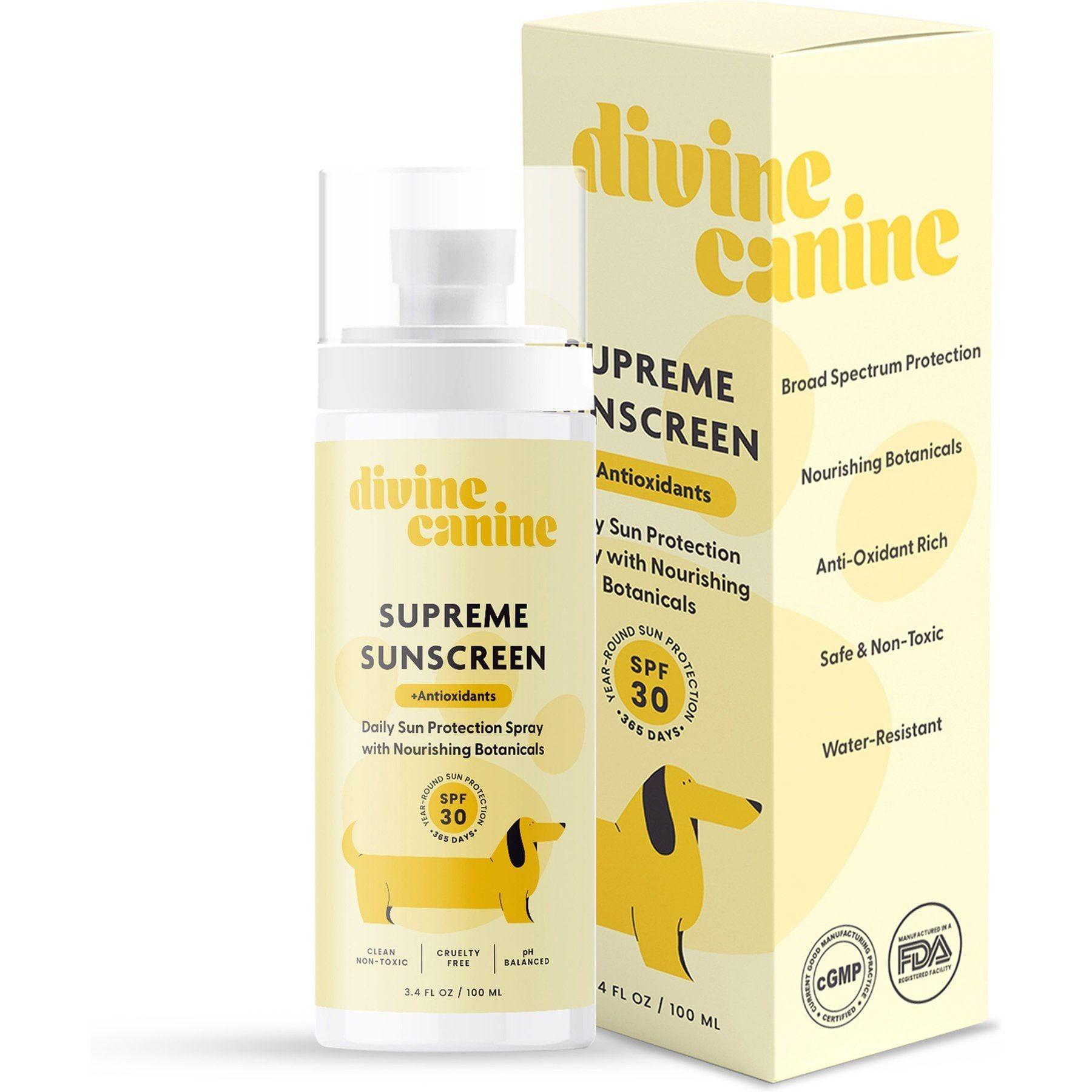
An SPF 30 dog sunscreen spray for pale nose skin, since UV light is a listed pemphigus trigger. Check with your vet first.
Webvet may earn a commission when you click through to Chewy, at no extra cost to you.
Signs owners often notice:
- Crusts, scale, and patchy hair loss on the top of the muzzle, the nose, and around the eyes
- Crusts and scale stuck to the ear flaps
- Thickened, cracked paw pads with red, swollen edges, seen in most dogs in a Journal of the American Veterinary Medical Association study
- Loss of black pigment on the nose leather and on the paws
- Itching, which varies widely between dogs
- A "rat's nest" smell in widespread cases, per the WSAVA Congress Proceedings 2005 (VIN)
- Lethargy, poor appetite, and weight loss in severe cases
WebVet's dog skin problems pictures help compare photos of pemphigus with look-alike conditions, but images cannot confirm the disease. If the only change is a dry, cracked nose, dog dry nose covers the usual causes.
Where does pemphigus usually start?
On the face. In that Journal of the American Veterinary Medical Association review of 37 dogs, the top of the muzzle was the first site in over 50% of dogs, and the head was affected first in 81%. From there it often spreads to the ears, the trunk, and the paws.

What does pemphigus in dogs look like?
It looks like crusting, scaling, and patchy hair loss, roughly symmetrical on both sides of the face. In a 91-dog study, crusts were the most frequent sign (79 dogs), followed by pustules (36) and hair loss (33).
Body skin is often involved. That Journal of the American Animal Hospital Association study found lesions most often on the trunk (53 dogs), then the inner ear flaps (46), face (37), and foot pads (32).

A UPF 30+ sun shirt that covers trunk skin on sunny walks for a dog whose pemphigus involves the body.
Webvet may earn a commission when you click through to Chewy, at no extra cost to you.
Types and causes of pemphigus in dogs: foliaceus, erythematosus, vulgaris, and drug triggers
| Form | Where it shows on the body | How serious it tends to be | Usual approach |
|---|---|---|---|
| Pemphigus foliaceus | Face, top of the muzzle, nose, ear flaps, and paw pads; can spread to the trunk | Most common form; relatively good outlook, though some dogs resist treatment | Oral steroid, often with a steroid-sparing drug; topical steroid for small patches |
| Pemphigus erythematosus | Mostly the face and ear flaps | Often milder; rarely affects overall health | Topical treatment for mild cases; tetracycline with niacinamide or steroids for others |
| Pemphigus vulgaris | Mouth, lips, edges of the eyes, groin, and other skin-mucosa borders | Most severe form; very rare; often fatal despite treatment | High-dose steroids combined with other immune-suppressing drugs |
| Pemphigus vegetans | Warty crusts and pustules, starting on the head and neck | Extremely rare; only three dogs reported | High-dose steroids with or without other immune-suppressing drugs |
| Paraneoplastic pemphigus | Skin and mouth, alongside an internal tumor | Exceedingly rare; grave outlook | Investigation of the underlying tumor plus immune suppression |
| Drug-triggered pemphigus | Often where a drug or spot-on was applied first; can spread | Varies; many dogs reach full remission | Stopping the trigger drug; immune-suppressing drugs if signs persist or spread |
The pemphigus complex in dogs covers related diseases that differ in how deep the attack reaches. Pemphigus foliaceus and pemphigus erythematosus affect the outer skin; VCA explains that pemphigus vulgaris attacks the deepest layers of the epidermis, making it the most severe type.
Pemphigus erythematosus in dogs looks like a milder pemphigus foliaceus, and VCA lists German shepherds, collies, and Shetland sheepdogs as predisposed. A BMC Veterinary Research review found only three reported dogs with pemphigus vegetans, and three with paraneoplastic pemphigus, each linked to a tumor and carrying a grave prognosis.
What can trigger pemphigus?
Often nothing identifiable: VCA notes that most cases are idiopathic, meaning no cause is found despite testing. When a trigger exists, recognized ones include:
- Ultraviolet light and viral infections
- Drug reactions, and vaccines in some cases
- Underlying conditions such as chronic dog skin allergies or cancer
- A breed or genetic predisposition
Drugs can trigger pemphigus foliaceus. A Veterinary Dermatology report described 22 dogs that developed a pemphigus foliaceus-like reaction where a spot-on flea and tick product was applied.
Breed matters: chow chows and Akitas are repeatedly named as predisposed. Across immune diseases, Merck names drugs, vaccines, and infections as possible triggers; autoimmune disease in dogs covers them.
 Sponsored
Vet care that's always there
Unlimited video calls and messaging with licensed vets for less than a typical vet visit. One membership covers up to five pets.
Use code Pets60
Plans start at $12/month · covers up to 5 pets
- Licensed vets in most states
- Rx for 150+ conditions
- 4.7 on Trustpilot
How vets diagnose pemphigus in dogs: cytology, skin biopsy, and ruling out look-alikes
Diagnosing pemphigus foliaceus starts with a history of every recent medication, then cytology. The vet samples an intact pustule and looks for acantholytic cells, skin cells that have come loose from their neighbors. One study found them in 37 of 48 affected dogs.

Those cells raise suspicion but do not confirm pemphigus, the WSAVA 2018 proceedings caution, because pustular ringworm and some bacterial skin infections can produce them too.
A skin biopsy confirms it. VCA explains that the vet removes a small plug of skin with a biopsy punch under a local anesthetic or sedation, closes the site with stitches, and sends it to a pathologist. Intact pustules or crusts make better samples than old sores. The lab may add:
- Special stains for bacteria and fungi
- Tissue cultures to rule out infection
- Immunofluorescence tests for antibodies against skin cells
What can be mistaken for pemphigus?
Bacterial skin infection is the main look-alike. Pemphigus tends to favor the head, face, and feet, while bacterial pyoderma mostly affects the belly and trunk. Vets also rule out:
- Ringworm (dermatophytosis)
- Mange, including demodicosis and scabies, which can occur alongside pemphigus
- Discoid lupus; see lupus in dogs
- Skin lymphoma such as mycosis fungoides; see cutaneous lymphoma in dogs
- Bullous impetigo and subcorneal pustular dermatosis
Is pemphigus cancerous?
No. Pemphigus is an autoimmune disease, not a cancer, but there are links: VCA lists cancer among conditions that may trigger it, paraneoplastic pemphigus occurs alongside a tumor, and a skin lymphoma can mimic it on the nose and face. That overlap is one reason vets insist on a biopsy.
When pemphigus in a dog needs a vet today
The WSAVA 2005 proceedings list fever, pain, lameness, swollen lymph nodes, and loss of appetite as possible signs, and report rapid spread within six months in about 60% of dogs.
Mouth sores point toward pemphigus vulgaris, which causes difficulty swallowing, fever, and intense pain. Treat these as signs that need a vet today rather than waiting for a recheck.
Pemphigus treatment in dogs: steroids, steroid-sparing drugs, and why natural remedies fall short
Every pemphigus medicine here needs a veterinary prescription, and your vet sets the dose, taper, and monitoring. The WSAVA 2018 proceedings call an oral steroid such as prednisone the treatment of choice in dogs.
A prescription medication: the steroid vets commonly start for pemphigus, with dose and taper set by your vet.
Webvet may earn a commission when you click through to Chewy, at no extra cost to you.
Steroids alone control the disease in only some dogs. The 37-dog study found that 39% responded to corticosteroids alone, and a Veterinary Sciences paper reports that high-dose steroids alone produced complete remission in only 15% of dogs within three months.
Merck describes starting with high steroid doses, then moving to low-dose, alternate-day treatment once the disease is under control. VCA's prednisone guidance warns never to stop the drug abruptly and lists increased thirst, urination, and appetite as common side effects.
Steroid-sparing drugs let the vet lower the steroid dose. Azathioprine (Generic) Tablets, 50-mg, 30 tablets is used for pemphigus in dogs, but Merck notes a 3- to 5-week lag before it works, so it starts alongside a steroid. Merck states it is contraindicated in cats.
A prescription medication: a steroid-sparing drug for dogs with pemphigus, with dose and blood tests set by your vet.
Webvet may earn a commission when you click through to Chewy, at no extra cost to you.
Azathioprine needs blood counts every 2 weeks at first and at least every 4 months during maintenance. VCA lists vomiting, diarrhea, poor appetite, bone marrow suppression, pancreatitis, and liver toxicity as its most common side effects in dogs, and advises wearing gloves when giving it.
Evidence on the other add-on drugs is mixed, and the sources do not agree:
- Azathioprine: in the 91-dog study, prednisolone plus azathioprine gave results comparable to prednisolone alone.
- Cyclosporine: Merck says extralabel use for pemphigus has been less successful, yet the Veterinary Sciences study saw complete remission in 9 of 11 dogs given ciclosporin with steroids.
- Mycophenolate: a Veterinary Dermatology study saw complete remission in 2 of 11 dogs given it with steroids.
- Oclacitinib: a 2026 Veterinary Dermatology study found it effective alone in 8 of 18 dogs with pemphigus foliaceus, though long-term safety at higher doses is unknown.
- Chlorambucil: another immune-suppressing option VCA lists.
Cyclosporine is sold for dogs as Atopica (Cyclosporine Modified) Capsules for Dogs, 50-mg, 30 capsules, which is prescribed for allergic skin disease, so pemphigus use is an extralabel decision your vet makes. Merck lists vomiting, diarrhea, gum overgrowth, and excess hair growth among its side effects.
Mild pemphigus foliaceus with only a few patches may not need strong pills at first: the WSAVA 2018 proceedings call moderate- to high-potency topical steroids very effective for focal lesions. Treatment for pemphigus vulgaris is more aggressive, and Merck describes high-dose corticosteroids combined with other immune-suppressing drugs.
For dogs that do not respond to the usual drugs, Merck describes a few older second-line options:
- Gold salts: indicated for pemphigus that does not respond to glucocorticoids, but their effects take 6 to 12 weeks to show, so steroids continue in the meantime.
- Dapsone: used for pemphigus foliaceus and erythematosus, though Merck calls results in dogs more equivocal.
- Tetracycline with niacinamide: a gentler combination Merck lists for pemphigus erythematosus.
Infection control matters from day one. In a 43-dog Journal of the American Veterinary Medical Association study, giving antibiotics while immunosuppressive treatment began was linked to longer survival, so your vet may treat secondary skin infection at the same time.
Improvement takes weeks, not days. In a 41-dog Veterinary Dermatology study, dogs without blood vessel inflammation reached remission in about 41.8 days on average, while dogs with vasculitis took about 93.8 days. In the ciclosporin study, complete remission took a mean of 65 days. Ask your vet what progress to expect at each recheck.

Natural remedies such as CBD oil or essential oils cannot replace prescription care for pemphigus foliaceus. The Canadian Veterinary Journal overview states that therapy must be immunosuppressive to be effective. Tell your vet about any supplement or herbal product, as VCA asks owners to do with azathioprine.
Pemphigus in dogs life expectancy, flares, and long-term skin care
Life expectancy for a dog with pemphigus depends mostly on the form. VCA describes a good prognosis for pemphigus erythematosus and a relatively good one for pemphigus foliaceus. Pemphigus vulgaris carries a poor prognosis and is often fatal despite therapy, and paraneoplastic pemphigus has a grave outlook.

For pemphigus foliaceus, life expectancy figures differ by study. Older referral studies were sobering: one-year survival was 53% in the 37-dog group, and the 43-dog study reported a 60.5% case fatality rate. A later study of 91 dogs saw more than half reach remission and another 25% improve significantly.
The early months carry the most risk, and Merck notes that dogs responding poorly at first, or needing high doses, have a poor long-term outlook. The WSAVA 2018 proceedings still call outcomes generally good, with euthanasia mainly for treatment failure or side effects. The 43-dog study linked longer survival to:
- Antibiotics given while immunosuppressive treatment started
- Fewer side effects from the drugs
- Getting through the first 10 months, which predicted long-term survival
Does pemphigus in dogs go away?
Sometimes, but it is usually controlled rather than cured. VCA notes that some dogs with pemphigus foliaceus gain rapid control and can be weaned off medication, while many need lifelong therapy. Flares are common when drugs are reduced: tapering steroids while another drug continued brought lesions back in 4 of 9 dogs in one study and in every dog in another.
- Keep every recheck and blood and urine test; VCA states the goal is the lowest effective dose that holds remission.
- Report new crusts early, because a flare may be secondary pyoderma, ringworm, or demodicosis, which the WSAVA 2018 proceedings say can be treated without raising immune suppression.
- Watch for new pustules or crusts, which tend to appear in waves, and photograph them for your vet.
- Review possible triggers with your vet, including drugs, flea and tick preventatives, and sun exposure.
- Give prednisone with food, as VCA advises, and never give two doses at once.
- Limit strong midday sun on pale skin, and use medicated baths only as your vet directs.
Pemphigus vulgaris in dogs relapses often: in the BMC review, 10 of 26 dogs that reached complete remission later relapsed. Of 15 euthanized, 7 had not responded and 6 had drug reactions. Outlook across other immune diseases ranges from manageable to life-threatening, and autoimmune disease in dogs compares them.
If your vet diagnoses a secondary skin infection and recommends medicated baths, a chlorhexidine shampoo such as Douxo S3 PYO Antiseptic Antifungal Chlorhexidine Dog & Cat Shampoo, 6.7-oz bottle may be part of the plan. If a yeast problem turns up instead, yeast infection in dogs explains how vets handle it.
For sun basics, see can dogs get sunburn. A dog sunscreen such as Divine Canine Daily Supreme + Antioxidants SPF 30 Dog Sunscreen, 3.4-fl oz spray on pale skin, or a UPF 30+ shirt such as the Body Glove Reflective Solid Dog Sun Shirt, White, Medium, can limit UV exposure. Check sunscreen ingredients with your vet first.
Pemphigus in dogs questions
Frequently Asked Questions
Is pemphigus in dogs contagious?
No. Pemphigus is not contagious to other dogs, cats, or people. It happens when a dog's own immune system makes antibodies against the proteins that hold its skin cells together, so there is no germ to pass on through contact, shared bedding, or grooming tools.
Open sores can pick up bacteria, though. That secondary infection is a complication inside the affected dog, which is why vets check crusts with cytology and sometimes cultures, and may prescribe antibiotics when immunosuppressive treatment starts.
Can pemphigus in dogs be treated naturally?
Not on its own. Pemphigus is driven by the immune system, and controlling it takes immunosuppressive medication; natural products, oils, and supplements do not do that job. A dog left on natural remedies alone stays exposed to spreading crusts, pain, and infection.
Some natural measures fit well alongside prescription treatment, such as limiting strong sun on pale skin. Never stop or reduce a prescribed drug without your vet, since VCA warns that steroids must be tapered slowly rather than stopped abruptly.
Is pemphigus in dogs fatal?
It can be, depending on the form and how the dog responds. Pemphigus erythematosus rarely affects overall health, and pemphigus foliaceus usually carries a relatively good prognosis once a dog stabilizes on treatment.
Secondary infection is a real risk. Merck notes that secondary bacterial infection often complicates pemphigus vulgaris, which can be fatal if untreated, and in pemphigus foliaceus the 43-dog study linked fewer treatment side effects with longer survival.
Is pemphigus in dogs hereditary?
Partly, it seems. VCA lists a breed or genetic predisposition among the internal causes, and notes that some dogs have defects in immune function that make an attack on normal cells more likely. The 37-dog JAVMA study found significantly higher risk in Bearded Collies, Akitas, Newfoundlands, and Schipperkes.
Most cases still have no identifiable cause, so a genetic link is a tendency rather than a certainty. Owners of predisposed breeds can simply have any facial crusting checked early.
Can a medication trigger pemphigus in a dog?
Yes. VCA explains that a drug reaction can trigger pemphigus, either briefly, resolving once the drug leaves the body, or by causing lasting immune changes in predisposed dogs. Sulfa drugs, griseofulvin, and ampicillin are named as possible triggers.
The spot-on reaction described in Veterinary Dermatology resembled spontaneous pemphigus foliaceus, and 10 of 13 dogs whose disease spread beyond the application site reached complete remission. Never stop a prescribed medication on your own; call your vet to discuss the timing of any new drug and the crusts.
Veterinarian · BVMS MRCVS
Dr. Pippa Elliott, BVMS, MRCVS, is a veterinarian with nearly 30 years of experience in companion animal practice. Dr. Elliott earned her Bachelor of Veterinary Medicine and Surgery from the University of Glasgow. She was also designated a Member of the Royal College of Veterinary Surgeons. Married with 2 grown-up kids, Dr. Elliott has a naughty Puggle named Poggle, 3 cats and a bearded dragon.
Related reading

Lupus in Dogs: DLE vs SLE, Symptoms, Treatment, and Life Expectancy

Stud Tail in Cats: Causes, Treatment, and Grooming That Helps

Eosinophilic Granuloma Complex in Cats: Rodent Ulcers, Plaques, and Treatment
