Can Dogs Get Sunburn? How to Protect Your Dog's Skin
Can dogs get sunburn? Yes, and pale, thin-coated, and hairless dogs are most at risk. This vet-reviewed guide covers the warning signs, when sunburn becomes an emergency, safe at-home and veterinary treatment, the best dog sunscreen, and how to protect your dog's nose and skin from lasting UV damage.

BVMS MRCVS
Medically reviewed by Dr. Pippa Elliott, BVMS MRCVS · Last reviewed

This article contains affiliate links. Webvet may earn a commission when you buy through them, at no extra cost to you.
Can dogs get sunburn? Yes, they can. Just like people, dogs can develop red, painful, sun-damaged skin after too much time in the sun, and the damage can range from mild irritation to blistering burns and, over time, skin cancer.
Dogs with thin coats, white or light fur, pink skin, or exposed areas like the nose and belly are especially vulnerable.
The good news is that dog sunburn is almost entirely preventable. With dog-safe sunscreen, smart timing, shade, and a little awareness of which spots burn first, you can keep your dog comfortable and protected all summer.
This vet-reviewed guide covers how to spot sunburn, when it becomes an emergency, how to treat it, and exactly how to protect your dog's skin and nose going forward.
- 1Dogs can absolutely get sunburned, and a thin or light-colored coat is not enough protection.
- 2The nose, ear tips, belly, groin, and any pink or thinly-furred skin burn first and fastest.
- 3Signs include redness, dry or flaky skin, tenderness, hair loss, and in bad cases blistering or peeling.
- 4Never use human sunscreen with zinc oxide or PABA on dogs; both are toxic if licked. Use a dog-specific formula.
- 5Repeated sunburn raises the long-term risk of solar dermatitis and skin cancer, so prevention matters all season.

 Sponsored
Want a vet's take on your dog's skin or coat?
Talk to a licensed vet at Dutch over video, often the same day. They can recommend treatment and prescribe it when it's appropriate.
Use code Pets60
Plans start at $12/month · covers up to 5 pets
- Licensed vets in most states
- Rx for 150+ conditions
- 4.7 on Trustpilot
Why Dog Sunburn Happens (How UV Damages Skin)
Sunburn is skin damage caused by ultraviolet (UV) radiation from the sun. Two kinds of UV light reach the ground and harm skin.
UVB rays are the main cause of the classic red, painful burn, while UVA rays penetrate deeper, drive long-term aging and DNA damage, and contribute to skin cancer. Dogs are affected by both, just as people are.
Why Fur Isn't Enough
A dog's fur does provide some natural shielding, but it is not a complete sunscreen. UV light still reaches the skin through thin or sparse coats, and any area where fur is missing, short, or parted is essentially unprotected.
The belly, the bridge of the nose, the ear tips, and recently shaved patches all let sunlight straight through to bare skin.
Two other factors raise the risk. A wet coat clumps and separates, opening gaps that expose skin, which is why dogs that swim or lie on wet ground burn more easily.
And UV damage is cumulative: every sunny afternoon adds to a lifetime of exposure, so the harm builds quietly over years even when no single day produces an obvious burn.
Which Dogs Are Most at Risk?
Any dog can get sunburn, but some are far more vulnerable than others. Knowing whether your dog falls into a high-risk group tells you how aggressive your sun protection needs to be.
High-Risk Breeds (Hairless, White, and Thin-Coated)
Hairless and thin-coated breeds have the least natural protection. Dogs that sunburn easily include:
- Hairless breeds such as the Chinese Crested, Xoloitzcuintli, and American Hairless Terrier
- White or light-coated dogs like Dalmatians, white Boxers, white Bull Terriers, and many white Pit Bull types
- Thin-coated breeds such as Greyhounds, Whippets, and Italian Greyhounds
- Dogs with pink noses, pink eyelids, or pink, lightly-pigmented bellies, regardless of breed
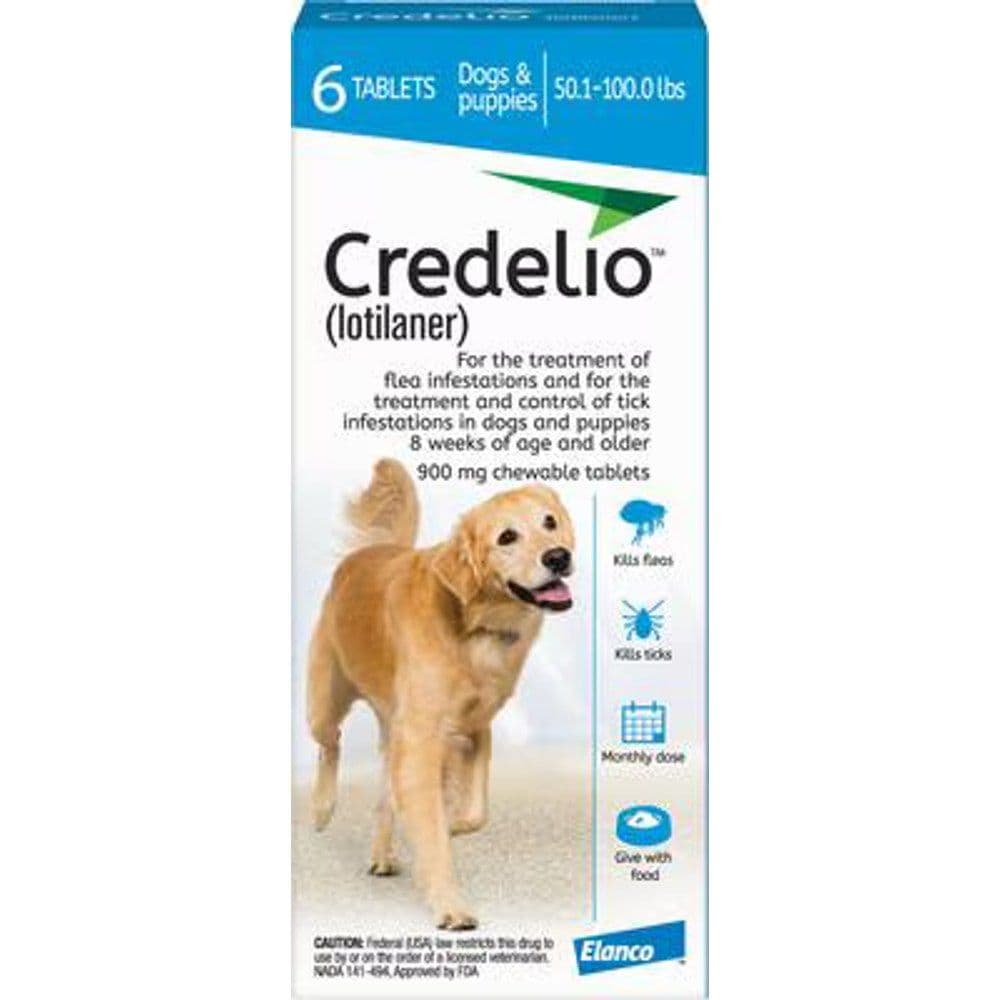
Monthly prescription chew that kills fleas and ticks on dogs, including the black-legged (deer) ticks that can spread Lyme disease.
Webvet may earn a commission when you click through to Chewy, at no extra cost to you.
Coat Color and Skin Pigmentation
The pigment that colors skin and fur, called melanin, is also the body's built-in sun shield. Dark fur and dark, well-pigmented skin absorb and block more UV light.
Pale fur and pink, unpigmented skin let more radiation through, which is why a white dog with a pink nose can burn in the same conditions that leave a black Labrador unaffected.
Patchy pigmentation matters too. A mostly-dark dog with a pink patch on the muzzle or a white blaze can burn in just that one spot, so it is worth checking your individual dog rather than assuming a dark coat means total safety.
Medical Conditions That Raise the Risk
Some health conditions thin a dog's coat or expose skin, raising sunburn risk even in breeds that are usually well-protected. Watch out if your dog has:
- Allergies, hot spots, or other skin conditions that cause patchy hair loss and broken skin
- Hormonal disorders such as hypothyroidism or Cushing's disease, which can cause symmetrical thinning of the coat
- Autoimmune diseases like lupus, which can specifically damage and depigment the nose and make it far more sun-sensitive
- Recently shaved surgical sites, where bare skin is suddenly exposed during recovery
Certain medications can also cause photosensitivity, making skin react to sunlight more strongly than normal. If your dog has ongoing skin issues in dogs or is on long-term medication, ask your veterinarian whether sun protection should be part of the plan.
Does Shaving or Summer Grooming Increase the Risk?
Yes. Shaving a dog down to the skin to keep it cool can backfire by removing the very coat that filters UV light and helps regulate temperature.
A double-coated breed shaved short loses its built-in insulation and sun barrier at the same time, leaving pale skin freshly exposed and prone to burning.
If you want to help your dog stay cool, a trim that leaves an inch or so of coat is safer than a close shave, and shade, water, and air conditioning do more for comfort than clipping. Because dogs cannot cool themselves the way we do and rely heavily on panting, understanding how pets handle heat helps you protect against overheating and sunburn together.
Where Do Dogs Get Sunburned? (Most Vulnerable Spots)
Sunburn shows up first wherever skin is thinly covered or completely bare. When you check your dog after a day outdoors, pay closest attention to these areas:
- The nose and the bridge of the muzzle, especially pink or partly-pink noses
- The ear tips and the thinly-furred edges of the ears
- The belly, groin, and inner thighs, which are exposed when a dog lies on its back or stands over reflective ground
- The skin around the eyes and the eyelids
- The lips and any thin-haired patches on the face
Dogs that love to sunbathe on their backs are at particular risk on the belly and groin, where skin is often pink and almost hairless. A favorite sunny napping spot on the patio can do more cumulative damage than an active walk.
Signs and Symptoms of Sunburn in Dogs
Dog sunburn often looks much like human sunburn. The skin reacts within hours to a day of overexposure. Common signs include:
- Red or pink skin, especially on the nose, ears, and belly
- Dry, flaky, or cracked skin in the exposed area
- Tenderness or pain when the spot is touched, and flinching or pulling away
- Hair loss over the burned skin
- Warmth in the affected skin, and scratching, licking, or rubbing at it
- Blistering, peeling, or open sores in severe cases
Sunburned skin can be hard to tell apart from other causes of irritated, inflamed skin, such as allergies or moist skin infections. The big clue is location and history: redness on sun-exposed areas after a day outdoors points to sunburn, while widespread itching or a sudden weepy patch may be something else that needs its own treatment.
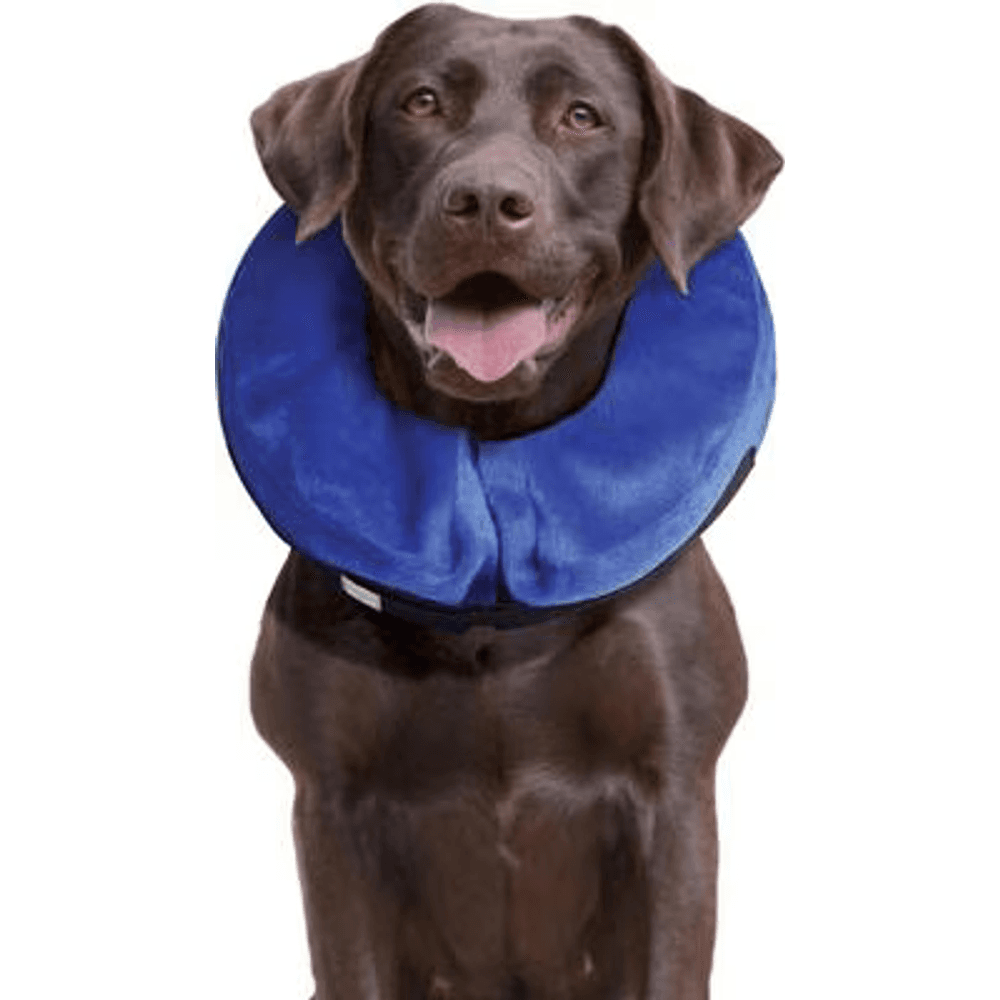
A soft, inflatable donut-style recovery collar that keeps many pets from licking or biting at a healing surgical incision or hot spot while still letting them eat, drink, and sleep in comfort.
Webvet may earn a commission when you click through to Chewy, at no extra cost to you.
Mild vs. Severe Sunburn (How to Tell the Difference)
Telling mild sunburn from a serious burn helps you decide whether to treat at home or call the vet. Use this quick comparison as a guide.
| Mild sunburn | Severe sunburn |
|---|---|
| Pink or light red skin | Deep red, raw, or blistered skin |
| Mild dryness or flaking | Peeling, oozing, or open sores |
| Slightly tender to the touch | Clearly painful, dog won't let you near it |
| Dog otherwise acting normal | Lethargy, fever, vomiting, or signs of heatstroke |
| Monitor and treat at home | Call your veterinarian, same day |
Is Dog Sunburn an Emergency? When to Call the Vet
Most mild sunburns are not emergencies and can be managed at home with cooling and comfort care.
But severe sunburn is a real injury, and it sometimes comes with overheating, which is a true emergency. Knowing the red flags helps you act fast when it counts.
If the skin is only pink and your dog is otherwise bright, eating, and comfortable, it is reasonable to monitor at home for a day or two. If redness worsens, the skin breaks open, or your dog seems unwell in any way, treat it as a same-day veterinary visit.
 Sponsored
Vet care that's always there
Unlimited video calls and messaging with licensed vets for less than a typical vet visit. One membership covers up to five pets.
Use code Pets60
Plans start at $12/month · covers up to 5 pets
- Licensed vets in most states
- Rx for 150+ conditions
- 4.7 on Trustpilot
How to Treat Dog Sunburn
Dog sunburn treatment depends on how bad the burn is. Mild cases respond well to gentle home care, while severe burns need a veterinarian.
The first step in every case is the same: get your dog out of the sun and into a cool, shaded, or air-conditioned space.
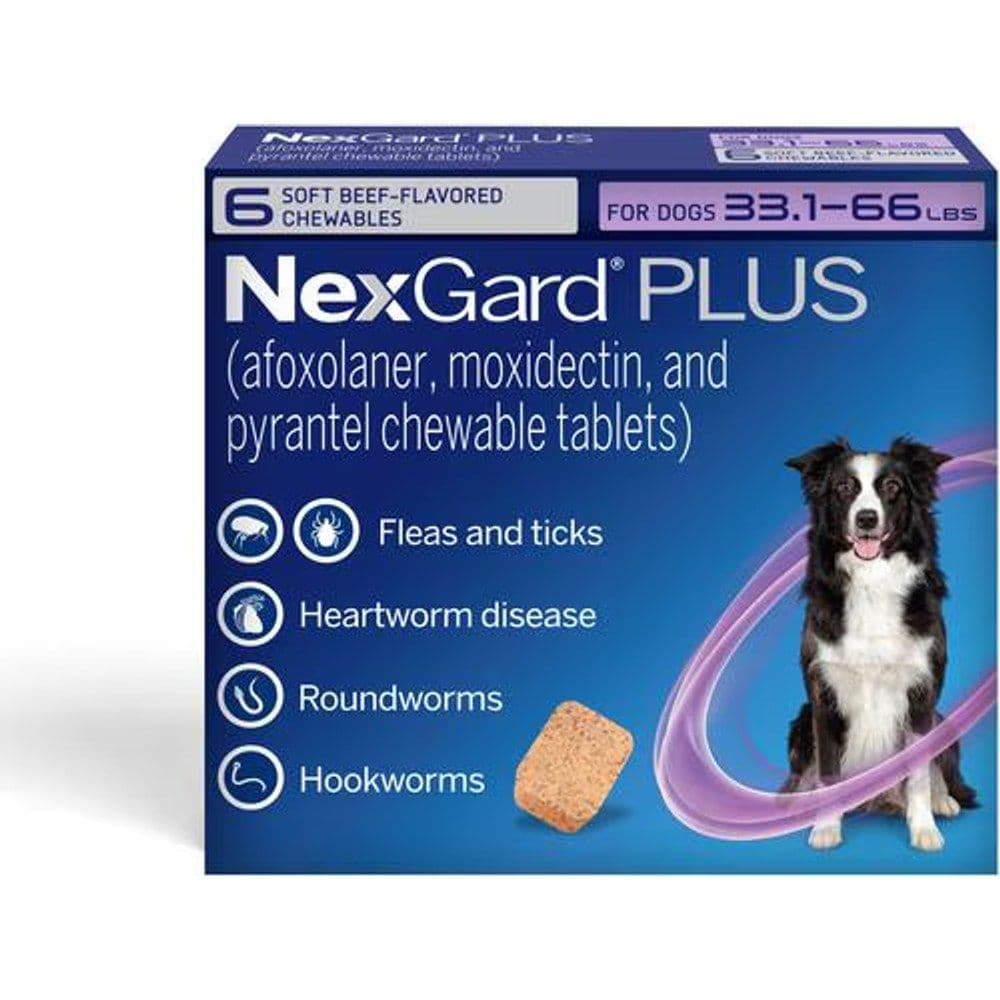
Beef-flavored monthly chew that protects dogs from fleas, ticks, heartworm disease, roundworms, and hookworms.
Webvet may earn a commission when you click through to Chewy, at no extra cost to you.
At-Home Care for Mild Sunburn
For a mild burn, focus on cooling the skin and keeping your dog comfortable:
- Apply a cool (not ice-cold) damp compress to the burned area for a few minutes at a time to ease heat and discomfort.
- Offer a cool oatmeal bath or a vet-recommended soothing rinse to calm irritated skin.
- A small amount of pure, pet-safe aloe vera gel can help, but only an aloe product made for pets and only on intact skin. Aloe is irritating and can cause vomiting or diarrhea if your dog licks and swallows a large amount, so use it sparingly and discourage licking.
- Keep your dog indoors and out of the sun until the skin has fully healed.
Never give your dog human pain relievers such as ibuprofen, aspirin, or acetaminophen. These are toxic to dogs. If your dog seems to be in pain, call your veterinarian for a safe, dog-specific option instead.
What NOT to Put on a Dog's Sunburn
Because dogs lick their skin, anything you apply can end up swallowed. Avoid these common mistakes:
- Human aftersun gels and burn creams that contain lidocaine or other numbing agents, which can be toxic to dogs if licked off.
- Petroleum-based ointments, which can trap heat in the skin and are not meant to be eaten.
- Hydrocortisone or other medicated human creams unless your veterinarian specifically tells you to use them.
- Butter, oils, or home remedies, which can worsen irritation or seal in heat.
When in doubt, leave the area clean and dry, keep your dog out of the sun, and ask your veterinarian what is safe to apply.
Veterinary Treatment for Severe Burns
For deeper or blistering burns, your veterinarian has tools that home care cannot match. Depending on severity, treatment may include:
- Anti-inflammatory or corticosteroid medication to reduce swelling and pain
- Prescription pain relief
- Antibiotics if the skin is broken or infected
- Medicated topical therapy applied to the wound
Severely burned dogs may also need fluids and supportive care, especially if heatstroke was involved.
Your vet will also check for signs that a burn is more than skin-deep and advise on protecting the area while it heals, sometimes with a recovery collar to stop your dog from licking.
Recovery Timeline and Aftercare
A mild sunburn usually settles down within a few days to about a week, much like a minor burn would in a person. The redness fades, any flaking resolves, and hair regrows over the following weeks.
Severe burns take longer, sometimes one to several weeks, and may need follow-up visits to make sure the skin heals without infection.
During recovery, keep your dog out of direct sun entirely, since healing skin and newly-exposed skin burn even more easily. Once the area heals, that spot stays a vulnerable zone, so make sun protection there a permanent habit.
How to Prevent Sunburn in Dogs
Prevention is the heart of protecting your dog's skin. A few simple habits dramatically lower the risk of both sunburn and the long-term damage that follows it.
Use Dog-Specific Sunscreen
Dog sunscreen, applied to vulnerable spots like the nose bridge, ear tips, and belly, is one of the most effective ways to prevent sunburn.
Always choose a sunscreen made specifically for dogs, since some human ingredients are dangerous to them. We cover exactly what to look for in the next section.
Limit Peak-Sun Exposure
UV intensity peaks in the middle of the day. Whenever possible, schedule walks, play, and yard time before 10 a.m. or after 4 p.m., and keep midday outings short. This single habit cuts UV exposure significantly and helps avoid dangerous heat at the same time.
Provide Shade and Cooling Spots
Make sure your dog always has access to deep shade outdoors, whether from trees, a covered patio, a canopy, or a dog house positioned out of direct sun.
Fresh water and a cool surface to lie on encourage your dog to rest in the shade rather than baking on a sunny deck.
UV-Protective Clothing and Gear
Lightweight, breathable sun shirts and rash guards made for dogs cover the back, belly, and sides with UV-blocking fabric, which is ideal for hairless or thin-coated dogs and for days at the beach or on the water.
Some owners add a brimmed dog hat or visor for nose and eye shade, and UV-protective doggy goggles can shield the eyes of dogs prone to sun-related eye problems.
Watch Reflective Surfaces
UV light bounces off water, sand, concrete, and snow, hitting your dog from below and reaching shaded undersides like the belly and chin.
That reflected radiation is why dogs can burn at the beach, by the pool, or on a bright winter day even when they seem to be in the shade. Factor it in when you plan sun protection near reflective ground.
Dog Sunscreen: What to Look For
Choosing the right dog sunscreen comes down to two things: making sure it is safe if licked, and making sure it actually blocks UV well. Here is how to pick a good one and apply it correctly.
Ingredients to Avoid (and Why They're Toxic)
Two ingredients common in human sunscreen are a problem for dogs:
- Zinc oxide: Common in human and baby sunscreens, zinc oxide can cause stomach upset and, with repeated ingestion, damage to red blood cells. Because dogs lick their skin, a zinc-based sunscreen is a poor choice for them.
- PABA (para-aminobenzoic acid): Found in some older sunscreen formulas, PABA is toxic to dogs if ingested and should be avoided entirely.
Also skip products with added fragrance or essential oils, which can irritate skin or be harmful to dogs. The simplest safe rule is to use a sunscreen formulated and labeled for dogs rather than borrowing your own.
What Makes a Good Dog Sunscreen
A good dog sunscreen is:
- Made specifically for dogs and labeled non-toxic if licked
- Broad-spectrum, protecting against both UVA and UVB, ideally around SPF 30 or higher
- Water-resistant, so it holds up to swimming and panting
- Fragrance-free and free of zinc oxide and PABA
Several reputable pet brands make sunscreens and sun balms that meet these criteria as sprays, sticks, or balms. Your veterinarian can recommend the best sunscreen for dogs based on your dog's coat, skin, and lifestyle, which is the most reliable way to choose.
How to Apply Sunscreen to Your Dog
For sunscreen to work, apply it well before sun exposure and reapply through the day:
- Apply about 15 to 20 minutes before going outside so it has time to set.
- Focus on exposed, thinly-furred areas: the nose bridge, ear tips, belly, groin, and any pink skin.
- Reapply roughly every 4 to 6 hours, and again after swimming or heavy panting.
- Patch-test a small amount first to check for any reaction, and keep sunscreen away from the eyes and inside the nostrils.
- Distract your dog for a couple of minutes after applying so it absorbs before licking.
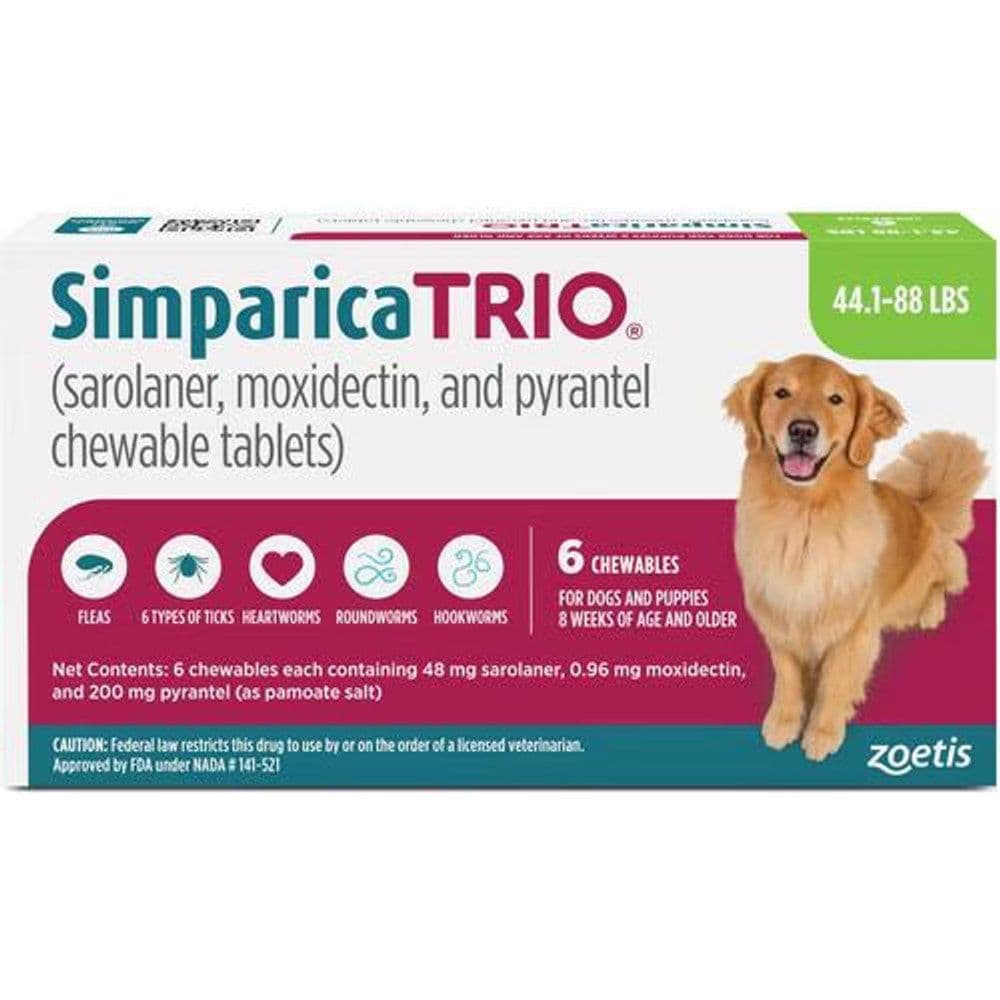
Monthly chew that protects dogs from fleas, six species of ticks, heartworm disease, roundworms, and hookworms.
Webvet may earn a commission when you click through to Chewy, at no extra cost to you.
Protecting Your Dog's Nose from Sunburn
The nose is the spot dog owners ask about most, and for good reason. It sits at the top of the face pointing straight at the sky, the skin there is exposed, and many dogs have pink or partly-pink noses with little protective pigment.
That combination makes dog nose sunburn one of the most common forms of sun damage.
Sunburn vs. Snow Nose
It helps to know what is not sunburn. Some dogs develop a harmless seasonal fading of the nose called snow nose, where a black nose turns lighter in winter and darkens again later.
That is a cosmetic pigment change, not a burn. Sunburn instead looks red, dry, cracked, or sore, and it follows sun exposure.
Repeated sunburn on a pale nose can progress to nasal solar dermatitis, sometimes called collie nose, a chronic inflammatory condition seen in Collies, Shelties, and other at-risk breeds.
The skin at the edge of the nose becomes red, ulcerated, and crusty, and over time can develop into more serious disease, so it deserves veterinary attention.
To protect the nose, apply a dog-safe sunscreen or sun balm to the nose bridge before outdoor time, reapply through the day, limit midday sun, and use shade and a brimmed dog hat when you can.
If your dog has a pink nose or a history of nasal sun damage, ask your vet about an ongoing nose-protection routine.
Can Dogs Get Sunburn That Leads to Skin Cancer?
Can dogs get sunburn that causes lasting harm? Unfortunately, yes, and that is why veterinarians take it seriously. Repeated UV exposure causes cumulative damage that can lead to chronic skin disease and cancer, the same way it does in people. Each sunburn adds to the total.
Over time, sun-exposed skin can develop chronic solar (actinic) dermatitis, where the skin stays red, thickened, scaly, and inflamed. These damaged areas can in turn progress to skin cancers. The cancers most associated with sun exposure in dogs include:
- Squamous cell carcinoma, strongly linked to sun damage on lightly-pigmented skin such as the nose, belly, and around the eyes
- Hemangioma and hemangiosarcoma of the skin, blood-vessel tumors that can be promoted by sun exposure in thinly-haired, light-skinned areas
This is exactly why consistent sun protection matters, especially for white, thin-coated, and pink-skinned dogs. Check your dog's skin regularly, and have any new lump, persistent sore, scab that won't heal, or changing patch examined by your veterinarian. Caught early, sun-related skin disease is far more manageable.
Frequently Asked Questions
Can dogs get sunburn through their fur?
Fur offers partial protection but is not a complete sunscreen. UV light still passes through thin, short, or sparse coats, and a wet coat exposes even more skin. Dogs with thin or light fur can absolutely get sunburned through their coat, especially on the belly and nose.
What does sunburn look like on a dog?
Dog sunburn usually appears as red or pink skin on exposed areas like the nose, ear tips, and belly. The skin may be dry, flaky, cracked, warm, and tender to the touch. In severe cases you may see blistering, peeling, hair loss, or open sores.
Can I put human sunscreen on my dog?
It is not recommended. Many human sunscreens contain zinc oxide or PABA, both of which are toxic to dogs if licked off the skin. Use a sunscreen made specifically for dogs and labeled safe if ingested, or ask your veterinarian for a dog-safe product.
Is aloe vera safe for a dog's sunburn?
A small amount of pure, pet-safe aloe gel on intact skin can soothe a mild burn, but aloe is irritating if swallowed and can cause vomiting or diarrhea. Use only a pet-formulated product, apply sparingly, discourage licking, and check with your vet first.
How do I treat my dog's sunburned nose?
Get your dog out of the sun, apply a cool damp compress, and keep the nose clean and dry. For anything more than mild redness, or if the nose is cracked, sore, or not healing, see your veterinarian. Going forward, use a dog-safe nose balm and limit midday sun.
What is the best sunscreen for dogs?
The best sunscreen for dogs is one made specifically for them: broad-spectrum, water-resistant, fragrance-free, free of zinc oxide and PABA, and non-toxic if licked. Look for around SPF 30 or higher. Your veterinarian can recommend a product suited to your dog's skin and coat.
How long does it take for a dog's sunburn to heal?
A mild sunburn usually improves within a few days to about a week, with hair regrowing over the following weeks. Severe burns take longer and may need veterinary care and follow-up. Keep your dog out of the sun completely while the skin heals.
Can dog sunburn cause skin cancer?
Yes. Repeated sun damage can lead to chronic solar dermatitis and skin cancers such as squamous cell carcinoma, especially on pink, thinly-furred skin like the nose and belly. This is why consistent sun protection matters, particularly for white and light-skinned dogs.
Do dogs need sun protection if they stay mostly indoors or ride in the car?
They can still be exposed. UV light comes through windows, so a dog that suns by a window or rides in a car can get some exposure, especially high-risk dogs. For mostly-indoor dogs the risk is lower, but pale, thin-coated dogs may still benefit from limiting strong direct sun through glass.
The Bottom Line
So, can dogs get sunburn? Absolutely, and for pale, thin-coated, and hairless dogs the risk is real every sunny day.
The nose, ears, and belly burn first, mild cases respond to cooling and comfort at home, and severe burns or any sign of heatstroke need a veterinarian right away.
Over a lifetime, repeated sun damage can lead to chronic skin disease and cancer, which is why prevention is worth the small daily effort.
Protect your dog with dog-specific sunscreen on exposed spots, shade and water, smart timing around midday, and UV-protective gear when needed.
If you ever notice blistering, a sore that won't heal, a new lump, or skin that looks worse rather than better, call your veterinarian. A quick check is the safest way to keep small problems from becoming serious ones.
Veterinarian · BVMS MRCVS
Dr. Pippa Elliott, BVMS, MRCVS, is a veterinarian with nearly 30 years of experience in companion animal practice. Dr. Elliott earned her Bachelor of Veterinary Medicine and Surgery from the University of Glasgow. She was also designated a Member of the Royal College of Veterinary Surgeons. Married with 2 grown-up kids, Dr. Elliott has a naughty Puggle named Poggle, 3 cats and a bearded dragon.


