Boost Dog Immune System: Can Diet Influence Your Dog's Immune Health?
Can diet boost a dog's immune system? Yes, with key nutrients (protein, omega-3s, vitamins A C D E, zinc) plus healthy weight, exercise, and routine vet care.

This article contains affiliate links. Webvet may earn a commission when you buy through them, at no extra cost to you.
When pet parents are looking to boost a dog's immune system, they often turn to their dog's diet and nutrition in addition to proper veterinary care and healthy lifestyle habits. And they're not wrong. What a dog eats plays an important role in supporting immune health.
This article explores how nutrition and feeding practices can impact a dog's immune function, what nutrients matter most, and the broader lifestyle factors that support whole-body health.
- 1A balanced diet provides the key nutrients (protein, omega-3s, vitamins A, C, D, E, and zinc) that immune cells need to work properly.
- 2Nutrient deficiencies can weaken immune defense and increase susceptibility to infection.
- 3Fresh, AAFCO and WSAVA standards-compliant diets provide these nutrients in bioavailable forms.
- 4Whole-body wellness matters too: healthy weight, exercise, stress reduction, and routine vet care all support immune health.
- 5Talk to your veterinarian before adding any supplement to your dog's diet.
How the Immune System Works in Dogs
The basic role of the dog's immune system is to protect them from pathogens like bacteria, viruses, parasites, and other environmental threats that can cause illness. The immune system also removes damaged cells to facilitate healing. Dogs are protected through physical barriers like the skin and gums, and through specific cells designed to recognize and destroy invaders. White blood cells, antibodies, and chemical messengers produced by the immune system all play roles in identifying and neutralizing pathogens. Overall immune health depends on nutrition, genetics, environment, preventative care, and a dog's general wellness.
Can Diet Help Boost a Dog's Immune System?
Diet does not 'boost' a dog's immune system in the way an espresso boosts energy, but what a dog eats clearly supports immune function. The immune system relies on essential nutrients including protein, vitamins (especially A, C, D, and E), minerals (zinc, selenium), healthy fats (especially omega-3 fatty acids from fish), and antioxidants. A balanced diet that meets AAFCO nutrient profiles for the life stage gives the immune system the raw materials it needs to work properly. Lifestyle, vaccines, parasite prevention, and routine veterinary care do most of the rest.

Vet-formulated fresh meals delivered to your door. Custom portions tailored to your dog. No fillers, no by-products.
- 50% off your first box
- Custom portion plans tailored to your dog
- Vet-formulated fresh meals made
Trusted by hundreds of thousands of dog parents
Webvet may earn a commission when you click through to Farmers Dog, at no extra cost to you.
Key Nutrients That Support Immune Health in Dogs
Key Nutrients for Dog Immune Health
Several specific nutrients have well-documented roles in immune function. This list isn't exhaustive, but it covers the most important contributors to dog immune health: high-quality protein supports tissue repair and immune cell production. Vitamin A maintains barriers in the skin and other organs that keep pathogens out. Vitamin C maintains barriers, acts as an antioxidant, and contributes to white blood cell production. Vitamin D enhances the activity of certain immune cells (deficiency correlates with greater infection risk). Vitamin E is a potent antioxidant that protects cells from damage. Omega-3 fatty acids help reduce inflammation and strengthen cell membranes. Zinc supports immune cell development and acts as an antioxidant.
Key Immune-Supporting Nutrients for Dogs
| Nutrient | Immune Role | Common Food Sources |
|---|---|---|
| High-quality protein | Tissue repair, immune cell production | Chicken, turkey, beef, fish, eggs |
| Omega-3 fatty acids | Reduce inflammation, support cell membranes | Salmon, sardines, fish oil |
| Vitamin A | Maintains skin and mucous membrane barriers | Liver, sweet potato, carrots |
| Vitamin C | Antioxidant, supports white blood cells | Berries, leafy greens (dogs also synthesize some) |
| Vitamin D | Enhances immune cell activity | Fish, eggs (dogs need dietary D, unlike humans) |
| Vitamin E | Antioxidant, protects cells from damage | Plant oils, leafy greens, eggs |
| Zinc | Immune cell development, antioxidant | Beef, lamb, pumpkin seeds, eggs |
Top 7 Immune-Boosting Foods to Add to Your Dog's Bowl
Several whole foods can be added in small amounts to support a dog's immune system. The portions below assume use as a topper or treat, not a meal replacement, and should stay within the 10 percent treat allowance of daily calories. Always introduce one at a time and watch for tolerance over 48 hours before adding another.
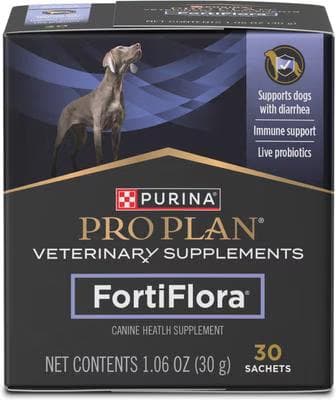
The #1 vet-recommended probiotic for dogs. Daily powder sachets with live probiotics support healthy digestion and firmer stools, and can help dogs coping with diarrhea or GI upset.
Webvet may earn a commission when you click through to Chewy, at no extra cost to you.
Top Immune-Supporting Foods for Dogs
| Food | Why It Helps | Daily Portion (Small Dog) | Daily Portion (Large Dog) |
|---|---|---|---|
| Blueberries | Antioxidants, vitamin C | 5 to 10 berries | 1/4 cup |
| Cooked salmon (skinless) | Omega-3 EPA/DHA, vitamin D | 1 tablespoon | 2 to 3 tablespoons |
| Cooked kale or spinach | Vitamins A, C, K, antioxidants | 1 teaspoon | 1 tablespoon |
| Cooked sweet potato | Beta-carotene, vitamin A precursor | 1 tablespoon | 2 tablespoons |
| Plain canned pumpkin | Fiber, vitamin A, immune support | 1 tablespoon | 2 to 3 tablespoons |
| Cooked broccoli florets | Vitamin C, sulforaphane, antioxidants | 1 to 2 small florets | 3 to 4 florets |
| Whole cooked eggs | Complete protein, B vitamins, choline | 1/4 to 1/2 egg | 1 whole egg |
What Vitamins Are Best for a Dog's Immune System?
Five vitamins and minerals consistently appear in veterinary nutrition research as central to immune function in dogs. Vitamin A maintains barriers in skin, gut, and respiratory lining. Vitamin C is an antioxidant and supports white blood cell function (dogs synthesize some vitamin C themselves but benefit from dietary sources during stress). Vitamin D enhances immune cell activity and modulates inflammation; dogs need dietary D since they don't synthesize it from sunlight as efficiently as humans. Vitamin E protects cells from oxidative damage and works synergistically with selenium. Zinc supports immune cell development and acts as an antioxidant cofactor.
Most healthy dogs on complete and balanced commercial diets get adequate amounts of these without supplementation. Layered supplementation often creates imbalance rather than benefit; excess vitamin A, D, or zinc can be toxic. Talk to your veterinarian before adding any vitamin supplement, especially for puppies, seniors, or dogs with chronic disease. The exception is omega-3 fish oil, which has well-supported benefits at vet-guided doses for most adult dogs.

The Role of Fresh Diets in Whole-Body Health
Most kibble and canned diets that meet AAFCO nutrient profiles for the appropriate life stage and align with WSAVA Global Nutrition Committee selection guidelines provide these nutrients in adequate amounts. Pet parents looking for an additional approach may be interested in fresh-food diets for dogs. Fresh diets often include minimally processed ingredients, balanced nutrients, and high-quality protein sources. It is important that any fresh diet still meets a pet's nutrient requirements, so AAFCO nutrient profile statements still apply. An example of a fresh food diet that meets these standards is The Farmer's Dog, which provides fresh meals formulated to meet dogs' nutritional needs and works with veterinary nutritionists.
Compare coverage choices for your pet, then request a quote directly on Lemonade.
- Check a price for your pet
- Review available coverage choices
- See the terms before you decide
Eligibility, waiting periods, limits and exclusions apply.
Webvet may earn a commission when you click through to Lemonade, at no extra cost to you.
Other Ways to Support Your Dog's Immune System
How to Strengthen a Dog's Immune System Naturally
Whole-body wellness extends beyond nutrition. Regular veterinary care including recommended wellness visits catches problems early. Keep vaccinations up to date based on veterinary recommendations. Include exercise and physical activity in your dog's routine to support circulation, lymphatic flow, and stress management. Maintain a healthy weight, since obesity drives systemic inflammation that compromises immune function. Reduce stress by establishing consistent routines and providing enrichment. These daily habits compound into significantly stronger immune resilience over months and years.
Immune Support for Dogs with Allergies
Dogs with allergies (environmental, food, or contact) live in a state of chronic immune activation, which paradoxically can leave the immune system both overstimulated and depleted. The goal isn't to 'boost' immunity, since the immune system is already overactive against the wrong targets, but to balance it. Veterinary approaches include identifying and removing triggers (environmental control, elimination diet for food allergies), modulating the inflammatory response with omega-3s and antioxidants, and supporting gut health since most immune cells live in the gut lining.
Webvet may earn a commission when you click through to Chewy, at no extra cost to you.
Practical daily steps for allergic dogs include: omega-3 fish oil supplementation (vet-guided dose), a balanced diet with limited or hydrolyzed protein if food allergy is suspected, vet-recommended probiotics to support gut-immune health, weekly bathing during environmental allergy season to remove pollen, and routine vet check-ins to manage flares before they become severe. Antihistamines (Benadryl, Zyrtec, Claritin) can be vet-prescribed for some dogs but doses and safety differ by drug; never give without veterinary guidance.
Supporting the Immune System of Senior or Cancer Dogs
Aging and cancer treatment both place added demand on a dog's immune system. Senior dogs experience inflammaging, a gradual decline in immune precision that increases susceptibility to infection and reduces vaccine response. Dogs undergoing cancer treatment (chemotherapy, radiation, surgery) face short-term immune suppression alongside the disease itself. Support strategies overlap significantly: maintain optimal body condition (lean is better than overweight), prioritize protein quality, supplement omega-3s under vet guidance, support gut health with probiotics, and minimize unnecessary stressors and exposure to other sick dogs during vulnerable periods.
For dogs in active cancer treatment, work closely with the oncology team on diet and supplement choices; some 'immune-boosting' supplements interact with chemotherapy. Mushroom-derived beta-glucans (turkey tail, reishi) have growing research support for canine cancer, but always vet-coordinated. The single most important quality-of-life intervention for senior or cancer dogs is regular gentle activity, which supports lymphatic flow, mood, appetite, and immune function more than any supplement.
Vet-formulated fresh meals delivered to your door. Custom portions tailored to your dog. No fillers, no by-products.
- 50% off your first box
- Custom portion plans tailored to your dog
- Vet-formulated fresh meals made
Trusted by hundreds of thousands of dog parents
Webvet may earn a commission when you click through to Farmers Dog, at no extra cost to you.
Tips to Help Boost Your Dog's Immune System
Provide balanced, high-quality nutrition appropriate for your dog's life stage. Maintain a consistent feeding routine that considers portion size and feeding times. Speak with your veterinarian before adding any supplements. Include exercise in your dog's routine. Schedule regular veterinary checkups and preventive care. Monitor for changes in health or behavior and seek veterinary care when needed. If you're wondering how to strengthen a dog's immune system, a combination of good nutrition (including fresh-food options where appropriate) and overall care is your best bet. For more on human-grade fresh dog food and immune health, see your veterinarian's recommendations.
Signs of a Weakened Immune System in Dogs
A consistently strong immune system shows up as steady energy, healthy coat and skin, normal appetite, and quick recovery from minor scrapes or upsets. Signs that the immune system may be struggling include frequent or slow-healing infections (skin, ear, or urinary), persistent fatigue, recurrent GI upset, slow wound healing, chronic dull coat or persistent itching, and frequent vaccine boosters not maintaining expected titers. Any cluster of these signs warrants a veterinary workup to identify whether nutrition, chronic disease, or another factor is driving the pattern.

Vet-formulated fresh meals delivered to your door. Custom portions tailored to your dog. No fillers, no by-products.
- 50% off your first box
- Custom portion plans tailored to your dog
- Vet-formulated fresh meals made
Trusted by hundreds of thousands of dog parents
Webvet may earn a commission when you click through to Farmers Dog, at no extra cost to you.
Frequently Asked Questions
Can diet really boost a dog's immune system?
Yes. Many nutrients in a balanced diet are vital to immune function. Deficiencies in protein, vitamins, or minerals can result in illness and susceptibility to disease.
What foods help support a dog's immune system?
Focus on the nutrients rather than individual foods. Key nutrients include high-quality protein, vitamins A, C, D, and E, zinc, and omega-3 fatty acids. Animal proteins, fatty fish, leafy greens, berries, and orange vegetables are common sources.
Can poor nutrition weaken a dog's immune system?
Yes. Deficiencies in certain nutrients can weaken the immune system and increase susceptibility to disease. Good nutrition means making sure your dog receives all the nutrients their body needs.
Are fresh dog food diets good for immune health?
Fresh dog food diets that meet AAFCO and WSAVA nutritional requirements and are prepared appropriately can be good for immune health. Always follow preparation guidelines provided by the manufacturer.
What else helps strengthen a dog's immune system?
Beyond nutrition, immune health is supported by maintaining a healthy weight, reducing stress, providing exercise, and appropriate preventive veterinary care including vaccines. Check with a vet before adding immune-boosting supplements.
Should I give my dog omega-3 supplements for immune health?
Possibly. Omega-3s have well-documented anti-inflammatory and immune-supporting effects, but dose, source, and dietary baseline matter. Many fresh and high-quality commercial diets include omega-3s in the formula. Talk to your veterinarian before supplementing.
Do probiotics boost a dog's immune system?
Possibly. Gut health and immune function are tightly linked, since most immune activity happens in the intestinal lining. Veterinary-recommended probiotics can help during certain situations (after antibiotics, with GI disease), but a balanced base diet is more important than routine probiotic supplementation.
What foods boost a dog's immune system the most?
Top vet-supported additions include blueberries, cooked salmon, kale or spinach, sweet potato, plain canned pumpkin, broccoli, and whole cooked eggs. Use as toppers or treats within the 10 percent treat budget, not meal replacements. Introduce one at a time and watch for tolerance. Always pair with a complete and balanced base diet.
Should I give my dog immune-boosting supplements?
Most healthy dogs on complete commercial diets don't need extra immune supplements. Omega-3 fish oil at vet-guided doses has the strongest evidence for general immune support. Probiotics help during specific situations (post-antibiotic recovery, GI flares). Multivitamins are rarely necessary and can cause imbalance. Always talk to your vet before adding supplements, especially for senior dogs or dogs on medication.
Final Thoughts on Boosting a Dog's Immune System
If pet owners want to support a dog's immune system, focusing on good nutrition alongside overall wellness is key. Balanced nutrition, appropriate exercise, stress reduction, and regular veterinary care all contribute to a dog's immune health. Diet supplies the raw materials; vaccines, parasite prevention, and routine vet care do most of the actual immune work.
As part of a whole-body approach to a pet's wellness, provide high-quality, nutritionally balanced meals that include fresh-food options like The Farmer's Dog when appropriate. Pair nutrition with daily exercise, consistent routines, and routine veterinary care for the strongest, most resilient immune system over the long term.

Veterinarian · DVM
Athena Gaffud, DVM, is a licensed veterinarian and writer based in the Cagayan Valley of the northern Philippines. She runs the website countryvetmom.com. Dr. Gaffud earned her Doctor of Veterinary Medicine degree from the University of the Philippines Los Baños in 2011, ranking in the top 10 and receiving the Best Undergraduate Thesis Award in Large Animals. With over a decade of experience, she has worked as a researcher, a practitioner for small and large animals, and in veterinary technical sales, marketing, and pet insurance. A published author, Dr. Gaffud promotes responsible pet ownership and combats misinformation on animal care through her platforms, including the DocAthena Facebook Page and DocAthena YouTube channel. She is a writer and editor for various pet-related websites such as Total Vet, Honest Paws, PangoVet, Dogster, Catster, My Best PH, Paw Origins, Bully Max, Not a Bully, Paws and Claws CBD, many others. She was also cited in different pet-related media articles such as The Dog People, USA Today, Newsweek, New York Post, Reader’s Digest, Smithsonian Magazine, Woman’s World, Dog Time, Patch, Kinship, Martha Stewart, and many others. Moreover, she is also a published fiction author on Kindle.
Related reading

Low Calorie Dog Treats: Calories and Portion Guide

Minimally Processed Dog Food: What It Means and Why It Matters

Best Soft Dog Food for Senior Dogs: Gentle, Nutrient-Dense Options
