Protein for Dogs: Is Your Dog Getting Enough?
Protein for dogs supports muscle, organ function, skin, and immunity. See how much dogs need, the best protein sources, and how to spot dietary gaps.

This article contains affiliate links. Webvet may earn a commission when you buy through them, at no extra cost to you.
Protein for dogs refers to the amino acids derived from dietary protein sources that support growth, muscle maintenance, and overall physiological function. Protein ranks among the most important nutrients in canine nutrition because body tissues depend on amino acids for structure, repair, and metabolic activity.
Adequate dietary protein supports muscle mass, internal organ function, skin integrity, coat condition, and immune defense. Balanced dog nutrition protein intake contributes to healthy metabolism and normal cellular processes throughout a dog's life. This article explains why dogs require protein, reviews general dog protein requirements, and explores differences between protein quality, digestibility, and dog protein sources.
- 1Protein for dogs delivers essential amino acids needed for muscle maintenance, tissue repair, enzyme and hormone production, and immune defense.
- 2Daily protein needs vary by life stage, activity, body condition, and health status; puppies and working dogs need more.
- 3Protein quality matters more than total percentage on the label, since amino acid completeness and digestibility drive nutritional value.
- 4Animal protein sources (chicken, turkey, beef, fish, eggs) typically deliver complete amino acid profiles with high digestibility.
- 5Loss of muscle tone, dull coat, low energy, or unexplained body condition changes can signal that a dietary review is warranted.
Why Protein Matters for Dogs
Protein supports numerous biological processes that maintain normal canine health. Dietary protein supplies essential amino acids that support body structure, metabolism, and immune defense.
Amino acids support skeletal muscle structure and the maintenance of lean body mass. Cells depend on protein building blocks to repair skin, connective tissue, and internal organs. Many enzymes and metabolic hormones are derived from amino acid precursors. Immune cells rely on adequate protein intake for normal immune defense mechanisms. Dogs depend on dietary intake to obtain essential amino acids that the body does not produce independently, which is why balanced protein intake is a fundamental component of canine dietary health.
Vet-formulated fresh meals delivered to your door. Custom portions tailored to your dog. No fillers, no by-products.
- 50% off your first box
- Custom portion plans tailored to your dog
- Vet-formulated fresh meals made
Trusted by hundreds of thousands of dog parents
Webvet may earn a commission when you click through to Farmers Dog, at no extra cost to you.
How Much Protein Do Dogs Need?
Daily Protein Requirements by Life Stage and Activity
General dog protein requirements vary according to life stage, activity level, and physiological condition. AAFCO maintenance guidelines for adult dogs call for a minimum of 18 percent crude protein on a dry-matter basis. Puppies and reproducing dogs need at least 22.5 percent. Working dogs, performance dogs, and many pregnant or lactating dogs need substantially more than the minimum to support tissue growth, muscle activity, and milk production.
Age, activity level, life stage, body condition, and health status all shape individual daily protein needs. Veterinary nutrition guidelines emphasize balanced diets that deliver adequate protein without excessive caloric intake. Professional guidance ensures balanced protein intake tailored to individual dietary needs, especially for senior dogs or dogs with chronic conditions.
Building Muscle: Protein for Active and Working Dogs
Active and working dogs need substantially more protein than companion dogs to support muscle maintenance, repair, and growth. Hunting dogs, herding dogs, sport dogs, sled dogs, and search-and-rescue dogs may need 28 to 35 percent crude protein on a dry-matter basis (vs the 18 percent AAFCO minimum for adult maintenance). Performance diets typically combine higher protein with higher fat (the 30/20 ratio is common: 30 percent protein, 20 percent fat) for sustained energy.
Building lean muscle also requires the right amino acid profile, especially leucine, which triggers muscle protein synthesis. Animal proteins (chicken, beef, fish, eggs) supply the complete amino acid profile naturally; plant proteins typically don't. Pair the higher-protein diet with progressive structured exercise, since muscle responds to load, not just nutrient supply. Adequate rest and recovery time matter as much as the protein itself; muscle is built during recovery, not during the workout.
Quality vs Quantity: Understanding Protein Sources
The total protein percentage listed on a dog food label does not always reflect nutritional value. High-quality proteins contain the essential amino acids required for tissue maintenance. Easily digested proteins allow efficient nutrient absorption. Clearly identified ingredients support transparency and nutritional evaluation.
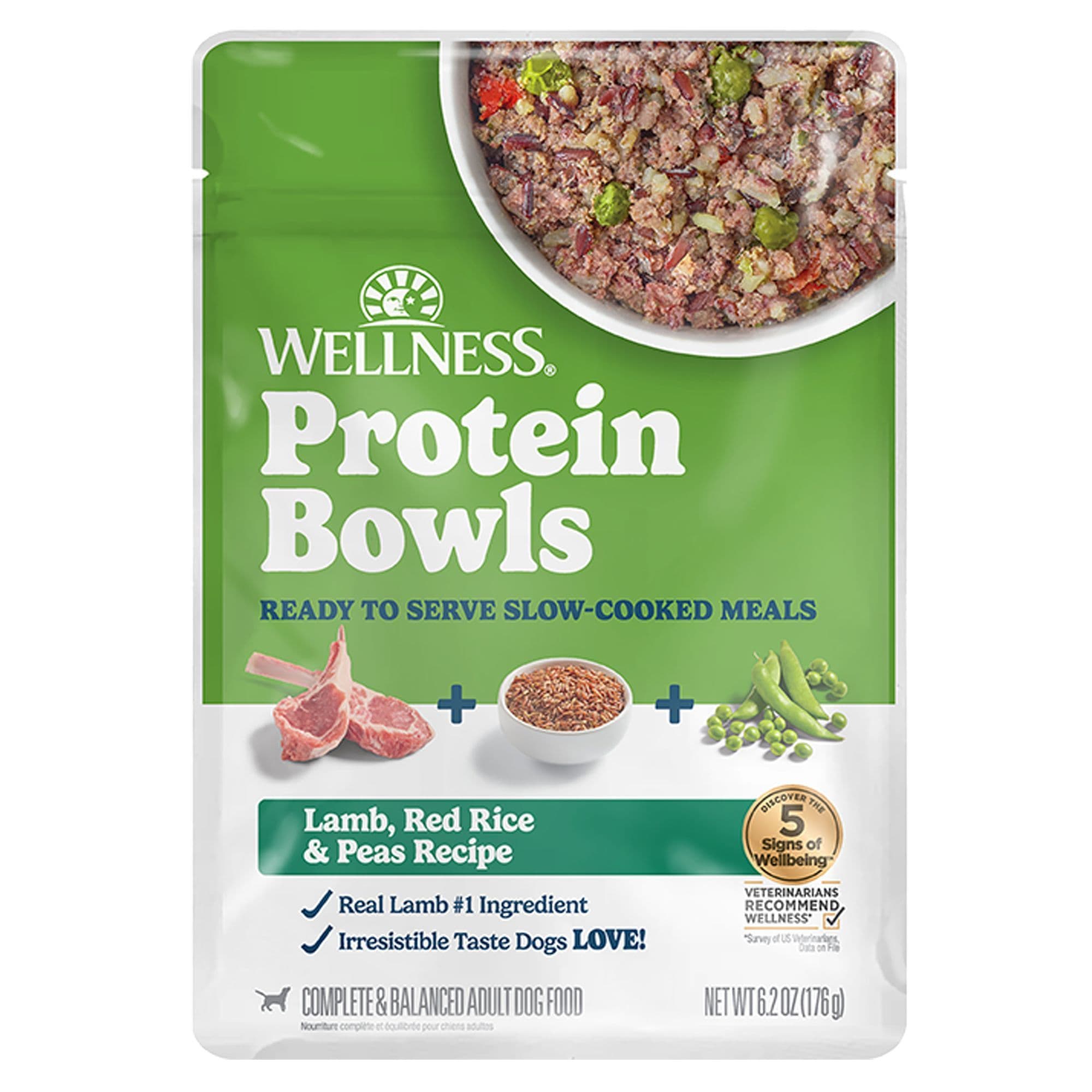
Slow-cooked, complete and balanced wet dog food with real lamb as the #1 ingredient. Single 6.2 oz pouch.
Webvet may earn a commission when you click through to PetSmart, at no extra cost to you.
Best Protein Sources for Dogs
Veterinary nutrition research consistently highlights animal protein for dogs as the most digestible and amino-acid-complete option. Chicken, turkey, beef, fish, and eggs deliver complete profiles that support muscle maintenance and metabolic balance. Eggs in particular have the highest biological value of any single protein source. Plant proteins (peas, soy, lentils) can supplement animal protein but rarely match the digestibility or amino acid completeness of meat-based sources. Identifying primary dog protein sources at the top of the ingredient list helps evaluate overall protein quality in a dog's diet.
Common Protein Sources for Dogs
| Protein Source | Digestibility | Amino Acid Completeness | Notes |
|---|---|---|---|
| Chicken | Very high | Complete | Lean, widely tolerated, foundational in many diets |
| Turkey | Very high | Complete | Lean alternative for chicken sensitivities |
| Beef | High | Complete | Richer flavor, slightly higher fat content |
| Fish (salmon, sardines) | High | Complete | Adds omega-3s; good for skin, coat, joints |
| Eggs | Very high (highest BV) | Complete | Excellent for puppies, recovery, and small additions |
| Plant proteins (peas, lentils, soy) | Variable | Amino acid profile differs from animal proteins; benefits from professional formulation when used as a major protein source | Useful as part of mixed diets; sole-source plant-based diets need vet-nutritionist input |
Protein for Dogs With Allergies: Novel Protein Options
Food allergies in dogs are most often triggered by proteins the immune system has been exposed to repeatedly: chicken, beef, dairy, and to a lesser extent lamb, fish, and egg. The veterinary approach to a suspected food allergy is an elimination diet using a novel protein, meaning a protein the dog has never eaten before. Without prior exposure, the immune system has no antibodies primed against it, so reactions stop while the diagnostic trial confirms whether food was the trigger.
Compare coverage choices for your pet, then request a quote directly on Lemonade.
- Check a price for your pet
- Review available coverage choices
- See the terms before you decide
Eligibility, waiting periods, limits and exclusions apply.
Webvet may earn a commission when you click through to Lemonade, at no extra cost to you.
Common novel proteins for dogs include duck, venison, rabbit, kangaroo, bison, alligator, and certain fish like pollock or whitefish. Hydrolyzed protein diets (where the protein is broken into pieces too small to trigger an immune response) offer another path. The right choice depends on what the dog has already eaten across all foods, treats, and chews. A surprising number of dogs have eaten 'rare' proteins like venison or duck through limited-ingredient treats, which disqualifies them as novel for elimination trials. Always work with a veterinarian when planning an elimination diet to ensure the trial is structured properly.

Protein Bioavailability and Digestibility
Protein bioavailability refers to the proportion of dietary amino acids absorbed and utilized after digestion. High bioavailability improves nutrient efficiency and supports healthy metabolic function. Several factors influence digestibility: whole, high-quality protein ingredients generally digest better than fragmented or by-product meals. Excessive heat processing alters protein structure and reduces digestibility. Certain animal proteins demonstrate higher digestibility compared with some plant-derived proteins.
Webvet may earn a commission when you click through to Chewy, at no extra cost to you.
Easiest Proteins to Digest for Sensitive Stomachs
When a dog has a sensitive stomach, both the protein source AND its preparation matter. Eggs are often cited in veterinary nutrition literature as a reference high-quality animal protein with a strong amino acid profile. Fish (especially white fish like cod or pollock) is highly digestible and adds omega-3s. Chicken and turkey are well-tolerated by most sensitive dogs as long as the dog isn't specifically reactive to poultry. Cottage cheese in small amounts is sometimes used as a gentle bridge for dogs recovering from GI upset. Talk to your vet before changing protein sources for a dog with a known sensitivity, especially if you suspect a food allergy.
Protein Quality and Tolerance for Dogs (Qualitative)
| Protein | Quality / Tolerance Notes | Common Use Cases |
|---|---|---|
| Egg (whole, cooked) | Often cited as a reference high-quality animal protein with strong amino acid profile | Recovery diets, sensitive dogs, small additions to balanced meals |
| Fish (white fish, salmon) | Highly digestible animal protein; adds omega-3s | Skin and coat support, sensitive stomach diets |
| Chicken (lean, cooked) | Common, well-tolerated by most dogs without poultry allergies | Standard protein in many balanced diets |
| Beef (lean, cooked) | Richer; sometimes heavier on sensitive stomachs | Standard option for non-sensitive dogs |
| Lamb | Often used as alternative for chicken-sensitive dogs | Limited-ingredient and sensitivity diets |
| Plant proteins (soy, peas, lentils) | Useful supplemental proteins; amino acid profile differs from animal proteins and benefits from professional formulation in plant-based diets | Component of mixed-ingredient diets; sole-source plant diets need vet-nutritionist guidance |
Vet-formulated fresh meals delivered to your door. Custom portions tailored to your dog. No fillers, no by-products.
- 50% off your first box
- Custom portion plans tailored to your dog
- Vet-formulated fresh meals made
Trusted by hundreds of thousands of dog parents
Webvet may earn a commission when you click through to Farmers Dog, at no extra cost to you.
Fresh Diets and Clearly Identified Protein Sources
Interest in ingredient transparency has increased among pet parents exploring modern feeding approaches. Fresh diets emphasize recognizable ingredients and clearly identified dog protein sources, which helps clarify nutritional composition. Ingredient labels listing specific animal proteins (whole chicken, turkey, or beef) tell you exactly what the dog is getting. Some fresh food companies emphasize this transparency through simple formulations. The Farmer's Dog offers fresh dog food recipes formulated with identifiable animal proteins and minimal processing. Such approaches help pet parents recognize the protein ingredients present in a meal.
Protein in Homemade Dog Food: What to Watch For
Homemade dog food can absolutely meet a dog's protein needs, but most homemade recipes online (including many in popular dog food cookbooks) are nutritionally incomplete or actively harmful. Studies show 90+ percent of homemade dog diets fail to meet basic AAFCO nutrient requirements. Protein quantity is rarely the issue; protein quality, calcium-to-phosphorus ratio, and trace minerals are where most recipes fall short.
If you're committed to homemade feeding, work with a board-certified veterinary nutritionist (DACVN) or use a service like BalanceIt.com, JustFoodForDogs Custom Diets, or Petdiets.com to formulate a complete recipe for your specific dog. Rotate proteins across recipes to provide a wider amino acid base. Avoid raw meat unless you understand the bacterial risk to both the dog and your household. Skip onion, garlic, grapes, raisins, chocolate, xylitol, and macadamia nuts entirely; they're toxic to dogs at varying doses.
Signs of Protein Deficiency in Dogs
True protein deficiency is uncommon in dogs on complete, balanced diets but can develop with very low-protein homemade meals, malabsorption, or chronic disease. Visible signs include loss of muscle mass (especially over the spine and hind limbs), dull or brittle coat, slow wound healing, low energy, and edema (fluid retention) in advanced cases. Puppies on inadequate protein may show poor growth and weak immune response. Any of these signs warrants a veterinary nutrition assessment to evaluate diet composition and rule out underlying disease.

Signs Your Dog May Need a Dietary Review
Observation of physical condition often provides insight into overall nutritional adequacy. Loss of lean muscle mass or reduced muscle tone, dull coat appearance or poor hair condition, reduced stamina or decreased daily activity, and unexplained weight or body condition changes all suggest a closer look at diet. A veterinary dietary evaluation examines nutrient intake, body condition, and metabolic health to determine whether adjustments to protein intake for dogs support improved nutritional balance.
Vet-formulated fresh meals delivered to your door. Custom portions tailored to your dog. No fillers, no by-products.
- 50% off your first box
- Custom portion plans tailored to your dog
- Vet-formulated fresh meals made
Trusted by hundreds of thousands of dog parents
Webvet may earn a commission when you click through to Farmers Dog, at no extra cost to you.
Frequently Asked Questions
How much protein do dogs need daily?
Daily protein intake varies according to age, activity level, and physiological condition. AAFCO calls for at least 18 percent crude protein for adult maintenance and 22.5 percent for growth, with more often needed for working or performance dogs. Veterinary nutrition guidelines tailor the target to the individual dog.
Is too much protein bad for dogs?
Healthy dogs generally tolerate diets with moderate to high protein levels when overall nutrition remains balanced. Excessive caloric intake (rather than protein alone) is more often responsible for weight gain. Dogs with advanced kidney disease are an important exception and need veterinary-guided protein moderation.
What are the best protein sources for dogs?
High-quality dog protein sources include chicken, turkey, beef, fish, and eggs. These ingredients supply complete amino acid profiles with high digestibility. Eggs have the highest biological value of any single protein source.
Do puppies need more protein than adult dogs?
Yes. Growing puppies require higher protein intake because rapid tissue development demands greater availability of amino acids. Higher protein supports skeletal development and muscle formation. AAFCO growth minimum is 22.5 percent (vs 18 percent for adult maintenance).
How can I tell if dog food contains high-quality protein?
Evaluate the ingredient list. Whole animal proteins (chicken, turkey, beef) at the top of the list indicate a stronger protein foundation than vague terms like 'meat meal' or 'animal by-product.' Strong dog food protein quality typically reflects digestible ingredients, named animal proteins, and a balanced amino acid composition.
Can dogs thrive on plant-based protein?
Dogs are omnivores and can digest some plant protein, but plant sources rarely match the digestibility or amino acid completeness of meat. Vegetarian or vegan diets for dogs require careful veterinary-nutritionist formulation to avoid amino acid deficiencies, and routine monitoring is important.
Do senior dogs need less protein?
Older research suggested cutting protein for senior dogs, but current veterinary nutrition guidance is the opposite. Healthy seniors often benefit from slightly higher (not lower) protein to preserve lean muscle mass as metabolism slows. Dogs with diagnosed advanced kidney disease are the exception and need a veterinary-guided protein-restricted diet.
What's the easiest protein for dogs to digest?
Whole cooked eggs have the highest biological value (100), meaning the body uses nearly all the amino acids. Fish (especially white fish like cod) and lean cooked chicken come next. Cottage cheese in small amounts is gentle for dogs recovering from GI upset. Beef is slightly richer and can sit heavier on sensitive stomachs.
What is a novel protein for dogs?
A novel protein is one the dog has never eaten before. Common examples include duck, venison, rabbit, kangaroo, bison, and certain fish like pollock. Novel proteins are used in elimination diets to diagnose food allergies, since the immune system can't react to a protein it has no antibodies against.
Can I make homemade dog food with enough protein?
Yes, but most homemade recipes (90+ percent of those online) fail to meet AAFCO nutrient requirements. Work with a board-certified veterinary nutritionist or use a formulation service like BalanceIt.com or JustFoodForDogs to ensure your recipe is complete. Protein quantity is rarely the issue; protein quality, calcium-to-phosphorus ratio, and micronutrients usually are.
Final Thoughts on Protein for Dogs
Understanding protein for dogs supports informed dietary decisions that promote long-term canine health. Dog food protein quality influences muscle maintenance, metabolism, and overall wellness.
Diets that clearly identify animal protein for dogs, including fresh-food options such as The Farmer's Dog, provide greater transparency into ingredient sourcing. Awareness of dog protein requirements, digestibility, and protein sources strengthens understanding of canine nutrition and supports balanced feeding practices for companion dogs.

Veterinarian · DVM
Athena Gaffud, DVM, is a licensed veterinarian and writer based in the Cagayan Valley of the northern Philippines. She runs the website countryvetmom.com. Dr. Gaffud earned her Doctor of Veterinary Medicine degree from the University of the Philippines Los Baños in 2011, ranking in the top 10 and receiving the Best Undergraduate Thesis Award in Large Animals. With over a decade of experience, she has worked as a researcher, a practitioner for small and large animals, and in veterinary technical sales, marketing, and pet insurance. A published author, Dr. Gaffud promotes responsible pet ownership and combats misinformation on animal care through her platforms, including the DocAthena Facebook Page and DocAthena YouTube channel. She is a writer and editor for various pet-related websites such as Total Vet, Honest Paws, PangoVet, Dogster, Catster, My Best PH, Paw Origins, Bully Max, Not a Bully, Paws and Claws CBD, many others. She was also cited in different pet-related media articles such as The Dog People, USA Today, Newsweek, New York Post, Reader’s Digest, Smithsonian Magazine, Woman’s World, Dog Time, Patch, Kinship, Martha Stewart, and many others. Moreover, she is also a published fiction author on Kindle.
Related reading

Low Calorie Dog Treats: Calories and Portion Guide

Minimally Processed Dog Food: What It Means and Why It Matters

Best Soft Dog Food for Senior Dogs: Gentle, Nutrient-Dense Options
