How Much Does a Vet Visit Cost? (Dogs & Cats, 2026)
A vet-reviewed 2026 price guide to routine, sick, and emergency vet visit costs for dogs and cats, what drives the bill, and realistic ways to save.

BVMS MRCVS
Medically reviewed by Dr. Pippa Elliott, BVMS MRCVS · Last reviewed

This article contains affiliate links. Webvet may earn a commission when you buy through them, at no extra cost to you.
How much does a vet visit cost? In 2026, a routine vet visit in the US typically runs $50 to $250 once you add the exam fee and a few basic add-ons, while a sick visit with diagnostics often lands between $100 and $400 or more, and an emergency can range from $150 to well over $5,000. Your final bill depends on where you live, your pet's species and size, and what the vet actually needs to do that day. This vet-reviewed guide gives you real, defensible 2026 price ranges for dogs and cats, breaks down every common add-on, and shows you honest ways to lower the cost without cutting corners on care.
- 1A routine wellness exam alone is usually $50-$100 for dogs and $40-$90 for cats; the office/exam fee is the base charge before anything else.
- 2A puppy or kitten first visit with a starter set of shots commonly totals $100-$350; a sick visit with diagnostics often runs $100-$400+.
- 3Emergency and after-hours care is the biggest wildcard, from about $150 just to walk in the door to $5,000+ for overnight hospitalization or surgery.
- 4Location, general practice vs ER vs specialist, and your pet's size and age move the price more than anything else.
- 5You have real options: low-cost clinics, vet schools, wellness plans, payment plans, and charity assistance can cut or spread the cost.

How much does a vet visit cost in 2026? (quick answer + at-a-glance price table)
The short answer: most owners pay somewhere between $50 and $250 for a standard vet visit in 2026. That spread exists because a "vet visit" is really the exam fee plus whatever your pet needs on the day. A healthy adult dog in for a checkup and one vaccine sits at the low end. A limping dog that needs an X-ray and pain medication sits much higher.
Use this at-a-glance table to anchor your expectations before you read the full breakdowns below. All figures are typical 2026 US ranges for general-practice clinics.
| Type of visit | Dog (typical 2026 range) | Cat (typical 2026 range) |
|---|---|---|
| Routine wellness exam (fee only) | $50-$100 | $40-$90 |
| Puppy/kitten first visit with starter shots | $100-$350 | $90-$300 |
| Annual adult checkup with core vaccines | $100-$300 | $90-$250 |
| Sick/problem visit with basic diagnostics | $100-$400+ | $90-$350+ |
| Emergency / after-hours visit | $150-$5,000+ | $150-$5,000+ |
| Specialist consult (dermatology, cardiology, etc.) | $150-$500+ | $150-$500+ |

Treat these as planning numbers, not quotes. The only accurate price is the written estimate your clinic gives you for your pet. If you are specifically bracing for an after-hours crisis, our deep dive on emergency vet costs walks through ER pricing line by line.
Average vet visit cost by type of visit (routine vs sick vs emergency)
The single biggest driver of your bill is why you are there. A wellness visit is predictable. A sick visit adds diagnostics. An emergency adds urgency, after-hours staffing, and often hospitalization. Here is how each tier works.
Routine wellness exam cost (dogs $50-$100, cats $40-$90)
A routine wellness exam is the baseline visit: the vet weighs your pet, listens to the heart and lungs, checks eyes, ears, teeth, skin, and belly, and talks through prevention. The exam fee alone is usually $50-$100 for a dog and $40-$90 for a cat. That fee buys the vet's time and expertise. Vaccines, tests, and medications are billed on top.
Most healthy adult pets need this once a year; senior pets and puppies or kittens need it more often. Skipping it usually costs more later, because early problems are cheaper to treat than advanced ones.
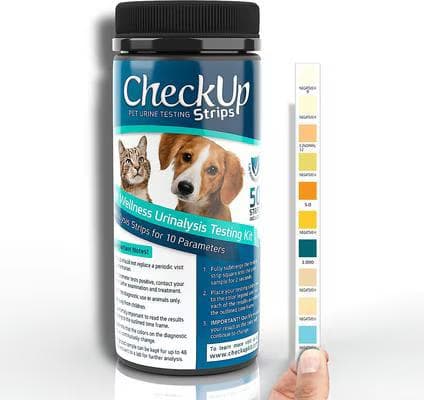
At-home urine test strips that screen for glucose, blood, pH, and protein in seconds, so you can catch early signs of diabetes, kidney disease, or a UTI and bring real numbers to your vet.
Webvet may earn a commission when you click through to Chewy, at no extra cost to you.
Sick or problem visit cost (exam fee + diagnostics, $100-$400+)
A sick visit starts with the same exam fee, then adds whatever it takes to figure out what is wrong. That is why the range is wide. Common sick-visit bills look like this:
- Exam only, simple issue: $50-$100
- Exam plus one test (ear cytology, skin scrape, quick blood panel): $120-$250
- Exam plus bloodwork and imaging: $250-$400+
A sick visit almost always includes medication to go home with, which adds anywhere from $15 to $80+ depending on the drug and your pet's size.
Emergency vet visit cost ($150-$5,000+)
Emergency and after-hours clinics charge more because they staff around the clock and handle the sickest patients. Just walking in the door (the ER exam or triage fee) is often $150-$300. From there, a serious case with imaging, IV fluids, medication, and an overnight stay can climb into the thousands. Surgery for something like a blockage or a bloat can run $3,000-$8,000+. For the full line-by-line picture, see our guide to the cost of an emergency vet visit.
Vet visit cost for a dog: full 2026 price breakdown
Dogs generally cost a little more than cats to see, mostly because they are bigger. Larger dogs need larger doses of medication and preventives, and some procedures scale with body weight. Here is how a dog's visit is built.
The office/exam fee explained
The office or exam fee is the flat charge for the appointment itself, usually $50-$100 for a dog. It covers the vet's assessment and recommendations. It is charged whether or not your dog needs shots or tests, and it is separate from everything else on the invoice. Some clinics waive or reduce it for a recheck within a couple of weeks of the first visit, so it is always worth asking.
Puppy first vet visit with shots (what a starter package costs)
A puppy's first visit is one of the pricier routine appointments because puppies need a series of vaccines, deworming, and a fecal test. A typical first puppy visit runs $100-$350, and remember that puppies need boosters every three to four weeks until about 16 weeks old, so budget for three or four visits in the first few months.

A puppy starter package commonly includes:
- Exam fee: $50-$100
- DHPP (core) vaccine: $20-$40 per dose
- Deworming and fecal test: $30-$60
- First month of flea, tick, and heartworm prevention: $20-$60
Later in puppyhood you will also budget for spay or neuter surgery. Our full breakdown of dog spay and neuter cost covers what to expect at both a full-service clinic and a low-cost provider.
Adult dog routine care add-ons (heartworm test, fecal, dental)
An adult dog's annual visit is the exam fee plus a predictable set of add-ons. An annual heartworm test runs about $35-$60, and it matters, because preventing heartworm is far cheaper than treating it. A fecal exam is $25-$50. Core vaccine boosters are $20-$40 each. If your vet flags tartar and gum disease, a professional dental cleaning is the big-ticket item, which we break down below.
Vet visit cost for a cat: full 2026 price breakdown
Cats are usually slightly cheaper to see than dogs because they are small, so medication and preventive doses cost less. The exam structure is the same: a base fee, then vaccines and tests on top.

Kitten first vet visit with shots
Like puppies, kittens need a vaccine series, deworming, and a fecal test, plus a recommended FeLV (feline leukemia) test. A first kitten visit typically runs $90-$300, with boosters every three to four weeks until about 16 weeks of age. A typical kitten starter package includes:
- Exam fee: $40-$90
- FVRCP (core) vaccine: $20-$40 per dose
- FeLV test and vaccine (if recommended): $35-$70
- Deworming and fecal test: $30-$55
Spay or neuter comes a little later. See our guide to cat spay and neuter cost for full-service and low-cost pricing.
Compare coverage choices for your pet, then request a quote directly on Lemonade.
- Check a price for your pet
- Review available coverage choices
- See the terms before you decide
Eligibility, waiting periods, limits and exclusions apply.
Webvet may earn a commission when you click through to Lemonade, at no extra cost to you.
Adult cat routine care add-ons
An adult cat's annual visit is the exam fee plus core FVRCP and rabies boosters ($20-$40 each), a fecal test ($25-$50), and, for cats that go outdoors, an FeLV vaccine. Senior cats often need bloodwork to screen for kidney disease and hyperthyroidism, which adds $80-$200. That screening is worth it, because these conditions are common and much cheaper to manage when caught early.
 $65 · no membership
Have a health question about your pet?
A licensed vet can assess your pet over video and prescribe online when it's appropriate.
 Talk to a vet
- Licensed vets
- All 50 states
- same-day Rx

Webvet may earn a commission if you book.
Common add-on costs that drive the bill up

The exam fee is only the starting point. These add-ons are where a routine visit can quietly double. Here are the 2026 ranges for the most common ones.
| Add-on service | Typical 2026 cost | Notes |
|---|---|---|
| Core vaccine (each) | $15-$40 | DHPP for dogs, FVRCP for cats, rabies |
| Non-core vaccine (each) | $20-$50 | Bordetella, Lyme, leptospirosis, FeLV |
| Heartworm test | $35-$60 | Recommended yearly for dogs |
| Fecal exam | $25-$50 | Screens for intestinal parasites |
| Bloodwork (CBC + chemistry) | $80-$200 | Higher with added panels |
| Urinalysis | $30-$90 | Often paired with bloodwork |
| X-rays (radiographs) | $150-$400 | Per area; more views cost more |
| Ultrasound | $300-$600+ | Higher with a specialist |
| Professional dental cleaning | $300-$900+ | Higher with extractions |
| Spay or neuter | $50-$500 | Low-cost clinic to full-service hospital |
Vaccine costs for dogs and cats (core vs non-core)
Core vaccines protect against serious, common diseases and are recommended for nearly every pet. For dogs that is DHPP and rabies; for cats it is FVRCP and rabies. Each core vaccine typically costs $15-$40. Non-core vaccines depend on lifestyle: Bordetella for dogs that board or go to daycare, Lyme and leptospirosis for dogs in high-risk areas, and FeLV for outdoor cats. Non-core shots run $20-$50 each.
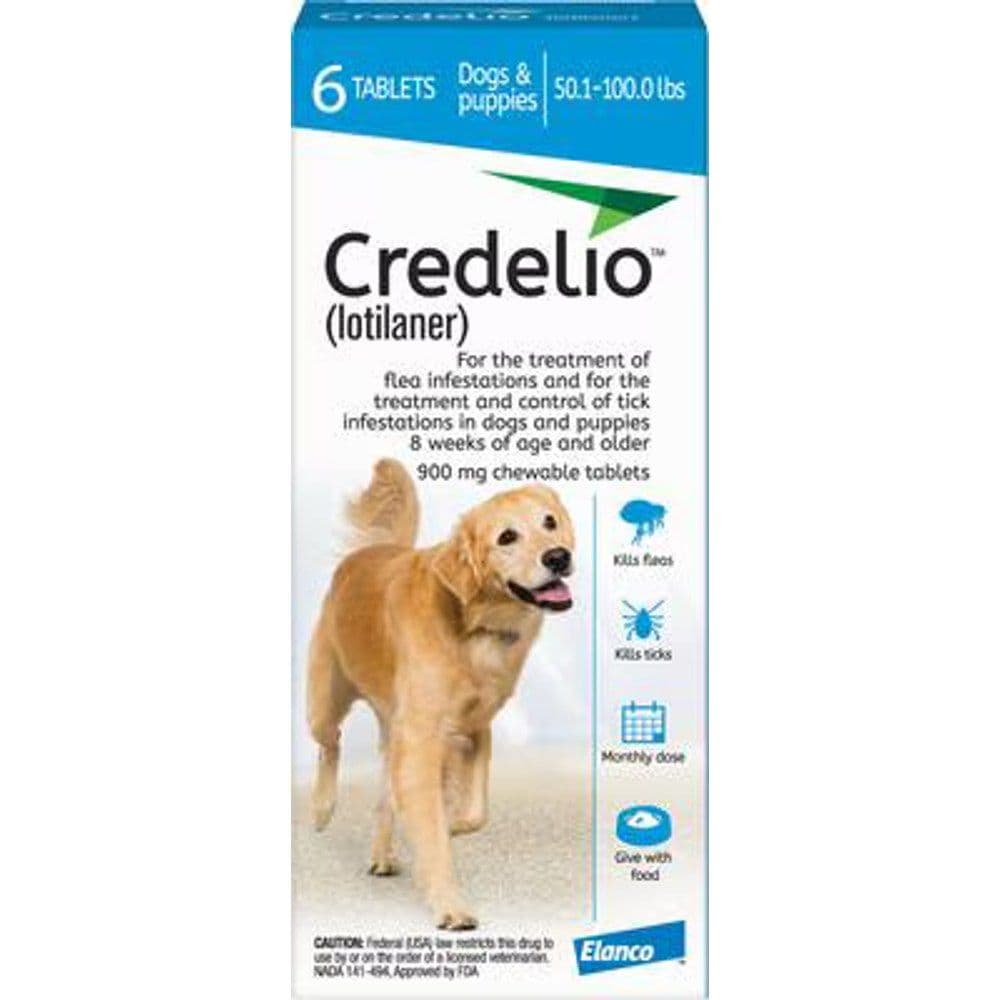
Monthly prescription chew that kills fleas and ticks on dogs, including the black-legged (deer) ticks that can spread Lyme disease.
Webvet may earn a commission when you click through to Chewy, at no extra cost to you.
Bloodwork, fecal, and urinalysis costs
Lab work is one of the most common reasons a bill goes up. A standard blood panel (CBC plus chemistry) usually runs $80-$200, a urinalysis is $30-$90, and a fecal exam is $25-$50. Pre-anesthetic bloodwork before a dental or surgery is often bundled at a discount. For a full breakdown of panels and pricing, see our guide to dog bloodwork cost.
X-rays, ultrasound, and other imaging costs

Imaging is priced by type and complexity. Standard X-rays run $150-$400 depending on how many views are needed and whether sedation is required. Ultrasound is more specialized and usually $300-$600 or more, especially at a referral hospital. Advanced imaging like CT or MRI is specialist-level and can reach $1,500-$3,000+. Our guide to dog X-ray and ultrasound cost covers each type in detail.
Dental cleaning cost

A professional dental cleaning is one of the most expensive routine services because it is done under general anesthesia and includes pre-anesthetic bloodwork, monitoring, scaling, and polishing. Expect $300-$900+, and more if teeth need to be extracted. See our full guides to dog teeth cleaning cost and dog dental health to understand what you are paying for and how at-home care can stretch the time between cleanings.
Spay and neuter cost
Spay and neuter pricing has the widest spread of any routine surgery. A nonprofit or low-cost clinic may charge $50-$150, while a full-service hospital with pre-op bloodwork, IV fluids, and pain management can charge $200-$500 or more. Larger dogs cost more than small dogs and cats. The surgery is a one-time cost that prevents expensive problems (and litters) down the line.
Cost to treat common conditions (ear infection, skin/allergy, UTI, vomiting, ringworm)
When people search vet costs, they usually have a specific problem in mind. These are typical 2026 total costs (exam plus diagnostics plus treatment) for the everyday issues that bring pets in. Actual bills vary with severity and your region.
| Condition | Typical total 2026 cost | What is usually included |
|---|---|---|
| Ear infection | $100-$250 | Exam, ear cytology, cleaning, medicated drops |
| Skin or allergy flare-up | $150-$400+ | Exam, skin tests, medication, sometimes diet trial |
| Urinary tract infection (UTI) | $150-$350 | Exam, urinalysis, urine culture, antibiotics |
| Vomiting or diarrhea (mild) | $150-$400 | Exam, bloodwork or X-ray, anti-nausea meds, fluids |
| Ringworm | $50-$300 | Exam, fungal test, topical and/or oral antifungals |
Ringworm is a good example of how range depends on severity. A single small lesion treated with a topical antifungal can cost as little as $50 for the exam and cream. A widespread case that needs a fungal culture, oral antifungal medication, and environmental cleanup can climb toward $300 or more, especially in a multi-pet home where everyone needs treatment.
What drives the price of a vet visit? (7 factors)
Two owners can pay very different amounts for the "same" visit. These seven factors explain most of the difference.
Your location and cost of living
Vet prices track local cost of living. A checkup in a major coastal city can cost two to three times what the same visit costs in a rural area, because rent, wages, and overhead are higher. This is the single biggest reason online averages feel off for your area.
General practice vs ER vs specialist
Your regular clinic is the most affordable option for everyday care. An emergency hospital charges a premium for 24/7 staffing and critical-care capability. A board-certified specialist (dermatologist, cardiologist, surgeon) charges more for advanced expertise and equipment. Using the right tier for the situation keeps costs down: routine care at your GP, emergencies at the ER, complex cases with a specialist when your vet refers you.
Your pet's species, size, age, and breed
Bigger animals cost more because medication, anesthesia, and preventives are dosed by weight. Older pets often need more diagnostics, so senior pet care runs higher than young-adult care. Some breeds are prone to specific problems that need extra monitoring. Cats are usually a little cheaper than dogs simply because they are small.
Time of day, weekends, and holidays
Care outside normal business hours costs more. The same problem seen at 2 a.m. on a holiday at an emergency clinic can cost several times what it would at your regular vet during the week. When it is safe to wait for your GP to open, you save money. When it is not safe to wait, go, and worry about the bill afterward.

The remaining factors are the complexity of the problem (more diagnostics equals a higher bill), the specific medications prescribed (some drugs are far pricier than others), and whether procedures require anesthesia or hospitalization, which add monitoring and staffing costs.
Does pet insurance cover vet visits? (and how reimbursement works)

Most pet insurance is reimbursement-based, not upfront coverage. You pay the vet, submit a claim, and the insurer pays you back a percentage after your deductible. Here is how the pieces work: For a full product comparison, see our guide to pet wellness plans vs pet insurance.
- Premium: what you pay monthly, commonly $20-$60 for dogs and $10-$40 for cats in 2026.
- Deductible: what you cover before reimbursement kicks in (often $250-$500 per year).
- Reimbursement rate: usually 70%, 80%, or 90% of the eligible bill after the deductible.
Standard accident-and-illness plans cover unexpected sickness and injury, not routine wellness. Some insurers sell an optional wellness add-on that reimburses exams, vaccines, and dental cleanings. Pre-existing conditions are generally excluded, which is why enrolling while your pet is young and healthy gets you the most value. Insurance rarely saves money on predictable routine care, but it can protect you from a single catastrophic emergency bill.

The #1 vet-recommended probiotic for dogs. Daily powder sachets with live probiotics support healthy digestion and firmer stools, and can help dogs coping with diarrhea or GI upset.
Webvet may earn a commission when you click through to Chewy, at no extra cost to you.
How to save money on vet bills (10 realistic ways)

You do not have to choose between your pet's health and your budget. These ten strategies are realistic and used by pet owners every day.
- Ask for an itemized estimate up front and ask what is truly necessary now vs later.
- Stay on top of prevention; a $20 heartworm preventive beats a $1,000+ treatment.
- Use low-cost and nonprofit clinics for vaccines, spay/neuter, and basic care.
- Check whether a nearby veterinary teaching hospital offers reduced-cost care.
- Compare prescription prices; some medications are cheaper at a pharmacy or online with a script.
- Ask about a wellness plan that spreads routine care into monthly payments.
- Look into payment plans and third-party financing like CareCredit or Scratchpay.
- Apply to charitable assistance funds if you are in a genuine bind (listed below).
- Keep up with at-home dental care to delay costly professional cleanings.
- Build a small pet emergency fund so a surprise bill is not a crisis.
Low-cost and nonprofit clinics

Many humane societies, ASPCA locations, and community nonprofits run low-cost clinics for vaccines, microchipping, spay/neuter, and basic wellness. These are staffed by licensed vets and can cut routine costs dramatically. Search for "low-cost vet clinic near me" or check your local animal shelter's website for scheduled clinic days.
For identification appointments, compare the dog microchip cost and ask whether implantation and registration are both included.
Vet schools and Vetco/wellness clinics
Accredited veterinary teaching hospitals often provide care at reduced rates because students perform work under close faculty supervision. Retail wellness clinics (the vaccine clinics inside some pet stores) offer low, transparent pricing for shots and simple preventive care, which is handy for healthy pets that just need routine vaccines.
Payment plans, CareCredit, and vet-bill assistance programs
Ask your clinic whether it offers in-house payment plans or accepts third-party financing like CareCredit or Scratchpay, which let you spread a large bill over time. For genuine hardship, national charities such as RedRover, The Pet Fund, Frankie's Friends, and Brown Dog Foundation offer grants for emergency and specialty care. Breed-specific rescue groups sometimes help too.
Preventive care and wellness plans
Prevention is the cheapest medicine. Year-round flea, tick, and heartworm prevention, dental care, and a good diet all head off expensive problems. Our guide to the best flea and tick prevention for dogs can help you protect your pet for a fraction of the cost of treating an infestation or tick-borne illness. Many clinics also bundle routine care into a monthly wellness plan.
What to do if you cannot afford a vet bill right now

If you are facing a bill you cannot pay, do not disappear or skip care out of embarrassment. Vets deal with this every day and would rather help you find a path. Take these steps:
- Talk to your vet honestly. Ask for an itemized estimate and which items are urgent vs optional.
- Ask about payment plans, staged treatment, or a lower-cost alternative that still keeps your pet safe.
- Apply for CareCredit or Scratchpay for immediate financing.
- Contact charities like RedRover Relief, The Pet Fund, or Frankie's Friends for grant help.
- Consider a nearby vet school or nonprofit clinic for lower-cost treatment.
- As a last resort for fundraising, a well-shared crowdfunding campaign can cover an urgent bill.
When is a vet visit worth the cost? (do not skip these red flags)
Cost anxiety is real, but some signs mean the visit is absolutely worth it and delay is dangerous. See a vet promptly if your dog or cat shows any of these:
- Trouble breathing, choking, or blue-tinged gums
- Collapse, extreme lethargy, or inability to stand
- Repeated vomiting or diarrhea, especially with blood
- Signs of heatstroke such as heavy panting, drooling, and disorientation
- Signs of dehydration, not eating or drinking for more than 24 hours
- Straining or unable to urinate (a life-threatening emergency, especially in male cats)
- Seizures, suspected poisoning, or a known trauma like a fall or car accident
Frequently asked questions
How much does a vet visit normally cost?
A normal vet visit in 2026 usually costs between $50 and $250. The exam fee alone is about $50-$100 for a dog and $40-$90 for a cat, and vaccines, tests, or medications are billed on top. A basic wellness checkup sits at the low end, while a sick visit with diagnostics commonly runs $100-$400 or more.
What happens if you cannot afford a vet bill?
Talk to your vet honestly and ask for an itemized estimate, payment plan, or staged treatment. You can apply for financing like CareCredit or Scratchpay, seek grants from charities such as RedRover, The Pet Fund, or Frankie's Friends, or use a nearby vet school or nonprofit low-cost clinic. Most vets would rather help you find a workable path than have you skip care, so do not stay silent.
How much do vets charge to see your dog?
The office or exam fee to see a dog is typically $50-$100 in 2026. That covers the vet's assessment only. A routine annual visit with core vaccines usually totals $100-$300, and a sick visit with diagnostics can run $100-$400 or more depending on what testing and treatment your dog needs.
How much do vets charge for ringworm treatment?
Ringworm treatment typically costs $50-$300 total in 2026. A single small lesion may only need the exam and a topical antifungal, landing near the low end. A widespread case that requires a fungal culture, oral antifungal medication, and environmental cleanup, or a multi-pet household where everyone needs treatment, pushes the cost toward the higher end.
Is $500 a lot for a dog?
For a routine wellness visit, $500 is on the high side and would usually include several vaccines plus bloodwork or a minor procedure. For a sick visit with diagnostics, dental work, or any emergency, $500 is common and can even be on the low end. Emergency care frequently exceeds $1,000, so $500 is a realistic figure to have available for unexpected pet health needs.
How to get free vet care?
Truly free vet care is limited, but it exists through charitable programs and events. Look into free or low-cost vaccine clinics run by humane societies and shelters, grant programs from charities like RedRover Relief and the Brown Dog Foundation, veterinary school community events, and breed-specific rescue assistance. Some areas also have mobile clinics for pet owners experiencing homelessness or financial hardship. Eligibility usually depends on income and the type of care needed.
What is the silent killer in cats?
Chronic kidney disease is often called the silent killer in cats because it progresses slowly and shows few symptoms until it is advanced. That is why routine senior bloodwork (about $80-$200) is so valuable: it can catch kidney disease, along with hyperthyroidism and diabetes, early, when management is more effective and less expensive. Heart disease can also be silent in cats, which is another reason regular wellness exams are worth the cost.
Bottom line: the cost of a vet visit in 2026 ranges from about $50 for a simple exam to several thousand for an emergency, and the biggest levers are your location, the type of clinic, and what your pet actually needs. Know the typical ranges, ask for an itemized estimate every time, lean on prevention, and use the low-cost and assistance options above. Doing that lets you protect both your pet's health and your wallet, without ever gambling on a red-flag symptom.
$65 · no membershipHave a health question about your pet?
A licensed vet can assess your pet over video and prescribe online when it's appropriate.
Talk to a vet- Licensed vets
- All 50 states
- same-day Rx
Webvet may earn a commission if you book.

Editor
The Webvet Editorial Team is the in-house group of pet-care editors and writers behind Webvet, operated by Smart Pet Collective. The team researches, writes, and maintains Webvet's pet health, behavior, and medication content. Every article follows a defined editorial process: research from reputable veterinary and scientific sources, careful drafting, mandatory review of medical content by a credentialed veterinarian, and dated publication. Health and medication articles are medically reviewed by a licensed veterinary professional before they go live and are kept current over time.
Veterinarian · BVMS MRCVS
Dr. Pippa Elliott, BVMS, MRCVS, is a veterinarian with nearly 30 years of experience in companion animal practice. Dr. Elliott earned her Bachelor of Veterinary Medicine and Surgery from the University of Glasgow. She was also designated a Member of the Royal College of Veterinary Surgeons. Married with 2 grown-up kids, Dr. Elliott has a naughty Puggle named Poggle, 3 cats and a bearded dragon.


