Heartworm in Dogs: How to Prevent This Silent Killer
Heartworm in dogs is deadly but almost entirely preventable. A veterinarian explains how mosquitoes spread it, the early signs, testing, treatment costs, and the year-round prevention that keeps dogs safe.
Medically reviewed by Dr. Athena Gaffud, DVM · Last reviewed

This article contains affiliate links. Webvet may earn a commission when you buy through them, at no extra cost to you.
Heartworm in dogs is a serious yet preventable disease transmitted through infected mosquito bites. Immature worms travel through the bloodstream, settling in the heart and lungs, causing damage often unnoticed until advanced stages. This “silent killer” produces subtle or absent symptoms of heartworm in dogs early on. As the disease progresses, signs include coughing, fatigue, weight loss, and difficulty breathing.
Educating dog parents about heartworm prevention in dogs is essential. Consistent monthly heartworm prevention and annual testing are vital to safeguard dogs from avoidable suffering and costly treatments. Understanding how to stop the disease before it starts is central to proactive pet care.
This vet-reviewed guide walks through how dogs actually catch heartworm, which dogs are most at risk, how the disease progresses, how vets test and treat it, what treatment and prevention cost, and the myths that get dogs infected. The takeaway throughout is the same: prevention is dramatically cheaper, safer, and easier than treatment.
- 1Heartworm in dogs is spread only by mosquitoes, and it has been diagnosed in all 50 U.S. states, so no dog is truly risk-free.
- 2It takes about 6 months for infective larvae to mature into adult heartworms, and adult worms can live 5 to 7 years inside a dog's heart and lungs.
- 3Early heartworm often causes no signs at all; by the time coughing, fatigue, and weight loss appear, real heart and lung damage is already underway.
- 4Heartworm is usually curable if caught early, but treatment is expensive, months long, and risky compared with a simple monthly preventive.
- 5Year-round prevention plus an annual test is the single most reliable way to protect a dog, even an indoor one.
How Dogs Get Heartworm: The Mosquito Lifecycle
Heartworm in dogs always starts with a mosquito. There is no dog-to-dog contact, no shared bowl, and no way to catch it from soil or grass. The mosquito is the one and only delivery route, which is exactly why the disease is so hard to see coming.
When a mosquito bites an infected dog, fox, or coyote, it swallows tiny immature worms called microfilariae. Inside the mosquito, those baby worms develop into infective larvae over about 10 to 14 days. The next time that mosquito bites a dog, it deposits the larvae onto the skin, and they slip in through the bite wound.

Once inside the dog, the larvae migrate through the tissues and bloodstream toward the vessels of the heart and lungs. According to the American Heartworm Society, it takes roughly 6 months for those larvae to grow into sexually mature adult heartworms. Adult worms then live for 5 to 7 years, steadily damaging the arteries, lungs, and heart the entire time.
That 6-month runway is what makes heartworm a silent killer. A dog can be infected in spring and show nothing until the following year, by which point mature worms are already crowding the pulmonary arteries. Understanding this timeline is the whole argument for prevention: you are stopping larvae long before they ever become adults.
Monthly preventives work by targeting these young larvae. They reach back over the previous month and clear out larvae picked up since the last dose, before any of them can mature into adults. That is why prevention is given on a strict monthly schedule and why a single missed dose can open a window for infection. You are not killing adult worms; you are cutting the lifecycle off at the larval stage, which is far safer for the dog.
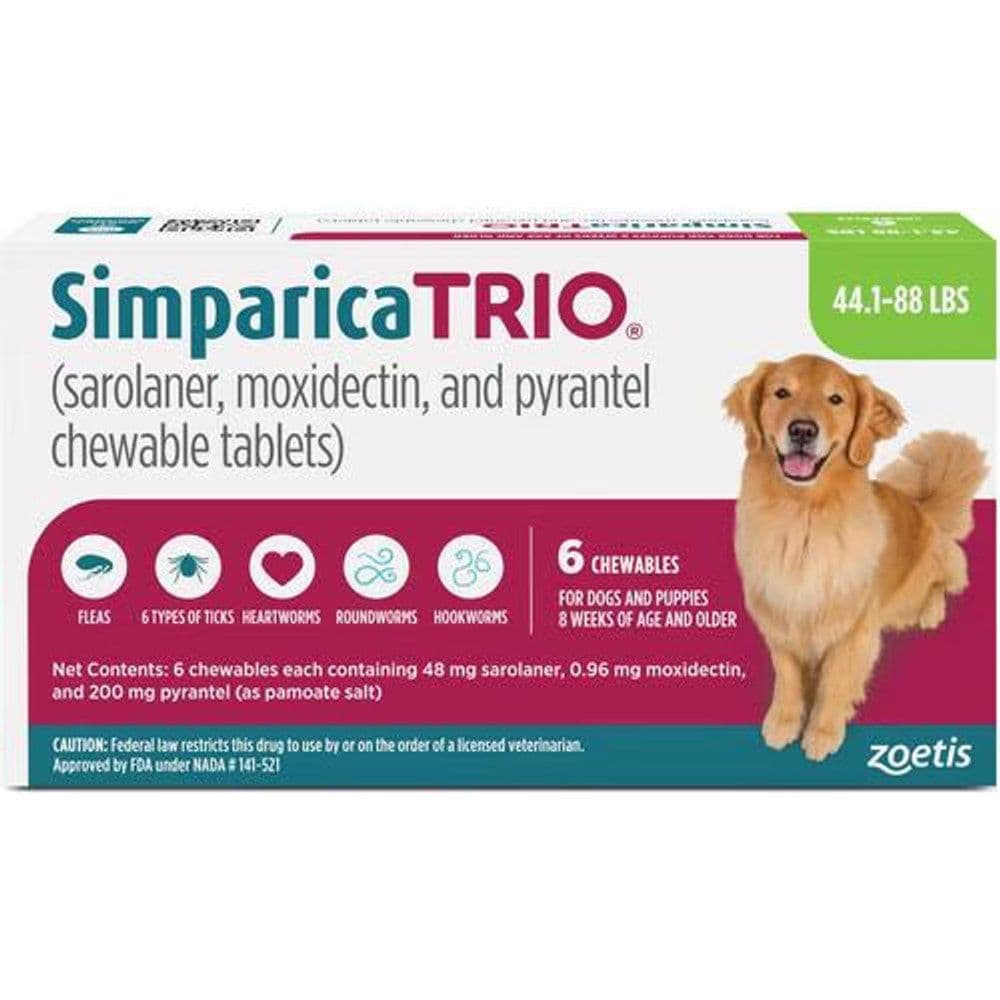
Monthly chew that protects dogs from fleas, six species of ticks, heartworm disease, roundworms, and hookworms.
Webvet may earn a commission when you click through to Chewy, at no extra cost to you.
Which Dogs Are Most at Risk for Heartworm?
The uncomfortable answer is that every dog is at some risk. The American Heartworm Society and the AVMA both report that heartworm has been diagnosed in all 50 states. Wherever mosquitoes live, heartworm can follow, and mosquitoes now thrive far beyond the traditional warm, humid Southeast.
Wild animals raise the stakes. Foxes and coyotes carry heartworm and increasingly live near suburbs and cities, creating a reservoir of infected animals that local mosquitoes can feed on. That means a well-cared-for pet in a tidy neighborhood can still be exposed by a single mosquito that fed on nearby wildlife.

Dogs that spend more time outdoors, live near water or wooded areas, or reside in warmer climates with long mosquito seasons face higher exposure. Heartworm is also one of several mosquito- and parasite-borne threats dogs face outdoors, alongside fleas and ticks. Our guide to the best flea and tick prevention for dogs covers combination products that handle several parasites at once.
Indoor dogs are not exempt. Mosquitoes slip through open doors, windows, and screens, so a strictly indoor dog can still be bitten. There is no age, breed, or lifestyle that removes the risk entirely, which is why veterinarians recommend prevention for essentially every dog, everywhere.
Climate change and shifting weather patterns have stretched mosquito seasons longer and pushed populations into areas that were once considered low risk. Warm spells in late fall and early spring keep mosquitoes active outside the traditional summer window, which is a major reason veterinarians now recommend prevention 12 months a year rather than only during peak season. A dog that skips the winter months is betting against an insect that no longer follows the calendar.
Heartworm Symptoms in Dogs (and Why You May Not Notice Early)
The early symptoms of heartworm in dogs are often subtle, which makes early detection difficult. In the initial stages, infected dogs usually appear healthy, showing only a mild cough or slightly reduced energy after play or exercise. As the disease advances, the damage to the heart and lungs intensifies, and signs become far more apparent.
Typical progressive signs of heartworm in dogs include:
- Persistent cough, resulting from irritation and pressure in the lungs.
- Exercise intolerance, with reduced stamina and reluctance to move as circulation weakens.
- Weight loss and poor appetite, as the body diverts energy to cope with internal stress.
- Difficulty breathing, due to restricted blood flow and lung congestion.
- Fluid buildup in the abdomen, technically called ascites, which develops as the strained heart begins to fail and circulation backs up.

The absence of outward signs does not mean the absence of infection. Even dogs that look perfectly healthy can harbor adult worms silently damaging vital organs. This is exactly why heartworm prevention in dogs and routine testing remain the safest, most effective strategies for catching the disease before symptoms ever develop.
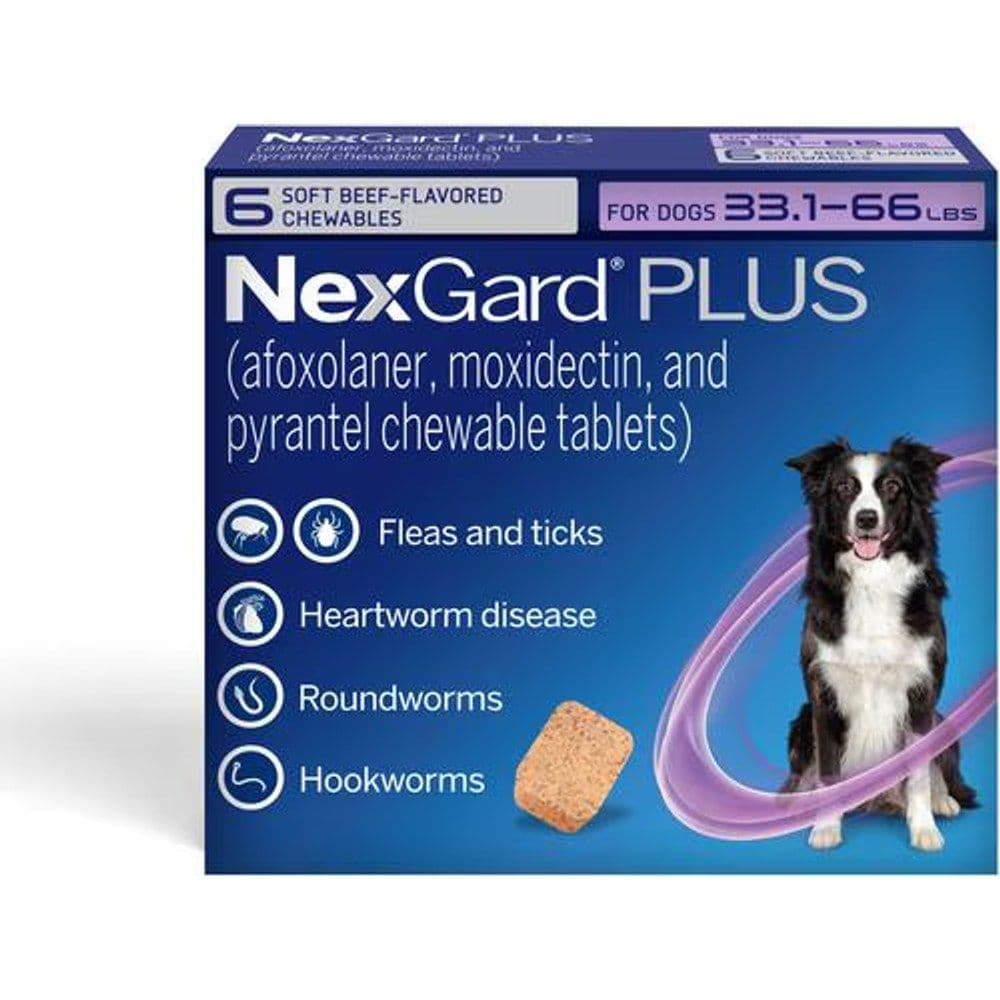
Beef-flavored monthly chew that protects dogs from fleas, ticks, heartworm disease, roundworms, and hookworms.
Webvet may earn a commission when you click through to Chewy, at no extra cost to you.
The Stages of Heartworm Disease and Caval Syndrome
Veterinarians describe heartworm disease in four broad classes of severity, based on how sick the dog is and how much damage the worms have done. These classes guide both the prognosis and how carefully treatment must be managed.
- Class 1 (mild): little or no visible sign, perhaps an occasional cough. Damage is minimal and the outlook is best here.
- Class 2 (moderate): a persistent cough and tiredness after moderate activity, with early changes visible on chest X-rays and bloodwork.
- Class 3 (severe): marked weight loss, a constant cough, difficulty breathing, and signs of heart failure such as a swollen belly. Treatment carries real risk at this point.
- Class 4 (caval syndrome): a life-threatening emergency where a heavy mass of worms blocks blood flow through the heart itself.
Caval syndrome is the worst-case picture. Per the American Heartworm Society, it appears as a sudden onset of labored breathing, pale gums, and dark, bloody or coffee-colored urine as red blood cells break down. Without prompt surgical removal of the worm mass, few dogs survive it.
 $65 · no membership
Need flea, tick, or heartworm prevention for your dog?
A licensed vet can recommend and prescribe the right preventive for your dog online when it's appropriate.
 Talk to a vet
- Licensed vets
- All 50 states
- same-day Rx

Webvet may earn a commission if you book.
Testing 101: Heartworm Tests for Dogs
Routine testing is the cornerstone of early detection and effective heartworm prevention in dogs. Veterinarians recommend an annual blood test to identify infection before serious heart or lung damage occurs. The standard screening includes two components:
- Antigen test: detects proteins released by adult female heartworms, confirming the presence of mature infection.
- Microfilaria test: checks for microscopic immature worms circulating in the bloodstream, indicating active transmission.
Timing matters because it takes at least 6 months for a newly infected dog to test positive. Puppies typically get their first heartworm test around seven months of age, even if monthly prevention started earlier. Adult dogs with no known preventive history should be tested before starting or restarting medication, then retested as the veterinarian directs.

The good news is that testing is quick and inexpensive. An annual heartworm antigen test generally runs about $35 to $75, a tiny fraction of what treatment costs. Regular testing ensures early diagnosis, protects against silent progression, and supports lifelong protection through consistent preventive care.
Testing before starting or restarting prevention is a safety step, not a formality. Giving a monthly preventive to a dog that already carries a heavy load of microfilariae can trigger a serious reaction as the larvae die off rapidly. That is why a clean test comes first, and why a lapse in prevention should always prompt a conversation with your veterinarian about whether a retest is needed before you resume.

Webvet may earn a commission when you click through to Chewy, at no extra cost to you.
Heartworm Prevention for Dogs Year-Round
Effective heartworm prevention in dogs requires year-round protection, even for indoor dogs exposed to the occasional mosquito. Several options exist to suit different lifestyles and veterinary recommendations.
- Monthly preventives: oral chews, tablets, or topical (spot-on) applications provide continuous protection when given on schedule.
- Injectable moxidectin (ProHeart): available in 6- or 12-month formulations; it offers convenience and guaranteed coverage but must be administered by a veterinarian.
- Combination products: cover heartworm along with fleas and ticks in a single dose, simplifying overall parasite management.
Because so many products bundle protection, treating heartworm often goes hand in hand with controlling other pests. If you are choosing an all-in-one plan, our overviews of fleas on dogs and what tick bites look like on dogs help you understand what a combination preventive is guarding against.

Year-round prevention guards against the silent progression of heartworm in dogs and dramatically lowers the risk of severe heart and lung damage. Whether you choose a monthly chew or a long-acting injection, the cost is a manageable routine expense and far lower than treating an advanced infection. Consistent prevention buys long-term health and genuine peace of mind.
Comparing Your Prevention Options
No single format is best for every dog. The right choice comes down to your dog's temperament and how likely you are to remember a monthly dose. Here is how the main options compare.
- Oral monthly chews or tablets: usually flavored so most dogs take them like a treat, widely available, and often the lowest cost. The trade-off is that you have to remember the date every month and confirm your dog actually swallowed and kept the dose down.
- Topical spot-on treatments: a good fit for dogs that refuse pills or have sensitive stomachs, and many also cover fleas or other parasites. They are applied to the skin between the shoulder blades and given on the same strict monthly schedule as oral products.
- Injectable moxidectin (ProHeart): given by your veterinarian as a 6- or 12-month injection, it removes the risk of a forgotten dose entirely, which is ideal for busy owners or hard-to-pill dogs. It does require a clinic visit, and your veterinarian will confirm your dog is heartworm-negative first.
All of these work reliably when used as directed, so the best preventive is simply the one you will keep up with consistently. Your veterinarian can match the format to your dog.
Heartworm Treatment for Dogs (If Your Dog Tests Positive)
Treatment for heartworm in dogs begins with thorough staging and confirmatory testing to determine the severity of infection and the degree of organ impact. Strict rest is essential throughout therapy, because physical activity forces the compromised heart and lungs to work harder while the adult worms die off.
Key components of treatment include:
- Adulticide therapy (melarsomine): given as a series of deep injections over several weeks to kill adult heartworms, often paired with doxycycline and a steroid.
- Supportive care: anti-inflammatory medication, close monitoring of symptoms, and veterinary supervision throughout recovery.
- Timeline and restrictions: the full course spans several months, with strict activity limits and follow-up testing to confirm the worms are gone.

Is heartworm curable? In most cases, yes. The American Heartworm Society reports that most infected dogs can be treated successfully, especially when caught early. But the disease leaves lasting damage to the heart, lungs, and arteries, and the adulticide protocol itself carries risk, which is why prevention will always be the better path.
Left untreated, adult heartworms can live 5 to 7 years, and a dog's survival depends heavily on worm burden and how much organ damage has accumulated. Some dogs live for years with a low-grade infection before symptoms surface; others deteriorate quickly once heart failure or caval syndrome sets in. Early detection is what tilts the odds toward recovery.
The rest requirement is not optional, and owners often underestimate how hard it is. For weeks to months, the dog cannot run, jump, play hard, or go on long walks, because a spike in heart rate can dislodge dying worms and send fragments into the lungs, causing a dangerous blockage. Crate rest, leashed bathroom breaks, and calming routines become the daily norm. This is a demanding, stressful stretch for the whole household, and it is entirely avoidable with a monthly preventive that costs a few dollars.
The protocol is also deliberately staged rather than rushed. Following American Heartworm Society guidance, veterinarians typically begin with several weeks of doxycycline and a steroid to weaken the worms and calm inflammation before the first melarsomine injection is ever given.
The melarsomine is usually split into an initial dose followed by two more about a month later, so the adult worms die off gradually instead of all at once. That measured pace, combined with the exercise restriction, keeps the dying worms from overwhelming the lungs, and it is a large part of why treatment stretches across several months.
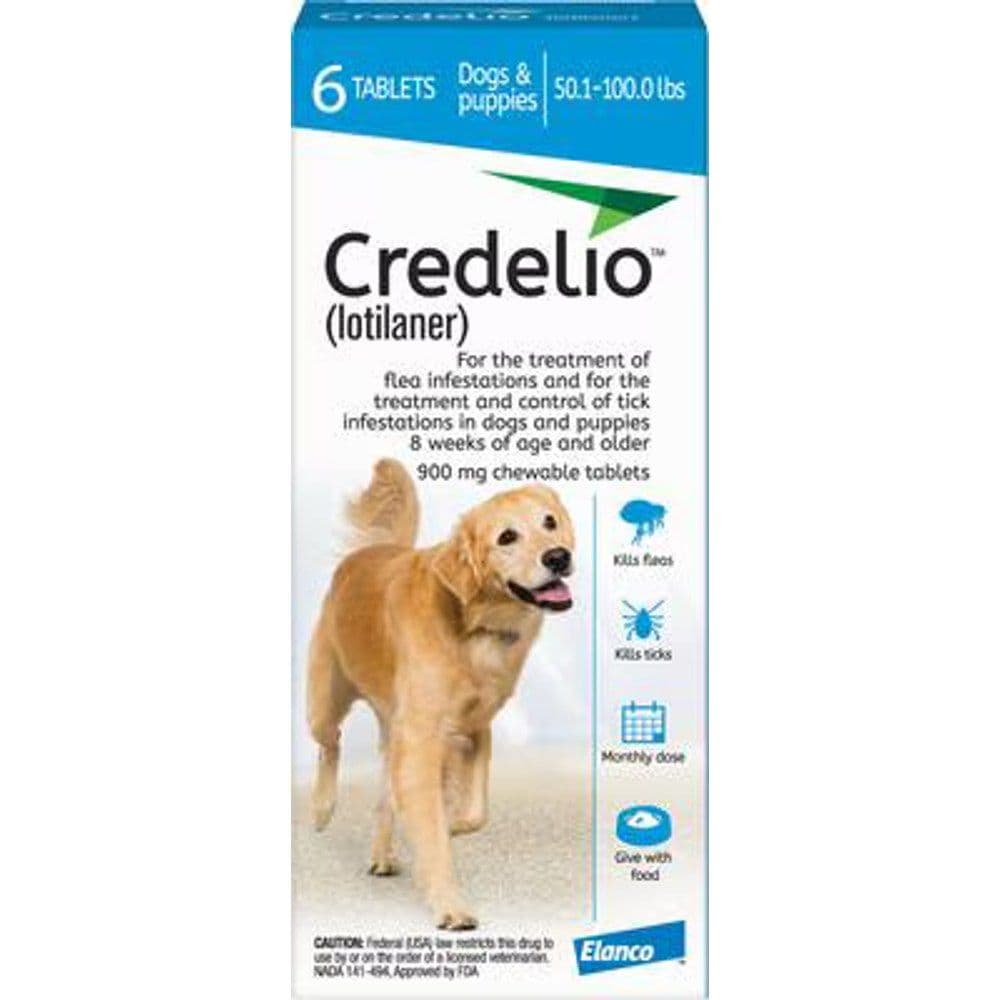
Monthly prescription chew that kills fleas and ticks on dogs, including the black-legged (deer) ticks that can spread Lyme disease.
Webvet may earn a commission when you click through to Chewy, at no extra cost to you.
What Heartworm Testing, Prevention, and Treatment Cost
The math around heartworm is lopsided in prevention's favor. A month of preventive medication costs less than a single fast-food meal, while treating an established infection can run into the thousands. Typical U.S. ranges look like this:
| Service | Typical U.S. cost |
|---|---|
| Annual heartworm antigen test | About $35 to $75 |
| Monthly heartworm preventive tablet | About $6 to $18 per dose |
| Full heartworm treatment for a positive dog | Around $600 to more than $3,000 |
| Emergency surgery for caval syndrome | Often several thousand dollars |
Costs vary by region, clinic, and the dog's size and disease severity, and severe cases needing hospitalization, imaging, or surgery sit at the high end. Even so, the pattern holds everywhere: a year of prevention and one annual test cost a fraction of a single course of treatment. Prevention is the cheaper choice by a wide margin.
Beyond the dollars, treatment carries costs that never show up on an invoice: weeks of enforced rest, the stress of injections, the anxiety of watching a sick dog, and the permanent scarring left on the heart and lungs. Prevention has none of these downsides. For the price of a monthly chew and one yearly test, you sidestep a months-long ordeal and the small but real chance that treatment itself goes wrong. When veterinarians say prevention is easier than a cure, this is the full picture they are describing, not just the price tag.
Myths & Mistakes: Common Heartworm Misconceptions
Misunderstandings about heartworm in dogs lead to preventable infections and serious health risks. Correcting these myths supports effective heartworm prevention in dogs and reduces the risk of dangerous complications. The most common misconceptions are listed below.
- “Prevention is only needed in summer:” false. Year-round protection remains critical because mosquitoes are active indoors and in mild climates well beyond the summer months.
- “Indoor dogs aren't at risk:” false. Mosquitoes get into homes through doors and windows, exposing even primarily indoor pets to infection.
- “Skip testing if pills are left from last year:” false. Annual testing catches hidden infections before you start or continue monthly prevention, which is unsafe to give to an already-infected dog.
- “Natural remedies alone prevent heartworm:” unsupported. Only veterinary-approved preventives reliably block infection and protect the heart and lungs.
Dispelling these myths underscores a simple truth: consistent, informed care, including monthly heartworm prevention and regular testing, is what keeps dogs safe from this silent and dangerous disease. Heartworm is not the only parasite worth understanding, either; our roundup of common parasites and how to prevent them puts heartworm in the wider context of pet parasite control.
Heartworm in Dogs FAQs
Frequently Asked Questions
What are the first signs of heartworm in dogs?
The first signs are easy to miss: a mild, occasional cough and a little less energy after exercise. Many dogs show nothing at all early on. As infection advances, the cough becomes persistent and you may notice fatigue, reduced appetite, and gradual weight loss, which is why routine testing matters so much.
Can heartworm in a dog be cured?
Yes, most infected dogs can be cured, especially when the disease is caught early. Treatment uses a series of melarsomine injections to kill adult worms, along with strict rest. It is expensive, takes several months, and carries risk, and it cannot undo permanent damage already done to the heart and lungs.
What dogs are most at risk for heartworm?
Every dog is at some risk, because heartworm has been found in all 50 states. Dogs in warm, humid regions with long mosquito seasons, those living near water or wildlife such as foxes and coyotes, and unprotected dogs face the highest exposure. Even strictly indoor dogs can be bitten and infected.
How long can a dog survive with heartworms?
It varies widely. Adult heartworms can live 5 to 7 years, and a dog with a light infection may survive years before symptoms appear. But untreated disease progresses to heart failure, and caval syndrome can be fatal within days. Survival hinges on how early the infection is found and treated.
Are year-round preventives necessary for heartworm in dogs?
Yes. Continuous heartworm prevention in dogs, including monthly heartworm prevention, blocks infection before worms mature and silently damage the heart and lungs.
What happens if a monthly dose for heartworm in dogs is missed?
Skipping doses leaves a gap in protection, allowing larvae transmitted by mosquitoes to develop into adult worms undetected. Give the missed dose as soon as you remember and ask your vet whether a follow-up test is needed.
How do dogs get heartworm if they spend most of their time indoors?
Mosquitoes enter homes through windows, doors, and small openings, exposing indoor pets to infection. Even brief outdoor trips for bathroom breaks or walks carry risk, so indoor dogs still need year-round prevention.
How often should dogs get tested for heartworm?
At least once a year. Annual testing identifies infections before symptoms appear, ensuring early treatment and the safe continuation of preventive protocols. Puppies are usually first tested around seven months of age.
Are injectable options like ProHeart safer or better than monthly prevention for heartworm in dogs?
Injectable moxidectin provides long-term coverage and removes the risk of forgotten monthly doses, but both approaches are effective when appropriately administered and paired with regular veterinary monitoring. Your vet can advise which fits your dog best.
Is there a heartworm vaccine for dogs?
No. There is no commercially available heartworm vaccine for dogs. Protection comes only from consistent preventive medication, which your veterinarian may prescribe as a monthly chew or topical or a long-acting injection, combined with an annual test. Anyone offering a heartworm shot is really describing the injectable preventive, not a vaccine, and it still has to be repeated on schedule.
Can my dog give heartworm to other dogs, cats, or people?
Not directly. Heartworm cannot pass from one pet to another or to a person through contact; a mosquito has to bite an infected animal and then bite a new host. Cats and other mammals can be infected the same way, so their own prevention matters too. Humans are only very rarely affected, and in those cases the worms almost never mature into adults.
Prevention Protects: A Lifelong Commitment
Heartworm in dogs is very nearly always preventable through proactive veterinary care. Annual testing, paired with consistent heartworm prevention in dogs such as a monthly chew or a long-acting injection, protects the heart, lungs, and overall health. Start prevention early and keep it going, and infection is stopped before symptoms of heartworm in dogs ever appear, sparing dogs costly treatment and serious complications.
A well-structured prevention plan, designed under a veterinarian's guidance, keeps every dog protected year-round. Regular testing and preventive care form a strong defense against this silent and dangerous disease, promoting a healthier, longer life for dogs and real peace of mind for the people who love them. For authoritative background, the American Heartworm Society, the AVMA, and the Merck Veterinary Manual are excellent, vet-written resources.
Sources: the American Heartworm Society, the AVMA heartworm resource, and the Merck Veterinary Manual.
$65 · no membershipNeed flea, tick, or heartworm prevention for your dog?
A licensed vet can recommend and prescribe the right preventive for your dog online when it's appropriate.
Talk to a vet- Licensed vets
- All 50 states
- same-day Rx
Webvet may earn a commission if you book.

Veterinarian · DVM
Athena Gaffud, DVM, is a licensed veterinarian and writer based in the Cagayan Valley of the northern Philippines. She runs the website countryvetmom.com. Dr. Gaffud earned her Doctor of Veterinary Medicine degree from the University of the Philippines Los Baños in 2011, ranking in the top 10 and receiving the Best Undergraduate Thesis Award in Large Animals. With over a decade of experience, she has worked as a researcher, a practitioner for small and large animals, and in veterinary technical sales, marketing, and pet insurance. A published author, Dr. Gaffud promotes responsible pet ownership and combats misinformation on animal care through her platforms, including the DocAthena Facebook Page and DocAthena YouTube channel. She is a writer and editor for various pet-related websites such as Total Vet, Honest Paws, PangoVet, Dogster, Catster, My Best PH, Paw Origins, Bully Max, Not a Bully, Paws and Claws CBD, many others. She was also cited in different pet-related media articles such as The Dog People, USA Today, Newsweek, New York Post, Reader’s Digest, Smithsonian Magazine, Woman’s World, Dog Time, Patch, Kinship, Martha Stewart, and many others. Moreover, she is also a published fiction author on Kindle.


