How Much Does It Cost to Neuter a Dog? (2026 Guide)
A 2026 price guide to neutering and spaying a dog: real cost ranges by size, full-service vet vs. low-cost clinic rates, what the fee covers, and how to find free or low-cost help.

BVMS MRCVS
Medically reviewed by Dr. Pippa Elliott, BVMS MRCVS · Last reviewed

This article contains affiliate links. Webvet may earn a commission when you buy through them, at no extra cost to you.
How much does it cost to neuter a dog? In 2026, most US owners pay roughly $70 to $600 to neuter a dog, and a bit more to spay one. Low-cost and shelter clinics start around $50 to $150, while full-service private veterinary hospitals typically run $250 to $600 or higher for a large dog. The price you pay depends mostly on your dog's size, your location, and where you have the surgery done.
- 1Typical 2026 range: about $70-$250 for a small dog and $250-$600+ for a large or giant dog at a private vet; $50-$150 at a low-cost or shelter clinic.
- 2Spaying (female) usually costs more than neutering (male) because it is a more involved abdominal surgery.
- 3Size is the biggest cost driver: bigger dogs need more anesthesia, more surgery time, and more monitoring.
- 4Low-cost and free help exists through the ASPCA, Humane Society, SNAP/TCAP, PetSmart Charities, and Petco Love programs.
- 5Most standard pet insurance does not cover neutering, but many wellness add-on plans do.
How much does it cost to neuter a dog? (Quick answer)
Here is the at-a-glance answer most owners are looking for. These are typical US 2026 ranges for the surgery itself, before optional add-ons like pre-anesthetic bloodwork or an e-collar.
- Low-cost or shelter clinic: $50 to $150 for most dogs.
- Full-service private vet, small dog: $70 to $250.
- Full-service private vet, large or giant dog: $250 to $600 or more.
- Spay (female) premium: add roughly $50 to $200 over a neuter of the same size.
The rest of this guide breaks the price down by size, compares clinic types, explains exactly what your fee covers, and shows you where to find low-cost and free help.
Average cost to spay or neuter a dog in 2026
National averages help set expectations, even though your real quote will vary. Based on 2026 veterinary pricing data and clinic surveys, the average neuter runs a little under $500 at a full-service vet, and the average spay is close behind, though many owners pay far less at low-cost clinics.
- Average neuter (male) at a private vet: around $485, with a common range of about $385 to $885.
- Average spay (female) at a private vet: around $455, with a common range of about $360 to $830.
- Real-world owner reports: many pay roughly $250 to $525 at a general-practice vet, and $50 to $150 at a subsidized clinic.
Averages hide a wide spread. A 12-pound terrier at a nonprofit clinic and a 100-pound mastiff at a specialty hospital can differ by ten times or more. Size is where we start.
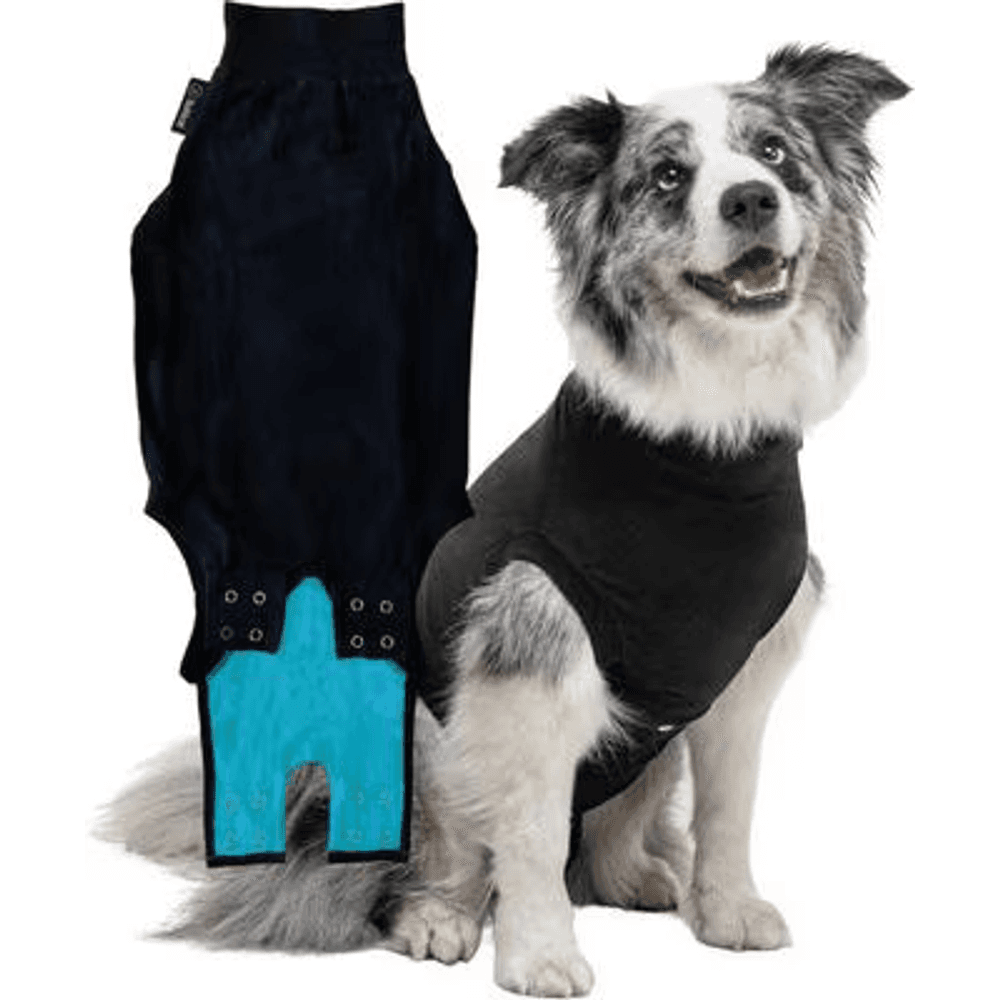
A breathable full-body recovery suit that covers a spay or abdominal incision, the vet-recommended cone alternative that lets a dog rest, walk, and go potty normally without licking or scratching the wound.
Webvet may earn a commission when you click through to Chewy, at no extra cost to you.
Dog neuter and spay cost by size
Size is the single biggest factor in your bill. Larger dogs need more anesthetic drugs, longer surgery and monitoring time, and often more pain medication to go home with. The table below shows typical 2026 ranges at a full-service vet by size tier.

| Dog size | Neuter (male) | Spay (female) |
|---|---|---|
| Small (under 25 lbs) | $70-$250 | $120-$300 |
| Medium (25-55 lbs) | $150-$350 | $200-$400 |
| Large (55-90 lbs) | $250-$450 | $300-$550 |
| Giant (90+ lbs) | $350-$600+ | $400-$700+ |
Small dogs (under 25 lbs)
Small breeds like Chihuahuas, dachshunds, and terriers are the cheapest to neuter. Expect roughly $70 to $250 for a male at a private vet. Very small or very young puppies sometimes need extra care to stay warm and stable under anesthesia, which can nudge the price up slightly.
Medium dogs (25-55 lbs)
Medium dogs like beagles, cocker spaniels, and border collies typically run $150 to $350 for a neuter. This is the most common tier, so it is close to the national average many quotes are built around.
Large dogs (55-90 lbs)

Large breeds such as Labs, boxers, and German shepherds usually cost $250 to $450 to neuter. Anesthesia is dosed by body weight, so a 75-pound dog simply needs more medication and monitoring than a 15-pound one.
Giant breeds (90+ lbs)
Giant breeds like Great Danes, mastiffs, and Saint Bernards are the most expensive, often $350 to $600 or more. These dogs use the most anesthetic and pain medication and take longer to recover, and deep-chested breeds may need extra monitoring.
How much does spaying or neutering cost by state and region?
After size and clinic type, geography is the next biggest swing in your quote. The same surgery on the same dog can cost twice as much in a high-cost coastal metro as it does in a small rural town, mostly because rent, wages, and the local cost of living flow straight into a clinic's fees.
| Region | Neuter (medium dog, private vet) | Notes |
|---|---|---|
| High-cost metros (NYC, LA, SF, Boston, Seattle) | $300-$650+ | Highest rents and wages push fees to the top of the range |
| Mid-size cities and suburbs | $200-$450 | Closest to the national average for most owners |
| Small towns and rural areas | $120-$300 | Lower overhead, but fewer low-cost clinics nearby |
There is a catch worth knowing. Rural areas often have the lowest private-vet fees but the fewest subsidized clinics, so a long drive to a nonprofit may not save much once you count the trip. In expensive cities the private quote is high, but that is also where high-volume nonprofit and mobile clinics are most common, so the gap between the cheapest and priciest option is widest. It pays to call two or three clinics before you book.
Full-service vet vs. low-cost clinic: price comparison
Where you have the surgery done changes the price more than almost anything else. A full-service private hospital and a nonprofit low-cost clinic both perform safe surgery, but they are built for different things. The table below shows the tradeoff.

| Factor | Low-cost / shelter clinic | Full-service private vet |
|---|---|---|
| Typical price | $50-$150 | $250-$600 |
| Setting | High-volume, streamlined | Individualized, full hospital |
| Pre-surgery bloodwork | Often optional or extra | Frequently included or offered |
| Same-day drop-off/pickup | Usually yes | Usually yes |
| Wait time for an appointment | Often weeks (limited slots) | Usually days to a couple of weeks |
| Best for | Healthy, routine cases on a budget | Seniors, special needs, add-on care |
Low-cost clinics keep prices down through volume and grant funding, not by cutting corners on the surgery itself. A private vet costs more but may be the safer call for an older dog, one with a health condition, or a case that needs extra diagnostics.
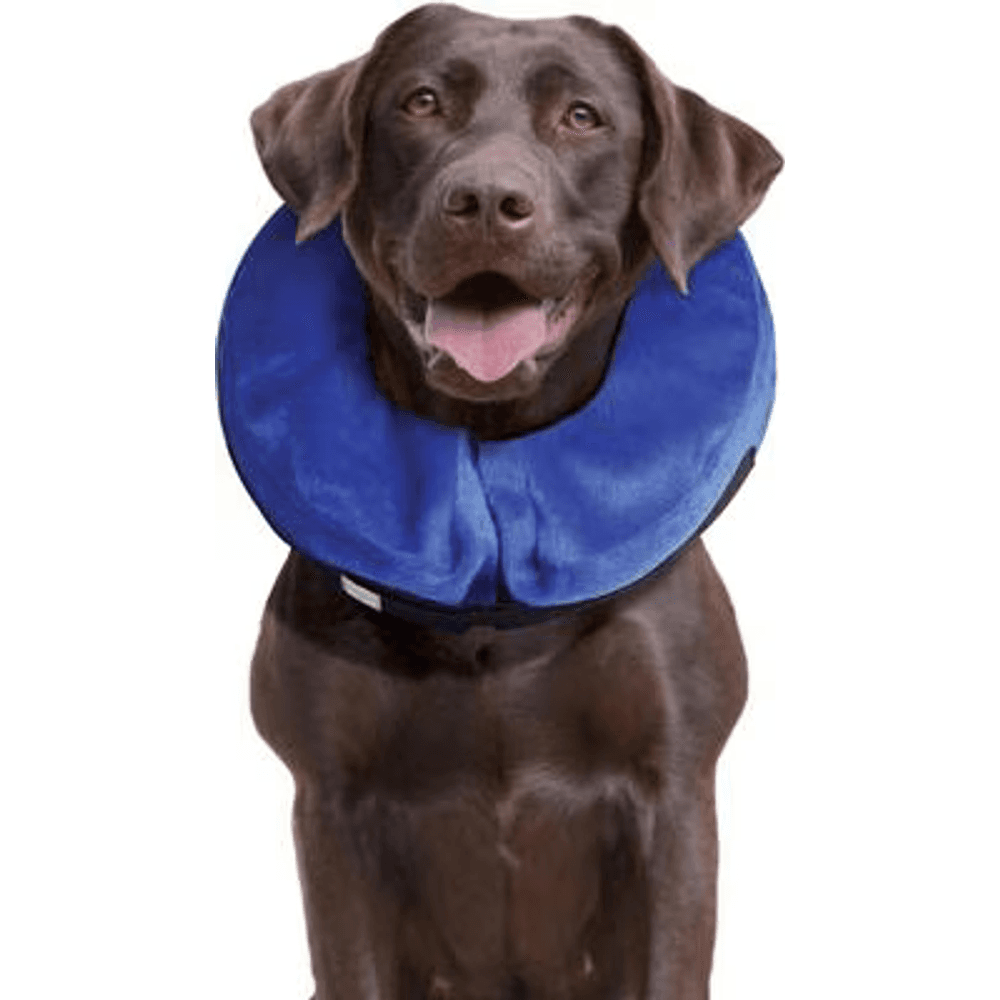
A soft, inflatable donut-style recovery collar that keeps many pets from licking or biting at a healing surgical incision or hot spot while still letting them eat, drink, and sleep in comfort.
Webvet may earn a commission when you click through to Chewy, at no extra cost to you.
 $65 · no membership
Have a health question about your dog?
A licensed vet can assess your dog over video and prescribe online when it's appropriate.
 Talk to a vet
- Licensed vets
- All 50 states
- same-day Rx

Webvet may earn a commission if you book.
What is included in the price (and common add-on fees)
A neuter quote is rarely just the surgery. Knowing what is bundled in, and what gets added, helps you compare quotes fairly and avoid surprises at pickup. If a quote looks unusually cheap, ask what it leaves out.
What a standard quote covers
- Pre-surgical exam to confirm your dog is healthy enough for anesthesia.
- General anesthesia and monitoring of heart rate, breathing, and oxygen during surgery.
- The surgery itself plus sutures and surgical supplies.
- Initial pain medication given during and right after the procedure.
Add-ons that raise the bill

- Pre-anesthetic bloodwork ($40-$120): checks organ function before anesthesia, often recommended for older dogs.
- IV catheter and fluids ($30-$100): supports blood pressure and speeds recovery.
- E-collar (cone) and take-home meds ($15-$60): protect the incision and manage pain at home.
- Cryptorchid (undescended testicle) surgery (add $100-$400+): a more complex procedure than a routine neuter.
- In-heat, pregnant, or obese spay (add $50-$250): extra surgical time and care for female dogs.
Are there hidden costs after the surgery?
Most owners think of the quote as the whole bill, but a few smaller costs can land after surgery day. Budgeting for them upfront keeps a routine neuter from turning into a stressful surprise. None are guaranteed, but they are worth having in mind.
- Recheck or suture removal ($0-$50): often free, but some clinics charge a small recheck fee if stitches need removing.
- A replacement cone or recovery suit ($10-$40): if your dog destroys the first one during two weeks of healing.
- Treating a licked or infected incision ($50-$300+): the most avoidable one, which is exactly why the e-collar matters so much.
Why does neutering cost more for some dogs?
Beyond size and clinic type, a handful of factors move the final number. Understanding them helps you predict your own quote.
- Location: prices in major metro areas run higher than in rural regions, sometimes by double.
- Age and health: older dogs or those with heart, kidney, or weight issues often need extra pre-surgery testing.
- Anesthesia protocol: more advanced monitoring and safer drug combinations cost more but reduce risk.
- Complications or extras: cryptorchidism, pregnancy, obesity, or an in-heat female all add surgical time.
Spay vs. neuter: why the two procedures are not priced the same
People use "neuter" loosely for both sexes, but the surgeries are different. Neutering (castration) removes a male dog's testicles and is a relatively quick external procedure. Spaying removes a female dog's ovaries (and usually the uterus), which means entering the abdomen.
Because a spay is a longer, more invasive abdominal surgery, it usually costs $50 to $200 more than a neuter of the same-size dog. That gap is normal and reflects the added surgical time and recovery care.
One newer option worth asking about is a laparoscopic (keyhole) spay, offered by some larger practices. It uses tiny incisions and a camera, which many vets say means less pain and a faster recovery, but it typically adds $100 to $400 to the standard spay price because of the specialized equipment. It is optional, not required, and a traditional open spay remains perfectly safe and standard.

A lightweight, padded fabric cone that gently blocks a pet from pawing, scratching, or rubbing a healing eye, wound, or hot spot, and it is far softer and less stressful than a hard plastic cone.
Webvet may earn a commission when you click through to Chewy, at no extra cost to you.
Low-cost and free options: how to save on spaying or neutering
If a private-vet quote is out of reach, there are well-established ways to bring the cost down dramatically. Many families that budget carefully for routine vet visit costs still qualify for subsidized surgery. Here are the main options.

ASPCA, Humane Society, and shelter programs
The ASPCA and many local Humane Society and animal-shelter clinics run low-cost spay/neuter programs, often $50 to $150 and sometimes free for qualifying income levels. The ASPCA also publishes a searchable national database of low-cost providers by ZIP code.
SNAP, TCAP, and mobile/voucher clinics
Regional nonprofits such as SNAP (Spay-Neuter Assistance Program) and TCAP (Texas Coalition for Animal Protection) offer high-volume, low-cost surgery, often through mobile clinics or voucher programs. Search for a spay/neuter clinic or voucher program in your state.
PetSmart Charities and Petco Love funded clinics
PetSmart itself does not perform surgery in its stores, but PetSmart Charities and Petco Love fund thousands of low-cost spay/neuter surgeries through partner clinics nationwide. Both have online tools to find a funded clinic near you.
Breed- and income-based assistance programs
Some breed-rescue groups and income-based charities (for example, programs tied to SNAP, RedRover, or the Pet Fund) help with surgery costs for owners who qualify. Local veterinary schools also sometimes offer reduced-price procedures performed by supervised students.
Does pet insurance or a wellness plan cover neutering?
Standard pet insurance is built for accidents and illness, so it usually does not cover elective neutering. However, many insurers sell an optional wellness or routine-care add-on that reimburses part of a spay or neuter, often $50 to $150. If you are enrolling a puppy, adding wellness coverage before the surgery can offset much of the cost.
Do the math before you buy a plan just for the surgery. A wellness add-on often costs $10 to $25 a month, so a full year can total $120 to $300. If it only reimburses $50 to $150 for the neuter, the plan pays for itself only if you also use its other benefits like vaccines, dental cleaning, and annual bloodwork. For a healthy young dog you already plan to see regularly, that can be a good deal; for the neuter alone, it usually is not.
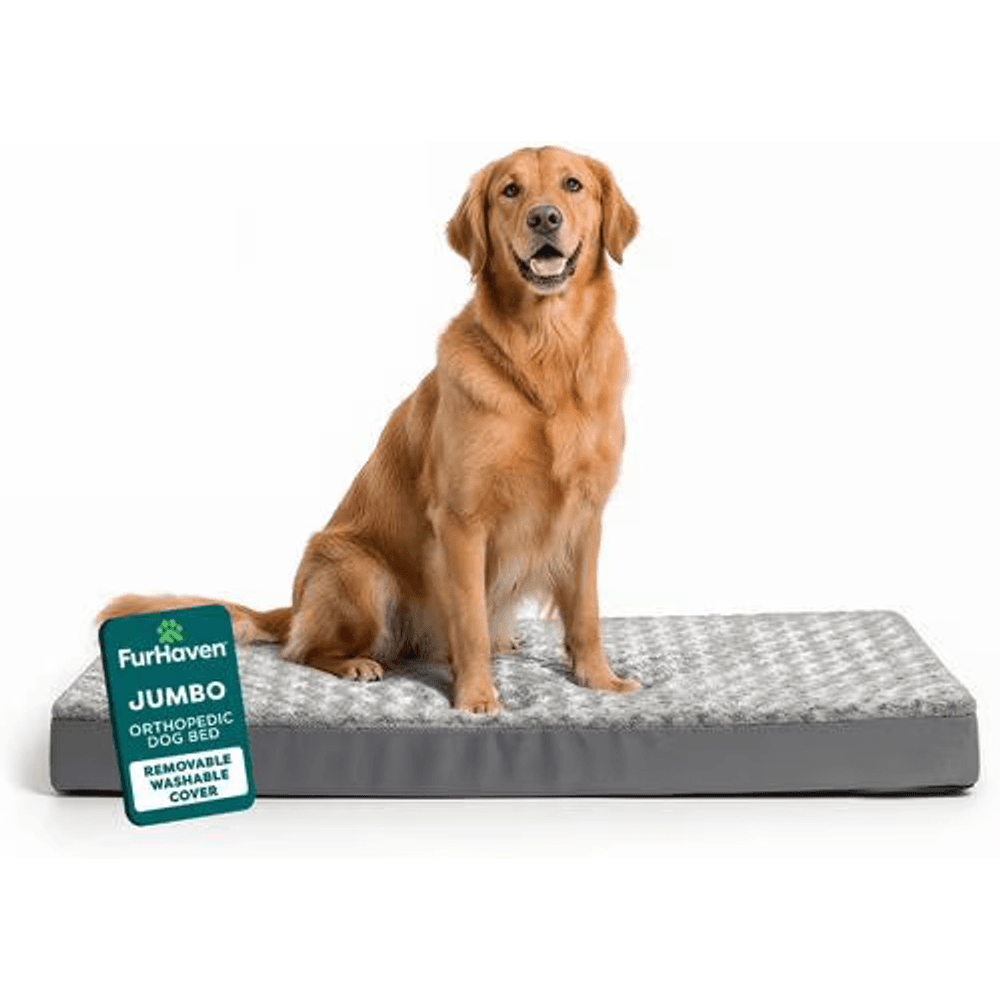
A plush orthopedic foam mattress that cushions aging joints and pressure points, giving a stiff or trembling senior dog warm, supportive rest.
Webvet may earn a commission when you click through to Chewy, at no extra cost to you.
How to pay for a dog neuter
If you need to spread the cost, several options exist. Planning ahead for a routine neuter is far easier than facing a surprise bill, which is why building a small pet-care fund also helps when an unexpected emergency vet cost comes up later.
- Clinic payment plans: some vets let you split the bill or offer in-house financing.
- CareCredit and Scratchpay: healthcare credit lines accepted at many veterinary practices.
- A dedicated pet savings fund: setting aside a little each month before the surgery is due.
Best age to spay or neuter a dog (and how timing affects cost)
The traditional age was around six months, but current veterinary guidance is more nuanced. Small breeds are often neutered between 6 and 12 months, while many large and giant breeds benefit from waiting until 12 to 18 months so their joints can finish developing. Your vet will recommend timing based on your dog's breed and sex.
Timing affects cost, too. Neutering early, before a female's first heat or before a male develops behaviors like marking, keeps the surgery simple and avoids the higher fees for spaying an in-heat or pregnant dog.
Is neutering worth the cost? Health and behavior benefits
Weighing the cost of neutering
Pros
- Eliminates the risk of testicular cancer and reduces prostate problems in males
- Removes the risk of ovarian and uterine disease, including life-threatening pyometra, in females
- Lowers the risk of certain hormone-driven behaviors like roaming and marking
- Prevents unplanned litters and supports population control
- One-time cost versus years of potential reproductive-health bills
Cons
- Upfront cost can be several hundred dollars at a private vet
- Any anesthesia carries a small risk, higher in seniors or dogs with health issues
- Very early neutering in some large breeds may slightly affect joint development
- Recovery requires two weeks of restricted activity and an e-collar
It helps to frame the fee against what it prevents. A pyometra (infected uterus) emergency in an unspayed female can run $1,500 to $5,000 or more, and treating testicular or advanced prostate disease in an intact male is far from cheap. Seen that way, a $250 to $600 elective surgery is often the least expensive point in a dog's entire reproductive-health story.
For most dogs, the long-term health and behavior benefits make neutering well worth the one-time cost, and the procedure is easiest and safest earlier in life. If you have an older dog, talk with your vet about anesthesia safety and senior dog health considerations before scheduling.
What to expect: the procedure and recovery timeline
Neutering is one of the most common surgeries vets perform. Your dog fasts overnight, comes in the morning, has surgery under general anesthesia, and usually goes home the same day. Most dogs are back to normal within 10 to 14 days.
- Day of surgery: drop-off, procedure, and same-day discharge with pain medication.
- Days 1-3: rest, an e-collar to stop licking, and quiet activity only.
- Days 4-10: the incision heals; keep the dog calm and leashed for potty breaks.
- Days 10-14: recheck or suture removal if needed, then a gradual return to normal.
Frequently asked questions
What is the average cost to neuter a puppy?
Neutering a puppy typically costs about $70 to $250 at a full-service vet and $50 to $150 at a low-cost clinic, because puppies are usually small at the time of surgery. Very small or very young puppies may need extra warming and monitoring under anesthesia, which can raise the price slightly. Large-breed puppies that are neutered later, once they are bigger, cost more.
What is the best age to get a dog neutered?
The best age depends on your dog's size and sex. Many small breeds are neutered between 6 and 12 months, while large and giant breeds often benefit from waiting until 12 to 18 months so their joints can finish developing. Your veterinarian will recommend the safest timing for your specific dog. Neutering before a female's first heat also avoids the higher cost of an in-heat spay.
How much do vets charge to neuter a male dog?
Full-service vets typically charge about $70 to $250 to neuter a small male dog, $150 to $350 for a medium dog, $250 to $450 for a large dog, and $350 to $600 or more for a giant breed. The national average is roughly $485. Low-cost and shelter clinics charge much less, often $50 to $150 regardless of size.
Is it painful for a dog to get neutered?
The surgery itself is not felt because the dog is fully under general anesthesia. Afterward, some soreness is normal for a few days, but vets send home pain medication to keep your dog comfortable. Most dogs are noticeably more themselves within a few days. Following your vet's rest and e-collar instructions helps healing and keeps discomfort low.
Is 2 years old too late to neuter a dog?
No, 2 years old is not too late. Healthy adult dogs can be safely neutered at 2 years or well beyond, and the health benefits still apply. Older dogs may need pre-anesthetic bloodwork to confirm they are good candidates, which can add a small cost. Your vet can neuter dogs at almost any age as long as they are healthy enough for anesthesia.
How much does Petsmart charge for neutering?
PetSmart stores do not perform neuter surgery themselves. However, PetSmart Charities funds low-cost spay/neuter surgeries at partner clinics across the country, where prices are often $50 to $150. Some PetSmart locations host Banfield Pet Hospital clinics that do offer neutering at standard veterinary prices. Use the PetSmart Charities finder to locate a funded low-cost clinic near you.
Do male dogs change after being neutered?
Neutering can reduce hormone-driven behaviors like roaming, marking, and mounting, and it often lowers the drive to escape in search of a mate. It does not change your dog's core personality, and it will not make a friendly dog aloof or a playful dog dull. Any changes are usually gradual, and neutering is not a substitute for training when it comes to issues like leash reactivity.
Why is neutering so expensive at some vets?
A higher private-vet price usually reflects what is bundled in rather than a markup on the surgery. A $500 quote often includes a full exam, pre-anesthetic bloodwork, an IV catheter and fluids, advanced anesthetic monitoring, take-home pain medication, and an e-collar, plus the clinic's rent and staffing in a higher-cost area. A $60 low-cost clinic offers the same core surgery but relies on grant funding and high volume, and it may charge separately for those extras. When you compare an itemized estimate line by line, the gap between the two is usually smaller than it first looks.
What is the 7 7 7 rule for dogs?
The 7-7-7 rule refers to a dog breeding timeline sometimes cited for intact females: a female is generally considered mature enough to breed around her seventh day of heat, on her seventh heat cycle, or by about seven years as an upper age limit, depending on the version. It is a breeding guideline, not a neutering rule. For most pet owners, the more relevant question is the best age to spay or neuter, which your veterinarian can advise based on your dog's breed and size.
Comparing costs for another pet? See our guide to cat spay and neuter cost, and if your dog needs pre-surgery testing, our dog bloodwork cost guide explains what those panels run.
$65 · no membershipHave a health question about your dog?
A licensed vet can assess your dog over video and prescribe online when it's appropriate.
Talk to a vet- Licensed vets
- All 50 states
- same-day Rx
Webvet may earn a commission if you book.

Editor
The Webvet Editorial Team is the in-house group of pet-care editors and writers behind Webvet, operated by Smart Pet Collective. The team researches, writes, and maintains Webvet's pet health, behavior, and medication content. Every article follows a defined editorial process: research from reputable veterinary and scientific sources, careful drafting, mandatory review of medical content by a credentialed veterinarian, and dated publication. Health and medication articles are medically reviewed by a licensed veterinary professional before they go live and are kept current over time.
Veterinarian · BVMS MRCVS
Dr. Pippa Elliott, BVMS, MRCVS, is a veterinarian with nearly 30 years of experience in companion animal practice. Dr. Elliott earned her Bachelor of Veterinary Medicine and Surgery from the University of Glasgow. She was also designated a Member of the Royal College of Veterinary Surgeons. Married with 2 grown-up kids, Dr. Elliott has a naughty Puggle named Poggle, 3 cats and a bearded dragon.


