Parvo in Vaccinated Dogs: Risk, Testing, and Next Steps
Vaccinated dogs can develop parvo when protective immunity did not form. Learn when signs need urgent testing and how vaccine timing affects the next step.

BVMS MRCVS
Medically reviewed by Dr. Pippa Elliott, BVMS MRCVS · Last reviewed

This article contains affiliate links. Webvet may earn a commission when you buy through them, at no extra cost to you.
Parvo in vaccinated dogs is possible when vaccination does not produce protective immunity. Cornell's diagnostic laboratory reports no credible evidence of clinical disease in properly immunized dogs.
A puppy partway through the series, a dog vaccinated very recently, or a dog with an inadequate immune response may still be vulnerable. Vaccination status should never delay urgent testing when signs fit parvo.
Call a veterinarian before arriving if your dog has vomiting, diarrhea, marked lethargy, poor appetite, or rapid dehydration. Keep the dog away from other dogs and shared areas. Parvovirus is highly contagious, and the clinic needs time to arrange safe isolation.
 Sponsored
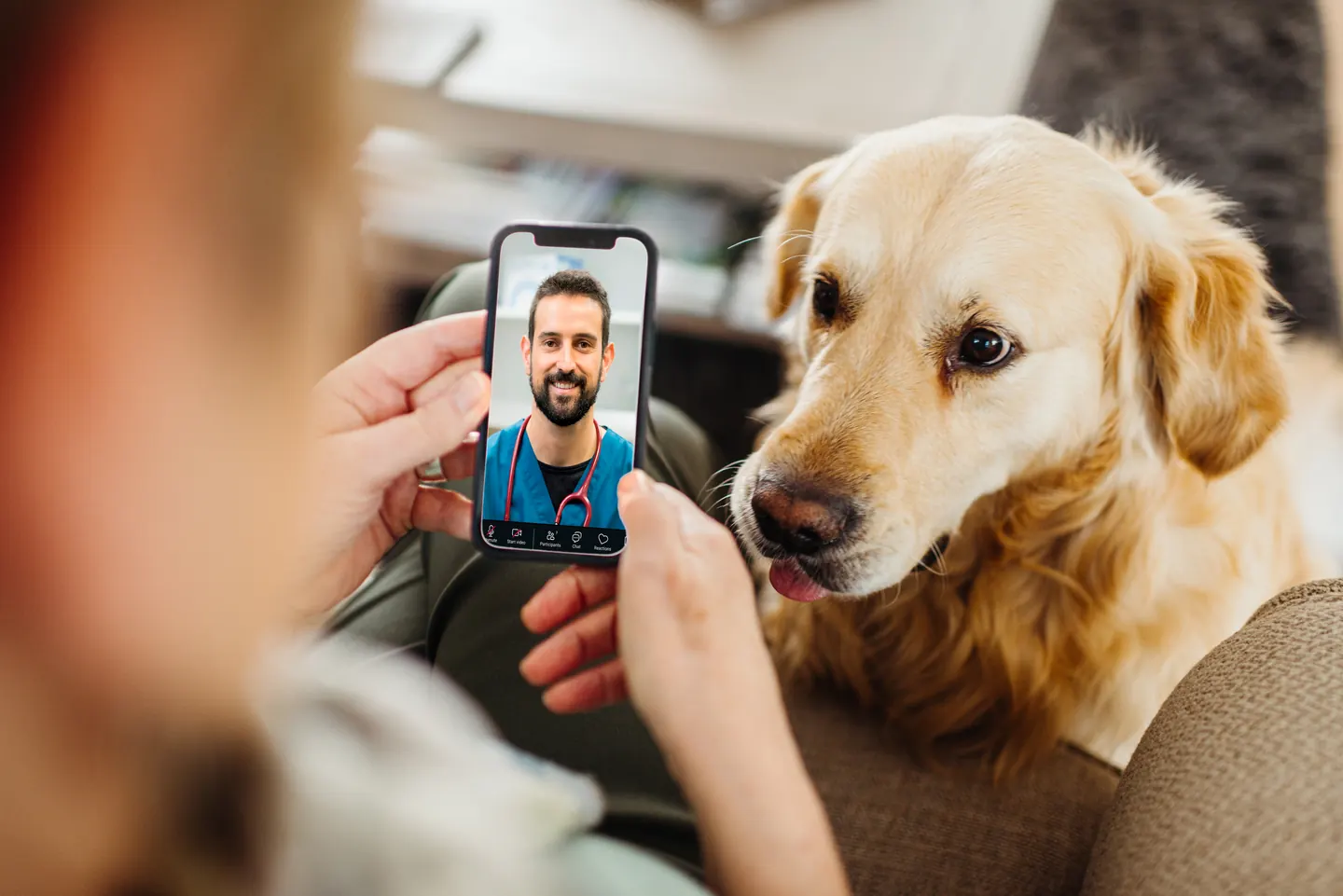
Have a health question about your dog?
Talk to a licensed vet at Dutch over video or message, including nights and weekends.
Use code Pets60
Plans start at $12/month · covers up to 5 pets
- Licensed vets in most states
- Rx for 150+ conditions
- 4.7 on Trustpilot
Future Coverage Comes After Immediate Care
Pet insurance is not a substitute for urgent care. If you want to compare Lemonade pet insurance for future illnesses, read the policy offered to you and ask the insurer what is and is not covered.
Do not delay treatment while checking coverage. Ask the clinic for an estimate, which services are immediately necessary, and available payment options. The medical decision comes first when a dog may be dehydrated or septic.

Sponsored Lemonade pet insurance link. Webvet may earn a commission.
Can a Vaccinated Dog Get Parvo?
- 1A vaccine record does not prove that every dog developed protective immunity.
- 2Puppies are not fully protected just because they received one or two doses.
- 3Vomiting, diarrhea, appetite loss, lethargy, or dehydration still warrants urgent testing.
- 4Recent vaccination can affect interpretation of some fecal tests, so give the clinic exact vaccine dates.
- 5Suspected parvo is not a home-treatment problem. Prompt veterinary care materially affects the outlook.
Yes, a vaccinated dog can get parvo if vaccination did not produce effective immunity. This differs from disease in a properly immunized dog, for which Cornell's diagnostic laboratory reports no credible evidence.
Common concerns include an incomplete puppy series, exposure before immunity developed, maternal antibody interference, or an individual health problem that limited the response.
The Cornell University College of Veterinary Medicine describes parvovirus as a highly contagious disease that can cause vomiting, diarrhea, lethargy, and dehydration. Vaccination is the key preventive measure, but symptoms still determine the immediate action.

| Risk factor | Why protection may be incomplete | Testing action |
|---|---|---|
| Puppy has received only part of the primary series | Maternal antibodies can interfere with early doses, and the series is designed to cover that changing window | Treat compatible signs as urgent and tell the clinic every vaccine date |
| Exposure occurred shortly before or after vaccination | An immune response takes time to develop | Isolate and arrange veterinary testing rather than waiting for the vaccine to work |
| Vaccine history is uncertain or records are missing | A verbal history may not establish what product or schedule was completed | Bring all available records and follow the clinic's isolation instructions |
| Dog is immunocompromised or seriously ill | The individual immune response may be reduced or less predictable | Ask the veterinarian to assess both parvo and the underlying health problem |
| Dog has a complete vaccine record and compatible signs | A record does not show whether this dog developed protective immunity or identify the cause of illness | Call before arrival for examination and appropriately interpreted testing |
The risk factor and testing action columns serve different purposes. A risk factor explains why protection may be incomplete, while the testing action protects a symptomatic dog now. The table cannot prove parvo or immunity. It helps owners call early, isolate safely, and give the clinic the vaccine timing needed to interpret results.
What a vaccine can and cannot tell you
A documented vaccine series helps the veterinarian interpret the history. It cannot show by itself whether this dog developed protective immunity or identify the cause of today's vomiting or diarrhea. A vaccinated dog can still need urgent fluids, anti-nausea care, testing, and isolation while the diagnosis is established.
The Cornell Animal Health Diagnostic Center distinguishes vaccination from immunization. Receiving vaccine doses is the physical process; immunization is the dog's protective response, and a few dogs may fail to develop that response even after the recommended series.
Digestive support applies only after diagnosis and discharge
If a veterinarian later diagnoses parvo, provides treatment, and discharges the dog, AnimalBiome S. boulardii + FOS Powder may be discussed for stool support. It does not treat parvovirus or replace medication, hydration, isolation, cleaning, or rechecks. Use it only with the treating veterinarian's approval.
If the discharge plan calls for broader microbiome support, AnimalBiome Gut Restore for Dogs is another exact product to discuss. It is not an acute parvo treatment and must remain secondary to prescribed care and rechecks.
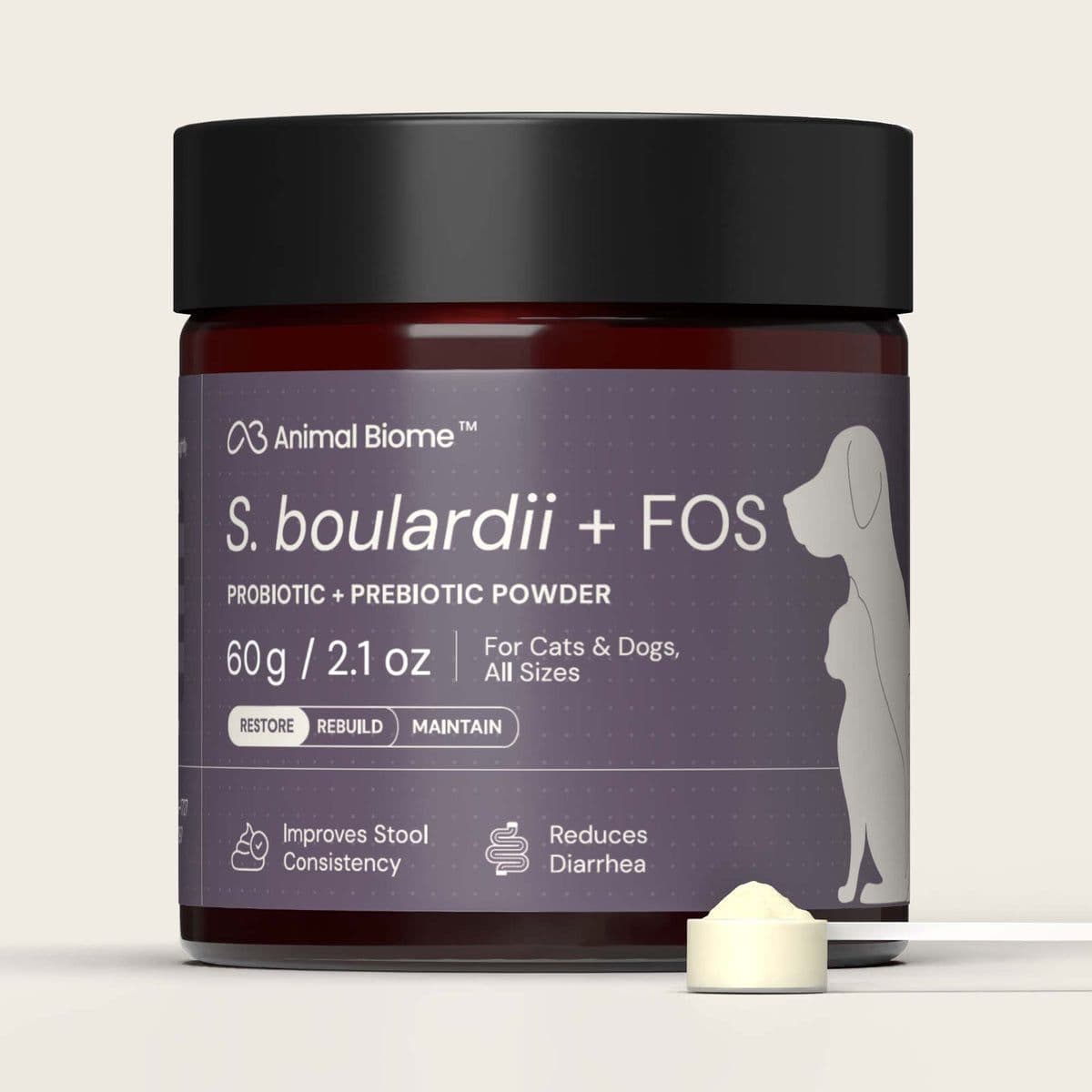
Antibiotic-resistant probiotic yeast paired with prebiotic FOS; supports stool consistency and helps reduce diarrhea in cats and dogs, including during antibiotic courses.
Webvet may earn a commission when you click through to Animal Biome, at no extra cost to you.
Verify the record before interpreting protection
A vaccine sticker, invoice, or complete medical record is more useful than memory alone. Ask which parvovirus-containing product was given, on what dates, at what age, and whether the puppy series and later booster guidance were completed.
A record review can reveal a missed interval, an exposure before the series ended, or a dose given too recently to explain protection at the time of exposure. The immune response takes time to develop. The review also helps the veterinarian document why vaccination did not produce effective immunity for that dog.
Bring records from shelters, breeders, previous clinics, vaccine events, and emergency hospitals. Do not delay urgent care while collecting every page. The clinic can start isolation and assessment while someone else sends the documentation.
Why a puppy can get parvo after vaccination
Young puppies receive maternal antibodies from their mother. Those antibodies offer temporary protection, but they can also interfere with a modified-live vaccine before they decline. The exact timing differs among puppies, so the primary series uses repeated doses across the maternal antibody window rather than relying on one universal date.
The AAHA canine vaccination guidelines classify canine parvovirus vaccination as core and provide the veterinary schedule. A puppy with one or two doses should still be managed as incompletely protected until the series and post-series guidance are complete.
Why a fully vaccinated dog may still be evaluated
Vaccination does not produce effective immunization in every recipient. Timing, maternal antibodies, the dog's immune status, and individual response can affect the result. More importantly, other dangerous diseases can mimic parvo and need the same rapid attention.
A clinic may start with the practical emergency question: Is this dog dehydrated or unstable? Diagnostic probability comes next. That order prevents a low statistical risk from becoming false reassurance.
The Early Signs That Need Urgent Care
The very first signs of parvo may be lethargy, reduced appetite, fever, vomiting, or diarrhea. A dog does not need to have dramatic bloody diarrhea before the disease is serious. Cornell advises urgent veterinary treatment because dehydration and systemic illness can progress rapidly.
Early signs can include:
- A sudden drop in energy or interest in play
- Refusing food or treats
- Repeated nausea, drooling, retching, or vomiting
- Soft stool that progresses to frequent diarrhea
- Abdominal discomfort or a tucked posture
- Fever or, in a critically ill dog, an abnormally low temperature
- Rapid loss of hydration and strength
The WebVet guide to parvo symptoms in dogs provides the symptom-focused timeline and red flags. This page keeps the narrower decision: a vaccination record does not justify watching serious signs at home.
Why suspected parvo is an emergency
Parvovirus damages rapidly dividing cells, including cells lining the intestine and cells involved in immune defense. The resulting vomiting, diarrhea, fluid loss, and bacterial complications can make a dog critically ill.
There is no home remedy that reverses that process, and a dog should not be expected to survive parvo without going to the vet.
The Merck Veterinary Manual describes intensive supportive care as central to treatment. Early veterinary treatment is far safer than waiting to see whether a vaccinated dog improves unaided.
What to do before leaving for the clinic
Take these steps without delaying departure:
- Call the clinic and say that parvo is a concern.
- Keep the dog away from other dogs, shared grass, bowls, and public waiting areas.
- Bring written vaccine dates, recent medical records, and medication information.
- Do not force food, large amounts of water, or human medication.
- Follow the clinic's directions for entry, transport, and a stool sample.
 Sponsored
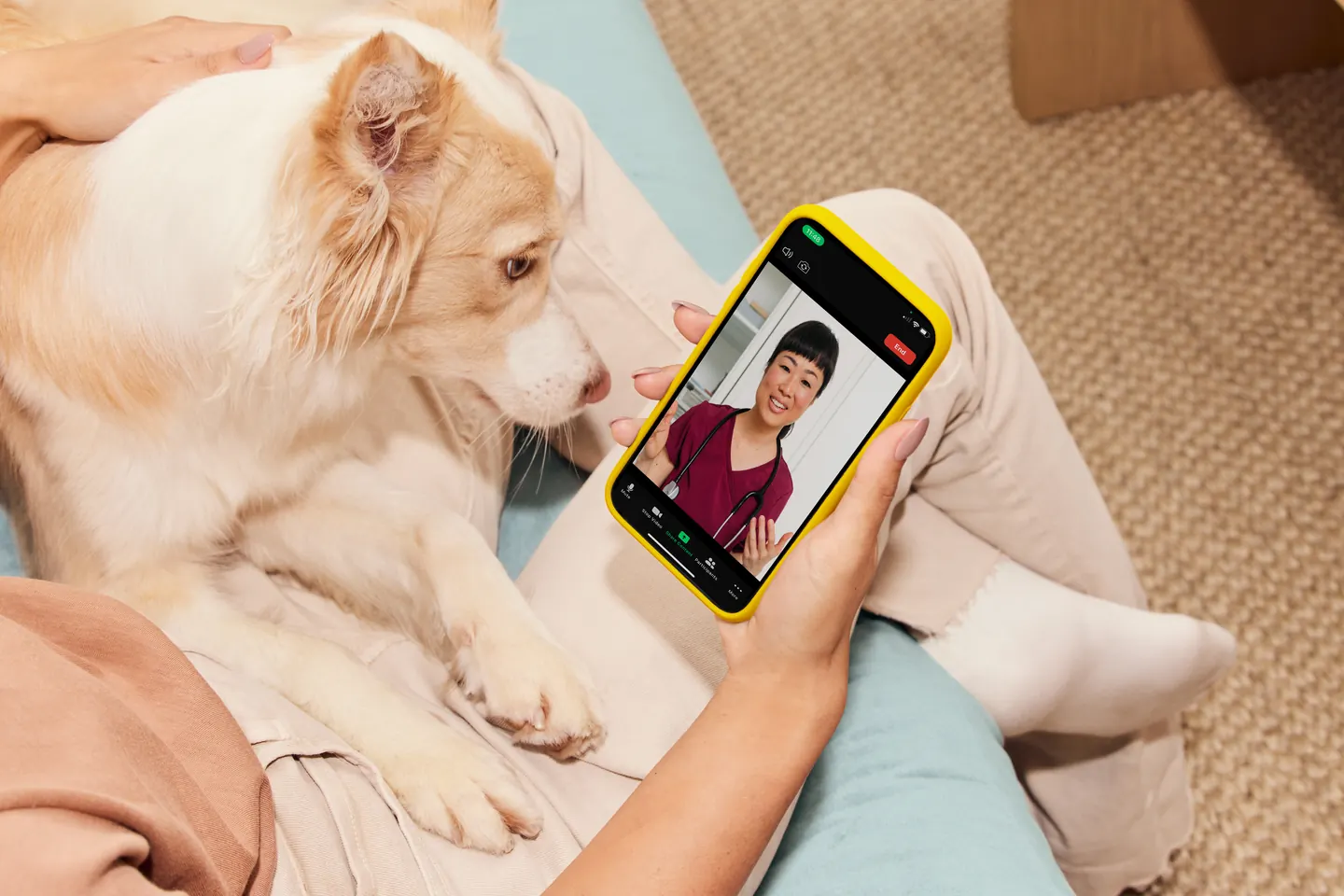
Vet care that's always there
Unlimited video calls and messaging with licensed vets for less than a typical vet visit. One membership covers up to five pets.
Use code Pets60
Plans start at $12/month · covers up to 5 pets
- Licensed vets in most states
- Rx for 150+ conditions
- 4.7 on Trustpilot
Digestive Products Are Only for a Veterinarian-Approved Discharge Plan
If the veterinarian approves digestive support after treatment and discharge, Nutramax Proviable is one product to discuss. It does not treat parvovirus, replace prescribed care, or change the isolation and recheck plan.
FortiFlora for dogs is another exact probiotic product the treating veterinarian may approve after discharge. Do not start it during active vomiting or use it instead of the written medication and nutrition plan.
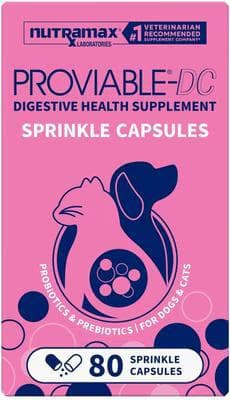
Multi-strain probiotic plus prebiotic sprinkle capsules for dogs and cats; supports digestive balance during diarrhea, diet changes, and antibiotic courses.
Webvet may earn a commission when you click through to Chewy, at no extra cost to you.
Signs That Still Need Urgent Testing
The warning signs of parvo in vaccinated dogs remain vomiting, diarrhea, appetite loss, lethargy, weakness, and dehydration. A vaccine record changes the probability of parvo, but it does not create a different at-home triage rule for serious gastrointestinal illness.
Urgent testing is warranted when vomiting or diarrhea is repeated, appetite disappears, the dog becomes notably quiet, or hydration declines. Blood in the stool increases concern, but its absence does not make parvo safe to rule out at home.
What Else Can Look Like Parvo
Several urgent illnesses can be mistaken for parvo in dogs because vomiting, diarrhea, appetite loss, and lethargy overlap. The list below cannot rank those causes at home. A veterinarian uses the examination, history, fecal testing, bloodwork, and imaging when needed to identify the problem and stabilize the dog.
Compatible signs can also occur with:
- Dietary indiscretion or a sudden food change
- Intestinal parasites, including Giardia
- Other viral or bacterial gastroenteritis
- A swallowed foreign object or intestinal obstruction
- Toxin exposure
- Pancreatitis or another inflammatory condition
- Stress-related diarrhea with a separate cause of lethargy
That list is not a reason to wait. Several alternatives are emergencies in their own right. The examination, history, bloodwork, imaging when indicated, and fecal testing help the veterinarian narrow the cause.
How Veterinarians Test a Vaccinated Dog
Veterinarians commonly use a point-of-care fecal antigen test, then interpret it with the examination, vaccine dates, timing, and other diagnostics. A negative or positive result is not read in isolation when the clinical picture is complicated.
The Merck Veterinary Manual notes two important limitations: early or late infection can contribute to false-negative fecal results, and recent modified-live vaccination may contribute to a false-positive result. Tell the clinic the exact product and date whenever possible.

What recent vaccination changes
A positive result soon after modified-live vaccination needs careful interpretation. It does not mean the dog should be sent home automatically, and it does not prove that vaccine virus caused clinical disease. The veterinarian weighs exposure, symptoms, physical findings, and test timing.
If the first fecal test is negative but suspicion remains high, the clinic may repeat testing or use another method. Bloodwork can show changes that support disease severity and guide fluids or other supportive treatment.
Why isolation begins before certainty
Parvovirus spreads efficiently and can persist in the environment. Clinics generally manage a compatible case as contagious while testing proceeds. Calling ahead allows staff to avoid exposing other dogs and to prepare an isolation route.
At home, keep the patient separate from other dogs and avoid shared bowls, bedding, yards, or walking routes as much as practical. Ask the veterinarian for a cleaning plan because ordinary household products are not equally effective against parvovirus.
Temporary Food Is Only for a Post-Treatment Discharge Plan
If the veterinarian's discharge plan includes a short-term bland food, Under the Weather Rice & Chicken is one retail option to ask about. Use it only as directed and transition back to a complete diet on the veterinarian's schedule.
For later digestive support after the acute illness, AnimalBiome Gut Maintain for Dogs is one additional product to discuss. Evidence for a parvo-specific benefit is limited, and it does not replace isolation, medication, food, or rechecks.
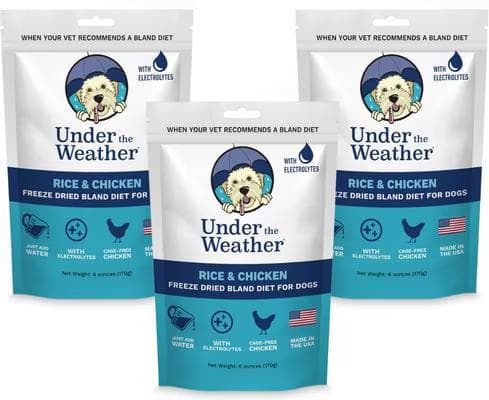
Webvet may earn a commission when you click through to Chewy, at no extra cost to you.
Treatment and Prognosis After a Positive Test
Parvo treatment is veterinarian-directed supportive care while the dog's body fights the virus. It may include fluids, anti-nausea medication, nutritional support, correction of electrolyte or glucose problems, and treatment for bacterial complications when indicated.
Merck describes both intensive hospital care and carefully selected outpatient protocols. Outpatient care is not casual home treatment. It requires veterinary assessment, prescribed medication, scheduled rechecks, and an owner who can follow the plan and return immediately if the dog worsens.
What are the worst days of parvo?
There is no universal calendar day that is worst for every dog. The critical period depends on when infection began, when signs were noticed, hydration, immune status, complications, and how quickly treatment started. A dog can worsen quickly early in the course.
Ask the treating team which changes matter over the next 12 to 24 hours. Trends in vomiting, diarrhea, hydration, temperature, blood counts, appetite, and alertness are more useful than counting from a guessed exposure date.
Why prognosis depends on prompt treatment
No online timeline can predict how long a dog will live with parvo. A dog with parvo should not be expected to survive without veterinary care. Prompt, appropriate treatment greatly improves the chance of recovery compared with no treatment. The treating veterinarian must judge the individual outlook from severity and response.
For detailed prognosis and recovery milestones, read WebVet's guide to parvo survival rate in dogs. Use population-level survival information as context, not as a prediction for an individual dog.
Is parvo curable?
Parvo is treatable, but there is no simple medicine that instantly cures the viral infection. Veterinary supportive care controls dehydration, vomiting, nutritional problems, and complications while the dog's immune response fights the virus. Many dogs recover with prompt care, but the treating team must judge prognosis and the level of support needed.
A vaccinated dog can die from parvo when vaccination did not produce protective immunity and severe disease develops. That possibility is why compatible signs still require urgent care rather than reassurance from a vaccine record.
Recovery support after discharge
Discharge means the dog is stable enough for a home plan, not that every risk has passed. Follow medication, feeding, isolation, cleaning, and recheck instructions exactly. Call the clinic for renewed vomiting, worsening diarrhea, refusal to eat, weakness, or difficulty giving prescribed care.

Risk in Adult and Older Vaccinated Dogs
Adult and older vaccinated dogs still need parvo evaluation when protection is uncertain or signs are compatible. A two-year-old dog can get parvo if vaccinated but not effectively immunized. Age does not make a dog immune, and uncertain records, incomplete vaccination, immunosuppressive disease, or substantial exposure can change the assessment.
Which vaccinated dogs still have higher risk
Risk assessment may be more cautious for:
- Puppies who have not completed the veterinary primary series
- Dogs with missing or unreliable vaccine records
- Dogs vaccinated very recently after a known exposure
- Dogs receiving immunosuppressive treatment
- Dogs with serious illness that may impair immune response
- Dogs in shelters, kennels, breeding facilities, or outbreak settings
Some sources describe breed associations with more severe parvo risk, but breed alone is not a safe decision tool. A dog of any breed can become infected, and a vaccinated dog of a named higher-risk breed does not have parvo until testing and clinical evaluation support it.
Exposure intensity still matters
Parvovirus can persist in contaminated environments, so a dog in an outbreak setting may encounter repeated exposure. Shelters, kennels, breeding facilities, and yards used by infected dogs require careful infection-control guidance from veterinary professionals.
Do not rely on ordinary surface cleaning or a quick rinse of outdoor areas. Tell the clinic where the dog has been so staff can advise about other exposed dogs, shared equipment, and safe return to communal settings.
Vaccinated household dogs should not be used as a reason to relax isolation around a suspected case. Each dog's record, health, and exposure should be reviewed separately.
Keep Vaccine Scheduling With the Vaccine Guide
There is no age at which every dog is automatically no longer at risk for parvo. Protection depends on the recommended primary series, boosters, individual health, and exposure. For vaccine timing, use WebVet's parvo vaccine for dogs guide.
AAHA recommends parvovirus as a core vaccine. The schedule includes a puppy series designed around maternal antibody interference, then booster and adult revaccination guidance. Your veterinarian should apply that schedule to the dog's age, records, health, travel, and local risk.
Do not restart, skip, or compress a series from an online timeline. Bring prior records so the veterinarian can decide what counts as documented vaccination and what next dose is appropriate.
Frequently Asked Questions
Is a fecal parvo test the same as an immunity test?
A fecal parvo test is not the same as an immunity test. A point-of-care fecal antigen test looks for evidence of parvovirus in stool, while Cornell's Animal Health Diagnostic Center describes antibody testing used to assess immune response.
The tests answer different questions. Tell the veterinarian the vaccine product and date because recent modified-live vaccination can complicate fecal-test interpretation, and never use either result without the clinical examination.
The treating team interprets each result with the dog's signs, exposure, and vaccine timing.
Can a two-year-old vaccinated dog get parvo?
A two-year-old dog with a vaccine record can still need parvo testing if protective immunity is uncertain and compatible signs appear. Cornell distinguishes receiving vaccine from developing an immunizing response.
Isolate the dog and call before arrival for vomiting, diarrhea, poor appetite, or marked lethargy. Another urgent intestinal illness can look similar, so the veterinarian must evaluate the cause.
Do not rank those possibilities from age or the record alone.
Can a vaccinated dog die from parvo?
Yes, a vaccinated dog can die from parvo if vaccination did not produce protective immunity and severe parvovirus infection develops. Merck and Cornell describe parvo as a potentially life-threatening illness that requires prompt supportive care.
A vaccine record does not make repeated vomiting, severe diarrhea, weakness, or dehydration safe to monitor at home. Call before arrival and follow the clinic's isolation directions.
The treating veterinarian must estimate the individual outlook from severity and response.
Should a healthy exposed dog go to the clinic with the sick dog?
A healthy exposed dog should not go to the clinic with the sick dog unless staff specifically direct you to bring both patients.
Call ahead, explain which dogs shared space, and provide each dog's age, vaccine records, health conditions, and symptoms. Cornell emphasizes isolation because parvovirus is highly contagious and environmentally persistent. The clinic can decide whether the apparently healthy dog needs a separate visit, monitoring, or another plan.
Keep the dogs separated as directed while you wait for those instructions.
Can a vaccinated dog with suspected parvo spread it before testing?
A vaccinated dog with suspected parvo should be managed as potentially contagious until the veterinarian gives different instructions. Vaccination history does not establish the cause of illness or make shared space safe while testing is pending.
Call before arrival, separate the dog from other dogs, and avoid shared bowls, grass, bedding, and waiting areas. Cornell describes parvovirus as highly contagious and environmentally persistent, so early isolation protects other patients without pretending that suspicion is a confirmed diagnosis.
The Bottom Line
Parvo in vaccinated dogs can occur when vaccination does not produce protective immunity. Incomplete puppy vaccination, maternal antibody interference, recent vaccination, uncertain records, immunocompromise, or response failure can leave a gap in protection. Cornell reports no credible evidence of clinical disease in properly immunized dogs.
Vaccination status should shape probability, not urgency. Isolate a dog with compatible signs, call before arriving, provide exact vaccine dates, and let the veterinarian interpret fecal testing in context. Prompt supportive care offers the best path through a confirmed infection.
Sources

Editor
The Webvet Editorial Team is the in-house group of pet-care editors and writers behind Webvet, operated by Smart Pet Collective. The team researches, writes, and maintains Webvet's pet health, behavior, and medication content. Every article follows a defined editorial process: research from reputable veterinary and scientific sources, careful drafting, mandatory review of medical content by a credentialed veterinarian, and dated publication. Health and medication articles are medically reviewed by a licensed veterinary professional before they go live and are kept current over time.
Veterinarian · BVMS MRCVS
Dr. Pippa Elliott, BVMS, MRCVS, is a veterinarian with nearly 30 years of experience in companion animal practice. Dr. Elliott earned her Bachelor of Veterinary Medicine and Surgery from the University of Glasgow. She was also designated a Member of the Royal College of Veterinary Surgeons. Married with 2 grown-up kids, Dr. Elliott has a naughty Puggle named Poggle, 3 cats and a bearded dragon.


