Hemorrhagic Gastroenteritis in Dogs (HGE): Symptoms, Causes, Treatment, and Survival
Hemorrhagic gastroenteritis in dogs, now called acute hemorrhagic diarrhea syndrome, is sudden bloody diarrhea that can cause shock within a day. Here are the symptoms, who gets it, diagnosis, treatment, survival with prompt care, and cost.

BVMS MRCVS
Medically reviewed by Dr. Pippa Elliott, BVMS MRCVS · Last reviewed

This article contains affiliate links. Webvet may earn a commission when you buy through them, at no extra cost to you.
Hemorrhagic gastroenteritis in dogs is a sudden disorder of vomiting and profuse bloody diarrhea, now called acute hemorrhagic diarrhea syndrome (AHDS), that leaves a very high packed cell volume (PCV) on bloodwork. VCA notes the lethargy can progress to collapse, so it is an emergency.
The good news is that most dogs recover with prompt IV fluids. The Merck Veterinary Manual puts mortality under 10% in hospitalized dogs, while hemorrhagic gastroenteritis in dogs left untreated can be fatal.
- 1The definition and the AHDS rename: hemorrhagic gastroenteritis (HGE) in dogs is now called acute hemorrhagic diarrhea syndrome (AHDS).
- 2The hallmark sudden raspberry-jam diarrhea with vomiting and collapse marks HGE as an emergency.
- 3A packed cell volume (PCV) above 60% on bloodwork is typical of HGE.
- 4Prompt intravenous fluids are the core treatment, and the prognosis is good with appropriate care.
- 5HGE is not considered contagious.

 Sponsored
Want a vet's take on your dog's upset stomach?
Talk to a licensed vet at Dutch over video, often the same day. They can recommend treatment and prescribe it when it's appropriate.
Use code Pets60
Plans start at $12/month · covers up to 5 pets
- Licensed vets in most states
- Rx for 150+ conditions
- 4.7 on Trustpilot
What Is Hemorrhagic Gastroenteritis (HGE) in Dogs?
HGE in dogs is an acute (sudden) disorder of vomiting and bloody diarrhea, according to VCA Animal Hospitals. Merck notes the condition was renamed acute hemorrhagic diarrhea syndrome (AHDS), and both Merck and VCA report a packed cell volume (PCV) often above 60%.
A dog throwing up with bloody diarrhea is the classic picture of acute hemorrhagic gastroenteritis in dogs. Severe hemorrhagic gastroenteritis in dogs causes sudden fluid loss, and VCA notes the red cell count keeps rising from dehydration without IV fluids. For milder stomach and bowel upsets, see our guide to gastroenteritis in dogs.
Owners often ask about a natural remedy for hemorrhagic gastroenteritis in dogs. No home or natural remedy replaces IV fluids, which Merck calls the mainstay of treatment. Supportive products such as probiotics belong in the recovery phase, after your vet has stabilized your dog.
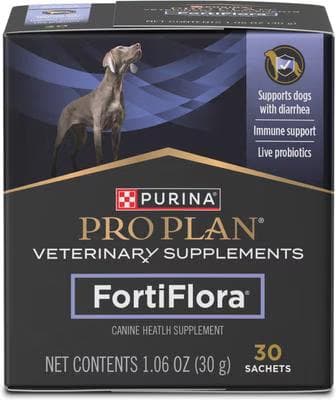
A veterinary probiotic powder your vet may suggest for digestive support once your dog is home and eating.
Webvet may earn a commission when you click through to Chewy, at no extra cost to you.
The definition has not changed with the rename. AHDS, short for acute hemorrhagic diarrhea syndrome, is the name the Merck Veterinary Manual now uses for what owners still call HGE, and VCA describes the same sudden disorder of vomiting and bloody diarrhea under both names.
Hemorrhagic gastroenteritis and pancreatitis in dogs are separate conditions. The Merck and VCA pages on AHDS do not describe pancreatitis as part of the syndrome, so a dog with signs of both needs its own workup. Diarrhea hemorrhagic gastroenteritis in dogs also differs from vomiting blood alone, covered in our guide to dog vomiting blood.
Symptoms of HGE in Dogs
The main symptom of HGE in dogs is sudden, profuse bloody diarrhea that VCA describes as "raspberry jam" diarrhea. Merck lists these other common signs:
- Vomiting
- Anorexia (refusing food)
- Lethargy, which VCA says can progress to collapse
- Abdominal pain
When you phone your vet, they will ask how long signs have lasted, how many episodes you have seen, and your dog's temperature if you can take it.
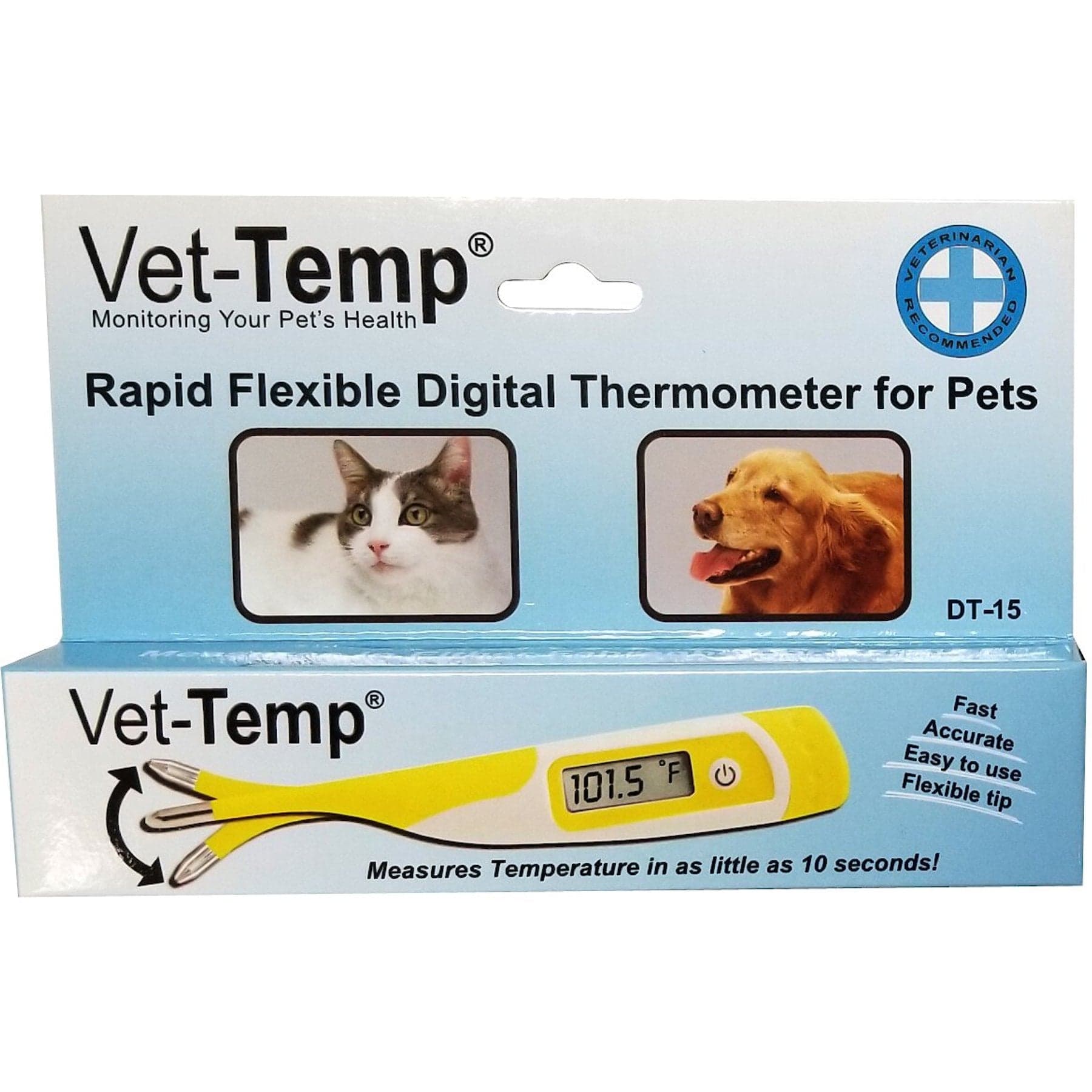
A flexible-tip digital pet thermometer for checking your dog's temperature before you call the vet.
Webvet may earn a commission when you click through to Chewy, at no extra cost to you.
Hemorrhagic gastroenteritis symptoms in dogs often arrive together, which is why many owners first search for dog vomiting and diarrhea. A lethargic dog refusing food with bloody stool is the pattern to recognize.

What does HGE poop in dogs look like?
HGE poop in dogs looks like raspberry jam, the description VCA uses for this bloody diarrhea. If you see dog blood in stool that is jelly like and red, alongside vomiting or lethargy, treat it as an emergency. HGE dog poop pictures online show the same pattern, but only a vet exam and bloodwork can confirm the cause.
What Causes HGE in Dogs?
The cause of HGE in dogs is not proven, but the leading explanation is the bacterium Clostridium perfringens. Merck says AHDS may result from infection with, or hypersensitivity to, Clostridium perfringens, particularly its netF toxins.
VCA notes that Clostridium perfringens is part of the normal gut flora, and that these bacteria can produce toxins and enzymes that damage the intestinal lining. A 2021 follow-up study in the Journal of Veterinary Internal Medicine attributes the gut damage in many AHDS dogs to type A strains releasing NetF toxins.
Owners who search "dog died from HGE" are often trying to understand what happened. VCA says untreated dogs with AHDS may die. If your dog died from HGE and you are unsure what to do, ask your vet to walk you through the records; they can explain what the bloodwork and timeline showed.
Can dog food cause HGE in dogs?
No primary veterinary source links a specific dog food to HGE. Merck and VCA point to Clostridium perfringens and its toxins as the likely cause, not a particular diet. If your dog had a sudden diet change before signs began, tell your vet, but no published evidence names food as a proven trigger.
Which Dogs Are at Risk of HGE?
Small and toy breeds in young adulthood to middle age are the typical HGE patients. Merck reports that young dogs, with a median age of 5 years, and small- and toy-breed dogs are overrepresented.
VCA names the Yorkshire terrier as an example of the small and toy breeds in which AHDS is most common. Larger and older dogs can still develop it, so breed size does not rule HGE in or out.
Because fluid loss drives the danger, watch any dog closely for signs of dehydration in dogs once bloody diarrhea starts, and do not wait to see whether it passes.
How Is HGE Diagnosed?
Vets diagnose HGE with a packed cell volume (PCV) test plus tests that rule out other causes of bloody diarrhea. Merck and VCA both report that PCV is often above 60% in dogs with AHDS, a sign of severe hemoconcentration.
VCA says diagnosis can be challenging because bloody diarrhea has many possible causes. Merck adds that a low white cell count (neutropenia) raises concern for sepsis or parvovirus enteritis, so vets weigh that result closely. Expect blood tests; our guide to dog bloodwork cost explains typical fees.
This side-by-side table is for separating HGE from parvo and ordinary bloody diarrhea by onset, stool, bloodwork, and urgency.
| Feature | HGE (AHDS) | Parvo | Other bloody diarrhea |
|---|---|---|---|
| Onset | Sudden (VCA) | Can resemble HGE; vet test needed | Varies by cause |
| Stool appearance | Raspberry jam, profuse (VCA) | Can resemble HGE; vet test needed | Varies by cause |
| PCV on bloodwork | Often above 60% (Merck, VCA) | Vet test needed | Varies by cause |
| White cell count | Neutropenia shifts concern toward sepsis or parvo (Merck) | Neutropenia raises concern for parvo (Merck) | Varies by cause |
| Who gets it | Young small and toy breeds, median age 5 (Merck) | Confirmed by testing | Any dog |
| Urgency | Same day emergency | Same day emergency | Same day if bloody with vomiting or weakness |
Stool alone cannot separate HGE from parvo, which is why the PCV and white cell count matter. Read our overview of parvo symptoms in dogs for the signs that point toward that virus.
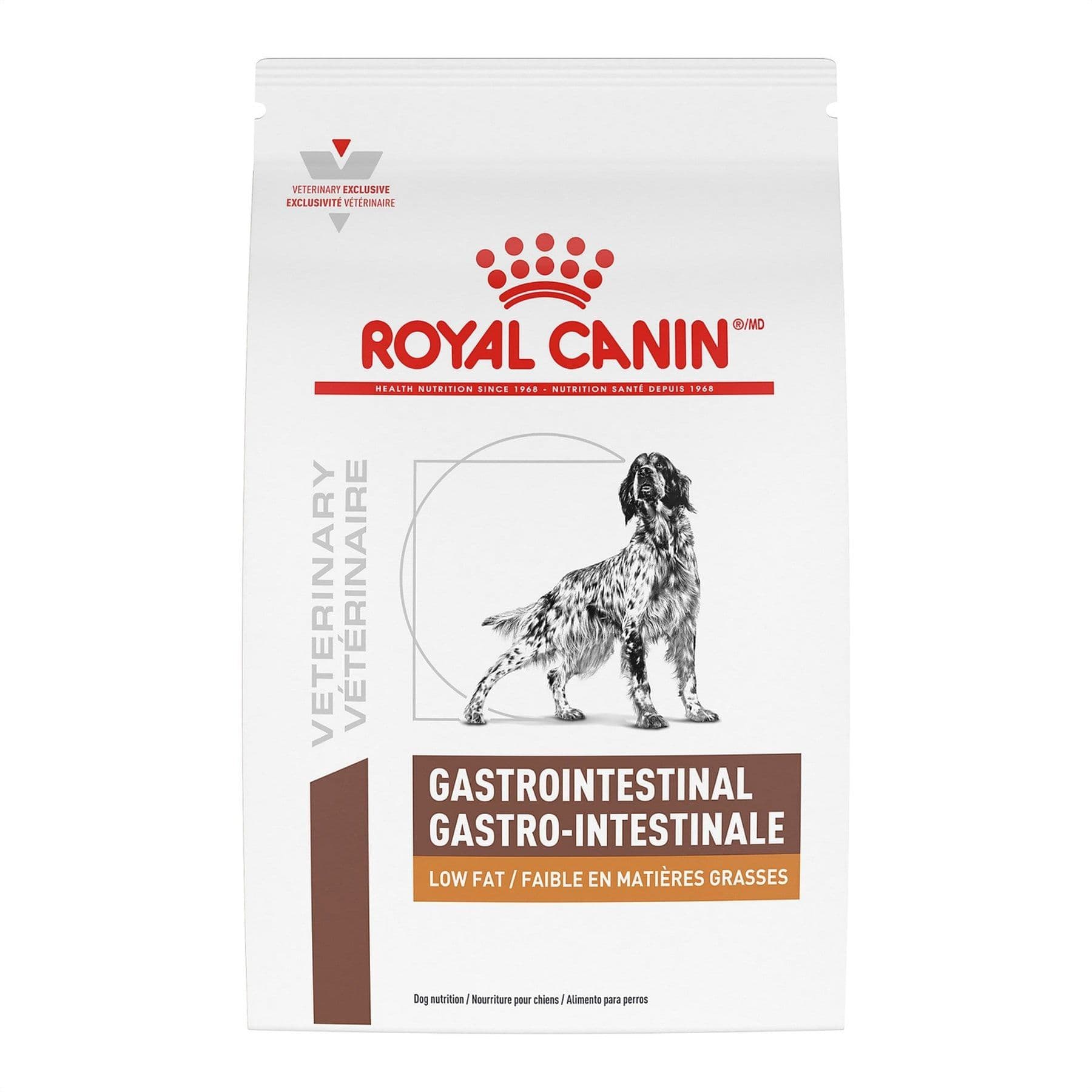
A highly digestible, fat-restricted veterinary diet your vet can authorize for dogs recovering from gut upsets.
Webvet may earn a commission when you click through to Chewy, at no extra cost to you.
How to tell if your dog has HGE?
You can suspect HGE when a dog, often a small breed, suddenly has profuse raspberry-jam diarrhea with vomiting and lethargy. Only a vet can confirm it, usually with a PCV above 60% on bloodwork and tests that rule out parvo and other causes. Watery brown diarrhea without blood has many other causes; see why your dog has diarrhea.
 Sponsored
Vet care that's always there
Unlimited video calls and messaging with licensed vets for less than a typical vet visit. One membership covers up to five pets.
Use code Pets60
Plans start at $12/month · covers up to 5 pets
- Licensed vets in most states
- Rx for 150+ conditions
- 4.7 on Trustpilot
Treatment for HGE in Dogs
The treatment for hemorrhagic gastroenteritis in dogs is prompt intravenous fluid therapy. Merck calls IV fluids the mainstay of treatment, and VCA says IV fluids with potassium and electrolyte supplementation are the basis of AHDS therapy.
How is hemorrhagic gastroenteritis treated in dogs beyond fluids? Merck lists added supportive care:
- Antiemetic medication to control vomiting
- Dietary management during recovery
- Antibiotics only in selected severe cases
Merck does not give diet specifics for recovery. Ask your vet whether a bland diet for dogs or a prescription food such as Royal Canin Veterinary Diet Adult Gastrointestinal Low Fat Dry Dog Food, 6.6-lb bag fits, since that diet requires veterinary authorization.
Antibiotics for hemorrhagic gastroenteritis in dogs are no longer routine. Merck says parenteral antimicrobials are not recommended in mild to moderate cases and are suggested in severe cases with sepsis or neutropenia concerns. VCA notes antibiotics may be given for a secondary intestinal infection.

In the 2021 Journal of Veterinary Internal Medicine study, 54 of 80 dogs with AHDS received antibiotics, with no significant link between antibiotic use and later chronic gut disease.
Hemorrhagic gastroenteritis in dogs treatment cost depends mostly on how long your dog needs hospital fluids; the cost section below gives the only published range. Once your dog is home and eating normally, your vet may suggest a digestive supplement during recovery.

A Nutramax digestive supplement for dogs and cats to discuss with your vet during recovery.
Webvet may earn a commission when you click through to Chewy, at no extra cost to you.
Can you treat hemorrhagic gastroenteritis in dogs at home? No. Home remedies for hemorrhagic gastroenteritis in dogs cannot replace lost fluid; VCA warns that without IV fluids the red cell count keeps rising from dehydration. Home treatment starts after discharge, following your vet's plan.
HGE Survival Rate and Recovery Time
Most dogs survive HGE when treated promptly. Merck states that mortality can be high if untreated but is less than 10% in hospitalized dogs, and that the prognosis is good with appropriate treatment.
Sources differ on the exact figure. A 2025 study in the Journal of Veterinary Emergency and Critical Care followed 54 hospitalized AHDS dogs from 2017 to 2022 and found that 17% did not survive, with neutropenia associated with nonsurvival. Both figures describe hospitalized dogs.

Is HGE in dogs fatal? It can be, especially without treatment; VCA says untreated dogs may die. Is hemorrhagic gastroenteritis in dogs deadly when treated? For most dogs, no, per Merck's good prognosis with appropriate care.
How long does HGE in dogs last? VCA says the disorder appears to run its course in a few days with appropriate supportive care. No published primary figure gives an average hospital stay length, so ask your vet what to expect for your dog.
How Much Does HGE Treatment Cost?
HGE treatment typically costs $500 to $2,000 or more, according to MetLife Pet Insurance. That insurer figure is the only one available; no primary veterinary source publishes a hospitalization cost for AHDS.
What drives the bill:
- Hospitalization for IV fluids
- Bloodwork, including PCV and white cell count
- Tests to rule out parvo and other causes of bloody diarrhea
- Medications such as antiemetics and, in severe cases, antibiotics
Because HGE often strikes suddenly, many visits start at an emergency clinic. Our guide to emergency vet cost explains how to plan for that kind of bill.
Is HGE Contagious?
HGE is not considered contagious, according to Merck. Is hemorrhagic gastroenteritis in dogs contagious to other dogs in the home? The leading theory involves Clostridium perfringens, a bacterium already present in the normal gut, rather than an infection passed between dogs.
Because the condition centers on bacteria and toxins in the dog's own gut, sources do not treat it as something one pet catches from another. Is HGE in dogs contagious if a housemate also gets sick? Have that dog checked anyway, since parvo can also cause bloody diarrhea, per Merck's guidance to rule it out.
Is hemorrhagic gastroenteritis in dogs contagious to humans?
No primary source reports HGE spreading from dogs to people, and Merck states that AHDS is not considered contagious. No published source addresses human transmission directly. Use normal hygiene when cleaning up diarrhea: wear gloves, bag the waste, and wash your hands, which is sensible with any sick pet.
How to Prevent HGE and Avoid a Recurrence
There is no proven way to prevent HGE, because its cause is not established. What you can control is speed: Merck ties the good prognosis to appropriate treatment.
No published primary figure gives a recurrence rate for HGE. MetLife Pet Insurance says dogs that have had it may be more likely to develop it again, and the 2021 Journal of Veterinary Internal Medicine study tracked chronic or recurrent gut signs later in life in AHDS dogs.

Practical steps after an episode:
- Follow your vet's discharge diet and recheck plan
- Ask whether a probiotic such as Purina Pro Plan Veterinary Diets FortiFlora Powder Probiotic Digestive Supplement for Dogs, 30 ct suits your dog, and read about probiotics for dogs with diarrhea
- Keep your vet's and the nearest emergency clinic's numbers handy
- Note dates and signs of any repeat episode for your vet
What are the possible causes of recurrent bloody diarrhea in dogs?
Recurrent bloody diarrhea in dogs has many possible causes, which VCA says is why diagnosis is challenging. A dog with repeat episodes may have AHDS again, which MetLife says is more likely after a first episode, or chronic gut disease, which the 2021 study tracked in some dogs after AHDS. Each repeat episode needs a vet workup.
When to See a Vet
See a vet the same day for any bloody diarrhea with vomiting, lethargy, or refusal to eat. VCA says dogs with AHDS appear severely ill and may die if left untreated.
Go to an emergency clinic now if your dog:
- Collapses or cannot stand
- Passes repeated bloody, jelly-like stool
- Vomits repeatedly
- Seems very lethargic or in abdominal pain
Call ahead if you can, so the clinic knows a dog with suspected HGE is on the way.
HGE in Dogs FAQs
Frequently Asked Questions
How long will a dog live with HGE?
With prompt IV fluids, most dogs survive; Merck reports mortality under 10% in hospitalized dogs. Do not wait hours to act: without treatment, VCA says the red cell count keeps climbing from dehydration.
What does HGE smell like in dogs?
No primary veterinary source describes a characteristic smell, metallic, foul, or otherwise, for HGE. Merck and VCA do not list odor as a sign, so judge by the raspberry-jam appearance and your dog's behavior.
What is the survival rate for dogs with acute hemorrhagic diarrhea syndrome?
With prompt treatment, most dogs recover. Merck puts mortality under 10% in hospitalized dogs, while a 2025 Journal of Veterinary Emergency and Critical Care study of 54 hospitalized dogs found 17% did not survive.
Can a dog recover from HGE without treatment?
Do not rely on it. VCA says that without IV fluids the red cell count keeps rising from dehydration, that lethargy can progress to collapse, and that untreated dogs may die. Do not wait for signs of shock before going in.
Is HGE the same as AHDS?
Yes. HGE was renamed acute hemorrhagic diarrhea syndrome (AHDS); Merck states that AHDS was historically known as hemorrhagic gastroenteritis.

Editor
The Webvet Editorial Team is the in-house group of pet-care editors and writers behind Webvet, operated by Smart Pet Collective. The team researches, writes, and maintains Webvet's pet health, behavior, and medication content. Every article follows a defined editorial process: research from reputable veterinary and scientific sources, careful drafting, mandatory review of medical content by a credentialed veterinarian, and dated publication. Health and medication articles are medically reviewed by a licensed veterinary professional before they go live and are kept current over time.
Veterinarian · BVMS MRCVS
Dr. Pippa Elliott, BVMS, MRCVS, is a veterinarian with nearly 30 years of experience in companion animal practice. Dr. Elliott earned her Bachelor of Veterinary Medicine and Surgery from the University of Glasgow. She was also designated a Member of the Royal College of Veterinary Surgeons. Married with 2 grown-up kids, Dr. Elliott has a naughty Puggle named Poggle, 3 cats and a bearded dragon.
Related reading

Gastroenteritis in Cats: Symptoms, Causes, Treatment, and When to See a Vet

Gastroenteritis in Dogs: Symptoms, Causes, Treatment, and Recovery Time

Bland Diet for Dogs: Recipes, Ratios, How Much to Feed, and How Long
