Pancreatitis in Dogs: Symptoms, Treatment, and Recovery
Recognize concerning digestive signs, understand pancreatic testing, and prepare a practical treatment, feeding, and recovery plan with your veterinarian.

BVMS MRCVS
Medically reviewed by Dr. Pippa Elliott, BVMS MRCVS · Last reviewed

This article contains affiliate links. Webvet may earn a commission when you buy through them, at no extra cost to you.
Pancreatitis in dogs is inflammation of the pancreas, an organ involved in digestion and blood-sugar regulation. It can cause vomiting, poor appetite, abdominal pain, and weakness, but those signs also occur with other illnesses. Diagnosis combines the history, examination, pancreatic tests, and sometimes imaging. Treatment supports the individual dog's comfort, hydration, and nutrition while the team addresses complications and contributing problems.
The useful questions are not simply whether a dog ate something fatty or has an abnormal test. Ask how strongly the findings support pancreatitis, whether hospital care is needed, and exactly what to do about food, medicines, and worsening signs after discharge.

 Sponsored
Have a health question about your dog?
Talk to a licensed vet at Dutch over video or message, including nights and weekends.
Use code Pets30
Plans start at $11/month · covers up to 5 pets
- Licensed vets in most states
- Rx for 150+ conditions
- 4.7 on Trustpilot
Pancreatitis symptoms and urgent warning signs
Early signs of pancreatitis may include reduced appetite, vomiting, unusual quietness, or diarrhea. Some dogs have mild or vague signs; others become seriously ill. A dog can have pancreatitis without vomiting, so the absence of that one sign does not rule it out. Conversely, a single episode of vomiting does not establish the diagnosis.
- 1Repeated vomiting, marked abdominal pain, weakness, or collapse need prompt veterinary assessment.
- 2Tell the clinic about food and water intake, medicines, possible scavenging, and changes since the last examination.
- 3Do not wait for a particular stool color or posture.

Pain or nausea may appear as:
- A hunched back, reluctance to move, or difficulty settling.
- A repeated prayer position, with the front end down and hindquarters raised.
- Shaking, shivering, trembling, panting, or drooling.
- Refusal of meals, reduced drinking, vomiting, or diarrhea.
These observations help describe the problem; they do not identify its cause. Stretching after sleep is different from a repeated posture in an uncomfortable dog. Do not press on the abdomen to test for pancreatic pain. Record a short video if that does not delay care.
Before an outpatient plan begins, agree on one way to record medicines. An Ezy Dose weekly pill organizer may help only if the pharmacist confirms that each prescribed medicine can safely leave its original package. Otherwise, retain the labeled containers and use a written dose log. Assign one person to check the record before each dose; an organizer is not a substitute for the prescription instructions.
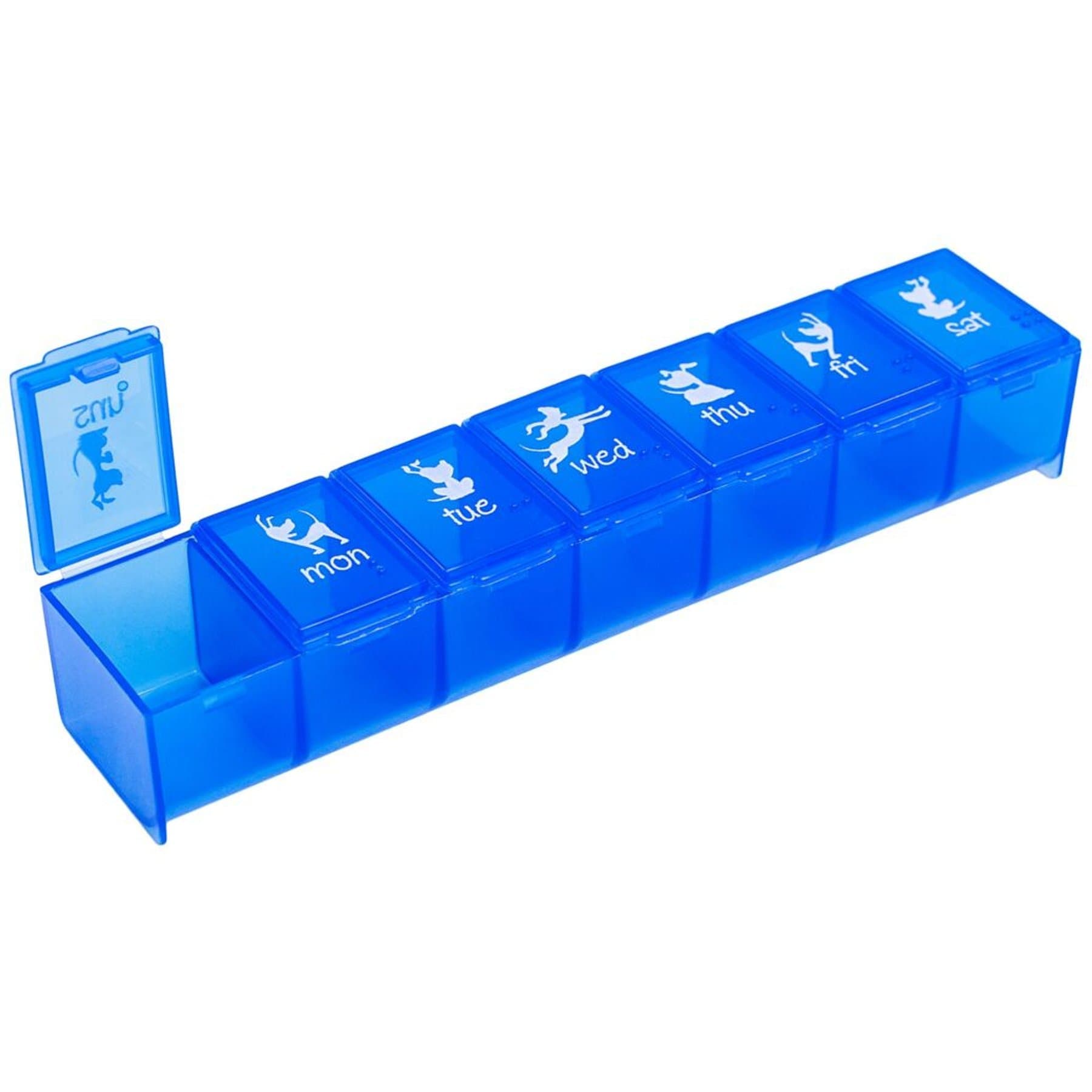
Keep an agreed medication schedule using an organizer only when the pharmacist permits each medicine outside its original packaging.
Webvet may earn a commission when you click through to Chewy, at no extra cost to you.
When digestive illness is urgent
The red flags are the dog's condition and trend: repeated vomiting, inability to keep water down, marked pain, weakness, collapse, or labored breathing. Seizures, yellow gums or eyes, blood loss, and a swollen painful abdomen also warrant urgent contact. A distended abdomen with repeated unsuccessful retching is an emergency; there is no safe pancreatitis-versus-bloat waiting timeline to apply at home.
If your dog has pancreatitis and won't eat, contact the treating clinic rather than waiting for a particular number of missed meals. If the dog won't eat or drink, cannot keep water down, or is becoming weaker, arrange prompt reassessment. Pain, nausea, dehydration, or another complication may need treatment; do not force food or water.
There is no diagnostic pancreatitis vomit color. Use appearance to describe what happened, together with frequency and the dog's condition.
| Appearance and urgent observations | What to report | What it cannot establish |
|---|---|---|
| Food material | When the dog last ate, repeated episodes, and ability to keep water down | Food in vomit does not distinguish pancreatitis from other causes |
| Yellow fluid or foam | Frequency, appetite, pain, and whether vomiting continues | Yellow fluid alone does not identify pancreatic inflammation |
| Possible blood, red material, or dark coffee-ground-like material | Contact the veterinarian promptly and describe the amount and other signs | Color cannot locate the source of bleeding or name the disease |
| Distended abdomen with repeated unsuccessful retching | Seek emergency assessment immediately | Do not assume this is a routine pancreatitis flare |
See the broader guide to blood in a dog's vomit for that urgent symptom. Pancreatitis poop pictures cannot establish a diagnosis: orange stool, mucus, black stool, or bloody diarrhea have multiple possible explanations. Blood or black, tarry stool needs prompt assessment. Stomach noises, bowel sounds, burping, gas, grass eating, bad breath, or an unusual smell are nonspecific. Constipation or not pooping may follow reduced intake, but straining, pain, or deterioration needs a call rather than a guessed explanation.
What pancreatitis is and why it happens
The pancreas normally contributes digestive enzymes to the intestine. Pancreatitis involves inflammation and injury within the organ. Acute disease can occur suddenly; chronic disease involves lasting changes and may have recurrent flare-ups. The distinction is not reliably made from how many days an owner has noticed symptoms. A dog can have an acute episode on top of chronic disease.
A fatty meal is a possible trigger, not proof of the cause. Many cases have no clearly established cause. Risk assessment includes the complete diet, scavenging, blood-fat abnormalities, other illnesses, medications, and recent events. The Merck Veterinary Manual describes dietary indiscretion, marked triglyceride elevation, and Cushing's disease among canine risk factors.
Make the feeding history specific
Bring the package or exact recipe name, portion size, treats, supplements, and anything stolen from the trash. A report of symptoms after The Farmer's Dog, Freshpet, Cesar, or another food does not establish that the brand caused pancreatitis. The particular formula, total fat intake, other foods, timing, and competing explanations all matter. Photograph labels rather than relying on the description “fresh” or “premium.”
When the clinic has set the meal size, a small washable bowl can make that plan easier to follow. The OurPets Durapet small stainless steel bowl holds 0.75 cups; that size is suitable only if it fits the dog's prescribed portion and physical needs. Measure the food separately. Bowl capacity is not a daily calorie recommendation, and persistent refusal of food calls for a clinical response rather than repeated changes of bowl or recipe.
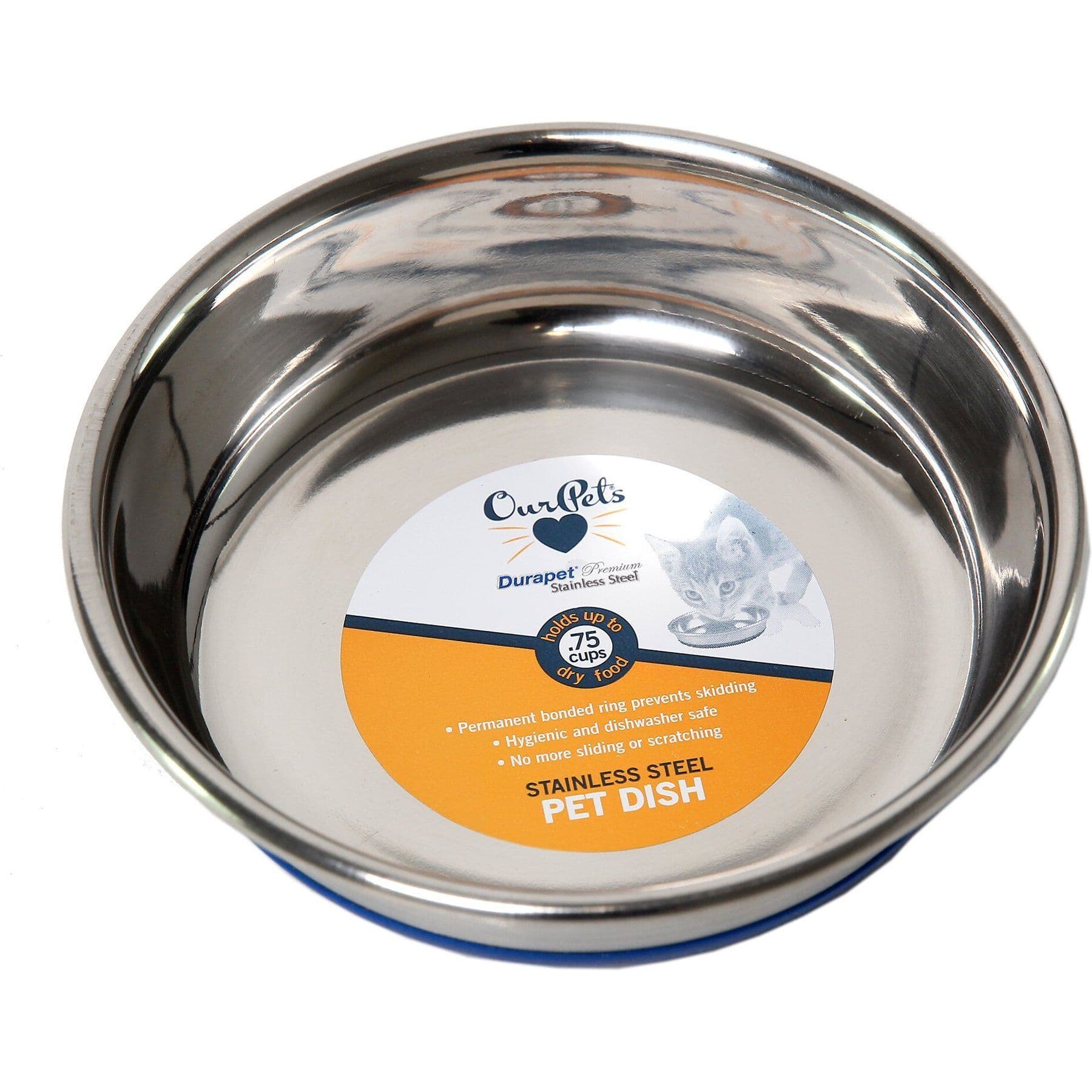
Use a suitably sized washable bowl for measured portions of the prescribed food.
Webvet may earn a commission when you click through to Chewy, at no extra cost to you.
Risk does not determine an individual diagnosis
Miniature Schnauzers are a recognized higher-risk group, and increased occurrence has been reported in some other breeds. A French Bulldog, Boxer, or Bernese Mountain Dog still needs an individual assessment; a breed name cannot confirm or exclude pancreatitis. Old dogs may have concurrent disease that affects treatment. Puppies, including very young puppies, need prompt evaluation of digestive illness rather than an adult-dog diagnosis assumed from an internet search. Pregnancy also changes the information the treating team needs.
Emotional stress alone is not a reliable explanation for pancreatic inflammation. Tell the veterinarian about recent anesthesia, trauma, new medication, or another illness, but do not independently stop essential treatment. A suspected association with a drug such as Apoquel or an anesthetic such as propofol requires assessment of the actual timing and evidence, not an automatic causal label.
Terms such as hemorrhagic, necrotizing, or fulminant pancreatitis describe serious disease features; they are not four predictable stages owners can identify at home. Nor is every case bacterial or septic. An immune-mediated form of chronic pancreatitis has been proposed in English Cocker Spaniels, but this does not establish the cause in an individual dog. Recurrent or low-grade disease needs reassessment of contributing conditions.
How vets investigate suspected pancreatitis
Clinical findings, pancreatic lipase testing, and imaging contribute different evidence. A positive test must be interpreted with the clinical findings. Ask which result supports the working diagnosis, what else remains possible, and whether a repeat examination or test would change treatment. An abnormal number is not, by itself, a severity grade or a recovery forecast.
| Test roles and limitations | What it contributes | Test limitations and the next question |
|---|---|---|
| History and clinical findings | Appetite, vomiting, pain, hydration, medicines, and other illness | Signs overlap with many conditions; ask which alternatives need investigation |
| Pancreatic lipase testing | Evidence relevant to pancreatic inflammation | Ask which assay was used and how its result fits the whole case |
| SNAP cPL | A rapid normal or abnormal screening result | An abnormal result may lead to quantitative testing and further assessment |
| Spec cPL | A quantitative pancreatic lipase concentration | A numerical result still needs clinical interpretation |
| Abdominal ultrasound | Pancreatic changes, nearby structures, and possible complications or other disease | Timing, disease severity, equipment, and operator experience affect findings |
| Routine bloodwork, urine tests, and radiographs | Hydration, organ function, concurrent disease, or alternative explanations | These are useful parts of the workup but do not independently prove pancreatitis |
Screening is different from a quantitative result
IDEXX distinguishes SNAP cPL from Spec cPL: SNAP provides a normal or abnormal result, while Spec provides a quantitative concentration. Keep the test name and laboratory interpretation with your records. Do not compare numbers from different assays as though they share one interchangeable reference range.
Routine liver enzymes, including ALT, bilirubin, or inflammatory markers such as CRP may contribute to the broader investigation. They do not replace a pancreatic assessment. Elevated liver enzymes or jaundice can prompt evaluation of the liver, gallbladder, or bile ducts as well. An X-ray may help investigate an obstruction or another cause of vomiting; a normal radiograph does not rule out pancreatitis. CT is not a routine first test for every suspected case.
Mild versus severe pancreatitis is judged from the whole patient, including hydration, circulation, organ function, and treatment needs, not one lipase result. Human diagnostic thresholds and protocols do not transfer directly to dogs. Cats can have less obvious digestive signs, and pancreatitis in cats has its own assessment and feeding considerations.
Conditions with overlapping signs
Gastritis, gastroenteritis, colitis, intestinal obstruction, and some chronic intestinal diseases can resemble pancreatitis. Acute hemorrhagic diarrhea syndrome, formerly often called HGE, is another reason bloody diarrhea needs assessment. Liver or gallbladder disease, kidney disease, and metabolic illness may overlap or coexist. A prior label such as IBD or IBS does not settle the cause of a new painful episode.
The ordinary formed brown stool pictured here is a reference for appearance only. A dog with pancreatic illness may pass an ordinary-looking stool. Neither this appearance nor a different color can establish or exclude pancreatitis; describe changes and bring a sample if the clinic requests one.

The guides to vomiting and diarrhea, diarrhea causes, and an upset stomach explain those broader symptoms. A pancreatitis workup narrows the question for the particular dog. If the response to treatment does not fit the original diagnosis, ask what should be reconsidered rather than assuming every later digestive problem is another flare.
Ask how each additional finding changes the assessment:
- Acid reflux or regurgitation may need separate investigation; these signs do not demonstrate pancreatic inflammation.
- Liver problems or a gallbladder mucocele can create another clinical priority. An enlarged liver, enlarged spleen, or swollen lymph nodes on imaging are findings to interpret, not proof that pancreatitis caused them.
- Excessive thirst, urinary changes, or kidney stones require their own evaluation. Coexisting conditions may alter fluids, nutrition, or medication choices.
 Sponsored
Vet care that's always there
Unlimited video calls and messaging with licensed vets for less than a typical vet visit. One membership covers up to five pets.
Use code Pets30
Plans start at $11/month · covers up to 5 pets
- Licensed vets in most states
- Rx for 150+ conditions
- 4.7 on Trustpilot
Treatment: pain relief, nausea control, fluids, and nutrition
What calms pancreatitis is an appropriate treatment plan: analgesia (pain relief), nausea control, correction of dehydration and other disturbances, and nutritional support. Some dogs can follow a veterinarian-directed outpatient plan; others need hospitalization and close monitoring. That choice depends on examination findings, ability to eat and drink, response to initial care, and complications.
A Pet Parents Pawtect blanket can provide a washable layer over suitable bedding during clinician-approved recovery. Choose a size that fits the resting area, replace soiled layers promptly, and keep the dog dry. It does not replace padding, relieve pancreatic pain, or correct dehydration. Arrange the bed and supplies before discharge so practical cleanup does not interfere with observing the dog.
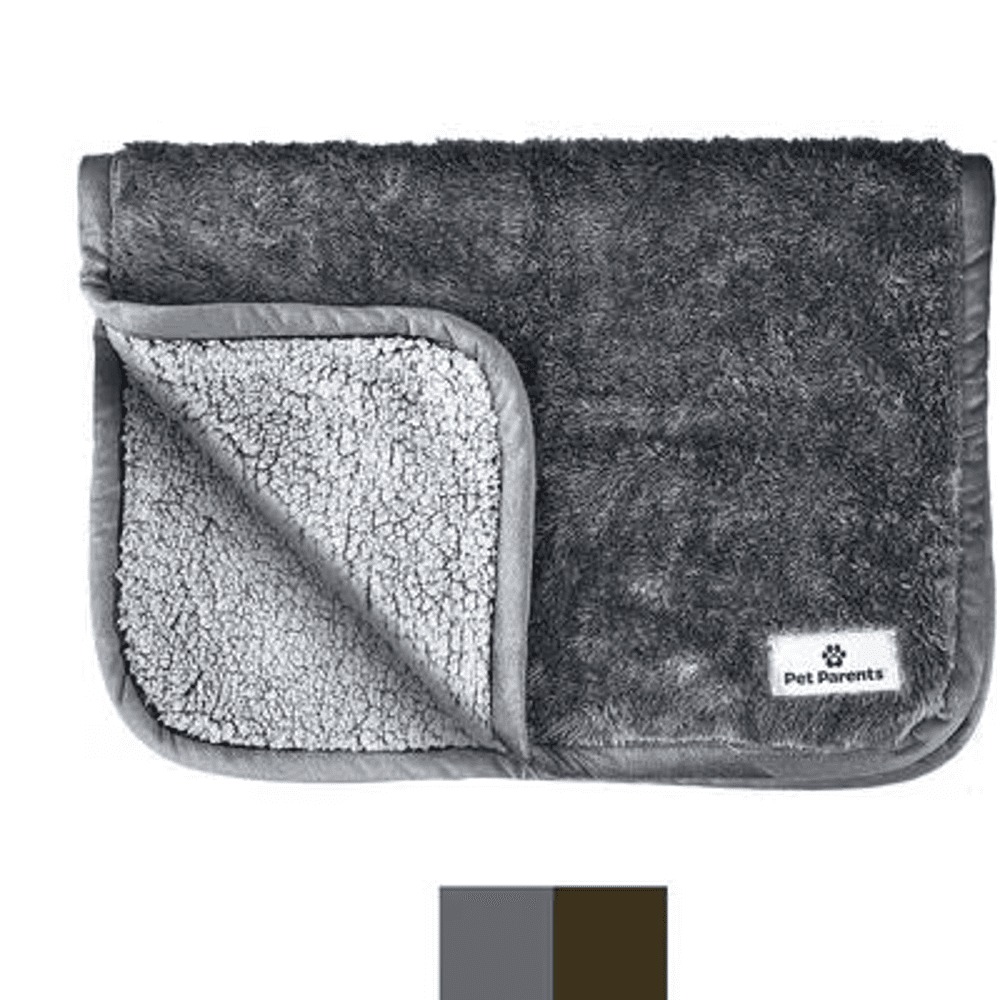
Keep clean, dry washable bedding available during veterinarian-directed recovery.
Webvet may earn a commission when you click through to Chewy, at no extra cost to you.
Supporting comfort at home
Give the dog a quiet, easily cleaned resting place and follow the team's activity instructions. Keep toilet outings gentle and appropriate to the dog's condition. Abdominal massage is not a treatment for an inflamed pancreas, and a dog that cannot settle needs reassessment of comfort rather than pressure applied to the abdomen.
Medicines have different jobs
Ask what each prescribed medicine is intended to accomplish. An anti-nausea medicine such as Cerenia is not interchangeable with a pain medicine, an appetite stimulant, or an acid suppressant. A dog still refusing food despite medication needs a call, not an extra dose. Gabapentin, metoclopramide, or Entyce should be used only when selected for the individual patient.
Do not add carprofen, Metacam, another NSAID, or human pain medicine yourself. Likewise, omeprazole or Prilosec, famotidine or Pepcid, and sucralfate or Carafate are not universal substitutes for pancreatitis treatment. Tell the team about all current medicines, including Pepto-Bismol, so it can assess contraindications and interactions.
Antibiotics are not routine treatment for every case of pancreatic inflammation. Convenia or another antibiotic has a role only when the clinician identifies an appropriate reason. Steroids such as prednisone or dexamethasone also require case-specific judgment; it is inaccurate to declare them either a home cure or universally prohibited. Surgery is reserved for particular complications or concurrent surgical disease, not the usual treatment for every episode.
The injectable pancreatitis medicine
Panoquell-CA1 contains fuzapladib sodium and is conditionally approved for management of clinical signs associated with acute-onset pancreatitis in dogs. The FDA's 2026 conditional-approval materials list that status. Conditional approval is not a promise of cure or survival, and the medicine does not replace the rest of the care plan. Ask whether it is appropriate and available for your dog; this guide does not provide a home injection regimen.
Avoid replacing care with a remedy
Probiotics, including FortiFlora or Pro-Kolin, digestive enzymes such as pancreatin, colostrum, and other supplements have different purposes. They are not established interchangeable replacements for fluids, pain relief, nausea control, and nutrition. CBD or hemp oil, aloe vera juice, apple cider vinegar, colloidal silver, Chinese herbs, and homeopathic products should not be added as a presumed pancreatic cure. Review the exact ingredients and any extra fat with the clinician.
The same applies to acupuncture, hyperbaric oxygen, or specialized pain procedures. A TAP block, or transversus abdominis plane block, targets abdominal-wall nerves. A controlled canine TAP-block trial studied postoperative pain after spay surgery, not routine pancreatitis treatment. Ask an anesthetist what a proposed block can address in the particular case; it is not a home technique or a replacement for the full pain plan. Home fluids, including subcutaneous fluids, require a prescription and individual instructions.
Feeding during recovery and reducing recurrence
Food selection depends on the exact formula and fat content, not the brand name alone. Obtain the prescribed food, portion, schedule, and response to appetite change. Many canine plans use an appropriate low-fat diet, but the clinician must also account for the dog's calorie needs, tolerance, and other conditions. The goal is usable nutrition, not simply the lowest number printed on a bag.
Selecting the actual formula
If prescribed for your dog, Royal Canin Veterinary Diet Adult Gastrointestinal Low Fat dry food is one option for implementing that plan. The linked product is the 6.6-pound dry formula. A similarly named canned, puppy, or regional product should not be assumed to have identical nutritional values. Follow the clinician's portion recommendation and transition instructions rather than choosing a quantity from the package alone.
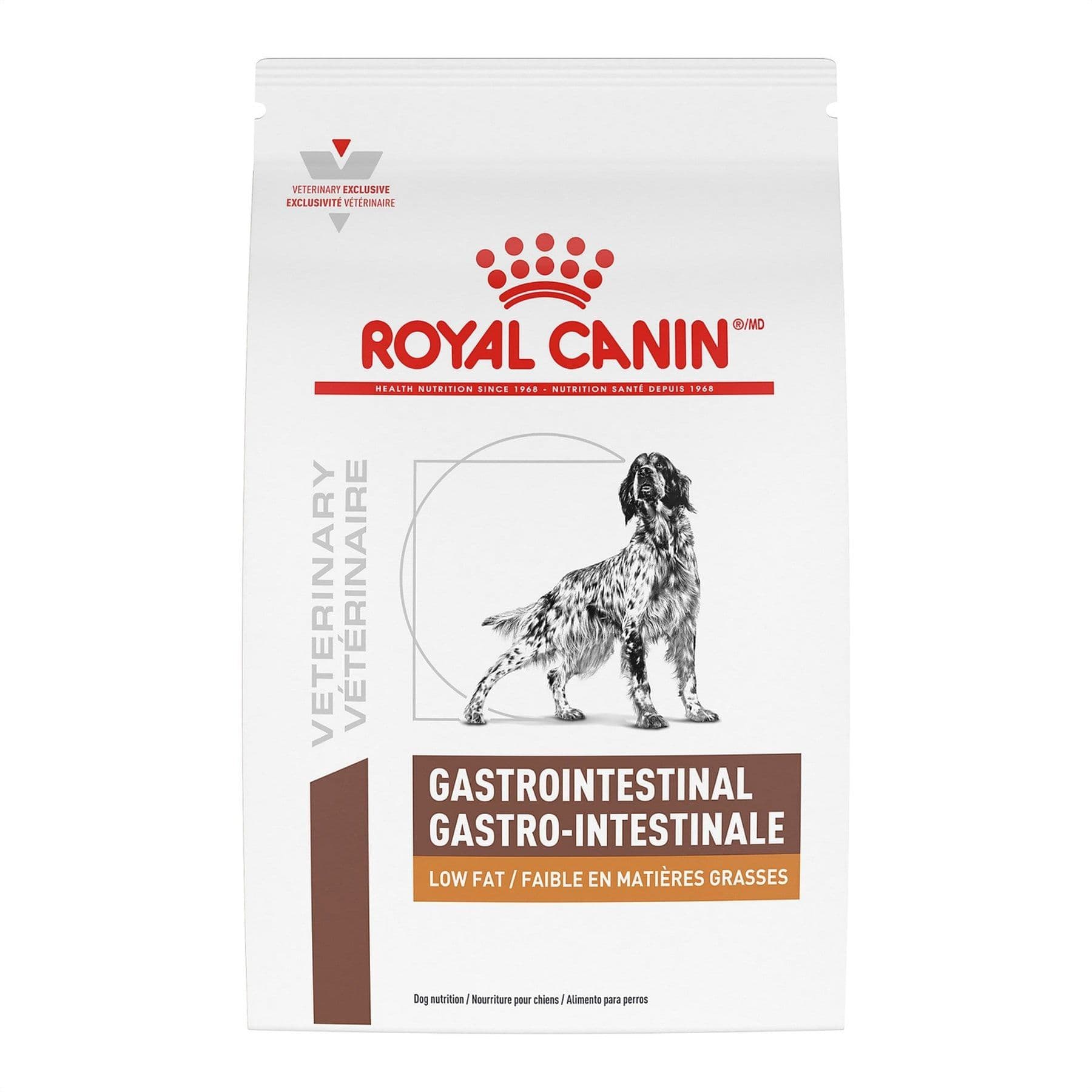
Use this exact low-fat veterinary formula only when it is prescribed for your dog.
Webvet may earn a commission when you click through to Chewy, at no extra cost to you.
A low-fat wet or canned food may suit one dog while dry food suits another. Hill's i/d and other veterinary lines contain multiple formulations; the product family name is not enough. Availability and labels differ in the UK, Australia, and other markets. Ask for the exact locally available product and an acceptable backup if it is out of stock.
Compare fat on a consistent basis
The crude-fat percentage on a wet-food label is not directly comparable with the percentage on dry kibble because moisture differs. A guaranteed minimum also does not tell you the exact typical fat level. Ask the manufacturer or veterinary team for comparable nutritional information, such as fat per calorie, and the target appropriate to your dog. “Fresh,” freeze-dried, raw, or human-grade describes processing or marketing, not a therapeutic fat specification.
A food allergy may require a hydrolyzed or otherwise selected protein diet. Concurrent kidney or liver disease can change nutritional priorities. Do not combine parts of several disease diets or create a homemade kidney-and-pancreatitis recipe by guesswork. A veterinarian with nutrition expertise can reconcile competing requirements while preserving a complete diet.
Turn discharge instructions into a feeding checklist
A written discharge feeding plan includes what to do if appetite falls. Record:
- The exact food and permitted substitutes.
- The measured amount per meal and total daily amount.
- Meal times and any required relationship to medicines.
- Which treats, chews, or pill-hiding foods are allowed, and their portion limit.
- What to do after a refused meal, vomiting, or reduced water intake.
- The next weight check and the conditions for changing the plan.
Small meals may be part of the prescribed schedule, but there is no single meal frequency or fasting period suitable for all patients. Do not keep increasing tempting extras when a dog will not eat. Persistent nausea, pain, or another complication may need treatment; some dogs require assisted nutritional support arranged by the clinic.
Homemade foods and treats still count

Chicken and rice or another bland recipe is not automatically complete for long-term feeding. A homemade pancreatitis diet needs a formulated recipe, including required supplements, rather than a list of supposedly safe ingredients. Choosing white instead of brown rice, or substituting egg white, turkey, sweet potato, pumpkin, carrots, or broccoli, does not by itself make a balanced therapeutic diet.
Preparation matters. Plain lean meat differs from skin, gravy, butter, or drippings. Pork, cheese, peanut butter, bacon grease, rich Thanksgiving leftovers, and fatty treats can substantially change the plan. Bone broth, baby food, honey, jam, or popcorn are not treatments; ingredients and added fat matter. Raw diets and bones add concerns beyond fat content and should not be treated as recovery shortcuts.
Include dental chews such as Greenies or Dentastix, pill pockets, flavored toothpaste swallowed during brushing, and stolen cat food when reviewing intake. Ask for an approved pill-hiding option rather than assuming a product labeled “low fat” fits the prescribed allowance. Coconut oil, olive oil, flaxseed, and omega-3 oils contribute fat too; do not add them as pancreatic remedies.
Preventing another episode
Risk reduction includes consistent feeding, preventing scavenging, and addressing relevant underlying disease or blood-fat abnormalities. No diet guarantees that pancreatitis will never recur. Keep an updated food and medicine list, make sure all caregivers follow it, and discuss sustained hunger, weight loss, or repeated digestive signs before changing portions. A dog that seems constantly hungry after recovery may need reassessment rather than unrestricted extra food.
Recovery expectations and when to call again
Recovery depends on severity and concurrent disease. Compare the dog's progress with the individual discharge plan, including appetite, vomiting, comfort, drinking, and energy. A dog becoming more interactive and tolerating prescribed meals is encouraging, but improvement in one sign does not prove that the pancreas has fully recovered.
How recovery time varies
Pancreatitis may take several days to settle down with treatment, and severe or complicated illness can take longer. VCA's canine pancreatitis guidance describes two to four days of hospitalization for many severe cases receiving fluids and medicines. That is a hospital-care reference, not a promise of complete recovery by day four. Chronic or recurrent pancreatitis may flare again. Ask when improvement should be evident and when a lack of progress requires another examination; seven days is neither a universal recovery deadline nor a prediction of death.
A senior dog may need a different plan because of other diseases, but age alone does not supply a survival rate. Continue the prescribed food and medicines for the agreed duration and attend rechecks even when the dog seems brighter. The team may reassess clinical signs, body weight, laboratory findings, or imaging according to the actual problem.
Deterioration after discharge
Deterioration after discharge needs reassessment. Contact the clinic for:
- Continued refusal of food or water, or vomiting after an apparent improvement.
- Increasing pain, inability to settle, weakness, or collapse.
- Blood in vomit or stool, black stool, or worsening diarrhea.
- New breathing difficulty, jaundice, seizures, or a distended abdomen.
- Unexpected medication problems or inability to follow the prescribed feeding plan.
Do not identify these as inevitable “dying signs” from a checklist. Some indicate potentially treatable complications, and their significance requires an examination. If you cannot reach the original clinic, use an emergency service and bring the discharge summary and medication record.
Severe disease and complications
Yes, dogs can pass away from severe pancreatitis. Severe inflammation can affect circulation and other organs; complications may include kidney or respiratory failure, clotting abnormalities such as DIC, and multiorgan disease. Necrotizing disease can be particularly serious. Fluid collections may require further investigation, but infection and sepsis should not be assumed in every case.
Pleural effusion means fluid around the lungs. It has been described alongside abdominal effusion in dogs and cats with pancreatitis, but it has many other possible causes. New breathing difficulty requires urgent assessment; an owner cannot identify the type or cause of chest fluid from breathing sounds.
Longer-term pancreatic damage can also lead to exocrine pancreatic insufficiency, or EPI, and diabetes in dogs. These are distinct conditions requiring their own assessment and treatment. Persistent weight loss, excessive thirst, or other new signs deserve a recheck rather than an automatic food adjustment. Diabetes with ketoacidosis, concurrent kidney failure, liver disease, or a urinary infection can substantially change the immediate priorities.
Discussing cost and achievable care
This guide has no verified universal treatment price or test-cost range. Ask for an estimate separating examination and pancreatic testing, imaging, medicines, hospitalization, fluids, nutritional support, and rechecks. A US estimate is not a UK or Australian quote. If finances limit care, say so early so the team can discuss priorities and feasible alternatives without assuming that home treatment is medically equivalent.
For a dog whose suffering cannot be adequately relieved, discuss comfort and quality of life directly with the veterinarian. The diagnosis alone does not decide euthanasia. What matters is the individual prognosis, response to treatment, complications, and whether a tolerable life is achievable.
Pancreatitis questions
Frequently Asked Questions
What does pancreatitis poop look like in dogs?
Stool appearance cannot diagnose pancreatitis. A dog may have diarrhea or pass an ordinary formed brown stool. Orange color, mucus, or another change is not a pancreatic test. Blood or black, tarry stool needs prompt assessment; use a photo to describe the observation, not to establish the disease.
What foods trigger pancreatitis in dogs?
Fatty food can be a trigger, but individual risk and other causes matter. Examples worth reporting include bacon grease, fatty meat scraps, skin, gravy, butter, cheese, and rich holiday leftovers. A meal or brand name does not prove causation. Give the veterinarian the exact formula, amount, treats, and timing so the complete feeding history can be assessed.
What is the life expectancy of a dog with pancreatitis?
Life expectancy depends on disease severity and response to treatment, not a fixed universal survival rate. Mild cases treated appropriately often have a good outlook, and a recovered dog may have no lasting consequences from the episode. Shock or organ complications make the outlook more guarded; chronic disease may recur or cause other pancreatic problems. There is no defensible single number of remaining years for all affected dogs. Ask for a prognosis based on current findings and progress.
Veterinarian · BVMS MRCVS
Dr. Pippa Elliott, BVMS, MRCVS, is a veterinarian with nearly 30 years of experience in companion animal practice. Dr. Elliott earned her Bachelor of Veterinary Medicine and Surgery from the University of Glasgow. She was also designated a Member of the Royal College of Veterinary Surgeons. Married with 2 grown-up kids, Dr. Elliott has a naughty Puggle named Poggle, 3 cats and a bearded dragon.
Related reading

Salivary Mucocele in Dogs: Symptoms, Surgery, and Recovery

Diabetes in Cats: Symptoms, Treatment, and Remission

Diabetes in Dogs: Early Signs, Diagnosis, and Daily Management
