Diabetes in Dogs: Early Signs, Diagnosis, and Daily Management
Recognize early diabetes signs, understand veterinary diagnosis and insulin care, and build a reliable household routine for meals, monitoring, and unexpected illness.

BVMS MRCVS
Medically reviewed by Dr. Pippa Elliott, BVMS MRCVS · Last reviewed

This article contains affiliate links. Webvet may earn a commission when you buy through them, at no extra cost to you.
Diabetes in dogs usually requires insulin treatment, a dependable feeding routine, and ongoing monitoring. The first clues may be extra water-bowl refills, larger puddles, or weight loss despite a hungry dog. Those changes need veterinary investigation because other illnesses can look similar.
A diagnosis changes daily life, but it does not automatically mean a poor quality of life. A workable plan tells every caregiver what to feed, what treatment was actually given, what to record, and who to call when something unexpected happens.
 Sponsored
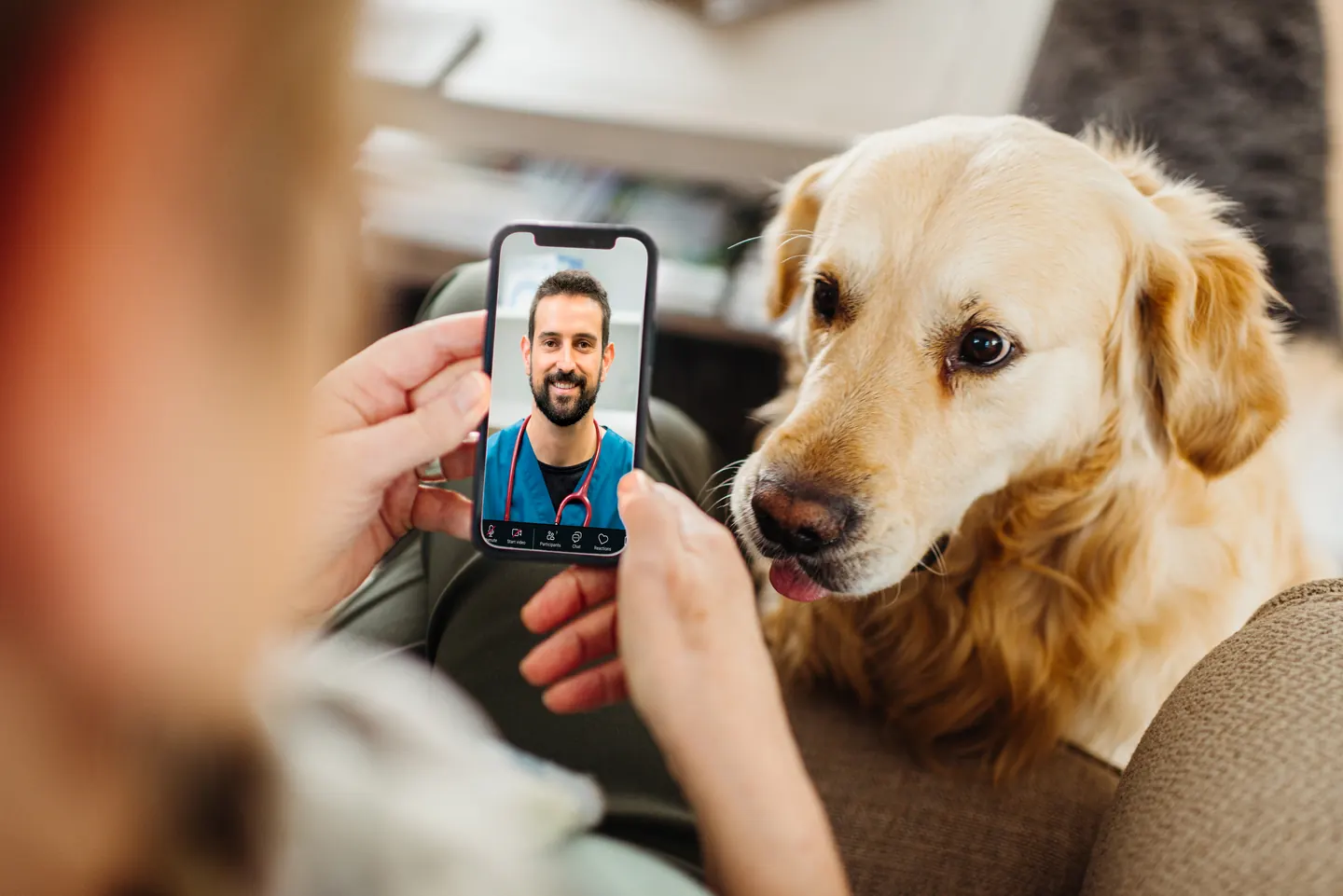
Have a health question about your dog?
Talk to a licensed vet at Dutch over video or message, including nights and weekends.
Use code Pets30
Plans start at $11/month · covers up to 5 pets
- Licensed vets in most states
- Rx for 150+ conditions
- 4.7 on Trustpilot
Early diabetes signs and urgent illness
Increased thirst and urination with weight loss can signal diabetes. Vomiting, marked weakness, abnormal breathing, collapse, or seizures need urgent assessment. Do not diagnose glucose control from appetite, urine color, or a single home reading.

How to tell if your dog is diabetic?
Diabetes mellitus symptoms develop when glucose cannot be used normally and spills into urine, drawing water with it. This helps explain why a diabetic dog can be very thirsty while losing weight. Arrange an examination if your dog starts drinking and urinating more, loses weight despite eating well, or seems persistently tired. Increased hunger, urinary accidents, recurrent infections, and cloudy eyes may also be clues. Signs alone cannot confirm diabetes; blood and urine testing are needed.
Record when changes started and whether weight, appetite, drinking, or activity has shifted. An older dog may have more than one condition, and diabetes can occur in younger dogs too. A dog that looks thin or suddenly seems super hungry needs an explanation, not simply a larger food portion.
Other changes need their own assessment:
- Panting, pacing, excessive barking, aggression, or disturbed sleep can reflect discomfort, anxiety, or illness; they do not prove high glucose.
- Paw chewing, licking the floor or lips, foot problems, bad breath, teeth chattering, a swollen belly, or yellow poop is not a specific diabetes test. Describe the actual change to the clinic.
- Wobbly legs, limping, or inability to stand should not automatically be labeled diabetic neuropathy. Sudden weakness needs urgent assessment; nerve pain or another cause of foot trouble requires an examination before treatment.
For a dog with confirmed diabetes, ask the clinic whether home glucose checks belong in the plan. The AlphaTrak 3 blood glucose monitoring kit is an option for veterinary-directed monitoring after training in the correct device, strips, sampling, and interpretation. Buying a meter does not establish the diagnosis or authorize a change in insulin.
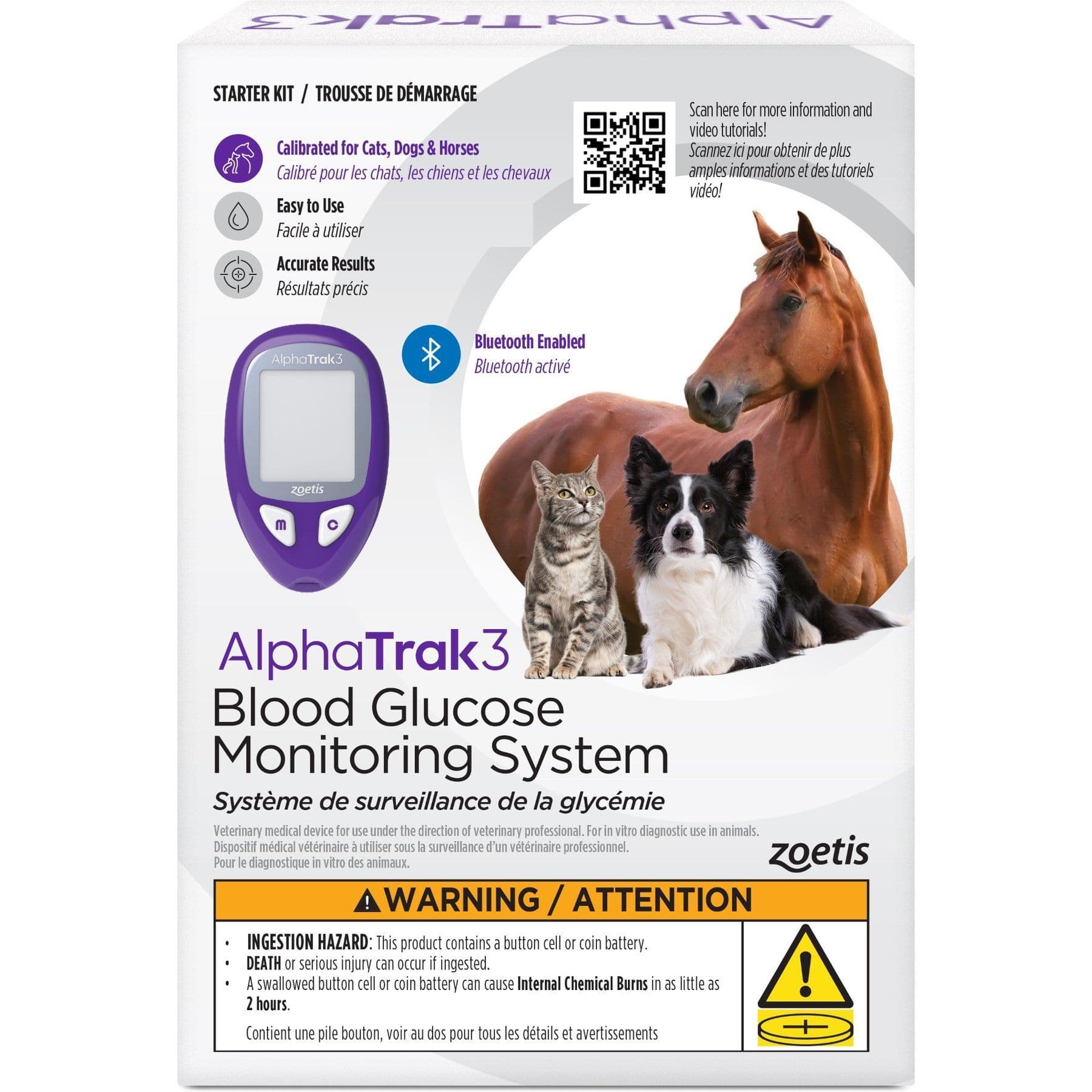
A veterinary glucose kit supports clinician-taught monitoring without self-directed insulin changes.
Webvet may earn a commission when you click through to Chewy, at no extra cost to you.
When the dog needs urgent help
Diabetic ketoacidosis, often shortened to DKA, is a potentially life-threatening complication of inadequate effective insulin. The body breaks down fat and produces ketones; concurrent illness can make regulation worse. A dog may be dehydrated, stop eating, vomit, become very weak, or breathe abnormally. Sweet or unusual breath can occur, but its absence does not rule out illness. An untreated dog or a previously regulated dog can deteriorate.
In a dog receiving insulin, weakness, trembling, confusion, a drunken-looking walk, collapse, or seizures can signal low glucose. These signs overlap with other emergencies. Contact the clinic or emergency hospital immediately, follow the dog's written emergency plan, and do not wait to assemble a perfect home glucose record.
How diabetes is diagnosed and what can look similar
| Possibility | Why it may enter the discussion | What separates it from a home guess |
|---|---|---|
| Diabetes mellitus | Increased thirst and urination, weight loss, persistent high glucose | Clinical examination with blood and urine glucose findings and other indicated tests |
| Diabetes insipidus | Marked thirst and production of dilute urine | A different water-balance disorder requiring its own investigation; it is not an insulin-deficiency diagnosis |
| Kidney or endocrine disease | Similar drinking, urinary, appetite, or weight changes | Bloodwork, urine findings, medication history, and targeted testing |
| Urinary infection or another illness | Accidents, discomfort, reduced appetite, or unstable regulation | Examination and appropriate testing, sometimes including urine culture |
What could be mistaken for diabetes in dogs?
Kidney disease, Cushing's disease, urinary disorders, and the effects of certain medicines can cause overlapping signs. “Water diabetes,” or diabetes insipidus, concerns water regulation rather than the glucose disorder diabetes mellitus. Central and nephrogenic forms need a different workup; desmopressin is not an alternative to insulin for ordinary canine diabetes. Never restrict water to test the theory at home.
Persistent hyperglycemia, meaning high blood glucose, together with urine glucose and the clinical signs supports diagnosis. An online diabetes quiz, free or otherwise, cannot establish it. Ask whether your dog needs to fast for the planned blood test; never independently fast a treated diabetic dog or change its insulin for testing. The AAHA diagnostic guidance also addresses patients whose glucose findings and clinical signs do not yet fit straightforward diabetes. Further testing or follow-up may be needed instead of treating a single abnormal number.
Once the clinic has outlined meal monitoring, a simple small Durapet stainless-steel bowl can make one dog's portion easy to serve and inspect. Check the actual capacity and use a larger bowl when needed. A clean bowl helps with consistency, but the amount offered and eaten still needs to be recorded.

A small washable bowl supports measured meals; choose a suitable capacity and check how much the dog actually eats.
Webvet may earn a commission when you click through to Chewy, at no extra cost to you.
What can trigger diabetes in dogs?
Canine diabetes commonly involves inadequate insulin production. Breed-related susceptibility, pancreatic damage, and hormonal influences can contribute. Pancreatitis and Cushing's disease may complicate glucose regulation; glucocorticoid treatment can also affect it. Obesity can worsen insulin resistance, but a dog does not simply get diabetes from eating sugar once or from one food mistake. Signs may seem to appear suddenly even though the underlying problem has been developing. Diabetes can occur with or without pancreatitis; a suspected trigger still needs evidence.
Reproductive hormones matter in some intact female dogs. Diabetes associated with pregnancy or the period after a heat cycle requires prompt veterinary management, including discussion of reproductive status. Do not assume it will disappear after pregnancy. Similarly, suspected steroid-induced or temporary diabetes needs a supervised reassessment rather than stopping medication yourself.
Risk, early abnormalities, and species differences
Human type 1 and type 2 labels are imperfect shortcuts for canine disease. Most affected dogs need insulin regardless of the label. Juvenile-onset diabetes can occur, although a puppy is not the typical patient. A lean dog or a breed not usually considered high risk, including an English Bulldog, Bernese Mountain Dog or Australian Cattle Dog, can still be affected. A second opinion is reasonable when the clinical picture is confusing, especially with concurrent endocrine disease or unexplained treatment resistance. “Prediabetes,” “pre-diabetic,” or a borderline glucose result needs a defined follow-up plan, not an automatic insulin prescription. An insulinoma is a different disorder involving excess insulin and low glucose; suspected concurrent adrenal or thyroid disease also needs separate testing. Maintaining a healthy weight and addressing illness can support health, but there is no guaranteed way to prevent your dog getting diabetes.
Why most diabetic dogs need insulin
Insulin allows the body to use glucose properly. Diet and exercise support treatment, but they generally cannot replace the missing hormone in a diabetic dog. Oral treatments discussed for diabetes in cats should not be borrowed for a dog. The species have different treatment and remission pathways.
Learn the exact product and technique
Ask the veterinary team to watch you demonstrate the procedure before going home. Different insulin formulations have different mixing instructions; “always shake” and “never shake” are both unsafe universal rules. Storage requirements and the usable period after opening also belong to the exact product.
Confirm these points with the clinic:
- The insulin name, concentration, device, and current prescribed dose.
- How to prepare that product and where to give injections, sometimes called diabetes shots.
- How the meal and injection are timed for this regimen.
- How to record treatment and dispose of sharps safely.
- What to do if the dog moves, the fur becomes wet, or you cannot tell whether a dose entered.
Vetsulin, other veterinary insulins, and human insulin products prescribed by veterinarians are not interchangeable simply because the label says insulin. A VetPen or another pen device needs its own teaching. A dose that suited another dog, or an old dose from before a weight change, is not a safe starting point.
When regulation is difficult
A dog whose diabetes is hard to regulate may have unstable or “brittle” readings for reasons beyond needing additional insulin. Administration problems, inconsistent intake, concurrent illness, and changes in insulin sensitivity all warrant review. Bring the actual supplies and record to the appointment. Do not automatically increase insulin because the dog is thirsty or a reading is high.
A dog with diabetic ketoacidosis needs urgent hospital assessment and stabilization, not extra home insulin as a substitute. The team treats the metabolic crisis and investigates contributing illness; follow-up management is reconsidered after stabilization.
Supplements and other medicines
A holistic approach can include nutrition, comfortable activity, and reliable care, but you cannot reliably reverse diabetes in dogs naturally or replace required insulin with remedies. Improving or reversing diabetes symptoms with treatment does not mean the underlying diabetes has been reversed or cured. No supplement, CBD oil, cinnamon, essential oil, herbal mixture, probiotic, or homeopathic remedy has an established role as an insulin replacement. Discuss supplements and other medicines with the vet, including joint products, steroids, and any human medication. Avoid treating “natural” as a guarantee of safety or a cure. Products marketed for blood sugar balance, such as Primalix or Blood Sugar Gold, need the same scrutiny; a marketing claim does not establish efficacy. Glucosamine, chondroitin, digestive enzymes, brewer's yeast, and multivitamins need an actual indication; diabetes does not establish a need for them or identify a best multi-vitamin. Ask the prescriber about products such as NexGard or melatonin instead of stopping necessary care or assuming every product is suitable.
 Sponsored
Vet care that's always there
Unlimited video calls and messaging with licensed vets for less than a typical vet visit. One membership covers up to five pets.
Use code Pets30
Plans start at $11/month · covers up to 5 pets
- Licensed vets in most states
- Rx for 150+ conditions
- 4.7 on Trustpilot
A consistent food, insulin, and activity routine

What do you do with a dog with diabetes?
Follow the prescribed treatment, use a repeatable meal routine, monitor the dog's condition, and keep appointments for reassessment. One person should be responsible for each dose, with the record completed immediately after giving it. A notebook, app, or shared care sheet works only when everyone uses the same current instructions.
Urinary accidents can continue while the cause is being treated. A Paw Inspired washable pee pad may protect an appropriate resting area. Change it promptly, keep the skin clean and dry, and offer regular toilet outings. A pad or diaper does not treat infection or justify limiting water.

A washable pad can protect a resting area during accidents while normal water and toilet access remain available.
Webvet may earn a commission when you click through to Chewy, at no extra cost to you.
What is the first thing a diabetic should do in the morning?
For a diabetic dog, start by checking that the dog is behaving normally and reviewing the prescribed morning plan. Offer the planned meal, observe what is actually eaten, and follow the clinic's instructions for the relationship between that meal and insulin. Confirm that another caregiver has not already given the treatment. There is no universal human breakfast rule to import into a dog's care.
Choosing food and portions
The AAHA dietary guidance emphasizes a complete, balanced diet, suitable portions, and consistent intake. A dog losing weight unintentionally has different needs from an overweight dog on a supervised weight-loss plan. High-fiber food may help some patients, but a calorie-restricted formula can be unsuitable for an underweight dog.
Wet or canned food may offer benefits, but dry food is not automatically forbidden. Prescription diets and suitable nonprescription foods can each have a role. Concurrent pancreatitis, kidney disease, or intestinal disease may change priorities. The best food is one the dog reliably eats and that meets its full nutritional and medical needs.
Compare the formula, not just the brand
Names such as Royal Canin, Hill's, Purina, Blue Buffalo, Pedigree, Beneful, or Pure Balance do not by themselves establish suitability. Compare the exact formula, calories, nutrients, and feeding amount with the vet. A cat food labeled “DM” is not automatically an appropriate diabetic dog food. A “Healthy Weight” label does not establish that a food suits an underweight diabetic dog. Regional availability, package size, and a manufacturer's formula changes also make a brand-only answer unreliable.
Homemade recipes, including slow-cooker or Instant Pot meals, need professional nutritional formulation. Chicken and rice, turkey and vegetables, or meat alone are not complete long-term diets. Raw, grain-free, ketogenic, and vegan labels do not prove that a diet controls diabetes or meets a dog's needs. Ask for a specific affordable alternative before the prescribed food runs out. The most affordable diabetic dog food must still be complete, appropriate, and reliably eaten. A product such as Dr. Harvey's Paradigm also needs assessment of the entire prepared ration and its required additions, rather than approval from the product name alone.
Extras, appetite, and daily activity
Sweet potatoes or goat's milk are extras to count, not treatments. Cane molasses adds sugar, while apple cider vinegar has no established role as an insulin substitute. High-calorie homemade mixtures sometimes called “satin balls” are not a general solution to diabetic weight loss; unexplained loss needs reassessment before simply adding calories.
The owner handout should record meals, treats, and daily activity. Include treats and extras in the agreed daily allowance. Rice, pasta, oatmeal, pumpkin, green beans, fruit, cheese, peanut butter, or gravy can change calories and carbohydrate intake; suitability depends on the amount, ingredients, and other illness. Do not use a food list as permission to add unlimited portions. Bones, rawhide, dental chews such as Greenies, and chew products such as Nylabone require a separate check for the exact product, calories if edible, and chewing hazards. A diabetes diagnosis does not make every chew safe or every treat forbidden. Our diabetic dog treats guide covers treat selection and consistent portions in more detail.
A dog may eat more than twice a day if its prescribed plan accommodates it; do not add meals without reviewing their timing and total daily intake.
Keep activity predictable
Keep usual activity reasonably predictable. Ask before an unusually long walk, vigorous play, boarding, or a major schedule change. Heat and hot weather can also make a usual outing harder. A weak, dehydrated, or unwell dog needs assessment rather than exercise to “bring the sugar down.”
Monitoring at home and veterinary rechecks

Clinical signs and glucose trends guide veterinary treatment decisions. The daily record should include appetite, drinking, urination, activity, body weight when requested, and any unusual event. A dog can seem brighter while still needing a treatment adjustment, and one unexpectedly high reading does not explain why it happened.
For the activity plan agreed with the clinic, a LeashBoss standard leash supports controlled, predictable outings. Choose an appropriate fit and use the same comfortable route or duration when practical. It is a handling tool, not a way to force activity during weakness or suspected low glucose.
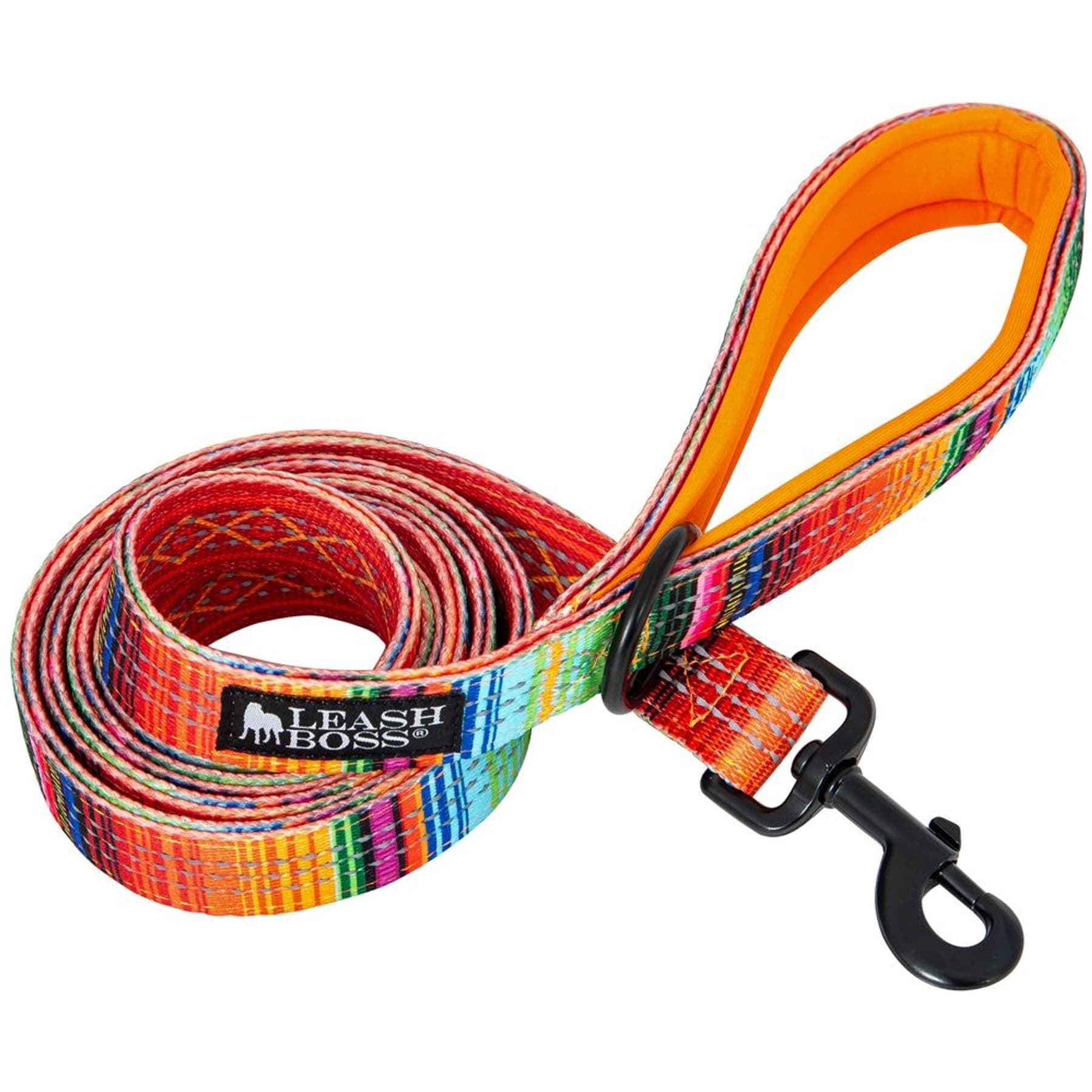
A standard leash supports a consistent, comfortable walking routine agreed with the clinic.
Webvet may earn a commission when you click through to Chewy, at no extra cost to you.
What each monitoring method contributes
The 2026 AAHA monitoring guidance favors interpreting glucose measurements alongside the patient's signs. A glucose curve records change over time; a continuous glucose monitor provides a different stream of trend information. A spot check has narrower value than a planned series. Use a notebook, journal, or app to record the actual readings and times rather than reconstructing them from memory.
- Veterinary glucose meter: use the model and sampling method the clinic has taught. An AlphaTrak 2 starter kit and an AlphaTrak 3 system are different versions; confirm the compatible strips and instructions for the actual meter. Human-meter and veterinary-meter results should not be treated as automatically interchangeable.
- Continuous or flash sensor: the veterinarian chooses placement and interpretation. Interstitial readings and blood glucose are not identical measurements at every moment. A sensor worn like a patch monitors glucose; it is not an insulin-delivery patch or a cure. Accuracy and unexpected values need clinical interpretation.
- Fructosamine: helps assess a broader period of glucose exposure but cannot show every high or low during the day.
- Urine glucose or ketone testing: may be part of the plan, but it does not replace the clinical assessment or a blood-glucose strategy. If considering CheckUp urine testing strips or another home kit, confirm the exact analytes and reading instructions with the clinic. A product name does not establish a diagnosis or the next insulin dose.
Ask what readings need a call and when to confirm an unexpected sensor result with the prescribed meter. Ask for the normal or target blood sugar levels relevant to your dog's treatment and when an abnormal value needs action. Do not invent a universal “good glucose number” from another dog's chart. A clinical score or glucose curve test supplements the examination; neither is a stand-alone dosing instruction. A glucose nadir, the lowest point in a curve, is useful only in the context of timing, food, insulin, and symptoms.
Urine changes and thirst
Urine color cannot establish diabetes or prove glucose control. Glucosuria means glucose in the urine; ketonuria means ketones. A normal-looking sample does not exclude either or an infection. Record changes alongside drinking, appetite and treatment; never withhold water to reduce accidents.
| Urine observation | Meaning and limit | Next step |
|---|---|---|
| Clear, pale or yellow urine | Color alone cannot identify glucose, ketones or diabetic control. | Follow the prescribed testing plan; describe a change without adjusting insulin. |
| Blood, straining or inability to urinate | These signs require assessment even if diabetes was previously controlled. | Contact the clinic promptly; inability to urinate needs urgent care. |
| Sticky or unusual-smelling urine | Appearance or odor does not identify the cause. | Report it; a bad smell may come from urine, mouth, skin or another problem. |
| Dripping, leaking, peeing in sleep, wetting the bed or urinating in the house | Accidents despite treatment can reflect regulation or another illness. | Record output and arrange reassessment; keep bedding and skin dry. |
| Drinking lots of water and peeing a lot while on insulin | These changes need context, not an owner-directed dose increase. | Ask how to measure intake and record it; do not impose a fixed water allowance. |
What to do when the normal routine breaks

| Actual care and exceptions | What to record | What to do |
|---|---|---|
| Routine caregiver handoff | Food actually eaten, dose recorded, time, and administering person | Confirm the entry before the next person takes over |
| Refused meal or vomiting | Amount eaten, symptoms, last treatment, and whether vomiting followed it | Use the written illness instructions and contact the clinic; do not improvise a dose |
| Missed or uncertain dose | What is known and what is uncertain | Do not repeat it just in case or double the next dose; get specific direction |
| Weakness, confusion, trembling, collapse, or seizures | Symptoms and glucose only if checking will not delay help | Treat as urgent; follow the emergency plan and arrange veterinary care |
| Unexpected extra food, travel, fasting, or schedule change | Food or event, timing, and current condition | Call for a tailored plan rather than adding insulin to compensate |
A caregiver handoff prevents accidental duplicate treatment: check the shared entry before anyone prepares another injection.
Poor intake, vomiting, or an uncertain injection
If a diabetic dog does not want to eat in the morning, becomes a picky eater, smacks its lips, vomits after treatment, or seems unusually sleepy, call for advice about the next step. Tricks to tempt food must not delay assessment of nausea or illness. Restlessness all night, panting and shaking, or inability to settle also deserves a call. Vomiting food, water, bile, yellow fluid, or mucus does not establish the cause; throwing up blood, bloody diarrhea, pale gums, or a nose bleed needs urgent assessment. The right response depends on the insulin, dose timing, amount eaten, glucose information, and severity of illness. Do not assume that withholding treatment for a whole day is harmless, or that the usual full dose is always safe without a normal meal.
Unexpected food such as bread, donuts, pizza, or candy also needs a call rather than a compensating insulin dose. Chocolate or a product containing xylitol adds a poisoning concern; tell the clinic exactly what and how much was eaten.
An uncertain dose must not be repeated just in case. If someone forgot to log the injection or the dog moved during it, record that uncertainty and call. Giving an extra dose to be safe can create a dangerous low. The AAHA client-education guidance stresses practical product-specific instructions and recognition of hypoglycemia.
Suspected low glucose
A diabetic dog acting drunk, unsteady on its feet, with wobbly legs, or becoming disoriented may have dangerously low glucose. Walking in circles, falling down, or having trouble walking needs urgent assessment even when glucose is unknown. Follow the written emergency plan and contact a veterinarian immediately. A conscious dog able to swallow may be offered food while help is arranged. Ask the clinic in advance whether and how a rapid sugar source, such as Karo corn syrup, belongs in that dog's plan. Do not force food, liquid, or your fingers into the mouth of a poorly responsive or seizing dog because of choking and bite risks.
Temporary improvement after food or sugar does not remove the need for veterinary advice. Do not give more insulin to a dog showing suspected hypoglycemia while waiting for instructions. Persistent vomiting, heavy breathing, severe dehydration, or collapse also needs urgent care even when low glucose has not been confirmed.
Boarding, workdays, surgery, and travel
A diabetic dog can need more planning when left with a sitter or boarding facility. Confirm that someone can give the exact medication, observe intake, keep the record, and recognize urgent signs. Leave the clinic's contact details, sufficient supplies, and the prescribed storage instructions. A medical-alert tag can supplement that handoff.
For dental work, an anesthetic procedure, or other care requiring fasting, obtain a specific food and insulin plan beforehand. The hospital sets the anesthetic protocol; an online protocol cannot account for your dog's current condition. Do the same for flights, time-zone or daylight-saving changes, unusually active days, or a prolonged caregiver absence. Do not apply a human “three-hour rule” or a generic missed-dose formula to a dog.
Complications, costs, and long-term outlook
Cataracts, concurrent illness and recurring costs affect long-term planning. Diabetic cataracts can develop quickly and may impair vision; a diabetic dog losing eyesight needs an eye examination. Cloudy eyes, redness, squinting, or apparent eye pain warrant assessment; eye drops do not reliably reverse a cataract. A veterinary ophthalmologist can discuss surgery, inflammation, and candidacy. Blindness alone does not mean a dog cannot have a comfortable life.
Separate complications from other diagnoses
Other problems can complicate care:
- Urinary infection, including a specific diagnosis such as encrusted cystitis, needs its own investigation and treatment.
- Skin disease, dental disease, pancreatitis, kidney disease, and Cushing's disease can affect regulation and outlook.
- Elevated liver enzymes or high ALP require interpretation; the number alone does not establish liver failure or explain its cause.
- A heart murmur or kennel cough is not automatically a side effect of diabetes. Tell the treating team about the diabetes when another illness develops.
Hair loss, hearing changes, a wound, or a lump still needs its own assessment. Suspected diabetic neuropathy requires a diagnosis before treatment; abnormal walking may have another neurologic, orthopedic, or metabolic cause. Treating confirmed neuropathy involves managing the underlying diabetes and the veterinarian's plan for the actual deficits. Do not assume every new symptom is a final stage of diabetes.
What will ongoing care cost?
Ask for a written estimate separating the initial diagnosis and stabilization from recurring insulin, syringes or pen supplies, monitoring equipment, laboratory work, and appointments. Cataract surgery or emergency hospitalization is a separate potential expense. Costs vary by the dog, product, and local service; an unsupported US, UK, Australian, or Canadian average is not a reliable personal budget.
If affordability is a concern, tell the clinic early. Ask which supplies and checks are essential, whether a less expensive appropriate option exists, and what assistance may be available. Pet insurance depends on the actual policy and prior-condition terms. Do not ration insulin, reuse an uncertain schedule, or stop all monitoring to reduce a bill without veterinary discussion.
Outlook after stabilization
Long-term survival can be good when diabetes is controlled and other disease is manageable. Stories about the oldest living diabetic dog do not predict another dog's life expectancy. There is no single survival rate that applies equally to an uncomplicated newly diagnosed dog and a dog hospitalized with diabetic ketoacidosis. DKA prognosis depends on the severity of the crisis and response to treatment; it is serious but not inevitably fatal.
Final-stage fears and quality of life
There is no universal final stage that can be identified from a home symptom checklist. If you don't treat diabetes, ongoing metabolic illness shortens a dog's life expectancy and can cause severe dehydration, weight loss, and death. A crisis in a treated dog may still be treatable. Questions about when to put a diabetic dog down require an individual assessment, including whether current suffering can be relieved. Quality of life depends on comfort, appetite, mobility, other disease, and whether a workable care plan controls symptoms. Euthanasia is not automatic because a dog is diabetic, old, or blind. When treatment is not feasible or suffering persists, the veterinarian can discuss realistic alternatives and humane options without treating one glucose reading as the deciding factor.
Canine diabetes questions
Frequently Asked Questions
How long will a dog live with diabetes?
Many dogs can live for years with treatment and monitoring and maintain a good quality of life, although there is no guaranteed lifespan. There is no reliable individual countdown from the diagnosis alone. Age, concurrent disease such as Cushing's, serious complications, and the ability to maintain care affect prognosis. Long-term care remains necessary even when the dog seems well. Ask about your dog's outlook after stabilization rather than applying a single average lifespan.
Can you treat diabetes in dogs without insulin?
Most dogs with diabetes mellitus need insulin treatment. Diet alone, supplements, or feline oral diabetes drugs are not dependable substitutes. Occasionally an underlying hormonal or medication-related problem changes treatment needs, but only the veterinarian should determine whether insulin can be adjusted or stopped.
What should I do if I am not sure my dog received its insulin?
Do not repeat an uncertain dose just in case. Check the shared record, write down what happened, and call the clinic for product- and timing-specific instructions. An extra dose can cause hypoglycemia. If the dog is weak, confused, trembling, collapsing, or seizing, seek emergency veterinary help.
Veterinarian · BVMS MRCVS
Dr. Pippa Elliott, BVMS, MRCVS, is a veterinarian with nearly 30 years of experience in companion animal practice. Dr. Elliott earned her Bachelor of Veterinary Medicine and Surgery from the University of Glasgow. She was also designated a Member of the Royal College of Veterinary Surgeons. Married with 2 grown-up kids, Dr. Elliott has a naughty Puggle named Poggle, 3 cats and a bearded dragon.
Related reading

Addison's Disease in Dogs: Symptoms, Testing, and Long-Term Care

Cushing's Disease in Dogs: Symptoms, Diagnosis, and Treatment

Hypothyroidism in Dogs: Symptoms, Testing, and Treatment
