Cushing's Disease in Dogs: Symptoms, Diagnosis, and Treatment
Recognize the pattern of Cushing's disease, understand cause-specific tests and treatments, and distinguish improvement from urgent changes during medication.

BVMS MRCVS
Medically reviewed by Dr. Pippa Elliott, BVMS MRCVS · Last reviewed

This article contains affiliate links. Webvet may earn a commission when you buy through them, at no extra cost to you.
Cushing's disease in dogs develops when the body is exposed to too much cortisol, a hormone involved in the stress response and many normal functions. Increased thirst, frequent urination, constant hunger, panting, muscle weakness, and skin changes can form a recognizable pattern. A pot belly or an abnormal blood result alone does not establish the diagnosis.
Treatment depends on why cortisol exposure is excessive. The practical goal is to improve daily comfort while using examinations, home observations, and blood tests to avoid both poor control and too little adrenal hormone during treatment.
 Sponsored
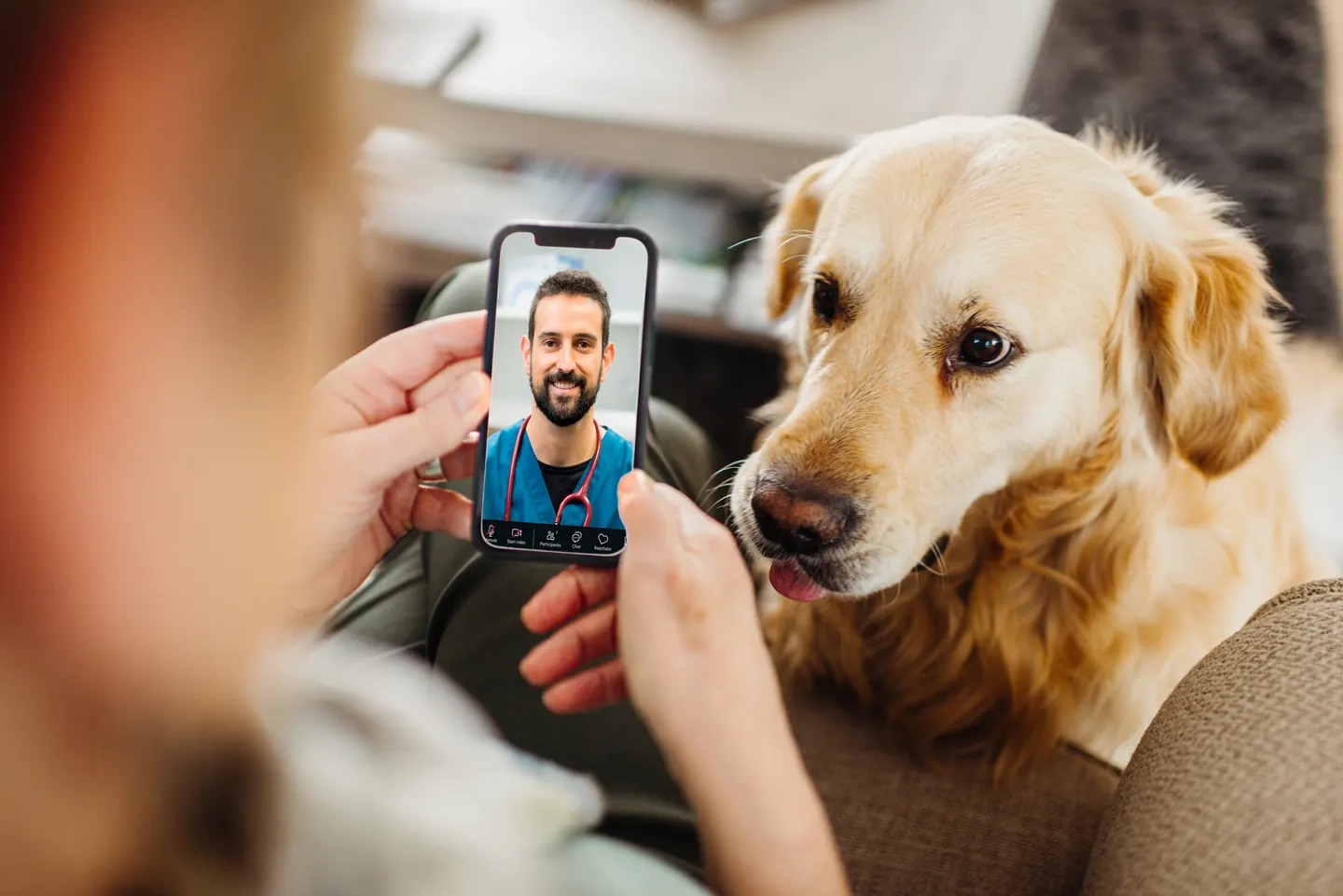
Have a health question about your dog?
Talk to a licensed vet at Dutch over video or message, including nights and weekends.
Use code Pets60
Plans start at $12/month · covers up to 5 pets
- Licensed vets in most states
- Rx for 150+ conditions
- 4.7 on Trustpilot
Signs that may suggest Cushing's disease
Increased drinking, urination, hunger, panting and skin changes require clinical assessment. Apparent weight gain can reflect abdominal enlargement and fat redistribution even while muscles are wasting. Owners may first notice more water-bowl refills, accidents from a previously house-trained dog, restless nights, or a dog seeking food constantly. A dog who is always hungry or seems to eat everything may have increased appetite, but this alone does not diagnose the condition. These signs overlap with other diseases and with the effects of prescribed steroids. Read more about the broader causes of a dog drinking a lot of water.
- 1A pattern of signs can suggest excess cortisol, but diagnosis requires clinical assessment and appropriately chosen tests.
- 2Keep water available. Sudden weakness, vomiting, or reduced appetite during treatment needs prompt veterinary direction, not an assumption that the medicine is working.
Other possible changes include:
- Abdominal enlargement or a potbellied appearance.
- Muscle loss, reduced stamina, or difficulty with normal movement.
- Body hair loss, slow hair regrowth, thin skin, or darker skin.
- Recurrent skin or urinary infections.
- Increased panting without an obvious heat or exercise trigger.

Managing accidents while arranging assessment
Provide frequent opportunities to go outside and avoid punishing accidents. A Paw Inspired washable pee pad can protect a suitable resting area while the cause is investigated. Change it when wet, check that the surface does not slip, and continue normal access to water and toileting. A pad cannot treat increased urine production or an infection.
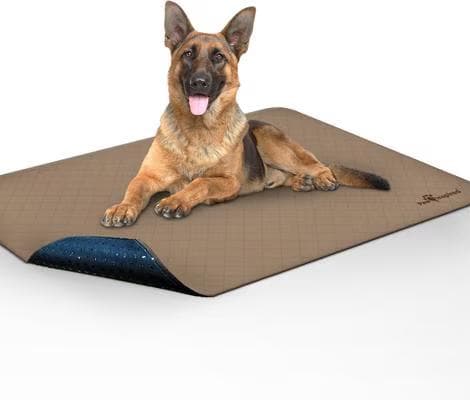
A washable pad can protect a resting area during urinary accidents while normal toilet access and water remain available.
Webvet may earn a commission when you click through to Chewy, at no extra cost to you.
Advanced signs and what photographs cannot stage
With more pronounced disease, abdominal enlargement, body hair loss, fragile skin, and muscle wasting may become more obvious. Hind-leg weakness can affect walking, but a picture of a dog's back legs cannot identify early-stage versus end-stage Cushing's disease. There is no universal three-stage or four-stage photo system for this condition.

The clinical references show possible body changes, not a diagnosis for another dog. Tail hair loss, a changed facial appearance, dark skin, or licking also need examination for other causes. Hypothyroidism can produce some overlapping coat changes. Odor often reflects a secondary skin or ear problem rather than a distinctive “Cushing's smell.”
Before-and-after observations measure improvement without assigning a stage from photographs. Photos taken before and after treatment may document coat or body changes, but they cannot show cortisol control, establish a survival outlook, or prove that treatment is safe. Take consistent photographs for the veterinary record if useful; the reference photographs here are not a matched treatment pair. New seizures, blindness, disorientation, falling, or inability to walk require prompt assessment rather than comparison with an online picture.
Pituitary, adrenal, and steroid-related causes
Pituitary, adrenal and steroid-related disease have different treatment pathways. The term hyperadrenocorticism describes the excessive adrenal-hormone state. In spontaneous disease, the source is usually a pituitary tumor or an adrenal tumor; prolonged exposure to prescribed glucocorticoids can cause an iatrogenic, or treatment-associated, form.
For dogs having frequent accidents, a Pet Parents Pawtect waterproof blanket can protect an appropriately sized bed or resting surface. Keep a dry replacement available and wash soiled bedding promptly. Comfortable bedding helps daily care while testing proceeds; it does not address the hormonal cause.
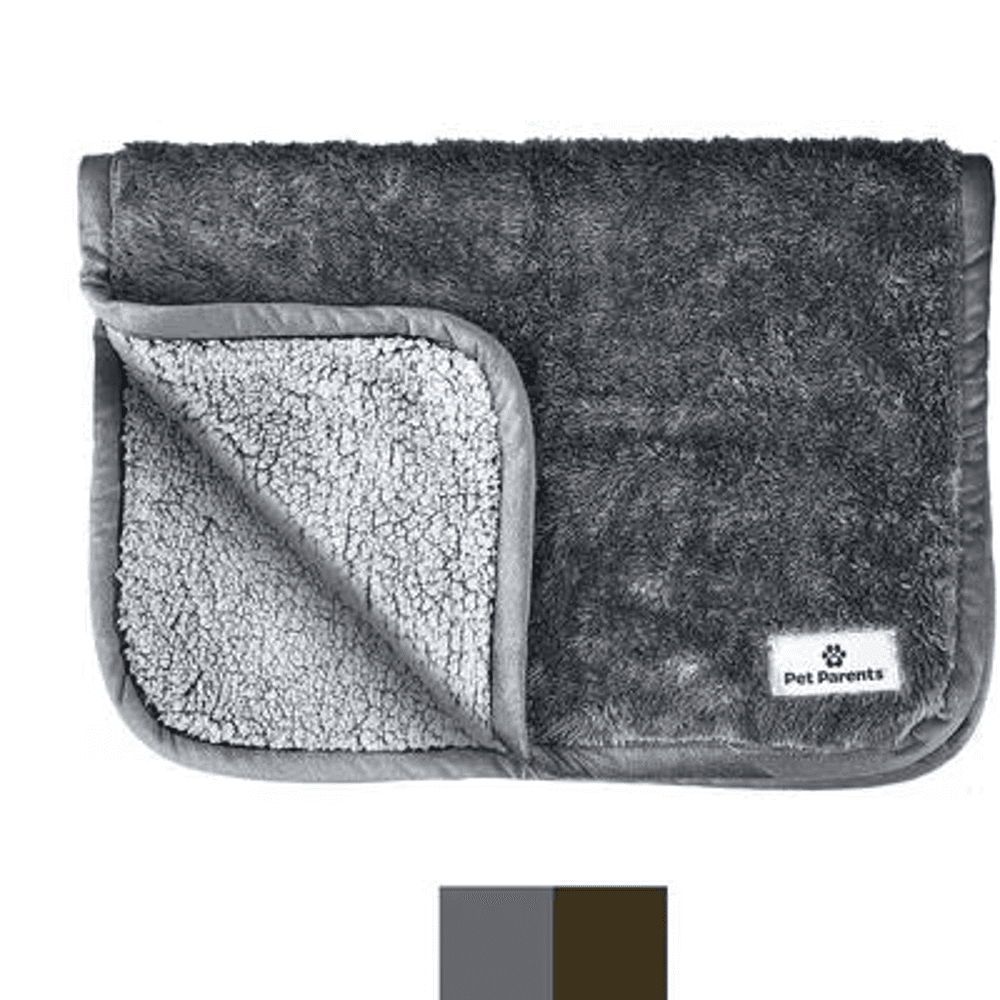
A washable waterproof blanket can protect bedding; replace it promptly when wet and check the skin.
Webvet may earn a commission when you click through to Chewy, at no extra cost to you.
What each cause means
| Cause | What drives the hormone problem | Why it changes treatment |
|---|---|---|
| Pituitary-dependent disease | A pituitary tumor overstimulates the adrenal glands | Medication may control cortisol without removing the tumor |
| Adrenal-dependent disease | An adrenal tumor produces excess hormone | Tumor assessment helps determine whether surgery is appropriate |
| Steroid-related disease | Prescribed glucocorticoids produce excessive effects | The original illness and medicine history guide supervised adjustment; abrupt withdrawal can be dangerous |
Large pituitary tumors, called macroadenomas, may also cause neurological signs through their effects in the brain. Seizures or altered behavior therefore deserve investigation, but they are not specific proof of a pituitary tumor. Hearing loss, eye changes, aggression, anxiety, pacing, or restlessness may have separate causes and should not automatically be attributed to cortisol.
Age and breed risk
Cushing's disease is more often recognized in middle-aged and older dogs. Poodles, Dachshunds, and some terrier breeds are among predisposed groups, but other breeds can be affected. A Maltese, Boxer, Bulldog, German shepherd, or Shih Tzu still needs a symptom-based workup rather than a diagnosis from its breed or age.
Does increasing recognition mean an epidemic?
Seeing more discussions of Cushing's disease does not establish that its incidence is rising. Better recognition and investigation of older dogs can make a condition more visible. There is no reliable home method that prevents spontaneous pituitary or adrenal tumors; use prescribed steroids only as directed, and include injections, creams, ear preparations, and oral medicines in the medication history.
How vets test for Cushing's disease
Routine laboratory abnormalities alone do not establish Cushing disease. Blood counts, chemistry, urinalysis, and sometimes urine culture help evaluate the whole dog, look for complications, and determine whether hormone testing is appropriate. Increased liver enzymes or dilute urine can be clues, but neither is a stand-alone diagnosis.
 Sponsored
Vet care that's always there
Unlimited video calls and messaging with licensed vets for less than a typical vet visit. One membership covers up to five pets.
Use code Pets60
Plans start at $12/month · covers up to 5 pets
- Licensed vets in most states
- Rx for 150+ conditions
- 4.7 on Trustpilot
The AAHA diagnostic guideline emphasizes compatible clinical signs because stress and other illnesses can affect test results. Tell the clinic about all medications and follow its instructions for food, medication timing, and the length of the testing visit.
Different tests answer different questions
- Low-dose dexamethasone suppression test: commonly used when spontaneous Cushing's disease is suspected. The familiar “eight-hour test” compares samples over a scheduled day. Some patterns support a pituitary cause, but failure to suppress does not by itself prove an adrenal tumor.
- ACTH stimulation test: has particular uses in assessing steroid-related disease and monitoring some treatments. It does not detect every spontaneous case equally well.
- Urine cortisol-to-creatinine ratio: a negative result can help make Cushing's less likely. A positive result needs further interpretation because other conditions can raise it.
- Ultrasound and additional hormone tests: may help distinguish pituitary from adrenal disease and guide treatment after the overall evidence is considered.
Urine specific gravity measures concentration, not cortisol. Low urine specific gravity, sometimes abbreviated USG, can occur with many causes of increased drinking. A single cortisol level is also not a reliable replacement for the appropriate endocrine testing protocol.
Other illness and misleading test results
What can be mistaken for Cushing's in dogs includes diabetes, other causes of increased thirst, liver disease, and the effects of steroid medication. Nonadrenal illness and stress can also produce misleading endocrine results, sometimes loosely called “pseudo-Cushing's.” When feasible, the veterinarian may stabilize another illness before testing or repeat a borderline result rather than treating an uncertain finding.
“Atypical Cushing's” and rare meal-induced syndromes require careful specialist interpretation; they are not labels to apply when a home symptom list seems to fit but routine tests do not. Ask what evidence supports the proposed diagnosis and how it changes management. An estimate should separate the examination, routine laboratory work, endocrine testing, imaging, and any repeat testing; a current local quote is more useful than an unsupported online average.
Treatment matched to the cause
Treatment may involve medication to lower cortisol production, adrenal surgery, specialist treatment of a pituitary tumor, or a supervised change to prescribed steroids. The FDA's treatment overview explains why veterinary monitoring is part of therapy. Treatability and the possibility of cure depend on the cause; controlling signs with tablets does not mean a tumor has disappeared.
Frequent comfortable toilet trips remain useful during treatment. A Leash Boss standard dog leash supports controlled outings on a secure route. Let the dog set a comfortable pace; a weak dog needs assessment and possibly a tailored rehabilitation plan rather than strenuous back-leg exercises or unsupervised hydrotherapy.
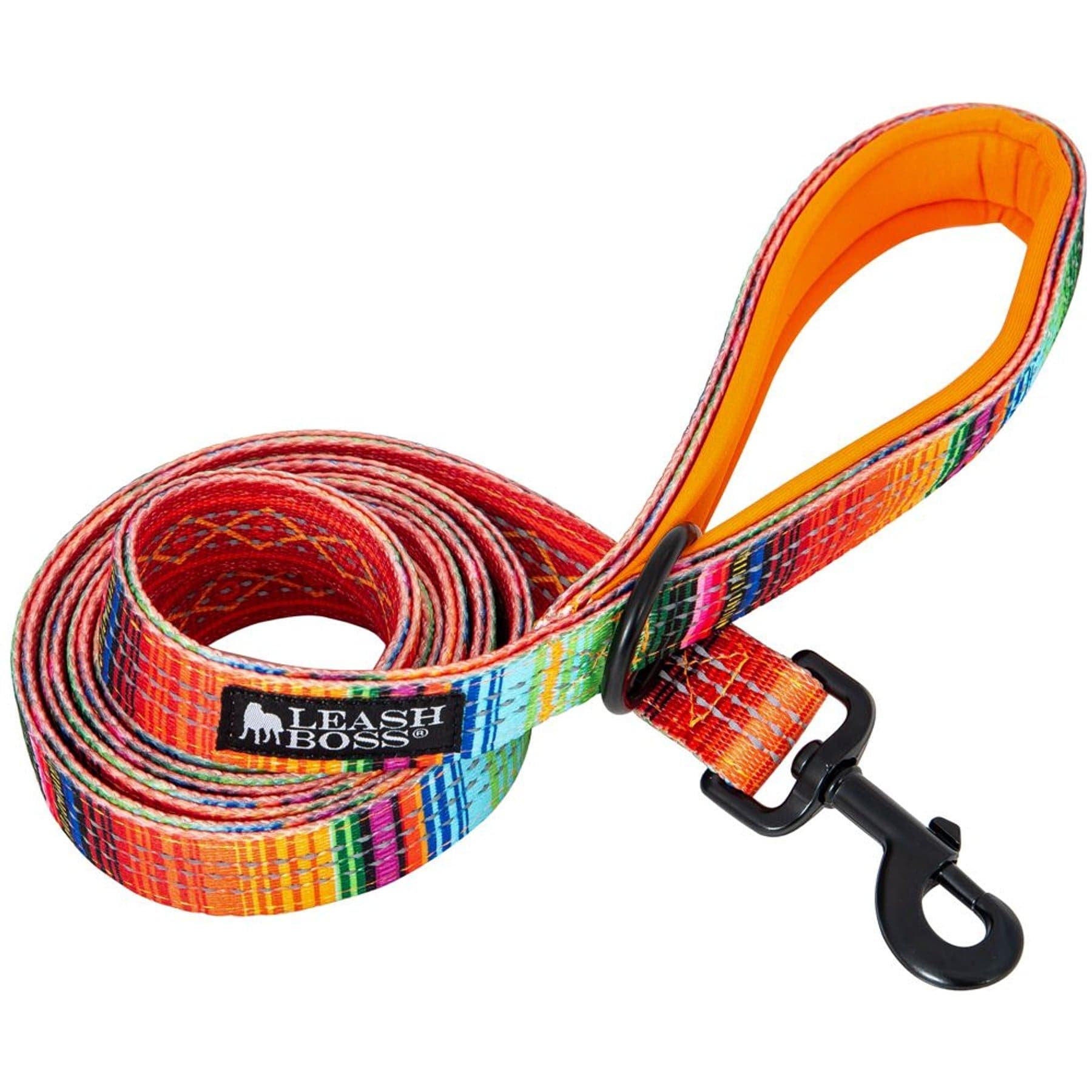
A standard leash supports comfortable, frequent toilet outings without forcing exercise on a weak dog.
Webvet may earn a commission when you click through to Chewy, at no extra cost to you.
Prescription treatment and surgery
Trilostane, sold as Vetoryl, is a commonly used cortisol-lowering medicine for pituitary- and adrenal-dependent disease. Mitotane, also called Lysodren, is another treatment used in selected cases. These drugs are not interchangeable home remedies, and dose changes require the clinician's plan and monitoring.
Selegiline, or Anipryl, has a more limited role in certain pituitary cases and is not an equivalent choice for every dog. Adrenal surgery may offer a chance of cure for an appropriate tumor, but its risks and outlook depend on tumor behavior, spread, concurrent disease, and surgical expertise. Anesthesia for any procedure requires the team to consider the dog's current control and overall health.
Natural products and treatment costs
A holistic approach can address food, comfort, activity, and concurrent illness alongside effective endocrine treatment. There is no proven best supplement that replaces prescribed cortisol control. Melatonin and lignans are discussed online, particularly for atypical disease, but they should not replace established treatment for confirmed spontaneous Cushing's disease. The same limitation applies to homeopathy, CBD or hemp oil, essential oils, and herbal “adrenal support” products, including Adrenal Harmony Gold. A product's availability in Australia or the UK is not evidence that it controls cortisol safely.
The following are not established substitutes for prescription cortisol control:
- Herbal products such as milk thistle, dandelion, turmeric, ginkgo, chasteberry, astragalus, ashwagandha, and ophiopogon.
- DHEA, flaxseed, probiotics, coconut oil, or apple cider vinegar.
- Chinese herbal mixtures such as Si Miao San, or acupuncture.
A separate indication for a liver-support product such as Denamarin does not make it a Cushing's treatment. Review actual ingredients with the veterinarian before adding them.
Ask for the cost of medication plus early rechecks, laboratory monitoring, and management of other disease. Dog size, formulation, testing, location, and treatment choice change the bill. A monthly tablet price alone understates the commitment; this guide does not give an unverified universal UK, US, Australian, or New Zealand cost range.
Monitoring treatment and urgent changes
A washable OurPets Durapet stainless steel bowl can be useful for a small dog if its 0.75-cup size is adequate and it is refilled often. A larger dog, or any dog who empties it quickly, needs greater readily available capacity. Never use a small bowl or delayed refills to restrict water and reduce accidents.
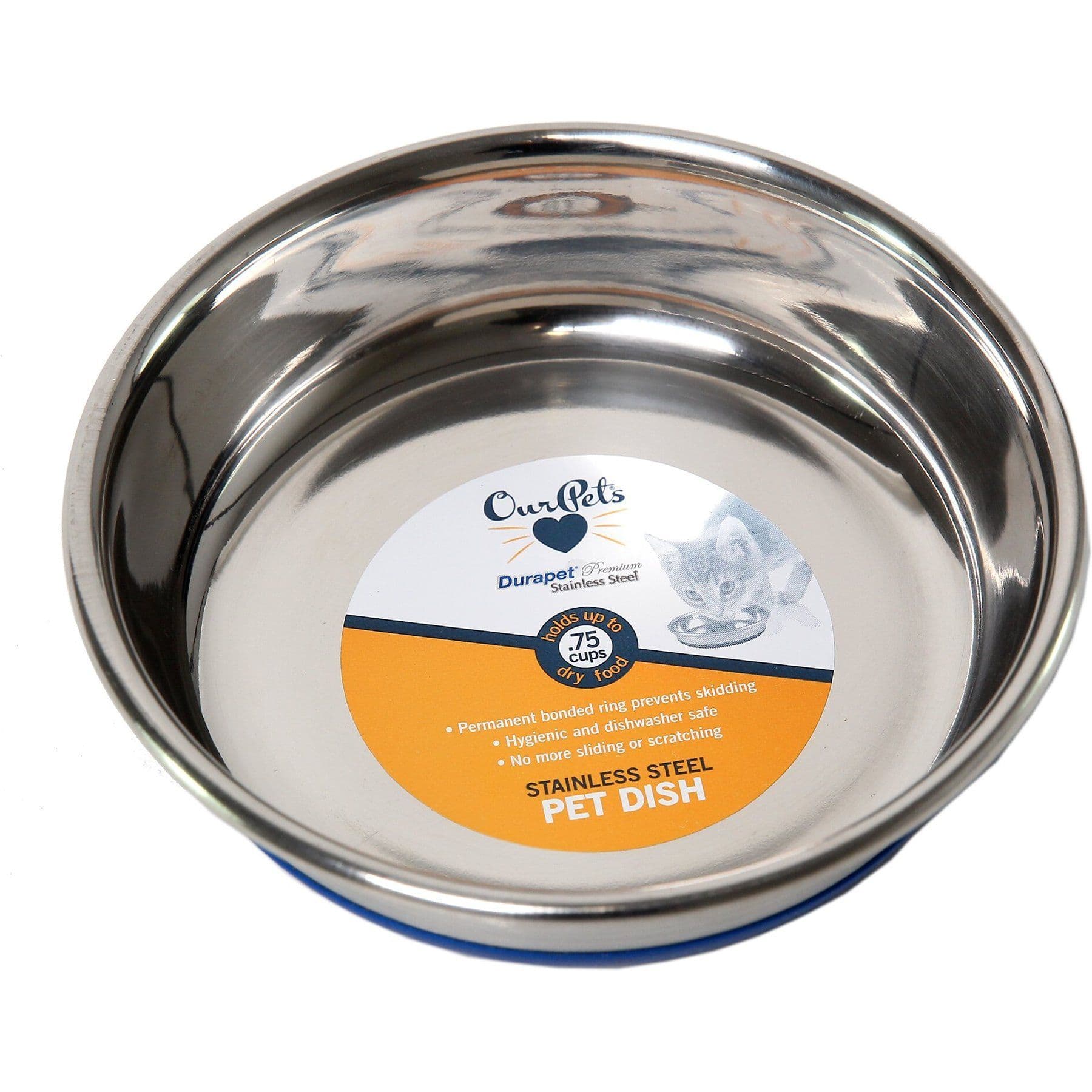
For a small dog, an appropriately sized washable bowl supports freely available water; refill often and use a larger bowl when needed.
Webvet may earn a commission when you click through to Chewy, at no extra cost to you.
Clinical response and scheduled blood tests guide monitoring. Track ordinary drinking and urination, appetite, panting, energy, and skin changes before treatment so improvement can be assessed against a baseline. Keep the clinic's recheck dates even when your dog appears brighter; appearance alone cannot tell whether cortisol has fallen too far.

| Treatment observation | Useful record for the recheck | Change that needs prompt contact |
|---|---|---|
| Baseline thirst and urination | Water offered/refilled, toilet frequency, and accidents | New marked thirst, difficulty urinating, or a dog becoming unwell |
| Appetite and clinical response | Usual meals, hunger, energy, and panting compared with baseline | Reduced appetite, vomiting, diarrhea, or marked lethargy |
| Strength and mobility | Comfortable walking and any difficulty rising | Sudden weakness, collapse, or inability to walk |
| Skin and coat | Consistent photographs, itch, odor, and infection treatment | Painful skin, discharge, wounds, or worsening infection |
| Scheduled blood tests | Exact medication timing, missed doses, and current medicines | Missed rechecks or uncertain dosing need clinic advice, not self-adjustment |
A dog becoming unwell needs a new assessment
A dog with Cushing's who won't eat, is vomiting, has back-leg shaking, or is losing weight needs reassessment. These are not acceptable signs that medication is “working.” During cortisol-lowering treatment, excessive suppression can cause a dangerous low-adrenal-hormone state related to the problems discussed in Addison's disease. Follow the exact medicine's instructions and contact the treating team promptly.
Collapse, severe breathing difficulty, seizures, or inability to stand warrants emergency care. Do not wait for a routine blood-test appointment. Persistent heavy panting also needs discussion, while sudden labored breathing must not be dismissed as ordinary Cushing's panting.
Concurrent conditions change the plan
Urinary infections, high blood pressure, skin infections, and diabetes can complicate management. Excess cortisol can contribute to insulin resistance, so a dog with both disorders needs coordinated treatment. New urinary accidents, unusual odor, or worsening thirst may indicate an infection or another problem rather than simply inadequate cortisol control.
Rare muscle disorders such as myotonia can affect movement and need individual assessment. Weight loss, tremors, falling, blindness, or hearing loss should likewise be investigated on their own merits. Report what changed and when, including the last medication dose, instead of using those signs to assign an end stage at home.
Food, comfort, and long-term outlook
Food choices depend on concurrent conditions and individual nutritional needs. Many dogs can eat an appropriate complete commercial diet, including dry kibble, with measured portions and treats included in the daily allowance. Persistent hunger does not mean unrestricted feeding is safe. A dog eating feces or scavenging needs supervision and a review of hunger and other causes, not simply more calories.
There is no universal Cushing's diet or automatic reason to choose grain-free food. A Royal Canin formula or another brand should be selected for the actual nutritional purpose, not the brand name alone. Homemade recipes require professional formulation; raw food does not treat hormone excess. Diabetes, pancreatitis, abnormal blood lipids, or another illness may change the feeding plan.
Is it worth treating a dog with Cushing's disease?
Treatment can be worthwhile when it improves thirst, accidents, panting, strength, skin health, and participation in daily life. A 14-year-old dog should be assessed as an individual: age matters alongside other illnesses, treatment burden, expected benefit, and what the family can realistically manage. Ask which specific problems are likely to improve and when the team will reassess that benefit.
Choosing not to treat the hormone disorder still calls for a comfort plan and monitoring of complications. Untreated disease does not have one reliable survival countdown, and “terminal” cannot be concluded from a pot belly, hair loss, or an online stage label. Life expectancy with Cushing's syndrome depends on the cause, tumor behavior, complications, and overall health.
Comfort and end-of-life decisions
Offer comfortable rest, frequent toilet breaks, gentle grooming, and exercise matched to stamina. Fragile or infected skin may need a prescribed cleanser or shampoo; avoid harsh scrubbing and unreviewed topical oils. Persistent groaning, inability to settle, painful skin, or difficulty moving deserves assessment for treatable discomfort.
When a family asks whether it is time to put a dog down, discuss euthanasia when suffering cannot be adequately relieved or when the burdens of illness and treatment outweigh an acceptable quality of life. Assess eating, breathing, sleep, mobility, hygiene, interaction, and the balance of comfortable versus distressed days. The diagnosis alone is not a reason to euthanize; an urgent deterioration needs veterinary assessment because some crises or complications are treatable.
Cushing's disease questions
Frequently Asked Questions
How long do dogs live with cushings?
There is no single life expectancy for all dogs with Cushing's disease. Some dogs with a small pituitary tumor and good control live comfortably for years, while an invasive adrenal tumor, a large pituitary tumor, or serious concurrent disease can substantially change the outlook. Ask for a prognosis based on the cause and overall health, then revisit it as treatment response becomes clear.
Are dogs with cushings in pain?
Cushing's disease does not mean every dog is continuously in pain, but weakness, skin infections, urinary problems, and other illnesses can cause discomfort and reduce quality of life. Panting or pacing may reflect several problems and should not be used as a pain diagnosis alone. Have new pain, groaning, restlessness, or difficulty moving assessed so treatable causes are not overlooked.
What foods should dogs avoid with Cushing's disease?
Avoid unplanned excess calories, unsafe human foods, and supplements presented as hormone treatment. There is no universal Cushing's food blacklist: an appropriate complete diet should account for concurrent conditions such as diabetes or pancreatitis. Do not restrict water. Ask the veterinarian about specific fat, calorie, or other nutritional limits for your dog rather than applying another dog's diet.
What is the best wet dog food for dogs with Cushing's disease?
The best wet food is one that meets the dog's individual needs, provides complete nutrition, and fits any treatment for concurrent disease. Wet food is not inherently a Cushing's therapy, and no single canned formula suits every patient. Compare calories and the intended nutritional purpose with the veterinary plan; get professional help formulating homemade food instead of substituting an unbalanced recipe.
Veterinarian · BVMS MRCVS
Dr. Pippa Elliott, BVMS, MRCVS, is a veterinarian with nearly 30 years of experience in companion animal practice. Dr. Elliott earned her Bachelor of Veterinary Medicine and Surgery from the University of Glasgow. She was also designated a Member of the Royal College of Veterinary Surgeons. Married with 2 grown-up kids, Dr. Elliott has a naughty Puggle named Poggle, 3 cats and a bearded dragon.
Related reading

When Do Puppies Start Teething? Timeline, Signs, and How to Help

When Can Puppies Go Outside? A Vet-Reviewed Timeline by Vaccine Stage

New Puppy Checklist: Supplies, First-Week Plan, and Vet Visits
