Addison's Disease in Dogs: Symptoms, Testing, and Long-Term Care
Understand recurring symptoms, adrenal testing, hormone replacement, and how a dependable caregiver plan separates routine care from an Addisonian crisis requiring emergency help.

BVMS MRCVS
Medically reviewed by Dr. Pippa Elliott, BVMS MRCVS · Last reviewed

This article contains affiliate links. Webvet may earn a commission when you buy through them, at no extra cost to you.
Addison's disease in dogs is a shortage of hormones normally made by the adrenal glands. Also called hypoadrenocorticism, it can cause vague bouts of poor appetite, vomiting, diarrhea, and weakness before anyone recognizes an endocrine problem. Some dogs first become ill enough to need emergency care.
Once the condition is diagnosed and stabilized, many dogs do well with consistent hormone replacement and follow-up. The practical challenge is knowing which changes belong in the daily care record and which require immediate veterinary help.

 Sponsored
Have a health question about your dog?
Talk to a licensed vet at Dutch over video or message, including nights and weekends.
Use code Pets30
Plans start at $11/month · covers up to 5 pets
- Licensed vets in most states
- Rx for 150+ conditions
- 4.7 on Trustpilot
Addison's symptoms and the crisis warning signs
Recurrent illness deserves investigation even when a dog seems better between episodes. Severe weakness, collapse, or severe gastrointestinal illness needs emergency assessment. A photograph or a temporarily improved appetite cannot rule out Addison's disease.
What are the first signs of Addison's in dogs?
There is no single first sign. A dog may eat less, seem unusually tired, lose weight, vomit, or develop diarrhea. Signs can wax and wane: recurrent lethargy, poor appetite, vomiting or diarrhea can improve temporarily while the underlying disease remains. Increased drinking or urination can also occur. Tell the vet about previous episodes, not just today's symptoms.
Shaking, trembling, weakness in the back legs, and a change in behavior are important observations, but they are not specific to Addison's. An anxious or irritable dog may feel unwell for many reasons; aggression is not a diagnostic sign of adrenal disease. Hair loss is also not a reliable Addison's marker and deserves a separate skin and endocrine assessment.
Once a veterinarian has prescribed ongoing treatment, a shared medication record helps prevent omissions. The Ezy Dose Weekly 7-Day Dog Pill Organizer may help only if the pharmacist confirms that the exact medicine can safely leave its original packaging. Keep the prescribed schedule with it and store everything beyond pets' and children's reach.
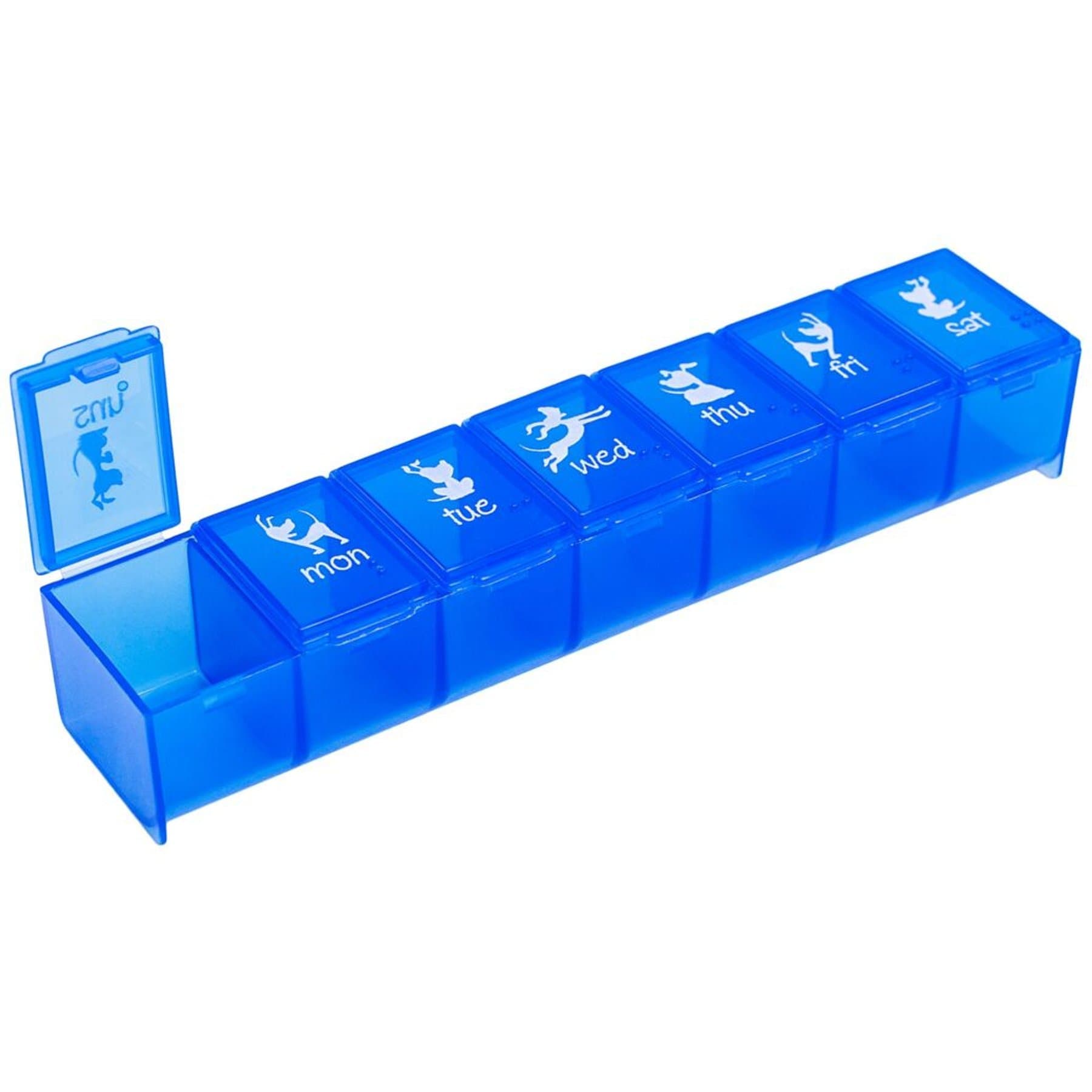
An organizer may support a prescribed schedule if the pharmacist confirms that the medicine can leave its original packaging.
Webvet may earn a commission when you click through to Chewy, at no extra cost to you.

When a flare-up may be a crisis
An Addisonian crisis can involve severe dehydration, low blood pressure, and dangerous electrolyte disturbances. Seek emergency care for collapse, profound weakness, repeated vomiting with inability to keep water down, or severe diarrhea and deterioration. Seizures or an altered level of consciousness are emergencies regardless of the cause.
If a dog with known Addison's disease won't eat, is vomiting, or starts shaking, contact the treating clinic promptly. Do not assume it is an ordinary flare-up that can wait for the next injection. A dog taking Vetoryl or another trilostane product for Cushing's disease who becomes unwell also needs immediate veterinary instructions because treatment can suppress adrenal function excessively. The Cushing's disease guide explains that separate treatment pathway.
What adrenal hormone deficiency changes
The adrenal glands produce cortisol, which supports the body's response to stress, and aldosterone, which helps regulate sodium, potassium, and fluid balance. Cortisol and aldosterone deficiency do not always produce the same electrolyte abnormalities. The missing hormones, laboratory findings, and underlying cause influence the treatment plan.
For an otherwise stable dog on a planned outing, take water and the usual care supplies. The small, 1.5-cup Frisco Silicone Collapsible Travel Bowl can provide a portable drinking container; refill it as needed and choose a larger capacity for a larger dog. A travel bowl cannot correct dehydration or replace veterinary fluids during a crisis.

A small collapsible bowl supports water access during planned outings; refill as needed and choose a suitable capacity.
Webvet may earn a commission when you click through to Chewy, at no extra cost to you.
Typical, atypical, and treatment-related disease
In typical primary Addison's disease, adrenal damage affects both cortisol and mineralocorticoid production. Dogs described as having atypical Addison's may have cortisol deficiency without the expected sodium and potassium abnormalities. Their symptoms can still include lethargy, vomiting, diarrhea, poor appetite, and weakness. Normal electrolytes do not make a sick dog safe, and follow-up matters because the hormone pattern can change.
Secondary disease involves reduced stimulation of the adrenal glands from the brain's hormone-control system. Iatrogenic disease is treatment-related, including adrenal suppression associated with certain medicines or withdrawal of prolonged glucocorticoid treatment. Never abruptly stop a chronic steroid or change a Cushing's medicine without the prescriber's instructions.
Addison's and Cushing's are sometimes described as opposites: Addison's involves too little cortisol, while Cushing's involves excessive cortisol exposure. Their signs and treatment are different, and one cannot be identified simply by comparing photographs. Addison's occurs in cats too, but this guide's testing and medication discussion is for dogs.
What dog breeds are prone to Addison's disease?
Any breed can develop it. Standard Poodles, Portuguese Water Dogs, and some other breeds have recognized predispositions, so family history can matter. A German Shepherd, Bernese Mountain Dog, Maltese, or French Bulldog is not protected simply because it is outside a familiar high-risk list. Male dogs can be affected as well as females.
Discuss inherited risk before breeding an affected dog. A veterinarian or breed health program can explain the evidence for that particular family and breed. There is no household supplement, diet, or screening photograph that reliably prevents Addison's disease.
At what age do dogs develop Addisons?
It is often recognized in young to middle-aged adults, but it can occur outside that group. Age of onset does not confirm or exclude the diagnosis. A history of recurring unexplained illness is more useful to the clinician than assuming a dog is too young or too old to have an adrenal problem.
 Sponsored
Vet care that's always there
Unlimited video calls and messaging with licensed vets for less than a typical vet visit. One membership covers up to five pets.
Use code Pets30
Plans start at $11/month · covers up to 5 pets
- Licensed vets in most states
- Rx for 150+ conditions
- 4.7 on Trustpilot
How vets diagnose Addison's disease
| Finding or test | What appearance can tell you and what testing adds | What it cannot establish alone |
|---|---|---|
| Examination and illness history | Identify dehydration, weakness, circulation concerns, and recurring episodes | No back-leg posture or visible appearance confirms Addison's |
| Sodium potassium findings | Electrolyte changes can raise suspicion and guide urgent stabilization | A sodium potassium ratio alone does not diagnose the disease; normal electrolytes do not exclude it |
| Resting cortisol | A sufficiently reassuring result can help the vet rule out cortisol deficiency | A low result is not confirmation |
| ACTH stimulation | Tests the adrenal cortisol response and helps confirm cortisol deficiency | Results still need medication history and clinical interpretation |
Diagnosing atypical Addison's disease also requires adrenal testing; normal electrolytes do not end the workup. The vet usually starts with an examination, bloodwork, and urine testing. A low sodium-to-potassium ratio, sometimes called the Na:K ratio, is a clue rather than a stand-alone Addison's test. Kidney values, glucose, calcium, and blood-cell findings help assess the whole patient and look for complications or alternatives.
The AAHA diagnostic guidance distinguishes screening cortisol from ACTH stimulation testing. ACTH stimulation confirms cortisol deficiency in the appropriate clinical context; a sodium potassium ratio alone does not diagnose Addison's disease. Tell the clinic about every steroid or adrenal medicine because some treatments affect test selection or interpretation. In a crisis, the team must coordinate testing with urgent stabilization.
For a comfortable rest area during recovery, the small Pet Parents Pawtect waterproof blanket can protect a bed or padded surface. Select a size that fits the dog, change it promptly if soiled, and keep ordinary toilet trips available. Bedding does not treat weakness, incontinence, or dehydration.
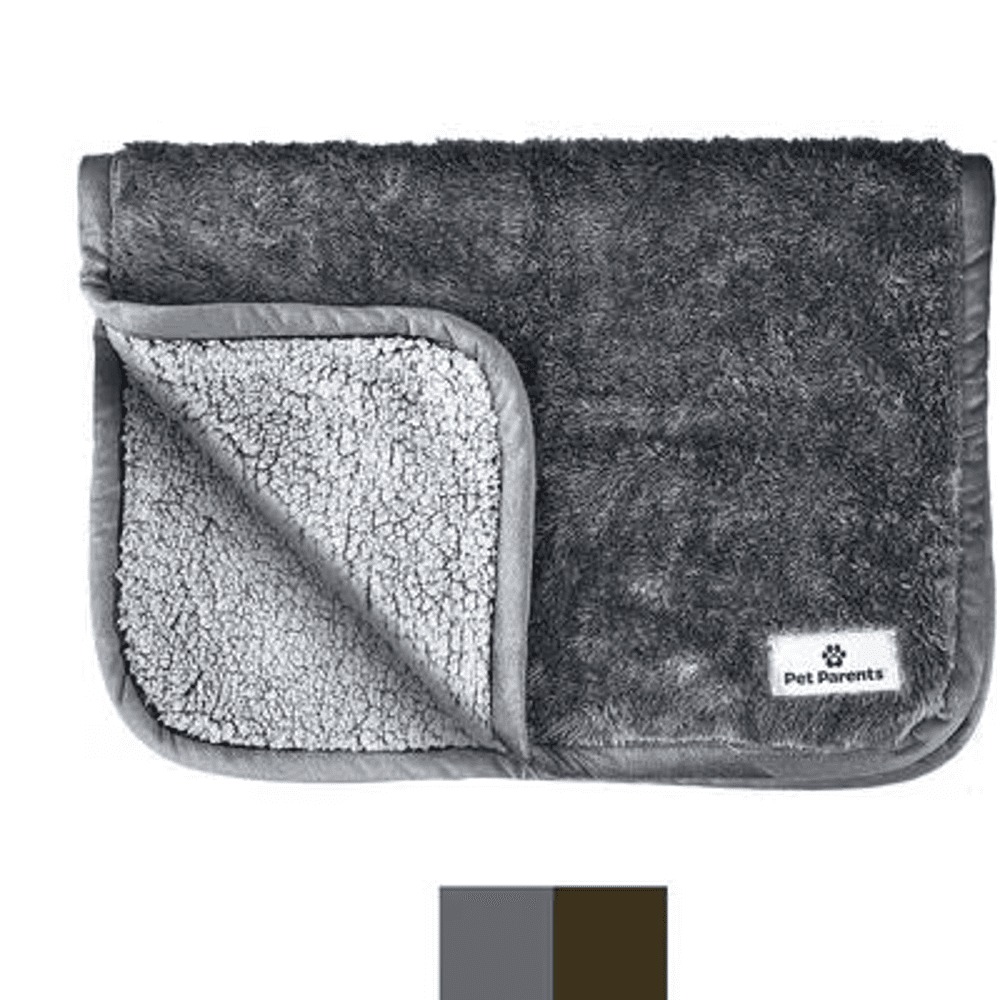
A washable waterproof blanket can protect the rest area during recovery; change it promptly when soiled.
Webvet may earn a commission when you click through to Chewy, at no extra cost to you.
What can be mistaken for Addison's disease in dogs?
Kidney disease and gastrointestinal disorders can produce overlapping signs or laboratory changes. Pancreatitis, liver disease, and some parasite infections may also complicate the picture. “Pseudo-Addison's” describes an Addison-like electrolyte pattern from another cause, not proof of adrenal failure.
Anemia or high calcium can accompany the workup, but neither is diagnostic. Low calcium also needs its own interpretation rather than being assumed to establish Addison's. Regurgitation or suspected megaesophagus requires assessment of the esophagus and aspiration risk. Concurrent diabetes or hypothyroidism needs condition-specific testing and coordinated treatment; one endocrine diagnosis does not automatically explain every symptom.
Can pictures of the back legs help?
Photos or a short video may show your vet when weakness happens and how the dog moves. There is no characteristic Addison's back-leg appearance that a picture can diagnose. Spinal, orthopedic, neurologic, and other metabolic problems can look similar. Photograph only if it does not delay care, and do not make a weak dog stand or walk to demonstrate a sign.
Stabilization and long-term hormone replacement
Emergency stabilization differs from ongoing hormone replacement. During an Addisonian crisis, a veterinary team may provide intravenous fluids, glucocorticoids, electrolyte correction, and close monitoring. Prednisone kept at home is not a substitute for emergency treatment of collapse or severe dehydration.
After stabilization, dogs with cortisol deficiency need prescribed glucocorticoid replacement, often with prednisone or prednisolone. Dogs with mineralocorticoid deficiency also need appropriate replacement, which may involve DOCP injections or oral fludrocortisone. DOCP does not replace cortisol. The vet chooses drugs, timing, and follow-up from the dog's findings; atypical disease does not necessarily require the same regimen as typical disease.
For a planned trip or caregiver change, the small Mobile Dog Gear Week Away Tote can organize bowls, ordinary supplies, and copies of instructions. Keep medicines in their required packaging and conditions; an ordinary tote does not provide temperature control. Pack enough prescribed treatment and know how to reach a clinic at the destination.
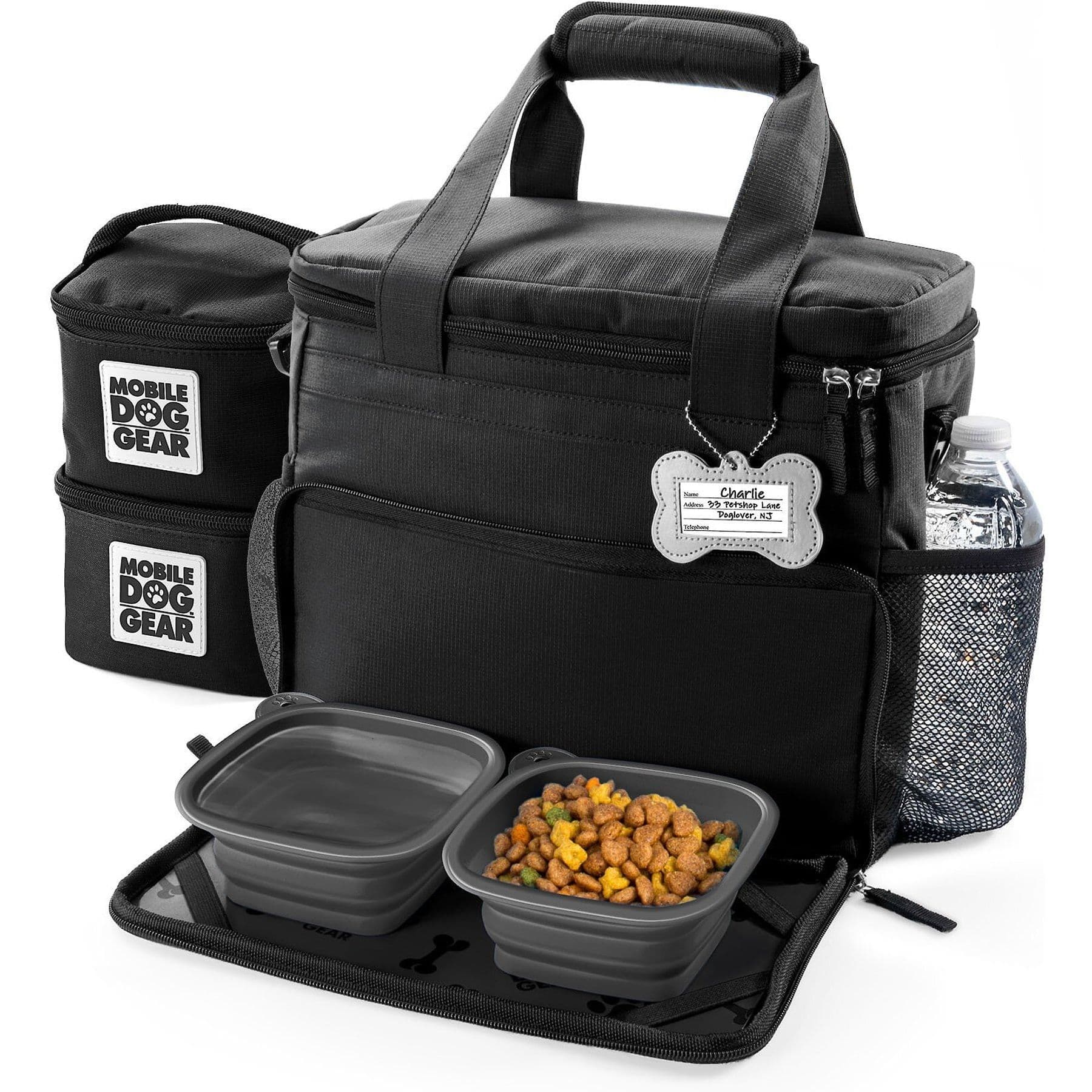
A small travel tote can organize ordinary supplies and the written plan while medicine packaging and storage requirements are preserved.
Webvet may earn a commission when you click through to Chewy, at no extra cost to you.
The AAHA treatment guidance emphasizes individualized treatment and monitoring. Dexamethasone may have a role in clinical care, but owners should not substitute it for another steroid. Ask who gives injections, how refills are arranged, and what to do if a dose is late or vomited.
Can natural treatments replace the medicines?
No proven natural remedy replaces missing adrenal hormones. CBD oil, “adrenal support” supplements, and holistic products should not take the place of prescribed replacement. Share their ingredients with the veterinarian before use because interactions and misleading claims can complicate care. Nutrition and a predictable routine support wellbeing alongside necessary treatment.
A normal-day, stressful-day, and sick-day plan
| Situation | Prepare in advance | What the caregiver records or does |
|---|---|---|
| Normal day | Written veterinary plan, refill dates, and monitoring appointments | Record medicine actually given, appetite, energy, and unusual signs |
| Planned stressful event | Ask about travel, boarding, surgery, anesthesia, or another stressful event | Follow only the clinic's specified changes and tell every care team about Addison's |
| Sick day or missed treatment | Exact instructions for vomiting a dose, missed treatment, and urgent contact | Call for illness or uncertainty; tell the clinic what was given and what stayed down |
| Backup caregiver | Clear backup caregiver handoff and access to the current prescription details | One person confirms each treatment so a dose is neither omitted nor repeated |
How to care for a dog with Addison's disease?
Keep a dependable routine:
- Give medicines consistently and attend scheduled rechecks.
- Watch appetite, activity, drinking, and urination.
- Record vomiting, diarrhea, weakness, or other new signs.
Keep a client handout or shared care sheet with the diagnosis, current prescriptions, treating clinic, and emergency number. A medical-alert tag may help communicate the diagnosis, but it cannot replace the written plan.
Before anesthesia, surgery, boarding, or a vaccination appointment, tell the team about the condition and all medicines. Ask whether that event needs any change to the plan. Do not create your own stress-dose rule or stop routine preventive care without discussing the individual situation.
Choose a complete, balanced dog food that suits the dog's other health needs. There is no universal best Addison's food, and dry food is not automatically unsuitable. A homemade diet needs veterinary nutrition formulation; adding salt or supplements does not reliably replace aldosterone. If the dog will not eat, seek advice rather than solving the problem only by changing brands. The broader vomiting and diarrhea guide covers those symptoms beyond adrenal disease.
Monitoring, cost drivers, and outlook

Rechecks assess the dog's response and, when relevant, electrolytes. Early monitoring can be more frequent while treatment is being established; the schedule becomes individualized after control improves. A dog with atypical disease still needs ongoing review rather than assuming normal initial electrolytes end the investigation.
Report panting, increased thirst or urination, weight gain, urinary accidents or incontinence, unusual hunger, and changing energy. These may reflect medication effects, replacement needs, or another disorder. Low replacement doses can still have side effects. Do not reduce treatment yourself to eliminate a symptom, and do not assume every new problem is Addison's.
Is it expensive to treat Addison's disease in dogs?
Monitoring and refills are recurring cost components. The estimate should separate:
- Initial assessment and ACTH testing.
- Any emergency hospitalization and stabilization.
- Medicines, injections or administration visits.
- Electrolyte monitoring and refills.
A dog's size, regimen, clinical stability, and local fees change the total. Ask for separate estimates for stabilization, the first monitoring period, and ongoing care.
There is no verified current price range here for the US, UK, or Australia. A local written quote is more useful than converting someone else's bill. If cost threatens treatment, tell the clinic promptly so it can discuss feasible options and priorities. Do not ration hormones without instructions.
Many stabilized dogs have a favorable outlook with consistent treatment. Untreated disease can be fatal, but diagnosis alone is not a reason to put a dog down. If persistent suffering, severe other illness, or barriers to care raise euthanasia concerns, discuss realistic treatment options, comfort, and prognosis with the veterinarian. The price of euthanasia is a separate local service quote, not the expected outcome of Addison's disease.
Addison's disease questions
Frequently Asked Questions
What is the life expectancy of a dog with Addison's disease?
With successful stabilization, consistent treatment, and monitoring, many dogs can have a normal life span and good quality of life. Typical versus atypical disease does not supply a reliable individual countdown. Untreated hormone deficiency can become life-threatening, and prognosis also depends on other illness and access to continuing care.
What not to feed a dog with Addison's disease?
There is no disease-specific forbidden-food list for every dog. Use a complete, balanced diet chosen for the individual and avoid unprescribed salt supplements, “adrenal support” products, or an unbalanced homemade ration. Other conditions may require different nutrition. Poor appetite or vomiting is a reason to contact the clinic, not simply switch foods.
Are dogs with Addison's disease in pain?
They can have abdominal discomfort or feel profoundly unwell during gastrointestinal illness or a crisis. Pain is neither required for the diagnosis nor something to dismiss. Abdominal discomfort, worsening weakness, repeated vomiting, or collapse warrants prompt or urgent assessment according to severity; a dog appearing quiet is not proof that it is comfortable.
Veterinarian · BVMS MRCVS
Dr. Pippa Elliott, BVMS, MRCVS, is a veterinarian with nearly 30 years of experience in companion animal practice. Dr. Elliott earned her Bachelor of Veterinary Medicine and Surgery from the University of Glasgow. She was also designated a Member of the Royal College of Veterinary Surgeons. Married with 2 grown-up kids, Dr. Elliott has a naughty Puggle named Poggle, 3 cats and a bearded dragon.


