Hypothyroidism in Dogs: Symptoms, Testing, and Treatment
Understand the gradual signs of low thyroid hormone, why a low screening result needs context, and how treatment and rechecks support recovery.

BVMS MRCVS
Medically reviewed by Dr. Pippa Elliott, BVMS MRCVS · Last reviewed

This article contains affiliate links. Webvet may earn a commission when you buy through them, at no extra cost to you.
Hypothyroidism in dogs means the thyroid gland is not making enough thyroid hormone. A dog may gradually gain weight, slow down, seek warmth, and develop a thinning coat. Those changes deserve an examination, but none establishes the diagnosis alone. Even a low thyroid blood result can have another explanation.
The most useful next step is to connect the pattern at home with the right testing. When true thyroid deficiency is confirmed, prescription hormone replacement and consistent follow-up usually make the condition manageable.
 Sponsored
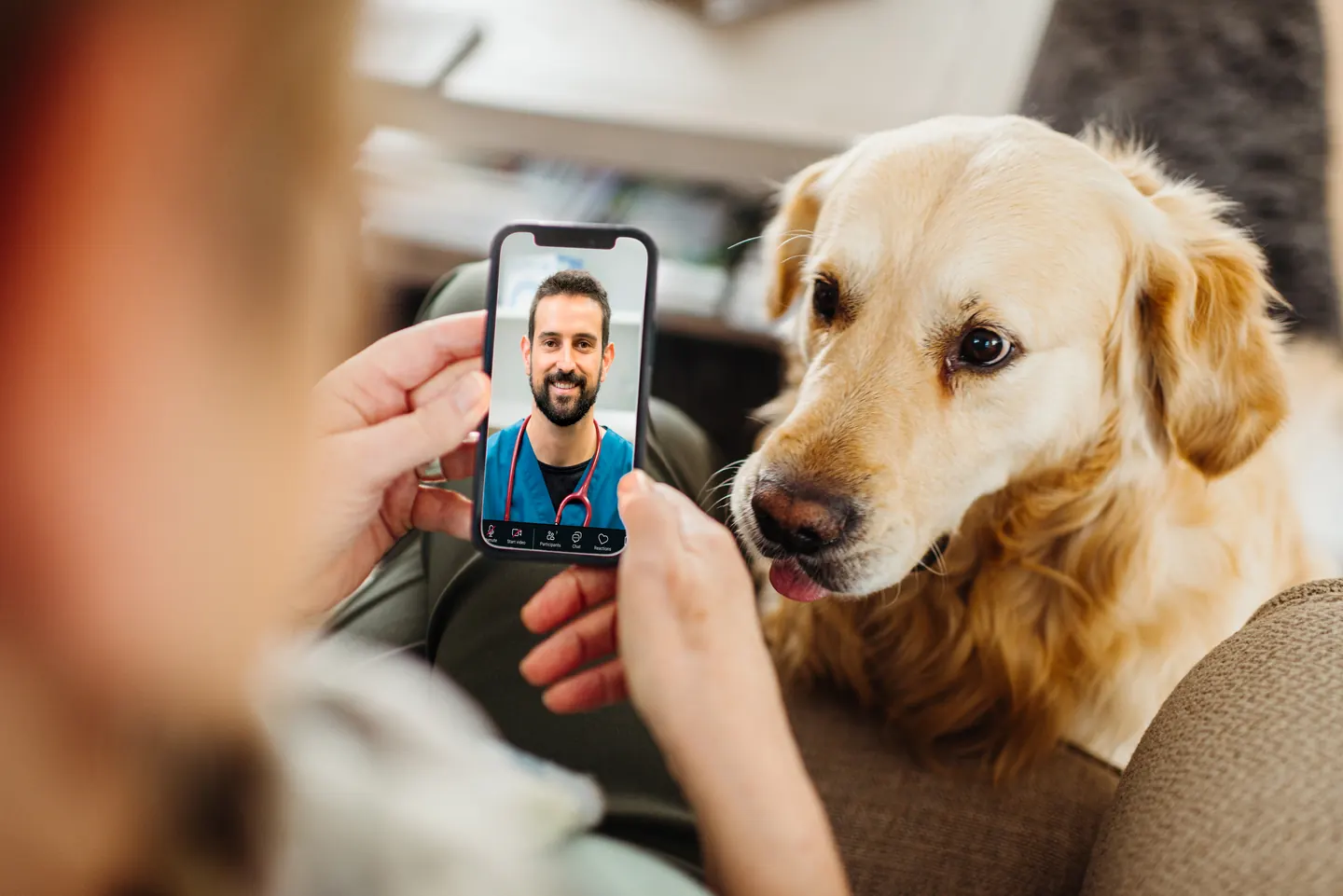
Have a health question about your dog?
Talk to a licensed vet at Dutch over video or message, including nights and weekends.
Use code Pets30
Plans start at $11/month · covers up to 5 pets
- Licensed vets in most states
- Rx for 150+ conditions
- 4.7 on Trustpilot
Symptoms that can suggest hypothyroidism
Weight gain, reduced activity, cold intolerance and coat changes form a pattern requiring assessment. You might notice that walks are shorter, your dog sleeps more, or the usual food allowance is accompanied by a growing waistline. There is no single first symptom shared by every dog; gradual changes are easily mistaken for aging.
- 1Weight gain with reduced energy and coat changes warrants clinical assessment. An isolated low thyroid result does not establish hypothyroidism.
- 2Treatment replaces deficient hormone. Photographs, supplements, and a dog's response to extra attention cannot confirm the diagnosis.
Common findings include:
- Reduced stamina or enthusiasm for normal activities.
- Weight gain without a matching increase in food.
- Seeking warm places or seeming unusually sensitive to cold.
- A dull, dry coat, slow hair regrowth, or thinning hair over the body and tail.
- Recurrent skin or ear problems, sometimes with darkened skin.

Keep a short record of food amounts, weight measurements, activity, and when coat changes began. Bring every medication and supplement name to the appointment. This is more useful than deciding that a sleepy or overweight dog must have a thyroid disorder.
Planning for a consistent routine
If treatment is later prescribed, choose one person or a shared record to track each dose. An Ezy Dose weekly dog pill organizer can help only if the pharmacist confirms that your exact medicine may be stored outside its original packaging. Keep all medication securely away from pets and children; some formulations need their original container.
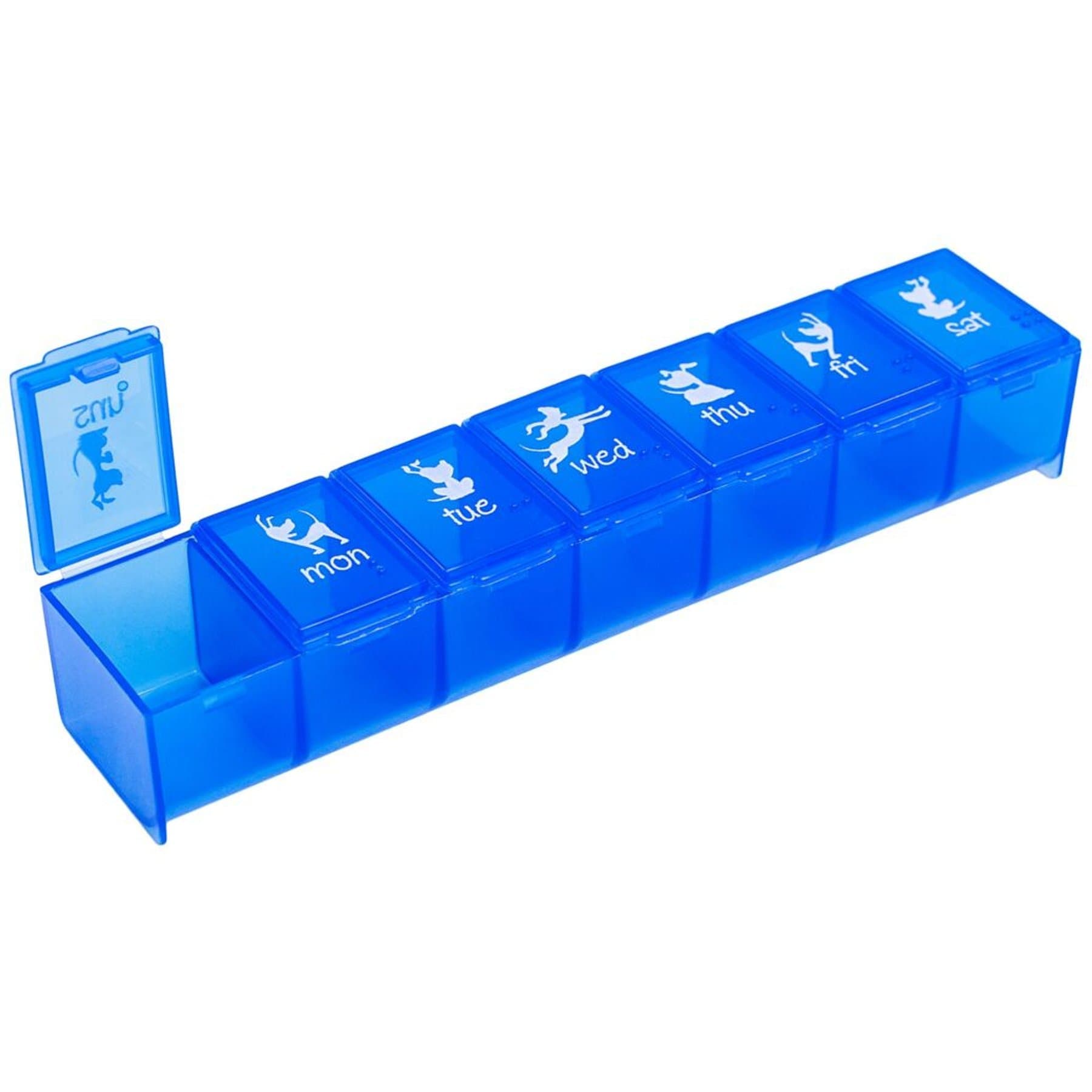
Support an agreed medication schedule only if the pharmacist permits this formulation outside its original packaging.
Webvet may earn a commission when you click through to Chewy, at no extra cost to you.
Coat and facial changes in pictures
Clinical pictures can show coat thinning that is fairly symmetrical across the trunk. A sparsely haired tail is sometimes called a “rat tail.” Some affected dogs have a puffy facial appearance, historically described as a “tragic face,” because tissue changes alter the outline around the head. That expression does not tell you whether the dog feels sad.

These reference images illustrate possible appearances, not a home diagnostic test. Many dogs with hypothyroidism never develop dramatic facial changes, while allergies, parasites, infections, and other hormone conditions can cause hair loss. The broader dog skin problems picture guide explains those overlapping appearances.
Causes, age, and breed risk
Most acquired canine hypothyroidism develops when thyroid tissue is damaged by immune-mediated inflammation or gradually loses functional tissue. The thyroid gland is the organ where the hormone deficiency usually begins, but its effects extend throughout the body: energy use, skin and hair growth, heart function, and other systems can change.
Middle-aged dogs are commonly diagnosed, although age alone cannot rule it in or out. Some breeds are predisposed, but a Chihuahua or Bernese Mountain Dog with compatible changes still needs the same clinical evaluation. A breed name does not establish the cause of weight gain, tiredness, or hair loss.
For a dog whose activity has dropped, keep walks within comfortable limits while arranging assessment. A Leash Boss standard dog leash supports short, controlled outings; increase exercise gradually when the veterinarian agrees, instead of pushing an exhausted dog to lose weight through hard exercise.
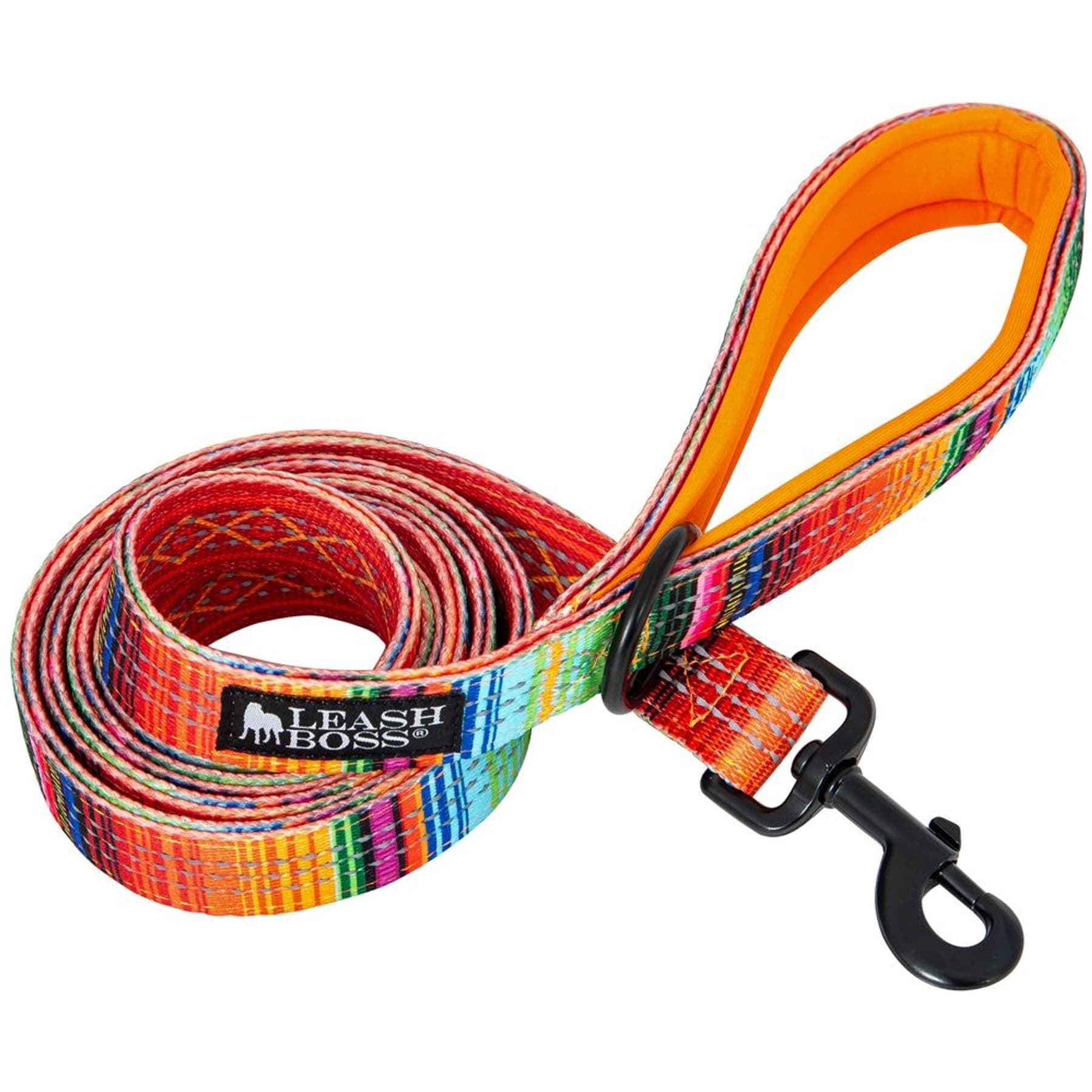
Use a standard leash for short, gradually increased activity appropriate to the dog.
Webvet may earn a commission when you click through to Chewy, at no extra cost to you.
Prevention and behavior changes
There is no established home routine that reliably prevents the common acquired forms of hypothyroidism. Appropriate nutrition and regular examinations support general health, but extra iodine or a thyroid supplement is not preventive care for a normally functioning gland.
Behavior changes, including new irritability or aggression, need their own assessment. Thyroid disease may enter the medical workup when other signs fit, but aggression alone is not evidence of hypothyroidism and thyroid hormone is not a general behavior treatment. Pain, fear, and other illness may require attention as well.
The diagnostic principles also apply in the UK and Australia. Available formulations, laboratory methods, and costs differ locally; use the treating clinic's instructions rather than importing another dog's prescription or online treatment schedule.
 Sponsored
Vet care that's always there
Unlimited video calls and messaging with licensed vets for less than a typical vet visit. One membership covers up to five pets.
Use code Pets30
Plans start at $11/month · covers up to 5 pets
- Licensed vets in most states
- Rx for 150+ conditions
- 4.7 on Trustpilot
Why a low thyroid result is not the whole diagnosis
A veterinarian diagnoses hypothyroidism by combining the history, examination, clinical signs, and appropriate thyroid testing. A thyroid screening result must be interpreted in the context of the dog who produced it.
| Thyroid test interpretation | What it contributes | What it cannot establish alone |
|---|---|---|
| Total T4 thyroid hormone screening | A useful starting measurement when clinical signs support testing | A low result can reflect nonthyroidal illness, medication effects, or breed differences |
| Free T4, often measured by equilibrium dialysis | Helps clarify thyroid hormone status alongside other findings | Severe nonthyroidal illness can lower this result too |
| Thyroid-stimulating hormone, or TSH | Adds evidence about the body's signal to the thyroid gland | A normal TSH does not exclude every case |
| Examination, history, and routine laboratory tests | Reveal the symptom pattern, other illness, and clues such as high cholesterol | Similar abnormalities occur in conditions unrelated to the thyroid |
What labs will be abnormal with hypothyroidism?
A typical supportive pattern is low total T4 and free T4, sometimes with increased TSH. Not every affected dog has high TSH. Routine bloodwork may also show increased cholesterol, but those findings are not specific. The combination of results matters more than a single abnormal number.
What is commonly misdiagnosed as hypothyroidism?
A common diagnostic trap is nonthyroidal illness, also called euthyroid sick syndrome: another illness suppresses thyroid measurements even though the gland itself is functioning. This can be mistaken for primary hypothyroidism if the result is interpreted without the clinical context. Some medications have similar effects, and certain breeds, especially sighthounds, may normally have lower concentrations than a general laboratory range suggests. Tell the veterinarian about drugs and recent illness before testing; do not stop prescribed medication on your own.
This is why hypothyroidism can be overdiagnosed when a low total T4 becomes the whole explanation. Severe illness can also lower free T4. The AAHA diagnostic guidance recommends interpreting results with clinical suspicion and, when feasible, testing after other illness is stabilized.
Comfortable rest remains useful while energy returns. A FurHaven NAP Ultra Plush bed offers a low resting surface when its size suits the dog. Put it in a quiet, comfortably warm area, without a heat source that could burn skin. Bedding supports comfort but does not replace the missing hormone.
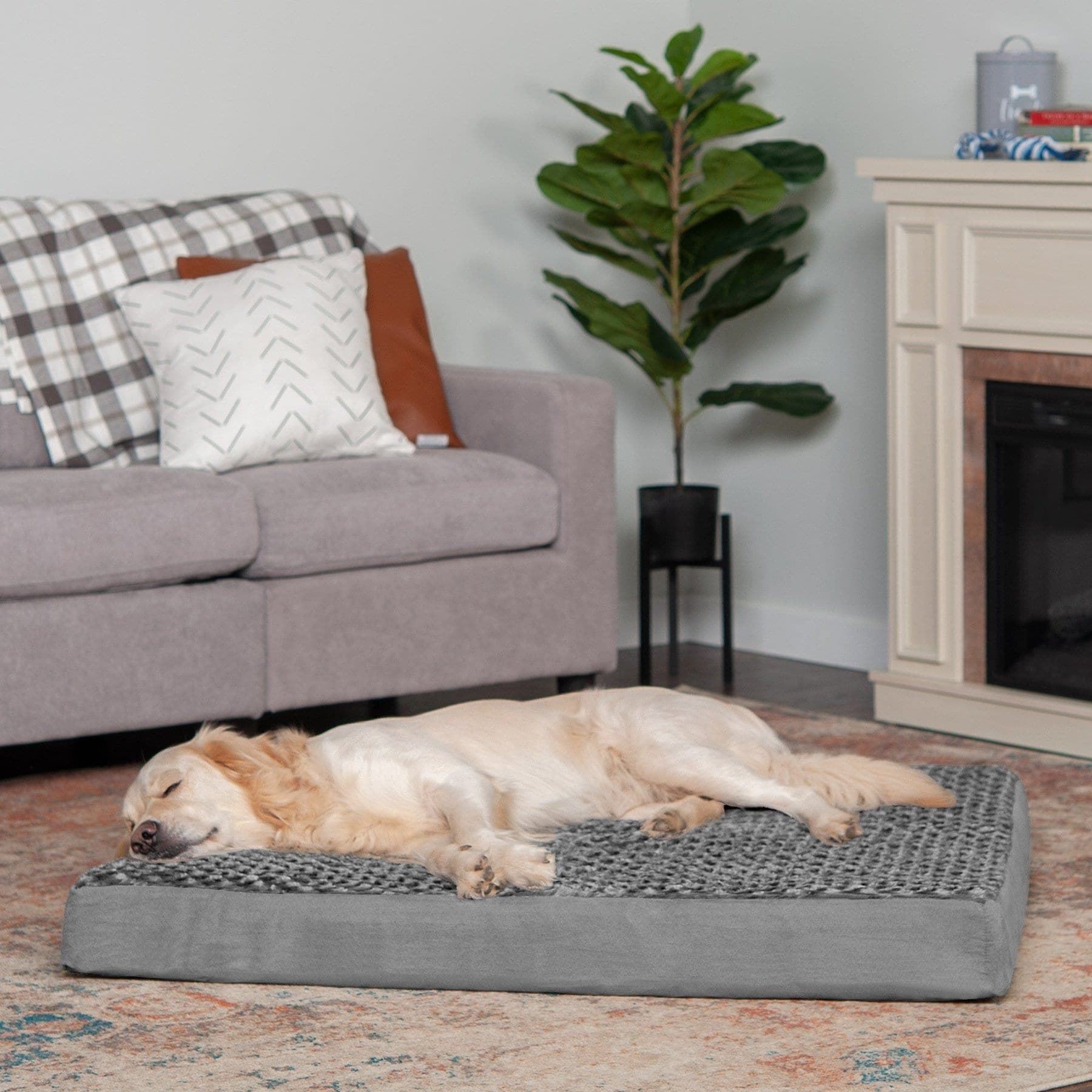
Provide comfortable low-access rest without claiming that bedding treats thyroid deficiency.
Webvet may earn a commission when you click through to Chewy, at no extra cost to you.
What can be mistaken for hypothyroidism?
Other causes of unexplained weight changes, orthopedic pain, skin disease, and Cushing's disease may resemble parts of the picture. A dog can also have more than one problem. A normal screening result usually makes hypothyroidism less likely, but conflicting clinical findings may justify further investigation rather than either automatic treatment or automatic dismissal.
Levothyroxine treatment and follow-up testing
Levothyroxine, a synthetic form of thyroxine, replaces deficient hormone; monitoring guides adjustments. It is the standard first-line treatment for confirmed hypothyroidism, given orally on the veterinarian's schedule. Product, dose, dosing frequency, other medicines, and the relationship to meals all matter. Do not calculate a dose from another dog's weight or increase it because hair has not regrown yet.
Can hypothyroidism be reversed without medication?
The common acquired forms are usually managed rather than cured: treatment supplies hormone the damaged gland cannot reliably make. A dog looking normal on medication does not mean the original deficiency has reversed. Stopping treatment to “see what happens” can allow signs to return; any reassessment of the diagnosis should be supervised.
Treating hypothyroidism naturally
Natural treatment, home remedies, homeopathy, Chinese herbs, and products advertised as thyroid support have not been established as substitutes for prescribed replacement in a truly hypothyroid dog. A silver-containing “thyroid support” product does not supply a veterinarian-controlled levothyroxine dose. Discuss the actual ingredients before adding any supplement, including products marketed as holistic.
What follow-up involves
The AAHA treatment guideline describes an initial check about four weeks after starting treatment, with earlier assessment when signs persist or excess hormone is suspected. The clinic may schedule a sample several hours after a dose to assess the response. Your appointment instructions determine the timing for your dog's formulation and plan.
A small OurPets Durapet stainless steel bowl can hold a measured portion if its 0.75-cup capacity suits that meal. Larger dogs may need a larger bowl. The bowl's capacity is not a calorie prescription; use the food's calorie information and the veterinary feeding plan.
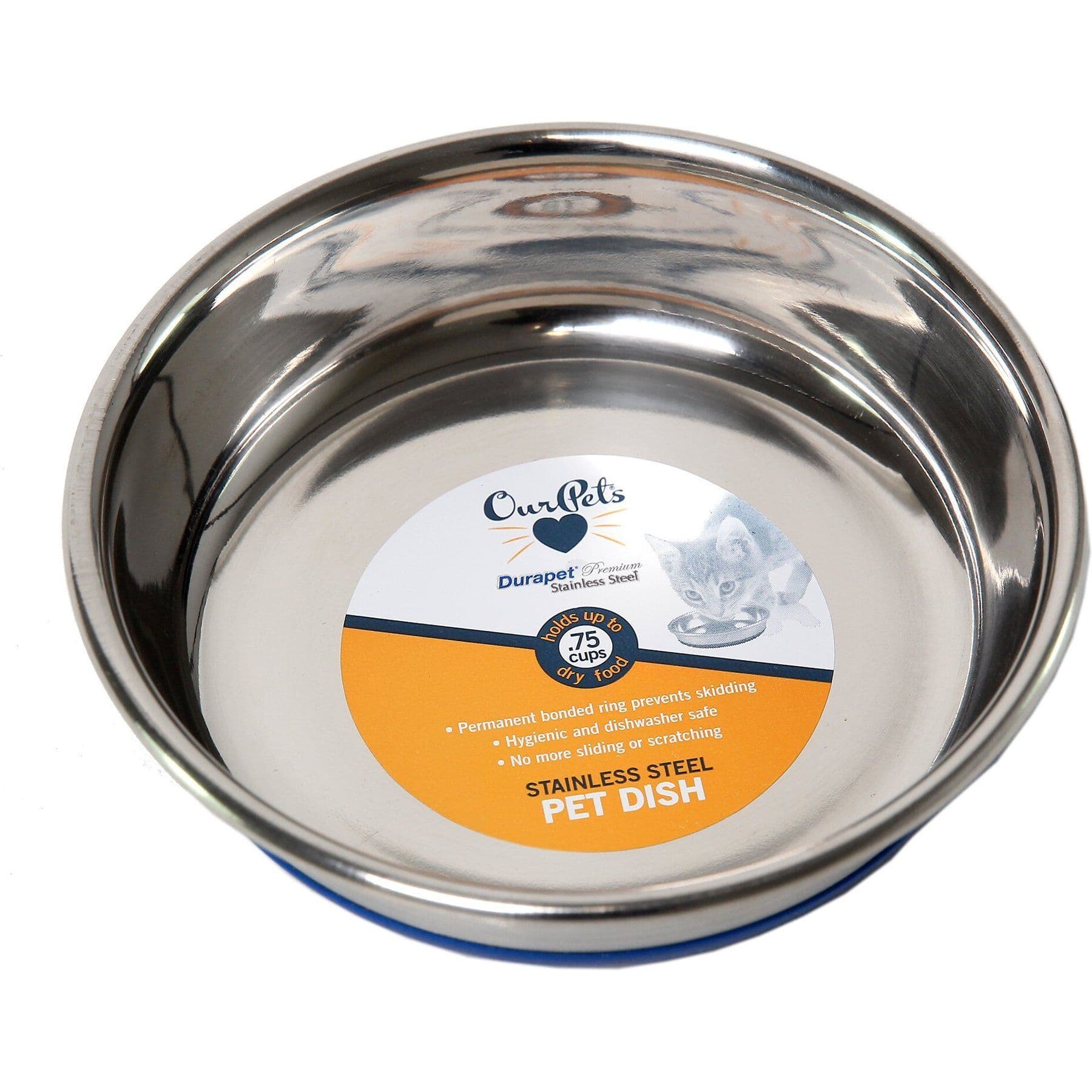
Use an appropriately sized washable bowl for the agreed measured meals.
Webvet may earn a commission when you click through to Chewy, at no extra cost to you.
Ask for a written client handout with the dosing, meal timing, missed-dose instructions, and recheck date so every caregiver follows the same plan. At follow-up, bring:
- The prescription container and current dosing schedule.
- The last dose time and whether it was given with food.
- A record of missed doses, changed products, or added medicines.
- Changes in weight, energy, appetite, thirst, and skin problems.
Once control is stable, rechecks are still needed; AAHA describes ongoing monitoring commonly every six to twelve months, individualized to the patient. Ask for an estimate covering the initial workup, medicine, early dose-adjustment visits, and later blood tests. A UK price or another clinic's monthly tablet cost will not represent all of those components.
Food, weight, coat care, and everyday activity
A complete diet and an agreed calorie allowance support weight management while treatment addresses the hormone deficiency. Measure the whole day's food, including treats and food used to give pills. Do not sharply restrict calories or assume that the dose should increase whenever weight loss is slow.

Choosing food without a thyroid-food shortcut
There is no universal best wet, canned, or dry dog food for hypothyroidism. Choose a complete diet appropriate to life stage, body condition, and concurrent disease. A German shepherd and a small-breed dog may need very different portions and feeding arrangements; neither needs a special formula solely because of the breed label. Availability in Canada or another country also does not establish clinical suitability.
Raw diets do not repair the thyroid gland. Homemade feeding needs a balanced formulation from a qualified veterinary nutrition professional, especially during calorie restriction. Do not replace a complete food with meat, vegetables, or a list of “thyroid-friendly” ingredients gathered online.
Kelp and iodine supplements can add inconsistent or excessive iodine; they are not routine treatment for the common causes of canine hypothyroidism. There is no general reason to single out millet in an otherwise appropriate complete diet. Discuss a specific food or ingredient concern with the clinician rather than importing a human thyroid-food blacklist.
Supplements and coat care
CBD oil and coconut oil have not been established as hormone replacement. Oils also add calories, and any supplement should be checked for interactions and suitability. A product described as the “best thyroid supplement” does not bypass the need to confirm the diagnosis and monitor treatment.
Brush gently, keep the skin clean as instructed, and have redness, odor, discharge, or itch examined. Secondary skin or ear infections may need separate treatment. Increase enjoyable activity gradually as stamina improves, while continuing the food and weight plan; vigorous exercise is not a substitute for medical control.
Expected improvement and reasons to call the vet
Energy may improve before coat growth and weight changes. Clinical signs can begin improving relatively quickly after appropriate replacement, while hair regrowth is slower. Photographs taken under similar conditions can document coat progress, but the absence of rapid cosmetic change is not a reason to increase medication independently.
Unexpected restlessness, weight loss or increased thirst during treatment needs veterinary advice. Excess thyroid hormone can cause panting, nervousness, increased activity, increased appetite or thirst, and other changes. The FDA's canine hypothyroidism guidance explains why prescription treatment needs monitoring.
What are the red flags for hypothyroidism?
A dog with hypothyroidism who is not eating, panting, shaking, or drinking and urinating much more than usual needs reassessment. Increased drinking and urination are also called polyuria/polydipsia, or PU/PD. PU/PD in a hypothyroid dog is not automatically caused by the thyroid disorder. Contact the veterinarian promptly, especially when these changes start after a medication change. Increased thirst and weight loss also warrant investigation for conditions such as diabetes in dogs, rather than assuming the thyroid disorder explains everything.
- Seek emergency care for collapse, marked breathing difficulty, seizures, or inability to stand.
- Call promptly about a dog who will not eat, repeated vomiting, profound weakness, or a substantial new change in thirst or urination.
- Arrange reassessment if energy, weight, or skin problems are not improving as expected despite giving treatment consistently.
Tell the clinic the exact medicine, dose, last administration time, and recent changes. Do not double a missed dose or use another animal's tablets. The next step may be testing, a supervised adjustment, or investigation of a different illness.
Hypothyroidism questions
Frequently Asked Questions
What foods should dogs with hypothyroidism avoid?
There is no universal canine thyroid-food blacklist. Feed an appropriate complete diet, limit unplanned extra calories, and avoid adding kelp or iodine supplements unless the veterinarian specifically recommends them. Keep the medicine's relationship to meals consistent with the prescription. A concurrent condition may create additional dietary restrictions, so check the whole health picture before changing food.
What is the life expectancy for dogs with hypothyroidism?
Many dogs with well-managed hypothyroidism can have a normal lifespan and good quality of life. Consistent treatment and monitoring are central, but an individual dog's age and other illnesses also affect the outlook. A new diagnosis is not itself a prediction of a short life, and failure to improve deserves reassessment rather than assuming treatment cannot help.
Which dog breeds are prone to hypothyroidism?
Golden Retrievers and Doberman Pinschers are among breeds with recognized predisposition. Other breeds and mixed-breed dogs can also develop the condition. Breed risk helps interpret a compatible symptom pattern but cannot diagnose a dog; age, examination, medication history, and appropriately interpreted blood tests still matter.
Veterinarian · BVMS MRCVS
Dr. Pippa Elliott, BVMS, MRCVS, is a veterinarian with nearly 30 years of experience in companion animal practice. Dr. Elliott earned her Bachelor of Veterinary Medicine and Surgery from the University of Glasgow. She was also designated a Member of the Royal College of Veterinary Surgeons. Married with 2 grown-up kids, Dr. Elliott has a naughty Puggle named Poggle, 3 cats and a bearded dragon.
Related reading

Salivary Mucocele in Dogs: Symptoms, Surgery, and Recovery

Diabetes in Cats: Symptoms, Treatment, and Remission

Diabetes in Dogs: Early Signs, Diagnosis, and Daily Management
