Normal Respiratory Rate for Dogs: Resting Rate Chart
Learn how to count a dog’s resting breaths, compare readings with a contextual chart, and recognize when a high rate or visible breathing effort needs veterinary help.

BVMS MRCVS
Medically reviewed by Dr. Pippa Elliott, BVMS MRCVS · Last reviewed

This article contains affiliate links. Webvet may earn a commission when you buy through them, at no extra cost to you.
The normal respiratory rate for dogs is commonly around 15–30 breaths per minute during quiet rest or sleep. Count chest movements when your dog is settled and not panting. The setting matters: a panting dog after activity is not providing a resting measurement.
Breathing effort matters as much as speed. A dog that struggles to breathe, collapses, or has pale or blue gums needs emergency care. Do not delay help to finish a count or wait for a particular number.
Normal respiratory rate for dogs: chart by context
VCA’s home breathing-rate guidance uses 15–30 breaths per minute for dogs and cats resting calmly or sleeping. Other general references describe somewhat different ranges. A veterinarian’s target for a dog with known disease may be more specific than a general chart.
- 1Count during genuine rest or settled sleep, with the mouth closed.
- 2A repeatedly elevated rate or a change from baseline deserves a veterinary call.
- 3Breathing difficulty is an emergency, regardless of the count.
This rate-effort-context chart separates resting respiration from panting and shows why visible distress overrides a normal number. Count one rise and fall as one breath, then consider the dog’s comfort. The see-a-vet row keeps urgent action beside the reference so a seemingly acceptable breaths-per-minute count does not delay care for difficult breathing.
Optional monitoring between planned check-ins
Maven’s dog health tracker can be considered as an optional record of trends to discuss with the veterinary team. It does not replace watching breathing effort or learning a manual sleeping-rate count. Ask what the device measures and how your veterinarian would use its data before choosing a monitoring service.

A collar-mounted sensor and app for activity, rest, sleep, respiratory rate, heart-rate trends, itch behaviors, and more.
- Builds a personalized baseline over time
- Tracks trends between veterinary visits
- Generates a month-long shareable report
Health monitoring for dogs and cats
Webvet may earn a commission when you click through to Maven Pet, at no extra cost to you.
| Situation | Useful reference | Next step |
|---|---|---|
| Quiet rest or settled sleep | Often 15–30 breaths per minute | Compare with the dog’s usual pattern |
| Panting, recent exercise, heat, or excitement | Not a valid resting count | Let an otherwise well dog settle; assess the situation |
| Repeatedly above 30 at genuine rest or sleep | Above VCA’s home reference | Contact your veterinarian about the pattern |
| Repeated counts around 50–70 during settled sleep | Clearly elevated compared with that reference | Seek prompt veterinary advice; do not dismiss as normal panting |
| Known heart or lung disease | Individual target set by the treating veterinarian | Follow the specific action plan |
| See a vet: labored breathing, collapse, blue or pale gums, inability to settle | Emergency signs at any rate | Seek emergency care now |
Normal dog respiratory rate while sleeping is not a guarantee of normal lungs or heart function. A count captures only frequency, not how much effort each breath requires or whether oxygen delivery is adequate. Interpret the number with the dog’s comfort and overall condition.
Keep the resting setup familiar
A quiet, familiar resting place helps you compare like with like. If your dog needs a bed, the FurHaven Cuddler bed is one option; the linked model is Large. Record whether the dog was settled there or had just moved. No particular bed is required to take a useful sleeping-breathing count.
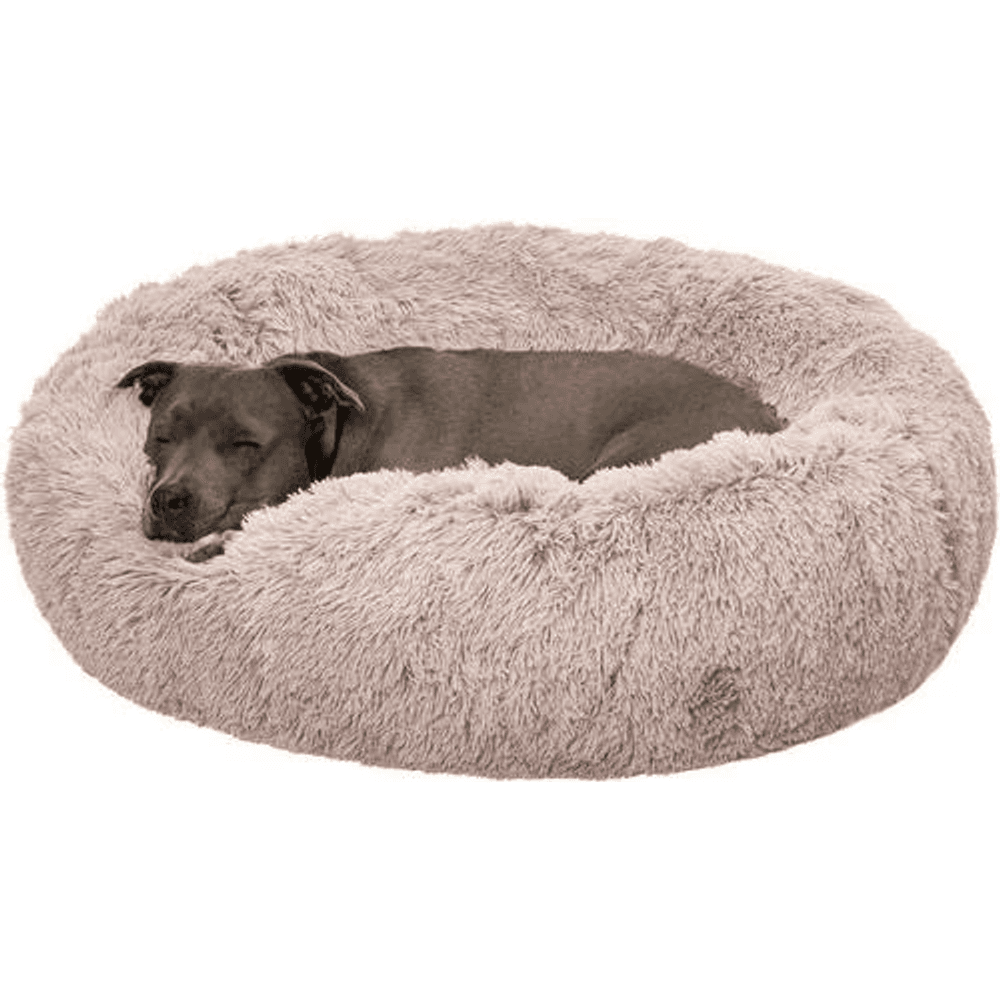
An optional Large resting bed when a new bed is needed. A familiar existing resting place is also suitable.
Webvet may earn a commission when you click through to Chewy, at no extra cost to you.
How to count a dog’s breathing rate
For counting dog breaths, watch the chest or flank from a short distance. Choose settled sleep or quiet rest when your dog is not panting, moving, or actively dreaming. You do not need to touch the dog, lift a leg, or use a stethoscope.

To check dog respiratory rate:
- Watch the chest rise and fall. Together, that is one breath.
- Count for 30 seconds using a timer.
- Multiply by two to obtain breaths per minute.
- If the pattern is uneven or counting is difficult, use a full minute when possible.
- Record the number, time, and whether your dog was awake or asleep.
For example, 12 complete breaths in 30 seconds equals 24 breaths per minute. Do not count the rise and the fall separately; that doubles the apparent rate. A short sample during movement can also give a misleading result.
Observe rest without approaching the bed
An INSTACHEW Purrsight camera can provide a view of your dog's usual resting place without approaching or waking it. Use it for observing behavior, not for measuring a pulse or diagnosing a breathing problem. Choose a view that shows the resting area, and continue the hands-on checks or direct observations your veterinarian requested.
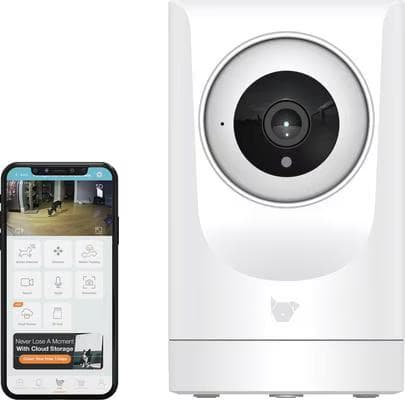
360-degree Wi-Fi pet camera so you can watch your cat's resting breathing rate and behavior from your phone and catch worrying changes early.
Webvet may earn a commission when you click through to Chewy, at no extra cost to you.
Make repeat readings comparable
If an otherwise comfortable dog has an unexpected reading, let it remain settled and repeat the count rather than waking it. Note whether it had just changed position or begun dreaming. A consistent technique makes repeated observations more informative than switching between different counting conditions.
Record limitations honestly:
- The dog was panting or recently active.
- Thick coat or position made chest movement difficult to see.
- The dog woke, moved, or started dreaming during the count.
- You counted for less than the intended time.
A video may help your veterinary team understand the pattern, but do not spend time filming an animal in distress. The purpose of knowing how to count respiratory rate is to provide useful information, not to make a home diagnosis.
Arrange a planned recheck
For a stable small dog attending a scheduled recheck, a Frisco Travel Safety carrier may be part of the travel setup. The linked size is Medium. Check fit and follow the clinic’s advice about transport. New breathing difficulty changes the plan and needs prompt veterinary instructions, regardless of the equipment available.

A Medium carrier for a stable small dog attending a planned appointment. Check fit and follow the clinic’s transport guidance.
Webvet may earn a commission when you click through to Chewy, at no extra cost to you.
High breathing rates at rest or during sleep
A dog breathing fast but not panting may have a real increase in respiratory rate. Heat, stress, pain, fever, heart disease, lung disease, and other problems can contribute. A number alone cannot identify the cause, and a dog can have more than one reason for breathing faster.
Dog rapid breathing while resting deserves attention when it is repeated or clearly unusual. A dog respiratory rate of 60 while sleeping or resting is well above the commonly used home reference. Contact your veterinarian promptly and describe the dog’s effort, behavior, and medical history.
What about 50, 60, or 70 breaths per minute?
These are not interchangeable with a normal panting count. A dog breathing 50 times a minute while sleeping, or reaching 60–70 in genuine rest, needs veterinary interpretation. Confirm that you counted complete breaths correctly if the dog is comfortable, but do not repeatedly recheck instead of seeking advice.
Tell the clinic:
- Whether the dog was truly asleep or merely lying down while alert.
- Whether the rate stayed high over repeat observations.
- Whether the mouth was open, the abdomen was working hard, or the dog could not settle.
- Whether there was coughing, weakness, pain, vomiting, or recent heat exposure.
If a dog is breathing fast but not panting while sleeping and appears uncomfortable, urgency is greater than a number by itself suggests. A senior dog respiratory rate of 60 while sleeping should not be dismissed as “just old age.” New changes in seniors deserve the same attention to symptoms and history.
Do not assume the cause
Rapid breathing does not automatically mean congestive heart failure. It also does not become harmless because your dog has no known heart murmur. A veterinarian may need an examination, chest imaging, blood tests, or other investigations to distinguish the possibilities and decide on treatment.
If heat exposure is part of the story, contact a clinic and use our dog heatstroke guide. Do not wait for a resting rate to normalize before seeking help for collapse or other concerning signs after overheating.
 $65 · no membership
Have a health question about your dog?
A licensed vet can assess your dog over video and prescribe online when it's appropriate.
 Talk to a vet
- Licensed vets
- All 50 states
- same-day Rx
Webvet may earn a commission if you book.
Puppies, small dogs, and individual baselines
Normal puppy respiratory rate requires age and context. A puppy that has just played, become excited, or started active dream sleep may breathe differently from an adult in settled sleep. Very young puppies also need neonatal guidance rather than a generic adult chart.
Normal small dog respiratory rate is not determined by applying the heart-rate rule that smaller dogs often have faster pulses. Breathing and heart rate are different measurements. Use a veterinary reference appropriate to the dog, and avoid treating breed or body size as an explanation for persistent rapid resting breaths.
When age makes a call more important
Contact your veterinarian promptly if a puppy or older dog has unusual breathing together with:
- Poor feeding, reduced appetite, or difficulty nursing.
- Marked tiredness, weakness, or poor responsiveness.
- Coughing, nasal discharge, vomiting, or fever concerns.
- A change that persists after the dog has settled.
The senior dog breathing and heart-rate guide discusses changes worth tracking as dogs age. It complements a basic reference chart; it does not make a persistent high rate normal for every senior.
Breathing effort matters more than a cutoff
A dog breathing weirdly, gasping, or using obvious abdominal effort may need emergency care even if a short count looks ordinary. “Why is my dog breathing heavy while resting?” is a question about effort as well as frequency. Watch the whole breathing pattern rather than focusing only on the timer.

Cornell’s guidance on canine respiratory distress describes signs such as increased effort and abnormal posture. Call ahead when possible so the clinic can prepare, and follow its transport instructions.
Concerning signs include:
- Belly muscles visibly working with each breath.
- Neck extended or an unusual posture adopted to breathe.
- Noisy, strained, or gasping breathing.
- Inability to lie comfortably or settle.
- Blue, gray, or very pale gums, weakness, or collapse.
Avoid opening the mouth repeatedly or restraining a distressed dog for a better look. A calm environment and prompt veterinary help are more useful than trying to complete every home check.
Tracking changes and heart disease
Tracking a dog’s respiratory rate over time can be helpful when readings are collected consistently under a veterinary plan. Our breathing-rate trends guide explains how to keep a consistent log and discuss changes with your veterinarian. Compare readings taken under similar conditions so the pattern is useful.
A rising resting rate may be one of the early heart failure breathing signs, but it is not specific to heart failure. See congestive heart failure in dogs for condition-specific context. A dog with known disease should follow its veterinarian’s individual thresholds and contact instructions.
Ask the treating team to define:
- The expected sleeping rate for this dog.
- What repeated change should prompt a call.
- How to respond when the rate and visible effort disagree.
- Whether a device adds useful information to a manual log.
Ask the clinic whether a count taken during wakeful rest is useful for your dog, or whether it specifically needs a settled sleeping count. Keep that choice consistent in the log.
Monitoring supports care between visits. It should not become a reason to postpone an examination when the dog is newly unwell.
An optional monitoring tool
Maven Pet offers a collar sensor for heart-rate and resting breathing trends in dogs. Ask your veterinarian whether those records would help with your pet’s care, and check current species features and subscription terms. We have not tested this device for this guide.
A wearable records trends; it does not diagnose a condition or replace urgent care. Manual observations remain useful, and a normal device reading should never override visible breathing difficulty, collapse, or other worrying symptoms.
Frequently asked questions
Is 36 a normal respiratory rate for a dog?
A respiratory rate of 36 breaths per minute during true rest or settled sleep is above the commonly used 15–30 home reference for a dog. If the dog is comfortable, repeat the count under comparable calm conditions.
Contact your veterinarian about a persistent elevation. Visible breathing effort, weakness, or other concerning symptoms warrants more urgent advice rather than repeated counting.
What is considered a low respiratory rate for a dog?
A low respiratory rate for a dog needs context, including sleep, medication, and the dog’s usual pattern. There is no single home cutoff that can establish safety without considering depth and effort.
Contact your veterinarian about a new or unexpected low count, especially if breathing is shallow or the dog is difficult to wake. Unresponsiveness or abnormal breathing requires emergency help.
Should I count during dreaming?
Twitching or active sleep can make breathing temporarily variable and the count less representative. Wait for settled sleep when possible without waking or disturbing the dog. Record that context with the reading. If breathing remains fast or looks difficult after the dog settles, seek advice rather than assuming every change is caused by dreaming.
Can panting reach a much higher rate?
Yes, panting is different from quiet resting respiration and can be much faster. It often follows activity or warmth, but heat or distress can also cause concerning panting. Do not compare a panting count directly with a sleeping-rate chart. Unexpected persistent panting, especially with weakness or discomfort, deserves veterinary attention.
Can a normal number rule out breathing trouble?
No. A dog can have visible effort, abnormal breathing sounds, poor oxygen delivery, or another serious problem without a strikingly high rate. If the dog struggles to breathe, cannot settle, collapses, or has pale or blue gums, obtain emergency care. A reference-range count does not cancel those signs.
Should I buy a breathing monitor?
Ask whether a device would add useful information to your dog’s veterinary monitoring plan. A manual baseline may be sufficient for some dogs. A monitor needs appropriate fit, reliable interpretation, and clear instructions about alerts. It cannot diagnose the cause of a change or replace urgent evaluation when your dog appears unwell.
$65 · no membershipHave a health question about your dog?
A licensed vet can assess your dog over video and prescribe online when it's appropriate.
Talk to a vet- Licensed vets
- All 50 states
- same-day Rx
Webvet may earn a commission if you book.

Editor
The Webvet Editorial Team is the in-house group of pet-care editors and writers behind Webvet, operated by Smart Pet Collective. The team researches, writes, and maintains Webvet's pet health, behavior, and medication content. Every article follows a defined editorial process: research from reputable veterinary and scientific sources, careful drafting, mandatory review of medical content by a credentialed veterinarian, and dated publication. Health and medication articles are medically reviewed by a licensed veterinary professional before they go live and are kept current over time.
Veterinarian · BVMS MRCVS
Dr. Pippa Elliott, BVMS, MRCVS, is a veterinarian with nearly 30 years of experience in companion animal practice. Dr. Elliott earned her Bachelor of Veterinary Medicine and Surgery from the University of Glasgow. She was also designated a Member of the Royal College of Veterinary Surgeons. Married with 2 grown-up kids, Dr. Elliott has a naughty Puggle named Poggle, 3 cats and a bearded dragon.


